Outdoor Tech
Satellite Messaging Showdown: iPhone 14, Garmin inReach Messenger Plus, and Hiboy P6
Apple's built-in satellite messaging, Garmin's photo and voice capable communicator, and an affordable all-terrain e-bike compared on hardware, coverage, and cost.
Introduction
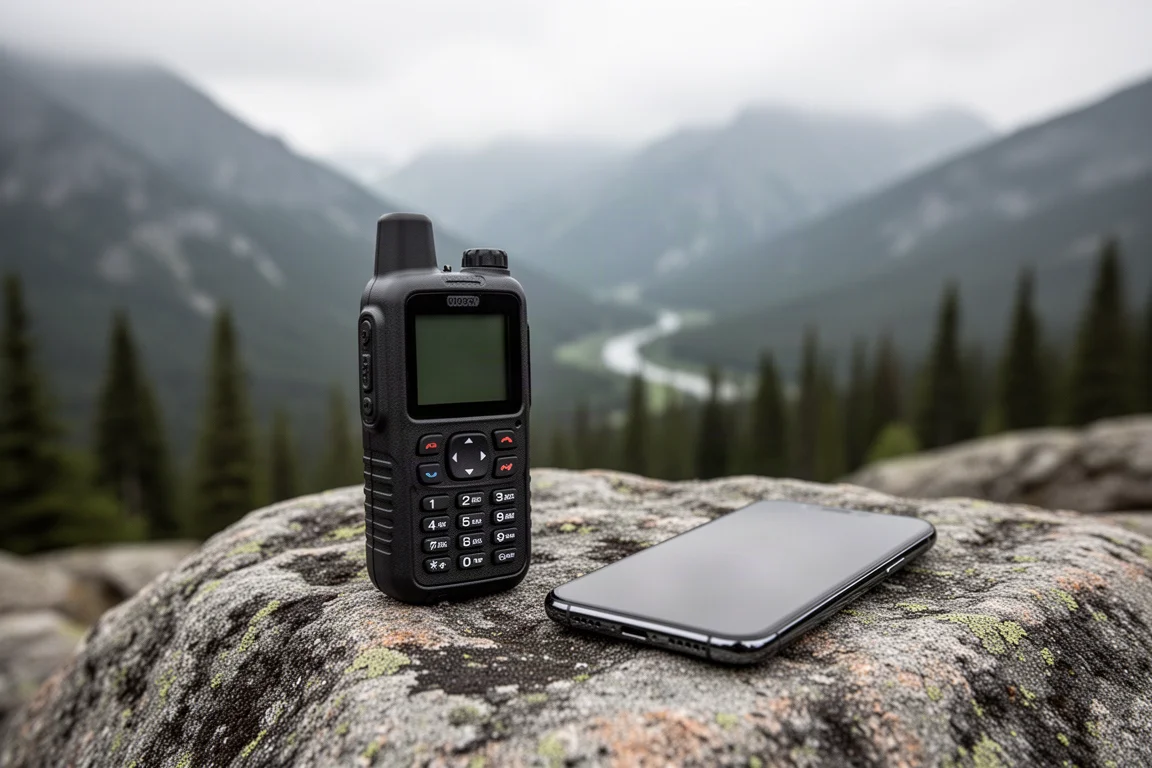
Satellite messaging has moved quickly in a short space of time. With the iOS 18 release, Apple brought two-way satellite messaging to the iPhone, a capability that until now required a separate satellite device paired with a phone to send and receive messages through satellites. Garmin answered with the inReach Messenger Plus, a dedicated communicator that can send pictures and voice messages from anywhere in the world.
Those two approaches sit at opposite ends of the same problem, and the differences between them are practical rather than cosmetic. This roundup compares them directly, then looks at the Hiboy P6, an all-terrain electric bike that suits readers who want one machine for pavement and trail.
What Matters Most in a Satellite Communicator
Five things decide whether a satellite communicator is genuinely useful: how the hardware handles the antenna, whether you can start a satellite session on your own terms, how long the battery lasts, which satellite network sits behind the device, and what the service costs month to month.
A phone is built to be slim and light, which leaves very little room for a satellite antenna, so it needs help finding a clear view of the sky. A dedicated communicator can be clipped to a pack and left to work in the background. That single difference shapes almost everything else.

The second factor is control. Being able to trigger satellite messaging deliberately, rather than waiting for a device to decide that conditions are bad enough, matters most in exactly the situations where messaging matters at all.
Apple iPhone 14: Satellite Messaging Built Into the Phone
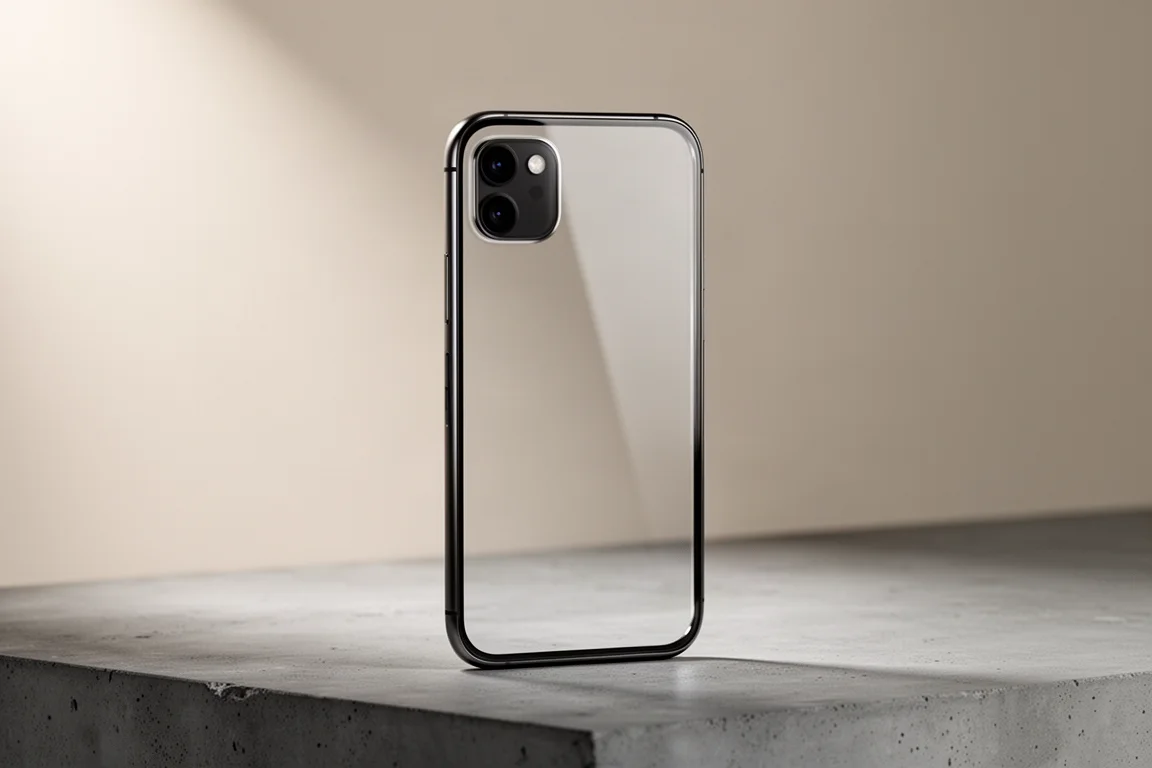
Apple’s approach removes the extra device from the equation. iOS 18 allows two-way satellite messaging on the iPhone, so messages can be sent and received without a separate communicator. On iPhone 14 and newer models, emergency SOS and satellite messaging are currently included at no additional monthly service charge.
The trade-off is hardware. The iPhone is not a dedicated satellite device. It is built to be sleek and thin rather than rugged, and the small antenna means you have to help the phone see the satellites to get a clear signal. Depending on where the satellites are, turning only the phone can put the screen out of view, which can mean turning your whole body instead.
There is also a limit on when satellite messaging can start. The iPhone will not initiate a satellite session until it is completely out of cellular range. A single bar of service is enough to block it, even when that bar is not strong enough to send a message. The reasoning is understandable, since satellite messages cost more to send than regular texts, but it leaves a frustrating gap at the edge of coverage.
Battery life adds another consideration. A phone that is already being used as a GPS and a camera, and that is searching for signal rather than sitting in airplane mode, drains quickly. On the network side, Apple uses the Globalstar constellation, which does not have full global coverage, and satellite messaging currently works in the United States and Canada only. Messages are also reported to drop more often on that network than on the alternative.
Apple has not said how long the free inclusion will last or what it will cost if satellite messaging becomes a paid service.
Garmin inReach Messenger Plus: Photos and Voice on a Dedicated Device
The inReach Messenger Plus does something no other satellite communicator has been able to do: it sends pictures and voice messages from anywhere in the world. That capability alone sets it apart from text-only messaging, and it is the clearest example of what a dedicated device can offer that a phone cannot.
As a dedicated unit, it hangs off a pack and can see and communicate with satellites without needing to be turned to face them. If cellular service is unreliable, switching the paired phone to airplane mode lets the Messenger Plus send over satellite automatically, even in the middle of a city.
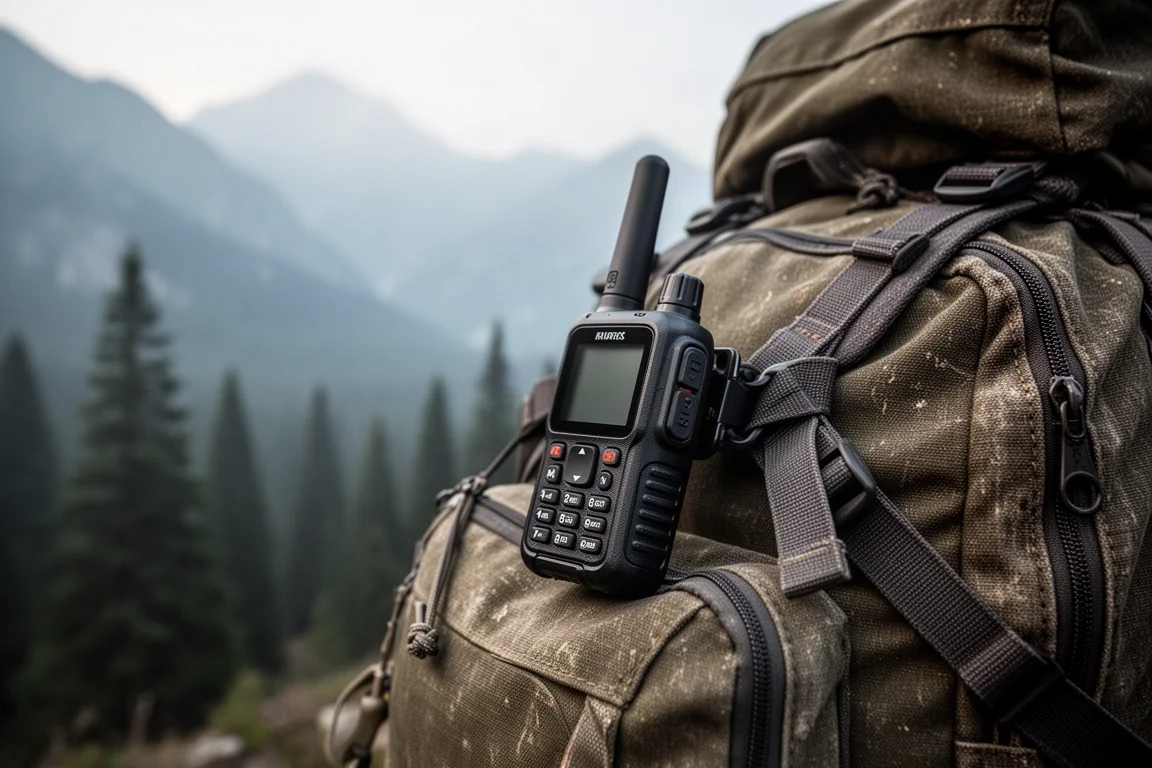
Battery endurance sits in a different category from a phone. The Messenger Plus lasts for days and can even charge a phone as if it were a battery bank. If the phone dies, the built-in screen still allows SOS messages to be sent and read, and an SOS to be called.
Garmin runs on the Iridium network, which is a truly global network and is regarded as more reliable than Globalstar, with fewer dropped messages. Live tracking lets friends and family follow your position and your route in real time, and trackback helps you retrace your steps if you lose the trail.
Hiboy P6: An All-Terrain E-Bike for Mixed Terrain
The Hiboy P6 is a true all-terrain electric bike, built for readers who want one machine for paved roads and trails alike. Its 26 by 4 inch fat tires are the defining feature.
Fat bike tires are more stable and easier to balance than regular bike tires for two reasons. They put more surface area in contact with the ground, which improves traction, and they carry more mass spinning around the tire, which increases angular momentum and helps the bike want to stay upright.
The P6 is also one of the more affordable bikes on the market, on sale for $959. Many e-bikes cost well over $1,000, and some reach as much as $4,000. Alongside the price, the P6 pairs an efficient motor with a durable battery and a comfortable riding design.

What Satellite Service Really Costs
Cost is where the two satellite approaches separate most sharply. On an iPhone 14 or newer, emergency SOS and satellite messaging are currently included free, with no additional monthly service charge.
Garmin requires at least $8 per month just to have emergency SOS. Tracking costs $29 per month, and unlimited messages cost $50 per month. Even on the $50 tier, photo and voice messages are capped at 50, and anything beyond the included allowances is charged per message or per image. That sits on top of the device itself, which is $500 for the model that can send photos and voice messages.
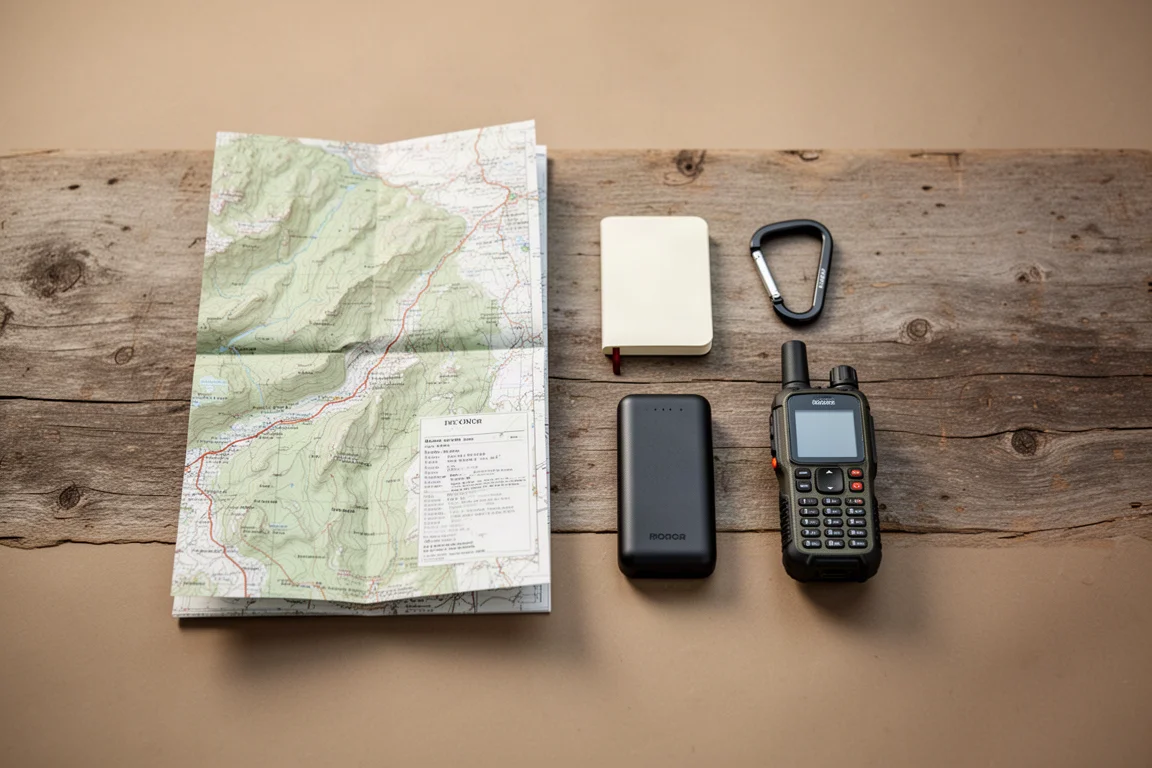
Paying $500 for the hardware and $50 per month for unlimited texts, and still receiving only 50 photo or voice messages, is difficult to justify for anyone who simply wants to send a few photos from the backcountry. If Apple eventually begins charging for satellite messaging, cheaper service may be the only way standalone communicators hold their ground.
Coverage, Hardware, and Reliability Compared
Coverage differs by network. Globalstar, which Apple uses, does not have full global coverage, and Apple satellite messaging currently works in the United States and Canada. Iridium, which Garmin uses, is a truly global network, so the Messenger Plus can be used anywhere in the world.
Hardware follows the same split. The iPhone is a slim, everyday device that is not designed for the outdoors and depends on being positioned toward the satellites. The Messenger Plus is a rugged, dedicated communicator that works from a pack strap and keeps functioning independently of the phone.
Battery and resilience complete the picture. A phone that is also acting as a GPS and a camera may not make it through a demanding day outdoors without a power bank, and leaving it off airplane mode to receive replies drains it faster. The Messenger Plus lasts for days and can top up a phone, and its own screen keeps SOS available even if the phone is dead.
Buying Advice Before You Commit
Start with what you already carry. If you own an iPhone 14 or newer and your needs are occasional emergency SOS and check-in messages close to home, the built-in satellite features cost nothing extra today and require no additional hardware.
If you travel internationally, want photo and voice messages, live tracking, trackback, and a communicator that keeps working when your phone does not, the inReach Messenger Plus is the more capable tool, provided the subscription fits your budget.

If your priority is a single bike that handles pavement and trail at a low price, the Hiboy P6 and its fat tires are worth a close look, particularly at the current sale price.
One caveat applies to the iPhone route. Apple has not committed to keeping satellite messaging free indefinitely, so the long-term cost is not yet known. Buyers who want certainty about what they will pay in two or three years should weigh that against the convenience of carrying one device.
Conclusion
Apple has made satellite messaging a built-in feature of the iPhone, which removes the need for a second device in many situations and currently costs nothing extra. Garmin has pushed the dedicated communicator further, with photo and voice messages, global Iridium coverage, multi-day battery life, live tracking, and a screen that keeps SOS available when a phone dies, at the cost of a $500 device and a monthly plan. The Hiboy P6 rounds out the list as an affordable all-terrain e-bike for readers who split their riding between roads and trails. The right choice comes down to how far you go, how often you need to reach someone, and how much you are willing to pay each month to do it.
Further reading
Related Reviews
Outdoor Tech
PeakDo LinkPower Starlink Mini Battery Review: Reliable Off-Grid Power
A TSA-compliant 99Wh battery that clips directly onto the Starlink Mini dish, offering over four hours of run time and USB-C solar charging.

Backpacking Gear
Building a 10 lb Base Weight: An Ultralight Backpacking Gear List
A practical walkthrough of the ultralight pieces behind a 10 lb base weight, from a 765 g pack and a roomy one-person tent to a full camp chair and a dependable water filter.

Road Bikes
10 New Road Bikes Worth Watching: Aero, Titanium, Steel and Endurance Standouts
A practical roundup of 10 new road bikes, from aero flagships chasing single-watt gains to titanium, steel and endurance platforms built for real roads.