Ski Destinations
Verbier 4 Vallées Review: Switzerland's Biggest Ski Region for Big Mountain Skiers
A deep dive into Verbier 4 Vallées, Switzerland's largest fully domestic ski area, with 410 km of pistes, standout freeride terrain, and a lively après scene.
Introduction
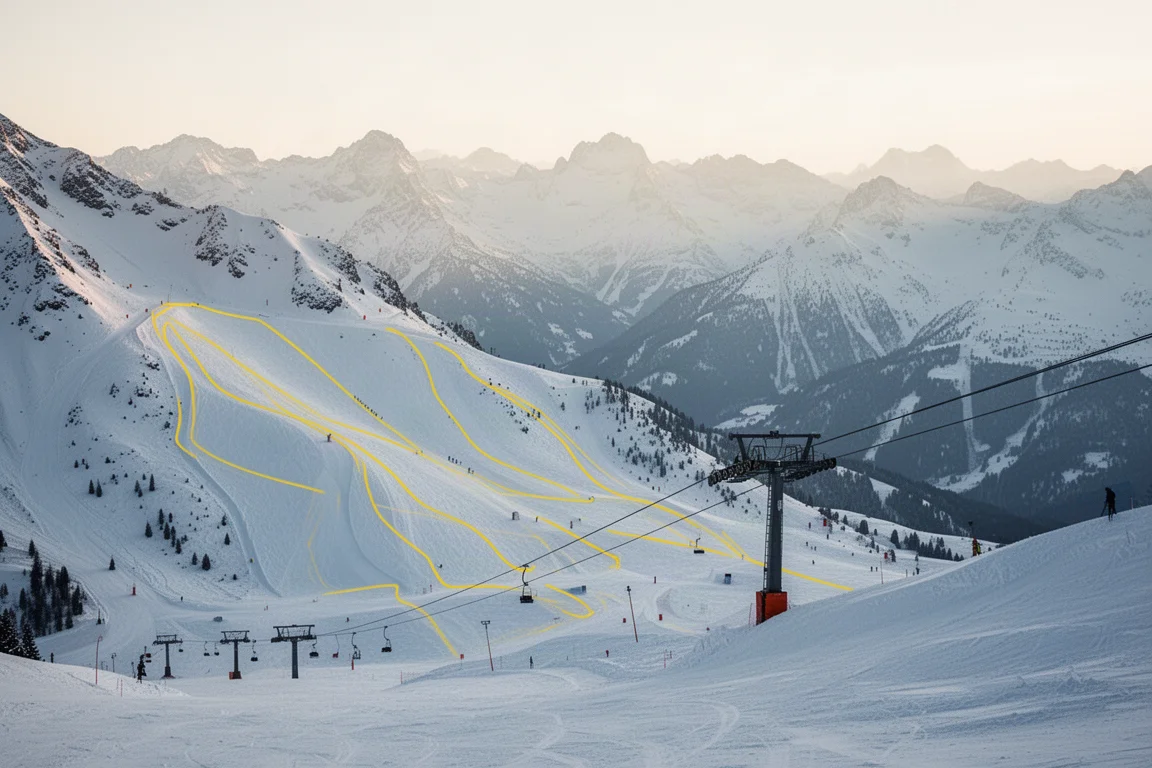
Looking for the best of European big mountain skiing? Verbier 4 Vallées is a must-hit ski region, with over 410 km of pistes spread across six interconnected ski areas. Its sheer size already stands out, but what really makes Verbier special is its extensive selection of maintained and patrolled freeride terrain, something that remains genuinely rare in the Alps. This review covers the overall mountain experience, how it scores across key categories, and whether it is the right choice for your next European ski trip.
Who Verbier 4 Vallées Is For
The region’s layout is the first thing to understand. Beyond the headline ski area of Verbier itself, the region includes five other resorts connected by a continuous lift network: Bruson, a modest mountain mainly serving intermediate terrain; La Tzoumaz, a lower-elevation area skewed toward beginners and intermediates; Nendaz, an intermediate-to-advanced area snaking through several smaller peaks; Veysonnaz, mostly intermediate but with access to what may be the longest freeride run in the entire region; and Thyon, the most beginner-oriented of the bunch. Combined, these areas offer 410 km of pistes and 8,335 acres, making Verbier 4 Vallées the largest ski area located wholly in Switzerland, weeks’ worth of terrain for most visitors.
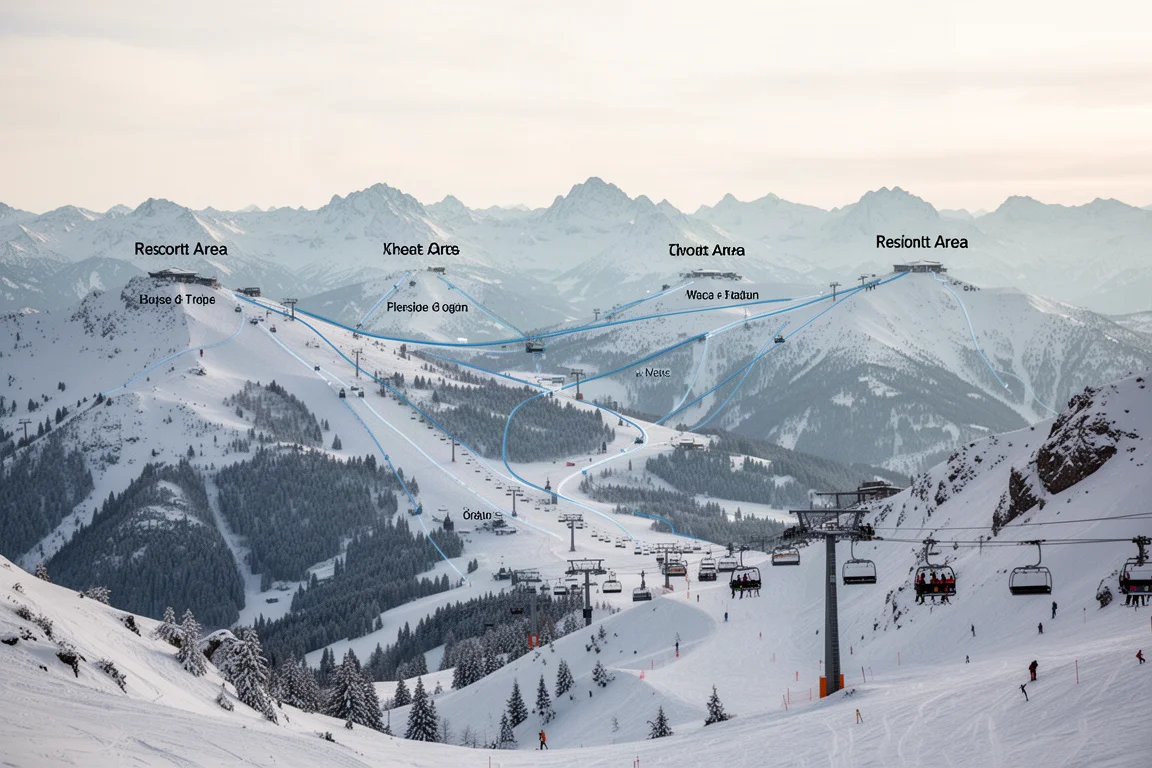
Beginners should temper expectations. Every sector includes at least some beginner pieces, but these segments are disconnected from those in other sectors, so less confident visitors will likely stick to one specific area rather than explore the whole domain. Intermediates get far more value: most areas offer enjoyable red-rated cruisers, with the Veysonnaz sector and the Les Ruinettes area hosting the largest concentration, though a few transfers still require downloading a lift. But the guests who will get the most out of this resort are proficient skiers and riders, for whom it is one of the best big mountain destinations Europe has to offer.
Where It Shines: Big Mountain and Freeride Terrain
Verbier 4 Vallées has solid freestyle builds throughout its footprint. The best park complex sits in the La Chaux area, with boxes, rails, jumps and rollers from small to large, plus an airbag feature for adventurous freestylers. A smaller additional snow park can be found at Thyon with features for all abilities.
But where the mountain truly stands apart is expert terrain. Beyond a few solid black-rated steep groomers, Verbier proper offers yellow-rated freeride pistes: ungroomed terrain, perilous pitches and, in places, obstacles such as cliffs and chutes. Some of these routes are especially long, so endurance on the mountain is key.
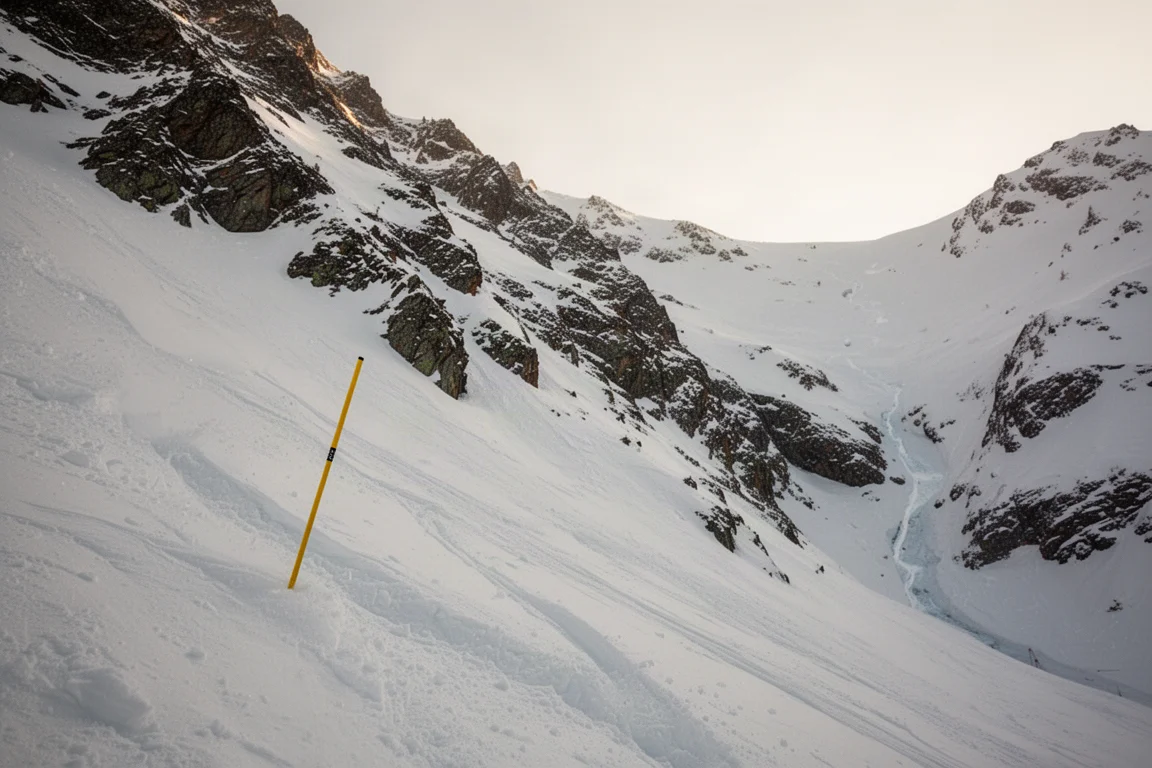
Extreme skiing enthusiasts should head for the Mont Gelé and Mt Fort areas, which hold the best concentration of patrolled big mountain skiing and, unusually for Europe, no easy ways down. In Mt Gelé, taking an expert-level freeride piste down is mandatory. Col des Gentianes and other off-piste zones near marked trails hide some genuinely iconic lines, though anything not marked on the trail map is not patrolled or controlled for avalanches. Anyone planning to go off-piste should carry a beacon, shovel and probe, check avalanche conditions, and either bring a partner or hire an experienced guide. The region earns a perfect 10 for challenge, the first European domain reviewed here to reach that top-tier rating, alongside a 9 for terrain diversity and a 10 for sheer size.
Things to Consider Before You Go
Snow reliability is generally good but not flawless. The region averages around 200 to 300 inches of snow per season, competitive for the Alps, but many parts of Verbier proper face south, which can produce inconsistent, spring-like conditions in sunny warm weather. Upper-mountain freeride areas may be icy in the morning and slushy in the afternoon, conditions that make avalanche gear all the more important. On the plus side, areas such as Tortin and parts of the Mont Fort summit hold snow well, and snowmaking covers most lower and some mid-mountain areas.
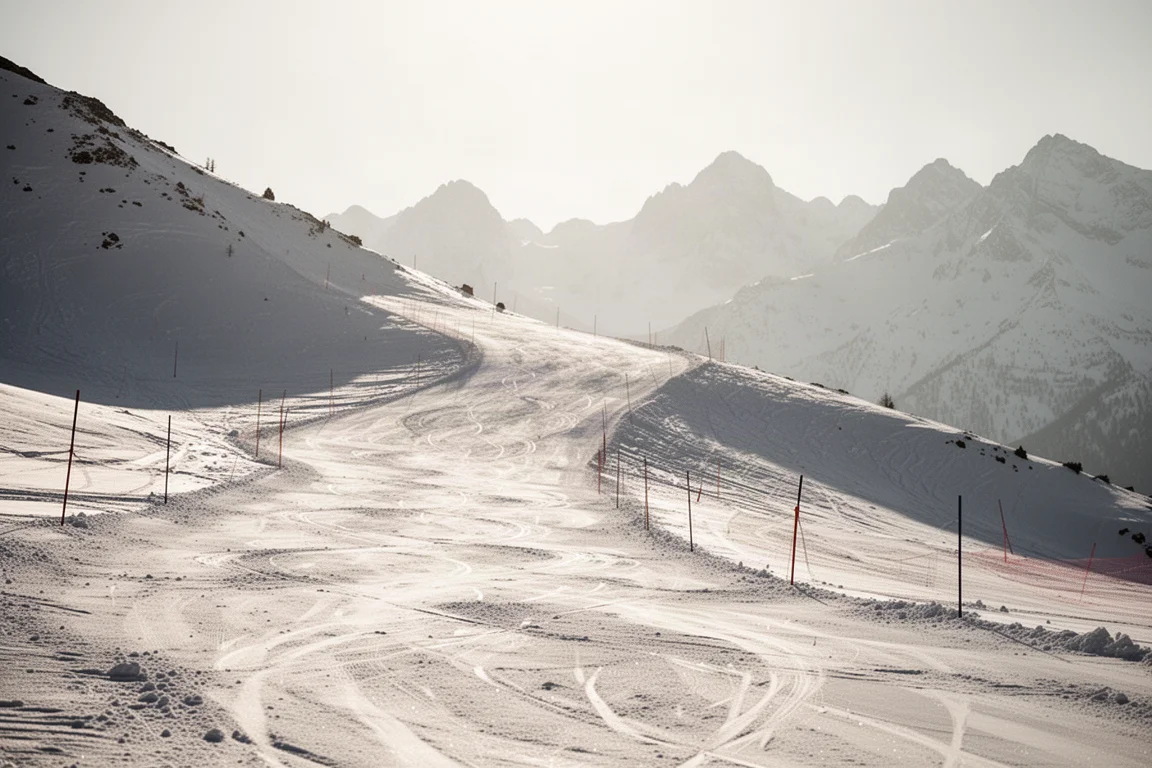
The lift fleet is a mixed bag. A sizable majority of lifts are high-speed, with bubble chairs, gondolas, funitels and trams keeping visitors out of the elements in several areas. However, outside Verbier proper you should be prepared for slow fixed-grip chairs and physically taxing surface lifts, especially in the Veysonnaz sector. The region’s highest zones are served exclusively by trams, which keeps traffic down but imposes long headways and waits. One improvement: the slow old quad chair linking toward Nendaz was replaced with a detachable lift for the 2024-25 season.
Navigation deserves a warning. Signage is clearly readable, but getting between Verbier proper and the more northern resorts can be a maze-like, hour-long, multi-lift journey, and reaching Bruson alone involves two gondola rides. Access to La Tzoumaz from other sectors is even less intuitive, so most guests use a shuttle through the town instead. Weather can also complicate the experience: flat light and storm visibility are real factors in such an exposed, above-tree-line domain, and the Mt Gelé freeride zone is subject to closure during unfavorable conditions. On-mountain dining is plentiful with sit-down restaurants around every turn in some areas, though casual cafeteria-style food is surprisingly hard to distinguish and find.
Lift Tickets, Access and Lodging
Lift tickets sit on the pricey side for Europe, but the rates are reasonable for what you get, with significant discounts available if you buy in advance or select a ticket covering only specific sectors. Verbier is technically available on the full Epic Pass, but you have to book with pricey lodging partners to use that benefit, and for most visitors it is cheaper to book normal accommodation and buy lift tickets separately.
Access runs through Geneva, roughly two hours away by car and about three hours by rail to each sector. Verbier and Bruson are reached via a different valley, with cable car options from their valley stations, while the other resorts require bus rides. Lodging options exist in every sector: Verbier town offers primarily upscale and luxury stays in a convenient location, Le Châble provides more budget-oriented lodges and apartments, and Nendaz and Veysonnaz offer several hotel and chalet options, with La Tzoumaz and Bruson more limited.
Après-Ski and Nightlife
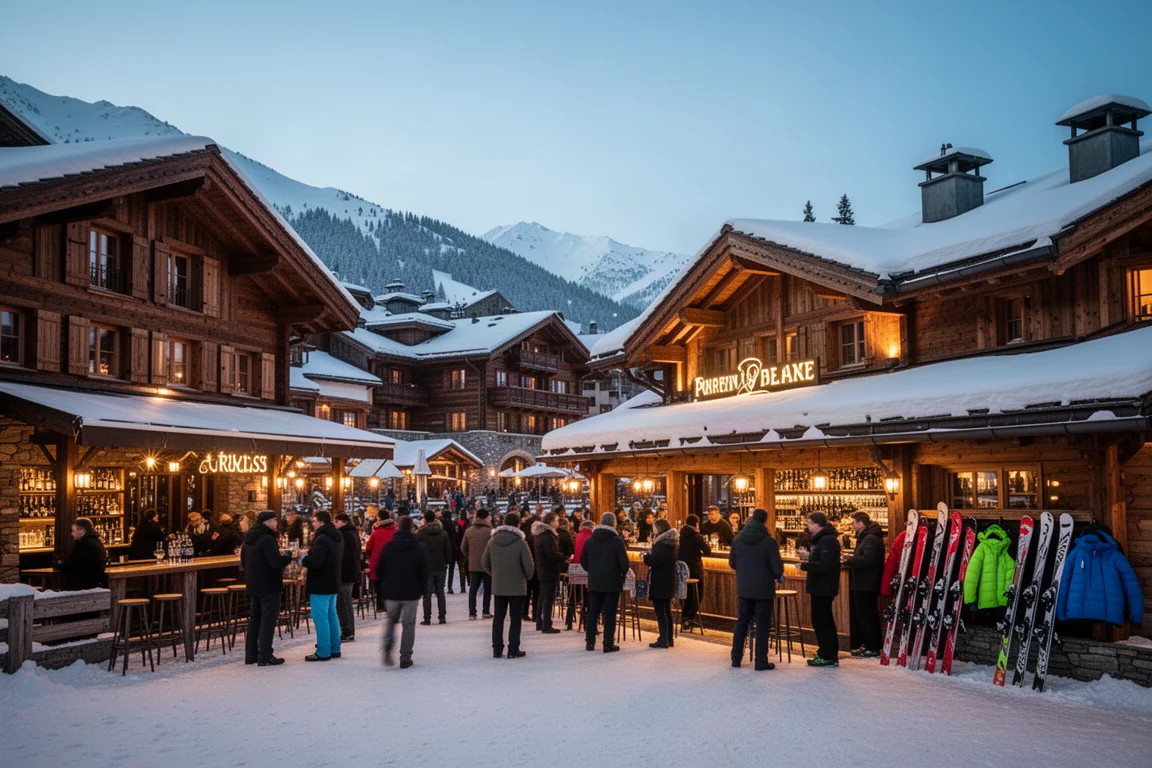
Verbier has a strong après-ski scene, not quite as wild as top resorts such as Val Thorens or St. Anton, but lively from the lunch hour with live music and party vibes common even on weekdays. Music and dancing can extend well after the lifts close, and some guests end up skiing down to the village in the dark. In town you will find everything from fancy Swiss restaurants and steakhouses to surprises such as a genuinely good Mexican restaurant, plus bars and nightclubs that stay open as late as 4:00 a.m. Le Châble offers more casual dining with a much quieter scene, and Nendaz has a few nightclubs of its own.
Conclusion
Verbier 4 Vallées scores an overall 73 out of 100 across ten rating categories, and it is hard to find a better-rounded resort in the Alps, especially for tenured experts looking for inbounds thrills. Some destinations offer better infrastructure or après scenes, but the massive footprint, generally reliable snow and distinctive alpine feel make it a great choice for most people planning a European ski trip. Verbier proper will no doubt be the star of the show, though those seeking gentler, lower-key regional skiing will enjoy the other interconnected resorts too.
Product link
View more details for Verbier 4 Vallées
This product is mentioned in the review. Check the specifications, options, and compatibility before buying.
View more details for Verbier 4 ValléesFurther reading
Related Reviews
Ski Destinations
16 American Ski Resorts Ranked: From Park City to Snowbird
A season-long tour across 16 American ski resorts, ranked from worst to best, with honest notes on terrain, snow, crowds, and vibe at each one.
Ski Destinations
Andermatt-Sedrun-Disentis Review: Switzerland's Low-Key Epic Pass Resort
A wide, quiet Alpine ski region spanning three separate mountain zones, now on the Epic Pass. Here is how the terrain, snow, lifts, and village experience stack up.
Ski Destinations
The Best Ski Resorts in Western Canada, Ranked
We rank every major Canadian ski resort west of the Rockies, from Nakiska's day-trip convenience to Whistler Blackcomb's unmatched terrain diversity.