Ski Destinations
16 American Ski Resorts Ranked: From Park City to Snowbird
A season-long tour across 16 American ski resorts, ranked from worst to best, with honest notes on terrain, snow, crowds, and vibe at each one.
Introduction
After years of skiing Canada’s resorts, this season was spent working through some of America’s best ski hills, with 16 resorts visited across one winter, starting in Colorado and finishing in Montana. What follows is the full ranking, from the bottom of the barrel to the crown.
Ranking ski resorts is a thankless task because every mountain on this list is genuinely phenomenal. Each one was judged the same way: how good the terrain is, whether the snow holds up, how the mountain flows, and how it feels to spend a day there.
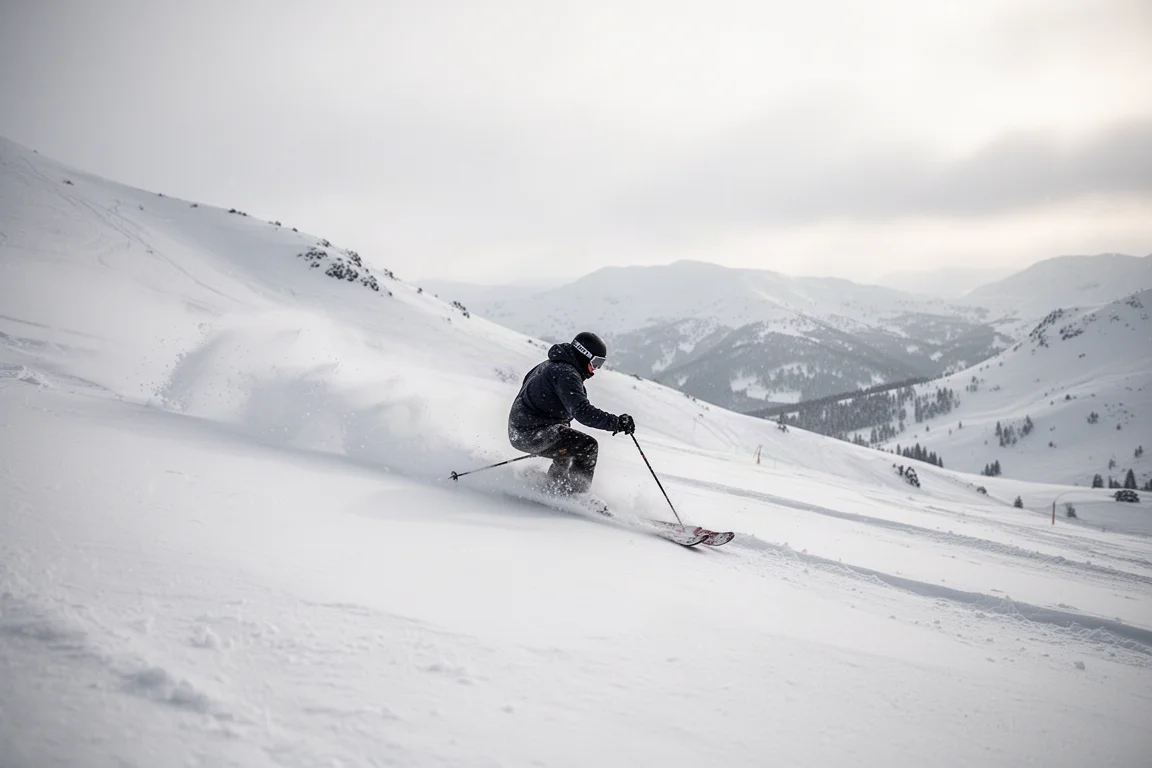
One bias worth flagging up front: as a fall-line skier who hates wasting time on flats, mountains that keep the pitch going rank higher than ones that don’t.
Number 16: Park City
The biggest resort on this list lands last, proving bigger isn’t necessarily better. After amalgamation in 2015, Park City became a 7,000-plus acre monster split into a canyon side and a Park City side, and it is genuinely hard to navigate. Locals usually pick one side for the day; skiing across the whole thing revealed a lot of flat, and plenty of runs offer a steep half followed by a long mellow crawl.
That said, there were highlights: the 9090 zone and Super Condor lift on the canyon side, and the McConkeys lift and Jupiter zone on the Park City side, plus mining relics scattered around like an open-air museum. For intermediates who love exploring groomers, it is actually a great resort, and on a pow day you might find fresh lines all day because Utah’s powder hounds head to the canyons instead. But for hard-charging expert skiing, it was flat and underwhelming.
Number 15: Vail
Vail was long considered the crown jewel of Colorado skiing, and the back bowls are genuinely staggering: enormous, expansive open terrain with chairlifts everywhere you look. The north-facing front side offers colder snow, steeper tree runs, cliff drops, and fun groomers, while Blue Sky Basin has its pockets of sweet terrain.
The catch is that most of that vast terrain feels big and normal rather than stimulating, with few natural features. It is arguably the ideal resort for casual skiers and families, and skiing 50k of vertical in a day with no lift lines is a legitimate blast. The villages are a story of their own: Lionshead is fairly normal, while Vail Village looks straight out of a theme park, in the most amusing way possible. Steep-skiing devotees will not find their fix here.
Number 14: Breckenridge
Breckenridge is home to the highest chairlift in North America, and the high alpine up top surprised with how gnarly it is: open, alpine, gorgeous views, and seriously high elevation. The peak six and peak eight boot packs delivered, including the six senses area, the lake chutes, and the hilariously named Wacky’s, a run with plenty of exposure.
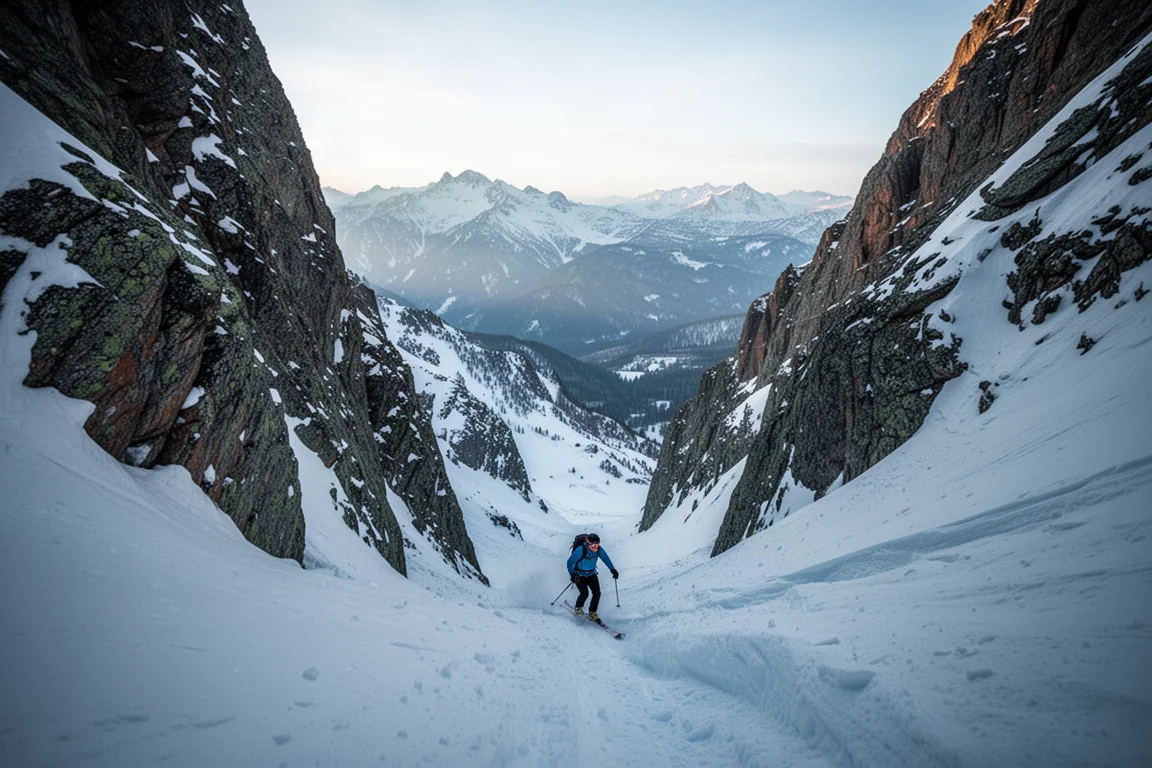
The downside is that everything outside the high alpine is some of the flattest groomed terrain imaginable, so there is rarely a true top-to-bottom with consistent pitch. Add reports of rough lift lines, freezing cold, ripping wind, and the fact that if the upper chairs close there is not much left to ski, and it lands here. Still a blast of a mountain.
Number 13: Aspen Snowmass
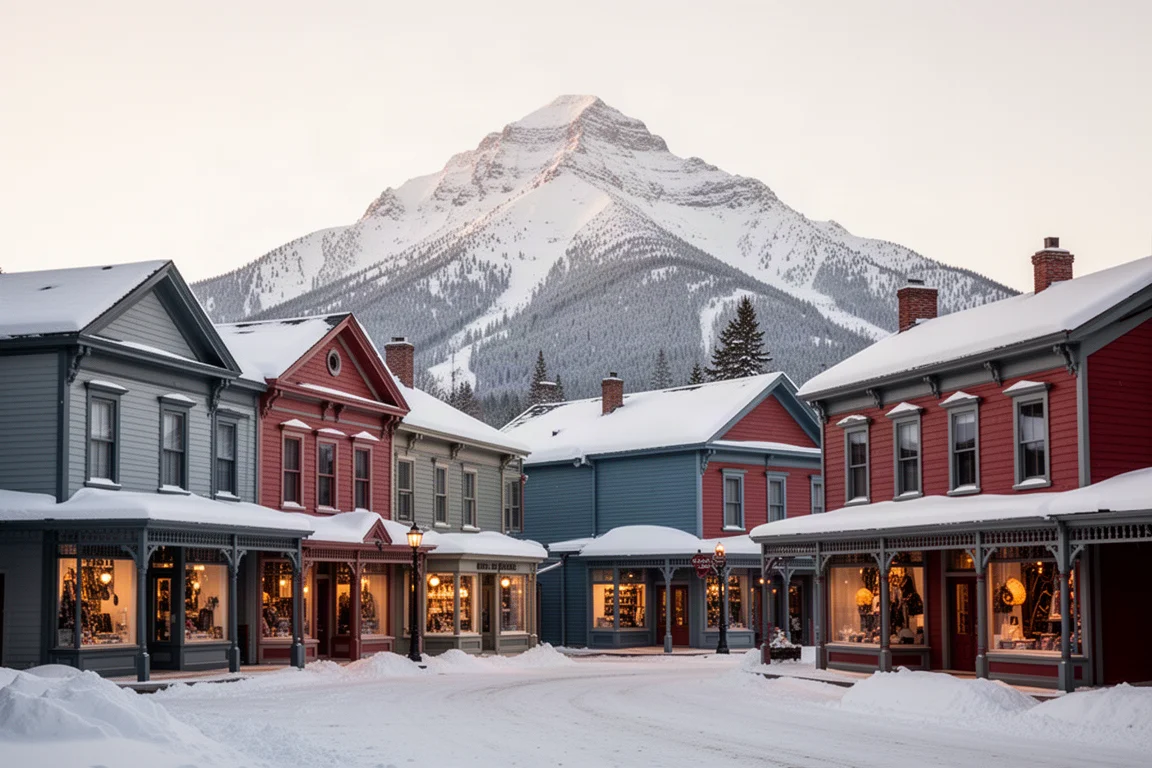
Aspen Snowmass delivered possibly the best groomed run of the entire season, and it was a first look at the genuinely ritzy side of American skiing. It is a scene up there, though credit where due: there is a parking lot where van lifers can sleep, which is rare at American resorts.
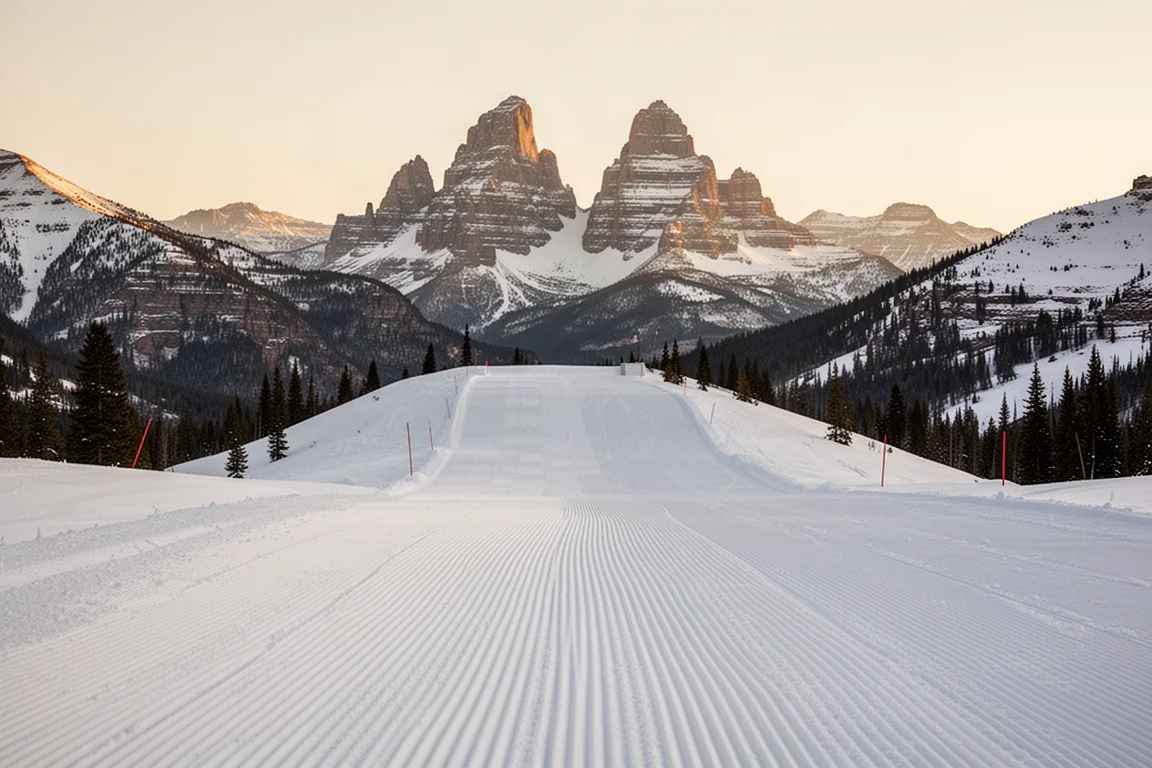
The groomed terrain is incredible, with wide, consistent pitches like those under the Coney chair and the steep fall-line groomers off Big Burn. The Cirque headwall is the famous zone, AMF off the Top of Alps is super fun, and the Hanging Valley glades reward getting pleasantly lost. Burnt Mountain cliffs hide pillow lines, and the Long Shot blue tree run off a boot pack is one of the best top-to-bottom blue runs anywhere. The annoyance is flow: lapping the best terrain takes a two-lift cycle, and views are limited until the Elk Camp chair and the Maroon Bells reveal themselves.
Number 12: Mount Baker
The birthplace of freeride snowboarding and one of the most unique mountains in North America. Baker is an absolute classic: crazy natural features, sick lines, and outstanding slackcountry access that people ride the chairs just to reach. When the storm delivers light and dry snow, it is magical, and Baker gets some of the deepest snowfall in America.
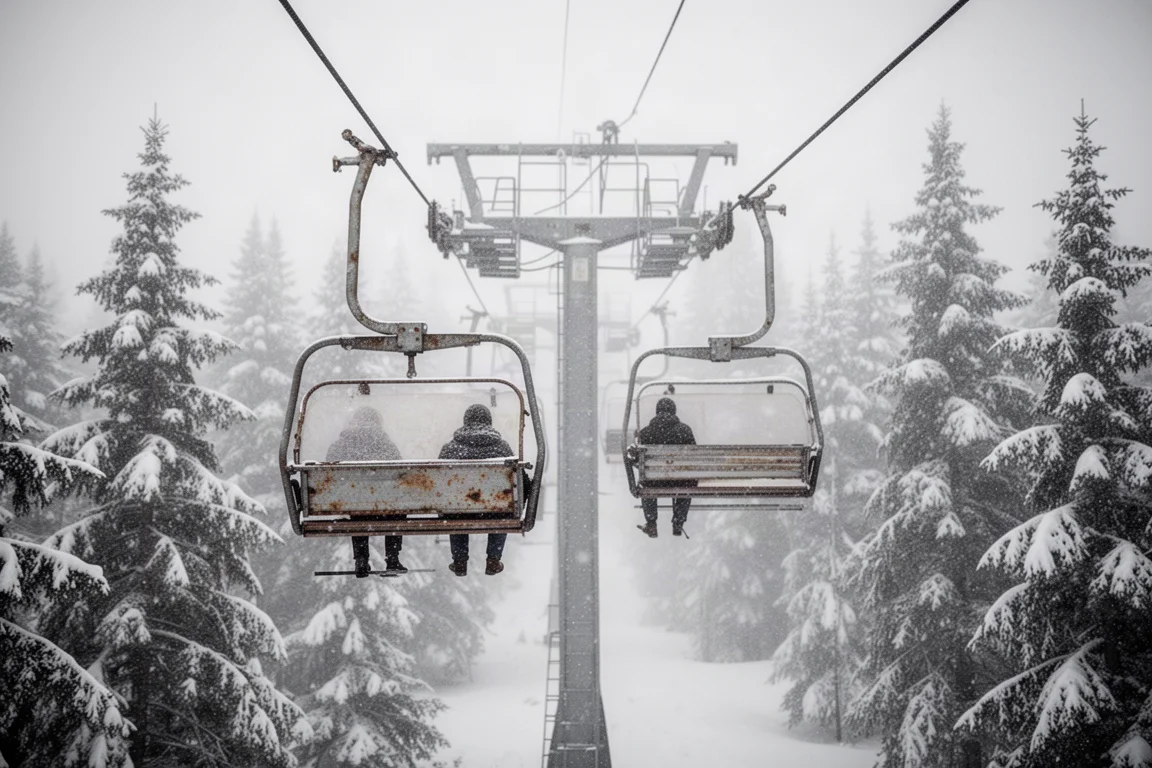
The compromises are real: everything runs on low-speed chairs, crowds are growing with Bellingham’s population, and the wet coastal climate means some days are straight-up soupy, wet snow that soaks through two suits, two gloves, and two goggles. On the right day, though, the mix of old-school vibe, epic snow, and raw terrain is special. A dream spot for a true pow day.
Number 11: Snowbasin
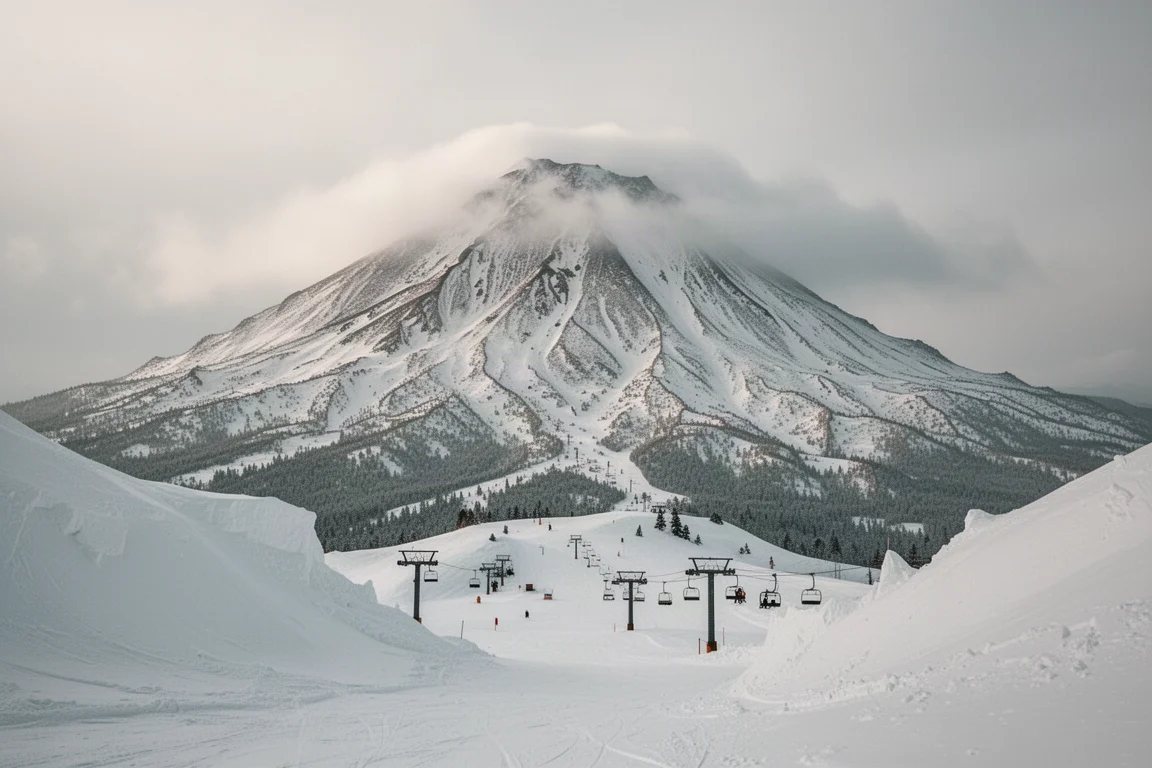
A total sleeper that many northerners do not even know exists. Snowbasin blew away expectations from the moment of arrival: free parking, excellent facilities, and lodges that look like country clubs, thanks to its role as a 2002 Winter Olympics host mountain for the Super G and the Grizzly downhill.
The terrain variety is excellent: open slinky tree skiing on the Strawberry side with nobody around, and the John Paul chair with a little tram to the top, where the run No Name delivered powder top to bottom in a brutal minus 30 Celsius cold snap. Aggressive skiers regularly overlook Snowbasin in favor of the canyons, which means pow laps to yourself. Locals even ski off the back toward Ogden. Not the steepest mountain out there, but a wonderful mixed bag that is high on the list to revisit.
Number 10: Aspen Highlands
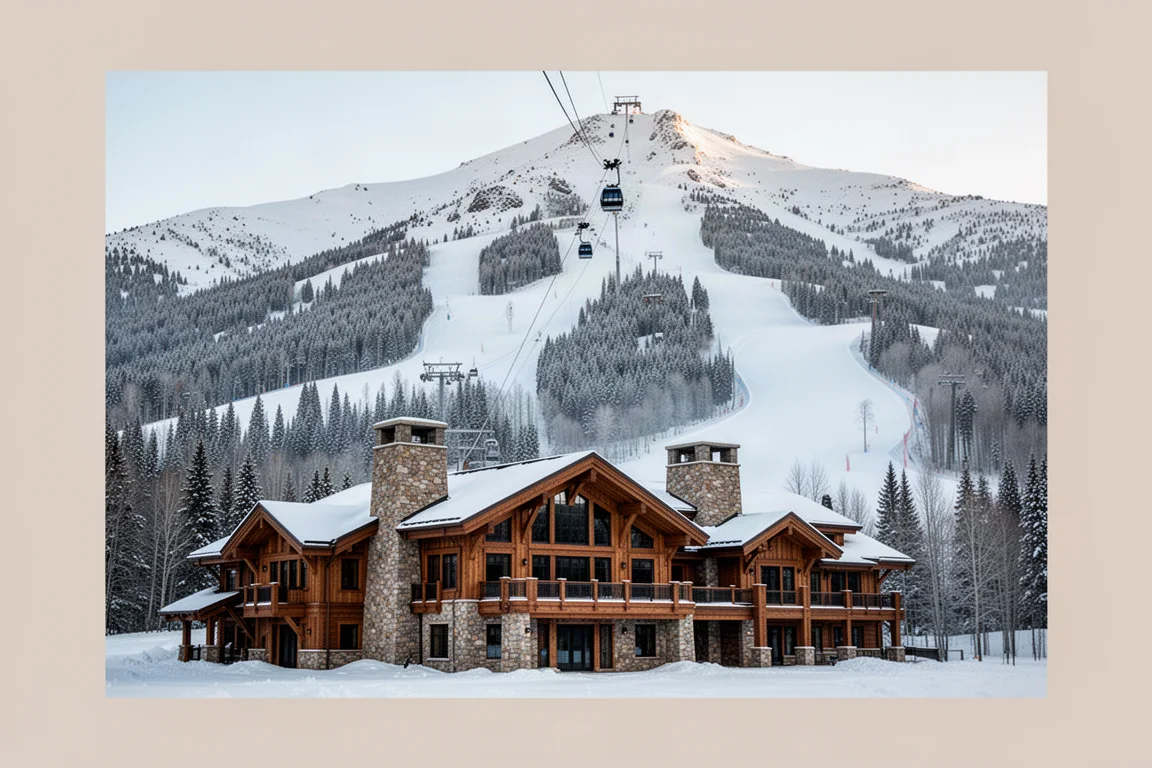
Tourists come to Aspen Highlands for the Cloud Nine beastro parties, but the real story here is the terrain. Highlands is a smaller resort, yet the chairs go up and everything is steep all the way to the base. The first run down Broadway was unforgettable, and the Deep Temerity chair is a teleportation chair: a fixed chair that covers so much vertical that your legs barely reset before the next lap.
Bump skiing through tight tree shoots runs all the way down, and every edge of the resort falls away steeply. The signature experience is hiking the Highland Bowl, topping out on Highland Peak, and skiing the guts straight from the highest point. The crowd skews toward locals getting their laps in rather than party ego, and if visiting Aspen, this should be the first mountain on the itinerary.
Number 9: Crested Butte
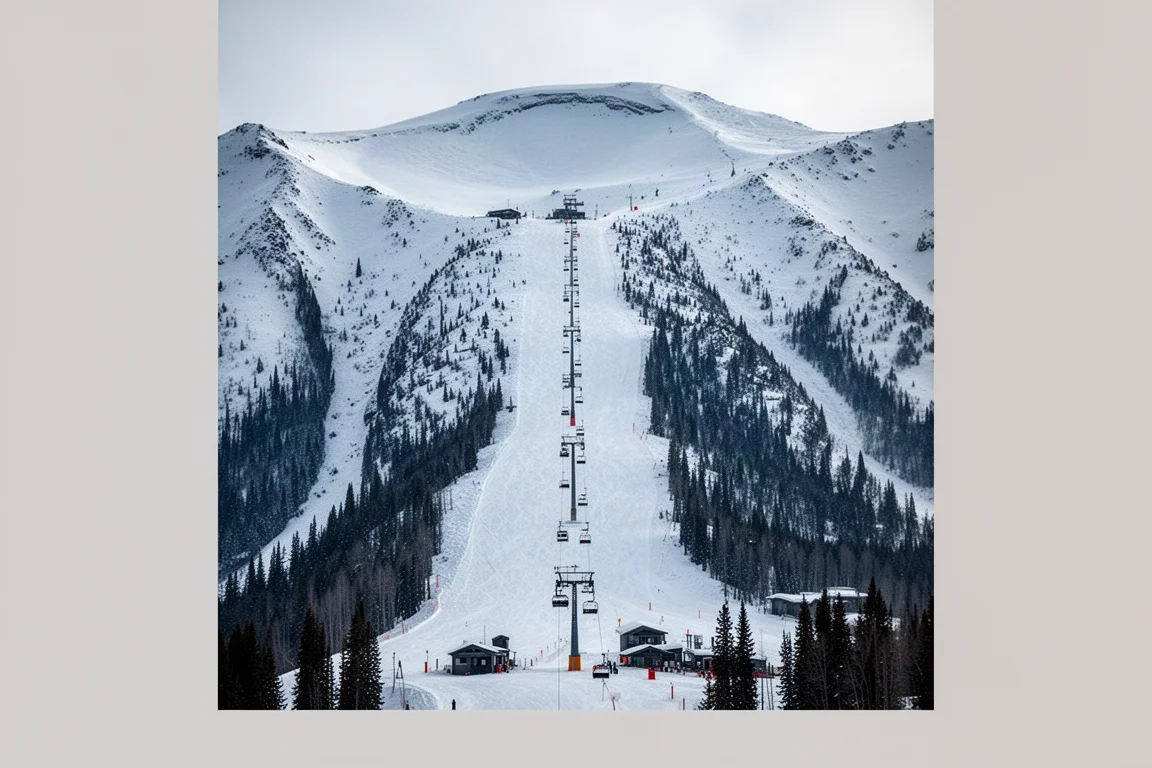
Crested Butte sits about four hours from Denver, far enough out that it dodges the worst crowds, and the town retains an unspoiled small-town vibe where you can look up and watch skiers coming off the peak. The mountain goes hard: one lift up, a short boot pack, and one of the longest fall-line chutes skiing right back to the bottom.
There are cliffs, pillow stacks, and tree zones everywhere, plus the Teocalli Bowl and Spellbound areas to explore. This leans strongly toward an expert mountain with tons of serious terrain. The single limiting factor is snowfall: its location simply does not get consistent powder, so a big storm day would be one of the best days of your life, but you cannot count on it. Terrain-wise, though, it is bonkers, with a relaxed, friendly vibe and no agro intensity.
Number 8: Silverton
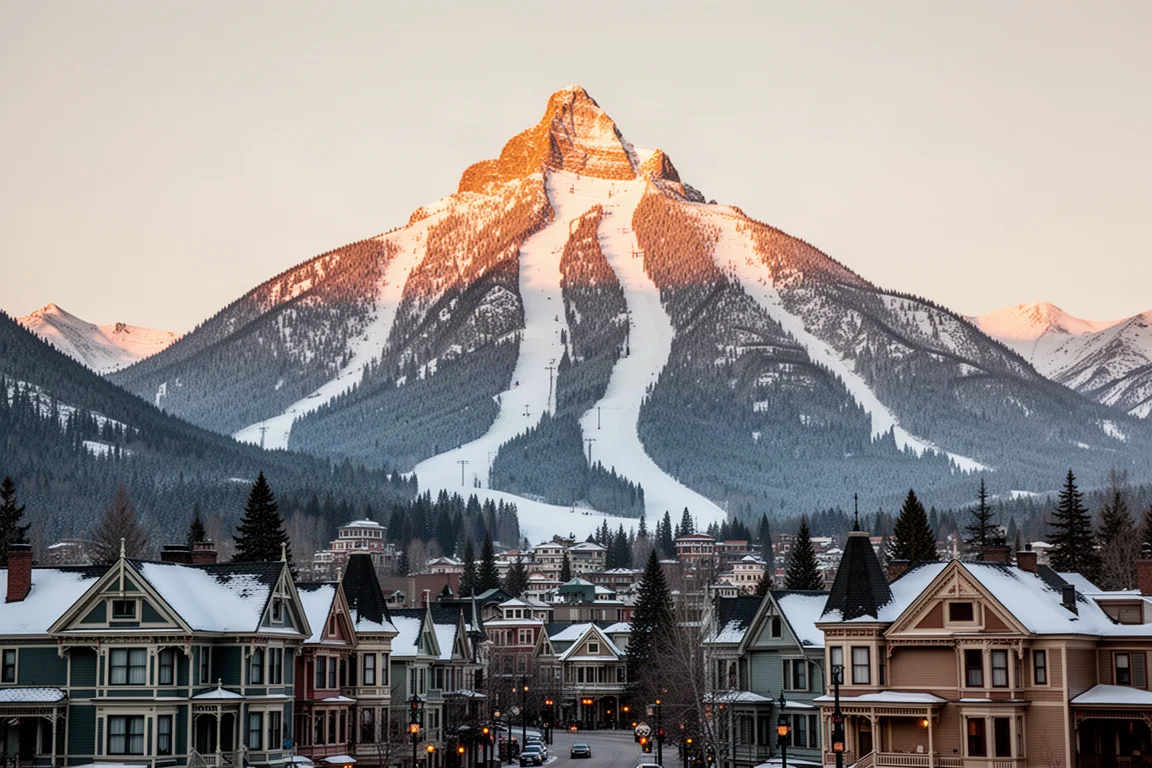
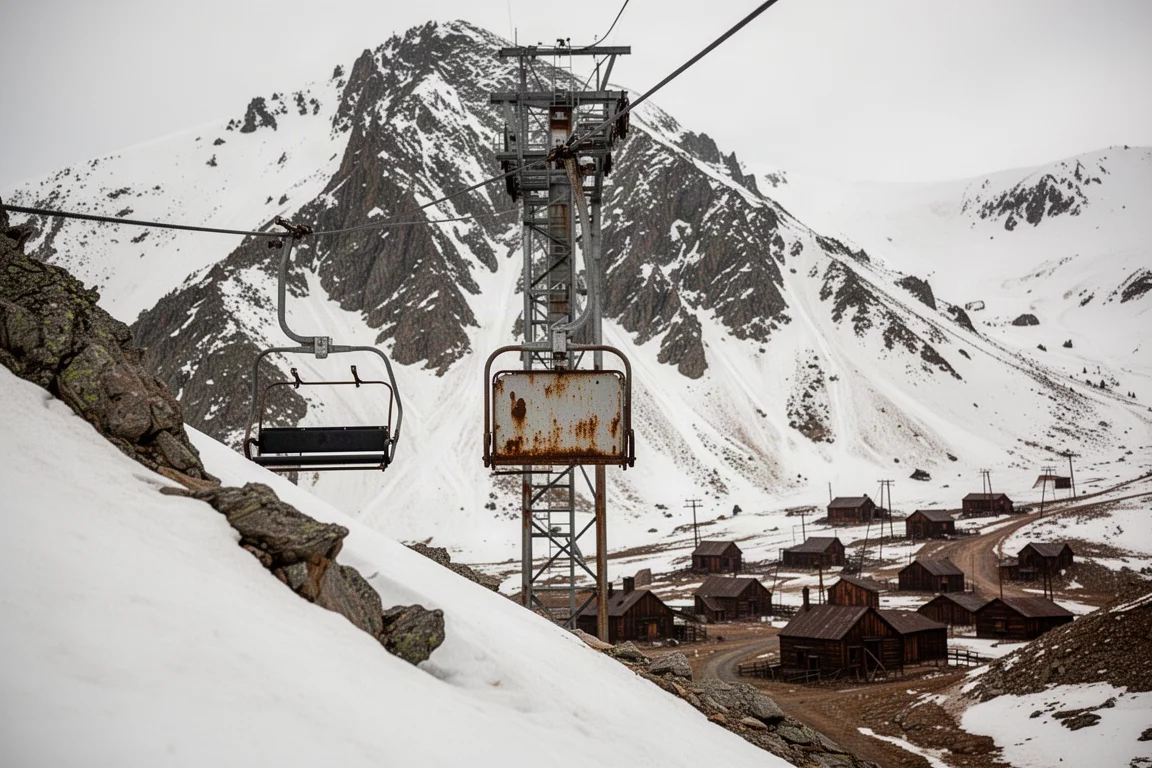
One of the most unique mountains left in North America. Silverton is completely in its natural state: no groomed runs, one old dinky chairlift, gnarly boot packs on every run, and a shuttle ride back to the base at the end of each descent. The town itself looks like a preserved ghost town, and the whole experience is unforgettable.
Much of the season is guided because of the serious snowpack and terrain, which cuts both ways. You will not rack up the vertical of a mega-resort, but a guide takes you to pockets of powder you would never find alone. Credit to the management for keeping it independent instead of selling out to a big resort conglomerate. Everyone should experience it at least once.
Number 7: Big Sky
Big Sky is famous for the Lone Peak Tram, and the tram lived up to years of anticipation: gnarly, super fun terrain in every direction off the top, set against a dramatic drive through Yellowstone country. The terrain off the Challenger lift, the boot pack above the headwaters holding onto the rope, and the overall variety are some of the best inbounds terrain anywhere in skiing.
The frustrating part is access: without the right pass, every tram ride costs about 40 dollars, and even pass holders pay per lap, which takes the fun out of paying to play. The terrain off that side skis similar in pitch, with the exposure changing more than the character. The bigger letdown was the feel: it came across as overdeveloped, with built-up chairs, screens, and a moneyed atmosphere that did not feel like real skiing. The snow is often windblown, great if you know the pockets, rocky if you do not. Still an incredible mountain that deserves a return trip to tick off every Lone Peak run.
Number 6: Solitude
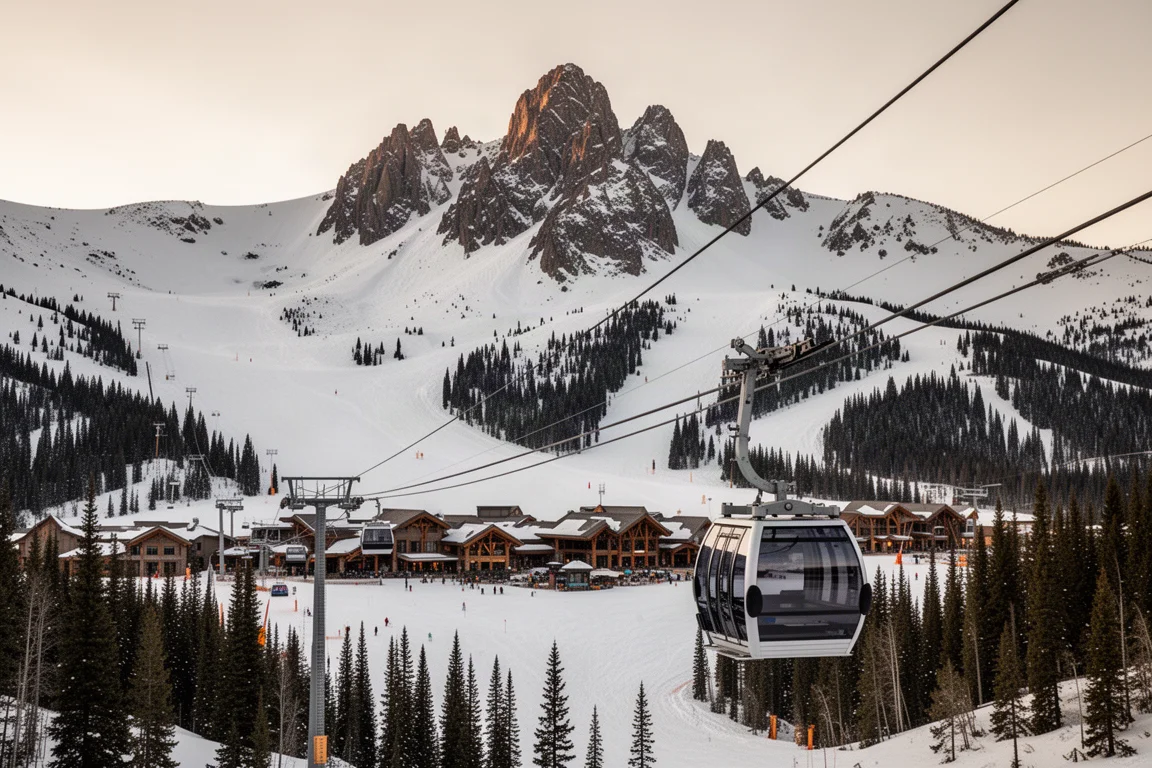
Solitude, in Big Cottonwood Canyon just outside Salt Lake City, is an absolute gem. The trail map shows expert terrain littered across the whole mountain, and the canyon microclimates produce some of the best low-density powder on earth thanks to lake effect.
The flow is what stands out: ski off the back of the top chair, head up Evergreen Peak for gnarly chutes, drop into Fantasy Ridge for serious lines, then hunt the trees along Honeycomb Canyon and reconnect with runs like Milk Run. It is not the biggest or most scenic resort on this list, but the mix of adventure skiing and zero wasted vertical is perfect, and it stays quiet. A low-key top contender that more people should talk about.
Number 5: Arapahoe Basin
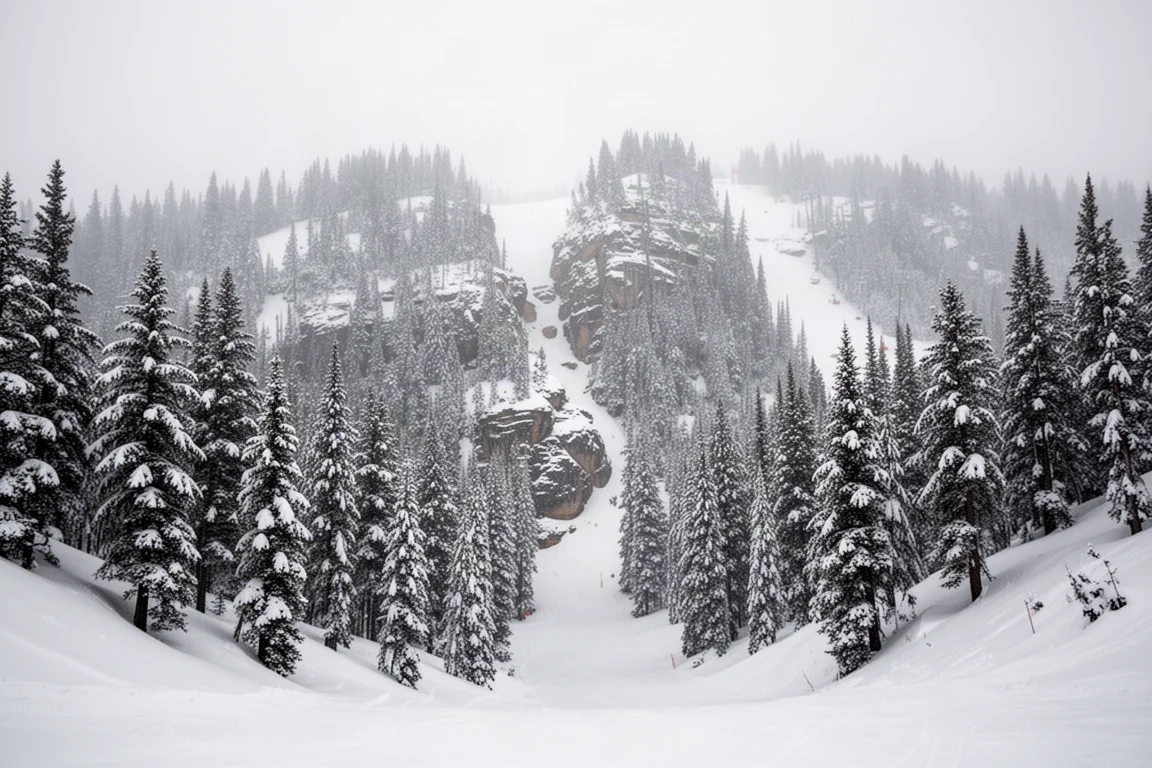
A Basin makes the news for opening first and closing last, but the parking lot tells the real story: tailgating skiers, cars parked right in front of the lifts, and an unpretentious vibe reminiscent of classic community hills. Everything is steep and everything is fall line.
The terrain is remarkable for a mountain its size: steep tree runs and chutes off the fixed two-person chair that skis like a high-speed quad, some of the steepest mid-mountain gullies imaginable running from mid-mountain to the base, the gnarly East Wall, and great open groomed terrain under the Lenawee express. The mood is pure ski joy with minimal ego, and the season runs from November, sometimes October, into June or July. The brisket sandwich was excellent too.
Number 4: Alta
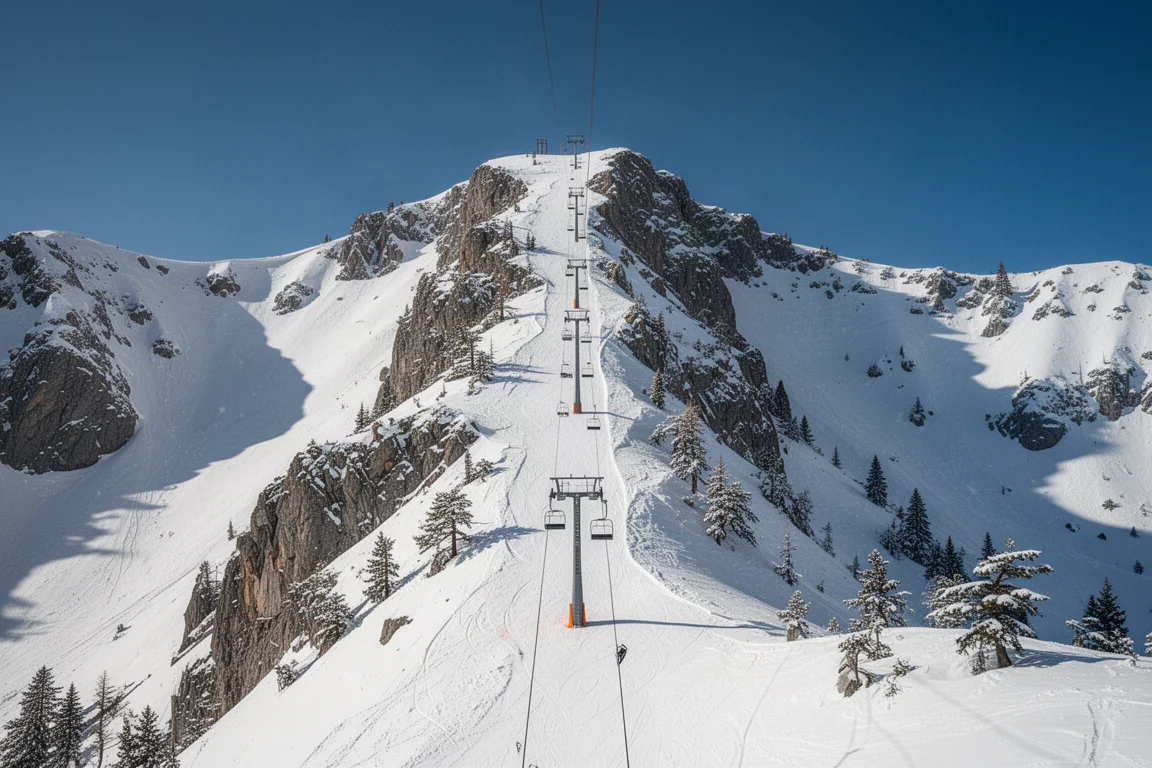
It is pronounced like your buddy Al, not Al-ta, and the locals will let you know. Alta earns its top-five place easily: arguably the best and most consistent snow in North America, all light, dry, low-density powder delivered in buckets by its microclimate. It has retained a genuine locals’ ski-area feel with no overdevelopment, and the terrain is aggressively steep and varied everywhere you look.
Runs like Alf’s High Rustler, Eddie’s High Nowhere, and Stone Crusher are visible from the front and all fantastic, the Catherine’s area is beautiful with unique rock features, the Baldy chutes are classic, and a Devils Castle rope drop produced one of the deepest resort laps of the season. Two things hold it back: snowboarders are still not allowed, which is hard to defend, and the traversing is relentless, to the point locals joke the name means Another Long Traverse Ahead. Even the hike-to terrain involves side-stepping rather than bootpacking. Worth it every time, but the quirks are real.
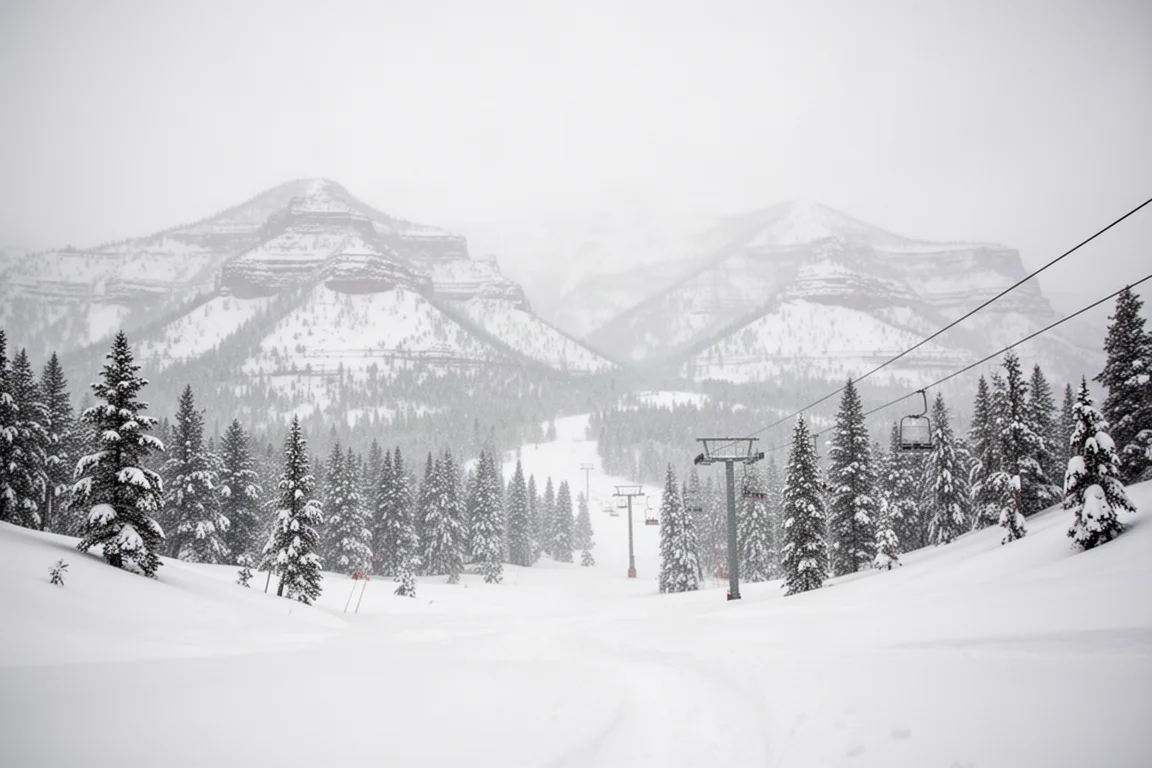
Number 3: Telluride
Telluride was one of the most striking resorts of the entire trip. Skiing down the ridge toward the Revelation Bowl with the enormous San Juans all around is unforgettable, and everywhere on the mountain feels exceptional whether you are on a groomer or steep terrain.
The terrain is superb: the aggressive Gold Hill chutes, Palmyra Peak topping out over 4,000 meters with ski lines from the top when open, and the Black Iron Bowl as a stellar alternative when the peak is closed. There are unique rock chutes under the Gold Hill chair, a goat path with stairs, and locals say you can even ski into town late season when avalanche risk eases. It is expensive and attracts big budgets, and like Crested Butte it simply does not get much snowfall. Enjoying it that much on a low-snowfall chalky day says everything about how good this resort is.
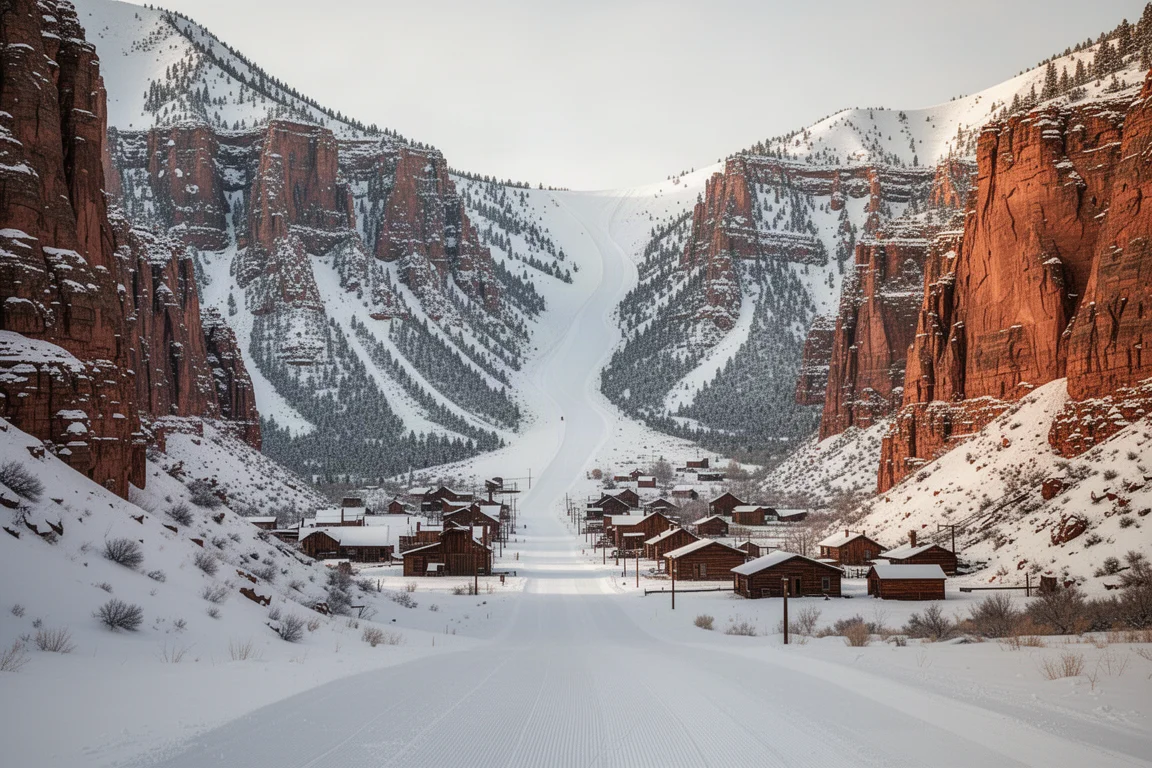
Number 2: Jackson Hole
Everyone fixates on Corbet’s Couloir, but what nobody mentions is how good the rest of the mountain is. Jackson Hole is a fall-line machine where everything goes down, and it may have the best inbounds powder lap in North America: ride the tram, drop the Rendezvous, and sink into the Hoback for a beautiful top-to-bottom pow run with perfect pitch through open trees.
The unique Teton geology creates tight skinny couloirs and shoots unlike anything else, with boot packs into the Casper Bowl, chutes like the Alta shoots and Tower Three, and groomers that run really well. Like Baker but amplified, the slackcountry is world class: off the back into Granite Canyon in the national park, or sidecountry laps off the tram where serious locals ski one resort lap and spend the rest of the day hunting powder. With solid snowfall and relentless terrain, Jackson rocks.
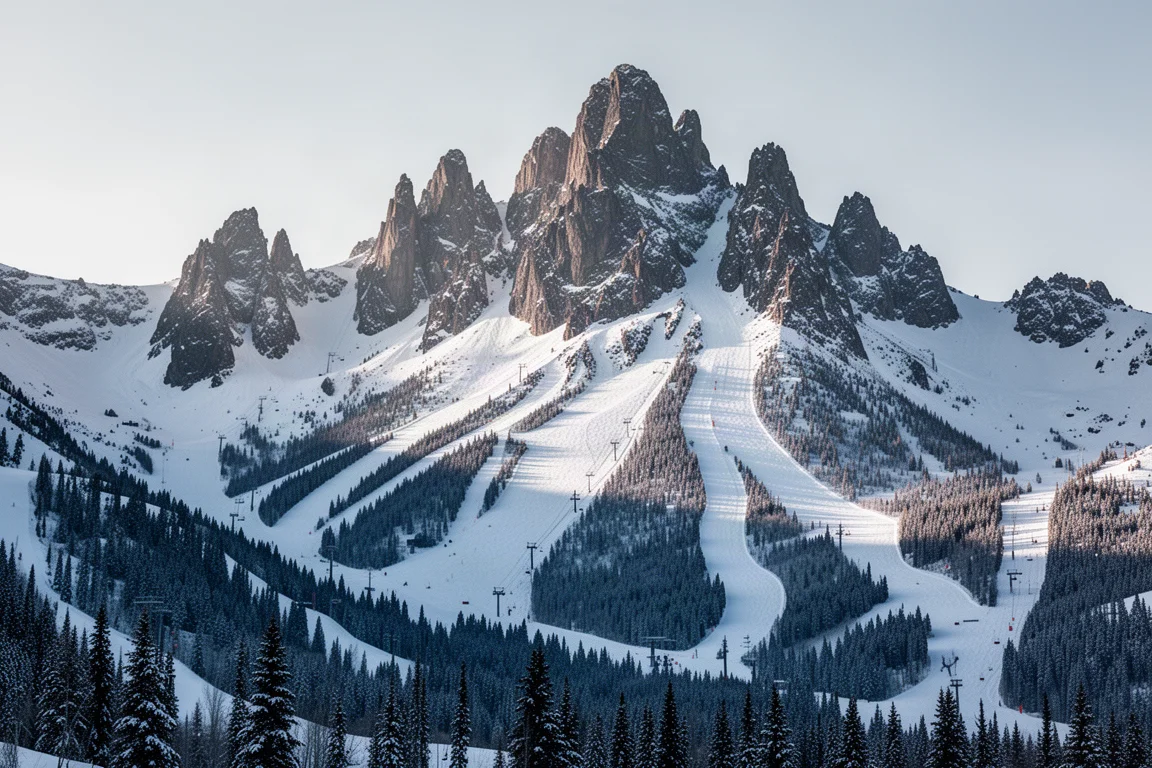
Number 1: Snowbird
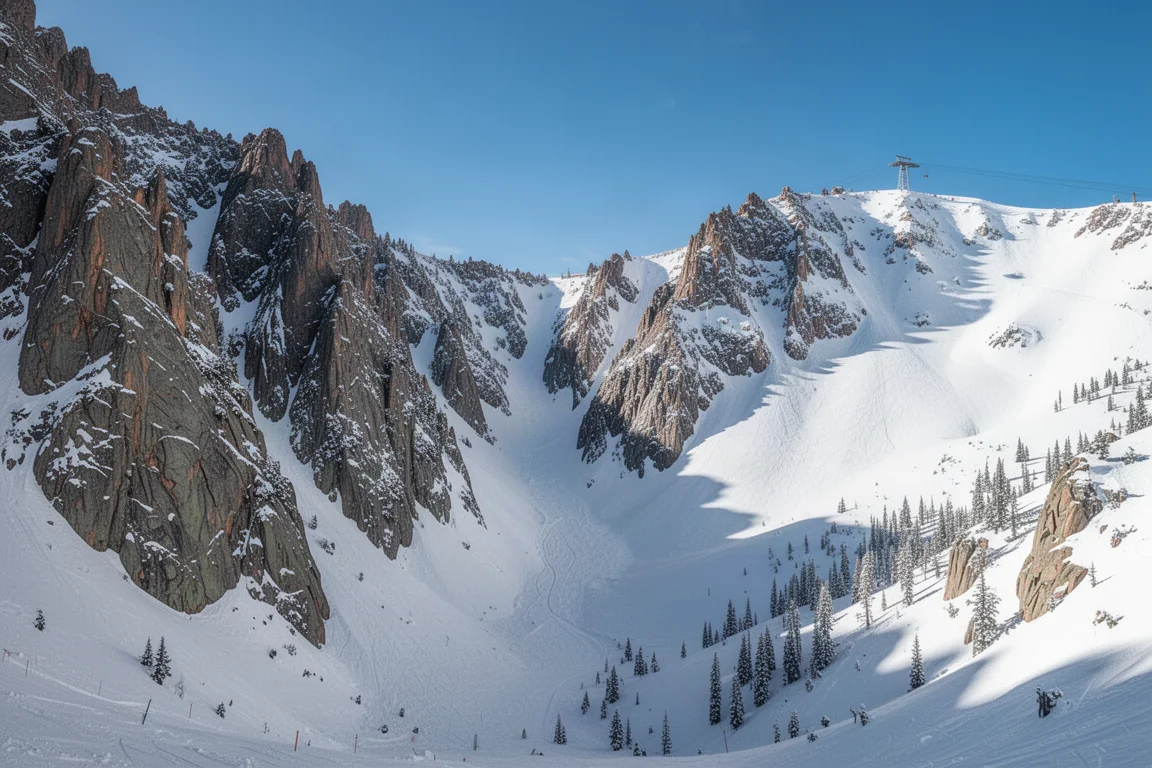
It is hard to argue with Snowbird, and clearly many people agree. It gets that legendary Little Cottonwood Canyon snowfall, and beyond the snow the layout is built for steep skiing with immediate access: the second the tram arrives, the cirques open, and you are free from the top of the mountain to every corner of it.
For context, imagine the beloved Christmas trees zone at a big coastal resort, but three or four times longer, all over the mountain. Every run is long, steep, and fall line: the cirque, the tree runs off either side, the chutes in Gad Two, Baldy on the front, and the Keyhole connecting back. And here is the crucial difference from coastal mountains: the light, dry Utah snow stays light from top to bottom, even after it is tracked out, so every lap skis steep off-piste terrain in great snow right to the base.
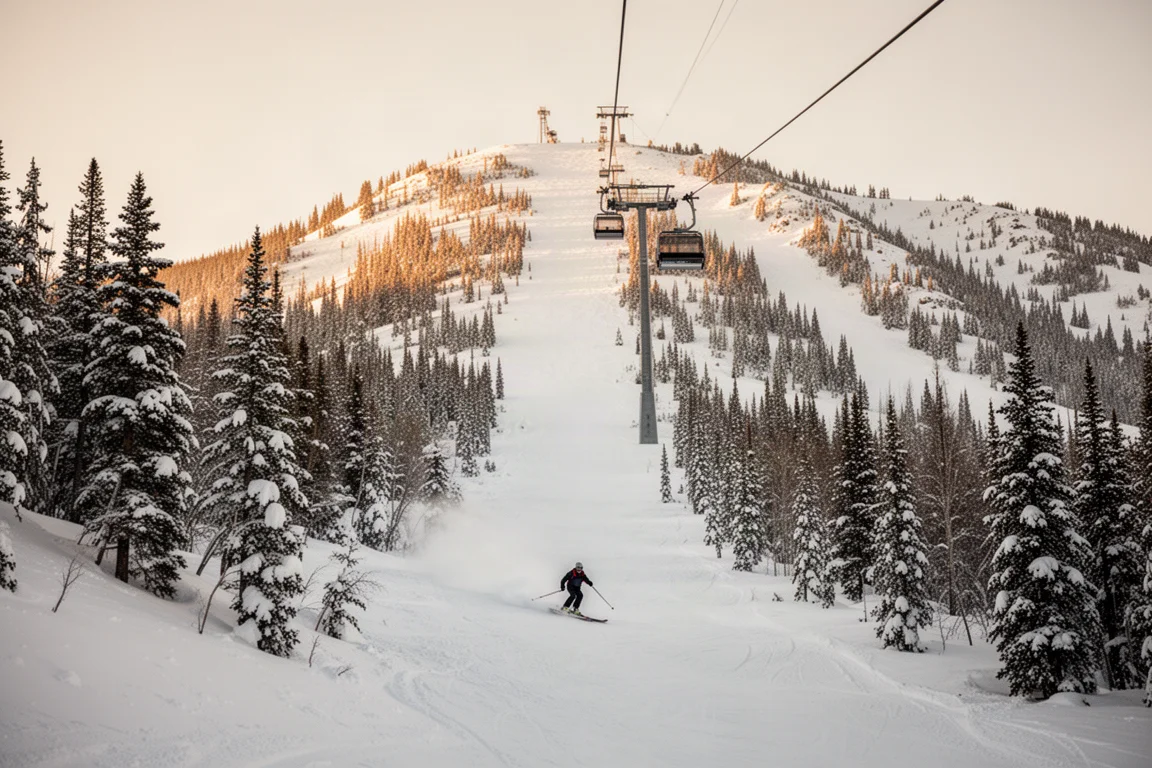
Skiers can even blast through the Keyhole into Alta for a two-mountain flow that feels like a coastal duo but far easier to link. If you have never skied Snowbird, especially on a pow day, it belongs on your list. It will be hard not to go back every single year.
Conclusion
Every resort on this list is phenomenal in its own way, and the rankings ultimately come down to one skier’s taste: steep, long, fall-line terrain in light, dry snow beats raw size every time. Utah’s Cottonwood canyons take the top two spots for exactly that reason, while the biggest names in skiing land lower when the pitch mellows out. If your style matches, the takeaway is simple: point your skis at Little Cottonwood Canyon first.
Conclusion end
Further reading
Related Reviews
Ski Destinations
Andermatt-Sedrun-Disentis Review: Switzerland's Low-Key Epic Pass Resort
A wide, quiet Alpine ski region spanning three separate mountain zones, now on the Epic Pass. Here is how the terrain, snow, lifts, and village experience stack up.
Ski Destinations
The Best Ski Resorts in Western Canada, Ranked
We rank every major Canadian ski resort west of the Rockies, from Nakiska's day-trip convenience to Whistler Blackcomb's unmatched terrain diversity.
Ski Destinations
Chamonix Mont Blanc Ski Guide: Resorts, Terrain, and Which Lift Pass Is Worth It
Five distinct ski areas, spectacular Mont Blanc scenery, and demanding terrain. What to know about the Chamonix valley before choosing your pass.