Ski Destinations
The Best Ski Resorts in Western Canada, Ranked
We rank every major Canadian ski resort west of the Rockies, from Nakiska's day-trip convenience to Whistler Blackcomb's unmatched terrain diversity.
Introduction
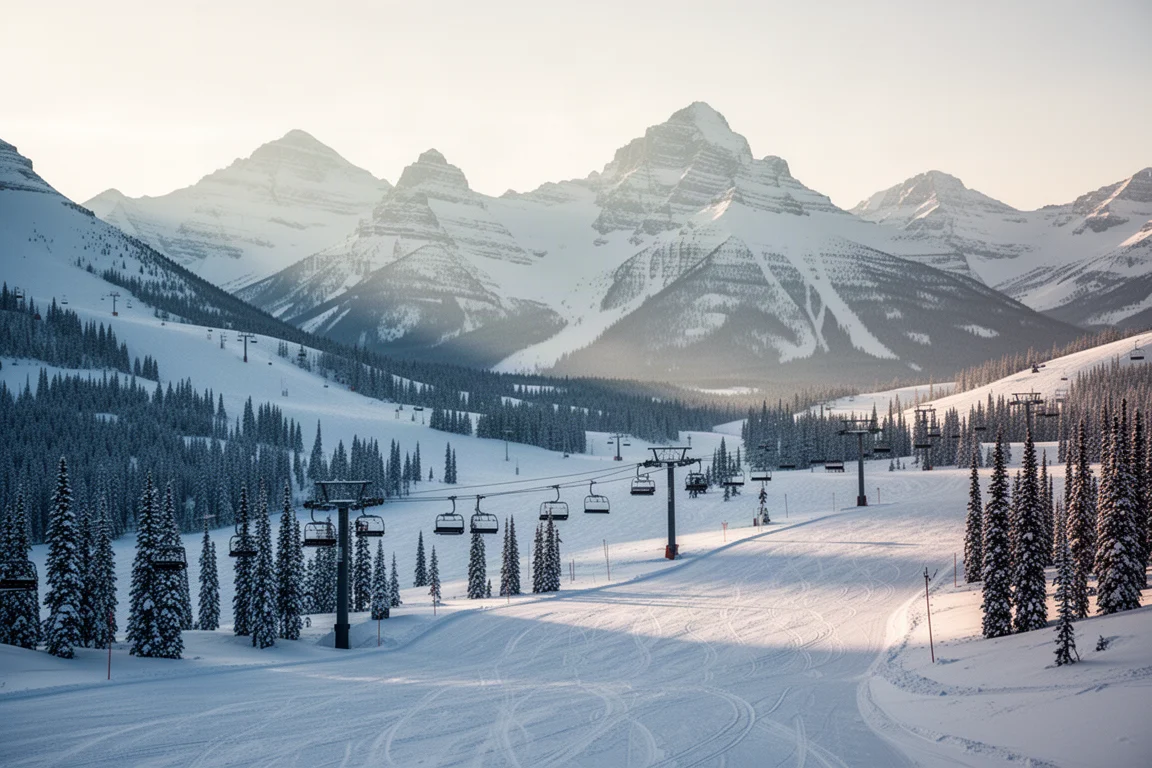
When it comes to planning a ski trip, now is as good a time as ever to look north. Consistent snow, huge mountains, and spectacular scenery make Western Canada an appealing destination, and for travelers coming from the United States it is not much further than many domestic options. But the Rockies, interior, and west coast mountains come in all shapes and sizes, and not every resort justifies a destination trip.
This ranking covers every major Canadian ski resort west of the Rockies, ordered by overall mountain experience, with the strengths and weaknesses of each one laid out so you can match a resort to the trip you actually want.
How We Ranked These Resorts
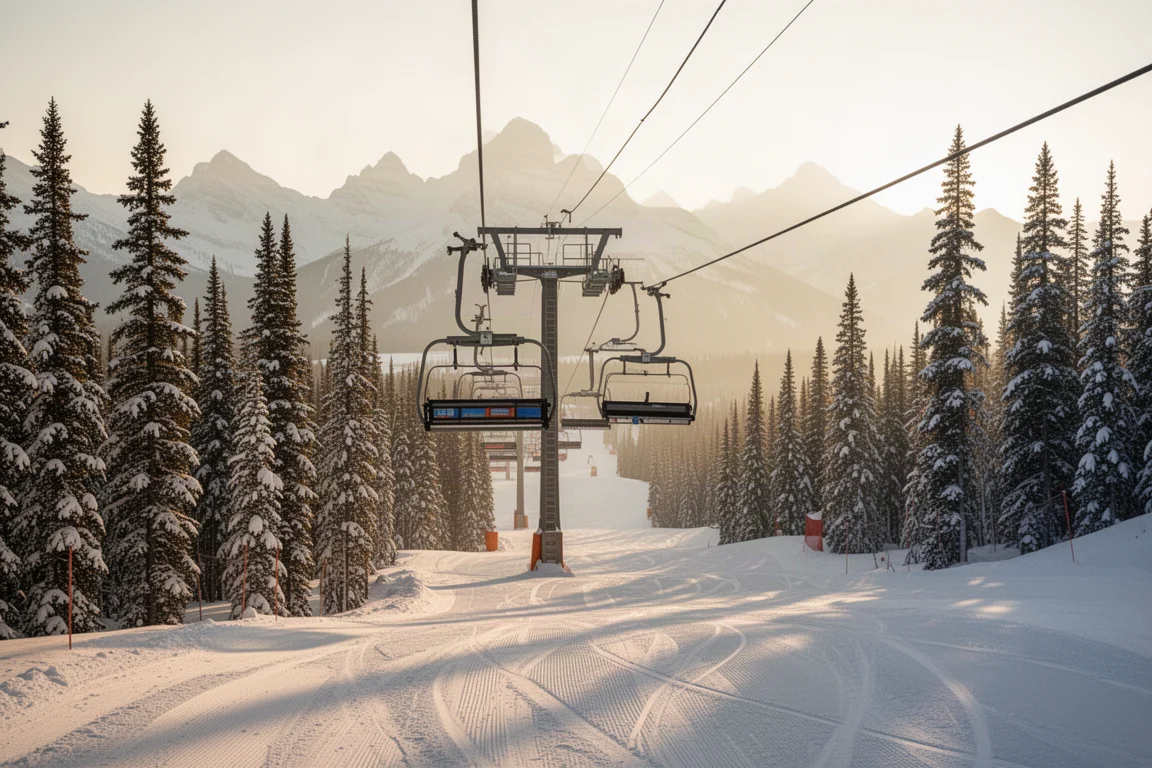
The order reflects the overall mountain experience: terrain diversity and quality, footprint size, snow quantity and preservation, lift network, crowd levels, lodging, and lift ticket value. Resorts that excel as day trips but fall short as destinations sit lower, while those combining big terrain, strong infrastructure, and a complete on-mountain package rise to the top.
18. Nakiska
Nakiska has a storied history and some real positives: a fleet of high-speed lifts, an easy-to-figure-out footprint, enjoyable intermediate and advanced terrain, unique hike-only secret terrain areas used in the 1988 Olympics, and a location just an hour from Calgary. But it lacks the raw footprint size and terrain diversity to compete with the rest of this list, with underwhelming expert terrain, weaker snow totals than resorts further west, inconsistent snowmaking, and slopes that often feel skied off. Weekend crowds from Calgary are heavy and there is no on-site lodging. It works as a day trip if you can dodge the crowds, but makes little sense as a fly-to destination.
17. Mount Norquay
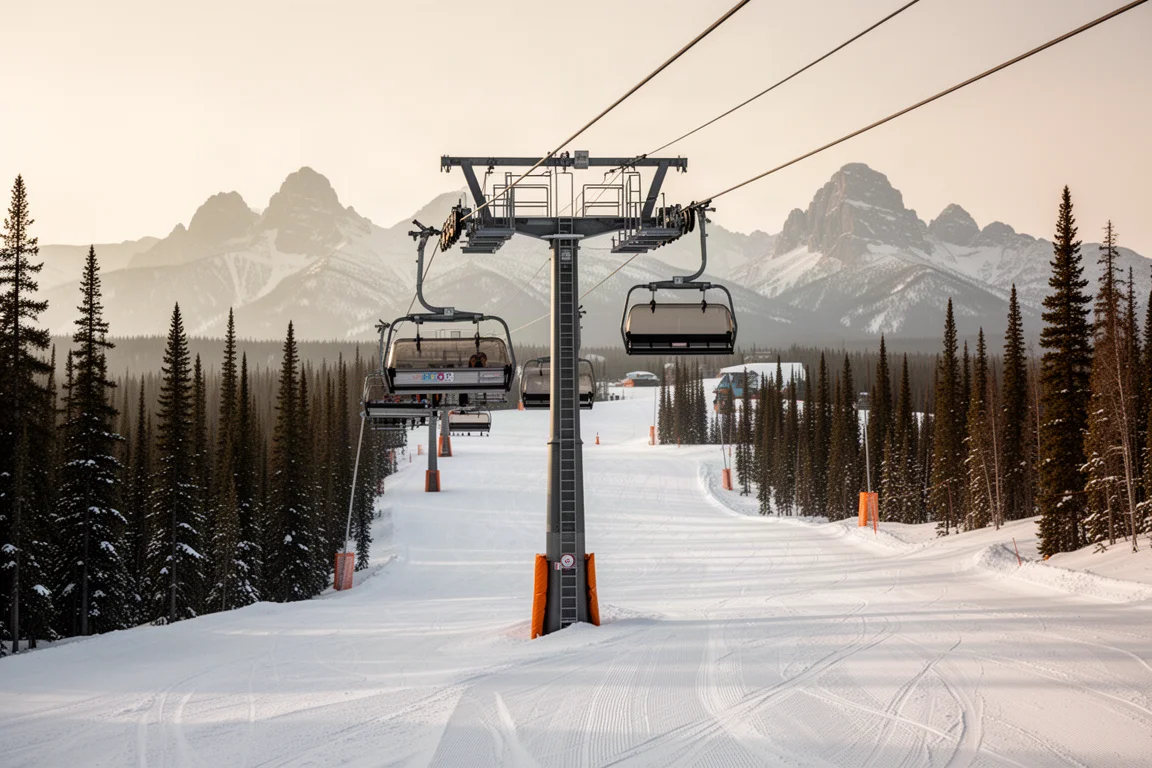
Mount Norquay sits in Banff National Park and offers some of the most stunning scenery you can find at any ski resort, along with surprisingly compelling advanced terrain, rare crowds, and a more wind-protected footprint than its neighbours. The problem is scale: with only 190 skiable acres, most people will cover the whole mountain in half a day or less. Lower elevation means less snow than the other Banff-area resorts, and its best qualities are matched or beaten by the two other resorts in the park. It is a fine way to kill a few hours in Banff, but too small to justify a trip on its own.
16. Kimberley
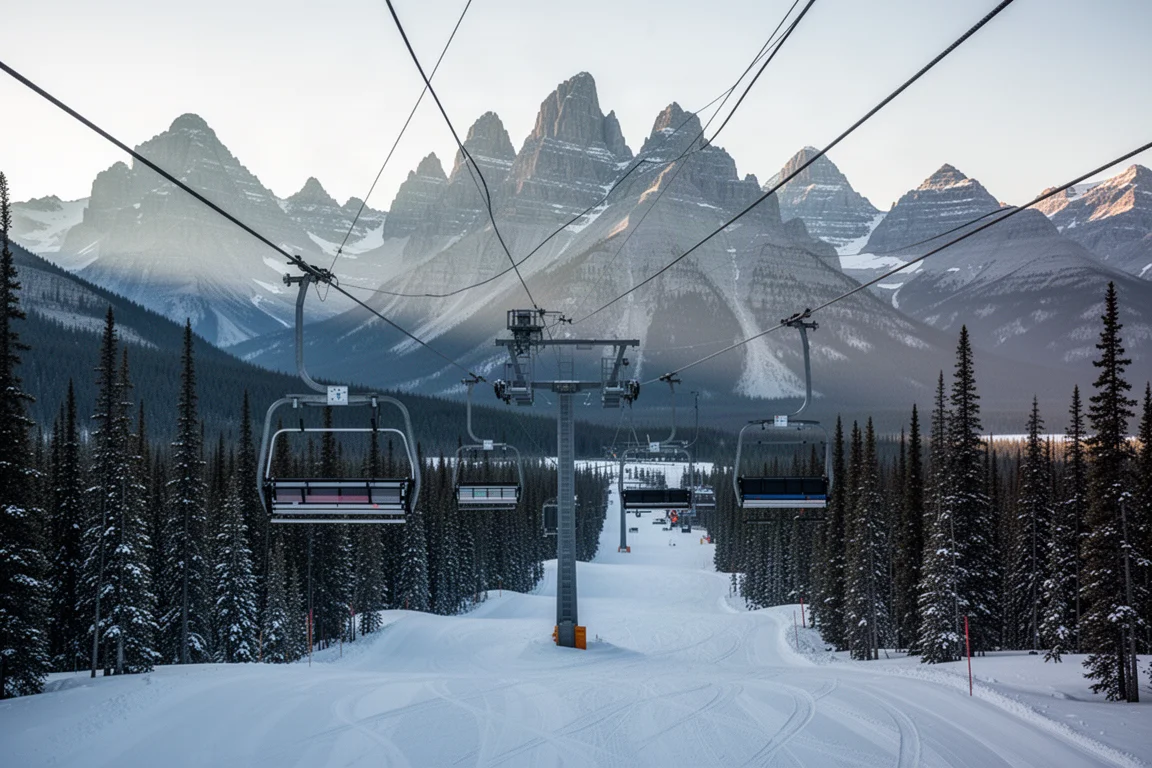
Kimberley is a solid family-friendly pick with enjoyable cruising terrain, fun glades, an easy layout, and low crowds that can leave snow untracked for days. Its reasonably priced on-site lodging makes it a great budget choice for ski-in, ski-out access. The trade-offs: rather vanilla slopes with limited terrain diversity, a small footprint with only one high-speed lift and no lift redundancies out of the base, and hit-or-miss conditions after February. It is an economical early-season family option, but far less interesting than the resorts higher up.
15. Apex
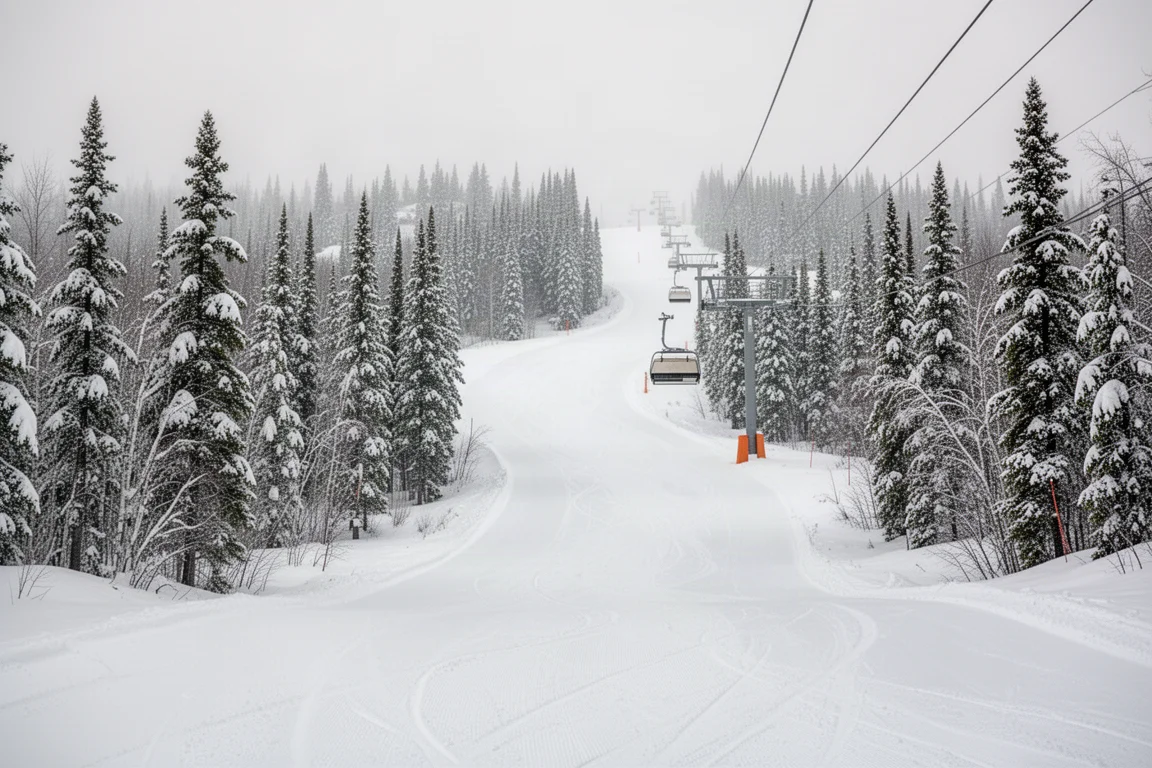
Apex, near Penticton in British Columbia, is a genuine under-the-radar pick with very few lift lines even during peak weekends and holidays, top-to-bottom high-speed lift service, extensive on-site lodging for a resort of its size, and a few surprisingly enjoyable expert chutes. Its drawbacks are its small footprint, a sub-2,000-foot vertical drop, above-treeline terrain limited to a few turns off the summit, a slow lift needed to lap the mellower cruisers in full, and strong snow quality but modest snow quantity. A great uncrowded option, as long as you do not need big snow totals.
14. Castle Mountain
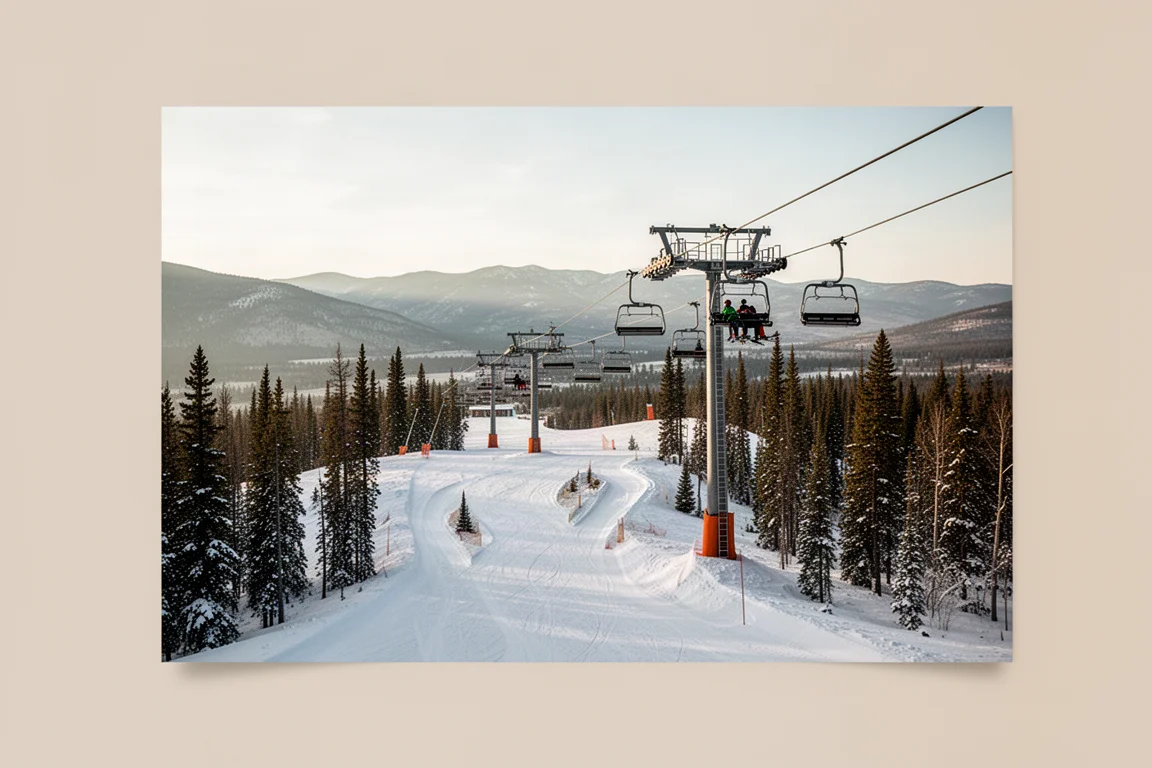
Castle Mountain in southwest Alberta stands out for incredible scenery, excellent snow for Western Canada with competitive totals and a dry consistency, and a new detachable quad this season serving an area that previously required a Snowcat. But infrastructure remains the big drawback: even with the new lift, every other chair is slow, powder-day lines can be a real problem, the claimed 3,592-acre footprint measured roughly half that in practice, and the exposed high-alpine terrain can close for significant stretches. For a down-to-earth resort with unique terrain, great snow, and stunning views, it is fantastic, and it has some of the best ticket value in the region.
13. Fernie
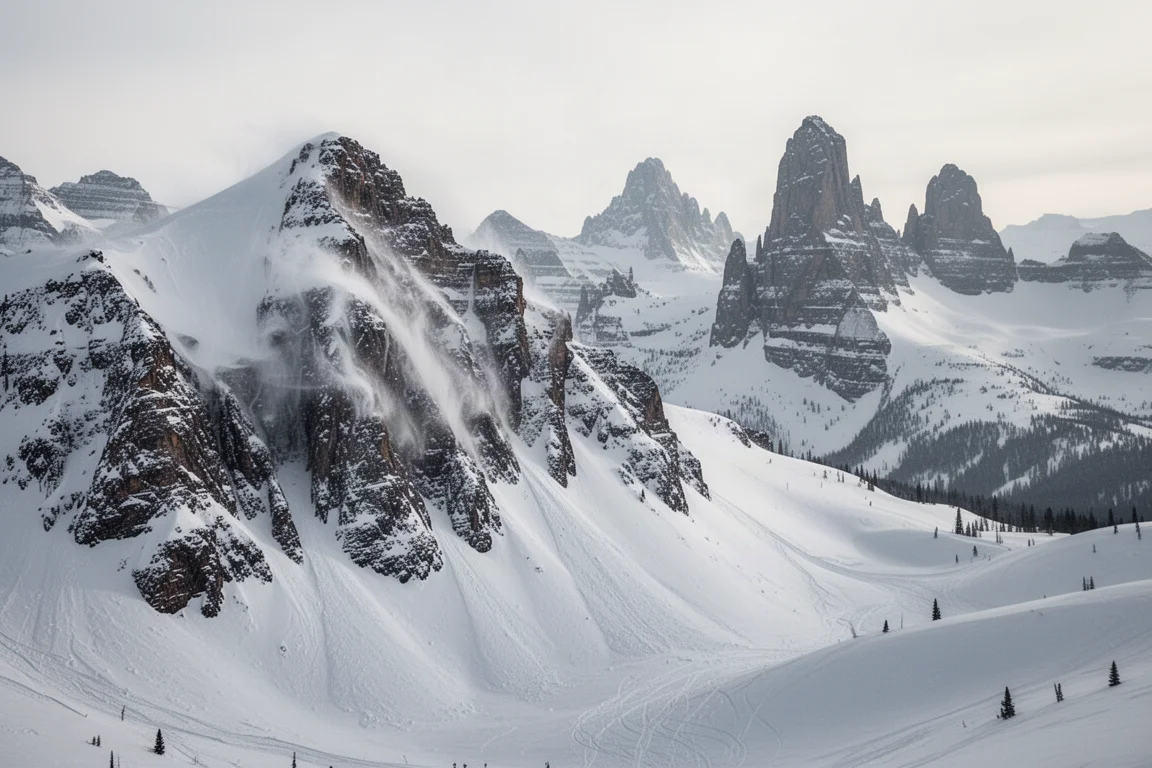
Fernie, the easternmost resort on the Powder Highway, is renowned for light, dry powder that ranks among the best in North America, strong season-long snowfall, an alpine-heavy footprint with epic bowls and glades, and striking, distinctive peaks. The issue is reliability: variable temperatures can bring wetter snow or even rain, significant portions of the mountain often close due to weather, whether the Polar Peak summit is open is somewhat of a game of chance, and a strange lift network forces frustrating traverses. On a good day it is one of the best resorts in North America; on a bad one, it can be maddening.
12. Red Mountain
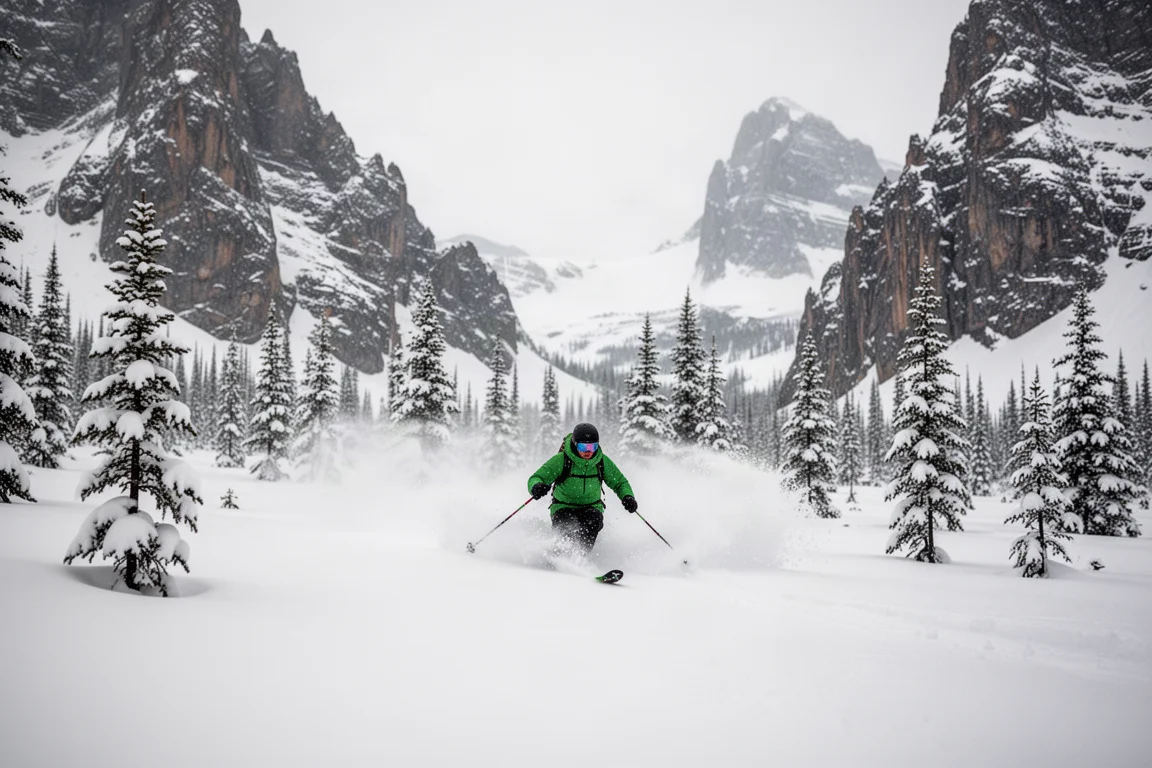
Red Mountain, one of the oldest ski resorts in North America, offers over 2,700 skiable acres that almost never see lift lines, strong snow preservation thanks to low visitation, some of the most demanding expert tree skiing in the region, and surprisingly extensive on-site lodging ranging from hostels to a four-star hotel. What it does not offer is modern infrastructure: it may be the largest resort in North America without a single high-speed chairlift, it can take up to 20 minutes to reach your first full lap, and navigation between areas can be confusing. Superb for hardcore tree-skiing seekers, less so for anyone wanting creature comforts on the mountain.
11. SilverStar
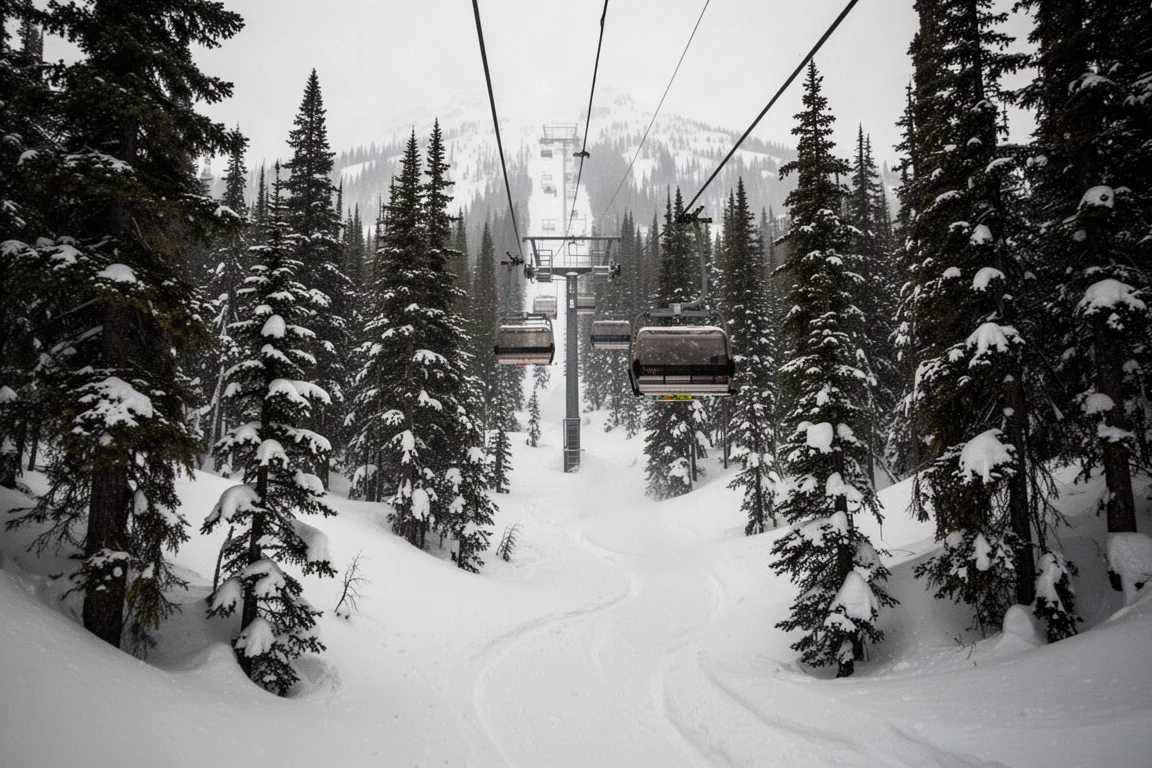
SilverStar delivers one of the most family-friendly experiences in Canada, with a large ski-in, ski-out village partway up the mountain, terrain for every ability, glades that work for intermediates as well as experts, low crowds, and a big 3,000-acre footprint. The downsides: limited extreme terrain, steep backside trails that often require prolonged traversing, a lot of catwalking and even road crossings between areas, an unimpressive 2,500-foot vertical, essentially no above-treeline bowls, and snow totals below the country’s best. A hassle-free on-mountain trip, provided you are willing to travel a long way to reach it.
10. Whitewater
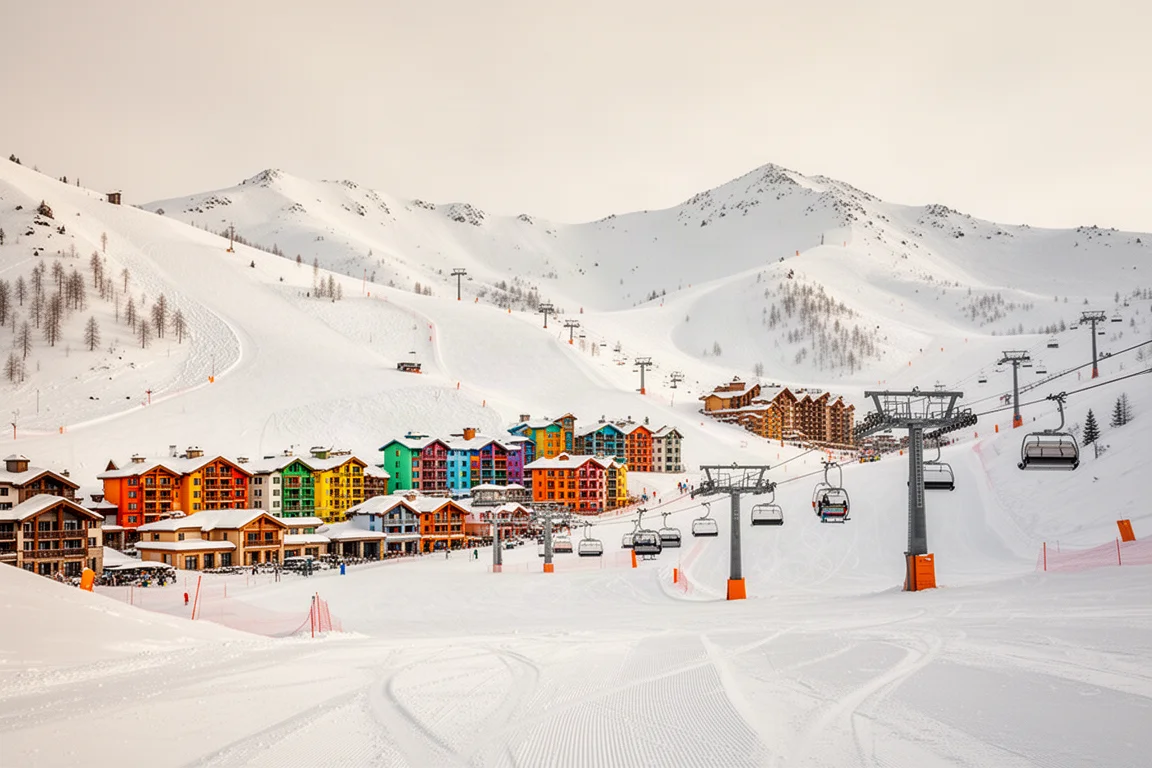
Whitewater may have the best combination of snow quality and quantity in Canada, with light, dry accumulation that often feels like skiing through a cloud and totals rivalled only by the coastal resorts. It also offers excellent glades for advanced skiers, fantastic nearby backcountry access, modest crowds, and genuinely excellent food. The catch: if glades and powder are not your thing, you will have a better time elsewhere, with limited groomer terrain, all-slow lifts, a small bowl area reachable only by boot pack, just under 1,400 skiable acres, and a remote location far from the nearest major airport. A worthy destination for true powder hounds.
9. Panorama
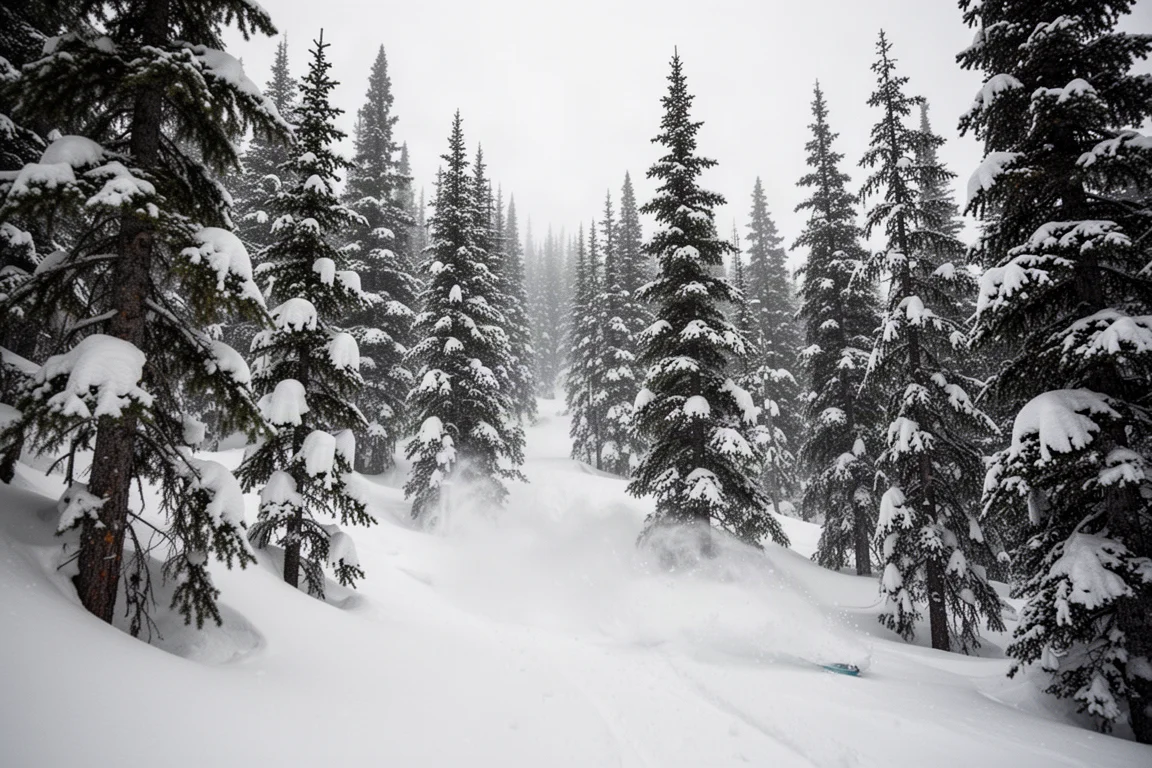
Panorama stands out for sheer height, with an over-4,000-foot vertical drop, exceptionally long runs, and some of the most beautiful vistas of any ski resort in North America. Intermediates can ski top to bottom, which keeps it accessible. But the mountain is tall and narrow, with only one lapable zone in each of the mid and upper elevations, so if you are not willing to ski over 3,000 feet in a single lap, it skis much smaller than it looks. Its Achilles heel is raw snow quantity: it sits in a snow shadow and falls well short of comparably sized Rocky Mountain competitors, though snowmaking helps.
8. Marmot Basin
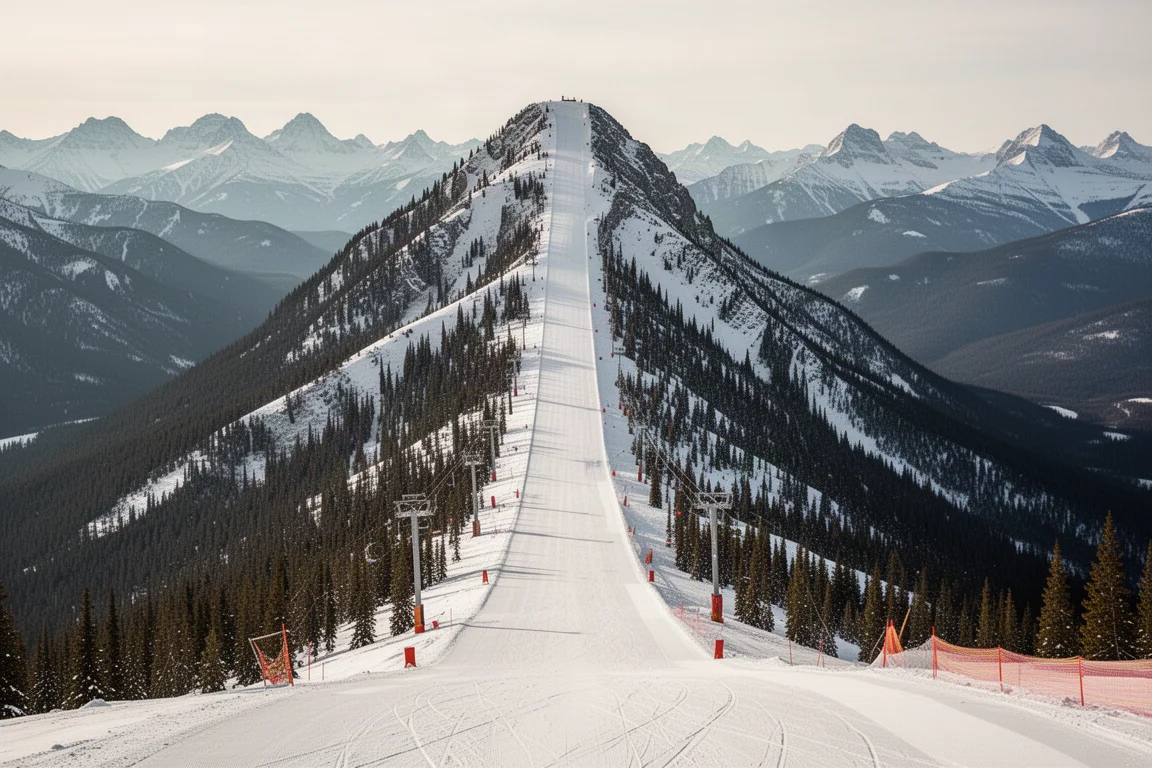
Marmot Basin, the lone resort in Jasper National Park, offers incredible backdrops from towering nearby peaks, the highest base elevation of any Canadian ski resort for excellent snow retention, almost unbelievable lack of crowds, and the unique lodging experience of staying in the quiet, national-park town of Jasper. It sees surprisingly weak annual snowfall for Western Canada, is prone to extreme cold spells that can push temperatures as low as -40, and at under 1,200 skiable acres it is smaller than most resorts here, with intermediate cruising terrain a bit lacking. Great for views, quiet, and national park charm; less so for big terrain and consistent snowfall.
7. Big White
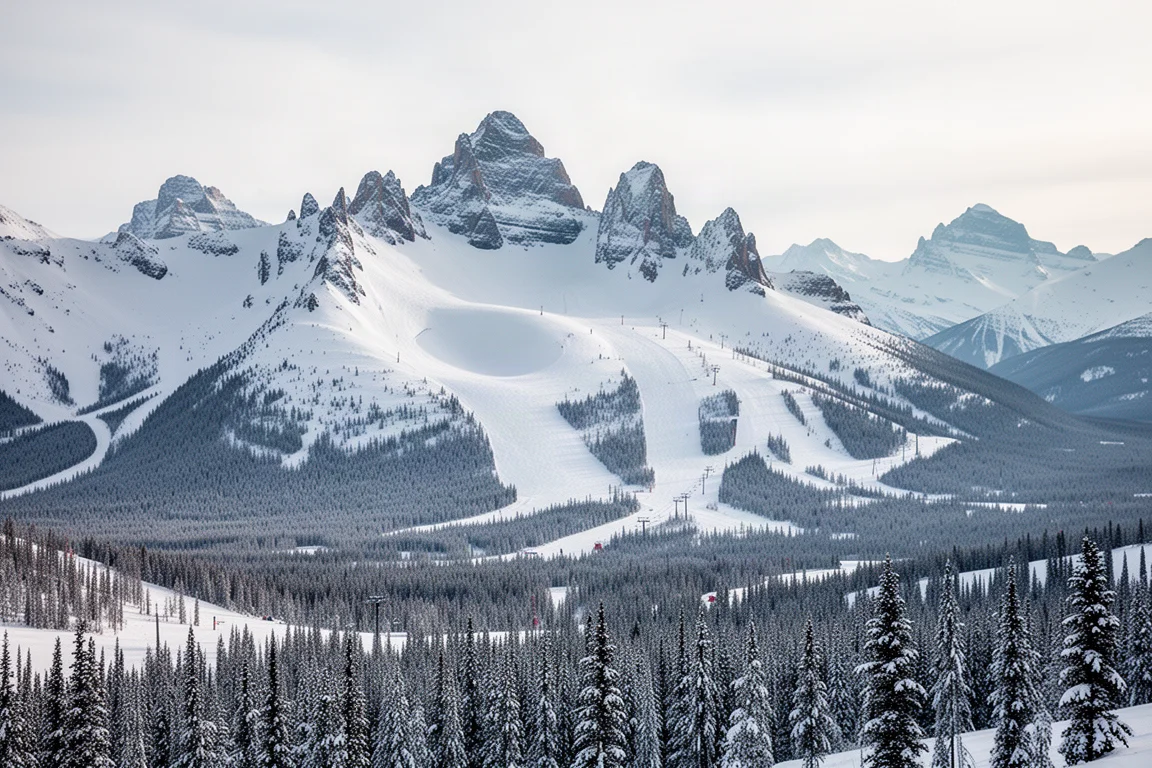
Big White lives up to its name with a 2,600-acre footprint, terrain for a wide range of abilities, exceptional widely spaced glades often coated in a unique thick sheet of snow, and rare lift lines. The ski-in, ski-out village sits right in the middle of the resort with plenty of off-slope activities. Its biggest drawback is weather: skies are often overcast, total whiteouts are not out of the question, true powder days are rarer than at some competitors, expert slopes are fairly limited, and on-mountain infrastructure is a little lacking compared to Canada’s best. An excellent large, family-friendly choice if you can tolerate the visibility gamble.
6. Fernie Alternatives? No, Sun Peaks Ranks Here
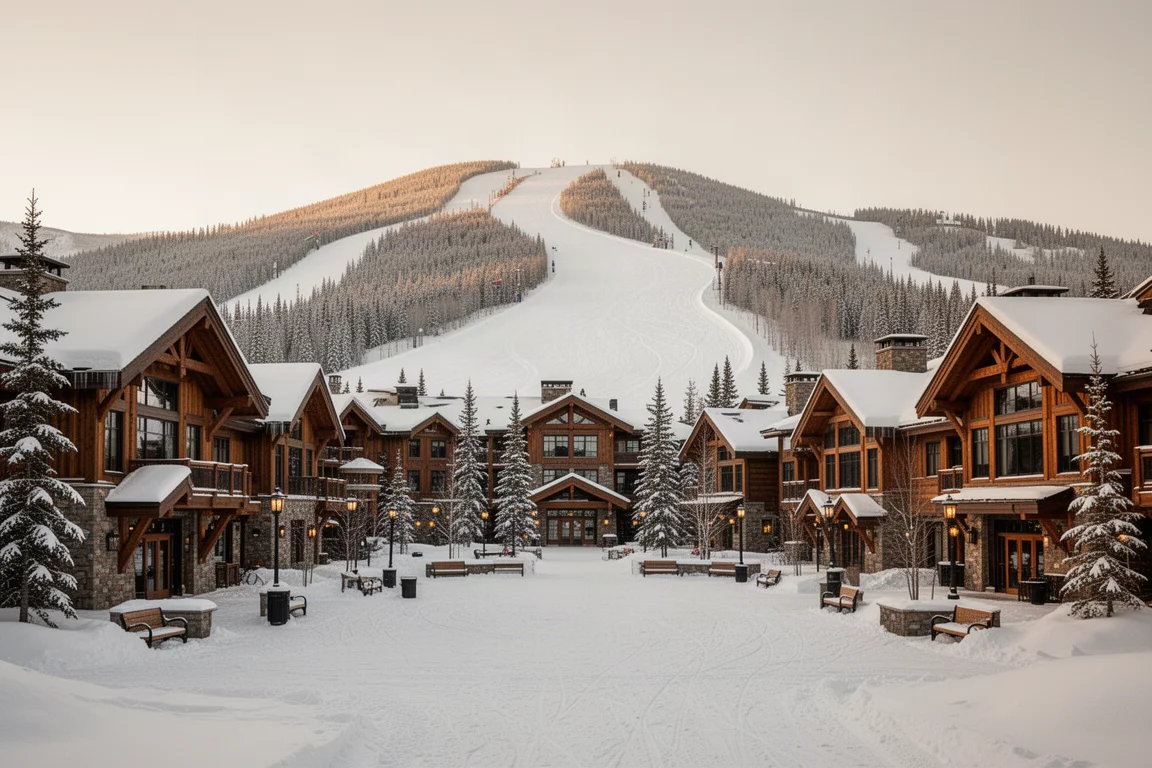
Wait, let’s keep the count straight: Sun Peaks takes the next spot on our ranking.
5. Kicking Horse
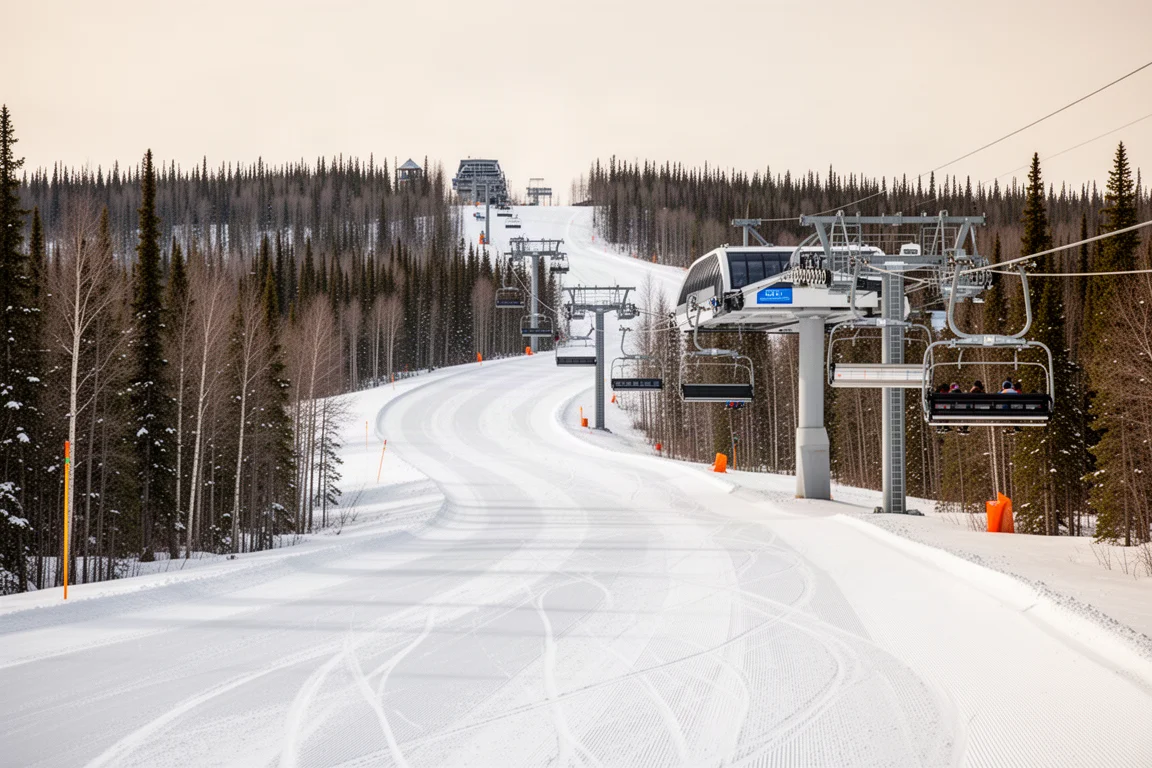
Kicking Horse is arguably Canada’s most notorious resort, and it is all about extremes: some of the most intense expert terrain in the world with chutes, cliffs, and couloirs directly off the lifts, copious gnarly hike-to terrain, a 4,300-foot vertical drop that much of the mountain forces you to earn due to the lift layout, and consistently cold temperatures that keep snow fresh for days or weeks. But beginners and intermediates are poorly served, runs are overwhelmingly long thanks to a lift network dependent on a single top-to-bottom gondola, and even confident black-diamond skiers may find themselves calling it a day after a handful of laps. A must-hit for thrill seekers; too intense for nearly everyone else.
4. Big Mountain Country: Revelstoke’s Realm
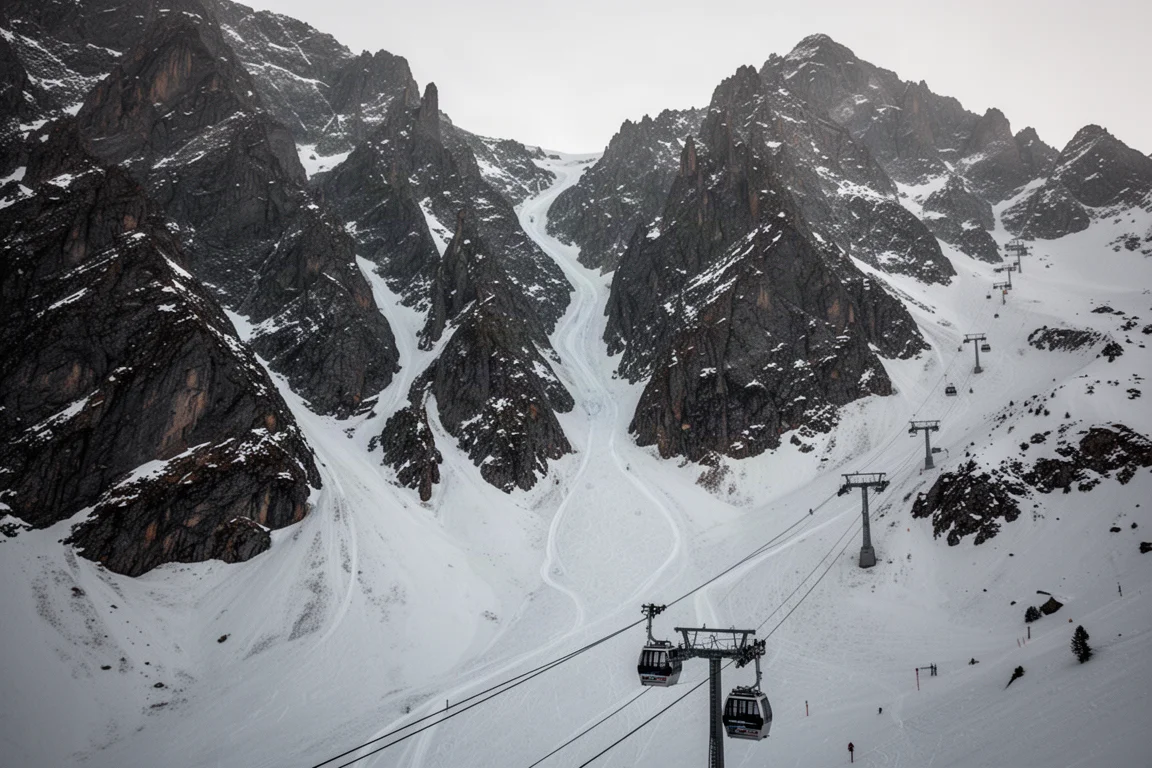
Hold that thought; before Revelstoke, one more Alberta stop deserves attention.
3. Lake Louise
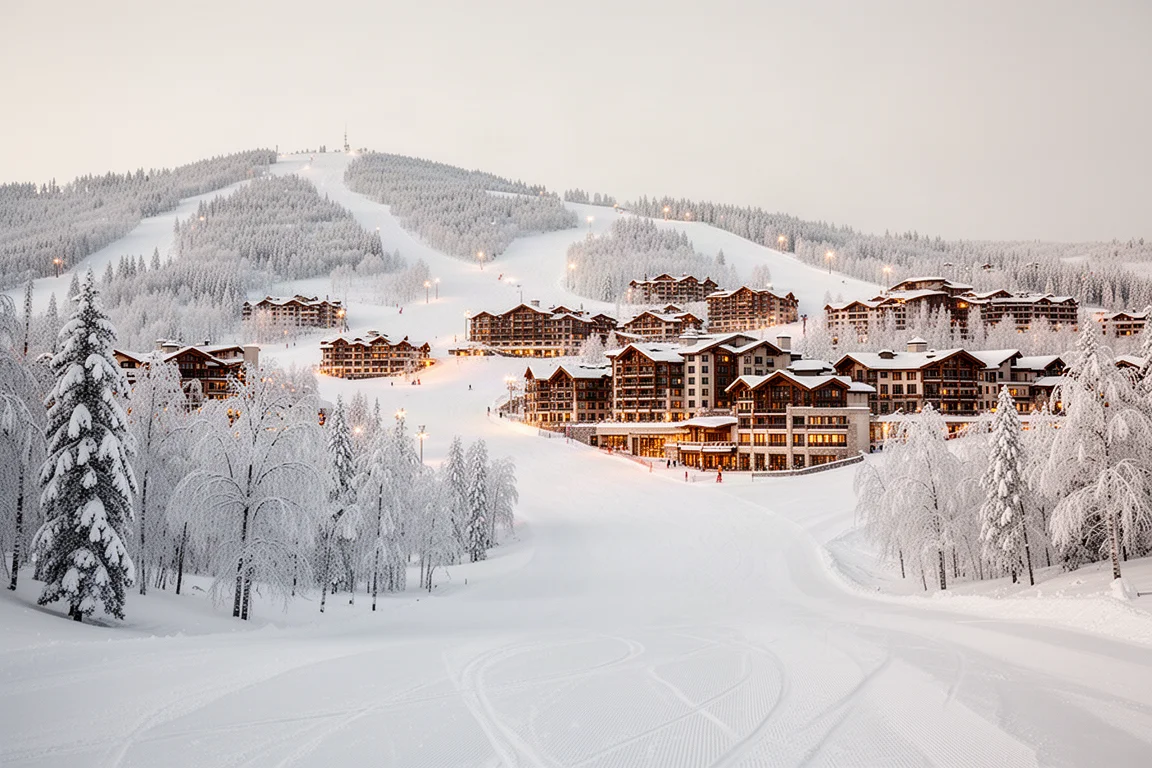
Lake Louise might be the most beautiful ski resort in North America, overlooking some of the world’s most stunning peaks with the frozen lake itself tucked into the heart of the mountains. It is well-rounded beyond the views too, with standout advanced and expert terrain, high-quality snow, a lift network that handles crowds well, and a 3,000-acre footprint set to grow with the new Richardson’s Ridge backside expansion. The annoyances: preponderant traverses on the backside, a few backside lifts that could use high-speed upgrades, somewhat limited beginner and intermediate terrain, and occasional extreme cold snaps that can drop temperatures as low as -30 F. Tickets are not cheap, but the quality justifies them.
2. Banff Sunshine Village
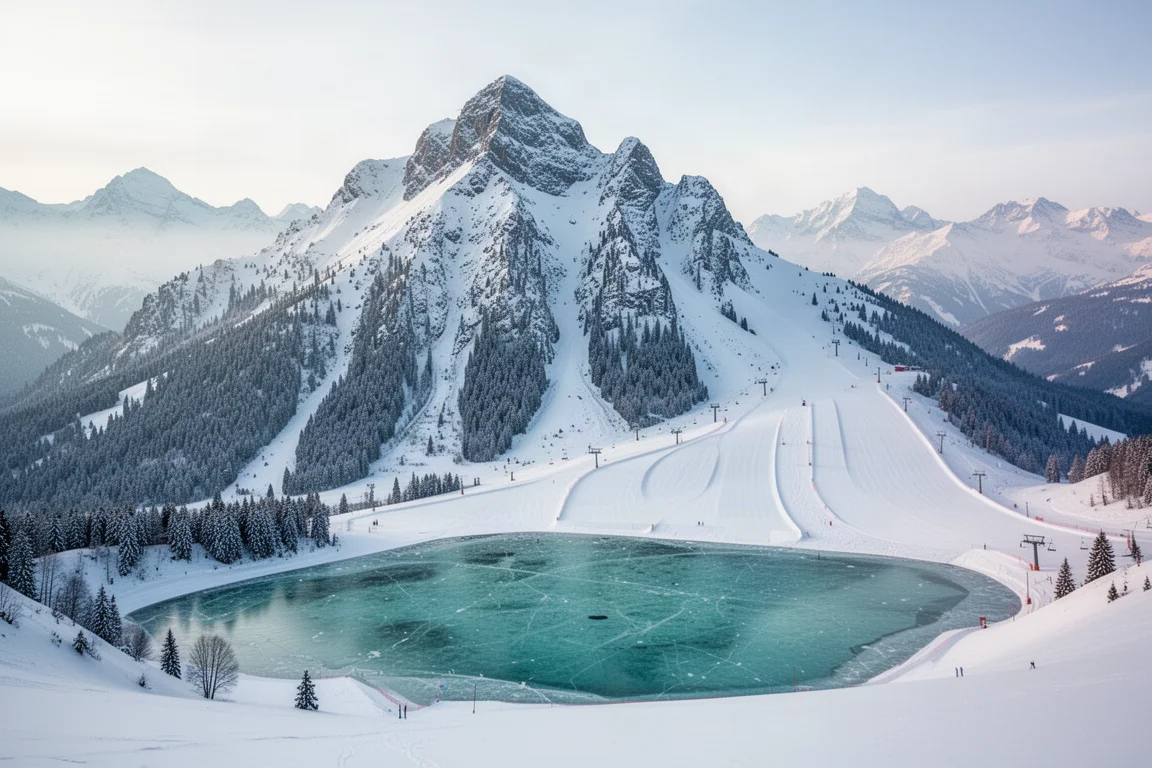
Banff Sunshine shares Lake Louise’s world-class scenery, with a nearly 360-degree skiable upper mountain and remote topography that blocks out the outside world entirely once you leave the base. It is more family-friendly than Lake Louise, with plenty of beginner and intermediate terrain even in the striking upper areas, excellent snow preservation thanks to the highest top elevation of any Canadian resort, restricted expert zones like Delirium Dive and Wild West with some of the most technical terrain in the country, and a one-of-a-kind village more than two-thirds of the way up the mountain. Drawbacks come from its unorthodox layout: half of the 3,500-foot vertical is a relatively flat traverse, the trail map is confusing, a single gondola serves the base causing morning lines, upper slopes are wind-exposed, and extreme cold snaps are possible. Still, it is hard to beat as a well-rounded overall package.
1. Whistler Blackcomb
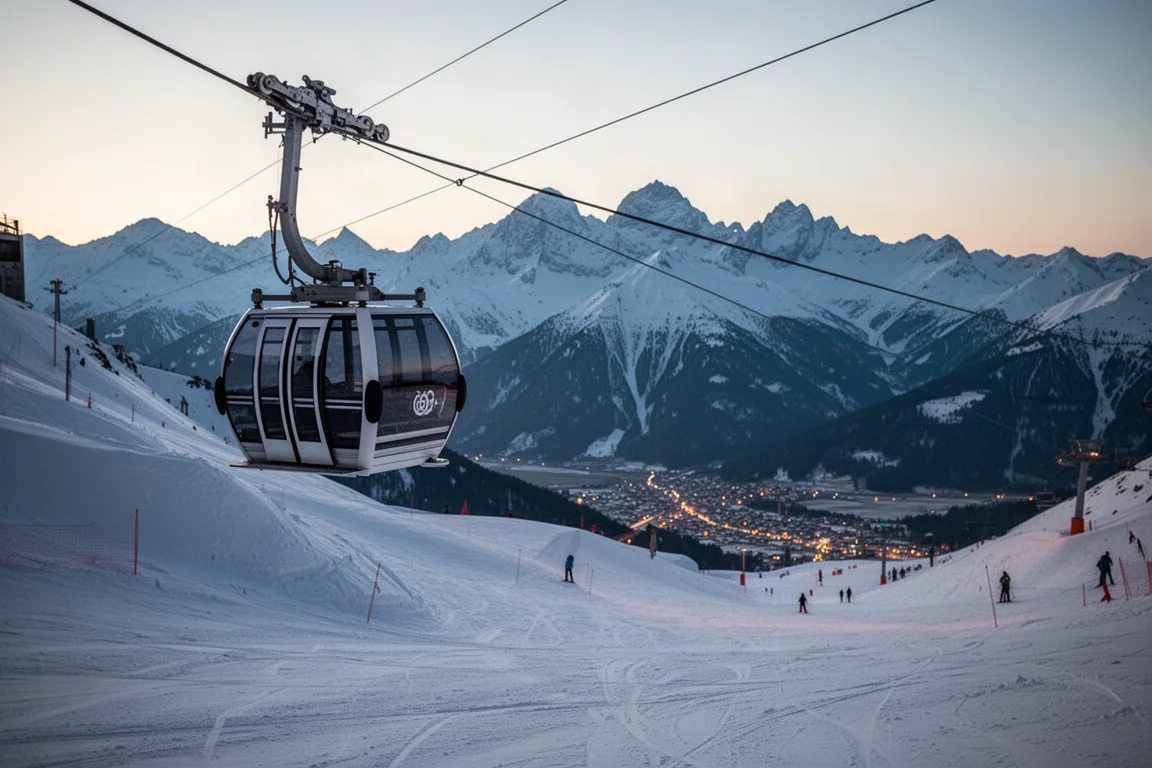
Whistler Blackcomb is the best ski resort in Canada, and it is not close. Its 8,171-acre footprint is nearly double the size of the next biggest Canadian resort, terrain diversity is unmatched, guests of all abilities can essentially ski top to bottom, and the extreme terrain rivals anything else on this list. A state-of-the-art lift network provides high-speed service essentially everywhere, including North America’s only tri-cable gondola linking the two mountains, and the base village may be the best in Canada for apres with live music, concerts, and bars. The issues are crowds, with significant lines at popular lifts on weekends and holidays, and reliability, with wet, heavy snow below mid-mountain and rain a possibility even in peak season. One-day lift tickets come at truly outrageous rates.
Overall Buying Advice
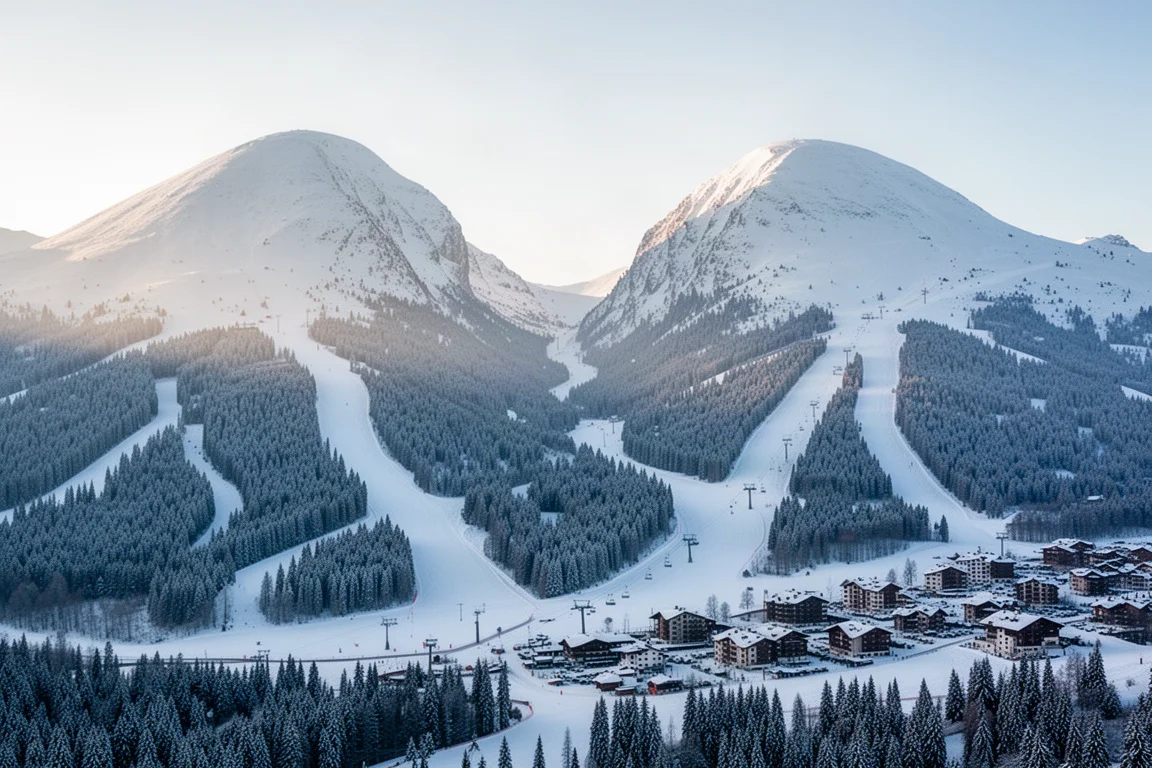
Western Canada offers consistent snow preservation and amazing views almost everywhere, but the best resorts stand out with truly exceptional big-mountain terrain, strong lift networks, and huge footprints. If you want the full destination experience, the Banff-area pair of Lake Louise and Banff Sunshine Village make a superb road-trip combo, while powder hunters should look hard at Fernie, Whitewater, and Red Mountain. Families on a budget will find strong value at Kimberley, Sun Peaks, and Castle Mountain, and experts chasing intensity should put Kicking Horse and Revelstoke at the top of the list. If you can plan a multi-day trip to Whistler Blackcomb and visit midweek, its crowd problem becomes far less of an issue and the terrain pays off in full.
Conclusion
Every resort on this list has a reason to exist, but only a handful justify flying in. Whistler Blackcomb earns the top spot on sheer scale and completeness, Banff Sunshine Village and Lake Louise combine world-class scenery with well-rounded skiing, and the Powder Highway resorts reward those chasing snow and steeps with a willingness to accept rough edges. Match the mountain to your priorities and any of the top half of this list can deliver a memorable Canadian ski trip.
Further reading
Related Reviews
Ski Destinations
16 American Ski Resorts Ranked: From Park City to Snowbird
A season-long tour across 16 American ski resorts, ranked from worst to best, with honest notes on terrain, snow, crowds, and vibe at each one.
Ski Destinations
Andermatt-Sedrun-Disentis Review: Switzerland's Low-Key Epic Pass Resort
A wide, quiet Alpine ski region spanning three separate mountain zones, now on the Epic Pass. Here is how the terrain, snow, lifts, and village experience stack up.
Ski Destinations
Chamonix Mont Blanc Ski Guide: Resorts, Terrain, and Which Lift Pass Is Worth It
Five distinct ski areas, spectacular Mont Blanc scenery, and demanding terrain. What to know about the Chamonix valley before choosing your pass.