Ski Destinations
Andermatt-Sedrun-Disentis Review: Switzerland's Low-Key Epic Pass Resort
A wide, quiet Alpine ski region spanning three separate mountain zones, now on the Epic Pass. Here is how the terrain, snow, lifts, and village experience stack up.
Introduction
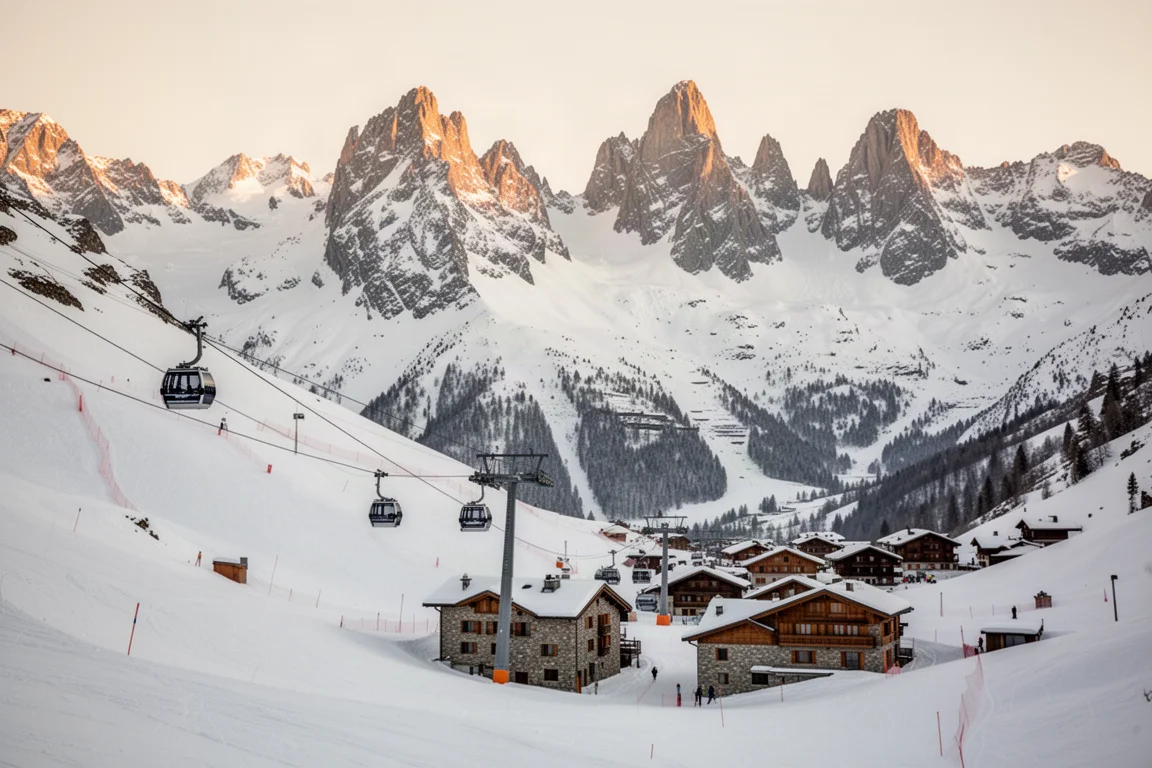
Andermatt-Sedrun-Disentis sits in the heart of the Swiss Alps, and it is an unusual one: it is included on the Epic Pass, a product held by millions of Americans, yet relatively few visitors from across the Atlantic know it exists. The region spans three physically separate mountain zones, and its modestly sized town offers a welcome break from the crowds at Europe’s biggest ski destinations.
The resort also went through a notable ownership change, having been majority acquired by Vail Resorts in 2022, marking that company’s first European resort operation. So how does Andermatt stack up, and has anything changed since the acquisition? In short: the experience has stayed largely the same, the Epic Pass inclusion is the biggest practical change, and the resort is a genuinely enjoyable but somewhat rough-around-the-edges alternative to Switzerland’s marquee names.
A Three-Zone Layout With No Lift Connections
The ski region is made up of three physically separate areas. From left to right on the trail map: Gemsstock, which is primarily home to advanced and expert terrain; Andermatt-Oberalppass-Sedrun, usually shortened to AOS, the biggest and widest part of the resort; and Disentis, which mainly offers pleasant beginner and intermediate cruising terrain. Gemsstock and AOS are officially marketed together as Ski Arena Andermatt-Sedrun, while Disentis, only included on the same pass starting in 2023, is technically not part of that arena.
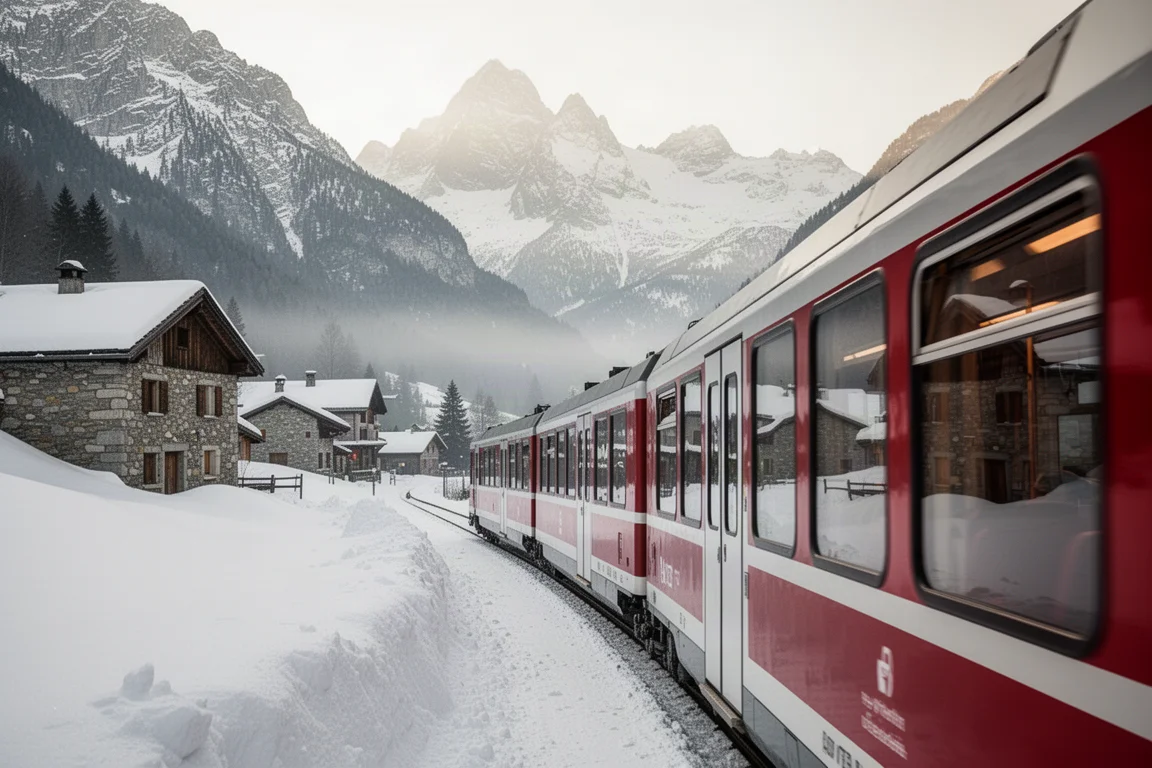
These three areas have no lift connections. They are linked by public transportation: a bus between Gemsstock and AOS, and the Matterhorn Gotthard Bahn train between AOS and Disentis. The connections do run on time, but not very frequently, with the Gemsstock bus running on 30-minute headways and the Sedrun-Disentis train running anywhere from every 15 minutes to an hour or more. In practice, these areas are not practical to bounce between over a single day, so most visitors pick one zone per day.
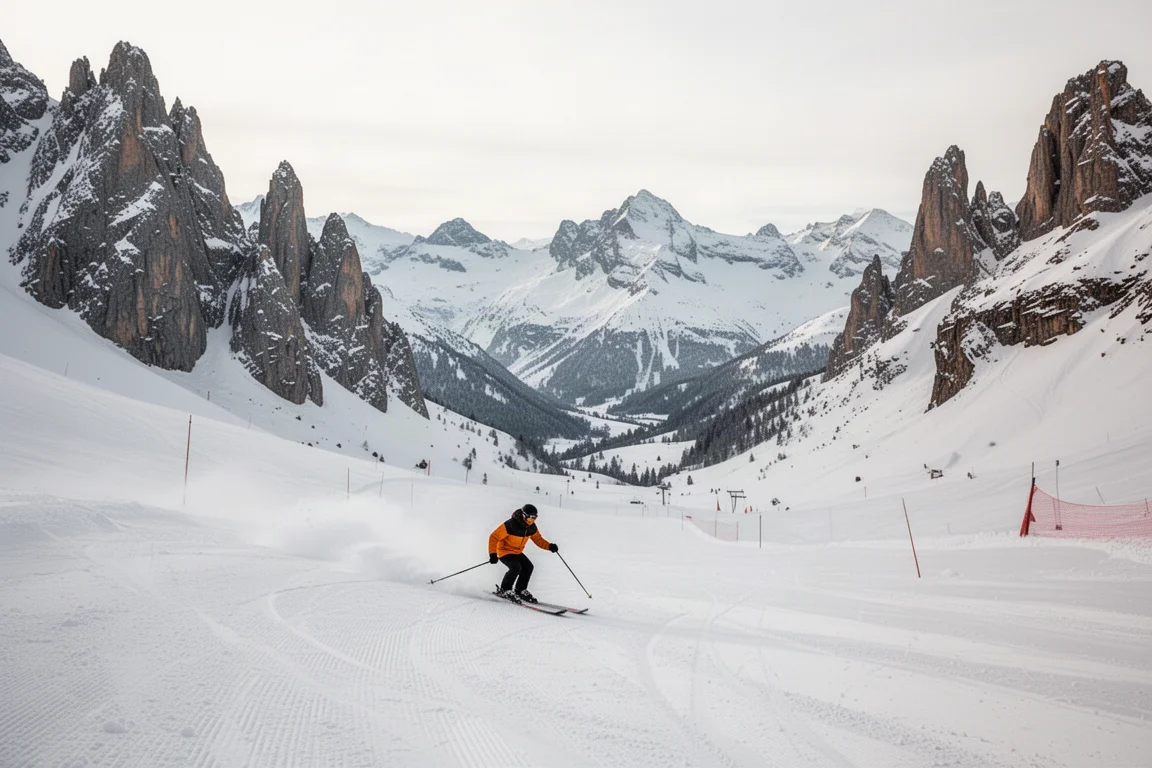
The main AOS area is exceptionally wide, and at times it feels more like a network of traverses than a designed ski resort. While the main faces on the Andermatt and Sedrun sides have decent vertical, the areas between them are confined to high alpine terrain, producing runs of only about 1,000 to 1,500 vertical feet that function more as connectors to the next lift than as destinations. Crossing the full area takes five short lifts and trails from the Andermatt side to Sedrun, and four in the other direction, with a few irritating flat junctions along the way. Fortunately, the train can take you from Andermatt to Sedrun directly, with two intermediate stops in the higher parts of the resort if you want to start or end your day mid-mountain.
Terrain by Ability Level
Beginners. Despite its wide, complicated footprint, Andermatt is a fairly strong resort for beginners. The bulk of the runs on the main Andermatt face of AOS are gently sloped blue pistes, and the shorter upper-mountain trails suit those still finding their feet. The long number 1 piste down to the Andermatt base may feel drawn out for some, but it maintains a forgiving pitch and offers great views of the town below; those who prefer can download the gondola or train instead. Disentis offers over 3,000 vertical feet of continuous beginner and intermediate groomers, and learning areas exist in the towns of Sedrun and Disentis plus one halfway up the Andermatt main face. The main caveat: Gemsstock has no beginner terrain at all, and linking across AOS requires intermediate skills.
Intermediates. Andermatt offers a strong intermediate experience, with modestly sloped red cruisers across the majority of the mountain. Sedrun has the largest concentration of red pistes, with wide-open cruisers on its main face and shorter, distinct-feeling runs between Sedrun and the mid-mountain Schneehüenerstock lodge. Disentis hosts striking high-alpine red runs boxed in by peaks. Gemsstock has the least intermediate terrain, though its entire nearly 5,000-foot vertical descent is doable on red runs, including the number 70 piste, which involves some mild uphill sections that reward carrying speed.
Advanced and experts. Gemsstock is the place to be. Its upper mountain features two notably difficult runs: the steep, consistently groomed number 71, and a long ungroomed number 72. Beyond that, on-piste black runs elsewhere are fairly limited, and many black-marked trails in AOS and Disentis are not consistently open. Disentis’s promising 130 and 134 runs can go entire seasons without opening due to low-elevation snow cover; ignoring closure signs there can leave you booting down bare ground.
The real surprise is the off-piste. Solid unpatrolled lines sit off most upper-mountain lifts, especially at Gemsstock and skier’s left of Oberalppass. For those who know the resort, there are extreme chutes and couloirs off the upper Gemsstock tram with a short hike, plus bigger routes such as a hike to the Pazolastock summit above Disentis and a descent to the town of Hospental from the back of Gemsstock. Thanks to the resort’s family-friendly nature, these areas rarely get tracked out, though the off-piste is not avalanche-controlled at all, so proper training, equipment, and partners are essential.
Snow Conditions and Reliability
Annual average snowfall is just under 200 inches, decent for the Alps but well short of Rocky Mountain totals. The Andermatt valley runs somewhat colder than other Alps resorts at similar altitude, which preserves the snowpack, but tall surrounding peaks block storms from certain directions. Snowfall can be inconsistent: great powder days are possible, but snow droughts can last days or even weeks.
South-facing slopes at AOS and Disentis are susceptible to sun bake, producing icy surfaces in the morning and soft spring conditions in the afternoon. Disentis bottoms out at the lowest base elevation of the three zones, and unreliable snow cover keeps its lower valley runs from opening consistently. Gemsstock is the reliability champion: it faces almost entirely north, and the black and yellow slopes off the upper tram stay shaded most of the day, holding good conditions even after long dry spells.
Lifts and Crowds
Within each zone the lift setup is fairly modern, though not quite at the level of some Swiss competitors. At AOS, nearly all lifts are high speed, and two gondolas, one on the Gemsstock front face and one from Oberalppass to the Schneehüenerstock lodge, provide fast access to the upper sections. The slow lifts here are the number 7 and 8 quads serving the Val zone between Oberalppass and Sedrun.
Gemsstock is held almost entirely by tram service: two trams paired together serve the full vertical descent. They run fast and keep you out of the elements, but long headways mean extended waits, and low tram capacity builds real lift lines, especially on the upper tram that serves most of the resort’s advanced terrain. Gemsstock may not be the best choice for peak weekends or school holidays.
Disentis is a mix: trams from the base, a combination of high-speed and slow chairs mid-mountain, and T-bars and platters serving the uppermost slopes, which keep slope traffic down but make laps physically taxing. Disentis is also the only zone without a reliable trail link back to the base during core season, so you will often need to download a tram.
Crowds are generally manageable, with fair weekend and holiday traffic arriving from Zurich, but there are a handful of choke points due to a lack of lift redundancies.
On-Mountain Dining and Apres
The on-mountain restaurant setup keeps most guests happy. While the establishments do not match the top tier of European destinations, there are excellent independently run restaurants across all three zones, including a Michelin-starred Japanese restaurant at the top of the Andermatt front side. Most offer outdoor seating that is great for sunny days. One place to skip when time is tight: the resort-run cafeteria at the top of Schneehüenerstock, which is expensive for the quality compared to more distinctive nearby venues.
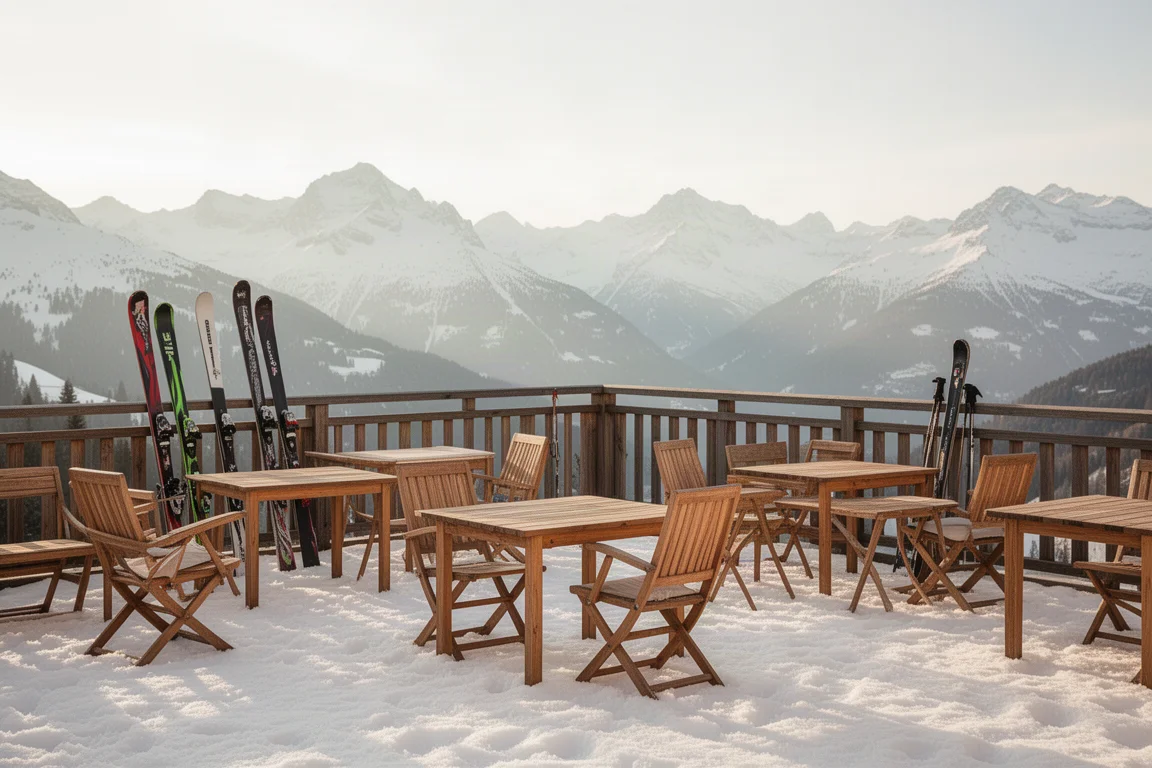
Apres follows the same low-key tone. You will not find the party vibe of Austria or Switzerland’s biggest resorts, but the on-mountain bars get decently lively around and after lunch. The Globe bar mid-mountain at Gemsstock and the Himalaya bar, overlooking town directly off the number 1 trail on the Andermatt front side, are top picks; at many bars you can ski directly into town, and last call tends to fall well after the lifts close. The town of Andermatt has a decent selection of evening bars and restaurants, but it is not a club-and-party destination. Disentis’s scene is more muted, with the Nevada umbrella bar worth a stop on the mountain and the town’s venues better suited to a quiet drink with your group.
Where to Stay and How to Get There
Most travelers will want to stay in the town of Andermatt itself. It is smaller and more down-to-earth than Zermatt or Verbier, but still offers a range of hotels and condos, from upscale no-frills rooms to the ultra-luxury Chedi Andermatt. Note that only two hotels, the Chedi and the Radisson Blu, have pools, and only the Chedi’s is outdoor. For a cheap social option, Base Camp Andermatt offers strong communal vibes and great views. Nearby Hospental has a few more economical choices including hostels, connected by a free half-hourly shuttle bus and a train stop. Cheaper apartments with striking Alpine views are available in the quieter town of Sedrun, and Disentis has a series of modern hotels and condos, including the Katrina hotel, which offers the cheapest access to a pool in the region.
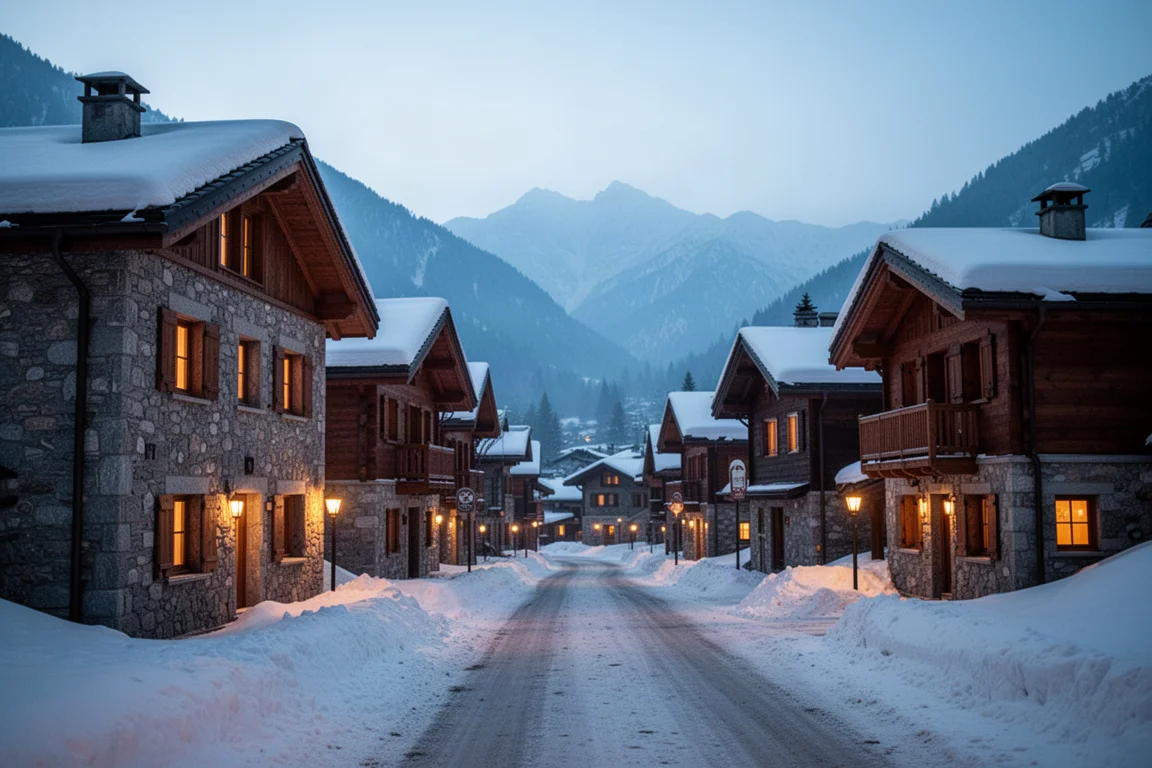
Getting there is easy thanks to Switzerland’s national rail network: the resort is just under two and a half hours by public transport from Zurich Airport, and just over four hours by train from Milan and Geneva. It is also drivable, with the Milan drive at just over two hours, though the road between Andermatt and the other two towns closes in winter, making the train the only way between them during ski season. One practical note: Andermatt is in the German-speaking region of Switzerland.
The Epic Pass Question and Overall Verdict
So how has the Vail Resorts acquisition changed things? By the accounts of the overwhelming majority of locals, it has not changed much so far. The one big change: Andermatt is now an unlimited mountain on the full Epic Pass and a 5-day member of the Epic Local Pass, making it an easy add for anyone already holding either pass. Notably, it is one of only two European resorts on the Epic Local Pass, setting it apart from destinations like Les Trois Vallées and Ski Arlberg, which are full Epic Pass only. Passholders will need to visit the ticket window for a special RFID card to redeem days here, though the counter hands out some welcome extras, including crackers and Swiss hand lotion.
Andermatt-Sedrun-Disentis is a lower-key, family-friendly alternative to Switzerland’s best-known resorts, with a down-to-earth town, a unique layout, and striking slopes. The trade-offs are real: the maze-like footprint limits your ability to exploit the Alpine prominence the region is famous for, the generally south-facing slopes at AOS and Disentis hurt snow reliability, and the resort is a bit too rough around the edges to beat the world-class destinations elsewhere in the Alps. Peak lift ticket rates top out around 90 Swiss francs, expensive by European standards but not at the outrageous levels of Vail’s North American destinations, with discounts available on multi-day and half-day purchases.
For anyone already in the area, or looking for a weekend getaway from Zurich, you could do far worse. For a dedicated international ski vacation, destinations like Zermatt and Verbier probably remain better picks.
Conclusion
Andermatt-Sedrun-Disentis rewards visitors who value quiet slopes, honest Alpine scenery, and a town that feels lived-in rather than resort-manufactured. Gemsstock delivers the region’s best snow and its most serious terrain, AOS provides breadth and beginner-friendly grooming, and Disentis adds gentle, scenic cruising, provided you accept the logistical friction of a three-zone layout. It will not replace the Alps’ headliners on a once-a-year trip, but as an Epic Pass add-on or a Zurich weekend escape, it earns its place on the map.
Product link
View more details for Andermatt-Sedrun-Disentis
This product is mentioned in the review. Check the specifications, options, and compatibility before buying.
View more details for Andermatt-Sedrun-DisentisFurther reading
Related Reviews
Ski Destinations
16 American Ski Resorts Ranked: From Park City to Snowbird
A season-long tour across 16 American ski resorts, ranked from worst to best, with honest notes on terrain, snow, crowds, and vibe at each one.
Ski Destinations
The Best Ski Resorts in Western Canada, Ranked
We rank every major Canadian ski resort west of the Rockies, from Nakiska's day-trip convenience to Whistler Blackcomb's unmatched terrain diversity.
Ski Destinations
Chamonix Mont Blanc Ski Guide: Resorts, Terrain, and Which Lift Pass Is Worth It
Five distinct ski areas, spectacular Mont Blanc scenery, and demanding terrain. What to know about the Chamonix valley before choosing your pass.