Backpacking Gear
Vaucluse Backpack Ventilation System Review: Does a Plastic Frame Really Reduce Back Sweat?
A field-tested look at the Vaucluse backpack ventilation system, covering airflow, comfort, setup requirements, and the trade-offs to weigh before buying.
Introduction
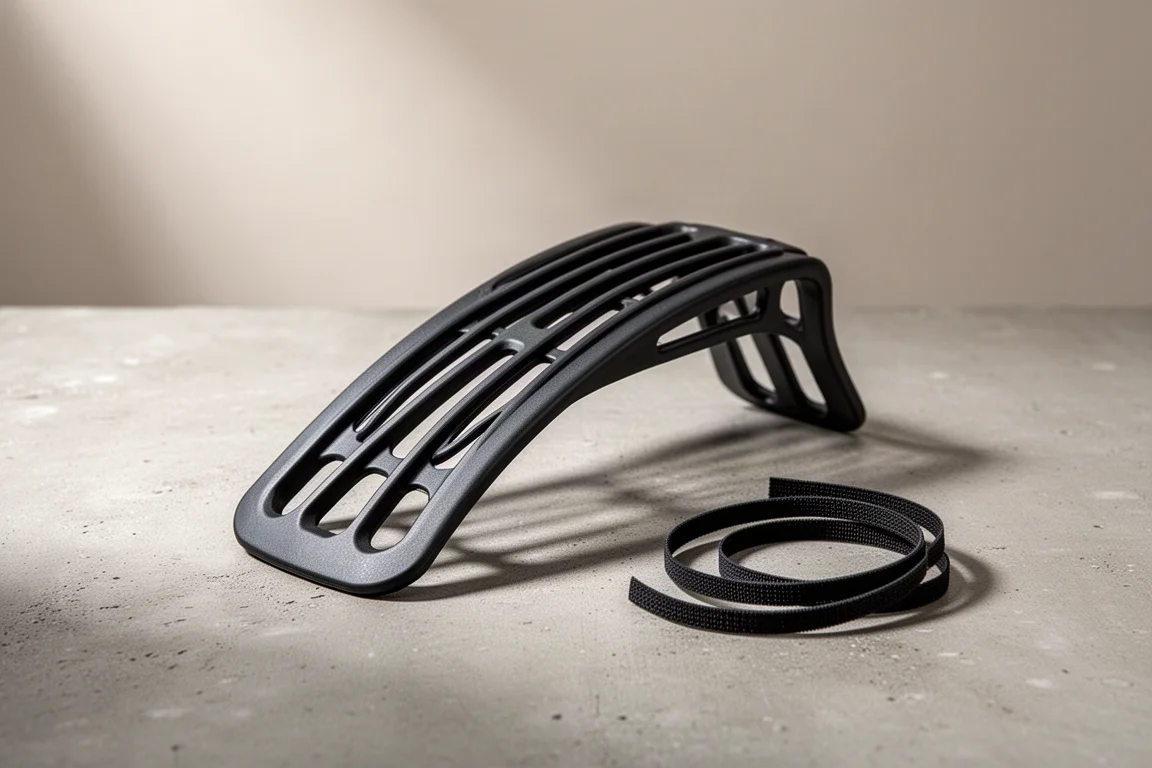
The Vaucluse backpack ventilation system is a plastic frame that sits between your back and your pack to increase airflow and cut down on sweat. It is a simple idea, and one that invites obvious skepticism: can a thin plastic sandwich behind your back really change anything?
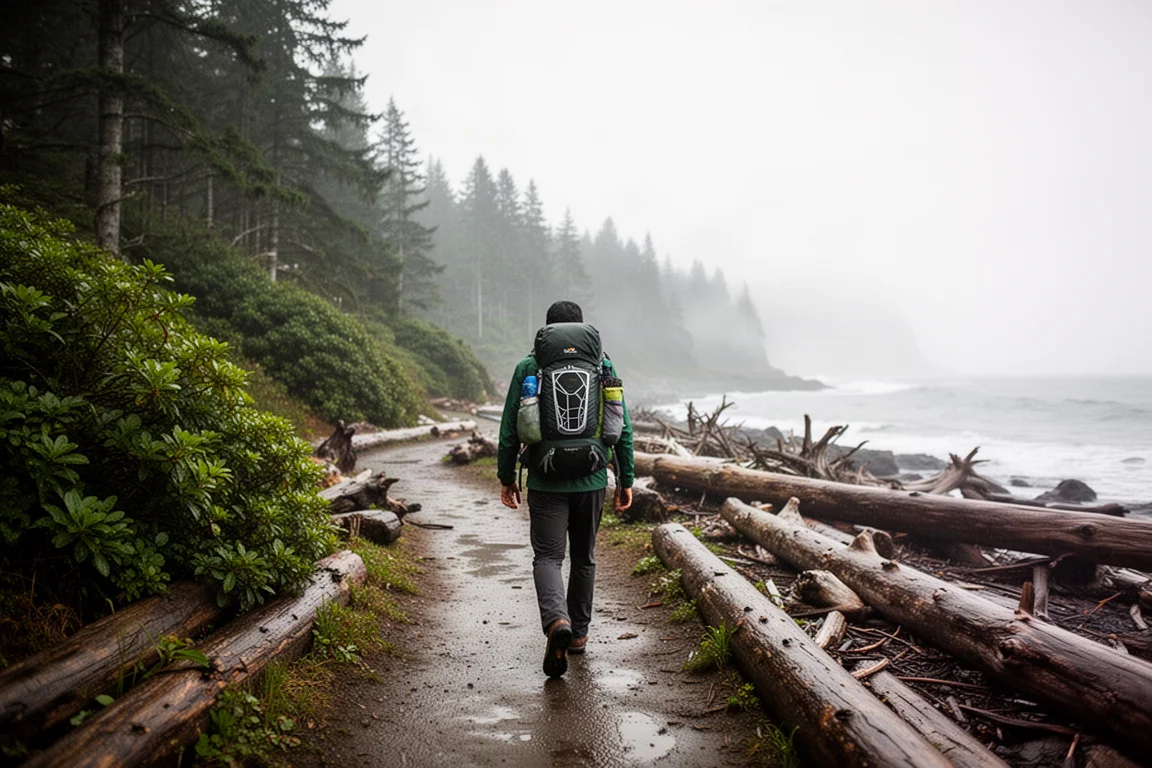
To find out, the frame went along on a three-day hike on the Pacific Northwest coast, covering beach walking, steep climbs, and a long stretch of dense bushwhacking. The short version is that the first day was a fight and the second day was a quiet success, and the difference came down to a single step in the setup.
Who This Product Is For
The frame is aimed at hikers whose packs lack a built-in ventilation system and who find back sweat genuinely uncomfortable. If you have finished a climb with a soaked shirt and a damp pack panel pressed against you, that is the exact problem this product exists to address.
It is a harder sell if back sweat is only mildly annoying. Hikers who already own a pack with a tensioned mesh back panel are unlikely to need it either, since that design solves the same problem as part of the pack itself.
Main Strengths
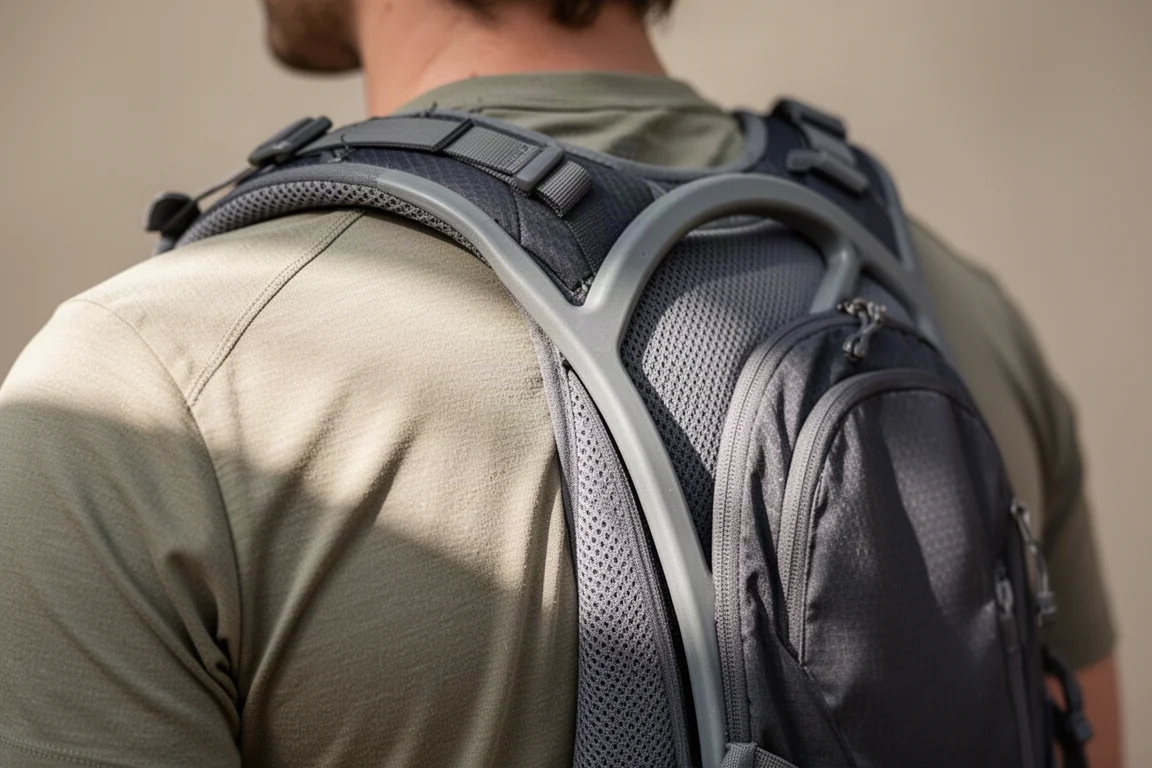
The clearest strength is airflow. By holding the pack away from your back, the frame creates a channel for air to move through, and the result is a back that stays noticeably drier than it would against a flat pack panel.
The second strength is less obvious. With a typical ultralight pack that has a rigid crossbar only at the top, a hard, round item such as a bear canister can press straight into the lower back. With the frame in place, that pressure was spread across a wider area and the pack carried more comfortably. That benefit depends on the load, and a pack filled with soft gear is unlikely to feel the same improvement.
Does It Actually Reduce Back Sweat?
Sweat reduction is the entire point of the product, and the practical answer is that it appears to work. Through the hike, the back stayed reasonably dry with the frame in place rather than damp against the pack panel.
The caveat is that this is a subjective impression from a single trip. The frame changes airflow, not how much you perspire, so a hot day or a long climb will still leave you damp. It reduces the problem rather than eliminating it.
How It Performed on a Three-Day Hike
The first day was rough. Without the straps that secure it, the frame is held only by the pressure of your back against the pack, so it slid around, rode up while walking, and shifted to one side. It needed constant adjustment, sometimes within minutes of the last fix, and at one point it came off entirely and was carried by hand.
The turnaround came once the bottom of the frame was fastened to the hip belt. From that point it stayed where it was put, even through a demanding off-trail stretch of pushing through thick brush, climbing over boulders, and scrambling along steep ground. For the better part of a day, it stopped being noticeable at all.
Getting the Setup Right
The included hook-and-loop straps are not optional. They wrap the bottom of the frame to the hip belt, and that connection is what stops the frame from migrating while you walk. Skipping that step is the difference between a frame that fights you all day and one you forget you are wearing.
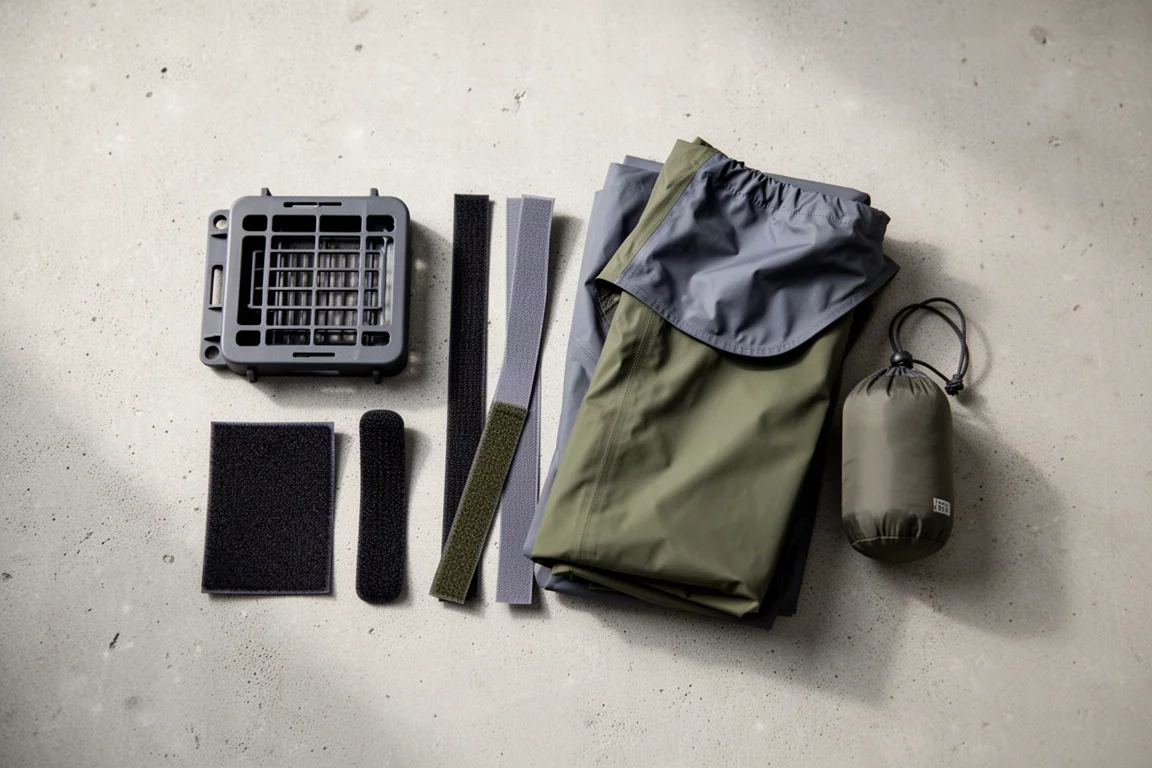
It also helps to bring every piece of the system and to read the setup guidance before you leave. That sounds trivial, but a rushed pack job is a common way to end up with a frame that will not stay in place.
Things to Consider Before Buying
There is no padding on the frame. Some hikers will want a thin layer of cushioning between the plastic and their back, although adding padding works directly against the ventilation the product is designed to provide.
It is also worth being clear about what the frame does not do. It does not reduce pack weight, it does not change how a pack carries across the shoulders and hips, and it adds one more piece of gear to install, adjust, and keep track of.
Cost Compared With Built-In Ventilation
At around $50, the frame is inexpensive on its own, but it stacks on top of whatever you already paid for your pack. Packs that build ventilation into the design bundle the feature into the purchase instead, with examples such as the Zpacks Arc Haul 60 at $400 and the Osprey Exos Pro 55 at $290. A $260 pack such as the Durston Kakwa 55 paired with the frame lands closer to $310, which is still well under the Arc Haul but no longer far from the Exos Pro.
For anyone who already owns a pack without ventilation, the math looks different. Adding the frame is a far cheaper way to gain airflow than replacing a pack that otherwise works well.
Buying Advice
The decision comes down to how much back sweat bothers you. If a damp back is a persistent frustration on warm hikes and your current pack has no ventilation, the frame is a low-cost experiment worth trying, provided you install it properly and use the straps every time.

If back sweat is unpleasant but not a dealbreaker, the frame is likely to spend more time at home than on the trail. It performs as intended, but it is not essential gear for every hiker.
Conclusion
The Vaucluse backpack ventilation system does what it claims when it is set up correctly. It creates airflow, it keeps the back reasonably dry, and it can even smooth out pressure points from hard items in the pack. The catch is that it depends entirely on the straps and the installation, and it only earns its place if back sweat is a problem you actually want solved.
Product link
View more details for Vaucluse Backpack Ventilation System
This product is mentioned in the review. Check the specifications, options, and compatibility before buying.
View more details for Vaucluse Backpack Ventilation SystemFurther reading
Related Reviews

Backpacking Gear
Building a 10 lb Base Weight: An Ultralight Backpacking Gear List
A practical walkthrough of the ultralight pieces behind a 10 lb base weight, from a 765 g pack and a roomy one-person tent to a full camp chair and a dependable water filter.

Backpacking Gear
A 15-Pound Lightweight Backpacking Gear List for Solo Trips
A beginner-friendly 15-pound backpacking setup built from easy-to-find gear, with notes on what each piece does, how it packs, and where to spend your attention.

Backpacking Gear
8 Ultralight Backpacking Gear Upgrades Worth Carrying
Eight small, affordable backpacking upgrades that solve real trail annoyances, from a pillow that stays put to a fuel valve that rescues leftover canister gas.