Astrophotography
Vaonis Vespera vs a DIY Astrophotography Kit: Same Specs, Very Different Experience
A sleek all-in-one observation station against a hand-built rig with the same sensor, the same optics, and the same $2,500 price tag.
Introduction
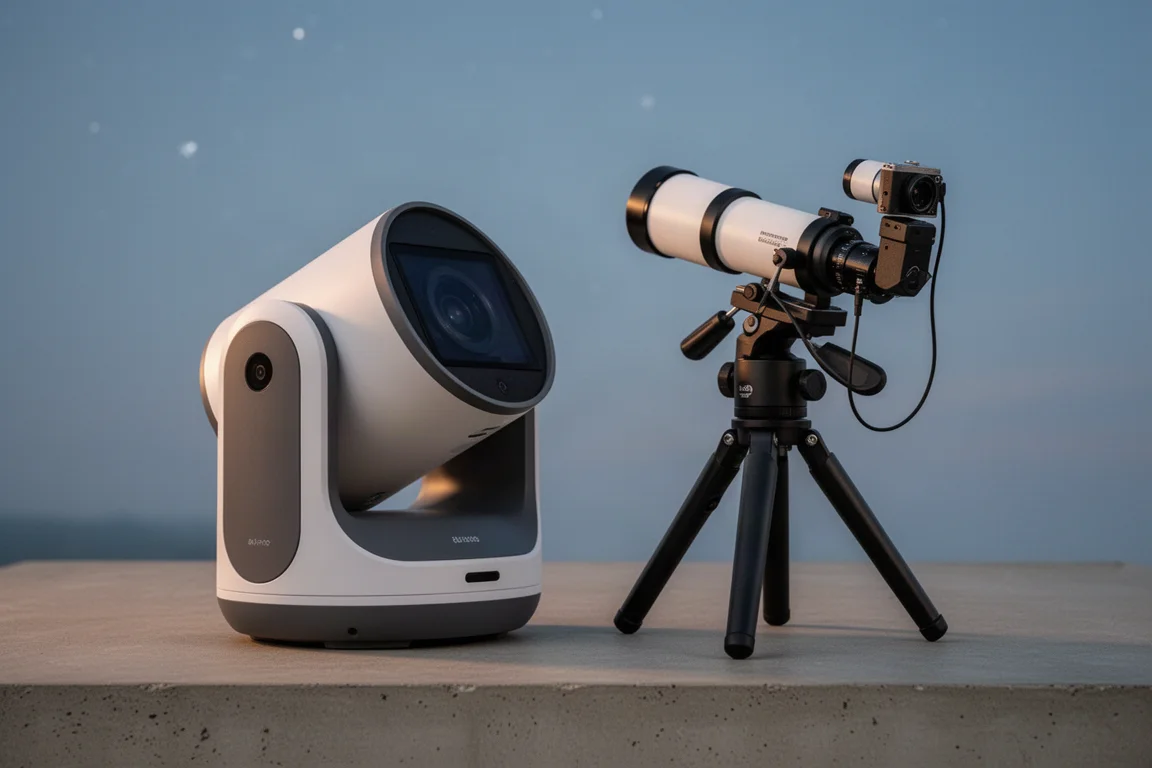
Some of the most interesting gear comparisons happen when two setups match on paper but take completely different paths to get there. That is exactly the case here: an all-in-one smart telescope against a hand-assembled rig built from modular parts, with the same camera sensor, the same optics, and the same $2,500 price tag when bought new today.
Both systems can find deep sky objects, focus automatically, and capture images of nebulae with minimal manual input. But the experience of using them under the stars is worlds apart. This comparison looks at ease of use, weight, packability, upgradeability, flexibility, cost, and the final image results, so you can decide which approach fits the way you actually want to do astrophotography.
Vaonis Vespera: The Turnkey Observation Station
The Vaonis Vespera packs a telescope, motorized mount, camera, autofocuser, computer, and Wi-Fi antenna into one streamlined unit. There is literally one button to turn it on and off, and after that everything happens through an app on an Android or iOS device. No cell service is needed: the Vespera creates its own Wi-Fi network that you connect to directly.
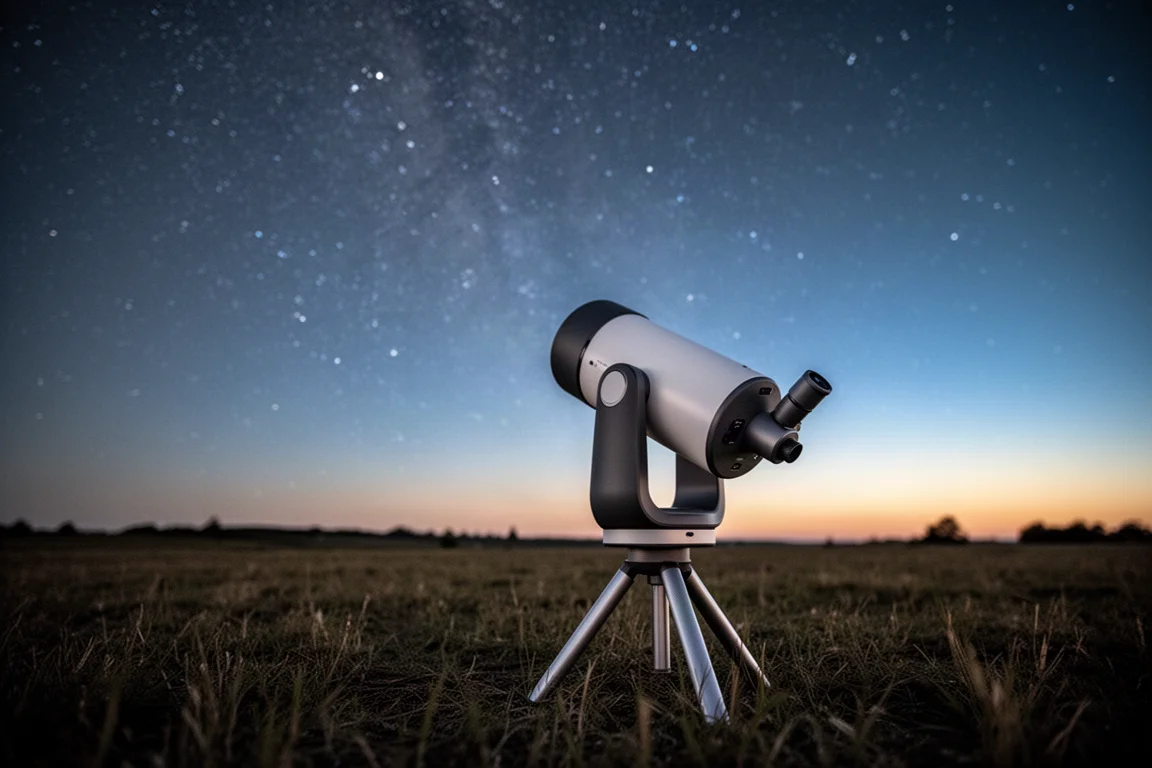
Setup is remarkably low friction. From unboxing to taking a first image of the Dumbbell Nebula took about ten minutes, with the system narrating what it was doing on screen and even sharing fun facts about space. Filter changes are the easiest we have seen anywhere: the proprietary click-in filter cells snap into place, the system recognizes them automatically, and adjusts its settings accordingly. Optional add-ons include a dual band narrowband filter, a solar filter, a light pollution filter, and a small hygrometer accessory that measures water vapor so the system can keep the optics and filters free from dew.
The Vespera weighs just 14 pounds with all its optional filters in the optional backpack, making it exceptionally light and genuinely packable. Its main trade-off is that it is essentially a black box. There are no visible screws, nothing to open up, and upgrades are limited to what Vaonis chooses to offer.
ZWO ASIAIR Plus: The Brain of a Modular Build
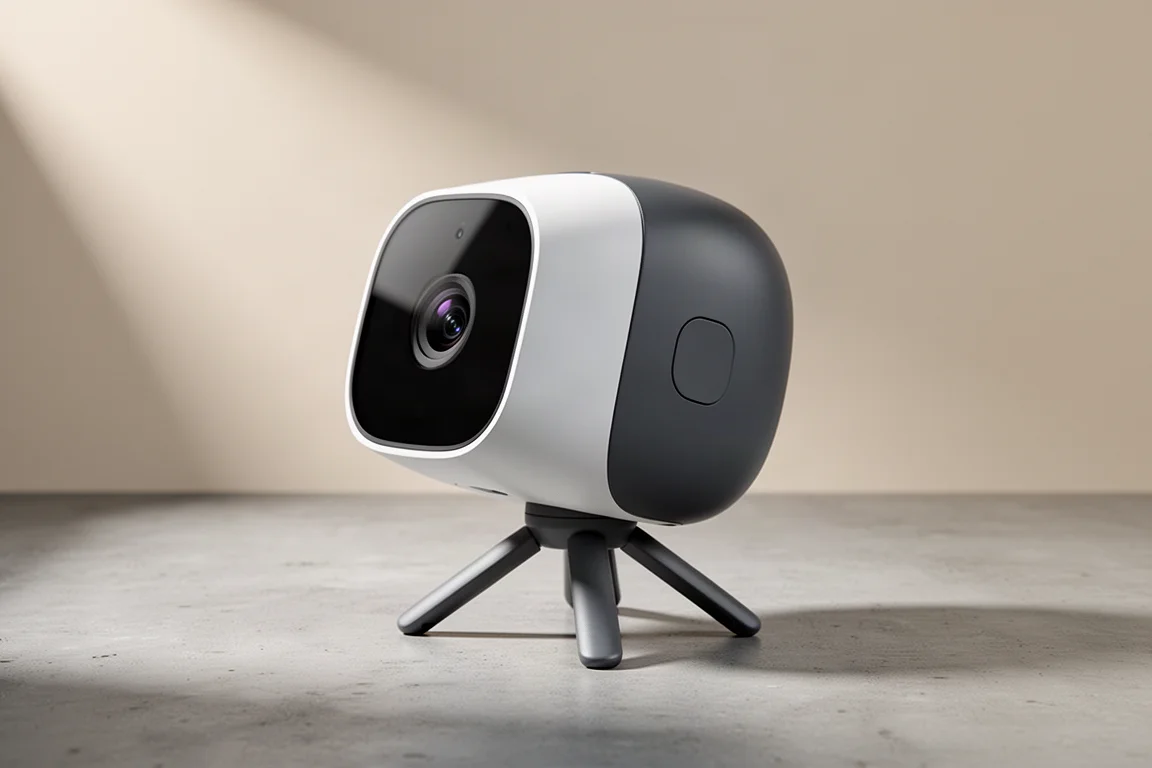
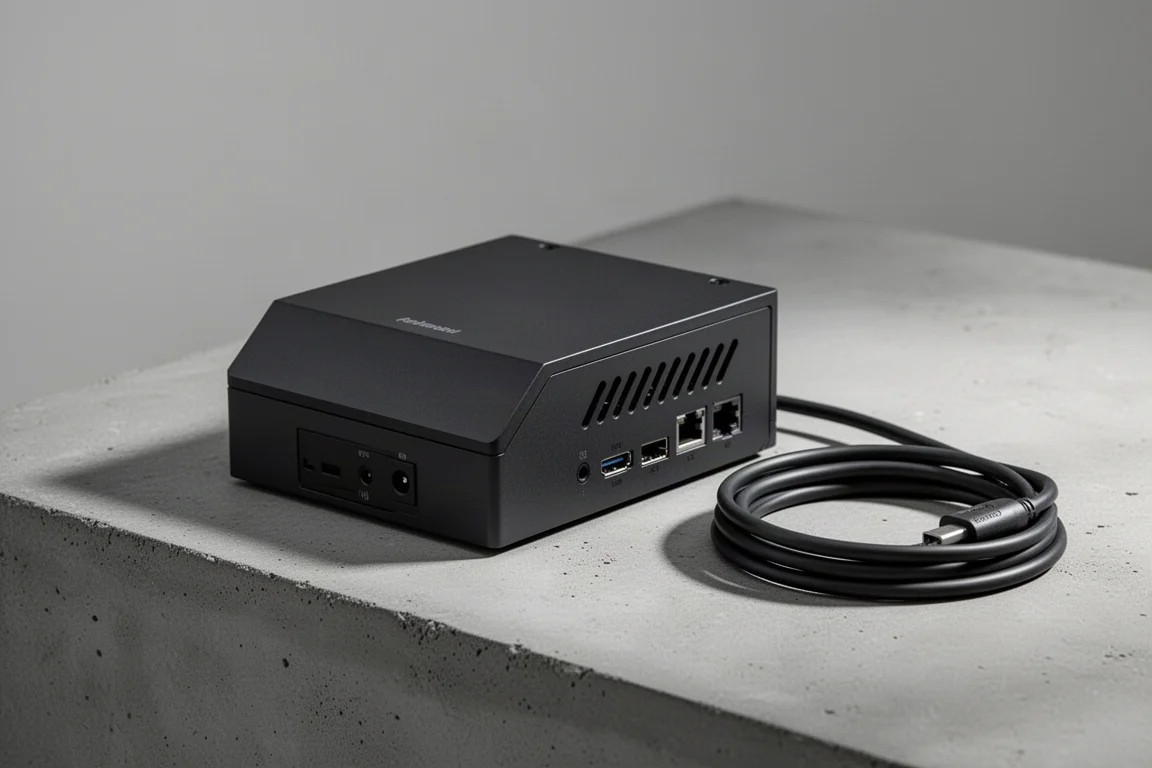
The DIY counterpart here is a rig built around the ZWO ASIAIR Plus, a smart control unit that automates imaging tasks like locating deep sky objects, focusing, and plate solving. Paired with the right mount, camera, and optics, it can replicate most of what the Vespera does, but as separate components you choose and swap yourself.
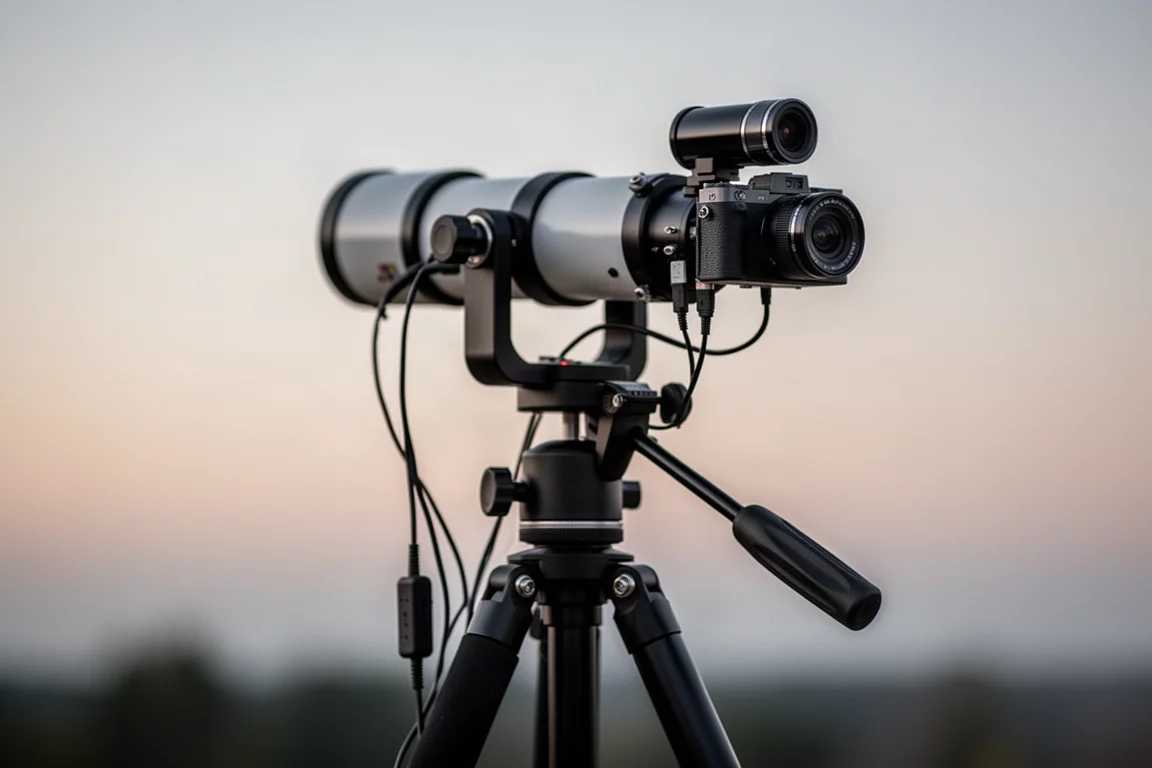
The honest caveat: a first night with a new modular rig involves real troubleshooting. This particular build took well over an hour to get going, partly due to Wi-Fi connection issues with the ASIAIR Plus on an Android smartphone, likely user error but a familiar kind of friction for anyone learning a new control system. Expect to fine-tune the setup over your first few nights out. For many hobbyists, that tinkering is part of the fun. For others, it is exactly what they are trying to avoid.
The payoff comes in flexibility. Every part of this rig can be changed: the mount, the optics, the camera. Adding a mono camera with a narrowband filter would fundamentally change what the rig can do, and if a single component fails, you replace just that part. You could also add a cheap guide scope and guiding camera to minimize walking noise through auto-guiding and dithering.
Sky-Watcher Star Adventurer GTi: The Mount That Makes It Portable
The third piece of the modular puzzle is the Sky-Watcher Star Adventurer GTi, a compact equatorial goto mount that carries the optical tube and camera. Including its counterweight, the whole spare-parts rig weighs just over 20 pounds, still very portable but a step up from the Vespera’s 14.
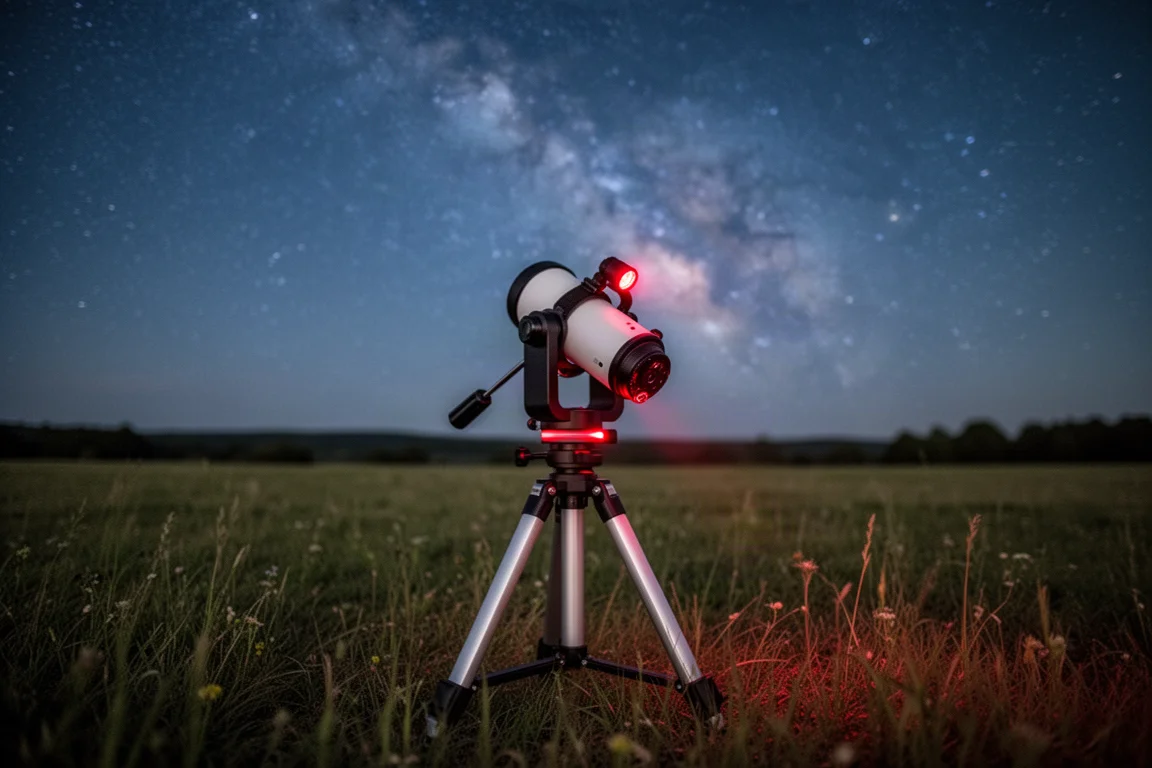
An equatorial mount like this avoids the field rotation you get with alt-az designs, which means the full frame stays usable over long integrations. The trade-off appeared in the test images: straight diagonal walking noise, a common artifact with an equatorial mount that is not auto-guided or dithered between exposures. Better polar alignment and an added guide scope would largely eliminate it.
Packing the rig is doable but less elegant than the Vespera: you would want to remove the cables and reassemble on site rather than stow everything assembled.
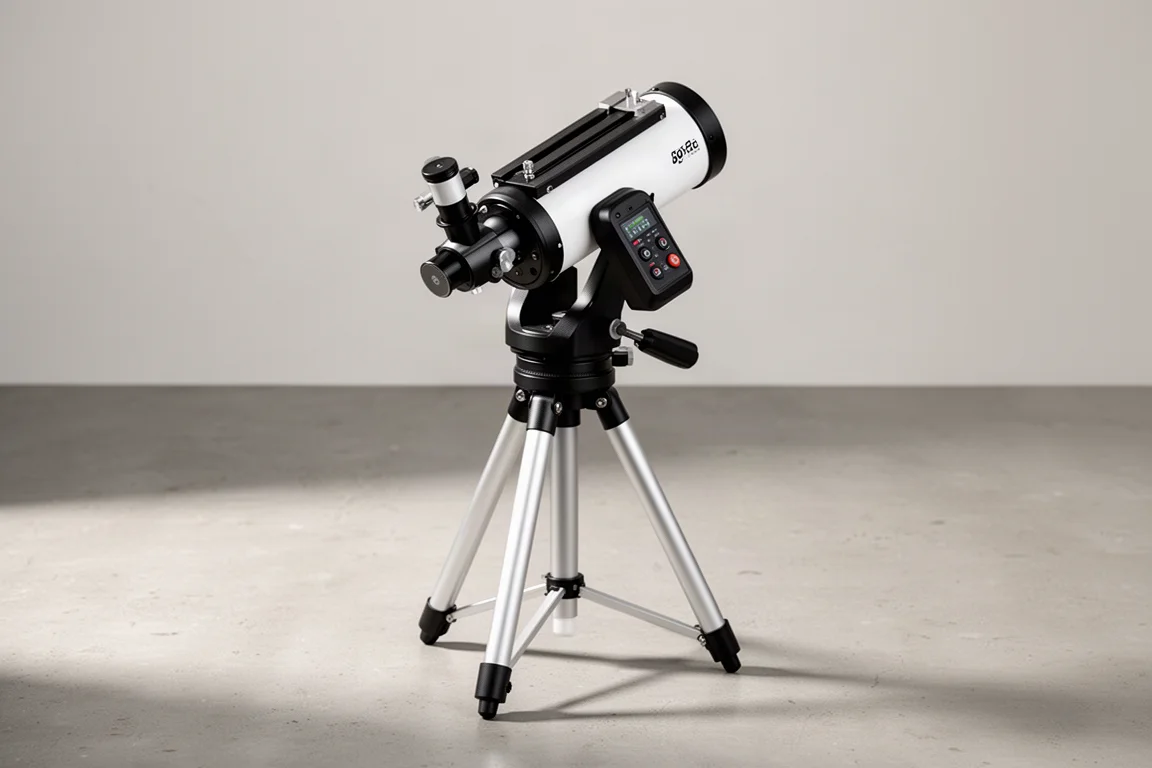
Image Results: What the Same Sensor and Optics Produce
Both kits used the same 200mm focal length lens at f/4 and the same Sony IMX462 sensor, capturing the Horsehead Nebula simultaneously under the same sky. The single frames look remarkably similar: comparable star sizes, detail, and noise. Both setups earned a thumbs up on results.

In the full integrations of roughly 70 minutes each, the differences are subtle. There is a slight magenta tint on the Vespera’s output, and the walking noise character differs: curved on the Vespera’s alt-az mount, straight and diagonal on the equatorial rig. The alt-az field rotation also means the Vespera loses more usable frame area over very long sessions. Notably, Vaonis has since released a Mosaic or panorama mode that works through a dithering effect, which should improve noise and hot pixel performance and could even the score between the two approaches.
Processed carefully, either integration can produce a very clean final image. There is no major difference in signal-to-noise ratio or star size between the two.
Which Kit Should You Choose?
If you want the smoothest possible path from box to first nebula, the Vespera is hard to beat. It is lighter, more packable, and nearly zero-friction to operate, at the cost of being a closed system with limited upgrade paths.
If you enjoy the hobby’s technical side, the modular route built on the ASIAIR Plus and Star Adventurer GTi rewards the extra setup time with full control over every component and the freedom to grow the rig in any direction.
One more honest note on cost: $2,500 is fair for what either of these automated systems does, but there are less expensive ways into astrophotography with results just as good or better, such as starting with a DSLR and lens on a solid mount from a dark sky. You give up autofocus, goto, and plate solving, but you also skip paying for them.
Conclusion
Same sensor, same optics, same price, very different philosophies. The Vaonis Vespera is the choice for anyone who wants automation to simply work, while the ASIAIR Plus and Star Adventurer GTi route suits tinkerers who value upgradeability and flexibility. Whichever way you lean, both setups are genuinely capable of beautiful deep sky images.
Further reading
Related Reviews
Astrophotography
ASKAR FRA400C Review: A Versatile 400mm Refractor for Astrophotography and More
The ASKAR FRA400C is a compact 72mm refractor that balances reach, versatility, and portability for astrophotographers and visual observers.
Astrophotography
Askar SQA106 Review: A Premium 106mm Astrograph With Exceptional Optics
The Askar SQA106 is a premium 106mm quintuplet astrograph with impressive sharpness across full-frame sensors, though its price and weight demand careful consideration.
Astrophotography
Astro Imaging Gear 2026: Eight New Products Worth Watching
A look at the most interesting new astrophotography and astronomy products announced this year, from fast telescopes to smart cameras and wireless accessories.