Smart Telescopes
Vaonis Vespera III vs Vespera Pro 2: Two New Smart Telescopes Compared
Vaonis refreshes its Vespera line with two new smart telescopes, sharing apochromatic optics, longer battery life, and fast USB-C, but splitting on sensor resolution.
Introduction
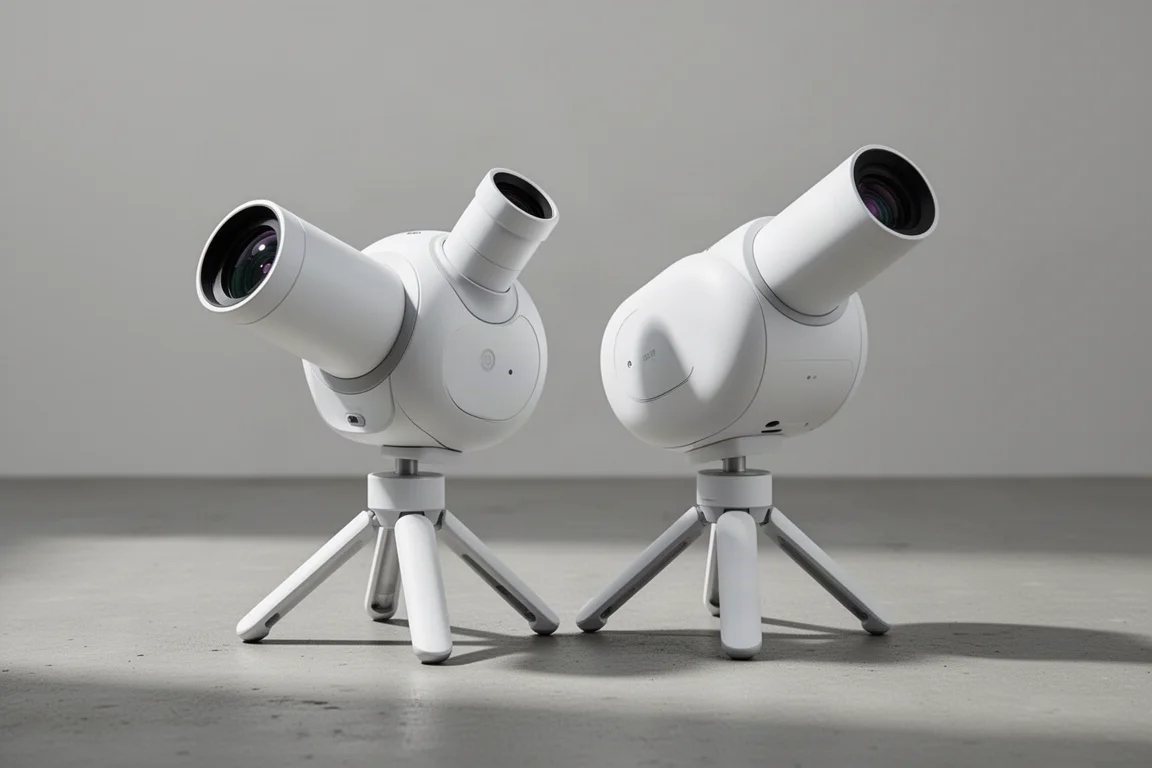
Vaonis has announced two new smart telescopes in its Vespera line: the Vespera III and the Vespera Pro 2. The Vespera platform has long been the option for anyone who wants the highest quality, highest resolution astrophotos from a smart telescope, and these new models refine it once again. Here is everything we know so far about both.
Shared Design and Core Optics
Both the Vespera III and the Vespera Pro 2 share the same overall design. Each is a compact all-in-one smart telescope with a built-in motorized alt-azimuth mount, fully automated go-to functionality, and internal image stacking handled through the Vaonis Singularity app.
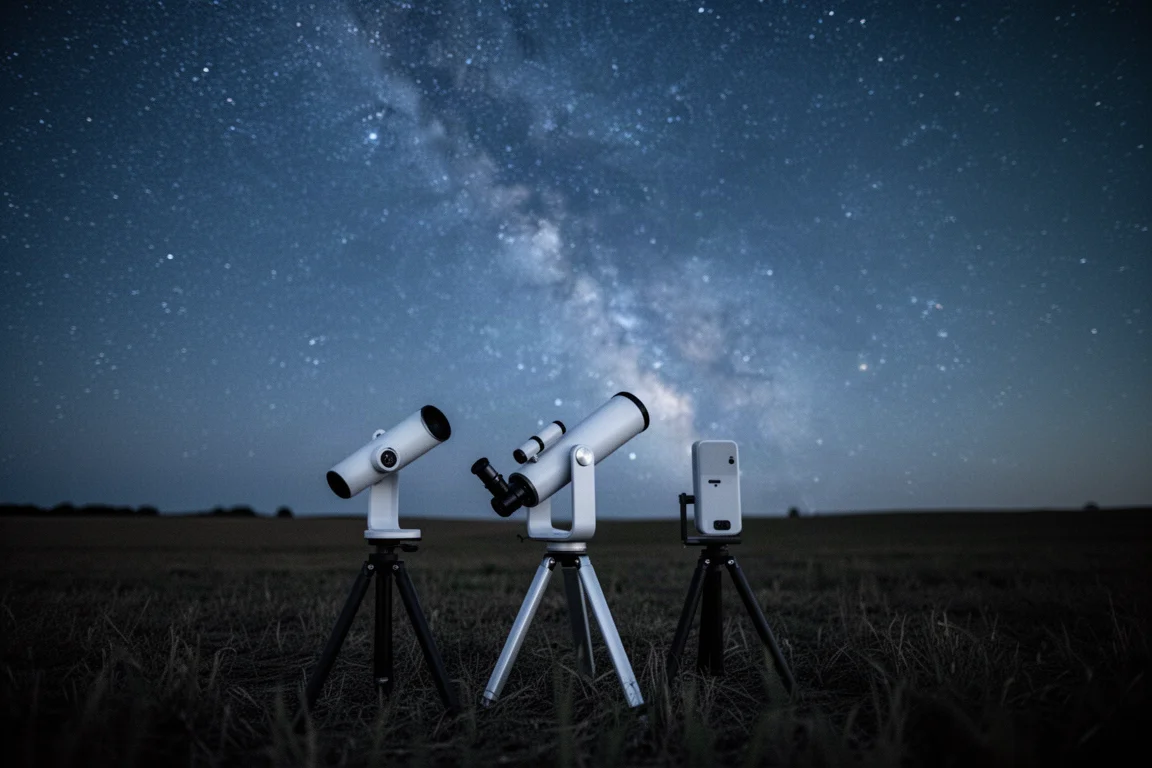
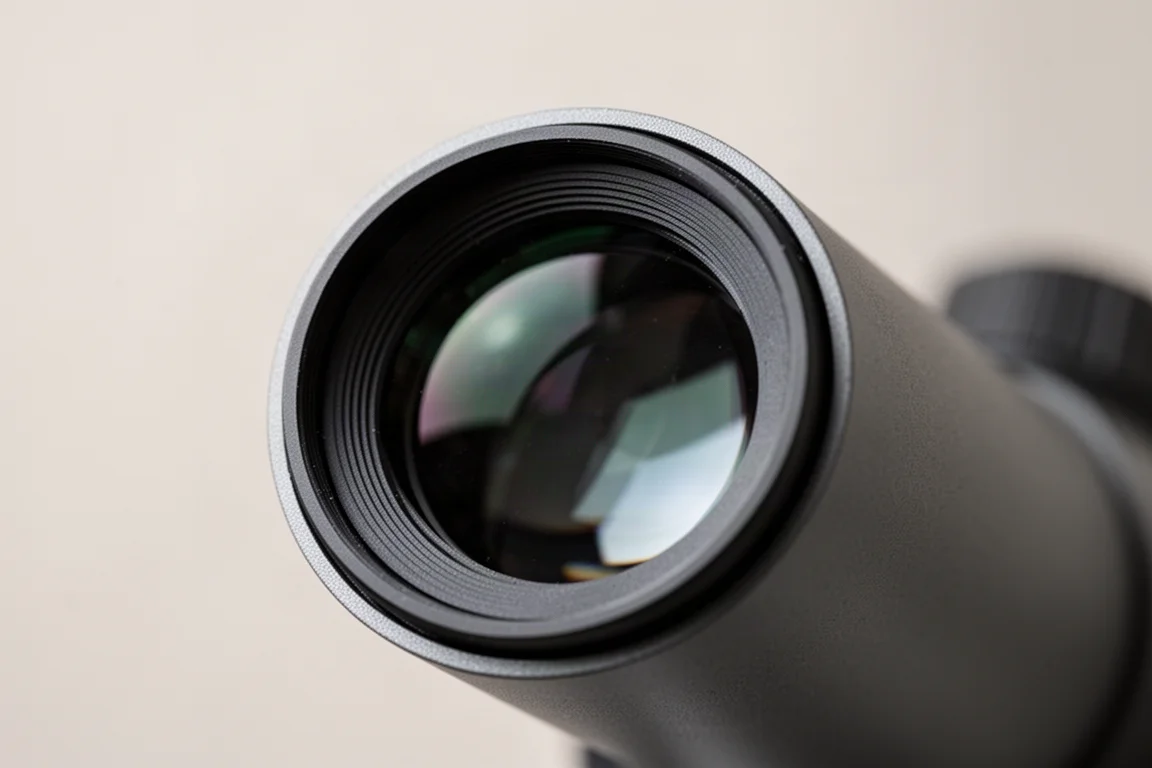
Both models feature a 50mm aperture with a fast focal ratio of about f/4.9, paired with redesigned apochromatic optics that promise improved star shapes, better contrast, and a flatter field compared to previous versions.
Where They Differ: The Camera Sensor
The biggest difference between the two models is the camera. The Vespera III uses the Sony IMX585 sensor, the same as its predecessor, the Vespera 2. That is an 8.3 megapixel sensor with 2.9 micron pixels, capable of producing a 24 megapixel image using Vaonis’ mosaic mode, CovalENS.
The Vespera Pro 2 instead features the higher resolution IMX676 Starvis 2 sensor, capable of a 50 megapixel mosaic through CovalENS. The Pro 2 also adds an integrated app feature called BalENS, which provides real-time image processing.
In short, the Pro 2 is designed to push resolution and image quality to their limits and capture the finest detail possible, while the III offers larger pixels that deliver cleaner data a bit faster.
Shared Upgrades Across Both Models
Several improvements carry across both models, and together they matter more than they might first appear, especially if you are new to astrophotography and have not yet felt the pain of running out of storage or battery mid-session.
Onboard storage increases significantly: the Vespera III now offers 115 GB, while the Pro 2 steps up to 225 GB. Battery life improves as well, with both models rated for around 11 hours of continuous use, a big step forward for longer imaging sessions.
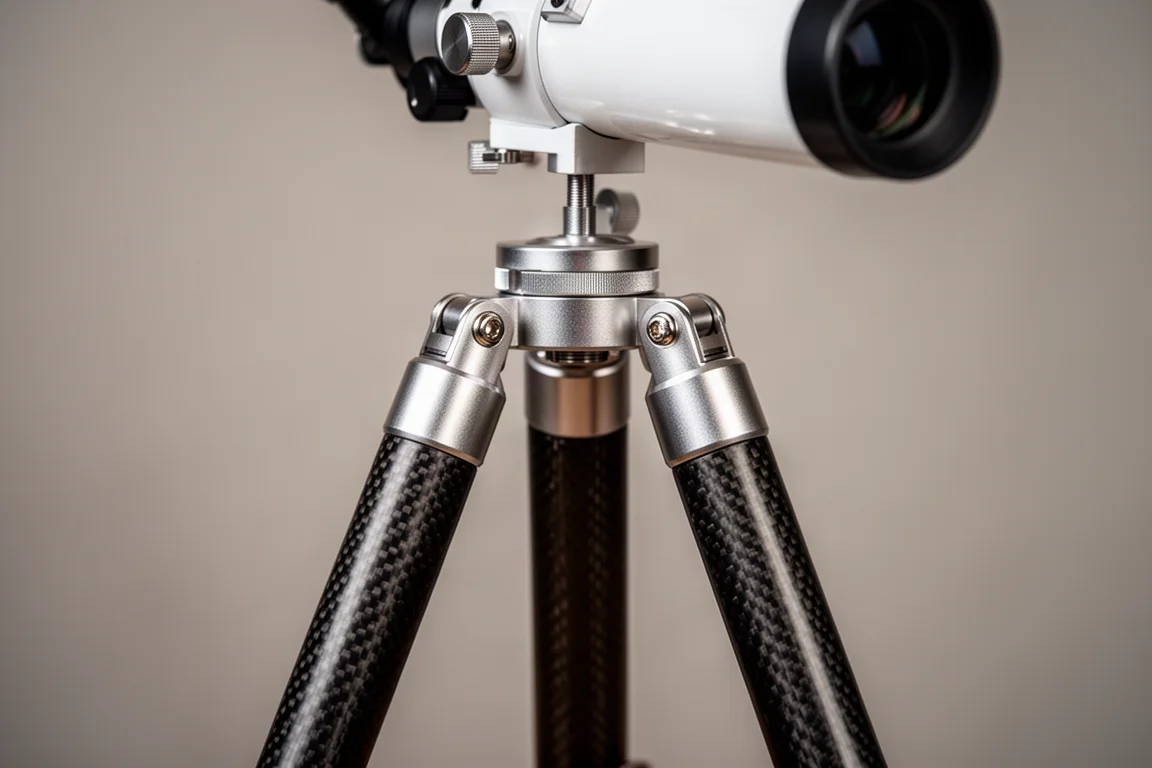
Both scopes also gain USB-C data transfer with speeds up to 5x faster than previous versions, a built-in hygrometer, and internal optical baffles for better stray light control, which should improve contrast in light-polluted environments. Tripods get attention too: the Vespera III ships with an all-aluminium tripod with a bubble level, while the Pro 2 moves to a carbon fiber tripod.
Buying Advice: Which Vespera Fits You
The Vespera III is a great option if you want a streamlined smart telescope experience with the ability to capture medium resolution photos and mosaics. Its larger pixels give you cleaner data faster.
The Vespera Pro 2 is geared toward those who want to push image quality and resolution as far as possible. With 50 megapixel mosaics, you are nearly doubling the image resolution, and it may well bridge the gap between the simplicity of smart telescopes and the results of a dedicated astro imaging rig.
The Vespera line previously earned recognition as the most elegant smart telescope of 2025, and the Singularity app remains among the most sophisticated and refined in the category.
Conclusion
Both new Vesperas look like a genuine win for the platform. Choose the Vespera III for a polished, easy smart telescope experience with clean medium resolution output, or the Vespera Pro 2 if maximum resolution and detail are the priority. We look forward to putting both through full hands-on testing.
Further reading
Related Reviews
Smart Telescopes
Vaonis Vespera 3 Review: A Premium Smart Telescope With Excellent Optics
A detailed look at the Vaonis Vespera 3 smart telescope, covering its standout hardware, impressive multi-night observations, and the software trade-offs to weigh before buying.
Smart Telescopes
Best Smart Telescopes Compared: Seestar S50 Pro, S50, S30 Pro, S30, and Dwarf Mini
Five of the most popular smart telescopes tested side by side in the desert: what they share, how they differ, and which one suits your budget and targets.
Smart Telescopes
Best Smart Telescopes: Four Scopes That Make Astrophotography Easy
Four smart telescopes that put detailed, color-rich night sky photos within reach of complete beginners, from ultra-portable to full home observatory.