Smart Telescopes
Vaonis Vespera 2 vs Vespera Pro 2: Which Smart Telescope Fits Your Stargazing Style
Two premium smart telescopes with excellent optics, aimed at very different astrophotographers. Here is how the Vespera 2 and Vespera Pro 2 differ in practice.
Introduction
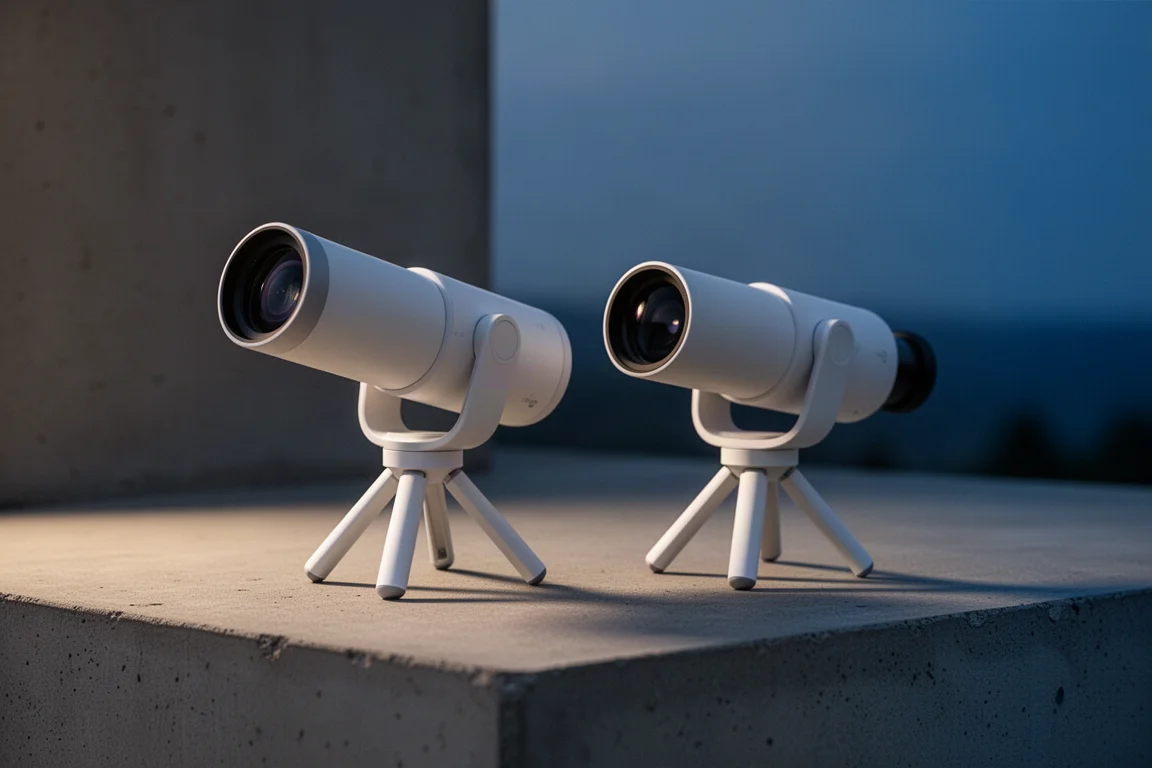
Vaonis builds two premium smart telescopes with excellent optics, but they are designed for two very different users. At first glance the differences are not obvious: both share a 50 mm aperture and the same core smart-telescope experience. The real distinction comes down to how each one captures light, and that changes the kind of astrophotographer each model suits best.
This comparison covers image size, sensor characteristics, resolution, and real observing results, including an overnight session where both telescopes imaged the same nebula from dusk to dawn.
Two Telescopes, Two Very Different Users
Both models are premium smart telescopes aimed at people who want automated observing and astrophotography without manually operating a traditional setup. The Vespera 2 is designed to capture data quickly, while the Pro 2 is built to extract a very high level of detail over longer integration periods.
That single framing explains almost every other difference between the two, from sensor choice to battery capacity.
Field of View and Mosaic Coverage
The Vespera 2 uses an 8.3 MP Sony IMX585 sensor and captures a native image with a field of view of 2.5° by 1.4°. That portrait-shaped frame is almost designed for sharing on social media.
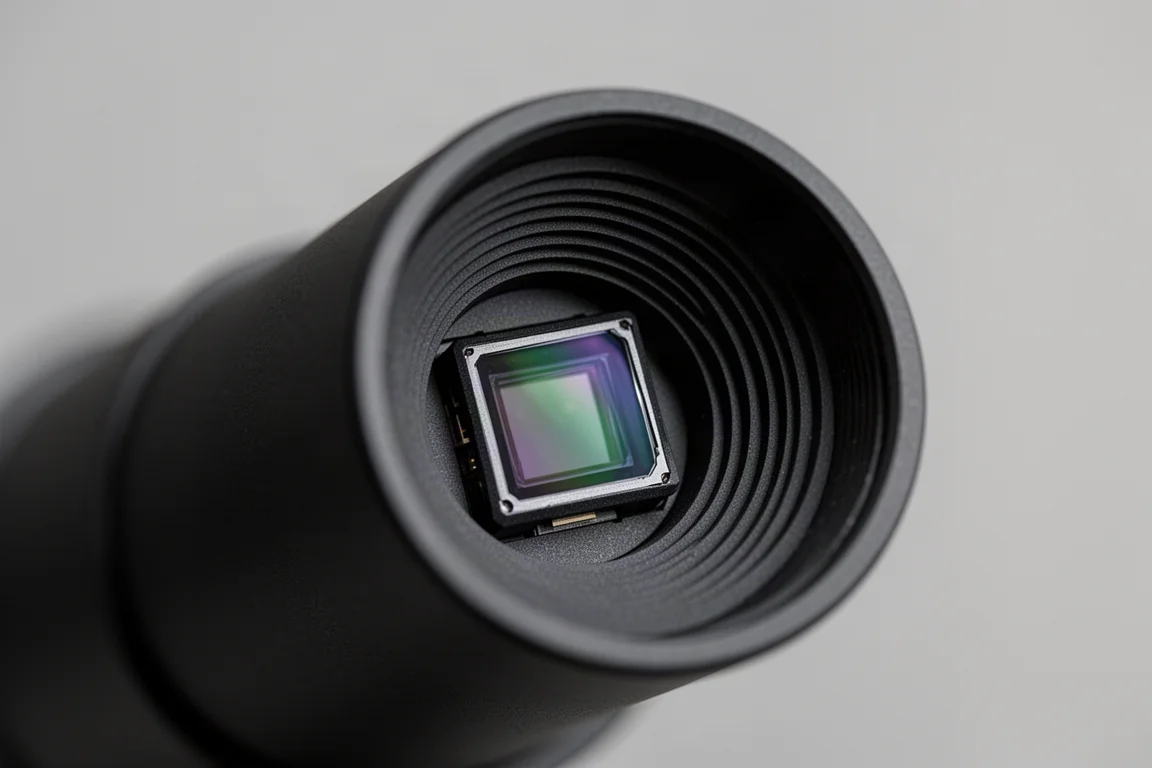
The Pro 2 uses a 12 MP Sony IMX676 sensor and captures a square image measuring 1.6° by 1.6°. Interestingly, the Pro version captures a smaller area of sky than the non-pro version.
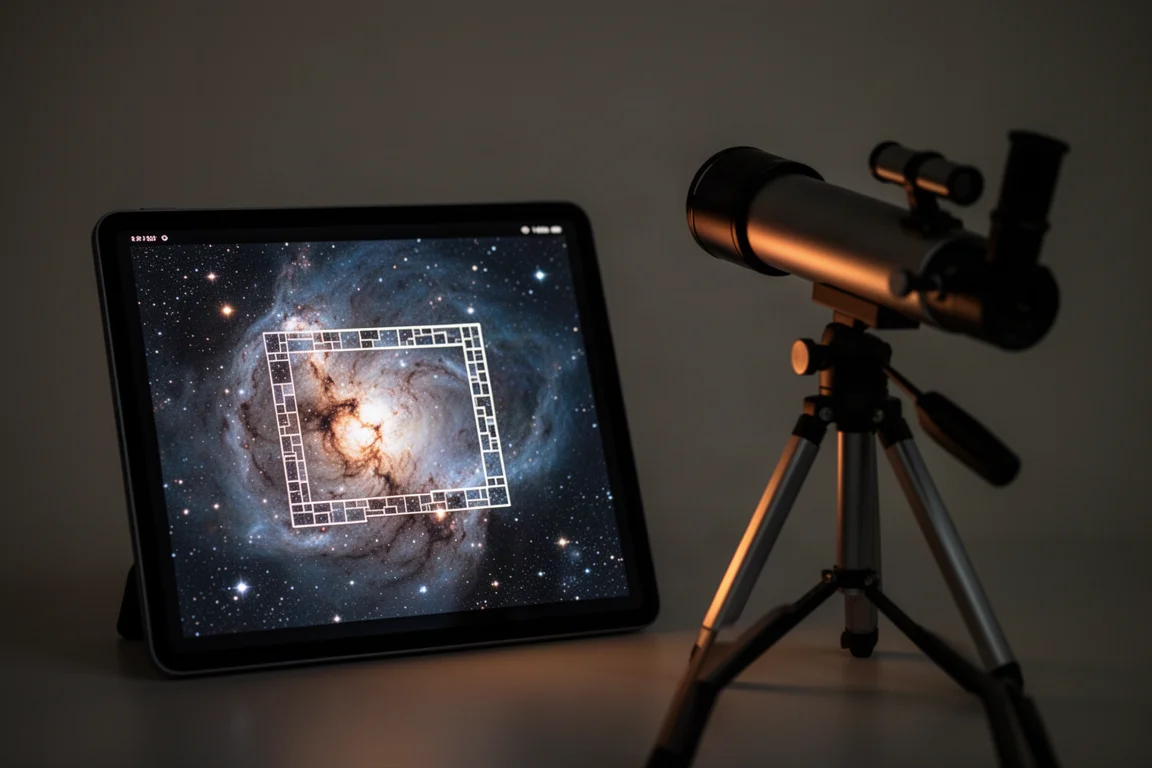
Both telescopes are really designed for capturing mosaics, which lets them cover far more sky. In mosaic mode you drag the corners of the frame to cover the entire object you plan to image. The Vespera 2 can create a mosaic up to 4.33° by 2.43°, while the Pro 2 tops out slightly smaller at 4.18° by 2.45°. The mosaic aspect ratio is variable, and for the Pro 2 many users will choose a 3.2 by 3.2° square mosaic, which covers about four times the sensor area and produces roughly 50 megapixel images.
What Really Makes the Pro 2 a Pro
Beyond the sensor, the Pro 2 adds internal baffling, a 256 GB hard drive, 11-hour battery life, and dark calibration. Those are useful upgrades, but they are not the core of what makes it a Pro telescope.
The defining difference is the Sony IMX676 sensor. Its pixels are almost a full micron smaller than the Vespera 2’s: 2.0 microns versus 2.9 microns. That has two consequences.
First, the Vespera 2’s larger pixels fill with photons twice as fast, so it reaches a higher signal-to-noise ratio sooner. The Pro 2 needs more time for faint nebulae to rise above the background noise. The difference is noticeable during solar observations too: the raw image of the sun is far brighter from the Vespera 2 than from the Pro 2.
Second, the IMX676 has a clear impact on resolution, though not for the reasons you might expect. In side-by-side images of the Pelican Nebula captured at exactly the same time, a star that appears single in the Vespera 2 image is clearly resolved as two stars in the Pro 2 image. On paper, this should not happen: with the shared 50 mm aperture, the Dawes limit is 2.32 arc seconds, which sits between the pixel scales of the two telescopes. The Vespera 2 is technically slightly undersampled at 2.9 arc seconds per pixel, and the Pro 2 is oversampled at 1.6. The Pro 2’s extra resolution should not reveal much new detail, yet it does, likely thanks to upgraded optics and processing that take advantage of the next-generation sensor.
Vaonis Vespera 2
The Vespera 2 is the speed-focused option. Its 2.9 micron pixels on the 8.3 MP Sony IMX585 gather photons twice as fast as the Pro 2’s, so images brighten and clean up in less time. The wider native field of view and the largest mosaic coverage of the pair make framing extended objects easier, and the portrait-shaped output suits quick social sharing.
If your observing sessions tend to be shorter, or you live somewhere with unpredictable weather, the faster signal-to-noise ratio is a genuine advantage. Solar observers will also prefer its brighter raw sun images.
Vaonis Vespera Pro 2
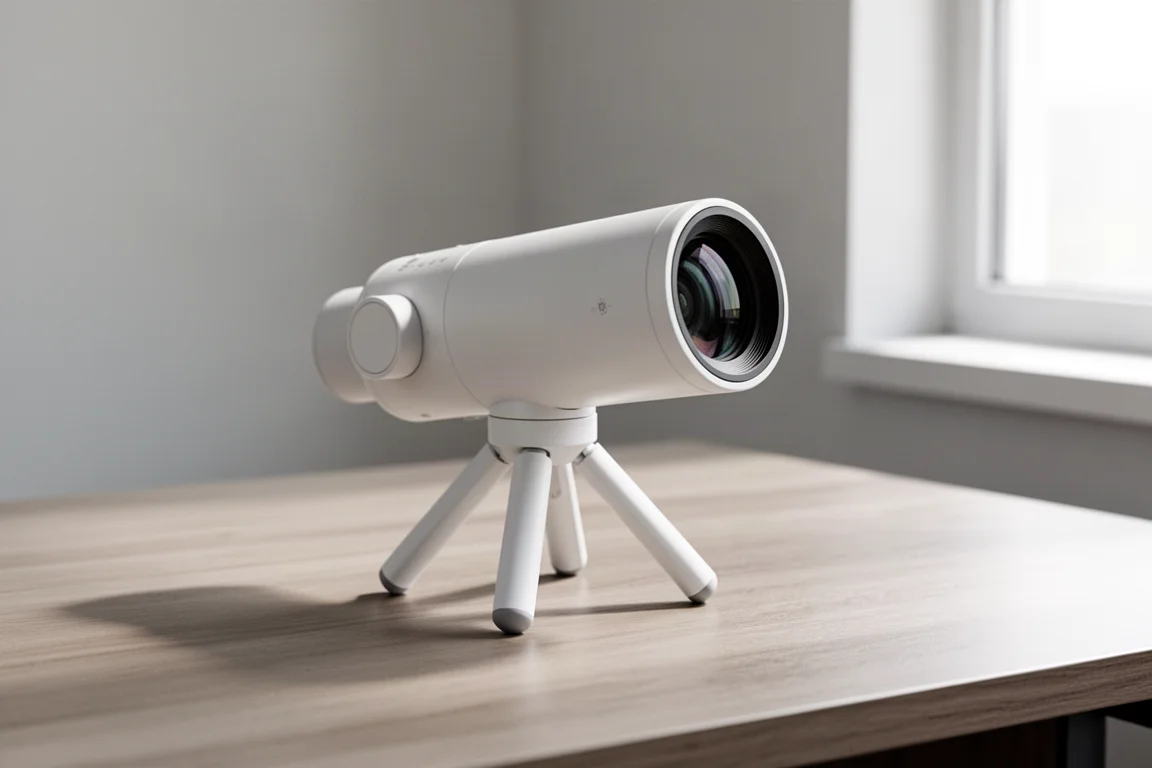
The Pro 2 trades speed for detail. Its smaller 2.0 micron pixels and upgraded optics resolve finer structure, as the split-star comparison on the Pelican Nebula demonstrates. Combined with the 256 GB storage, 11-hour battery, dark calibration, and internal baffling, it is clearly built for long, patient imaging sessions.
If you are willing to let faint nebulae accumulate signal over many hours, the Pro 2 rewards that patience with a higher ceiling of detail.
Long Integration and Multi-Night Imaging
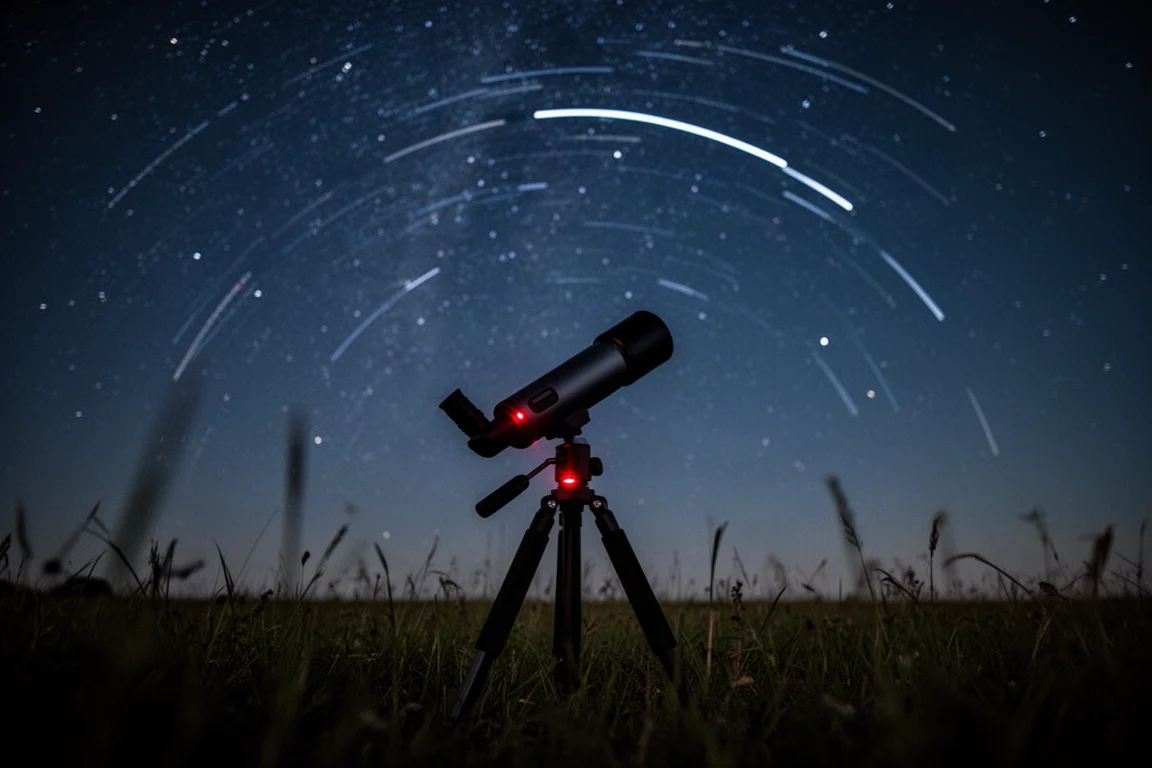
Some astrophotographers are getting remarkable results with both telescopes by using the multi-night feature, leaving the telescope outside all night, every night, aimed at exactly the same target. Weather and schedules do not always cooperate, but on one clear night both telescopes were left observing NGC 7000, the North America Nebula, for the entire night, with framing that included the Pelican Nebula.
The two full-night images show the character of each telescope clearly: the Vespera 2 producing a bright, usable result quickly, and the Pro 2 building toward finer detail as integration time accumulates.
Which Should You Choose
Choose the Vespera 2 if you want results fast: shorter sessions, quicker signal buildup, and a wider field for large targets. Choose the Pro 2 if maximum detail matters more than speed, and you can commit to longer integrations or multi-night runs on the same target.
Both are premium smart telescopes with excellent optics, so the decision comes down to your observing style rather than a simple better-versus-worse ranking.
Conclusion
The Vespera 2 and Vespera Pro 2 share the same 50 mm optical foundation but serve opposite priorities. One captures data quickly; the other captures exceptional detail over time. Match the telescope to the way you actually observe, and either choice is easy to justify.
Further reading
Related Reviews
Smart Telescopes
Vaonis Vespera 3 Review: A Premium Smart Telescope With Excellent Optics
A detailed look at the Vaonis Vespera 3 smart telescope, covering its standout hardware, impressive multi-night observations, and the software trade-offs to weigh before buying.
Smart Telescopes
Best Smart Telescopes Compared: Seestar S50 Pro, S50, S30 Pro, S30, and Dwarf Mini
Five of the most popular smart telescopes tested side by side in the desert: what they share, how they differ, and which one suits your budget and targets.
Smart Telescopes
Best Smart Telescopes: Four Scopes That Make Astrophotography Easy
Four smart telescopes that put detailed, color-rich night sky photos within reach of complete beginners, from ultra-portable to full home observatory.