Sleeping Bags
Vango Latitude 300 vs OEX Leviathan EV: Two Winter Sleeping Bags Compared
A practical comparison of a synthetic three-season bag and a four-season down bag, covering warmth ratings, packed size, weight and who each one suits.
Introduction
Cold nights are the fastest way to find out whether a sleeping bag is doing its job. A bag that feels fine in summer can leave you restless on a frosty autumn pitch, and the fix is usually a warmer bag rather than another layer of clothing.
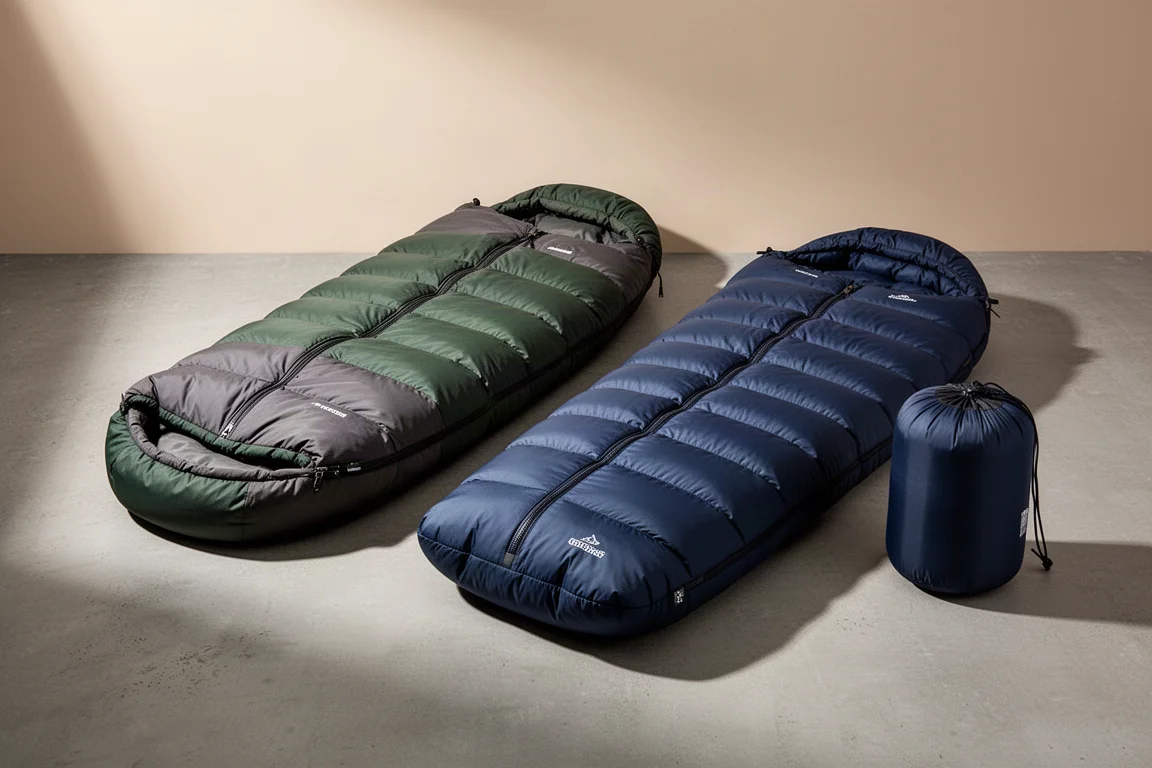
Two bags come up regularly for cold-weather trips. The Vango Latitude 300 is a synthetic bag at a modest price. The OEX Leviathan EV is a down bag with a four-season rating and a considerably lower comfort temperature. They sit in different price brackets and suit different kinds of trips, so the useful question is not which one is better, but which one matches the conditions you actually camp in.
What to Look For in a Winter Sleeping Bag
Temperature ratings are the first thing to read carefully. A comfort rating is the figure an average sleeper can expect to stay comfortable at, while the limit rating is the lower figure that applies to a cold sleeper or someone sleeping in a less sheltered position. The extreme rating is a survival figure rather than a comfort target, and it should not be treated as a usable overnight temperature.
Fill material shapes everything else. Synthetic filling costs less, tolerates moisture well and keeps working when the air is damp. Down packs down smaller for the same amount of warmth and, when it has a hydrophobic treatment, continues to insulate if it picks up moisture. Beyond the fill, the details that matter on a cold night are a hood with a drawcord, a zip you can reach from inside the bag, and a small internal pocket for a phone or wallet.
Packed volume and weight decide how much of your rucksack the bag takes up and how much you carry up the hill. Both figures matter more in winter, when you are already carrying extra layers, a warmer mat and more fuel.
Vango Latitude 300: A Reliable Synthetic Option
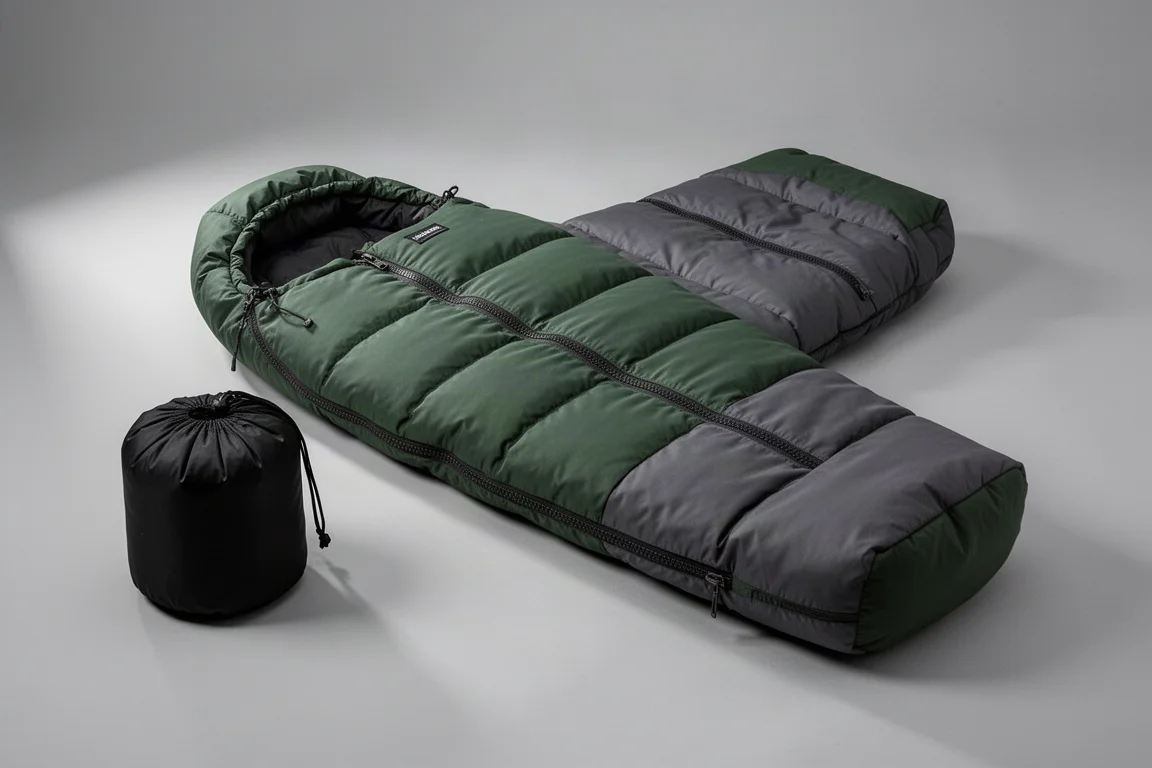
The Vango Latitude 300 is a synthetic bag with a polyester shell and a synthetic filling. The comfort rating is 0°C, the limit is -6°C and the extreme is -24°C. It weighs 1.7 kg, which is on the heavy side, though it is still lighter than carrying a bivvy bag and a separate sleeping bag as a winter setup.
For a synthetic bag in its price range it compresses well, but it does not disappear. Fully compressed it fills roughly the bottom third of a rucksack, and most bags at a similar price do not pack much smaller. Vango has been a dependable name for this kind of kit, and the finishing here reflects that.
The small touches are sensible. A chunky zip runs from inside to outside, so it can be opened from either side. The hood has a drawcord that cinches down around the head for a snug fit, and there is an internal pocket for a wallet or phone. The shell is polyester rather than waterproof, so the bag needs to stay dry. Expect to pay somewhere around £60 to £70.
OEX Leviathan EV: A Down Bag for Colder Conditions
The OEX Leviathan EV is a down bag with 600 fill power insulation and a hydrophobic treatment, which means it continues to do its job if it gets damp. The ratings are a step beyond the synthetic bag: comfort -9°C, limit -16°C and extreme -38°C, making this a genuine four-season option for cold trips.
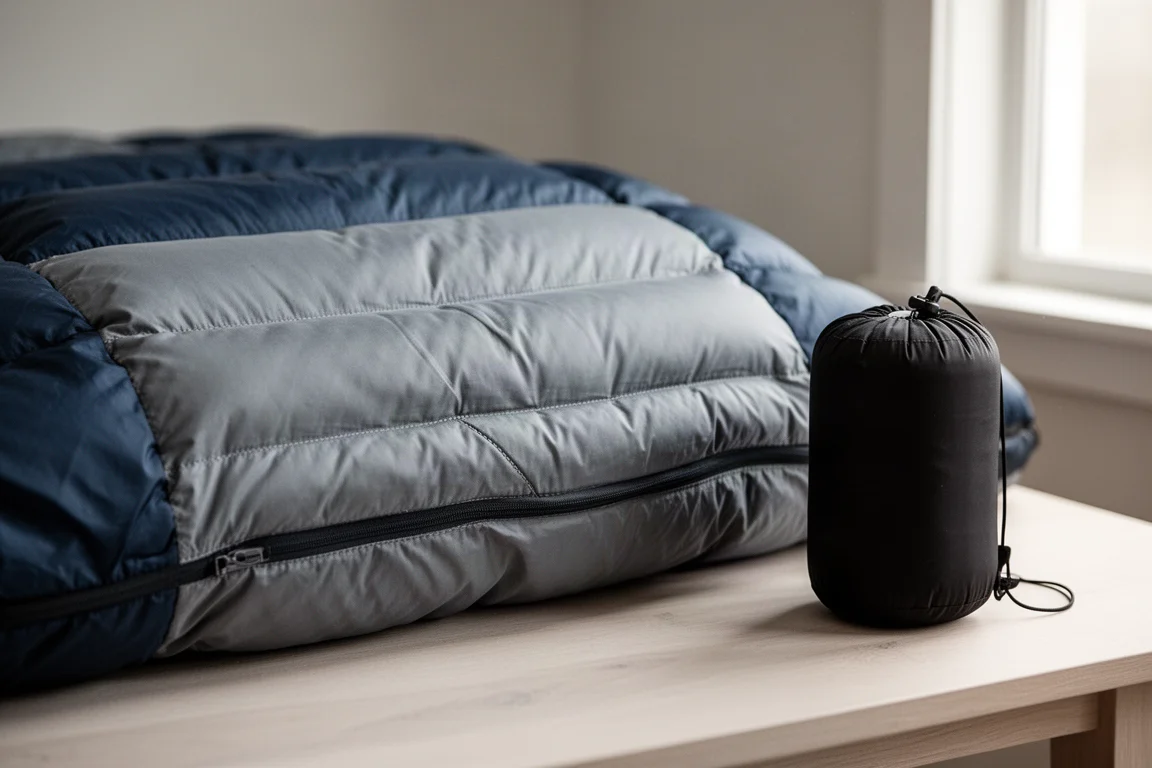
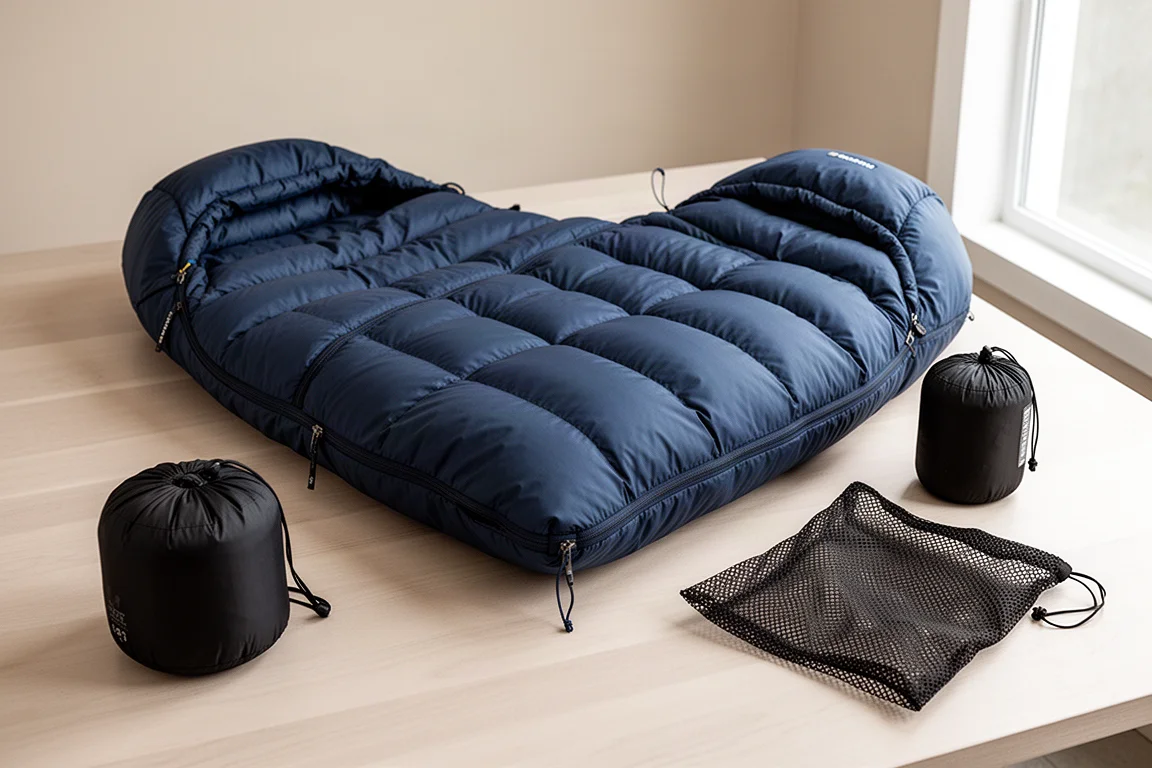
Weight is around 1.3 kg, roughly 300 g lighter than the Latitude 300. It arrives with two bags: a loft storage bag that keeps the down uncompressed when the sleeping bag is not in use, so the fibres are not damaged, and a compression sack for the pack. Packing it down brings it slightly smaller than the synthetic bag, though the difference in packed size is more modest than the jump in warmth might suggest.
The design details are similar to the Vango: a hood with a drawstring that pulls in around the head, an internal pocket, and a zip that revolves so it can be opened from inside or outside. The fabric feels more water resistant than the Vango shell. At the time of writing it was £119 with a Go Outdoors card, which is still modest next to many down bags.
Packed Size, Weight and Portability
Side by side, the two bags behave differently in a pack. The synthetic Vango is bulky for its warmth and takes up a predictable block of space at the bottom of a rucksack, which leaves room alongside it but not much room to spare. The down OEX compresses a little further and weighs about 300 g less, which is a meaningful saving once you add a winter mat, extra layers and fuel.
That said, the packed sizes are closer than the price gap suggests. If you are expecting the down bag to halve the space your sleeping bag takes up, it will not. The bigger practical gain is the weight, plus the warmth you get for it.
Temperature Ratings and Comfort Levels
The ratings tell the clearest story of the two. The Vango Latitude 300 sits at a comfort rating of 0°C with a limit of -6°C, which covers three seasons comfortably and milder winter nights for a warm sleeper. The OEX Leviathan EV sits at a comfort rating of -9°C with a limit of -16°C, giving a much larger margin once the temperature drops below freezing.
If you have spent a night cold in a bag that was supposed to be adequate, the value of that margin becomes obvious. Being comfortably warm rather than merely surviving makes a noticeable difference to sleep quality, and on a long winter trip it is worth more than the weight saving on its own.
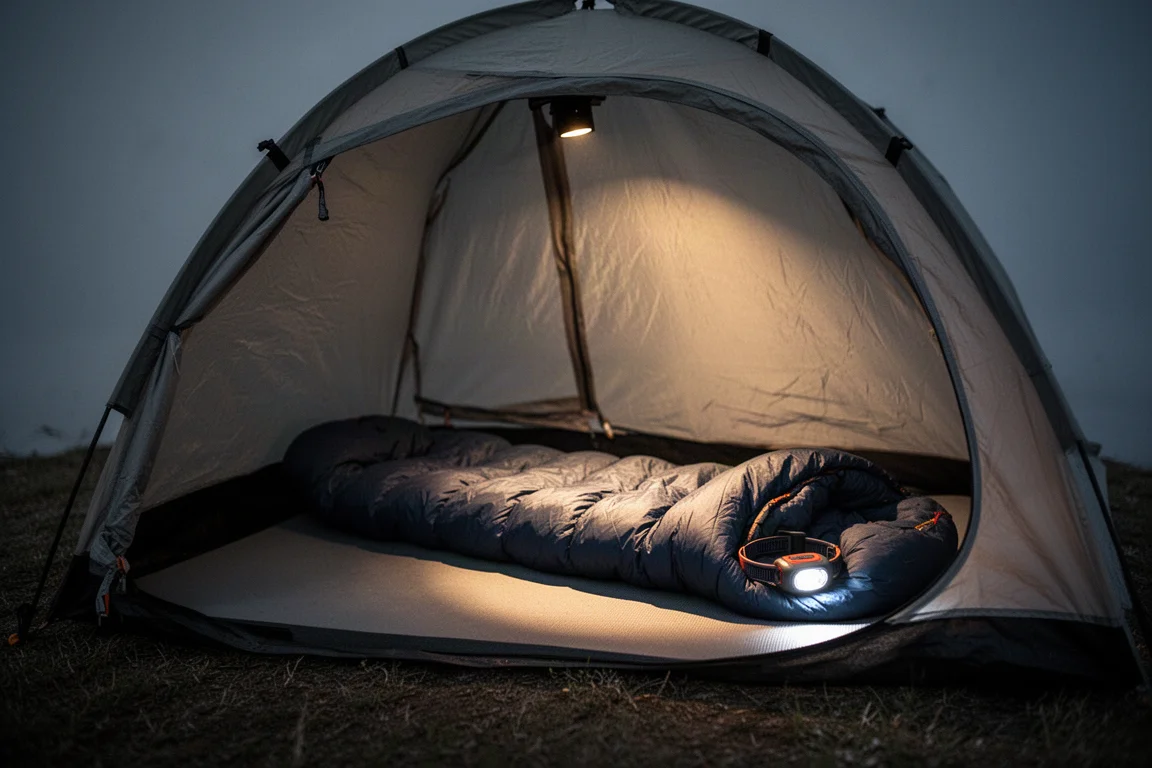
Neither bag should be pushed to its extreme figure. Treat the comfort rating as the number to plan around and the limit as the point where a cold sleeper will start to feel it.
Synthetic or Down: Which Filling Suits You
Synthetic filling is the practical choice when budget matters and when you expect damp conditions, since it handles moisture without much fuss. The Vango Latitude 300 fits that brief: a low-cost bag that is warm enough for most of the year and simple to live with, as long as you keep it dry and accept the bulk and the 1.7 kg weight.
Down filling is the choice when warmth per gram and packed size matter. The OEX Leviathan EV uses hydrophobic down, so occasional damp does not ruin its performance, and it delivers a four-season rating at around 1.3 kg. It costs more, and it benefits from being stored uncompressed between trips, which is exactly what the supplied loft bag is for.
Buying Advice
Pick the Vango Latitude 300 if you want a dependable synthetic bag for three-season camping and milder winter nights, and if keeping the cost down matters more than saving weight. It is a sensible first winter bag and the price sits around £60 to £70.
Pick the OEX Leviathan EV if you camp in genuinely cold conditions, want a lighter pack, or simply sleep cold. At £119 with a Go Outdoors card it is a reasonable route into down insulation, and the four-season rating gives you room to plan trips rather than hope for mild weather.
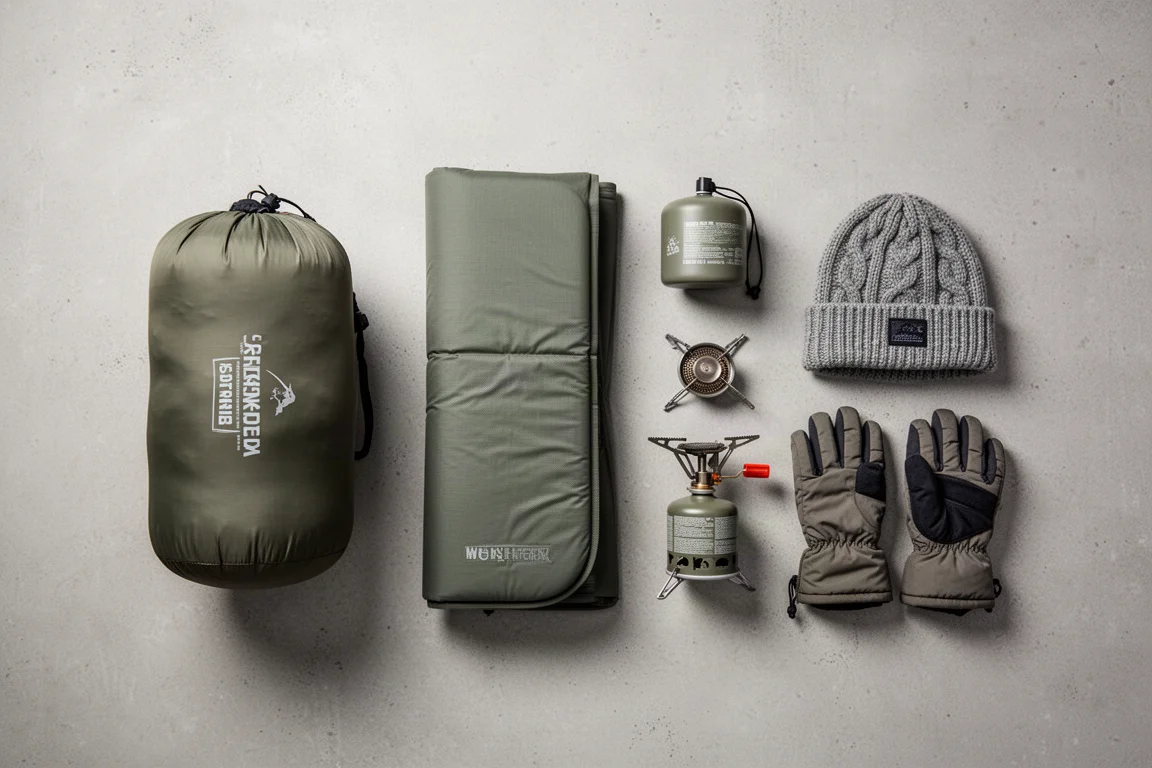
If you already own a synthetic bag and keep finding yourself cold, the down option is the more effective upgrade. If your winter trips are occasional and rarely below freezing, the synthetic bag leaves more budget for the rest of your kit.
Conclusion
The Vango Latitude 300 and the OEX Leviathan EV are both credible winter bags, separated mainly by filling, weight and warmth rating. The Vango is the affordable, hard-wearing synthetic choice for three seasons and mild winter nights. The OEX Leviathan EV is the lighter, warmer down bag for cold-weather camping, with a comfort rating well below freezing and a packed size that is slightly smaller than the synthetic option.
Match the bag to the conditions you actually camp in, and either one will do the job without leaving you counting the hours until sunrise.
Further reading
Related Reviews
Sleeping Bags
Best Down Sleeping Bags Under $300: Four Backpacking Options Worth a Look
Four down sleeping bags that stay under $300, compared on fill power, baffle design, hood comfort, and packed size.
Sleeping Bags
Best Sleeping Bags and Sleep Systems: Five Premium Down Picks Compared
Five premium down sleeping bags and sleep systems compared on warmth, weight, construction, and value.
Sleeping Bags
Big Agnes Lost Ranger UL 3-in-1 Sleeping Bag System Review: One Bag, Three Setups
A practical look at the Big Agnes Lost Ranger UL 3-in-1 Sleeping Bag System, covering how the three configurations work, where it shines, and the details worth weighing before buying.