Powered Speakers
Vanatoo Transparent Zero Plus Review: Tiny Powered Speakers With Serious Tonality
A compact powered speaker with remarkably flat tonality, precise imaging, and one clear requirement: a subwoofer to complete the system.
Introduction
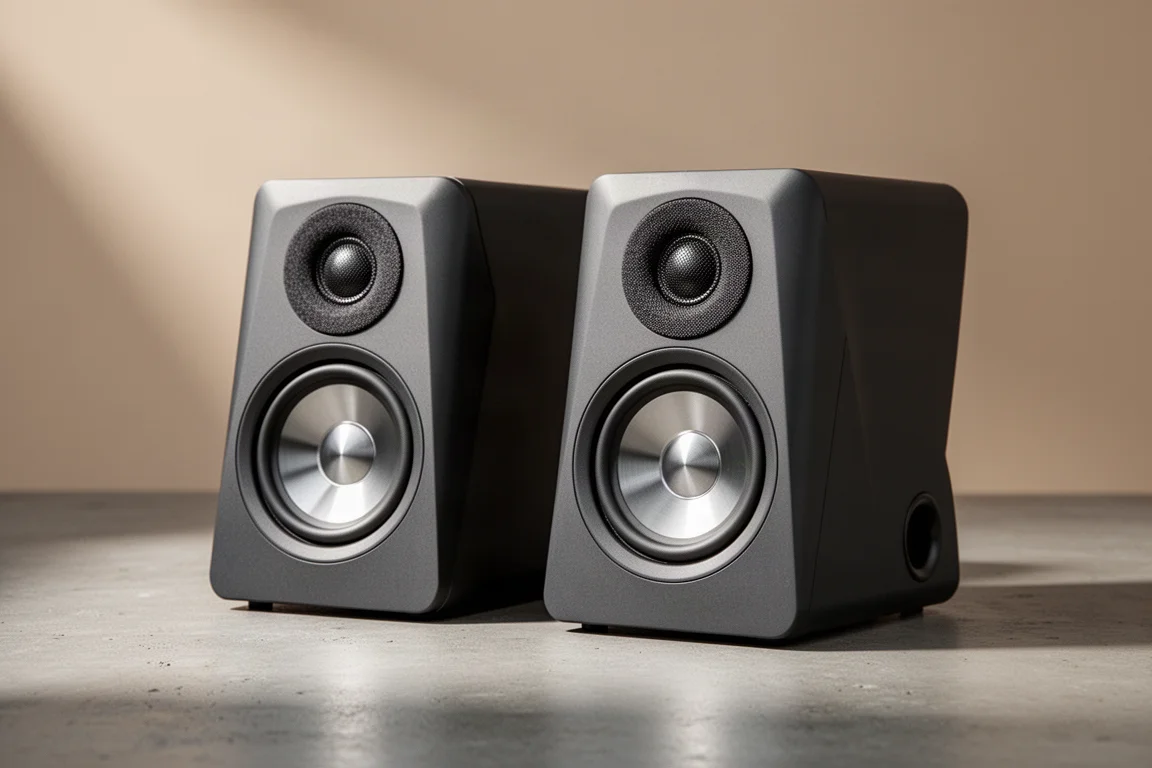
Vanatoo is a US-based audio company from the Pacific Northwest, and the Transparent Zero Plus is the smaller of its two powered speaker models, sitting below the larger Transparent One Encore. The cabinet is genuinely tiny, yet inside it there is a redesigned 4-inch aluminum woofer, a soft dome tweeter, and a high-excursion passive radiator that fires from either the top or the bottom depending on how the speaker is oriented. At around $450 for the pair, the Transparent Zero Plus sits well above typical desktop speaker pricing, so the interesting question is how much sound Vanatoo has managed to fit into a very small box.

That passive radiator placement is not a gimmick. Standing the speaker upright points the radiator at the ceiling, while flipping it downward points the radiator into the surface below. Vanatoo includes a stand that doubles as a base and a set of foam pads, so the speakers can sit on a desk, on a console, or on a pair of speaker stands in a living room without looking out of place.
Who This Speaker Is For
The Transparent Zero Plus suits listeners who want a complete, compact system rather than a collection of separate boxes. Two small speakers, one power supply, one cable between them, and a subwoofer output cover most setups.
It is a strong candidate for a desktop system, a secondary listening setup, a cabin or small living space, or any room where full-size bookshelf speakers would dominate the furniture. The soft dome tweeter also gives it a slightly different character from the aluminium dome tweeter used on Vanatoo’s larger model, which tends to appeal to listeners who prefer an organic top end over extra sparkle.
It also suits listeners who care more about tonality and imaging than about raw output. Vanatoo has tuned the speaker with substantial DSP to sound very flat, and the result competes with much larger speakers through the midrange and the top end.
It is a less obvious choice for anyone who wants deep bass without adding a subwoofer, or who expects high-resolution playback above 24-bit/96 kHz to pass through untouched.
Main Strengths: Tonality, Imaging, and Off-Axis Performance
Tonality is the headline. The DSP tuning keeps the response flat enough that no part of the upper midrange pushes forward, and vocals sit slightly back in the mix rather than in front of it, which is usually the more comfortable presentation over long listening sessions. Acoustic guitar and voice come across as articulate, and cymbals keep their character without turning brittle or sizzling.
Imaging is the second surprise. Vocals lock into the centre of the soundstage, and because the cabinets are shallow, they sit further from the wall than their footprint suggests, which reduces some of the early reflections that blur a room. The result is a soundstage that feels larger than the speakers themselves.
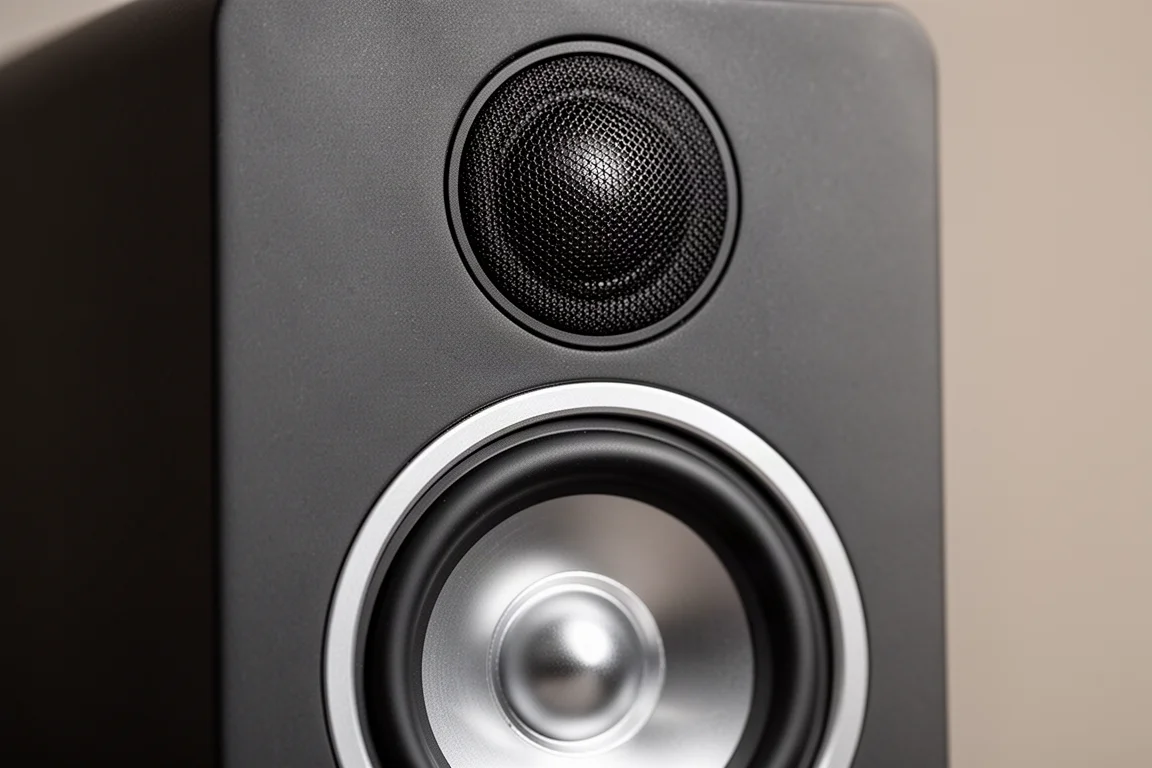
Vertical off-axis performance is the third. Standing up, well above tweeter height, still leaves most of the detail and tonality intact, which is unusual for a small speaker and makes the Transparent Zero Plus easy to live with in a room where listeners are not always seated at ear level.
Volume is also better than the size suggests. The speaker reaches roughly 85 dB in a large room. The tone controls are gradual rather than heavy handed, and staying within plus or minus three on either control keeps the tuning intact. Backing the treble off by one step at louder volumes is a sensible adjustment. Inside, Class D amplification provides 48 watts for the woofer and 12 watts each for the tweeters, with a substantial amount of DSP managing the crossover and the passive radiator.
Setup, Controls, and Connectivity
One speaker does all the work. Its rear panel holds a 24 volt, 2.5 amp power input, a subwoofer output, an optical input, an analog input, a full-size USB input, a Bluetooth pairing button, and a single cable connection to the second speaker that carries both power and signal. That connector looks like a network port and behaves like one, which keeps the cable run between the two cabinets tidy.
A three-position switch assigns the potentiometer on top to volume, treble, or bass. The included remote is rubbery rather than cheap feeling, and it can also adjust the subwoofer output, but the menu logic behind it is not obvious straight out of the box. An enable button has to be pressed before the tone controls respond, and the manual is genuinely required to unlock everything. The remote runs on flat batteries rather than AA or AAA cells, which is worth knowing before one runs out mid session.
Channel assignment is adjustable. If the powered speaker ends up on the wrong side of the desk, the left and right channels can be swapped through a specific button and dial sequence, and the manual covers the procedure.
The USB input accepts up to 24-bit/96 kHz. Files above that ceiling are not delivered bit perfect, though the practical difference is small next to the influence of the amplifier, the drivers, and the analog output stage of the source.
The Subwoofer Question
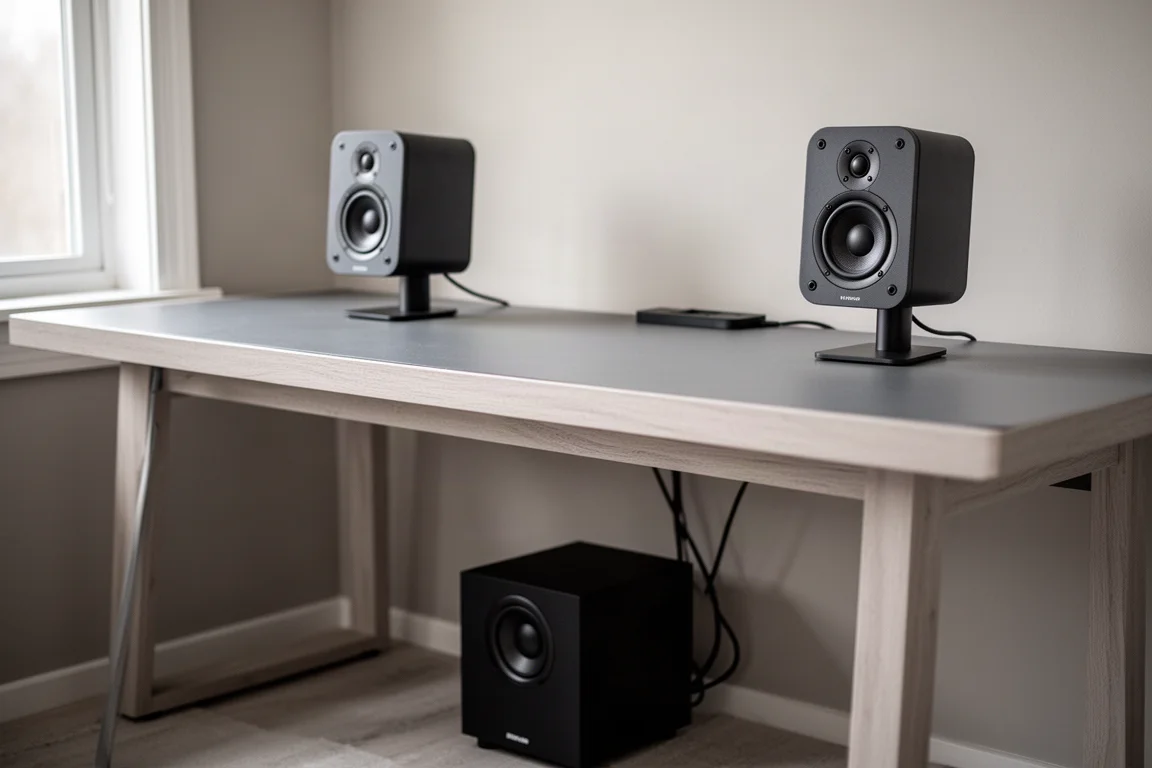
Vanatoo is direct about this: the Transparent Zero Plus is roughly two thirds of a speaker, and a subwoofer is what completes it. Without one, bass is limited. Pushing the speaker against a wall adds some room gain and boundary reinforcement, but not enough to substitute for a proper low-frequency driver.
With a subwoofer connected, the system changes character. The speaker takes over all crossover duties, applying a high-pass filter to itself and a low-pass filter to the subwoofer, so the subwoofer’s own low-pass control should be turned all the way up and the connection treated much like an LFE input on a home theatre receiver. Blending is straightforward, and very little adjustment is needed to make the two pieces sound like one system.
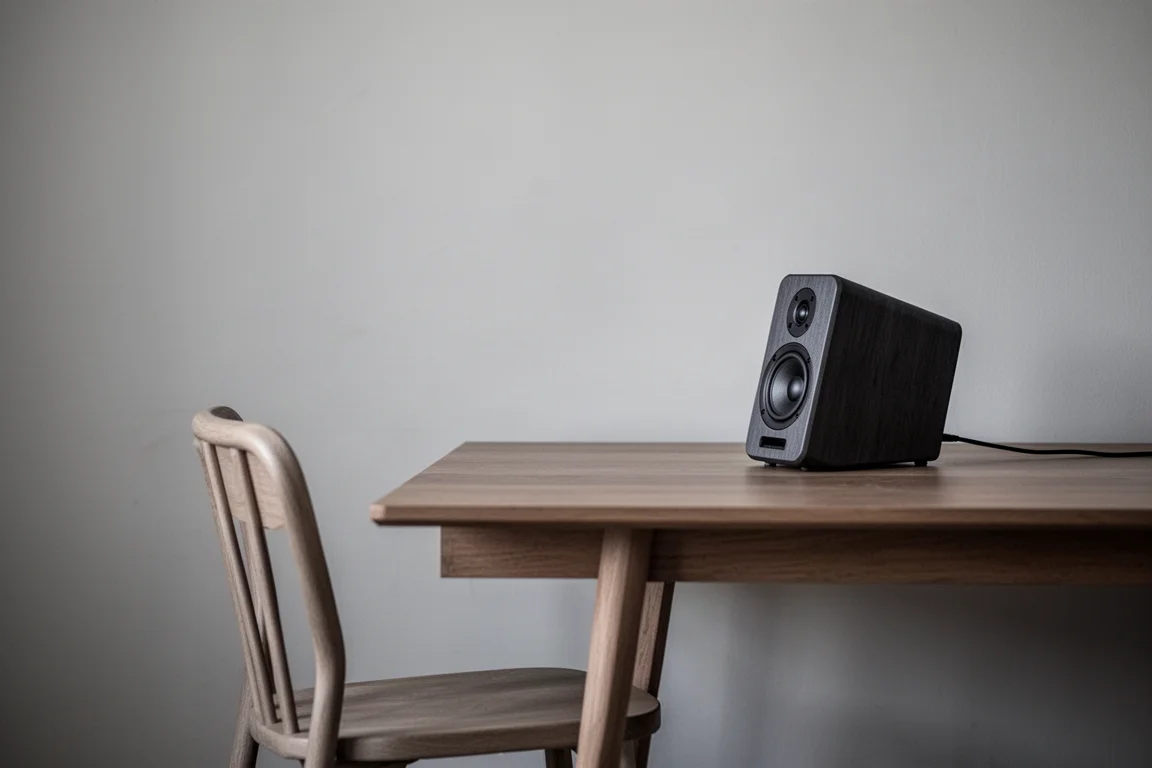
The results are disproportionate to the size. In a large living room the speakers look almost comically small, yet the system holds together as a cohesive whole once a subwoofer is in place. A modest subwoofer is enough. A 12-inch model costing far more than the speakers themselves also blends cleanly, but a budget option in the region of $279 will complete the setup without overshadowing the speakers.
Each cabinet weighs around four pounds, with the active speaker at about four and a half pounds. The MDF enclosure has a nice finish, though it collects fingerprints readily, and a quick wipe after placement keeps it looking clean.
Things to Consider Before Buying
- A subwoofer should be part of the budget. Buyers who skip it get clarity and imaging without real low-frequency weight.
- The finish shows fingerprints easily, so plan on a cloth nearby during setup.
- The supplied power supply is modest at 24 volts and 2.5 amps, even though the speaker plays louder than that specification suggests.
- The USB input tops out at 24-bit/96 kHz, so it is not a bit-perfect path for higher-resolution files.
- The remote uses flat batteries, and tone controls stay locked until the enable button is pressed.
- Setup rewards patience. The menus and button combinations are not intuitive without the manual.
- Tone controls work gradually. Pushing them beyond plus or minus three starts to move away from the flat tuning that makes the speaker sound so balanced.
Buying Advice
At around $450, the Transparent Zero Plus is not an impulse purchase, and it is not the cheapest way to put sound on a desk. What the money buys is tonality, imaging, and off-axis behaviour that hold up against considerably larger speakers, in a package small enough to disappear into a room. Adding a subwoofer turns it into a genuinely complete system, and a modest subwoofer is sufficient to get there.
Buying direct from Vanatoo in the US comes with a 30-day in-home trial, and Vanatoo covers the shipping. Because the speakers are small, sending them back is not a logistical headache either. Listeners who are on the fence can audition them at home and decide with their own ears, which is the only sensible way to judge a speaker whose performance depends so heavily on the room. Those who already own a subwoofer, or who are willing to add one, will get the most from the purchase.
Conclusion
The Transparent Zero Plus is a small speaker that behaves like a much larger one through the midrange and the top end, with imaging and vertical off-axis performance that are hard to fault at this size. It needs a subwoofer to deliver a full-range result, and its setup asks for a little patience, but the reward is a compact system that sounds far better than its dimensions suggest. For listeners who want a simple, quick, high-quality setup and can budget for the subwoofer, it is an easy recommendation.
Product link
View more details for Vanatoo Transparent Zero Plus
This product is mentioned in the review. Check the specifications, options, and compatibility before buying.
View more details for Vanatoo Transparent Zero PlusFurther reading
Related Reviews
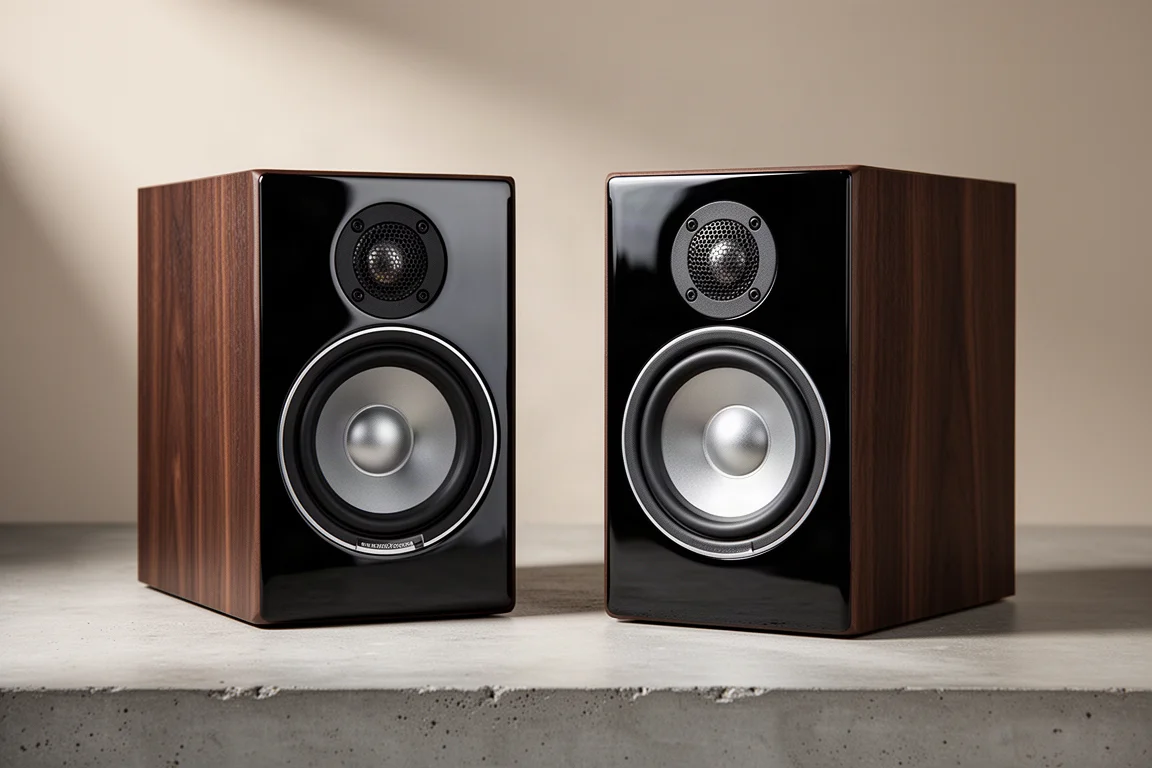
Powered Speakers
AbramTek X50 Review: Powered Speakers With Real Bass and a Full Feature Set
The AbramTek X50 pairs a phono preamp, HDMI ARC, optical, and Bluetooth with genuinely capable sound. Here is what it does well and what to check before buying.
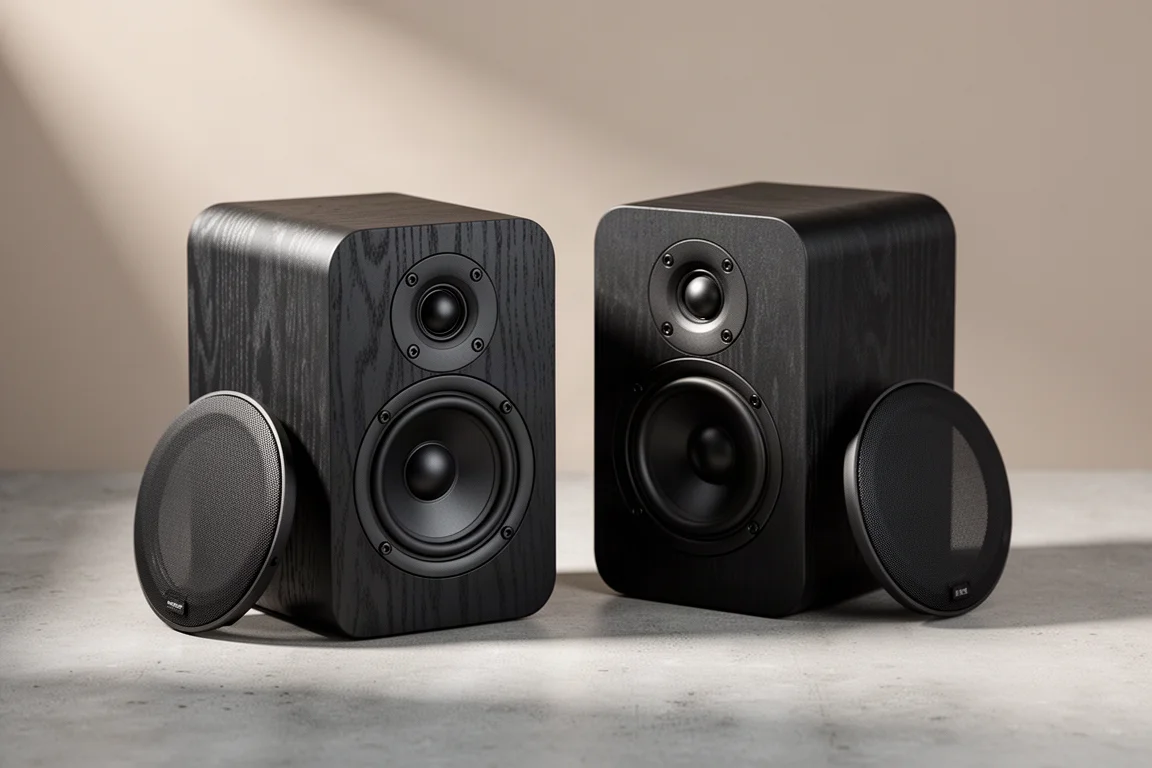
Powered Speakers
Amazon Basics Powered Speaker Review: Useful Features, Compromised Sound
A practical look at the Amazon Basics Powered Speaker: a handy remote and an optical input, held back by shouty upper mids, minimal bass, and erratic pricing.
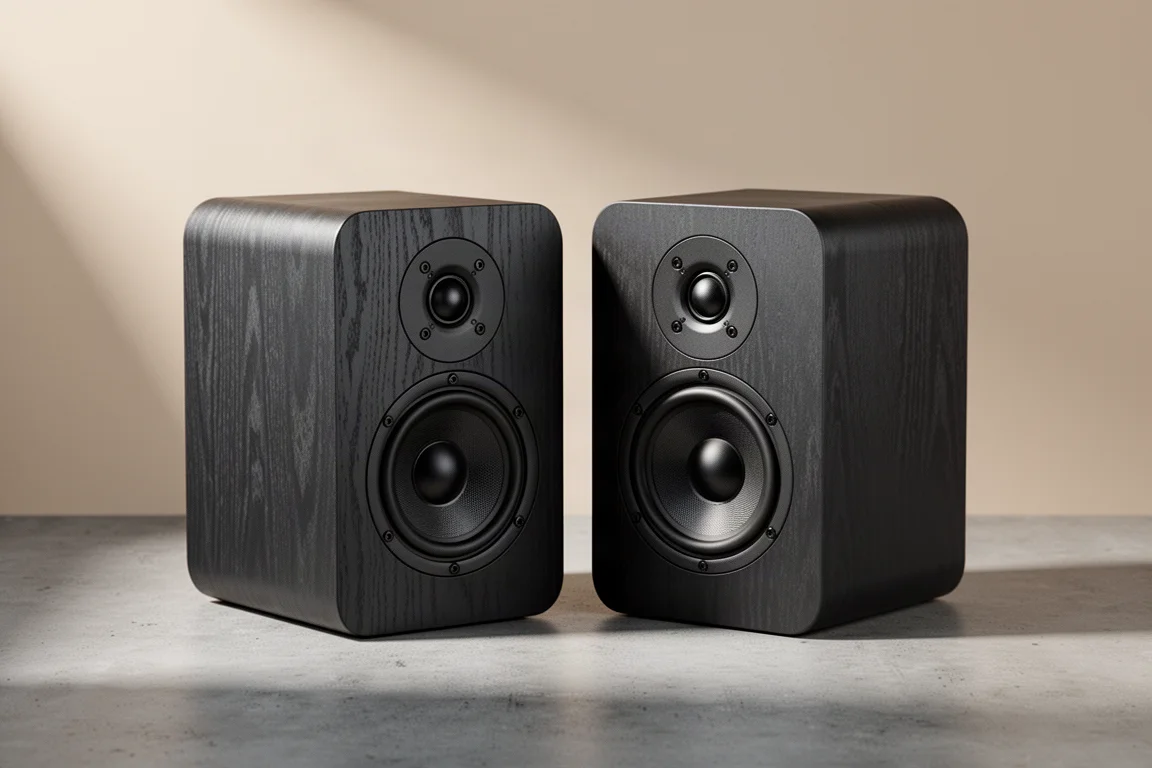
Powered Speakers
Aperion Audio Alaire Review: Compact Powered Speakers With Serious Bass
A compact two-way powered speaker with genuine low-end punch, excellent imaging, and a control scheme that depends entirely on its remote.