Triathlon Bikes
Van Rysel XCR Tri Review: Pro-Level Triathlon Speed at a Mid-Range Price
Van Rysel's first triathlon bike pairs a Shimano Ultegra 12-speed build and Swiss Side wheels with an unusually wide fit range, at a price that undercuts the flagship end of the market.
Introduction
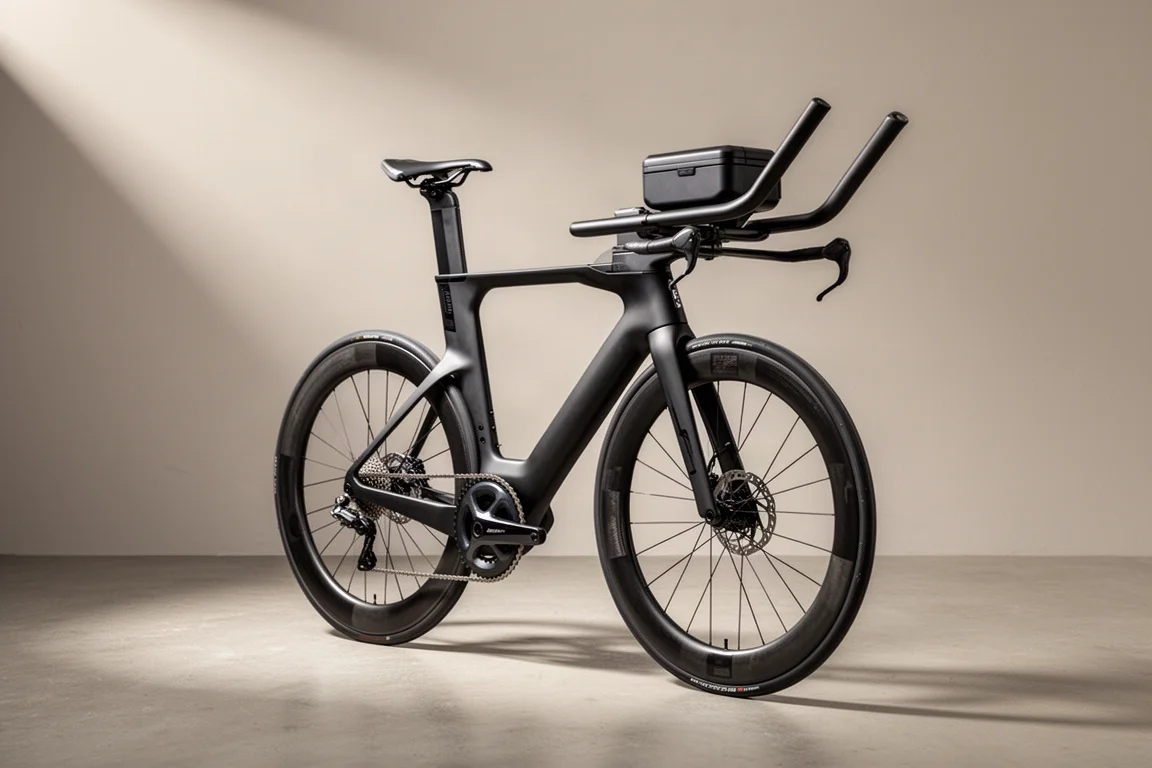
Van Rysel is the performance arm of Decathlon, and since 2019 it has been moving steadily upmarket from the entry-level bikes the parent brand was known for. The XCR Tri is its first dedicated triathlon platform, developed over three years and refined through 14 frame iterations before it was shown in public. It made its race debut at Kona on the Queen Kaahumanu Highway before most riders had seen a photograph of it.
The promise is unusual. Van Rysel says the design brief was to build the fastest triathlon bike on the market, with affordability arriving as a consequence rather than as an objective. The result sits in the region of mid-range pricing while carrying a specification that would not look out of place on a flagship race bike.
Who the Van Rysel XCR Tri Is For
This bike is aimed at triathletes who race non-drafting events and want a complete race package rather than a frame they then have to finish themselves. The Tri version arrives with its own aero cockpit, integrated storage, a power meter in the crankset and a Swiss Side wheelset, so the list of upgrades left to buy is short.
It also suits riders who struggle to find a fit on stock triathlon geometry. The cockpit offers a wide spread of adjustment, and the seat angle can be pushed further forward, which matters for anyone chasing an aggressive aero position.
It is less relevant if you want a bike that doubles as a UCI-legal road machine. Van Rysel builds a separate XCR version for that, and there is a third hybrid model sitting in between.

Riders who care about composure on poor surfaces should also take note. First triathlon bikes from any brand are rarely praised for their handling, and this one is.
Frame Design and Development
The frame follows a conventional double-diamond layout rather than a beam design. Aerodynamic foil shapes appear on the seat stays and the fork, and the fork is notably wide with clear space around the blades for air to pass through.
Van Rysel uses a high modulus carbon layup here rather than the super high modulus material found on its RCR road bike. The explanation is not cost. With these tube shapes, the stiffer layup produced a frame that was too stiff, and the company settled on the high modulus version to get the ride quality it wanted.
That decision came out of an unusually long development cycle. The production frame is the 14th iteration of the design, and Swiss Side contributed aerodynamic expertise to the project alongside Van Rysel’s own engineers.
Five sizes are planned, from extra small through to extra extra large, and all of them run 700c wheels. Even the smallest frame takes full-size wheels, which keeps tyre and wheel choices simple across the range.
Fit, Cockpit and Storage
The seat angle is 79 degrees, and there is a generous amount of fore and aft adjustment at the top of the seatpost. The seat clamp can also be flipped to move the saddle further forward, which opens up a more aggressive position for riders who want it.
The base bar is shared with the UCI version, and its hand positions are long, giving several places to rest the hands. Some riders may find them longer than they expect, though they remain comfortable.
The triathlon-specific cockpit is Van Rysel’s own design, developed from scratch for the Tri and hybrid models. Riser spacers run from 10mm up to 90mm, angled spacers let you change the tilt of the extensions, and the extensions themselves move forward, back, in and out. The armrest pads have multiple mounting positions, and the whole bracket slides fore and aft, so the fit range is wide before you touch an aftermarket part.
Storage is part of the package. There is a top tube box for nutrition, a small box for wrappers or salt tablets, and a toolkit in the bottom bracket area with spares including a mini CO2 pump and tyre levers. The saddle has an integrated mount behind it for a bottle, and there is a between-the-arms bottle cage mount as well.
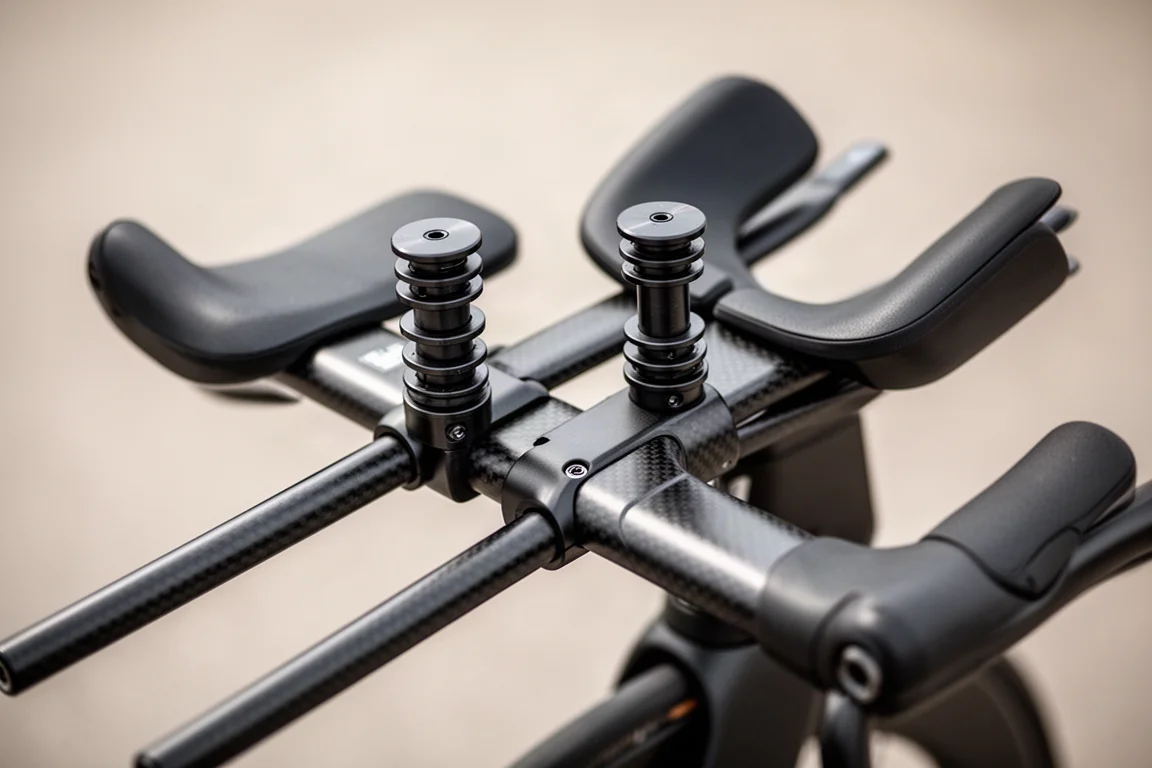
One detail worth knowing: the bento box fitted to this pre-production bike is not the final version and will be upgraded before customer bikes ship.
Ride Quality and Handling
Smooth highways and open roads only reveal so much about a bike, so the more revealing test is rough, variable tarmac. On that surface the XCR Tri is stiff, responsive and instantly confidence inspiring. That is a notable result for any brand’s first triathlon bike, and it suggests the frame work paid off.
Weight is competitive too. Van Rysel claims 8.9 kg for a size medium, and a size large with all the accessories fitted came in at 9.74 kg. In the triathlon market, that is a reasonable figure for a bike carrying storage, deep wheels and a power meter as standard.
Specification and Component Choices
The wheelset is a Swiss Side Hadron Ultimate pairing, 625 deep at the front and 800 at the rear, both tubeless ready. Given Swiss Side’s involvement in the frame design, the wheels are a coherent part of the package rather than an afterthought.
The groupset is Shimano Ultegra R8150, 12-speed, with 52/36 chainrings and an 11-30 cassette. The crankset includes an integrated power meter, and crank length varies with frame size, from 170mm up to 175mm on the largest model.
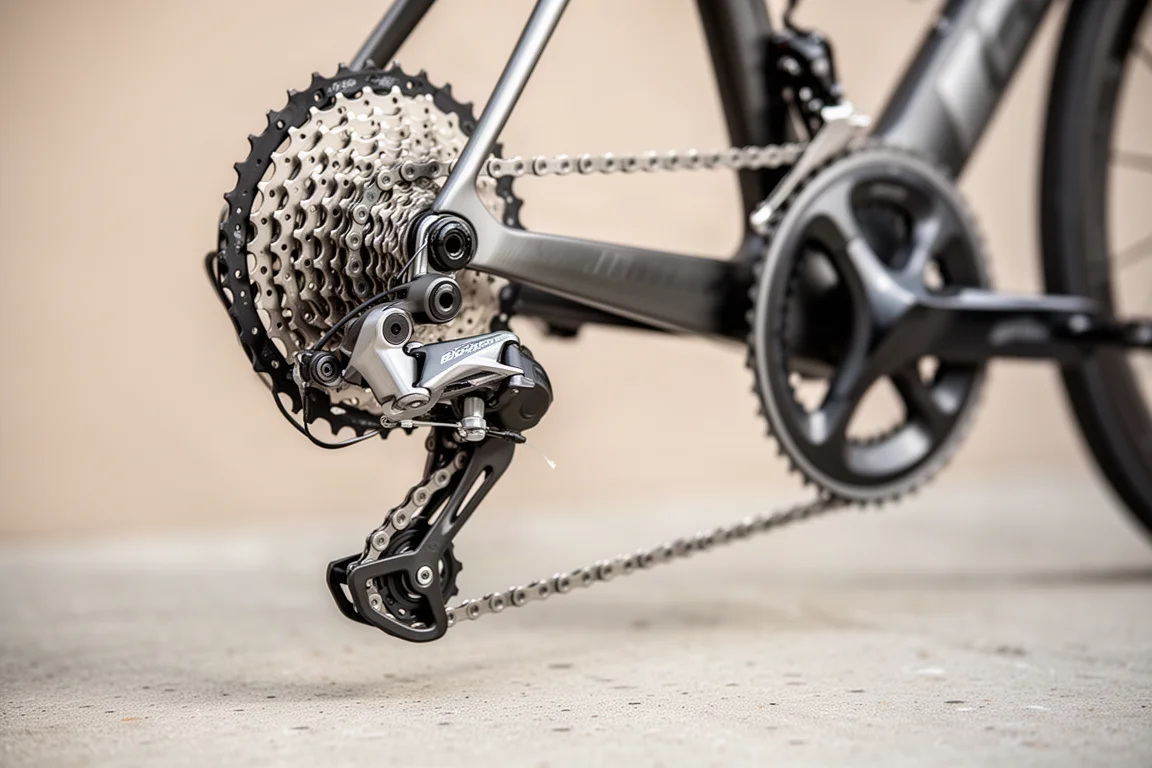
For riders comparing specifications, the important point is that this is not a build where the frame is strong and everything around it is a placeholder. The components are the same category of equipment you would expect to find on considerably more expensive race bikes.
Things to Consider Before Buying
The most obvious caveat is the bento box. The version fitted to this bike is described as flimsy and wobbly, and Van Rysel has said it will be replaced before production. It is worth checking the final part on a customer bike rather than judging it from early photographs.
The long hand positions on the base bar will not suit everyone. They are comfortable, but riders with shorter reach may prefer a different bar setup.
Availability is the other question. Supply chains across the bike industry remain difficult, and Van Rysel acknowledges that supplying every size promptly is a challenge. The company expects all triathlon sizes to be available within a few weeks of launch, but it is worth confirming stock with a retailer before planning a season around one.
Finally, think about which version you actually need. The UCI version costs only a couple of hundred less and comes with different aero bars and no triathlon accessories. The hybrid version uses a different groupset and wheelset and is priced lower again, at around 6,200 against roughly 7,700 for the Tri version. If you race triathlon, the Tri version is the one that arrives ready.
Buying Advice
If you race non-drafting triathlon and want a bike that is ready on race day, the XCR Tri is the version to look at. The cockpit adjustment range means it can be fitted to a wide spread of riders, and the included storage, wheels and power meter remove most of the usual post-purchase spending.
If your priorities sit elsewhere, the range covers those too. The UCI version trades the triathlon cockpit and accessories for a setup that fits road racing regulations, and the hybrid version brings the entry point down further with different components. Choosing between them is mostly a question of which rules you race under and how much of the equipment you want included from the start.
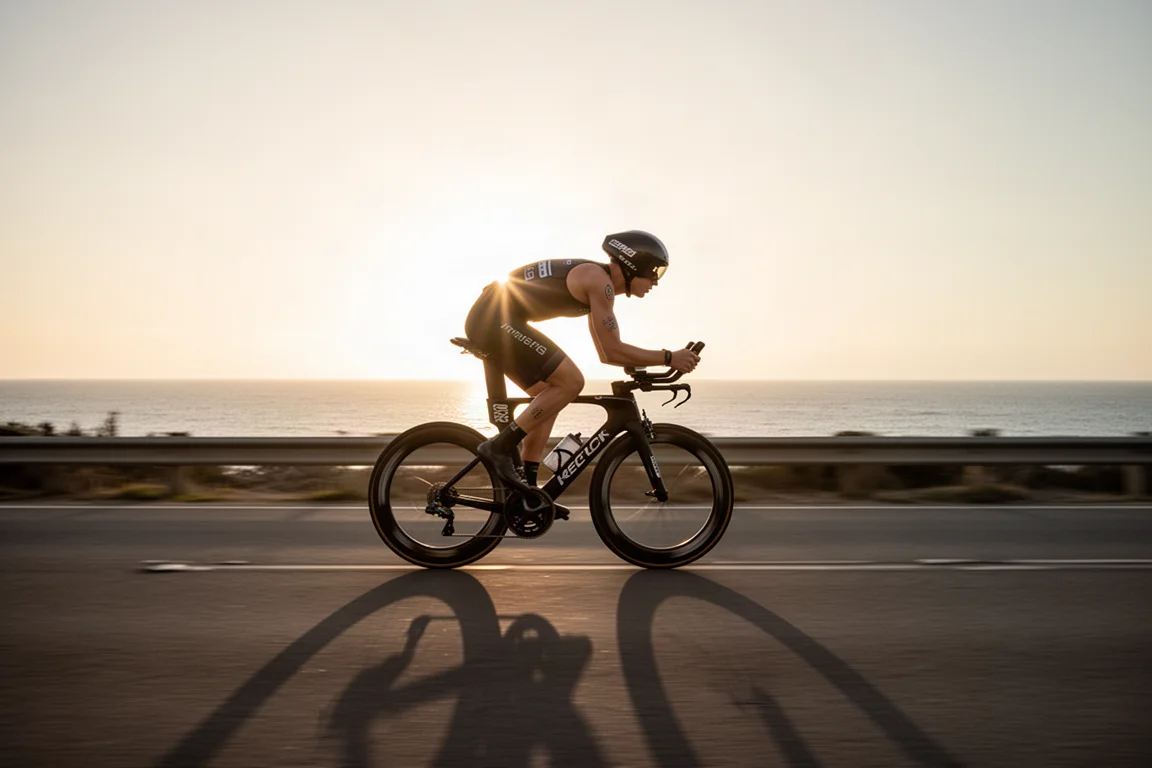
For a first triathlon bike from a brand that only entered the performance market in 2019, the XCR Tri is a serious proposition. It does not ask you to accept obvious compromises to reach its price, and the handling in particular stands out against expectations.
Conclusion
Van Rysel set out to build a fast triathlon bike and then priced it competitively, and the XCR Tri reflects that order of priorities. The frame went through 14 iterations, the fit range is broad, the specification is race ready and the ride quality holds up on rough roads.
The caveats are small and specific: a bento box that is still being finalised, long hand positions that will not suit every rider, and supply that the brand itself describes as a challenge. None of them undermine the fundamentals.
For triathletes who want pro-level equipment without flagship pricing, this is a bike worth shortlisting.
Product link
View more details for Van Rysel XCR Tri
This product is mentioned in the review. Check the specifications, options, and compatibility before buying.
View more details for Van Rysel XCR TriFurther reading
Related Reviews
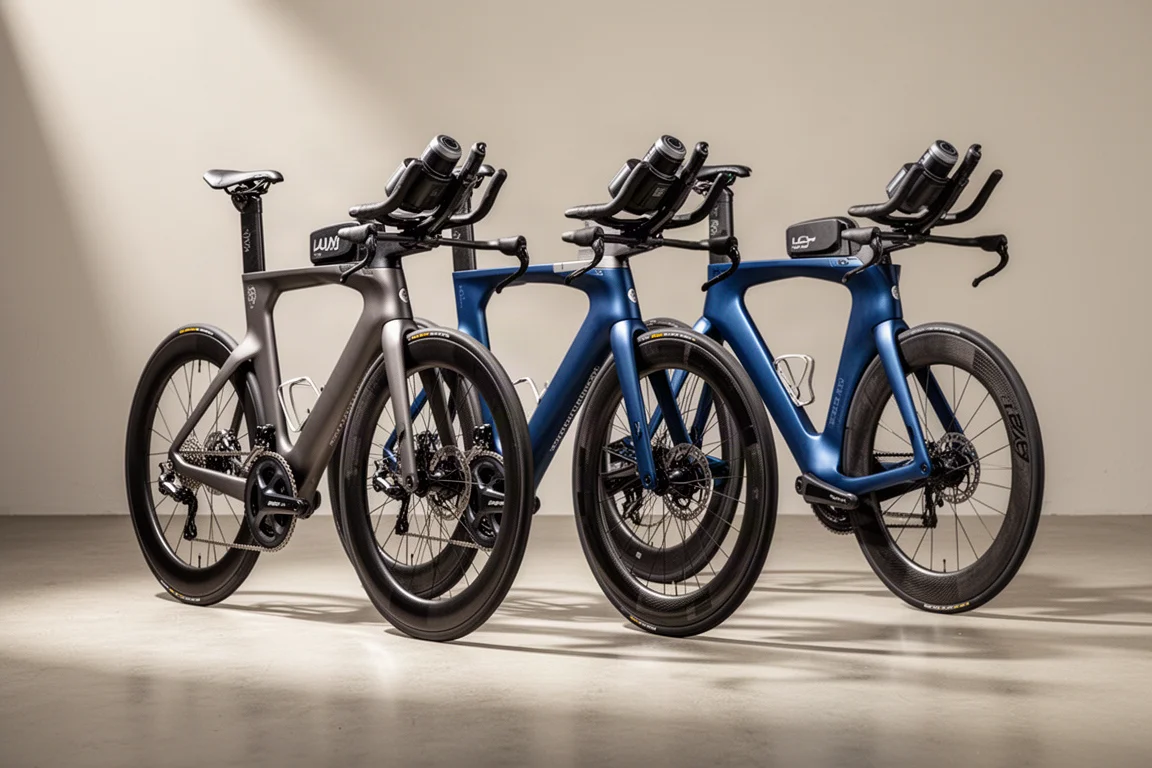
Triathlon Bikes
Best Triathlon Bikes 2026: Seven Race Bikes Compared
Seven triathlon bikes assessed on front-end adjustability, onboard hydration and storage, and value, from the most common bike in transition to lower-cost race options.
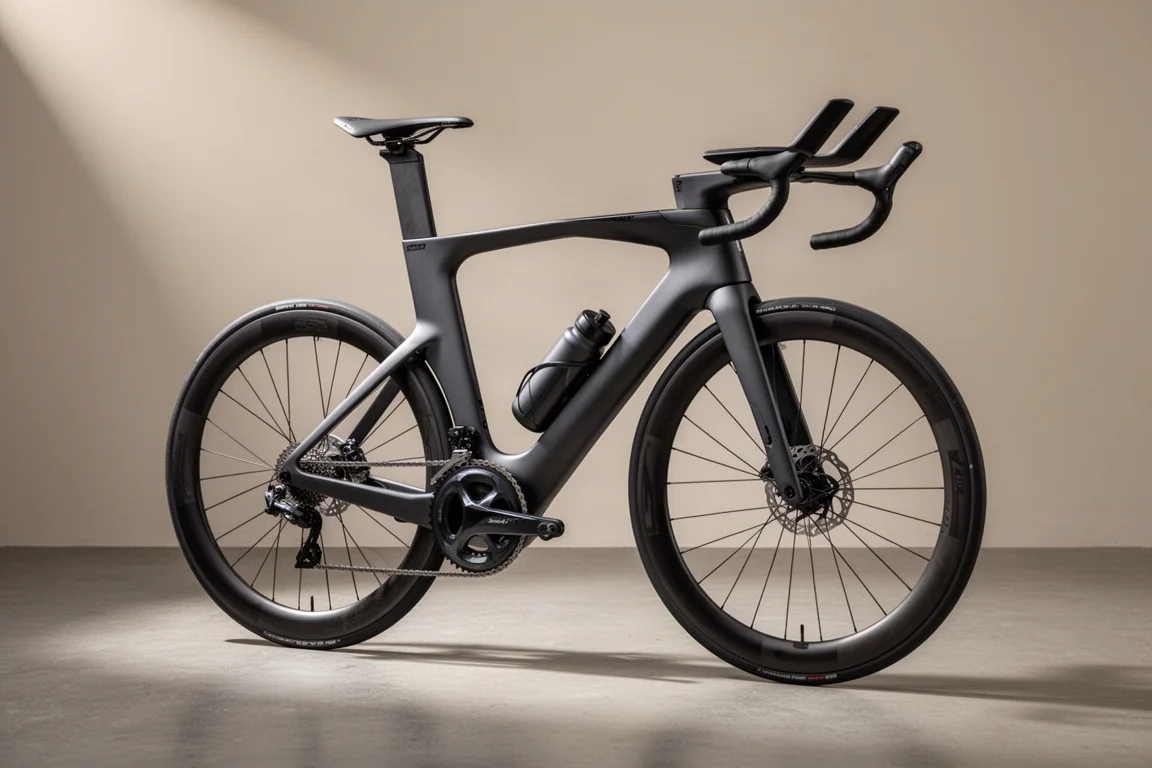
Triathlon Bikes
BMC Speedmachine Review: A Formula One-Informed Triathlon and TT Bike
The BMC Speedmachine pairs Red Bull Advanced Technologies aerodynamics with a redesigned frame, integrated hydration, and a 500 gram weight saving over BMC's previous triathlon platform.
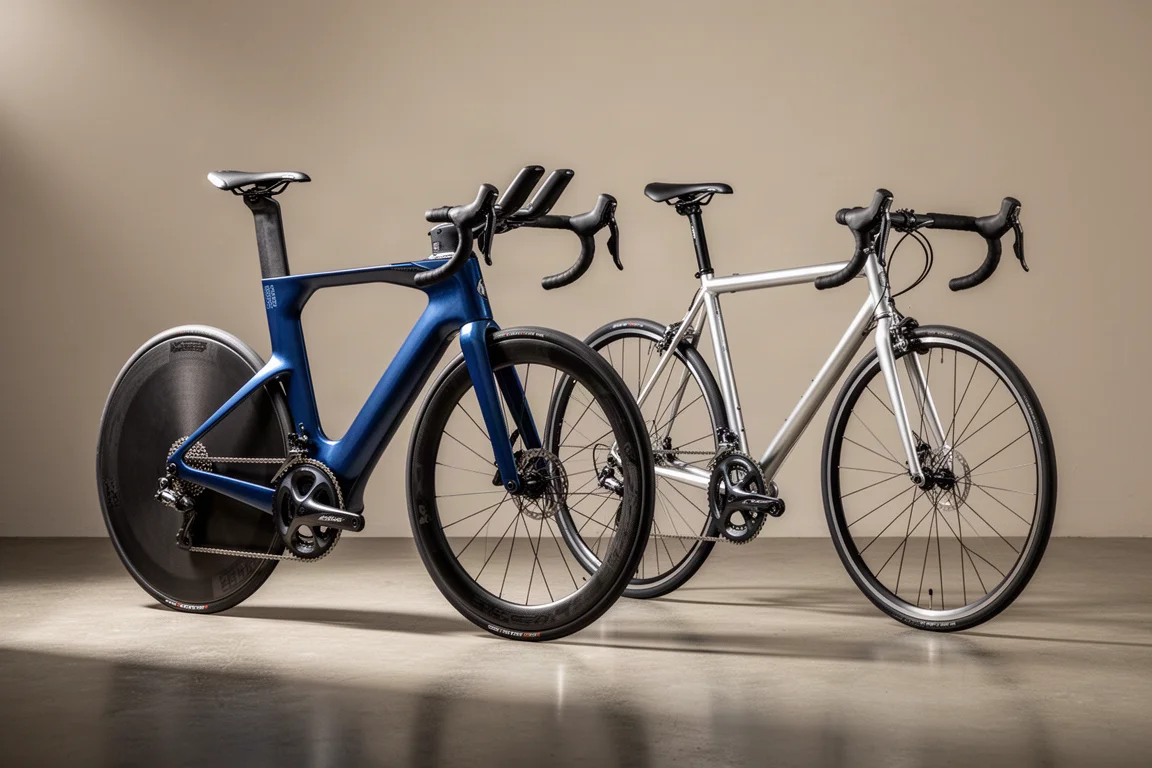
Triathlon Bikes
Buying Speed: Canyon Speedmax CFR vs Triban RC 120 Road Test
A head-to-head 22 km test of a premium triathlon race bike, an affordable disc-brake road bike, and a disc wheel upgrade, with the numbers and the trade-offs that matter.