Triathlon Bikes
Best Triathlon Bikes 2026: Seven Race Bikes Compared
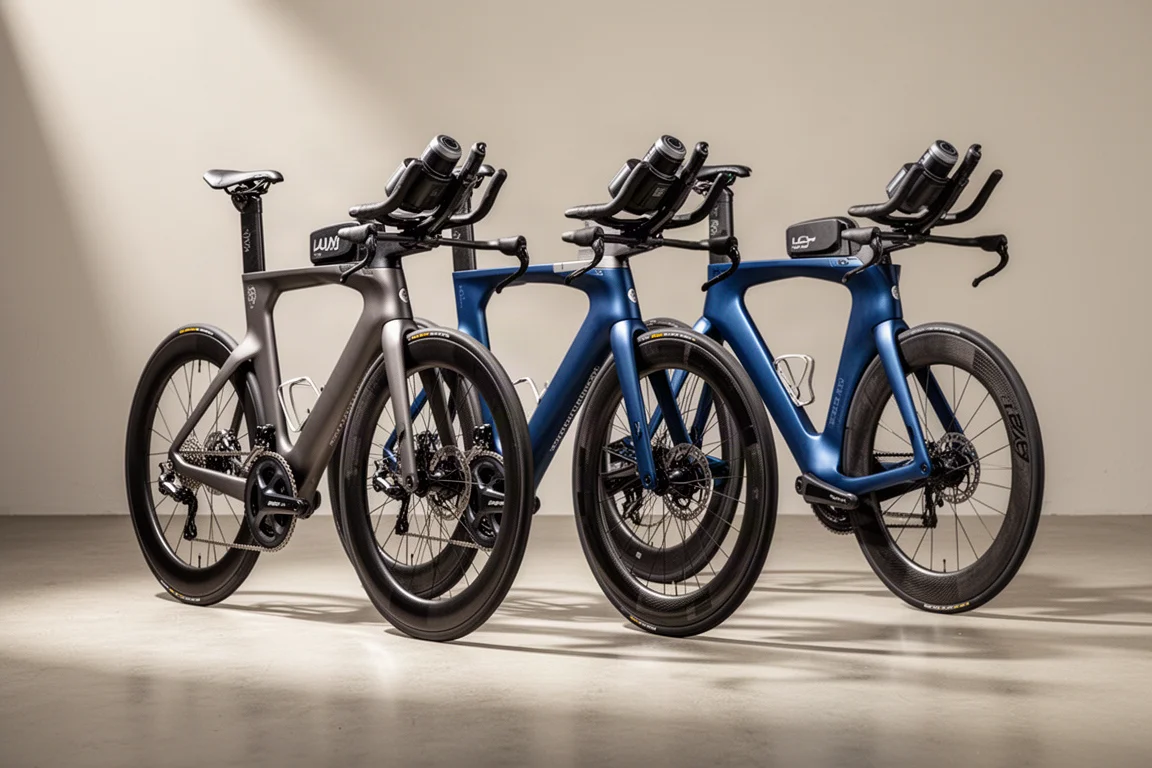
Seven triathlon bikes assessed on front-end adjustability, onboard hydration and storage, and value, from the most common bike in transition to lower-cost race options.
Introduction
A triathlon bike has to do three jobs at once: hold an aggressive position comfortably, carry everything you need for a long race, and stay fast while doing it. The bikes that get those three things right are the ones that turn up again and again in race transition areas.
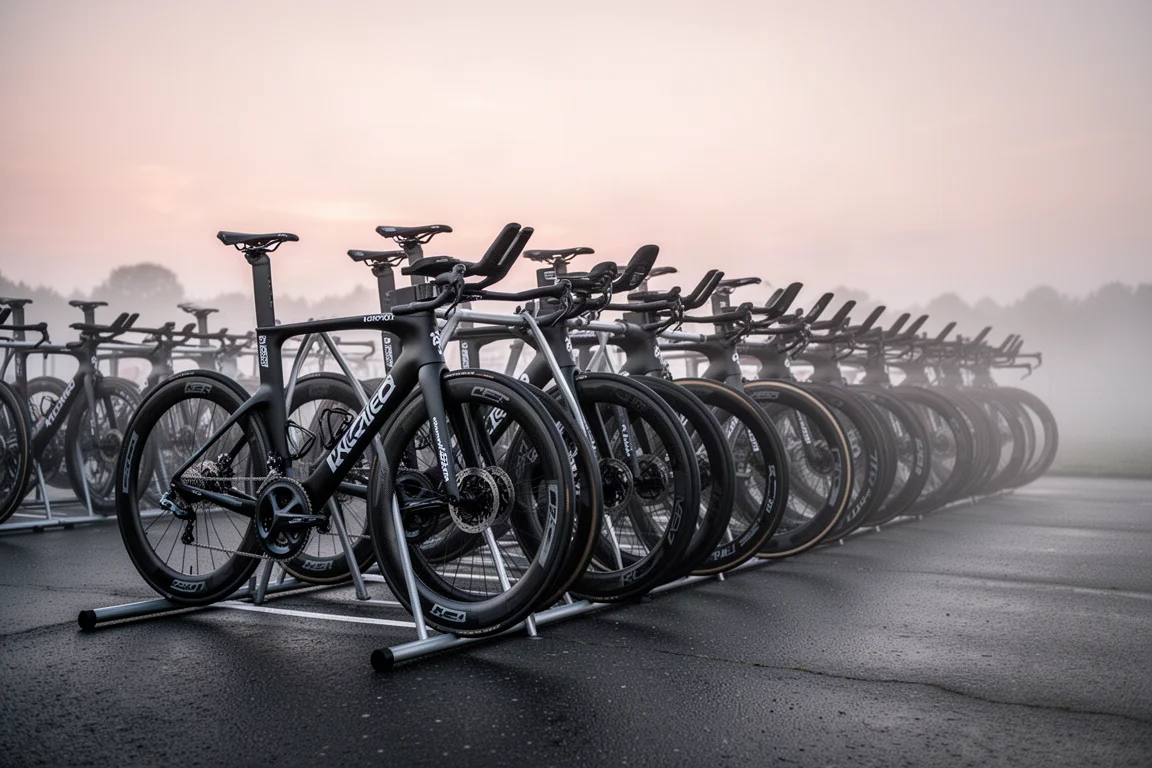
Canyon was the most represented brand at Ironman events in 2025, accounting for 22.83% of the bikes counted in a survey of the field. That is a remarkable share of a race, and it reflects how aggressively the brand has priced fully integrated triathlon frames.
Those headline numbers do not say which models or which generations were counted, and that detail matters. Championship-level fields are usually made up of current or recent generation race bikes, so the bikes below are the ones serious age-group athletes and professionals are actually racing.
This guide covers seven triathlon bikes, from the most common bike in transition to a custom-colour build and a lower-cost route into the sport. Each one is judged on the same points: front-end adjustability, onboard hydration and storage, and what the money actually buys.
If you are shopping in this category, the sections below are ordered to help you work out where your own priorities sit before you commit.
How These Triathlon Bikes Were Assessed
Three factors separate a race bike that works for years from one that becomes a compromise.
Front-end adjustability
Modern triathlon frames have enough range in the cockpit that the number of frame sizes matters less than how much the front end moves. Risers, spacers and extension angles do the real work of fitting a rider, which is why a bike with fewer sizes can still fit well.
Onboard hydration and storage
Frames with a built-in drink system and a compartment for spares carry less bolt-on clutter. Where a brand relies on an aerodynamic bottle or a strap-on reservoir instead, that is worth knowing before you buy.
Value at a given specification
Two bikes with similar groupsets and wheels can be thousands of pounds apart, and the difference is not always visible in the frame itself.
Canyon Speedmax: The Most Popular Triathlon Bike at Ironman Events
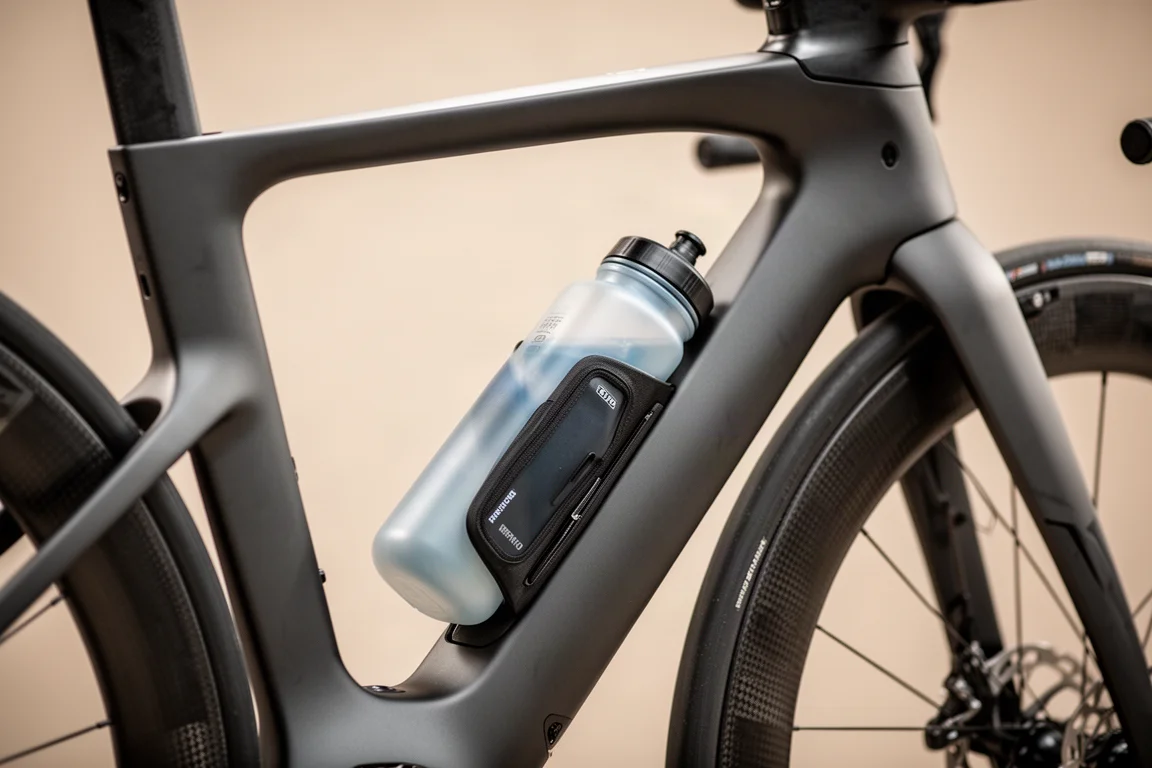
Canyon is the benchmark in this group. The Speedmax integrates almost everything: hydration is built into the front of the frame with a straw, and there is storage in the bottom bracket area for spares and flat repair kit.
The cockpit is the standout. A broad set of angled risers allows the front end to be set up for a wide range of riders, and the adjustment hardware comes with the bike. That combination of integration and adjustability is unusual at the price.
A fully integrated build sits at around £10,000. That is a serious amount of money, but it is well below several rivals offering comparable or lesser specification.
Our verdict: 10 out of 10.
Canyon Speedmax CF 7 Di2: The Value Build
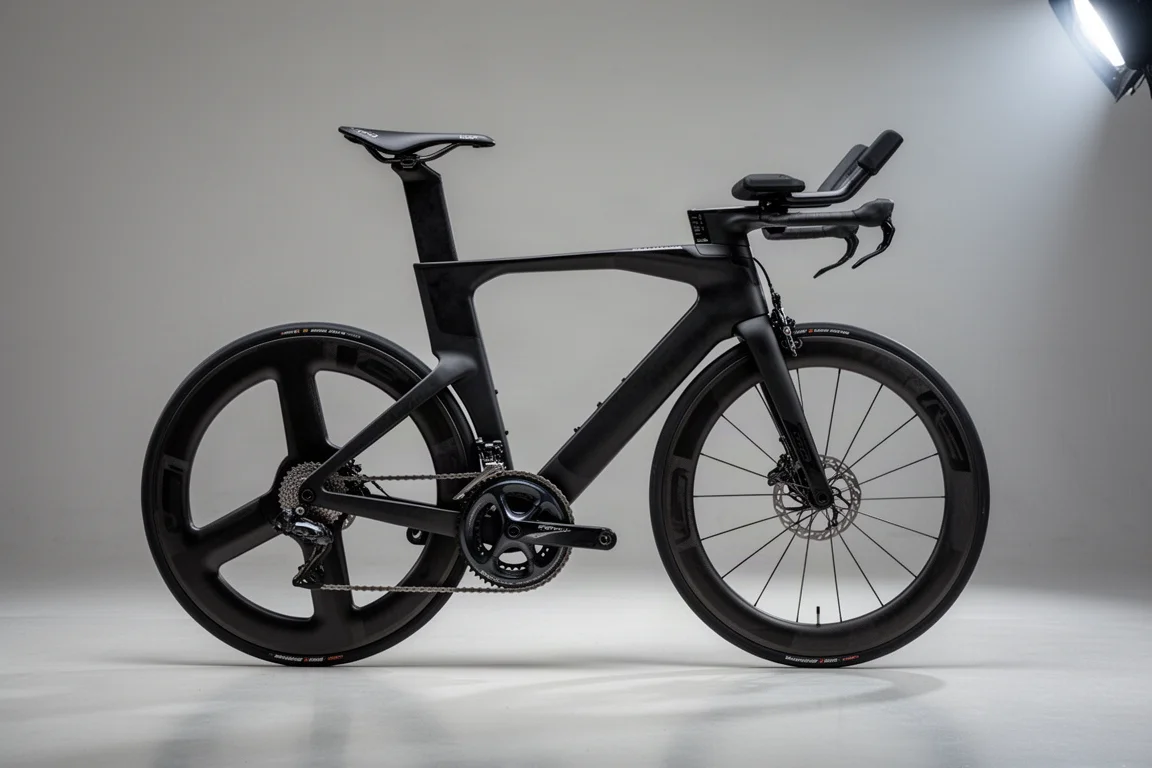
The lower end of the Speedmax range is arguably the more impressive story. The CF 7 Di2 comes in at £4,600 with carbon wheels and Shimano 105 Di2 shifting, plus the same approach to onboard nutrition and hydration and an adjustable cockpit.
A bike like this would have cost close to £10,000 five to ten years ago. For riders who want the integration of a modern race bike without paying flagship money, this is the obvious place to start.
Cervélo P-Series: Fit and Cockpit Adjustability
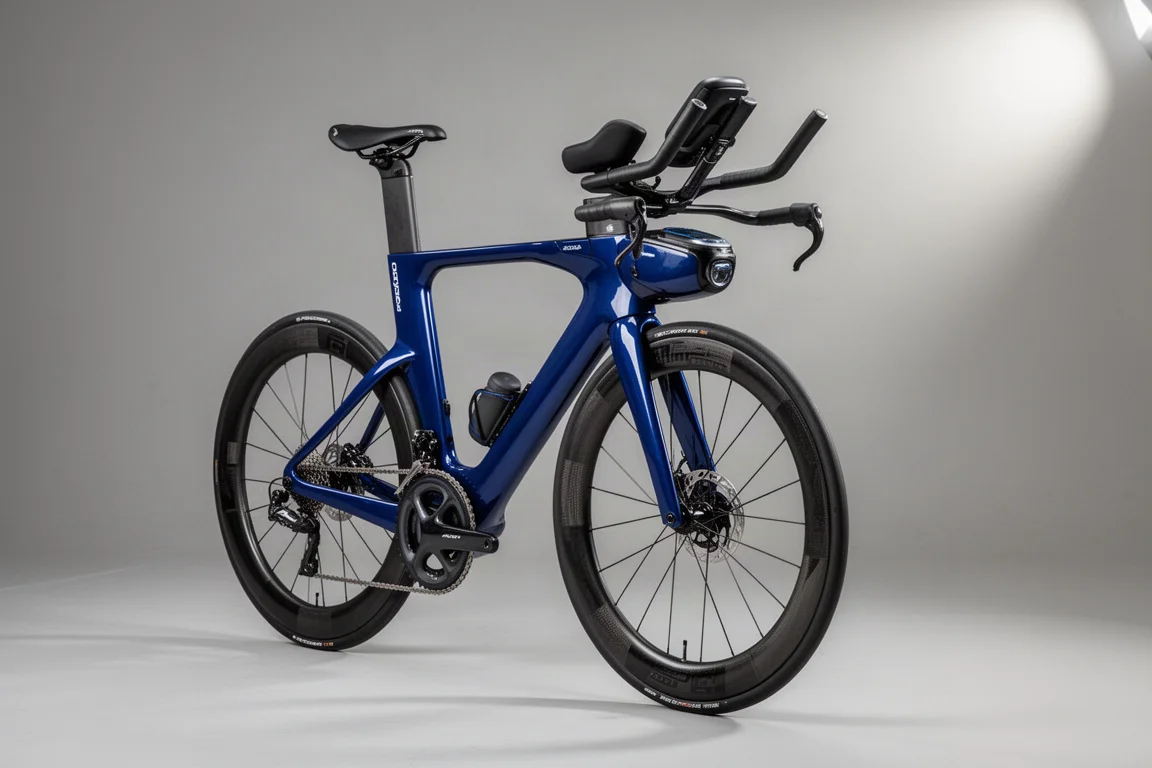
Cervélo has a long history in triathlon and was once the only brand many triathletes would consider. The P-Series continues that reputation for fitting smaller riders well, a heritage that includes elite athletes racing on smaller wheel sizes.
The cockpit spacer system works like a seatpost: undo a single bolt and slide the front end up or down. It is a simple, effective design, and the bike ships with a narrow 38 cm base bar.
Two things hold it back. There is no real integrated storage, which is a notable omission next to bikes that include it as standard. And it is expensive: roughly £1,000 more than a comparable Canyon, with lesser wheels at the same specification. Cervélo is trading on its name here.
Our verdict: 7 out of 10.
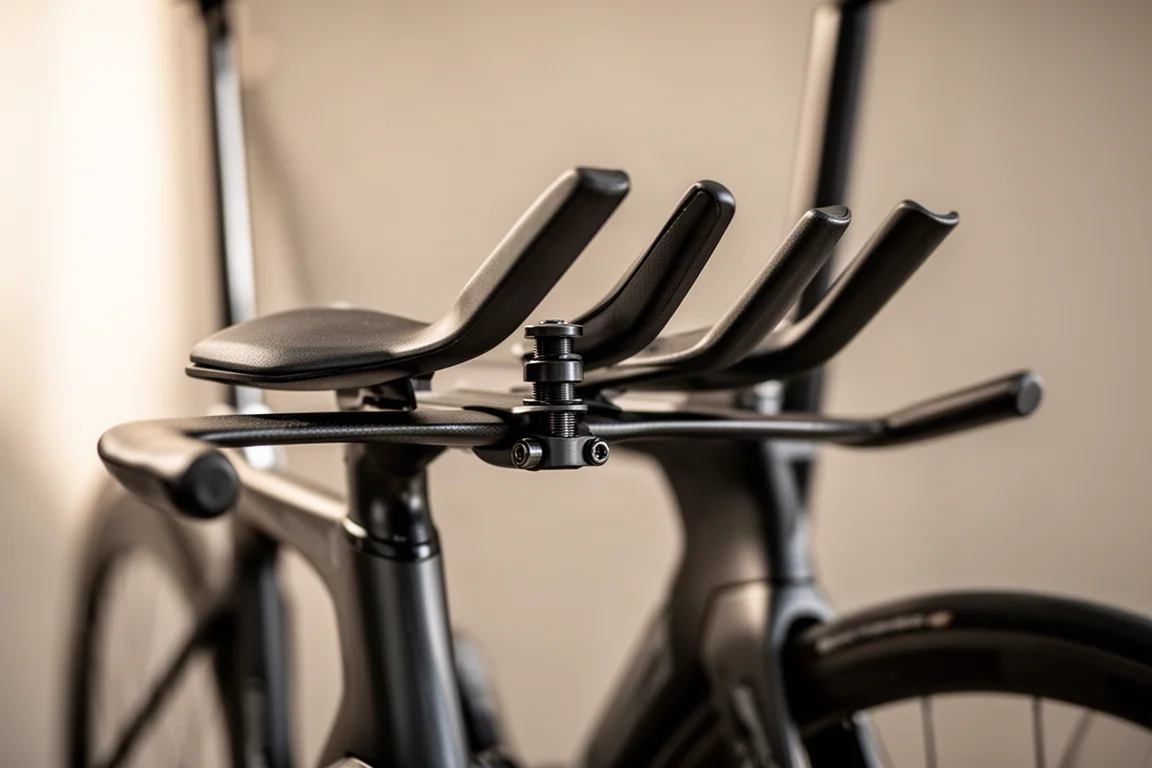
For riders who prioritise a clean, easily adjusted front end over onboard storage, the P-Series remains a genuinely strong fit.
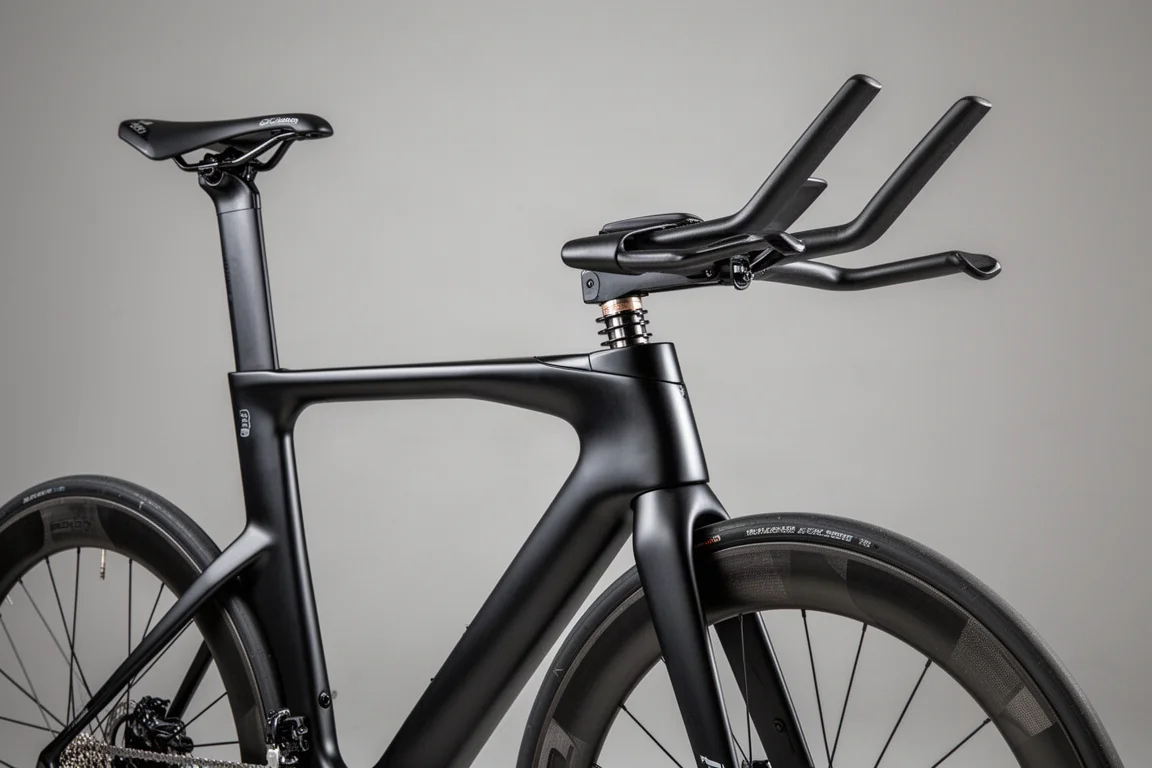
Trek Speed Concept: A Fit-Friendly Legacy
The first generation Speed Concept was a notoriously good bike, and it earned that reputation for one reason: it fitted almost anybody. The modular front end could be raised to the same height as the saddle, which is an extraordinary range.
The current generation is a different proposition. There is no onboard hydration and no internal storage, and the answer to carrying drink is an aerodynamic bottle. The cockpit is wide, which will not please riders chasing every aerodynamic gain, and the extensions do not look easy to angle.
Limited frame sizes are not automatically a problem, because adjustability matters more than size count on a modern triathlon bike. This one, however, does not look especially adjustable.
Our verdict: 7.5 out of 10.
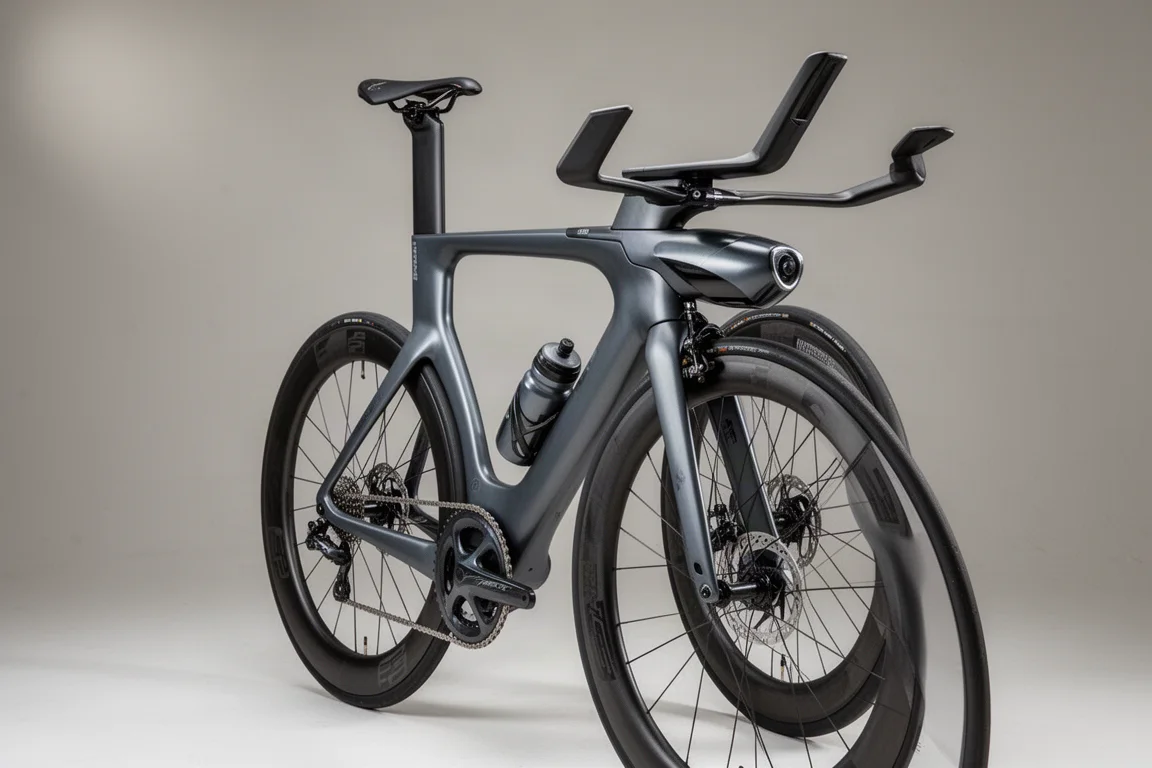
Specialized Shiv: A Bike Without a Current Successor
Specialized accounted for 6.4% of the bikes in the same count, which makes the absence of a current triathlon bike from the brand surprising.
Assuming the Shiv is the bike in question, it still has a lot going for it. There is onboard storage, onboard hydration and an aerodynamically shaped frame that can hold its own against newer designs. A new frameset runs around £6,000.
That price is the problem. If you spend that on a frameset and then have to add several hundred pounds of hydration and storage solutions on top, the value case weakens quickly. Most triathletes buying at this level expect nutrition and hydration to be part of the frame.
Our verdict: 3 out of 10, on the basis that there is no current triathlon offering.
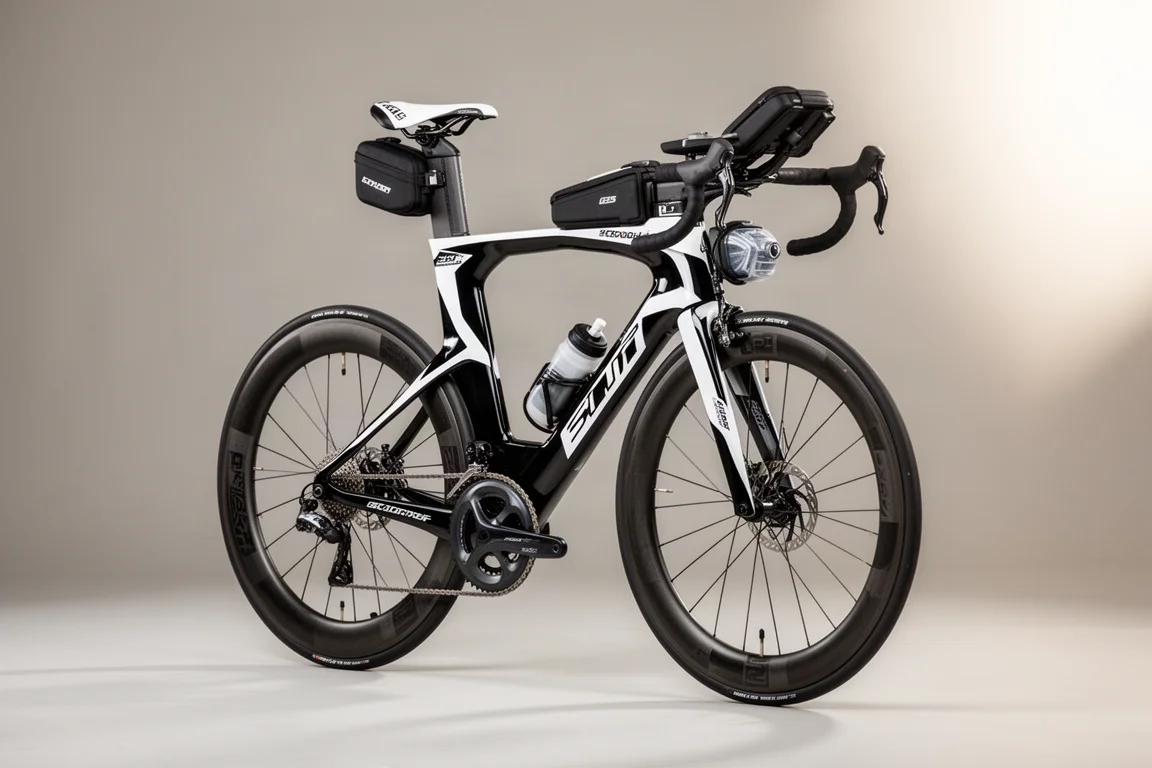
Quintana Roo VPR: Onboard Storage and Custom Colours
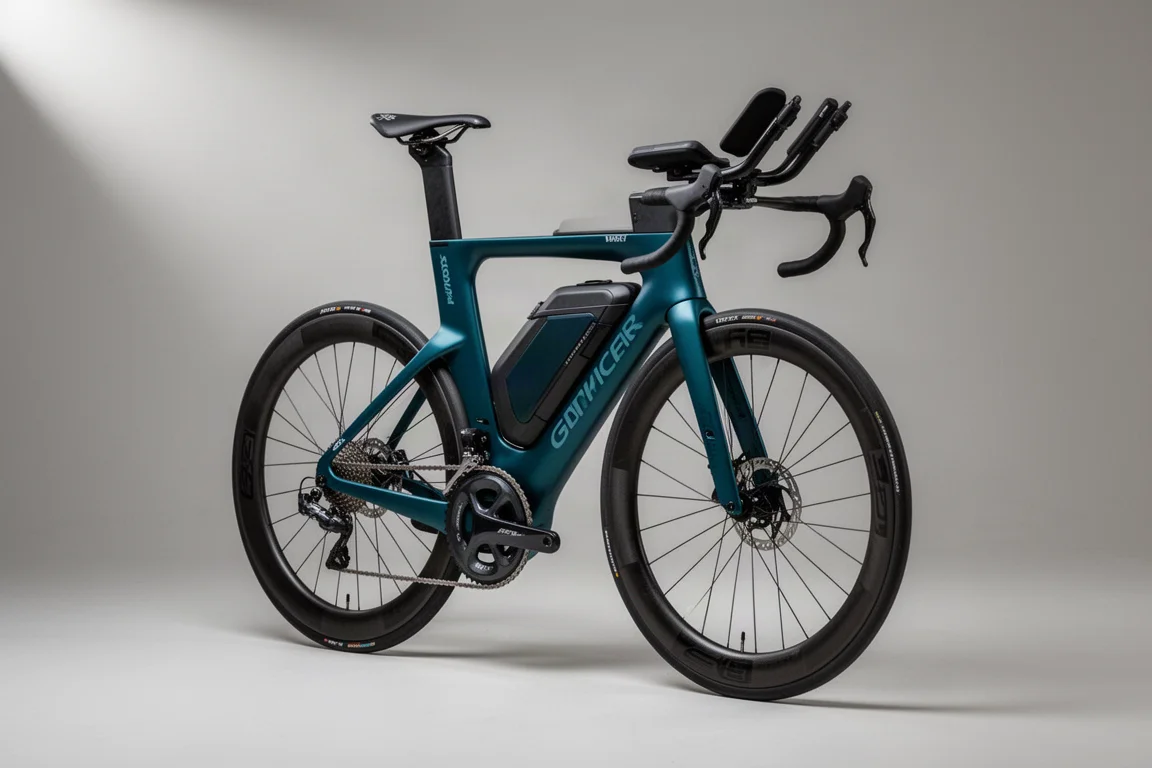
Quintana Roo is the alternative to the obvious choice. The VPR has onboard storage, is available in custom colours, and can be configured to suit a rider rather than bought off the peg.
The brand also points to the fastest Ironman bike split on record, a 3:52, as evidence of what the platform can do. That result says as much about the rider as the frame, but a bike capable of that pace is competitive at the top level.
A build like this sits around £8,000, and it is possible to put one together for considerably less.
Our verdict: 8 out of 10.
If you want something that stands apart in a transition area full of the same frames, this is where to look.
Quintana Roo XPR: A Lower-Cost Route Into a Race Bike
The XPR starts at about £4,000, and it does not look far behind bikes costing much more. The tube shapes and finish echo the more expensive model closely enough that the difference is mostly in the details.
The main compromise is hydration. Instead of a fully integrated system, the XPR uses a strap-on reservoir that feels closer to an aftermarket addition than a designed-in solution. It works, but it is not as clean as the Canyon approach.
For a first race bike, or a second bike for riders who do not want to commit flagship money, it is a sensible starting point.
Buying Advice: Fit Comes Before Brand
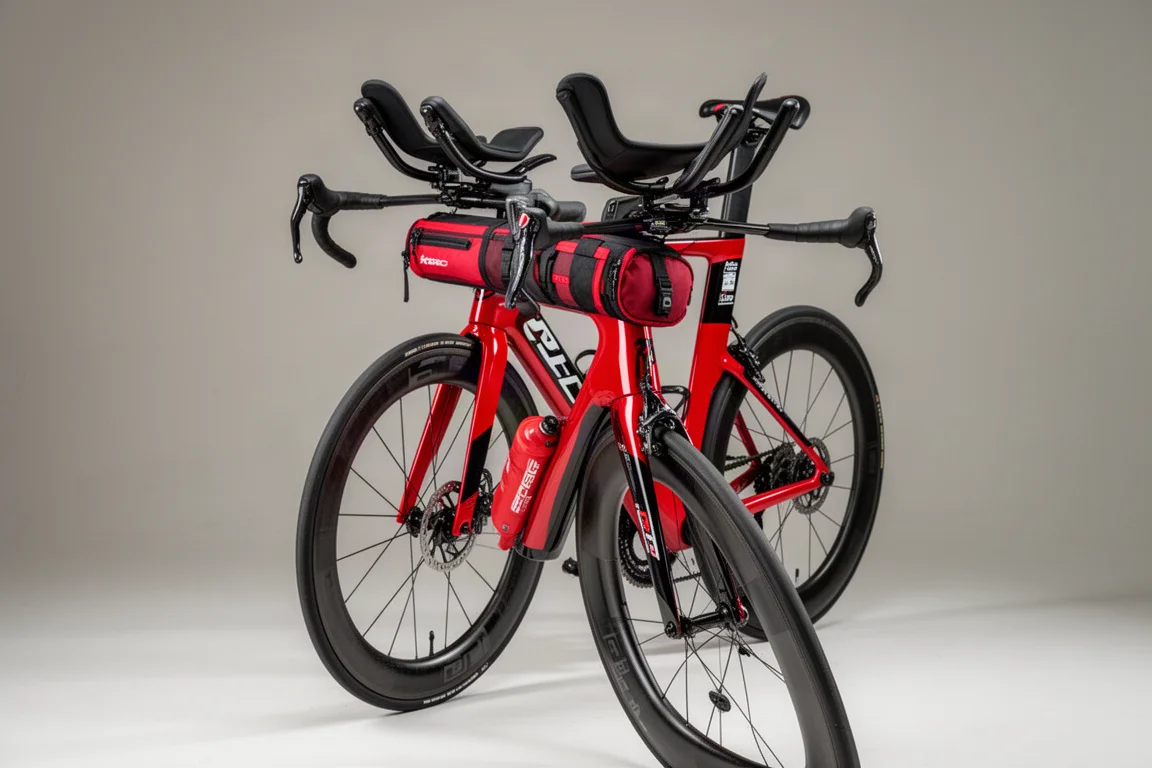
Buy the fit, not the badge. Every bike in this guide can be set up well or badly, and a bike fit before purchase is the single most useful thing you can do. Get the contact points right first, then decide how much integration and adjustability you actually need.
On adjustability, remember that a wide range of cockpit movement is worth more than a long list of frame sizes. Modern triathlon frames can cover a large spread of riders with relatively few sizes, provided the front end moves enough.
On integration, decide early whether onboard hydration and storage matter to you. If they do, a bike that includes them as standard will usually cost less overall than a frame that leaves you to bolt on solutions afterwards. If they do not, a simpler frame with a well-designed cockpit can be the better buy.
And on value, the Canyon range is genuinely hard to argue with, which is exactly why it dominates race fields. Wanting something different is a perfectly good reason to look elsewhere, as long as you are honest about what you are paying for.
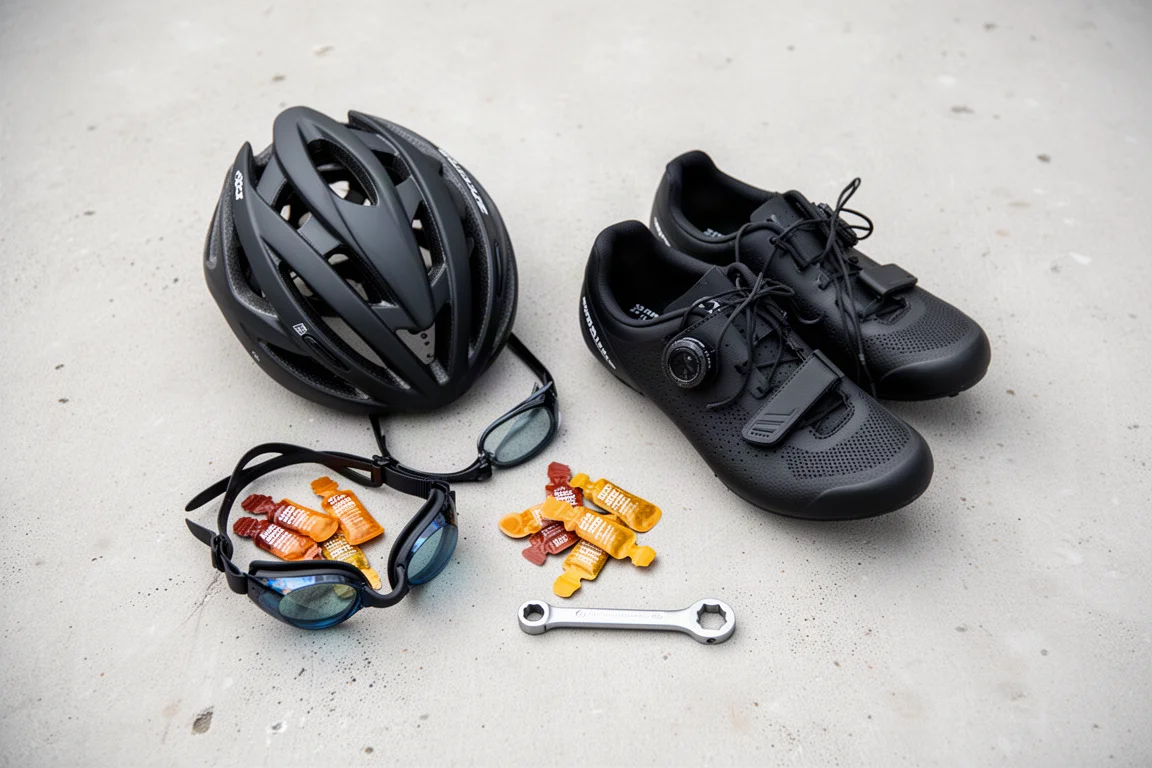
Whichever route you take, budget for the fit and the setup alongside the bike itself. Those are the parts that determine how the bike actually rides over a full race distance.
Conclusion
The triathlon bike market rewards a clear sense of what you need. Canyon leads the field for a reason: the Speedmax combines integration, adjustability and value at a level few rivals match, and the CF 7 Di2 brings much of that within reach at £4,600.
Cervélo still makes a beautifully adjustable bike that suits smaller riders, but you pay more for less integration. The Trek Speed Concept carries a great fit heritage into a current generation that has fallen behind on storage and hydration. Specialized simply does not have a current triathlon bike to sell. Quintana Roo offers the most interesting alternative, with the VPR’s custom colours and onboard storage, and the XPR opening the door at around £4,000.
Whatever you choose, get a bike fit first. That single step matters more than any of the differences above.
Further reading
Related Reviews
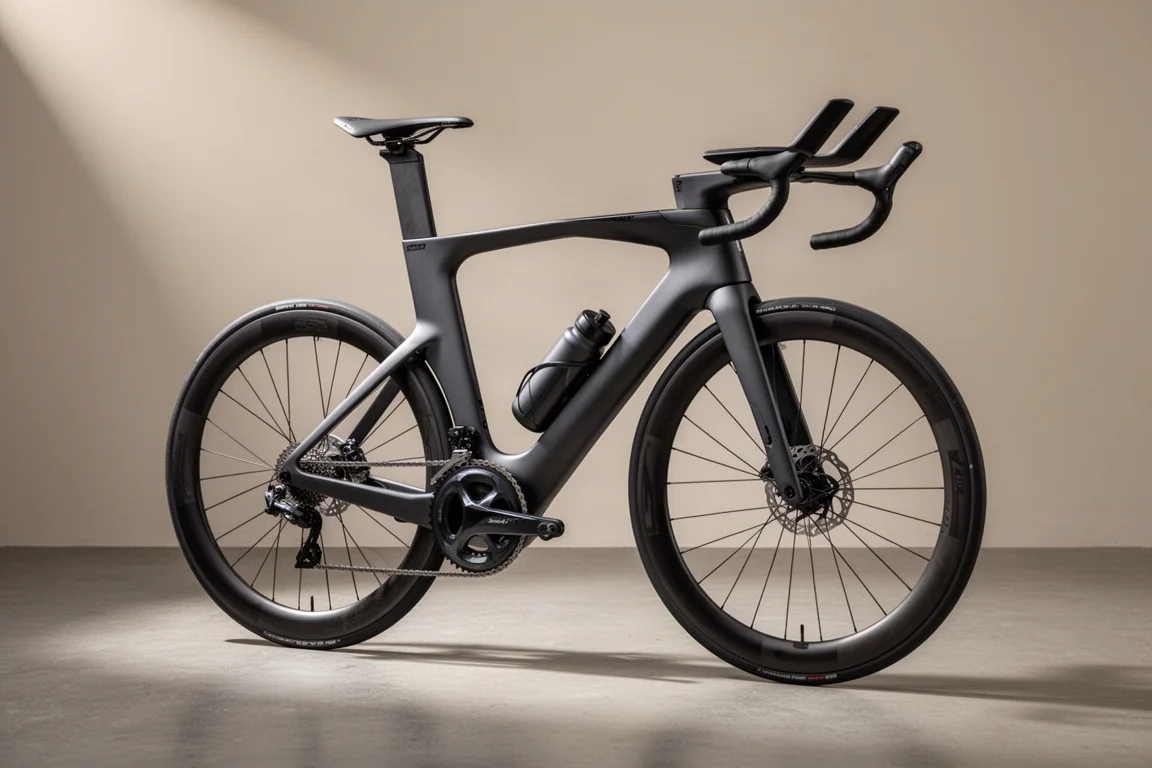
Triathlon Bikes
BMC Speedmachine Review: A Formula One-Informed Triathlon and TT Bike
The BMC Speedmachine pairs Red Bull Advanced Technologies aerodynamics with a redesigned frame, integrated hydration, and a 500 gram weight saving over BMC's previous triathlon platform.
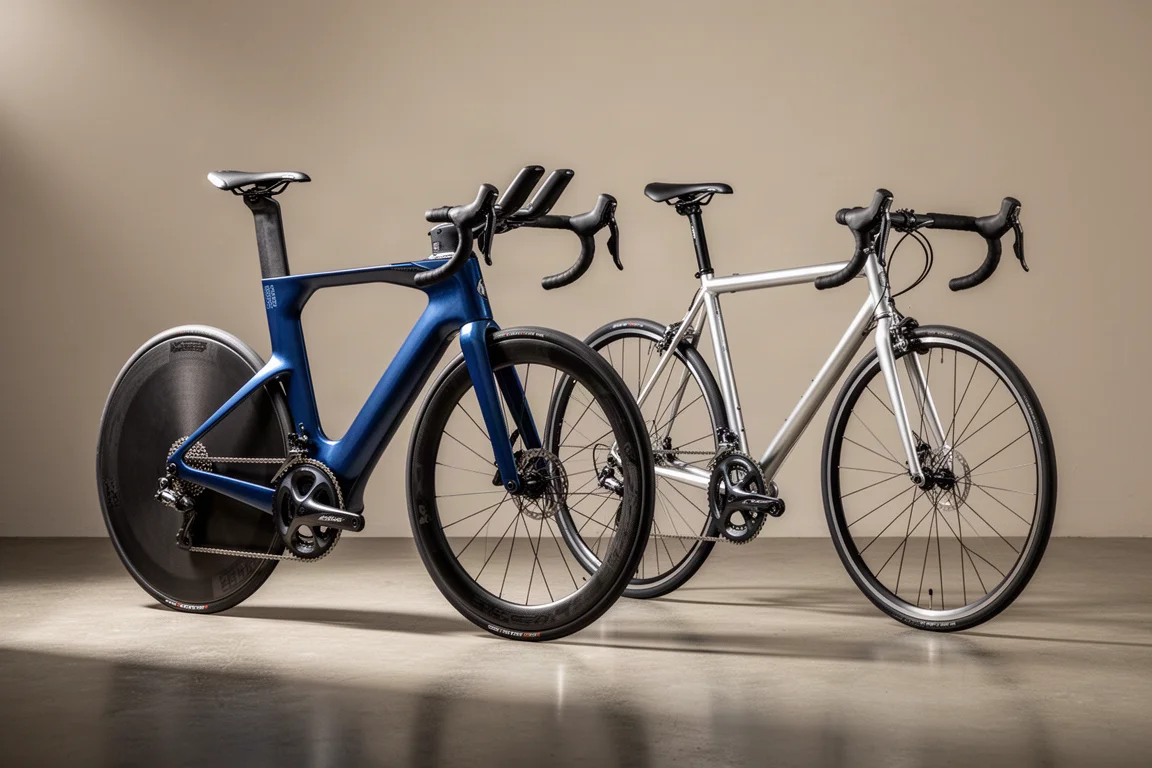
Triathlon Bikes
Buying Speed: Canyon Speedmax CFR vs Triban RC 120 Road Test
A head-to-head 22 km test of a premium triathlon race bike, an affordable disc-brake road bike, and a disc wheel upgrade, with the numbers and the trade-offs that matter.
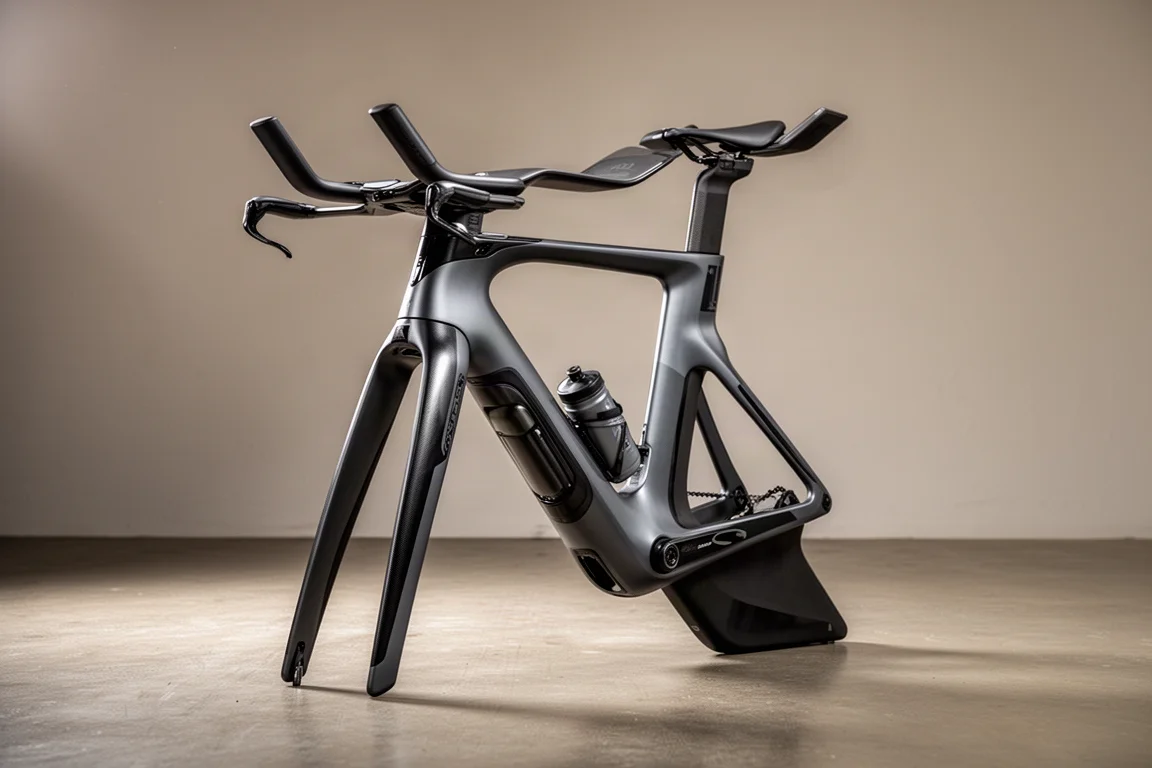
Triathlon Bikes
Cadex Tri Review: An Unconventional Triathlon Frameset Built Around the Rider
A close look at the Cadex Tri frameset, its integrated hydration and nutrition, its adjustable front end, and what to weigh before committing to such an unusual race bike.