Triathlon Bikes
Buying Speed: Canyon Speedmax CFR vs Triban RC 120 Road Test
A head-to-head 22 km test of a premium triathlon race bike, an affordable disc-brake road bike, and a disc wheel upgrade, with the numbers and the trade-offs that matter.
Introduction
Triathlon is a sport where equipment carries a price tag, and few comparisons are as tempting as a purpose-built race bike against a bike that costs a fraction of the money. The question is simple: how much speed do you actually buy, and is the cheaper option still worth riding?
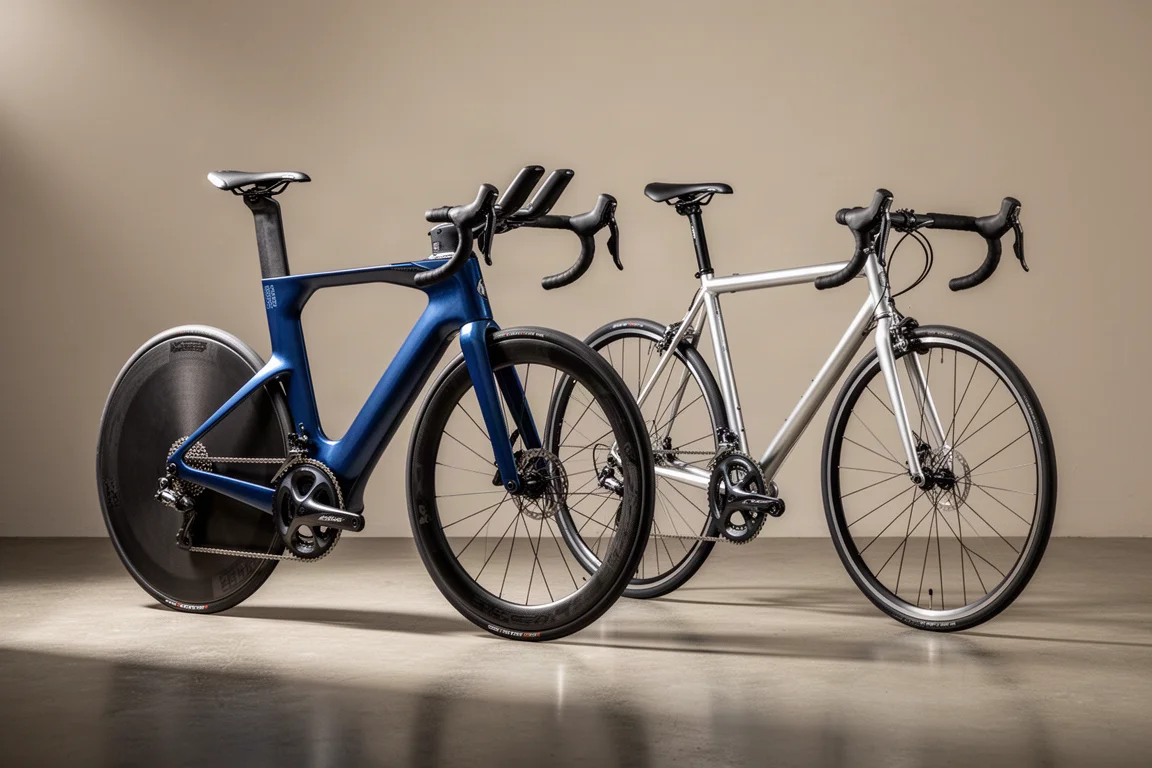
To find out, a Canyon Speedmax CFR, a long-distance race machine built around aerodynamic efficiency, was put up against a Triban RC 120, an affordable disc-brake road bike, on a 22 km loop ridden at race effort. A DT Swiss ARC 1100 disc wheel was also bolted to the race bike to see how much of the advantage sits in the wheels.
The answer turned out to be bigger than anyone predicted, and it also turned out to be about more than time.
How This Comparison Was Set Up
The 22 km route was chosen to cover a bit of everything: fast flat roads, twisting sections and a few climbs. Both riders rode the loop as hard as they would for a 70.3-distance effort rather than an all-out sprint, then swapped bikes so each machine was ridden properly rather than judged from a single lap.
Both bikes carried power pedals and bike computers so power, heart rate and speed could be logged and compared afterwards. The affordable road bike was also fitted with clip-on aero bars, grabbed online for a small amount, so the comparison was between race positions rather than just between frames.
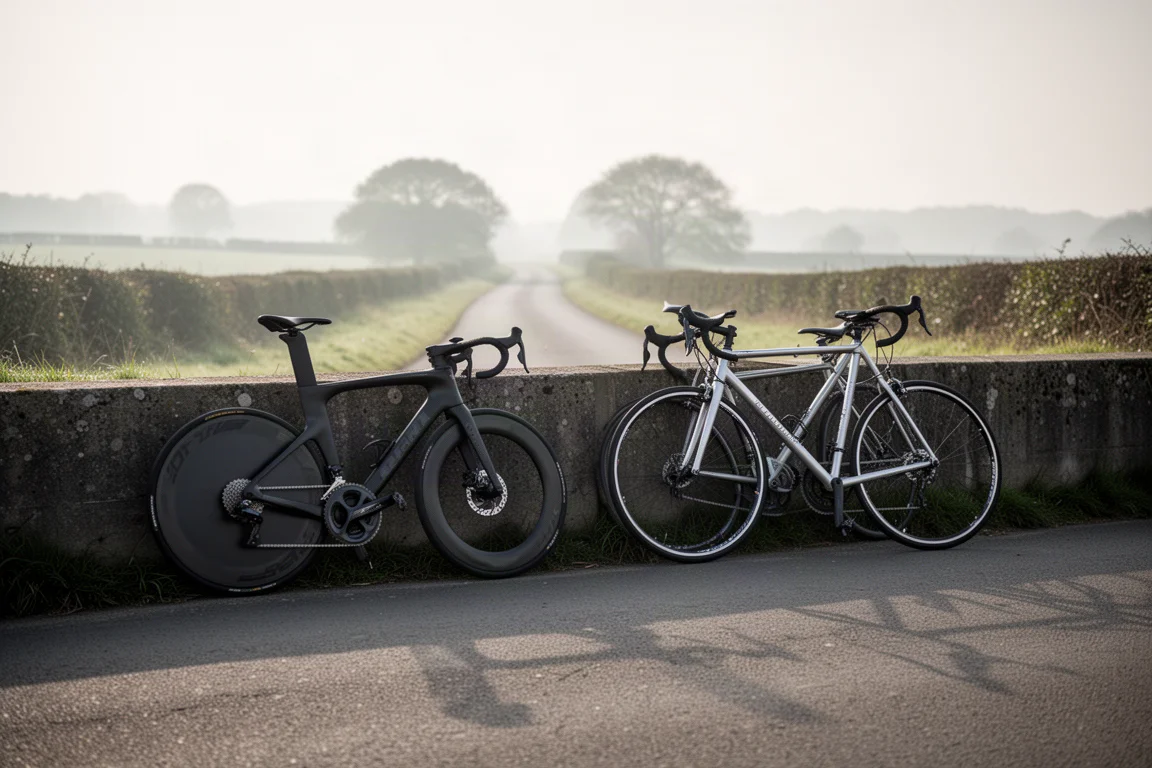
Swapping riders between the two bikes is what makes the numbers worth trusting. It removes most of the fitness variable and leaves the machine as the main difference.
Canyon Speedmax CFR: The Race Benchmark
The Canyon Speedmax CFR is the opposite end of the market from the budget road bike, and it is built to prove it. The frame uses tubing shaped through computational fluid dynamics and validated in the wind tunnel, with a thin carbon fibre layup. It is a design that has been raced at world championship level in long-distance triathlon.
The build on test ran a Shimano Ultegra Di2 12-speed groupset, so shifting is electronic and reachable from the extensions and the base bar. In the tested configuration it weighed in at just under 10 kg.
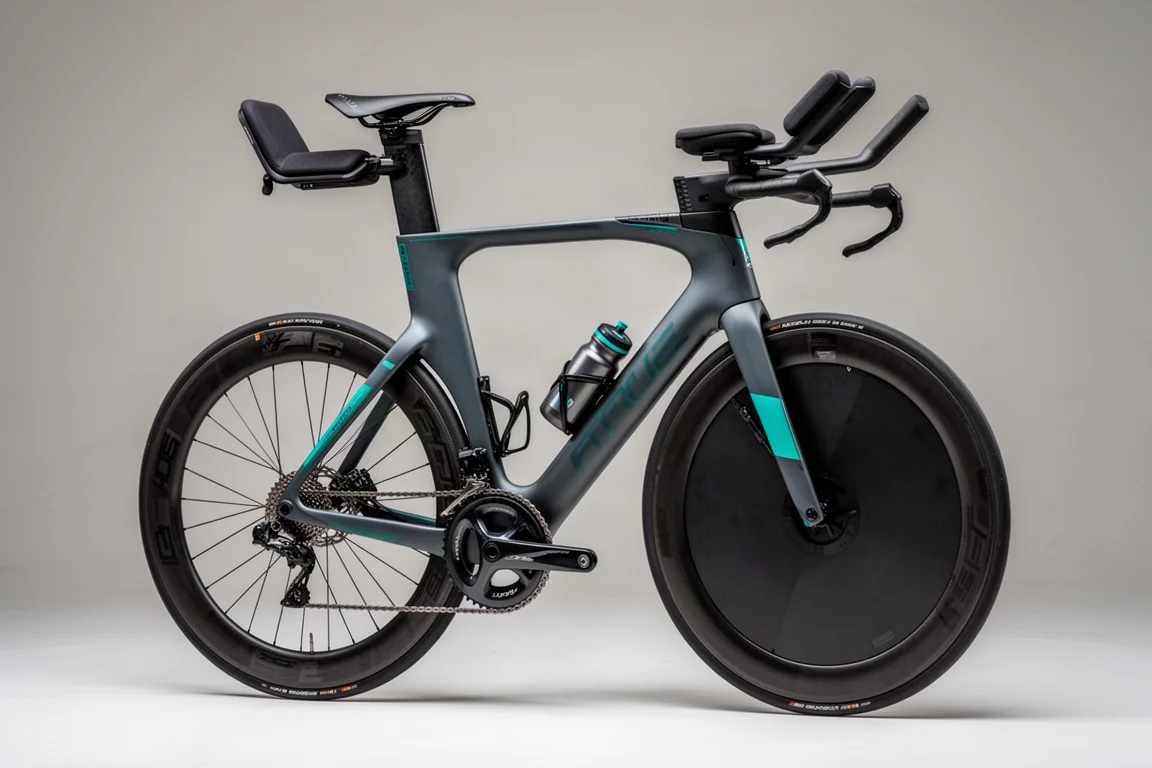
The whole package is aimed at one thing: holding a fast position for hours and losing as little energy to the air as possible. It is not a bike designed to be versatile, and it does not pretend to be.
Triban RC 120: What You Get at the Entry Point
The Triban RC 120 comes from Decathlon and costs £449. For that money you get a disc-brake road bike with a Shimano eight-speed groupset, tubeless-ready wheels, a bell and lights. Curiously, the wheels are tubeless-ready but the tyres supplied are not.
It weighs 11.3 kg, roughly a kilo and a half more than the race bike, and that difference is felt on every climb. There are cheaper options in the range, including a rim-brake RC 120 that costs £100 less, and an RC 100 with rim brakes and fewer gears, but going below disc brakes is a compromise most riders will regret.

On the road, the RC 120 is comfortable and reasonably versatile. It simply does not cut through the air the way a race bike does, and in headwind sections that gap becomes obvious within a few pedal strokes.
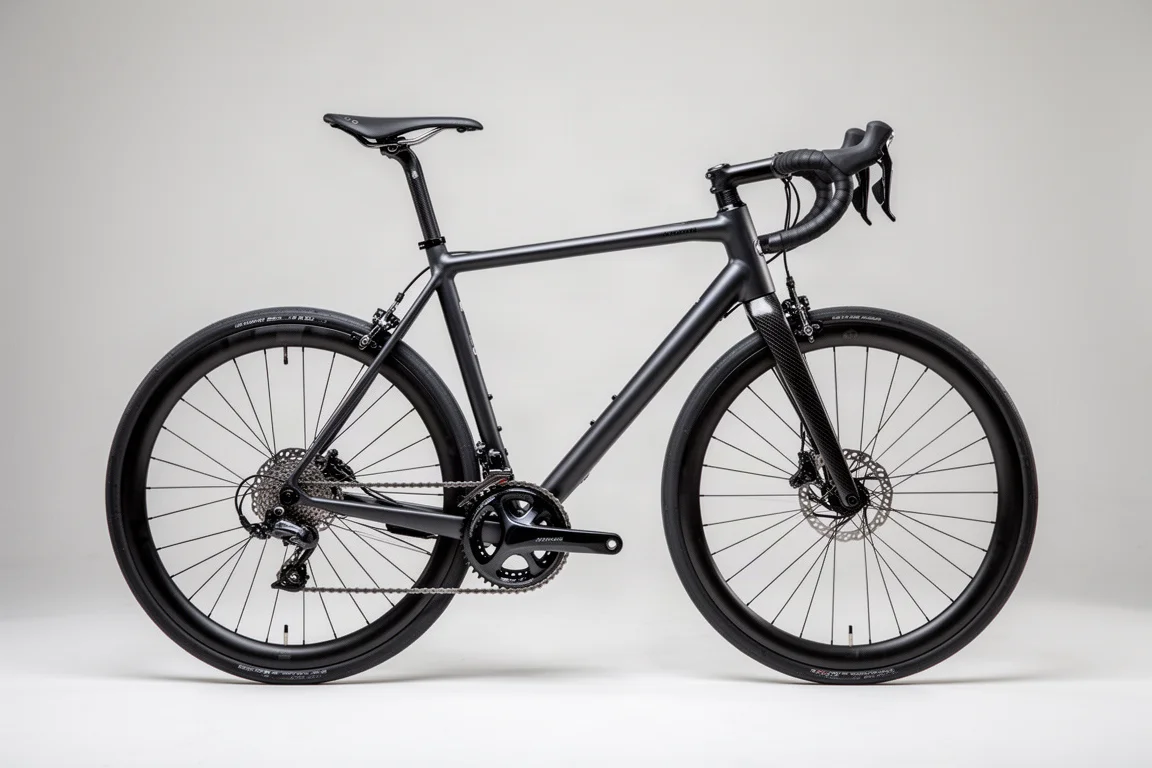
For a first road bike, or a bike that has to double as a commuter and a weekend ride, that is a defensible set of compromises. It is priced to be ridden, not raced.
DT Swiss ARC 1100: The Wheel Upgrade
The DT Swiss ARC 1100 disc wheel is the last piece of the puzzle on the race side. It replaces a spoked rear wheel with a closed disc, which is the classic aerodynamic upgrade for time trial and triathlon use.
Fitted to the Speedmax CFR for this test, it forms part of the same broad philosophy as the frame itself: reduce the amount of disturbed air behind the bike at speed. On a flat, fast effort, that is where a disc wheel is designed to pay back.
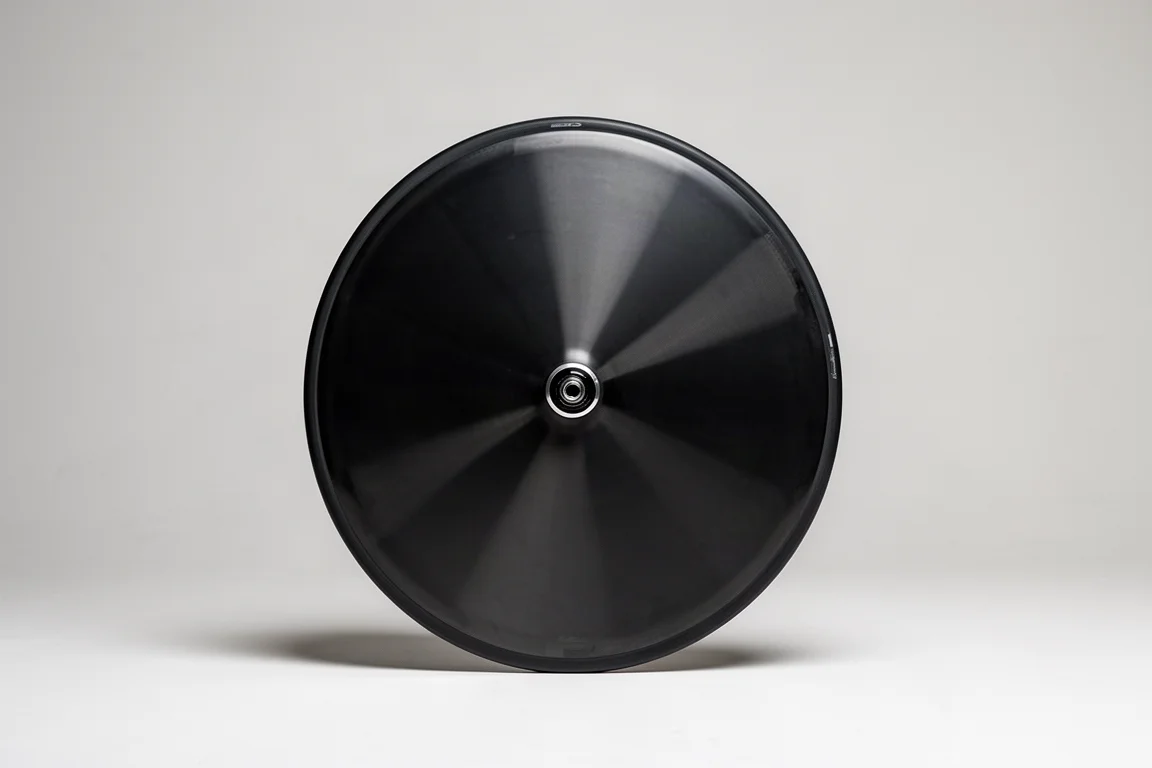
It is a single-purpose component rather than a practical all-rounder, and it only makes sense once the rest of the setup is already fast. For riders building towards a specific race, it is a logical final step.
What the Numbers Actually Show
The results were more dramatic than expected. On the race bike, one rider covered the 22 km loop in 35 minutes 42 seconds at an average of 322 watts. On the Triban, the same effort produced a time 3 minutes 47 seconds slower, with an average heart rate 8 beats per minute higher.
The second rider’s data told an even clearer story. On the Triban the lap took 39 minutes 34 seconds at an average of 258 watts, working out to roughly 34.7 km/h. On the Speedmax CFR the same loop took 36 minutes 5 seconds at an average speed of 38.1 km/h, and it was done on 25 watts less power.
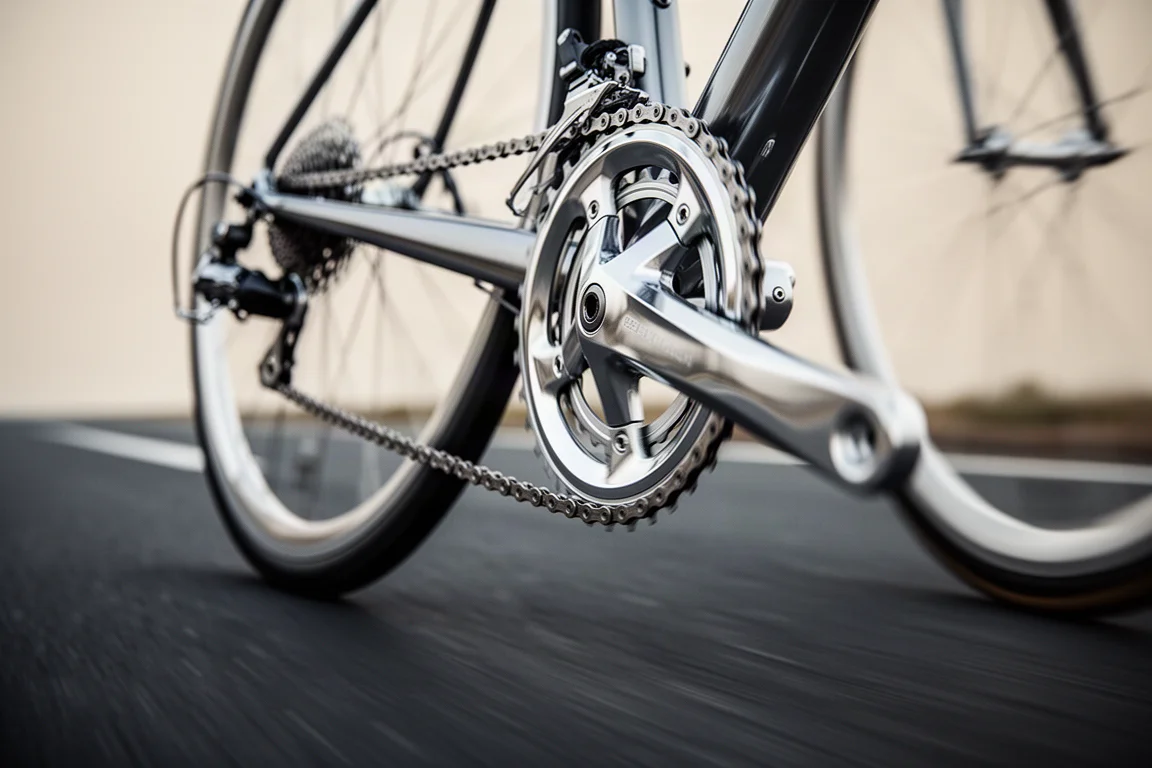
That is the part that stands out. More speed on less power is the definition of aerodynamic advantage, and the size of the gap here was well beyond what the riders anticipated going in.
Extrapolated across a full 180 km Ironman bike leg, the difference comes out at close to 30 minutes. Half an hour over that distance is not a marginal gain, and it is the clearest possible demonstration that speed can be bought, provided you are willing to pay for it.
Enjoyment, Comfort and How Often You Will Ride
Time is only one part of the story. The other part is whether the bike makes you want to go out again tomorrow.
On the race bike, the position felt dialled in and comfortable, and power flowed easily. On the affordable road bike, the experience was noticeably less enjoyable. The clip-on bars wandered under hard efforts, reaching for the gears required moving out of position, and the lever action of the entry-level groupset was less pleasant than the electronic shifting on the race bike. Individually these are small things. Over the length of a long-distance race, they add up.
That matters more than it first appears. A bike you genuinely enjoy riding gets ridden more often, and a bike you avoid gets ridden less. If the race bike turns a hard session into something you look forward to, the real-world performance gap may end up wider than the test numbers suggest. The budget bike, by contrast, was fast enough to be respectable and comfortable enough to live with, but it did not inspire the same enthusiasm.
Buying Advice: Which Bike Suits Which Rider
The honest conclusion is that you get what you pay for, but the value calculation depends entirely on what you want from the bike.
If you are chasing a personal best over a long-distance triathlon and the bike is the last variable you can still change, the aerodynamic advantage measured here is substantial and repeatable. That is the clearest case for a dedicated race machine.
If you are new to the sport, riding for fitness, or need one bike that covers commuting, training and the occasional event, the Triban RC 120 does a lot for £449. It is comfortable, versatile and comes with disc brakes, and nothing about it makes the sport less enjoyable in normal use. Disc brakes in particular are worth keeping, since the cheaper rim-brake alternatives cost money you will likely spend later.
The disc wheel belongs in a narrower category again. It is a genuine aerodynamic upgrade, but it only makes sense once you already have a fast frame, a good position and a clear target race on the calendar.
Conclusion
Speed is buyable. In this test, the difference between an entry-level disc-brake road bike and a purpose-built triathlon race bike was roughly 3.5 minutes over 22 km, and close to 30 minutes over a full Ironman bike leg. That is a serious amount of time.
What the numbers do not capture is how much the faster bike was enjoyed. The case for spending more is not only about the clock. It is about riding something that makes you want to train again tomorrow, because that habit is what ultimately produces the results.
Further reading
Related Reviews
Triathlon Bikes
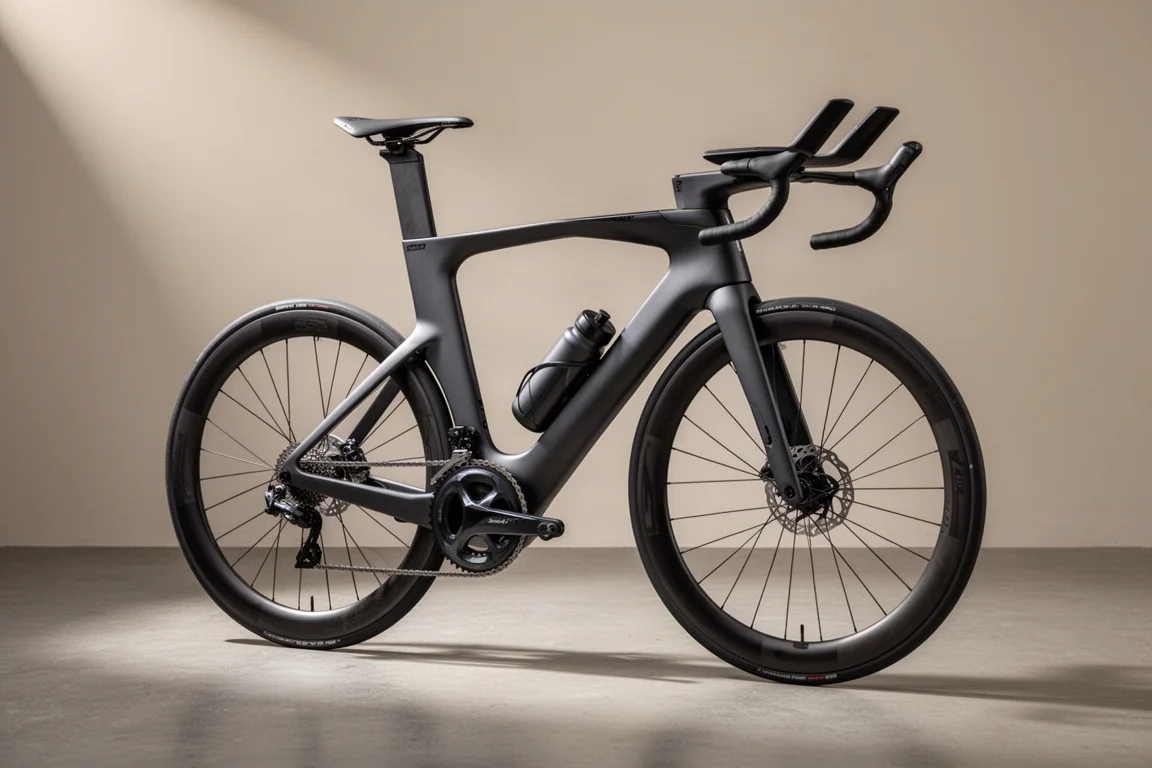
Best Triathlon Bikes 2026: Seven Race Bikes Compared
Seven triathlon bikes assessed on front-end adjustability, onboard hydration and storage, and value, from the most common bike in transition to lower-cost race options.
Triathlon Bikes
BMC Speedmachine Review: A Formula One-Informed Triathlon and TT Bike
The BMC Speedmachine pairs Red Bull Advanced Technologies aerodynamics with a redesigned frame, integrated hydration, and a 500 gram weight saving over BMC's previous triathlon platform.
Triathlon Bikes
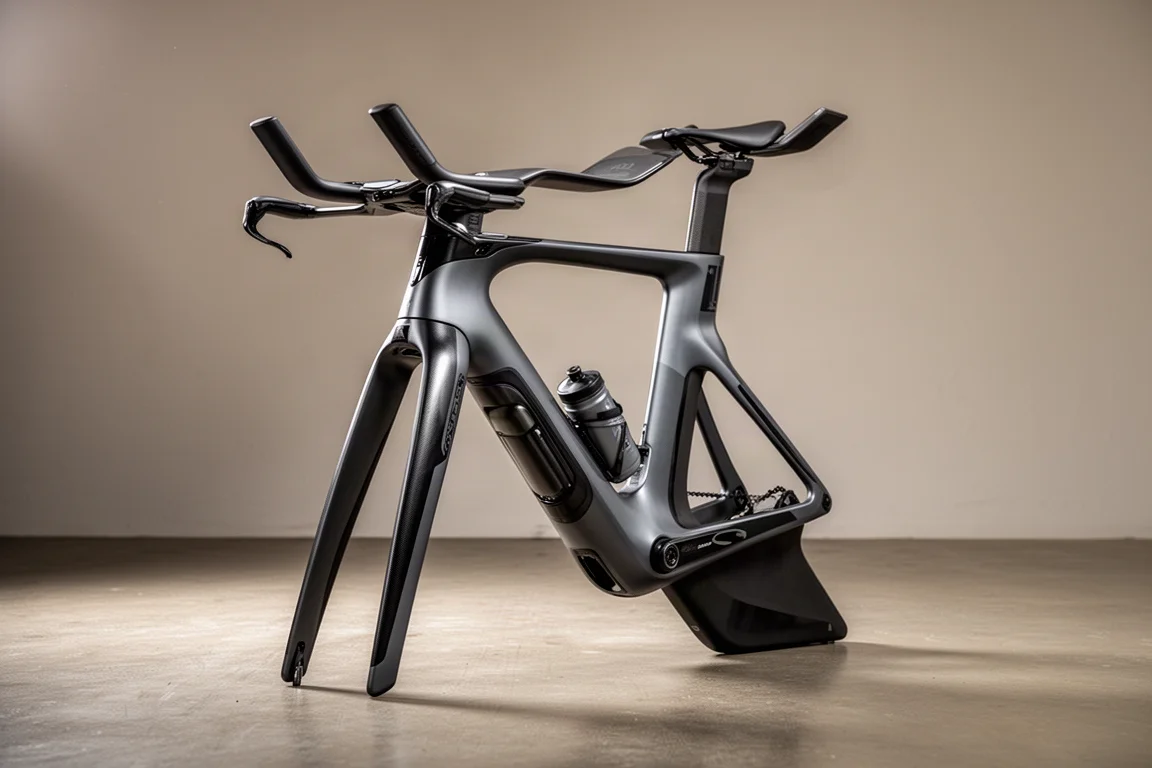
Cadex Tri Review: An Unconventional Triathlon Frameset Built Around the Rider
A close look at the Cadex Tri frameset, its integrated hydration and nutrition, its adjustable front end, and what to weigh before committing to such an unusual race bike.