Triathlon Bikes
BMC Speedmachine Review: A Formula One-Informed Triathlon and TT Bike
The BMC Speedmachine pairs Red Bull Advanced Technologies aerodynamics with a redesigned frame, integrated hydration, and a 500 gram weight saving over BMC's previous triathlon platform.
Introduction
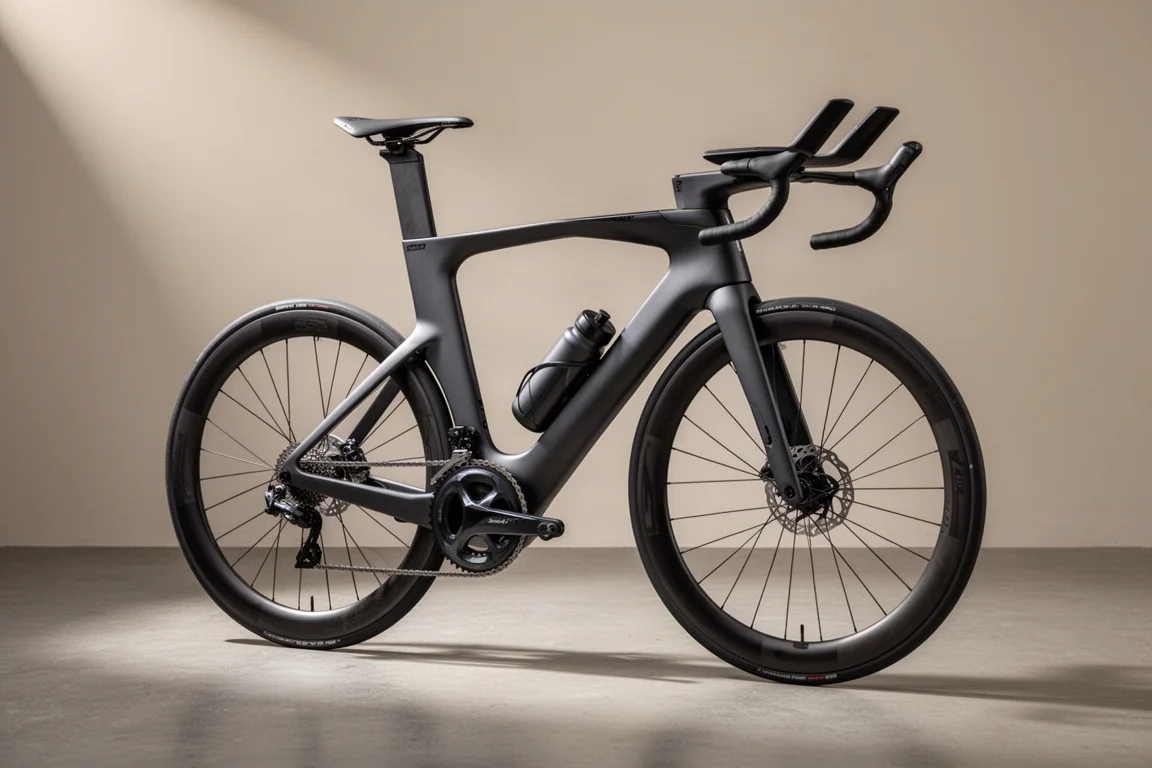
The BMC Speedmachine is the outcome of a five-year project that joins BMC and Red Bull Advanced Technologies with a stated goal of building the fastest time trial and triathlon bike in the world. The platform was presented around the men’s Ironman World Championships in Nice and ahead of the women’s race in Kona, following an earlier prototype that BMC professional triathletes raced during the previous season.
BMC says the bike was designed from the ground up rather than evolved from an existing frame, and the result is visually distinctive. Wide-stance forks with a thin internal fin, a large hydration reservoir on the down tube, and a teardrop shape at the base of the fork give the front end an unusually sculpted look. It can also be configured as a UCI-legal time trial bike, which broadens its appeal beyond long-course triathlon.
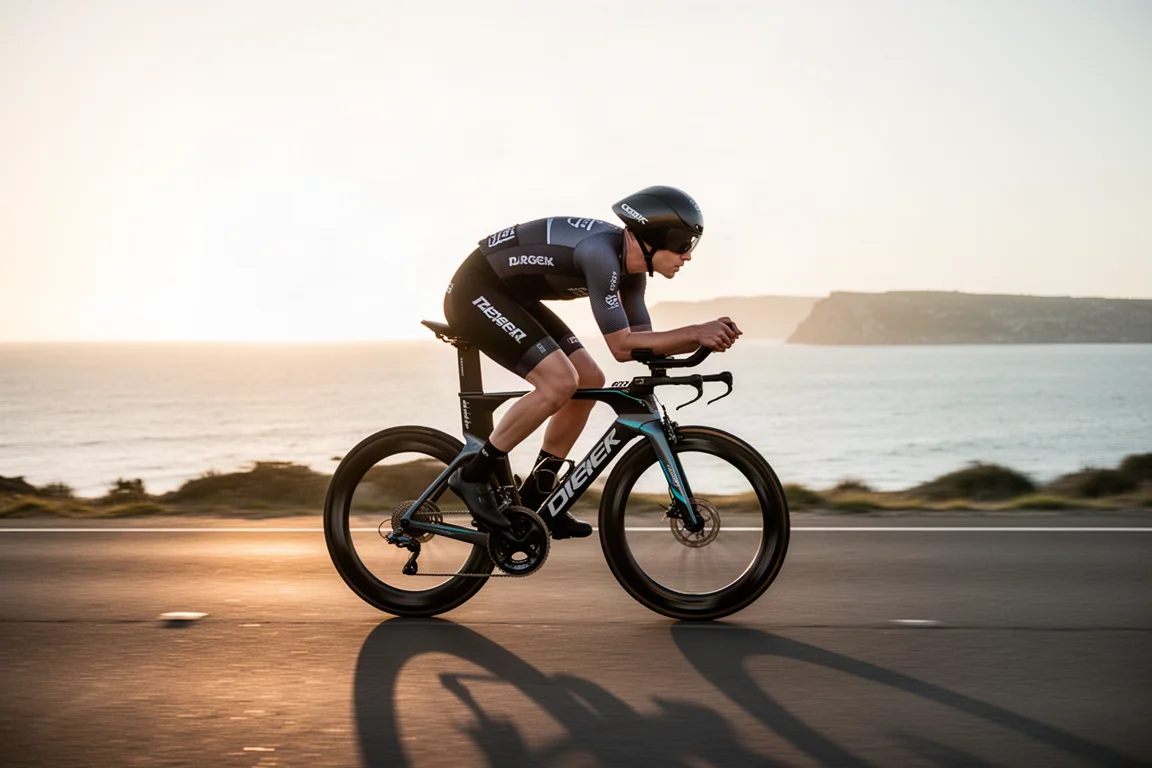
For riders weighing an upgrade, the headline claims are a lighter frame set and a handling-first design philosophy informed by motorsport aerodynamics. The sections below break down what the platform actually changes, where those changes matter, and which buyers will get the most from it.
Who This Bike Is For
The Speedmachine is aimed at committed athletes rather than casual riders. It targets triathletes racing long-course events who want integrated hydration and on-board storage without compromising aerodynamics, and time trial specialists who need a UCI-legal setup.
It also suits riders who value confident handling as much as outright drag figures. A bike that feels predictable in the aero position tends to produce better pacing and steadier bike splits over a long race day, and that appears to be the core of the design brief here.
Aero Detail and Airflow Control
Much of the Speedmachine’s development work went into controlling airflow across the front of the bike. The forks and seat stays use an airfoil profile, and the fork base carries a teardrop shape that reads almost like the hull of a ship. Small protruding sections at the front of the rear stays and forks create a deliberate offset between the profiles of the two faces, which BMC says disrupts a high-pressure zone and lets the airflow be guided more predictably.
The most unusual detail sits inside the fork, beneath the head tube. A spoiler or fin element is positioned to manage the air moving into the down tube, an approach that is rare on a time trial or triathlon frame.
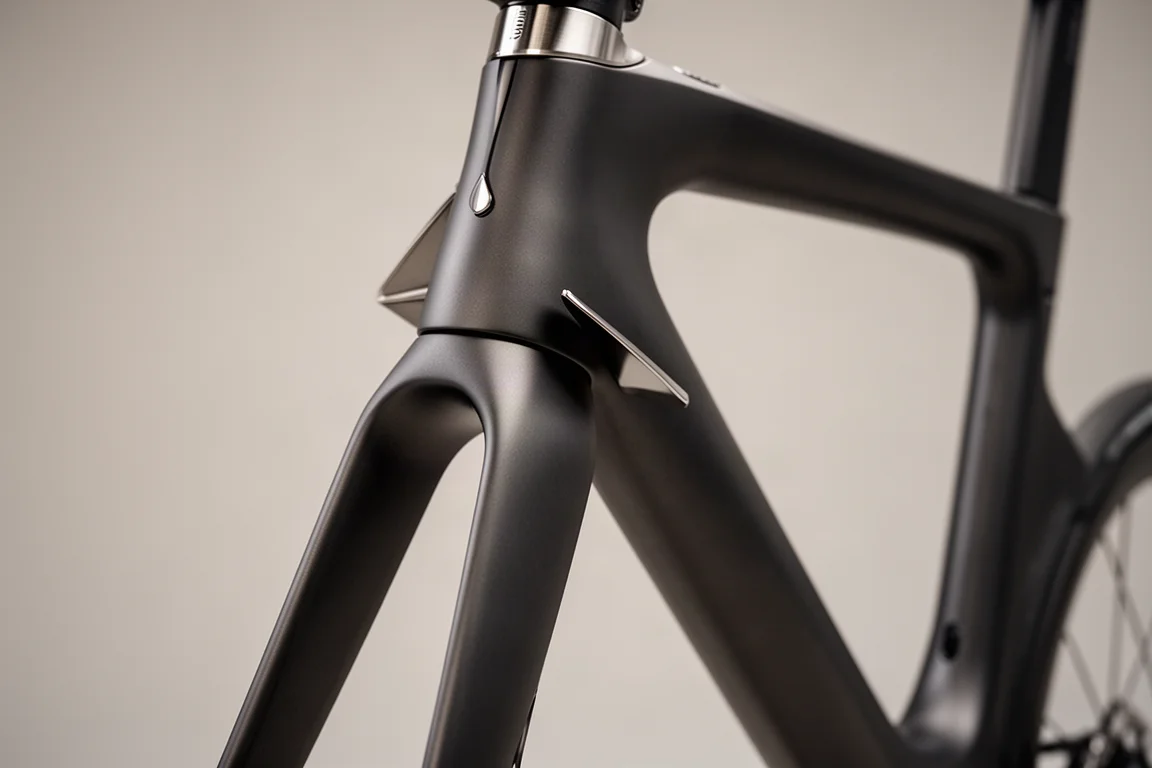
BMC states that the design was validated through computational fluid dynamics, wind tunnel sessions, and a greater volume of real-world testing than the brand has carried out before. Geometry also plays a part in the feel, with a radical head tube angle and specific rake and trail dimensions shaping how the front end responds.
Handling and Rider Feel
Handling sat at the forefront of the design process alongside aerodynamics and integration. Red Bull brought research from its work on driver feel, studying how a driver connects with a Formula One car, and applied the same thinking to what the two companies describe as rider feel: how connected a rider is to the bike beneath them.
The reasoning is straightforward. If a rider can anticipate how the bike will react, they gain confidence, spend less energy correcting or hesitating, and can consider deeper, faster wheel choices without losing composure in crosswinds or on technical sections. The frame also incorporates a lower, more stable front-end character that BMC credits partly to where the hydration mass sits.
Integration and On-Board Storage
The hydration system is a full 1.2 litre reservoir built into the down tube and positioned low, near the bottom bracket. That placement serves two purposes: it fills a large aerodynamic void in the frame, and it lowers the centre of mass for added stability.
The drinking straw is routed outside the frame, tucked neatly behind the down tube, then runs through the head tube and emerges at the top before attaching to the aerobars with a magnet, so it stays accessible without the rider leaving the aero position. The reservoir can be refilled on the move. For UCI-legal time trial use it can be swapped for a smaller 400 millilitre tank.
A separate storage unit mounts behind the seat tube for spares, and it includes a small light on the rear face. It is a practical addition for triathletes who would otherwise strap equipment to the frame in ways that cost aerodynamic performance.
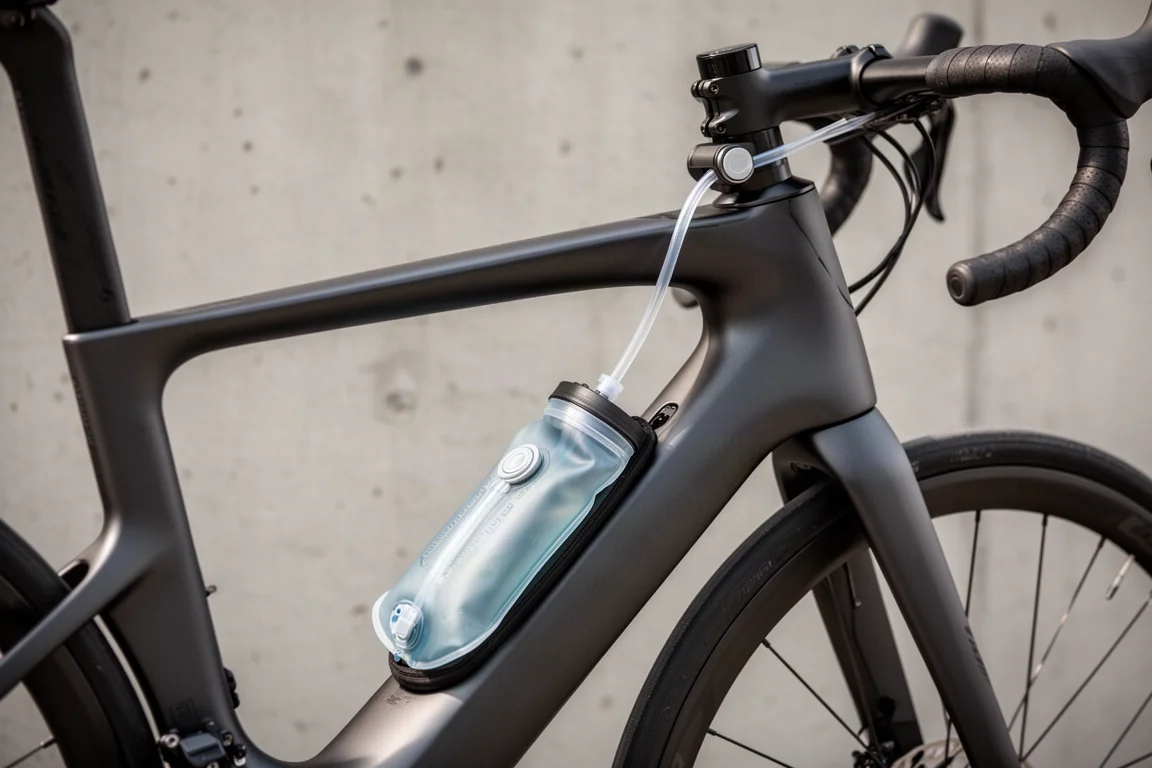
For athletes racing long-course events, this level of integration removes several common compromises around fluid capacity, flat kit storage, and rear visibility.
Frame Weight and Model Range
BMC reports a frame set weight reduction of 500 grams compared with its previous triathlon bike, a meaningful figure for a platform that also carries a full hydration reservoir. On a course with significant climbing, that saving compounds the aerodynamic work rather than working against it.
Three models will be offered. The 01 Mod is the lower specification build, the 01 Two sits in the middle, and the 01 Limited is the top specification. The bike launches now, with sales starting at the beginning of November.
Things to Consider Before Buying
This is a specialist race platform, and it is priced and specified as one. Riders who split their time between recreational riding and racing should think carefully about whether a dedicated time trial or triathlon frame fits their riding mix, since the position and handling are tuned for competition rather than everyday comfort.
The integrated hydration system is a genuine advantage in long-course racing, but it also means routine cleaning and maintenance involve more steps than a conventional bottle setup, particularly if the reservoir is used with sports drink. Anyone who prefers to swap components frequently should also note how much of the front end is purpose-built around the frame’s own design.
Fit matters more than usual here. The geometry, fork design, and rider feel philosophy are all aimed at a specific competitive posture, so a proper fit session is worth arranging before committing. Riders who need a UCI-legal configuration should confirm the 400 millilitre tank setup and the required component choices at the point of purchase.
Buying Advice
The Speedmachine makes the most sense for triathletes and time trialists who race seriously and want integration handled by the frame instead of bolted on afterwards. The combination of a 1.2 litre reservoir, on-frame storage, and a race-tuned front end is unusually complete, and the 500 gram frame set reduction strengthens the case for hilly courses.
Buyers comparing the three models should start with the specification level that matches their existing wheels and components, then decide whether the top-tier 01 Limited build offers the parts they actually want. Because sales begin in November, anyone targeting a specific race calendar should plan the purchase and fit window accordingly.
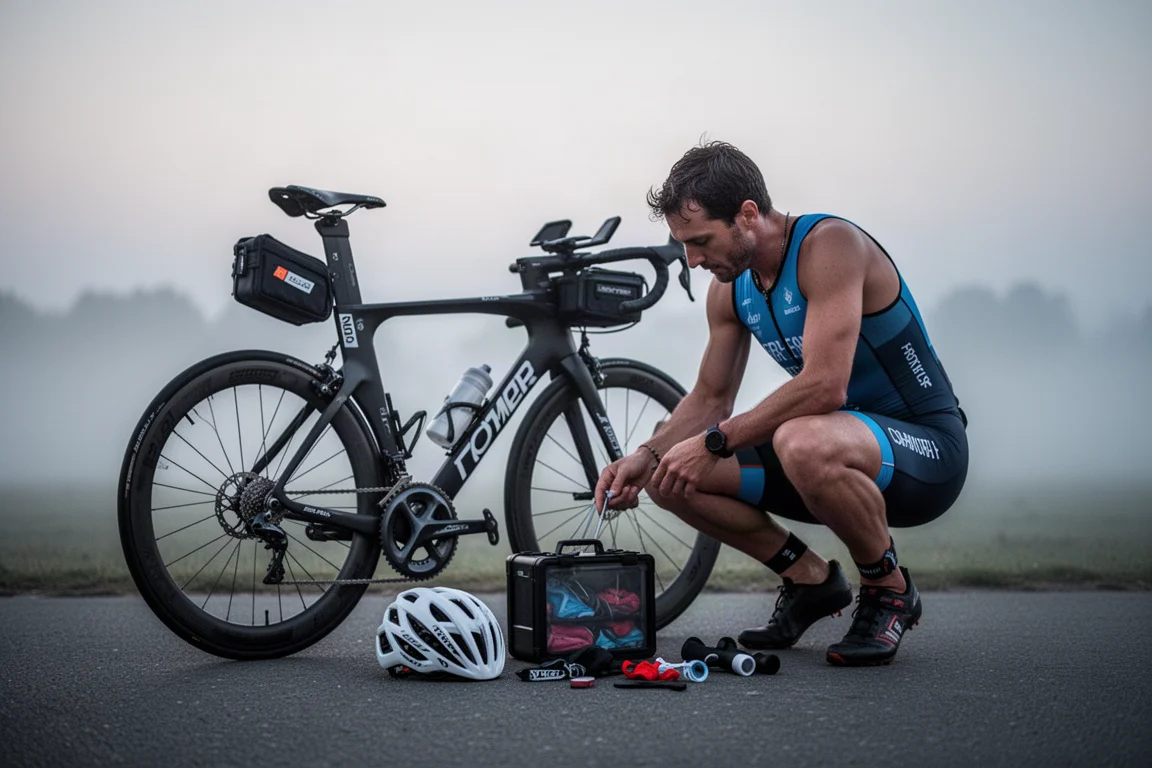
If the priority is a confident, well-integrated race bike that supports long efforts without extra clutter, this platform is built directly around that brief. If the priority is a versatile all-round road bike, a dedicated TT and triathlon frame will always involve trade-offs.
Conclusion
The BMC Speedmachine is a genuinely different approach to a triathlon and time trial bike, and the Formula One-informed development process shows in the details: the internal fork fin, the airflow management around the rear triangle, the low-slung hydration reservoir, and the focus on rider confidence rather than drag figures alone. Add the 500 gram frame set weight saving and UCI-legal configurability, and it covers both long-course racing and time trial use.
For riders whose season revolves around race day, the Speedmachine is a platform worth shortlisting, particularly in the specification that best matches components they already trust. Confirm your fit, decide on the model tier, and time the purchase around the November sales start.
Product link
View more details for BMC Speedmachine
This product is mentioned in the review. Check the specifications, options, and compatibility before buying.
View more details for BMC SpeedmachineFurther reading
Related Reviews
Triathlon Bikes
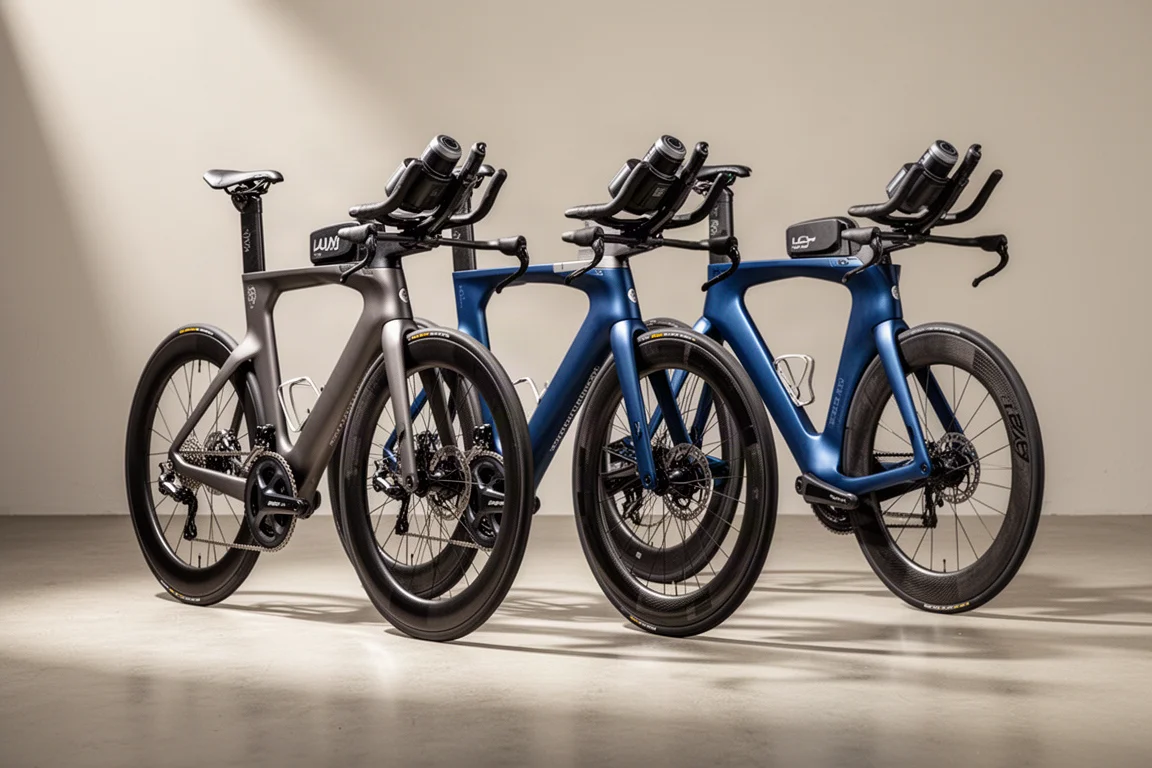
Best Triathlon Bikes 2026: Seven Race Bikes Compared
Seven triathlon bikes assessed on front-end adjustability, onboard hydration and storage, and value, from the most common bike in transition to lower-cost race options.
Triathlon Bikes
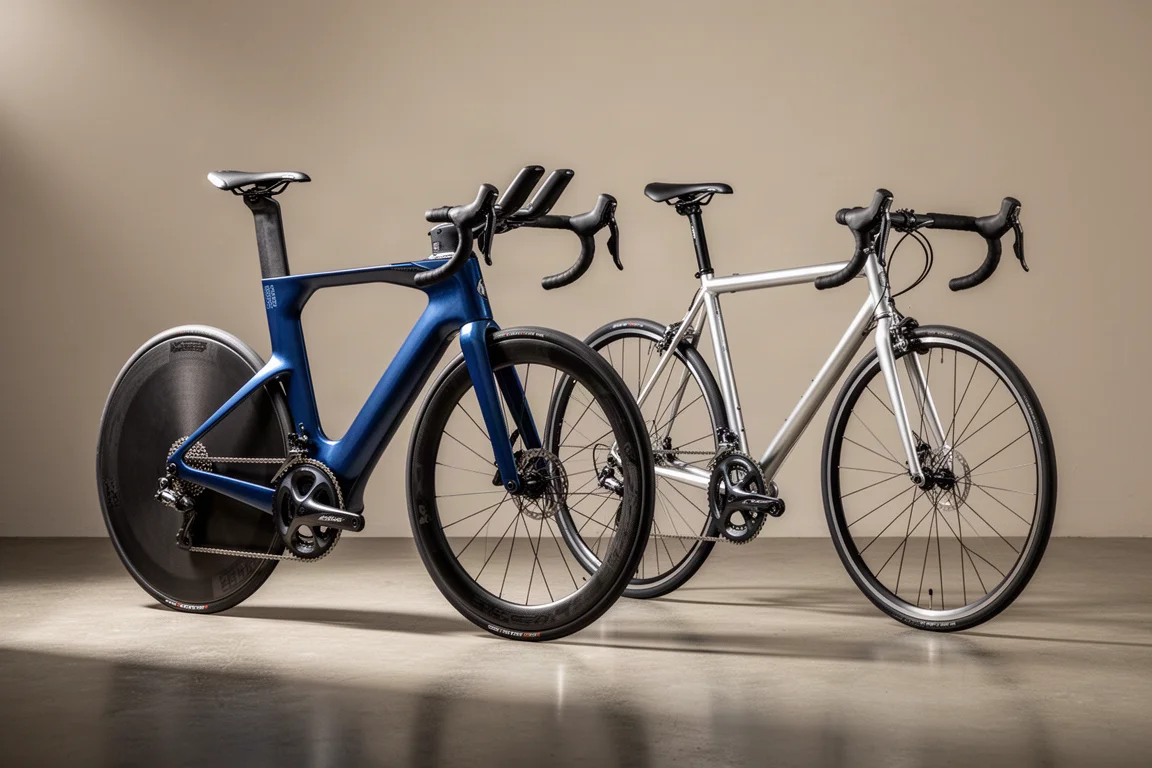
Buying Speed: Canyon Speedmax CFR vs Triban RC 120 Road Test
A head-to-head 22 km test of a premium triathlon race bike, an affordable disc-brake road bike, and a disc wheel upgrade, with the numbers and the trade-offs that matter.
Triathlon Bikes
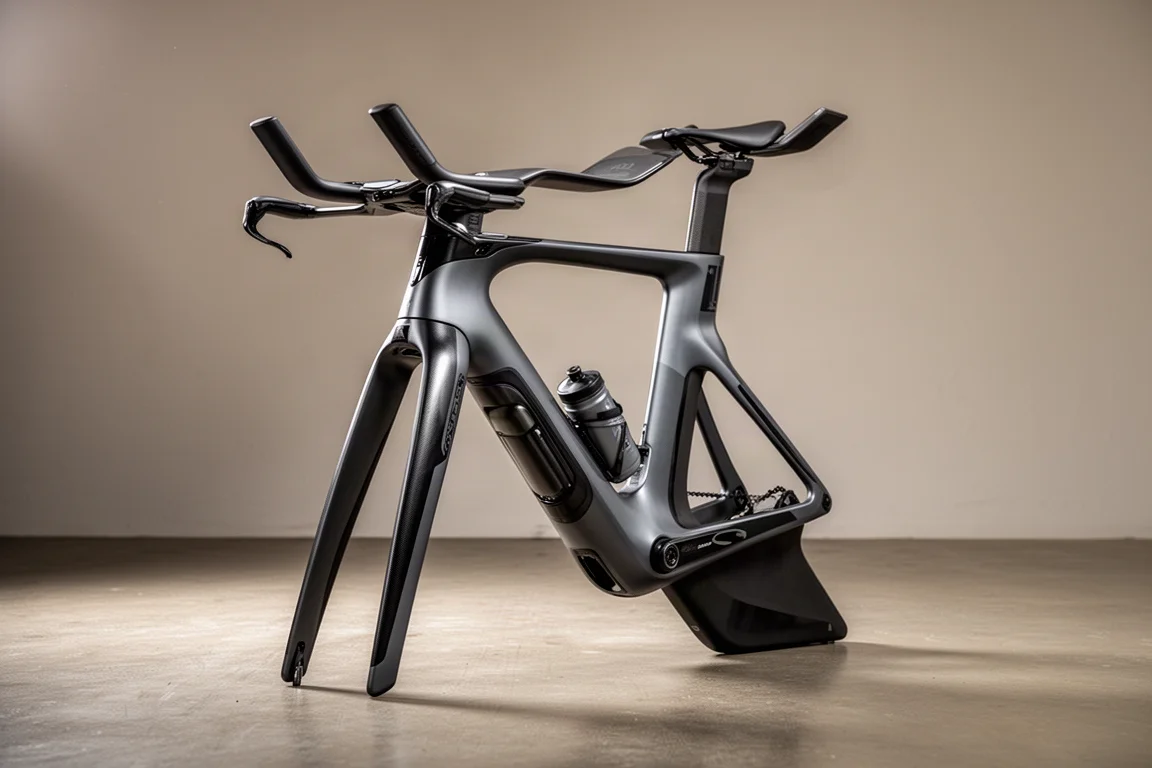
Cadex Tri Review: An Unconventional Triathlon Frameset Built Around the Rider
A close look at the Cadex Tri frameset, its integrated hydration and nutrition, its adjustable front end, and what to weigh before committing to such an unusual race bike.