Camping Tents
USMC Combat 2 Tent Review: Setup Process, Strengths, and Buying Advice
A practical look at the USMC Combat 2 tent, covering how the setup process works, what makes it a rugged four-season shelter, and the trade-offs to weigh before buying.
Introduction
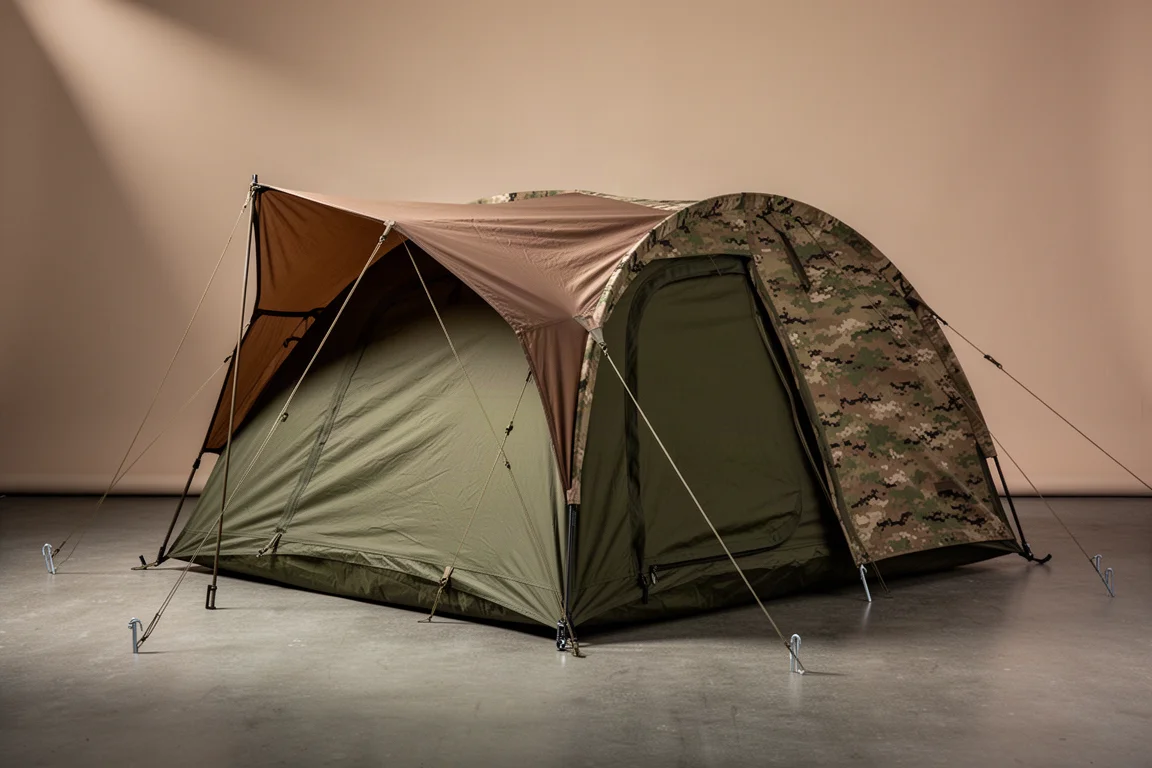
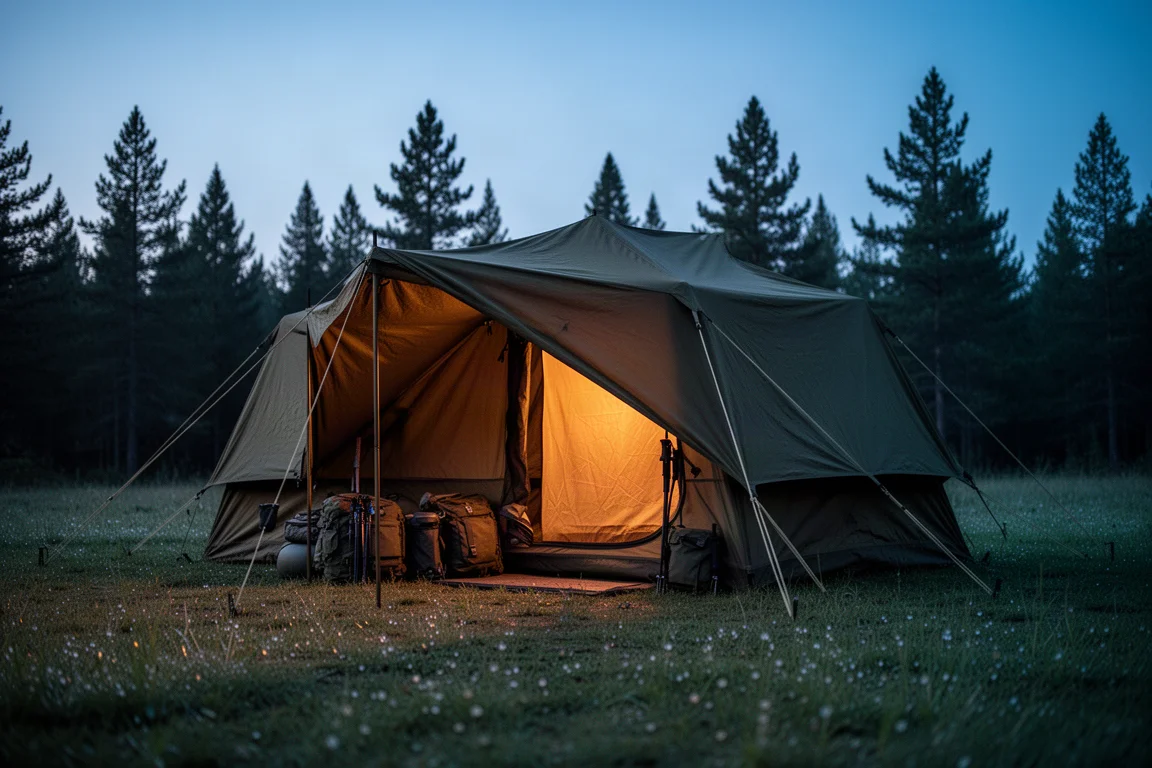
The Combat 2 is a military surplus four-season tent that carries the United States Marine Corps name, and it remains a popular pick among campers who want a shelter built for hard use rather than weekend convenience. Several manufacturers have produced versions of this tent, including Eureka, Diamond Brand, and Light Fighter, and the setup process is the same across all of them. That means the steps below apply whether you find one at a surplus store or buy a current-production version.
What follows is a practical walkthrough of how the tent goes together, where the process slows down, and who will get the most out of it.
What Comes With the Combat 2 and the First Steps of Setup
The tent breaks down into a handful of components: the body, the fly, a storage bag for the fly, three poles, the tent stakes, and a main storage bag. A ground sheet is not part of the package, although the manufacturer does make one that can be bought separately. A lightweight ground sheet of your own works just as well, and it is worth using because it protects the floor of the tent and keeps the underside cleaner.
Setup starts with the body laid flat on the ground and unfolded. Before anything else, decide whether to stake it out. In calm conditions you can wait, but in wind it is worth staking one side and leaving the other side free. The reason is practical: the three poles run through sleeves that cross the body, and leaving one side loose keeps those sleeves easy to reach.
Insert all three poles fully into their sleeves before you try to raise the tent. Rushing this step leads to poles that bind or sleeves that twist.
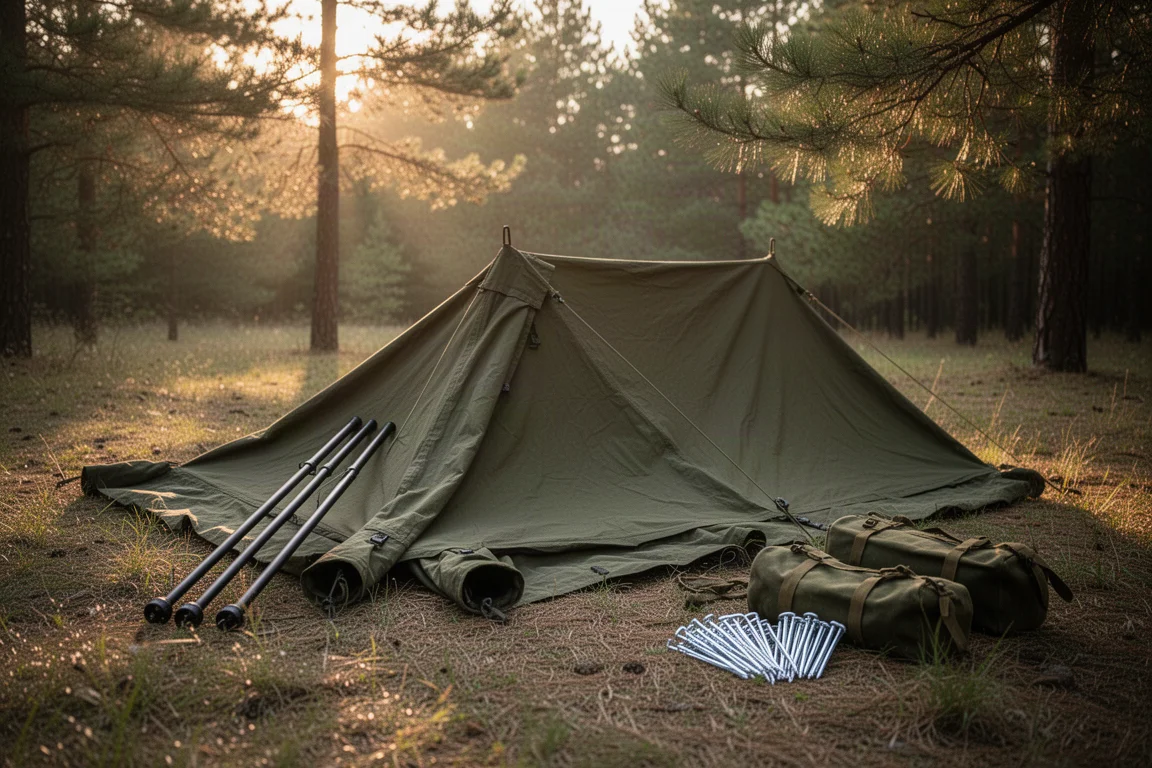
Once the poles are seated, attach them to the grommets at the ends of the body. There are two grommets at each connection point on this design. Use the outer grommet first. If the tent stays pitched for an extended period and the material stretches, you can move the poles to the inner grommets to take up the slack. With the poles seated, the tent can be raised and the body staked out.
Who This Tent Is For
The Combat 2 suits campers who want a rugged, weather-capable shelter and are willing to spend time getting it pitched correctly. It is a four-season military design, so it is aimed at people who camp in wind, cold, and unsettled conditions, and who value a full fly and solid staking over a fast pitch.
It is a poor match for anyone who breaks camp every morning before sunrise, moves between sites frequently, or wants a shelter they can throw up in a couple of minutes. A highly proficient user can complete the setup in roughly 10 to 15 minutes. Everyone else should expect longer, especially the first few times.
Main Strengths: A Burly Four-Season Shelter
The Combat 2 is a burly shelter, built along the same lines as other four-season military tents, and most of its strengths come from that construction philosophy rather than from clever features.
- Reversible fly: the fly can be flipped, so you can pitch it with the camouflage side facing out or the coyote brown side facing out, depending on the setting.
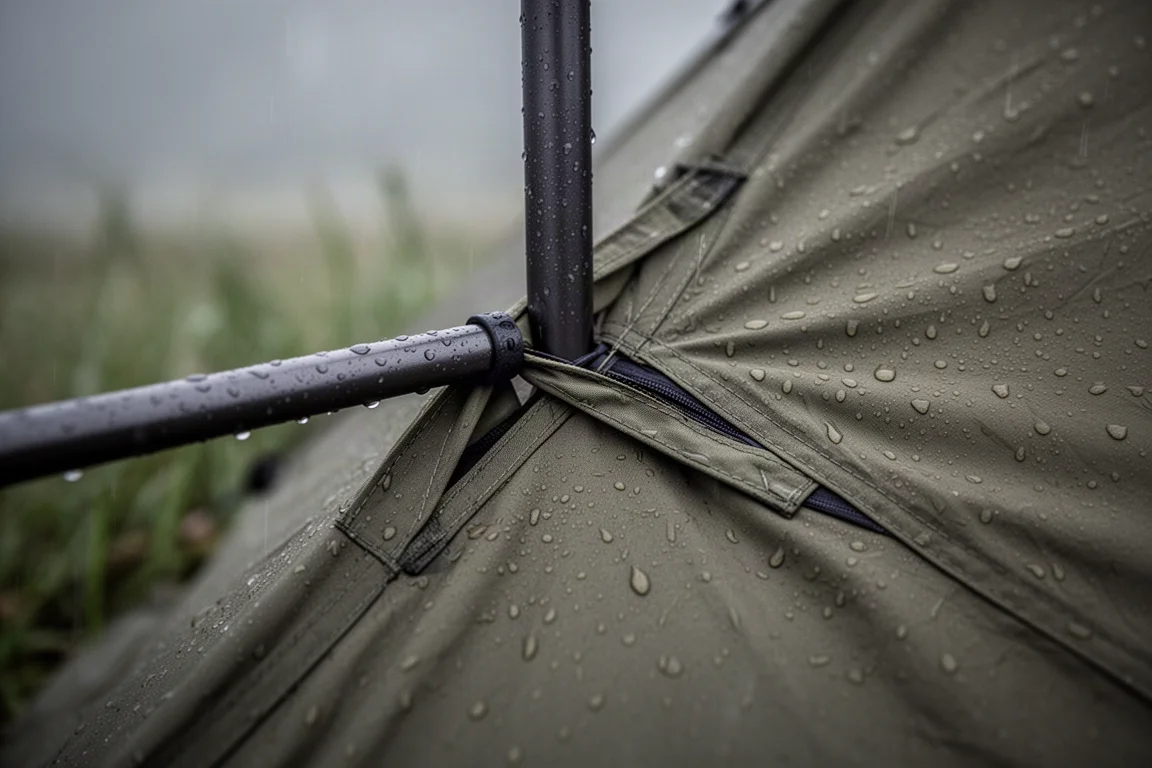
- Velcro attachment along every exposed pole section: the fly is tied to the frame rather than simply draped over it, which adds stability in poor weather.
- Adjustable grommet system: the dual grommets at each pole end let you take up fabric stretch after long deployments.
- Stakeable doors and a tensionable fly: once the doors are staked out, the fly can be pulled tight around the body and adjusted.
Those details matter most on longer trips, where a shelter has to stay taut through wind, rain, and temperature swings without constant attention.
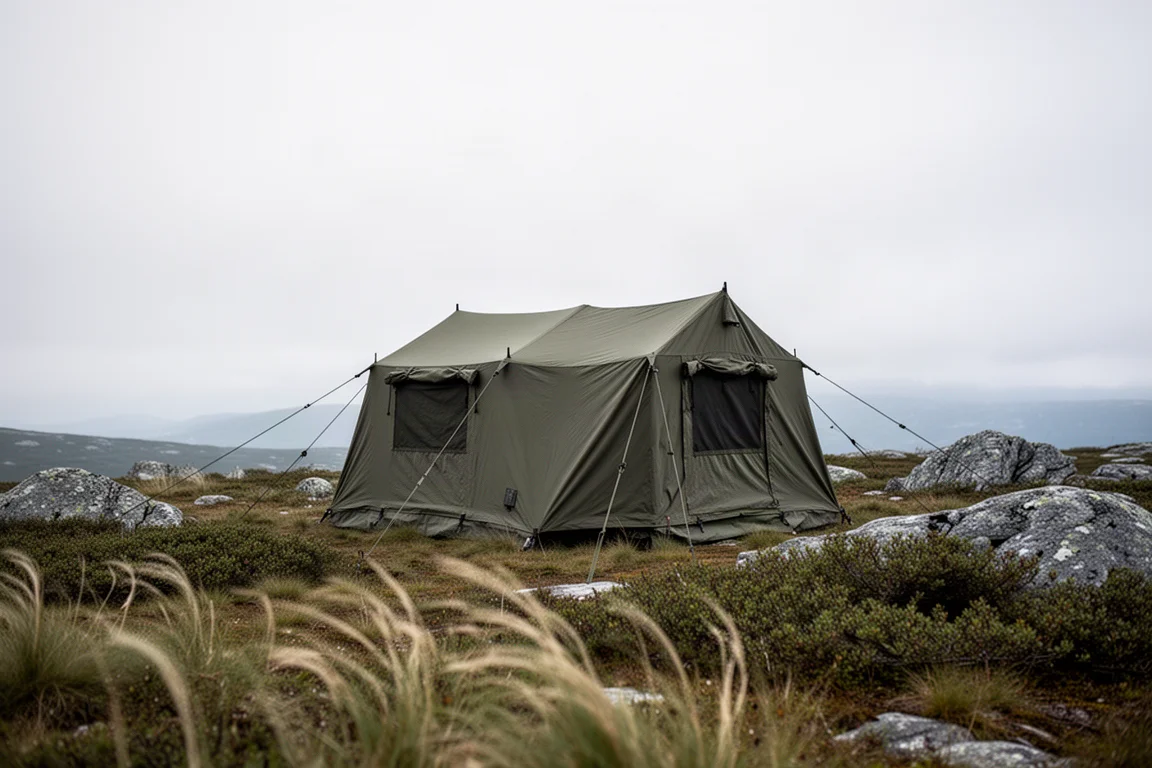
It is also a design that assumes the user will learn it. Nothing about the tent is fragile, and nothing about it is disposable, which is exactly what buyers of surplus military gear tend to be looking for.
Working With the Reversible Fly
The fly is reversible, with a camouflage side and a coyote brown side, so decide which way you want it before you start. Throw it over the body and work from one side: buckle the fly in, connect the center grommet, then connect the second buckle. Pull the fly back and begin connecting the Velcro straps to the poles. Every section of exposed pole has Velcro wrapped around it to join the fly to the body. In fair conditions you can skip those straps. In wind, they should all be connected. Finish the second side the same way, buckles first and then the center connection.
From there, stake out the doors, pull the fly tight around the body, and make your final adjustments.
One shape detail matters here. One door is straight and flat, while the other side has a pole that arches over the body. The fly has a seam that matches that arch. If the seam and the arch do not line up, the fly will not fit correctly, so check the orientation before you commit to buckling everything down.
Where the Setup Process Gets Fiddly
The biggest slowdown is feeding the poles through the sleeves. The sleeves are interrupted by gaps, so a pole does not slide cleanly from one end to the other. You push it through, walk to the gap, push it through again, and repeat. It is not difficult, but it is slow, and it adds real time to the pitch.
Weather makes it worse. If you are setting the tent up in rain, the poles get wet and the sleeves get sticky, and the sliding gets harder still.
The fly adds its own steps. The orientation has to be right, and in windy conditions you have to connect every Velcro strap, which is a lot of straps and an easy place to lose track.
On a scale where 1 is very simple and 10 is very difficult, this tent lands around a 5 or 6. There are enough steps that a mistake early on usually means going back and redoing it. Pitching in the rain is a particular weak point: the inner will get wet, though not as badly as it would with a fully mesh body. Some other four-season military tents can be pitched in rain without that problem, and some are simply faster to set up.
None of this makes the Combat 2 a bad choice. It makes it a tent that rewards practice and punishes improvisation.
Things to Consider Before Buying
- Setup time is the main commitment. Budget 10 to 15 minutes for a clean pitch once you are proficient, and expect more while you are learning the sequence.
- The ground sheet is sold separately. Plan for one, or bring a lightweight sheet of your own to protect the floor.
- Pitching in rain is awkward. The inner will get wet during a wet setup, and wet poles make the sleeves harder to work with.
- Practice before your trip. The sequence has enough steps that a dry run at home saves real frustration later.
- Check the fly orientation first. Camo or coyote brown, and the seam has to line up with the arched pole.
Buying Advice: Matching the Combat 2 to Your Camping Style
The Combat 2 makes sense for campers who want a rugged four-season military shelter, plan to camp in cold and windy conditions, and do not mind a slower, more deliberate setup. It also makes sense if you prefer a surplus shelter that can be tensioned and adjusted over a long deployment rather than a tent built around a fast pitch.
Because the setup process is identical across the Eureka, Diamond Brand, and Light Fighter versions, you can shop any of them with the same expectations. If setup speed in bad weather is your top priority, there are other four-season military tents, such as the Light Fighter Catamount, that pitch faster and can be set up in rain or snow. The Combat 2 is still a burly shelter in its own right. It simply asks more of you at camp.
Either way, the deciding factor is how you camp. If you pitch once and stay put, the extra minutes rarely matter. If you move every day, they will.
Conclusion
The USMC Combat 2 tent is a rugged four-season military shelter with a reversible fly, a Velcro-linked frame, and an adjustable grommet system that keeps it tensioned over long deployments. Its setup is the trade-off. Pole sleeves broken up by gaps, a fly that has to be oriented correctly, and a long list of Velcro straps make the pitch slower than most modern tents. Rate it a 5 or 6 out of 10 for difficulty, and expect 10 to 15 minutes once you know the sequence.
If you want a burly surplus shelter and you are willing to learn the process, it is a solid choice. If fast pitching in bad weather matters most, compare it against the faster four-season military tents before you commit.
Product link
View more details for United States Marine Corps Combat 2 Tent
This product is mentioned in the review. Check the specifications, options, and compatibility before buying.
View more details for United States Marine Corps Combat 2 TentFurther reading
Related Reviews
Camping Tents
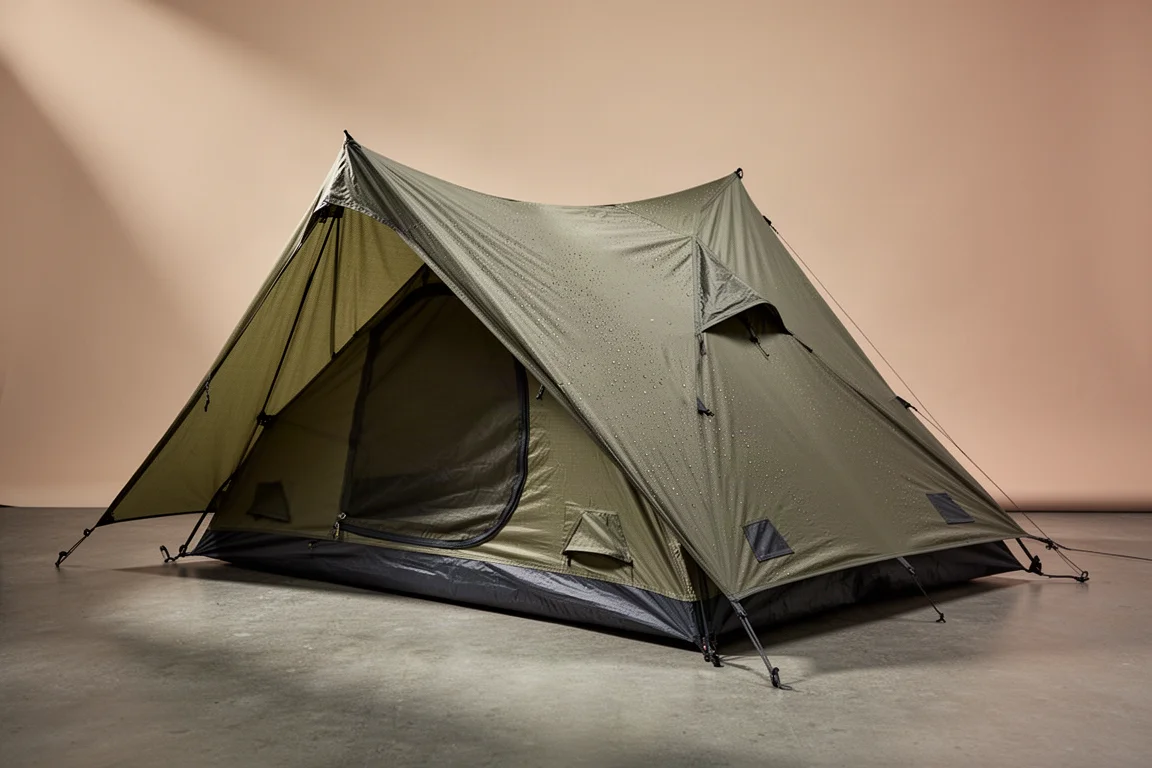
3F UL Gear Taiji Two-Person Tent Review: Field Waterproofing Results and Buying Advice
The Taiji pairs an attached fly with a removable inner, but sustained rain exposed untaped vent seams that need sealing before this shelter can be trusted.
Camping Tents
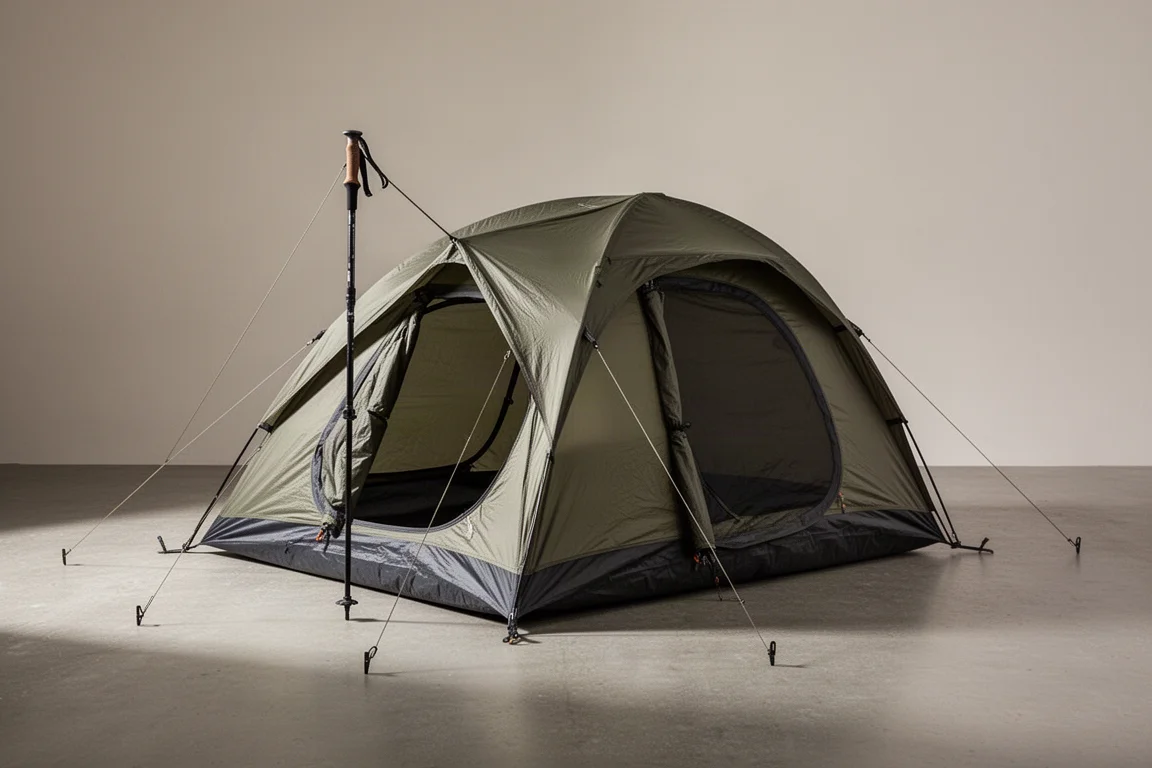
3FUL Gear Lanshan 2 Pro 4-Season Review: A Sub-$200 Single-Wall Trekking Pole Tent
An early look at the 3FUL Gear Lanshan 2 Pro 4-Season, covering its straightforward pitch, generous interior space, and the condensation and seam-sealing questions that come with any single-wall shelter.
Camping Tents
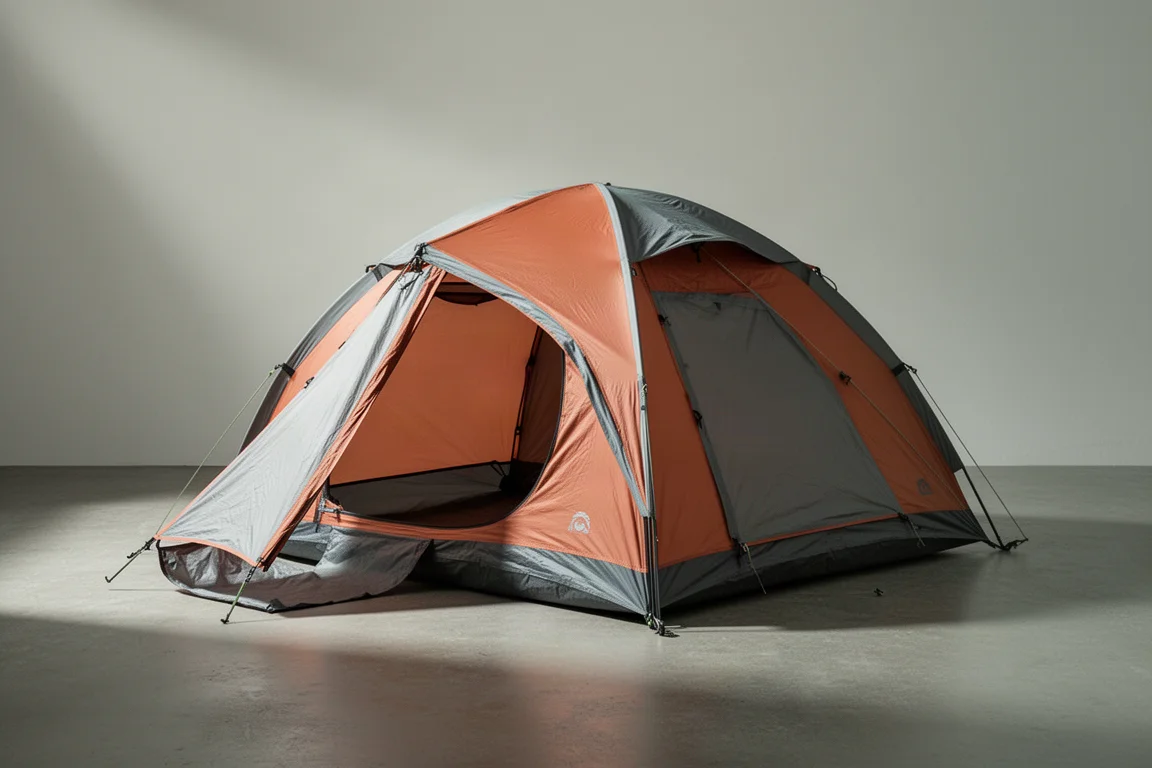
Alps Mountaineering Lynx 1-Person Tent Review: Big Value in a Small Budget Tent
A close look at the Alps Mountaineering Lynx 1-Person Tent, covering real interior dimensions, materials, setup time, ventilation limits, and who should buy it.