Sleeping Bags
U.S. Forestry Service Firefighter Sleeping Bag Review: A 1980 Surplus Cold Weather Bag
A practical look at the 1980 U.S. Forestry Service firefighter sleeping bag, covering its 30 degree rating, reversible design, packed size, and what a fair price looks like.
Introduction
The U.S. Forestry Service firefighter sleeping bag is a military surplus design that was first fielded in 1980, with the military version arriving in 1981. It was built as an intermediate cold weather sleeping system, and it carries a 30 degree comfort rating with a 20 degree push rating. A sewn in label identifies it as a general purpose synthetic filled sleeping bag made in 1980 by Tenor Industries Inc, a military contractor, and it lists the NATO stock number 8465011.
That label matters more than it might first appear. It confirms the bag was produced to military specifications using military materials, which is a useful reference point when surplus stock varies so widely in condition. Decades after it was made, this remains an easy bag to find on the surplus market, and the example reviewed here shows how well the original construction has held up.
Who This Product Is For
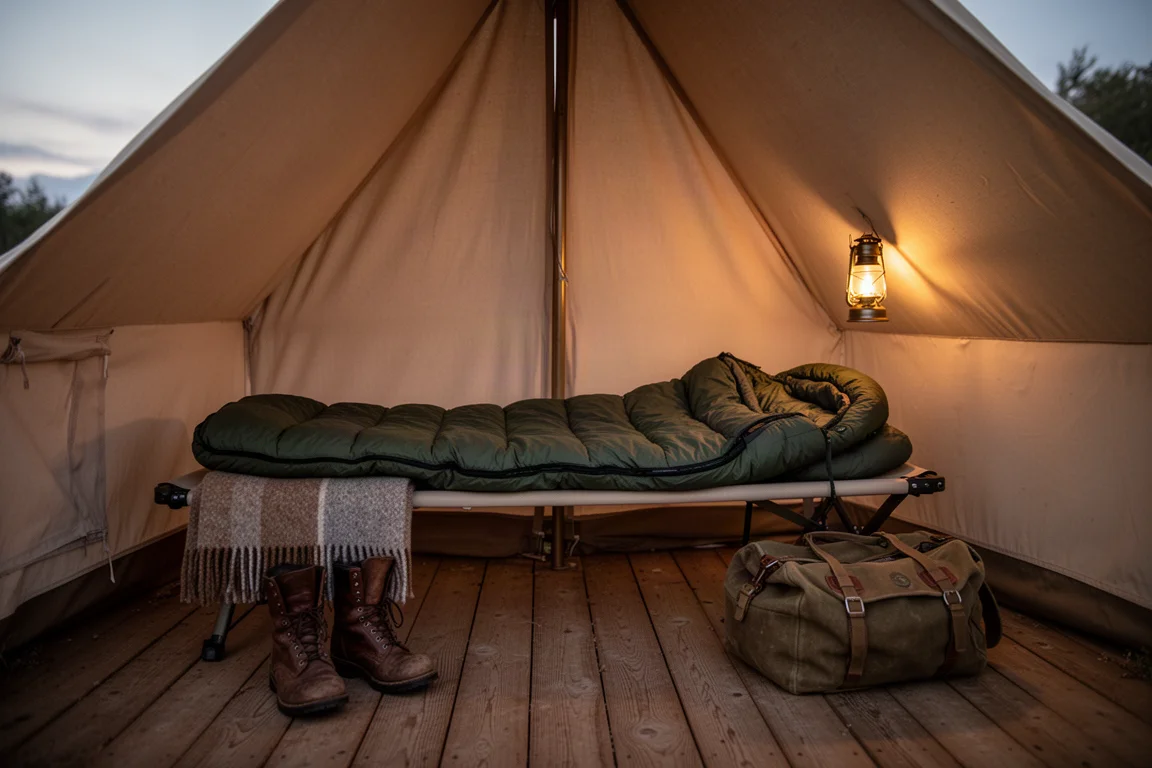
This is a bag for buyers who value price and durability over packability. At four pounds it is not unreasonable to carry, but packed volume is the real consideration. Rolled up in a large storage bag it measures roughly 19 by 10 by 10 inches, and the older polyester insulation does not compress much at all. That profile points toward car camping, truck camping, emergency kits, scout trips, and spare bedding rather than backpacking.
For a young camper heading out for a weekend, or a household that wants one tough bag for occasional guests, the bulky packed size is a far smaller problem than it would be on a long hike. The price also makes it a low risk first sleeping bag, and the reversible construction gives it a second job as a general purpose blanket around the house or in a vehicle.
Main Strengths
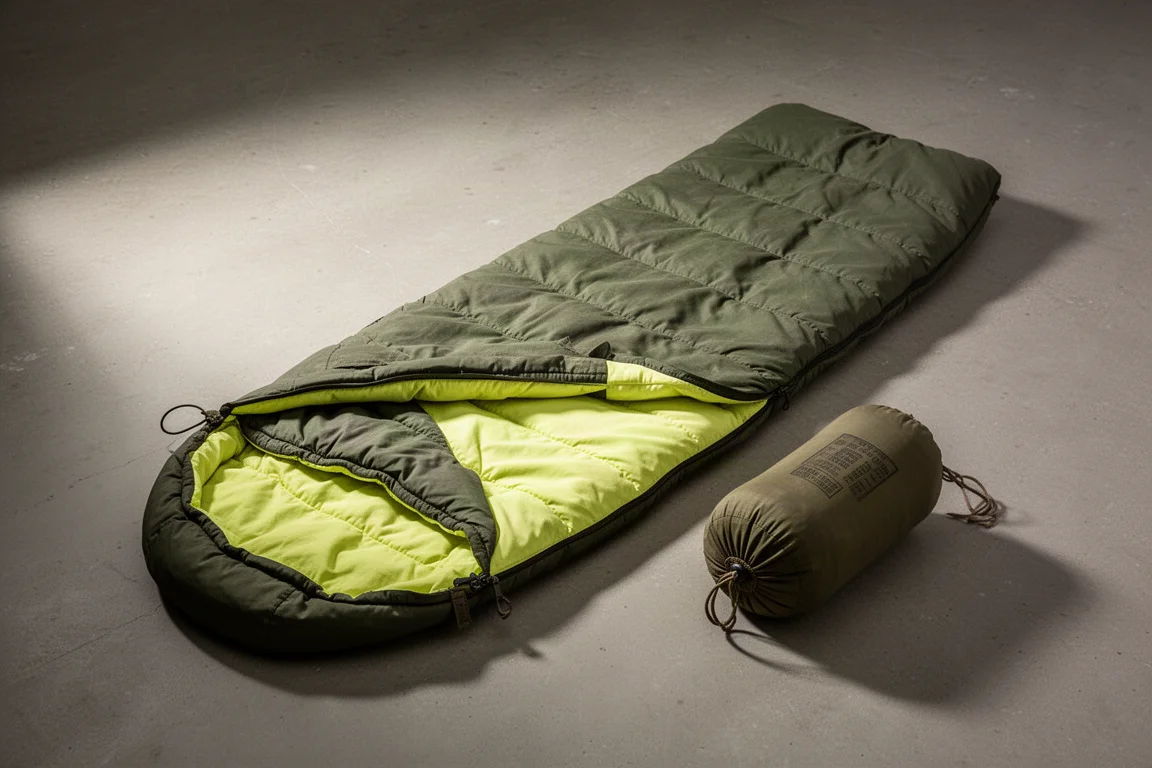
The reversible design is the standout feature. The bag can be turned inside out, so the forest green side or the high visibility yellow green side can face outward. The draft collar moves with it, sitting on the inside when the yellow green side is out and on the outside when the green side is out, where it lays across the zipper. That bright lining is genuinely useful in practice, because a phone, a battery bank, or a headlamp left loose inside the bag is easy to spot.
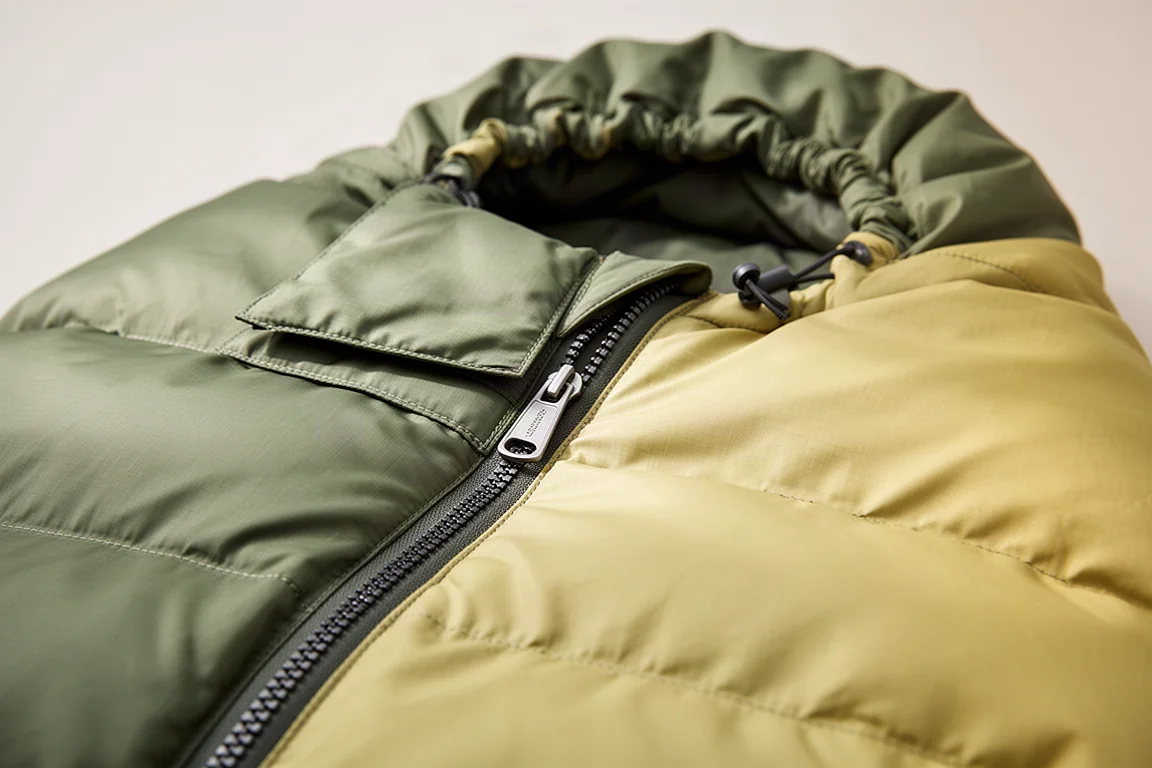
The hardware is straightforward and functional. A YKK zipper runs the full length of the bag and continues all the way around, so the whole thing opens flat as a blanket for warmer conditions. A velcro tab connects the body to the hood, and a second zipper at the foot end lets you vent your feet when the bag gets too warm. Two compression straps at the foot, one on each side, let you roll the bag and tie it off.
Measured out, the bag is 80 inches long from the foot to the tip of the hood, 26 inches wide across the shoulders, and it tapers to 22 inches. The outer and inner shell are nylon, with polyester insulation between them. In use at around 45 degrees the bag felt comfortable, and the 30 degree comfort rating looks realistic when combined with good clothing and multiple layers, with roughly 40 degrees being a sensible comfort point in shorts and a t shirt. Build quality is the strongest argument for it: there were no defects to report, which is notable for a bag of this age.
Design and Construction Details
The shape is a tapering rectangle with mummy style features. There is a hood at the top with a drawstring, so the opening can be pulled in around the head to close off drafts. The zipper placement and the velcro connection at the hood are what let the bag convert between its two configurations and open out flat.
The specification label goes beyond basic branding. It carries general care instructions alongside the identification details, confirming the bag as a general purpose synthetic filled item manufactured in 1980 under the NATO stock number 8465011. Everything about the construction follows military specification and military materials, which is why the same design was able to serve both forestry work and military use from a single production line.
Things to Consider Before Buying
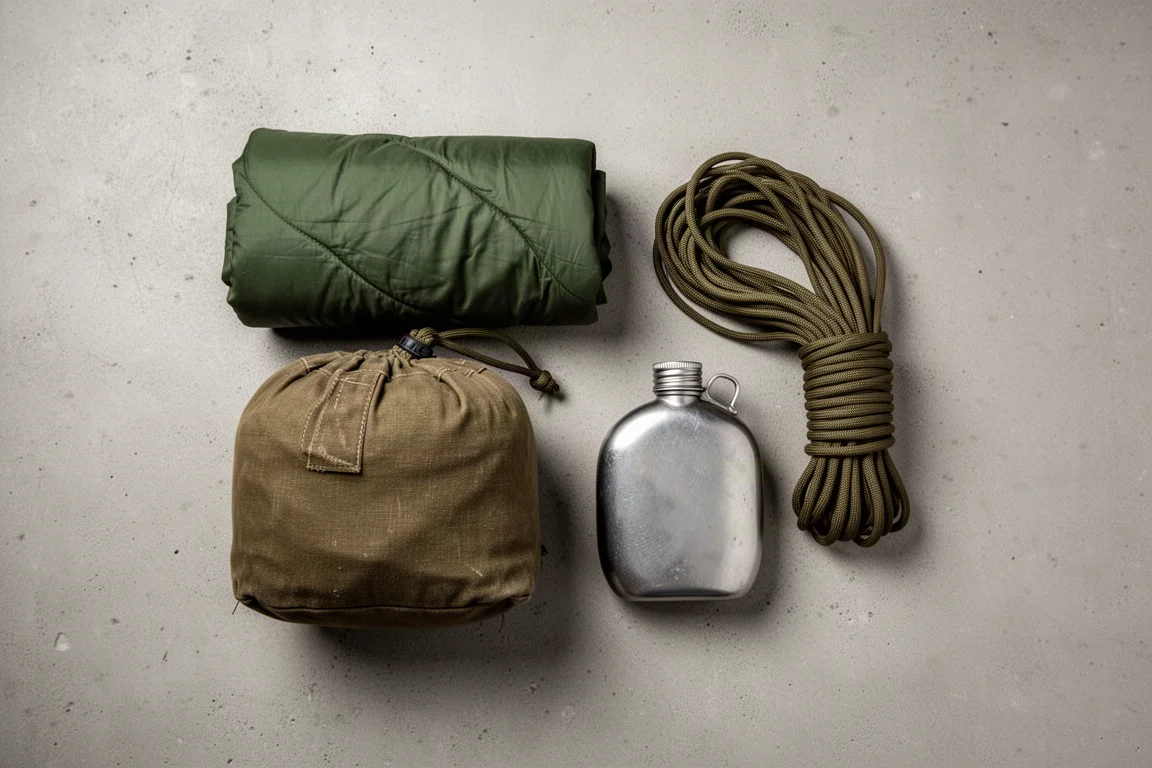
Bulk is the main trade off. The older polyester insulation does not compress, and even inside a large storage bag the sleeping bag fills the space completely. No compression or storage bag was included with the original product, so plan on sourcing a large bag separately. The two compression straps help, but they do not change the fundamental packed size, and four pounds is the floor for carry weight.
The color scheme is a matter of taste. The high visibility yellow green is authentic U.S. Forestry Service firefighter issue, and it is not olive drab. Some buyers will appreciate the visibility, particularly as a lining, while others will simply turn the bag green side out and leave it that way.
Buyers should also read listings carefully. Some sellers describe this bag, or the later military version, as an intermediate bag for the modular sleep system. The snaps and hardware do not match, so it does not interconnect the way the actual intermediate bag does. Listings also appear that describe a bag as the U.S. Forestry Service version when it is not, and prices on those listings run far above what the bag is worth, in the region of 130 dollars.
How to Check a Used Example
Surplus stock is not uniform, so a short inspection before buying pays off. Work the full length zipper through its travel and check the pull, since the zipper is the part that gets the most use. Then check the velcro tab at the hood and the draft collar, because those pieces are what keep the bag usable in cold weather, and confirm the foot vent zipper still moves freely.
Finally, confirm the label and the stock number. A genuine example carries the manufacturer details and the NATO stock number, which also tells you whether you are looking at a 1980 forestry issue bag or the 1981 military version. Condition varies widely on the surplus market, so a clean label on a bag with sound hardware is worth more than a low price on one with a failing zipper.
Buying Advice
Used examples generally sell for about 40 to 50 dollars, and new condition examples run closer to 70 dollars. Surplus retailers have listed this bag near 40 dollars, and it also turns up on auction sites. Given that modular sleep system components can be purchased individually at low cost, a sensible ceiling for this bag is around 55 dollars. A price near 130 dollars is out of proportion to what it offers.
If you find one in good condition at a fair price, the construction quality justifies the purchase, and the reversible design adds genuine versatility for camping, emergencies, and household use. Check the zipper, the velcro at the hood, and the draft collar before you commit, and confirm the label so you know exactly which version you are getting.
Conclusion
The U.S. Forestry Service firefighter sleeping bag is a simple, well built piece of surplus gear with a clear purpose. It is heavy and bulky by modern standards, it does not compress, and it arrives without a storage bag. In exchange, it offers a 30 degree comfort rating with a 20 degree push, a fully reversible shell, a blanket mode, and hardware that has survived four decades. For car camping, truck camping, emergency kits, or a first bag for a young camper, it makes sense at the right price.
Product link
View more details for U.S. Forestry Service Firefighter Sleeping Bag
This product is mentioned in the review. Check the specifications, options, and compatibility before buying.
View more details for U.S. Forestry Service Firefighter Sleeping BagFurther reading
Related Reviews
Sleeping Bags
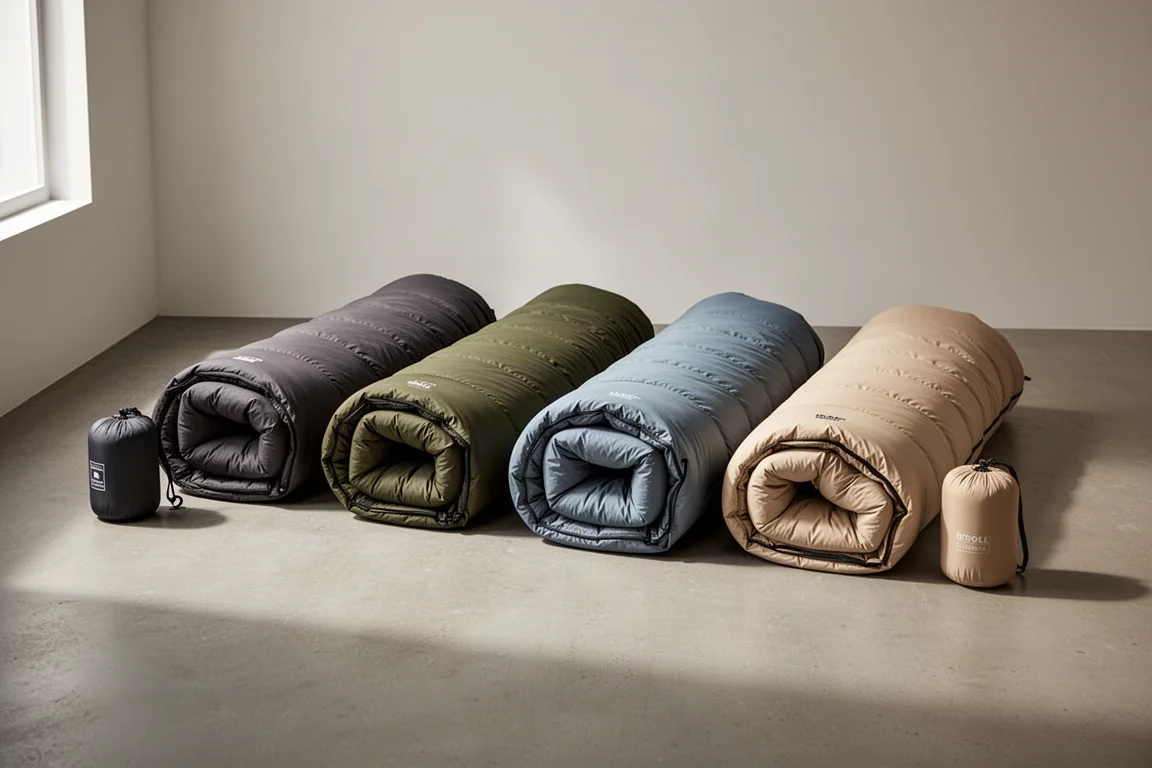
Best Down Sleeping Bags Under $300: Four Backpacking Options Worth a Look
Four down sleeping bags that stay under $300, compared on fill power, baffle design, hood comfort, and packed size.
Sleeping Bags
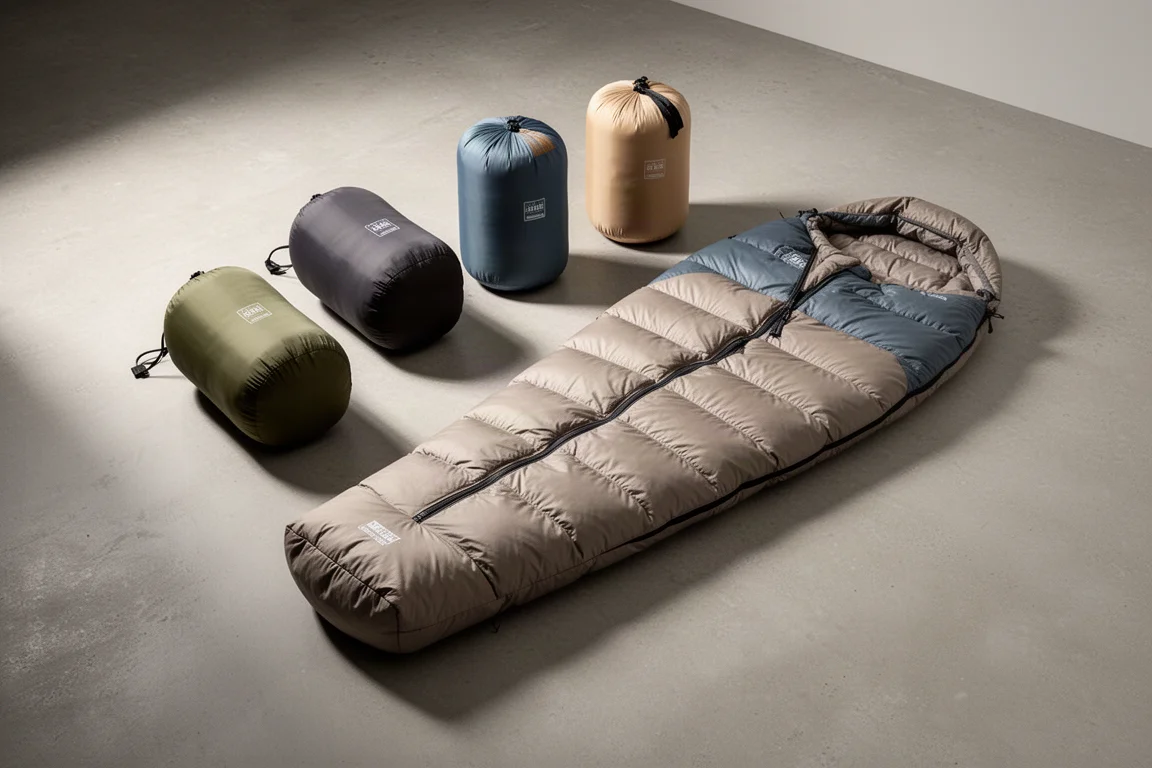
Best Sleeping Bags and Sleep Systems: Five Premium Down Picks Compared
Five premium down sleeping bags and sleep systems compared on warmth, weight, construction, and value.
Sleeping Bags
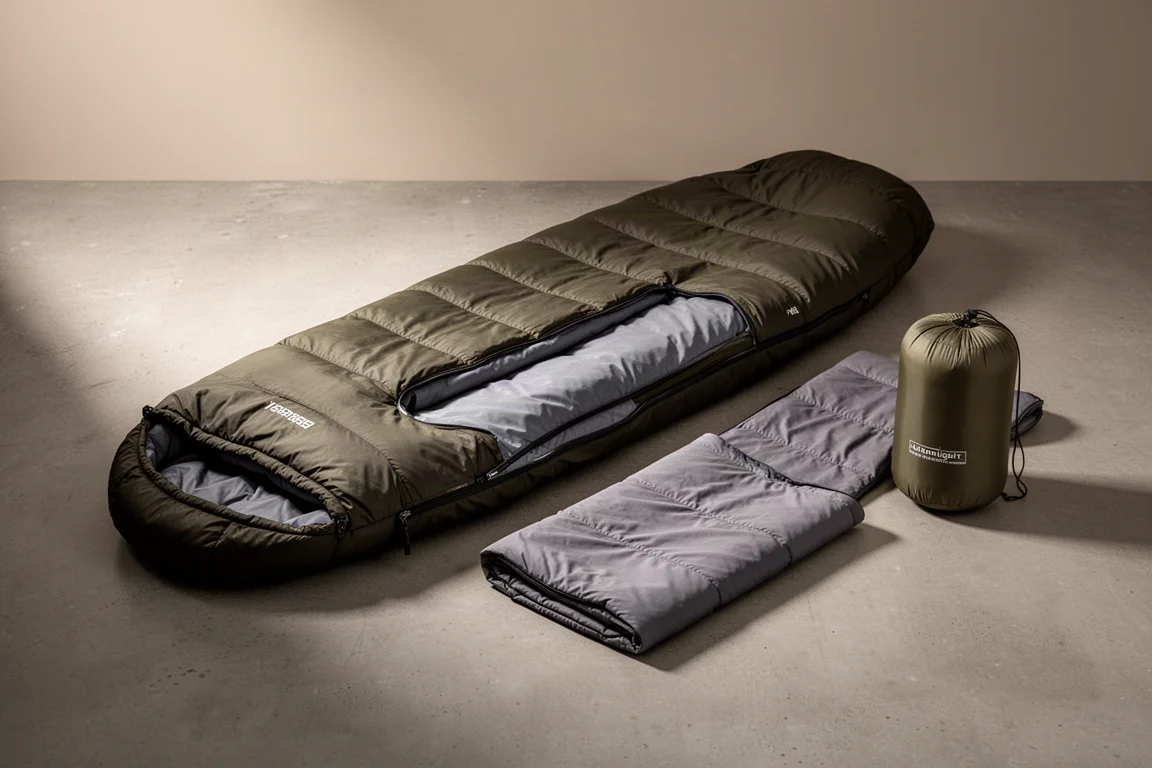
Big Agnes Lost Ranger UL 3-in-1 Sleeping Bag System Review: One Bag, Three Setups
A practical look at the Big Agnes Lost Ranger UL 3-in-1 Sleeping Bag System, covering how the three configurations work, where it shines, and the details worth weighing before buying.