Backpacking Gear
Unique Backpacking Gear Worth Knowing: Six Standout Pieces Tested in the Desert
A durable sub-kilogram pack, a vented silpoly tent, a $50 sleeping pad, a fuss-free quilt, armless sunglasses, and a tough trail runner, all tested on a cold, wet desert overnight.
Introduction
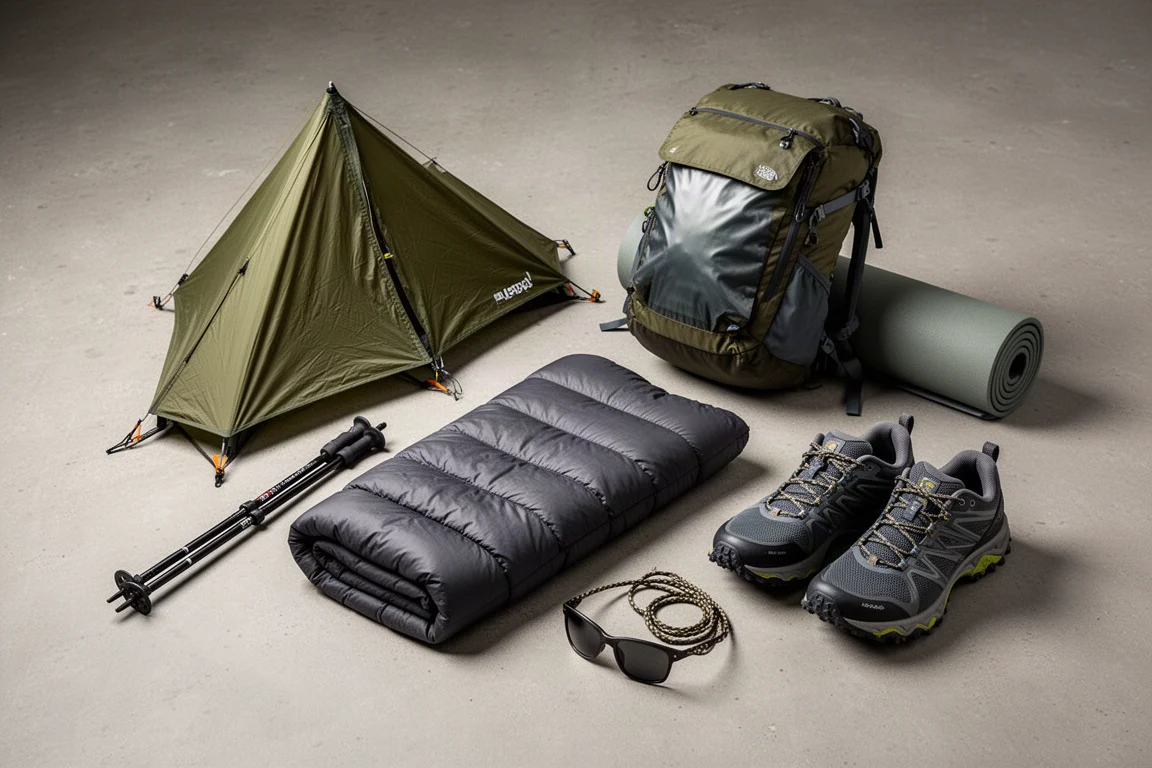
Some of the most interesting backpacking gear comes from companies that never appear in the mainstream conversation. This roundup covers six pieces from smaller brands, all put through the same overnight desert trip with cold, rain, and wind in the forecast.
The itinerary was deliberately uncomfortable. Rain arrived after midnight and kept falling for hours, wind pushed hard against the shelter, and overnight temperatures settled around 5°C. That combination is a fair test of weight, weather protection, and whether comfort claims survive a real night out.
How We Evaluated This Gear
Each item was judged on the things that matter once you are on the move: how it carries or packs, how it behaves when wet, how quickly it sets up and comes down, and whether the comfort holds after a long day. Value formed part of the assessment too, because several of these products sit alongside much better known alternatives at very different prices.
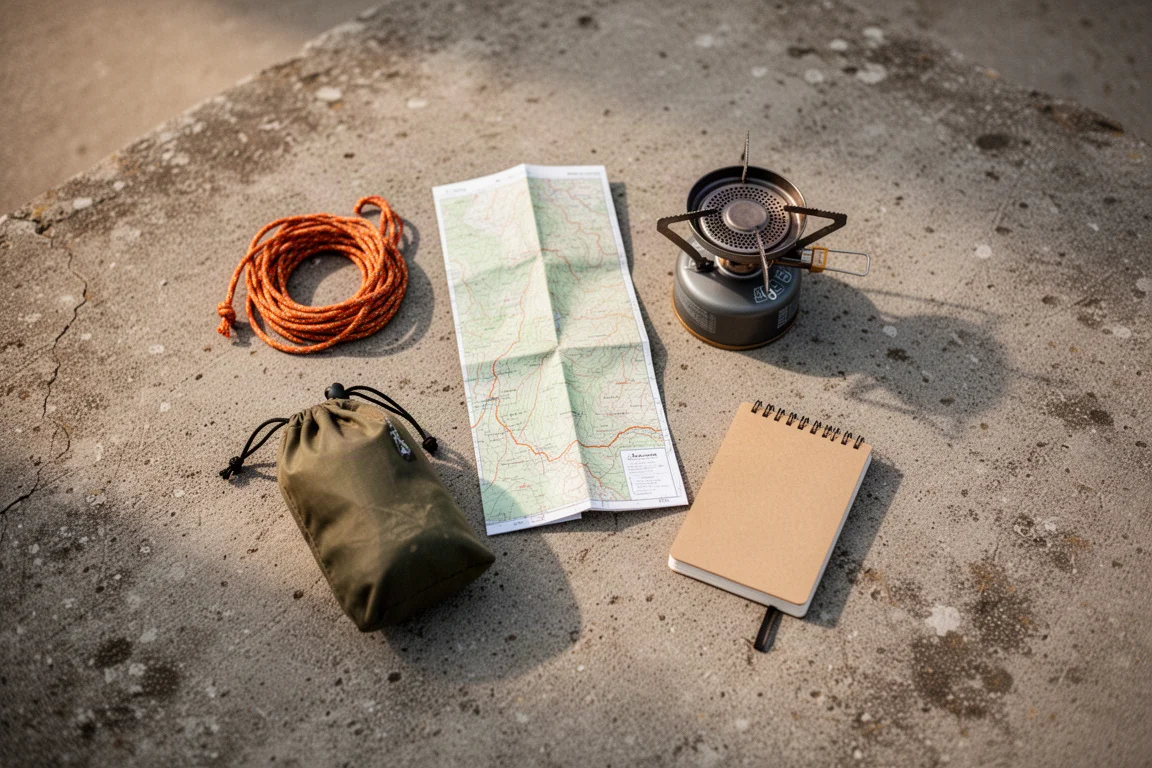
The two bonus items, sunglasses and trail shoes, were assessed on coverage, fit, and traction rather than camp performance. Where a product raised a question that a single night cannot answer, such as long-term durability, that is called out in the relevant section rather than smoothed over.
Whippa Colo Pack: Durability and Load Carrying
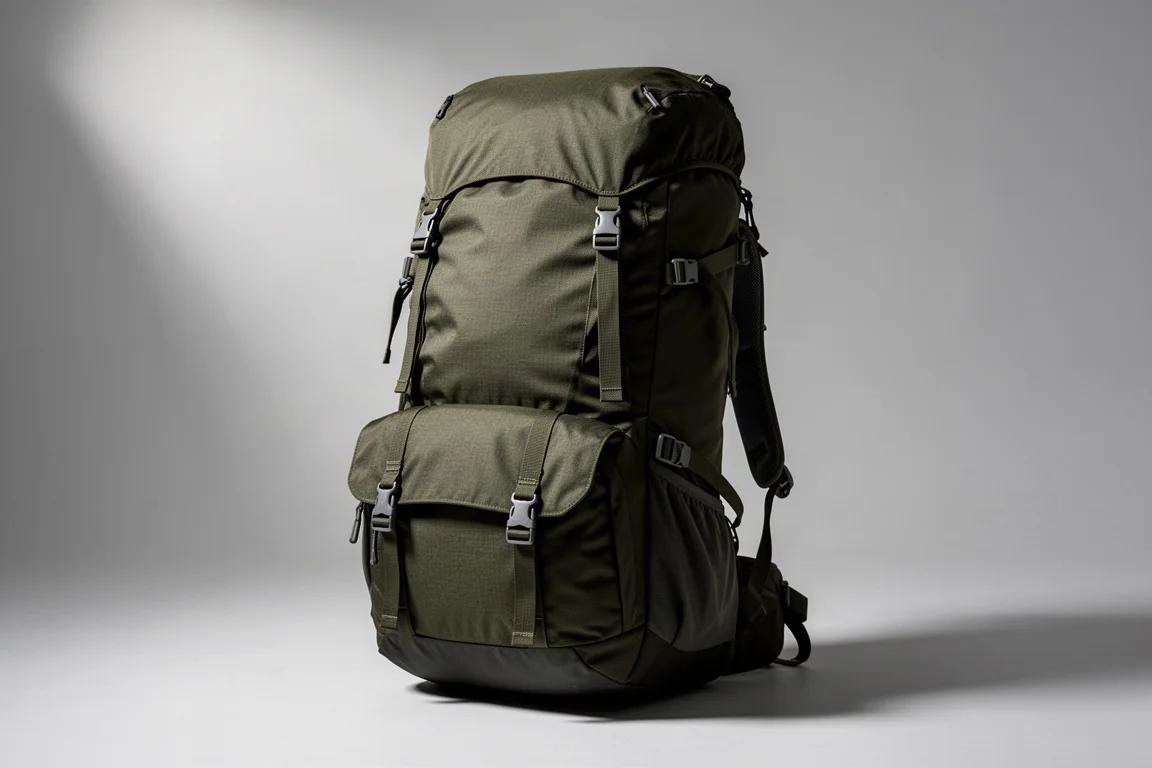
The Whippa Colo Pack was developed in collaboration with an Australian packrafter and canyoneer, and that background shows in the construction. The sides are reinforced and the base uses a notably tough material, aimed squarely at gritty terrain where a pack gets dragged across rock.
The signature feature is the front pocket. Instead of a large stretchy mesh panel, Whippa uses a flap lid that buckles down over the pocket and seals it from rain and splash. It is not designed for submersion, but on a wet desert night it adds real peace of mind. Inside, two small clips let you secure accessories, and a zipped pouch can hold keys, a wallet, and a passport somewhere protected and out of the way.
At 960 g the pack stays under a kilogram, though it is heavier than many packs of similar capacity. The frame and suspension explain the difference. With roughly 30 lb aboard, the pack hugged the body and carried the load comfortably, including over loose and rocky ground. Torso length is the one sizing caution: on a medium, an 18 to 18.5 inch torso felt slightly short, so taller users should check the fit carefully.
Lightweight Illusion One-Person Tent: Ventilation Done Differently
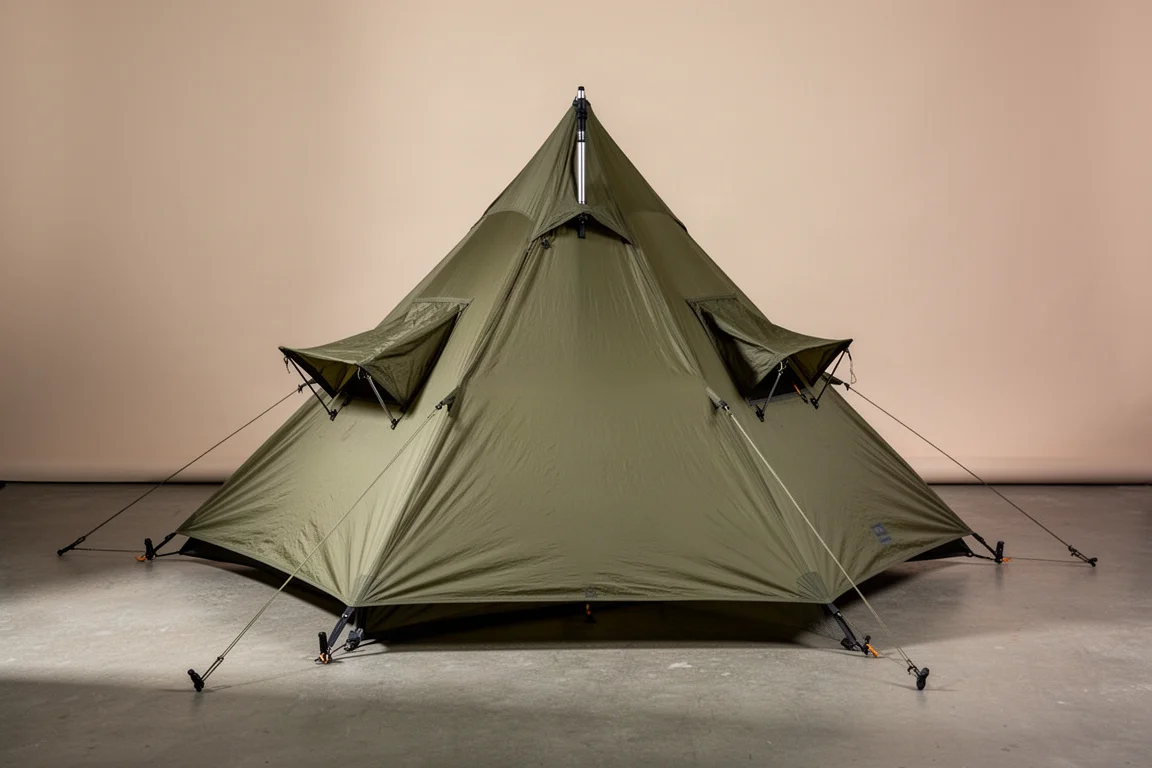
The Lightweight Illusion is a pyramid style trekking pole tent that pitches with six stakes. That is unusually few for this category and makes camp setup noticeably quicker. It weighs 580 g and uses silpoly rather than Dyneema, which means it does not sag or stretch when wet and stuffs down compactly.
Ventilation is where the design separates itself from most one-person shelters. Each side panel has a vent with a kickstand that holds it open, and the resulting cross breeze is intended to limit condensation. On a humid, rainy night with wind, moisture appeared in only two isolated spots, at the head end and near the top, rather than coating the whole inner wall.
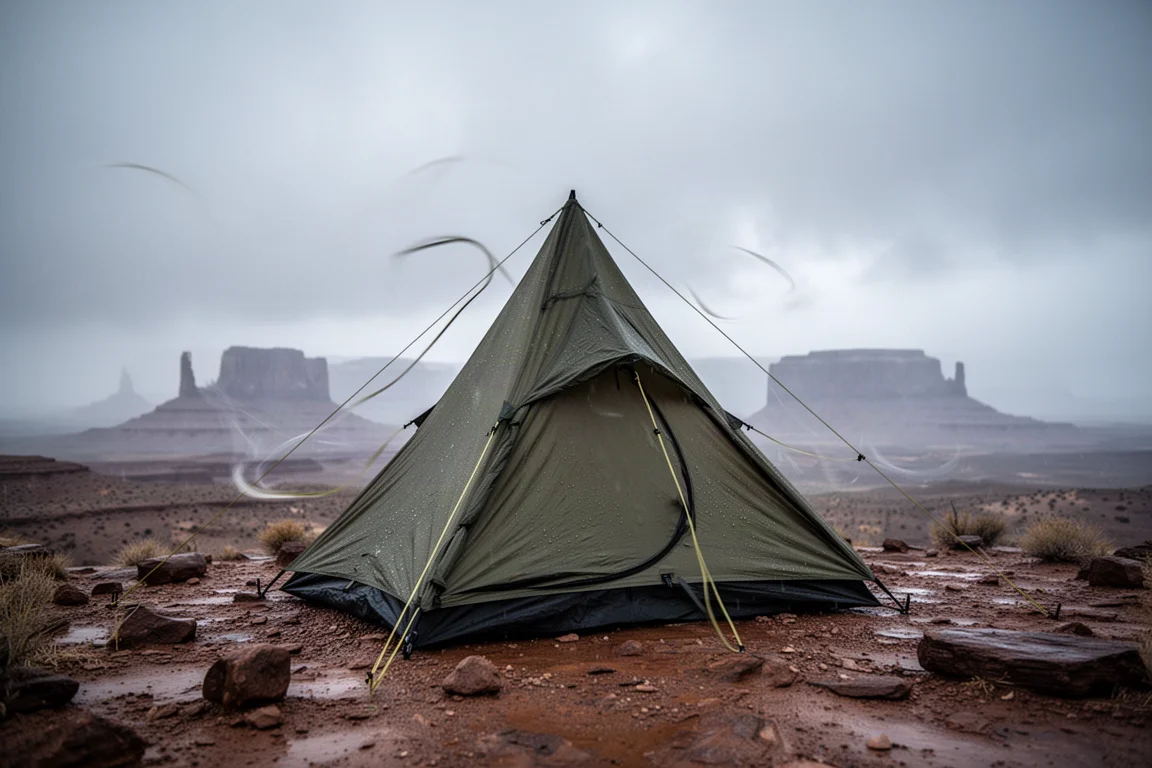
Wind performance was solid once the tent was pitched low. Dropping the pole and staking the edges close to the ground kept the shelter stable in strong gusts, and the extra guy-out points, including door tiebacks, back panel anchors, and a peak line, give useful tuning options. The trade-off is interior space. Pitched high, the tent felt roomy for a 5 ft 10 in sleeper; pitched low, it became tight, with the foot of a quilt touching the end wall. Anyone over about 6 ft 2 in would likely find it too small.
Seam sealing is the buyer’s job, and every seam needs attention. Sealing the upper seams but skipping the join between the bathtub floor and the walls let water collect inside the floor during a long rainy night, which is a lesson worth taking seriously. The trekking pole sits inside the tent rather than in a vestibule, with a cinchable opening at the base. That reduces the amount of mesh used and likely saves weight, though it comes down to personal preference.
At $400, the Illusion costs considerably more than alternatives such as the Lanshan 1 Pro and the Durston X-Mid. It is a shelter that performs very well for the right person, and one to avoid if the fit or the seam sealing work does not suit you.
Bestway Ridgelite Sleeping Pad: The Value Play
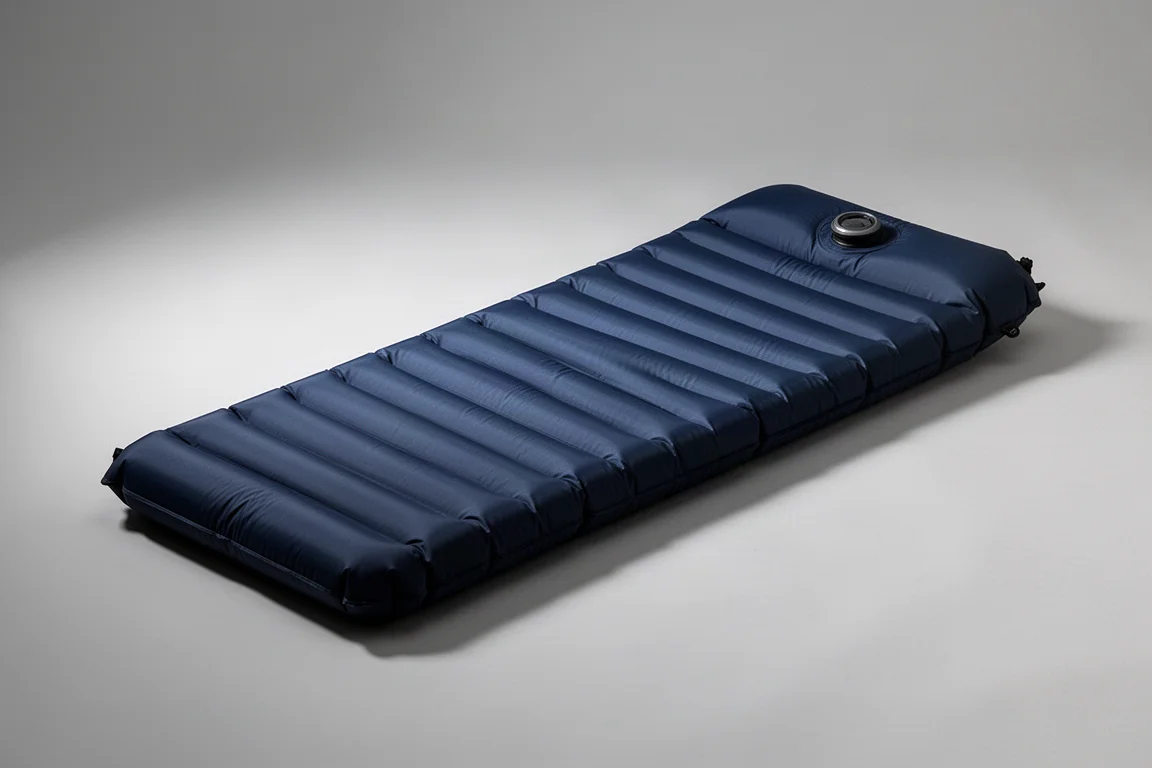
The Bestway Ridgelite sits below the brand’s higher specification pad, which carried an R-value above 7. This one is rated at 4.9, which suits conditions down to roughly just below freezing rather than serious cold.
Advertised weight is 638 g, though the pad measured 700 g on a scale, the same figure as the REI Helix. The baffling pattern and overall shape are strikingly similar to the Helix, and in use the comfort and warmth felt comparable.
The standout detail is valve placement. Putting the inflation valve on top of the pad makes it easy to add or release a little air during the night without flipping the pad over, which is a genuine annoyance on pads with a bottom-mounted valve.
On a night that dropped to about 5°C, the pad slept warm, with noticeable insulation from the ground. It is not a thick pad, so anyone who tends to bottom out a sleeping pad should look at thicker options. At around $50, the value is hard to argue with. The open question is durability, since a lower price can sometimes reflect lighter quality control, and only longer term use will answer that.
Nieve Wear Top Quilt: Warmth Without Fuss
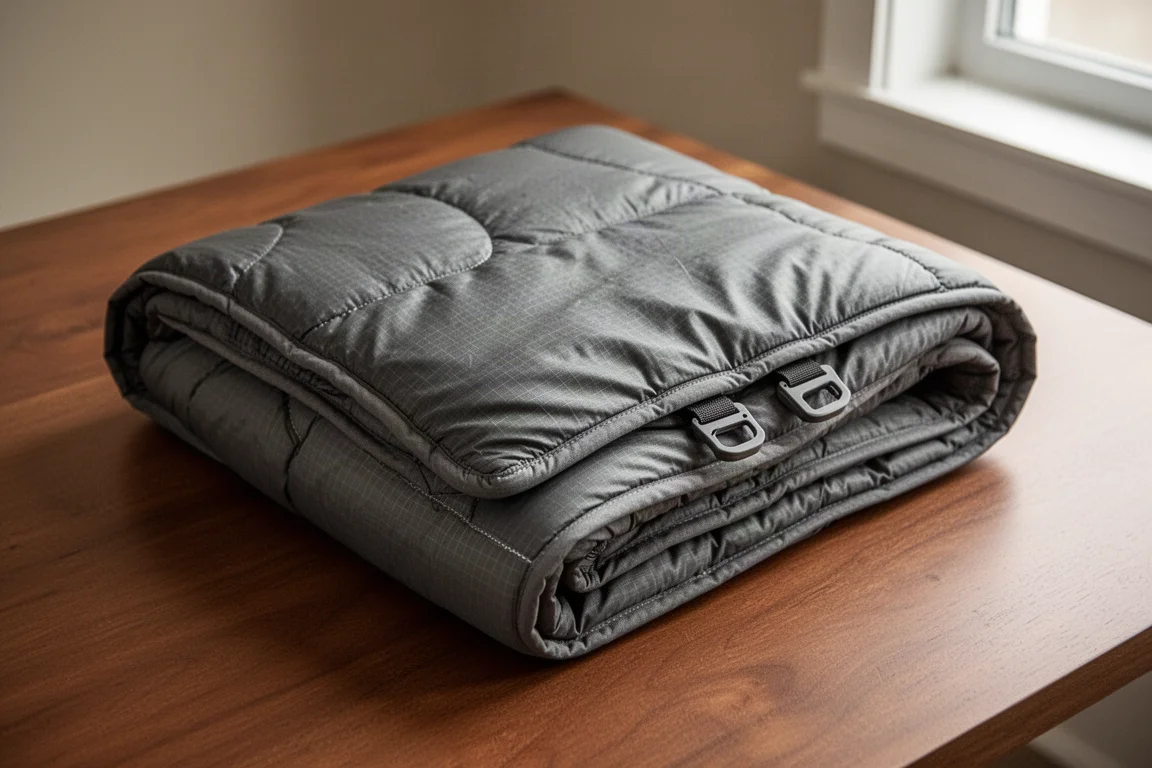
The Nieve Wear Top quilt comes from an Australian company and addresses the main complaint people have about quilts. The pad strap clips sit inside the quilt, forming a draft tube that hangs down and seals the gap between quilt and pad. Setup is essentially clip and go, with almost no fiddling.
The clips on the pad straps face down toward the ground rather than inward. That creates a little more tension and a little more room to move, so pulling the quilt up during the night is less likely to open a draft. The same clips are used on both sides, so there is no left and right to sort out at camp.
Temperature ratings are conservative. The minus 2°C version is listed as a comfort rating, and it has been used down to minus 6°C while staying comfortably warm, which suggests the rating can be pushed by several degrees. Nieve also makes a minus 8°C version, which may be more weight than most three-season trips need.
Weight for the minus 2°C model is just over 600 g. An ultralight version uses a 7D shell fabric, drops a little weight, and is rated for warmer conditions. Against top of the line options such as Katabatic quilts, the Wear Top is close in performance at roughly half the price, which is a strong combination for anyone who values a simple setup over the lightest possible number on a scale.
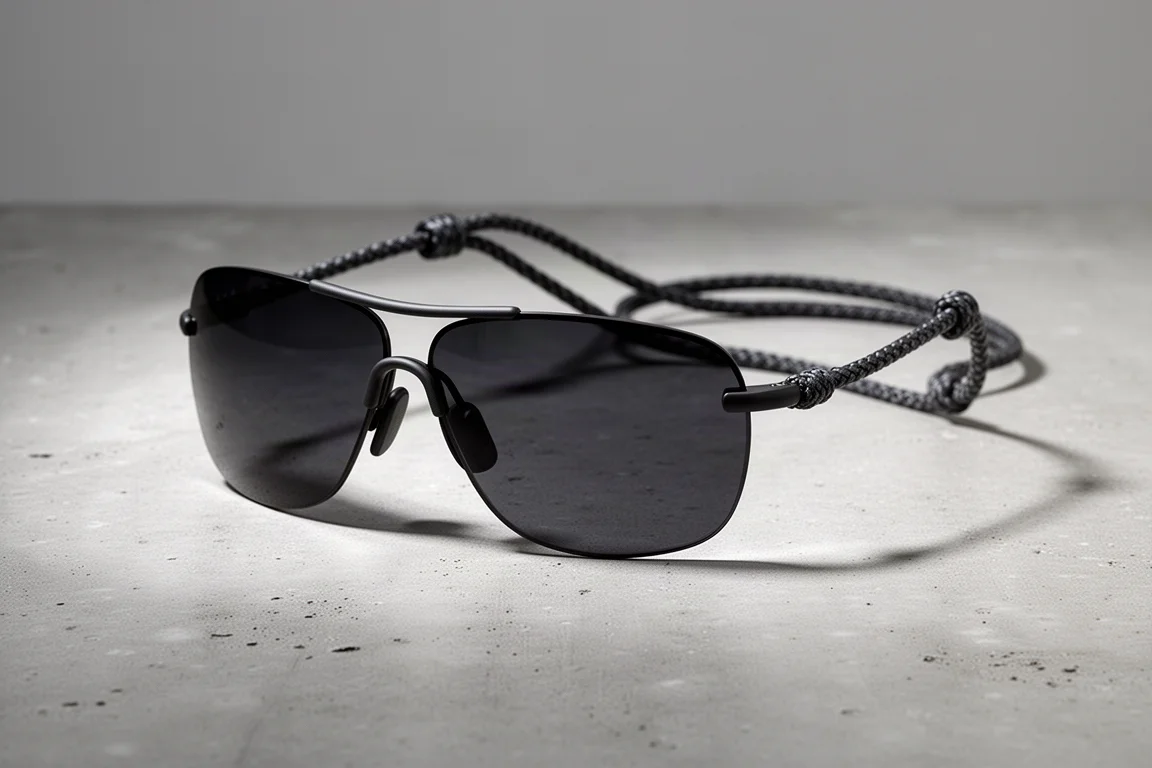
Ombraz Refugios: Sunglasses Without Arms
The Ombraz Refugios take the brand’s armless design and push it toward maximum coverage. Instead of temples, a cord runs around the back of the head, and the Refugios wrap more than any other model in the range. That extra coverage is genuinely useful on bright snow, where stray light is constant.
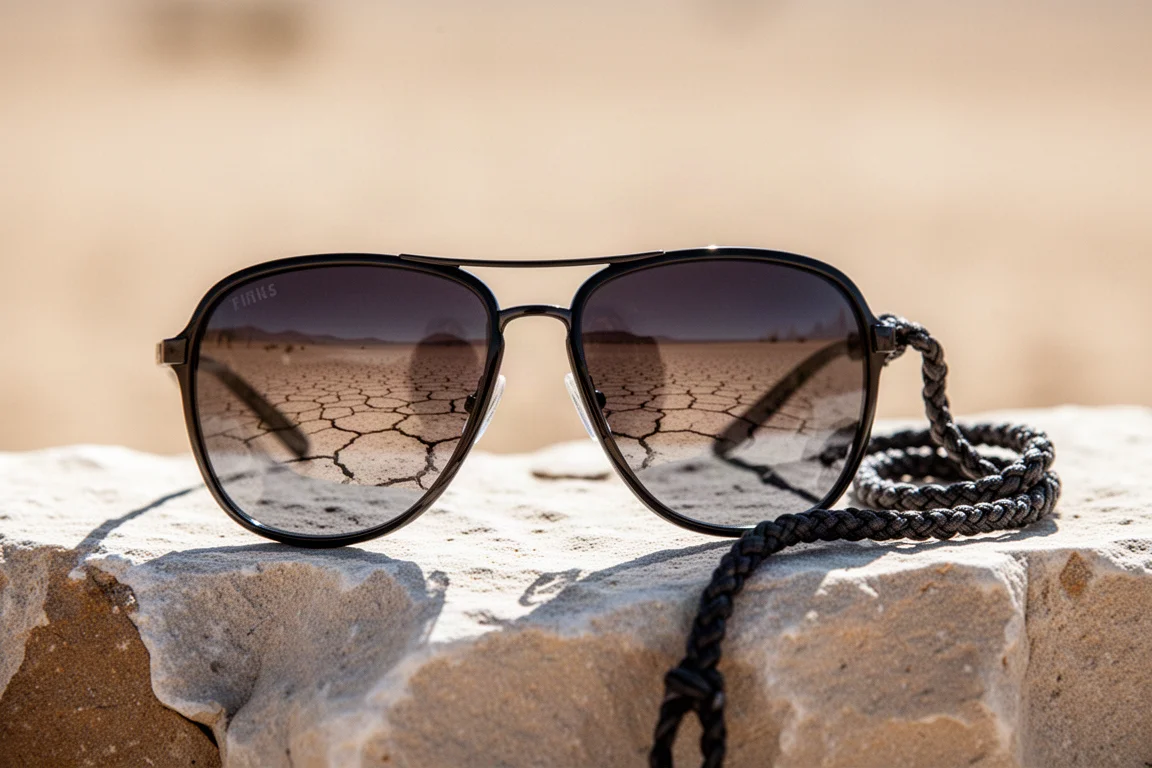
The nose piece is rubberized rather than hard plastic. In hot, dusty conditions that means the glasses stay put, and they can be slid down the nose for ventilation without slipping off the face. For anyone who has dealt with sunglasses that pinch, slide, or break at the hinge, this design removes the usual failure points.
Norda 001A: A Trail Runner Built to Last
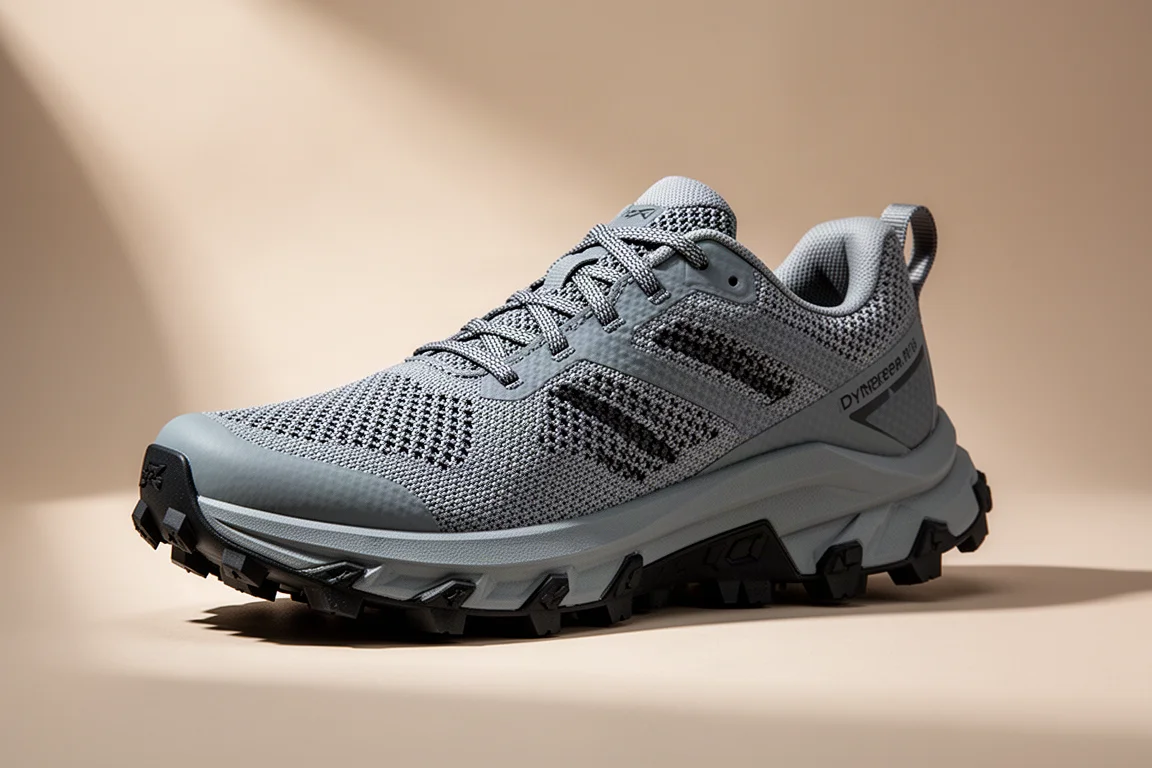
Norda is a Canadian brand known for expensive shoes that perform at a high level, and the 001A is its newest trail runner. The materials list is unusual for the category: a Dyneema upper, advanced midsoles, and a Vibram Megagrip outsole.
On rock, the Megagrip outsole gripped predictably. The fit was equally convincing, with no heel slippage and no cramped feeling across the forefoot. Although these are trail runners rather than hiking shoes, the durability makes them a credible backpacking option. There are reports of people hiking well over 1,000 miles in Norda shoes without wearing them out, which is a strong argument for anyone tired of replacing footwear every season. The main consideration is price, since Norda sits at the expensive end of the market.
Buying Advice
The right choice depends on where you go rather than on which product is objectively best. Matching gear to terrain, climate, and your own body is what turns a good product into a good purchase.
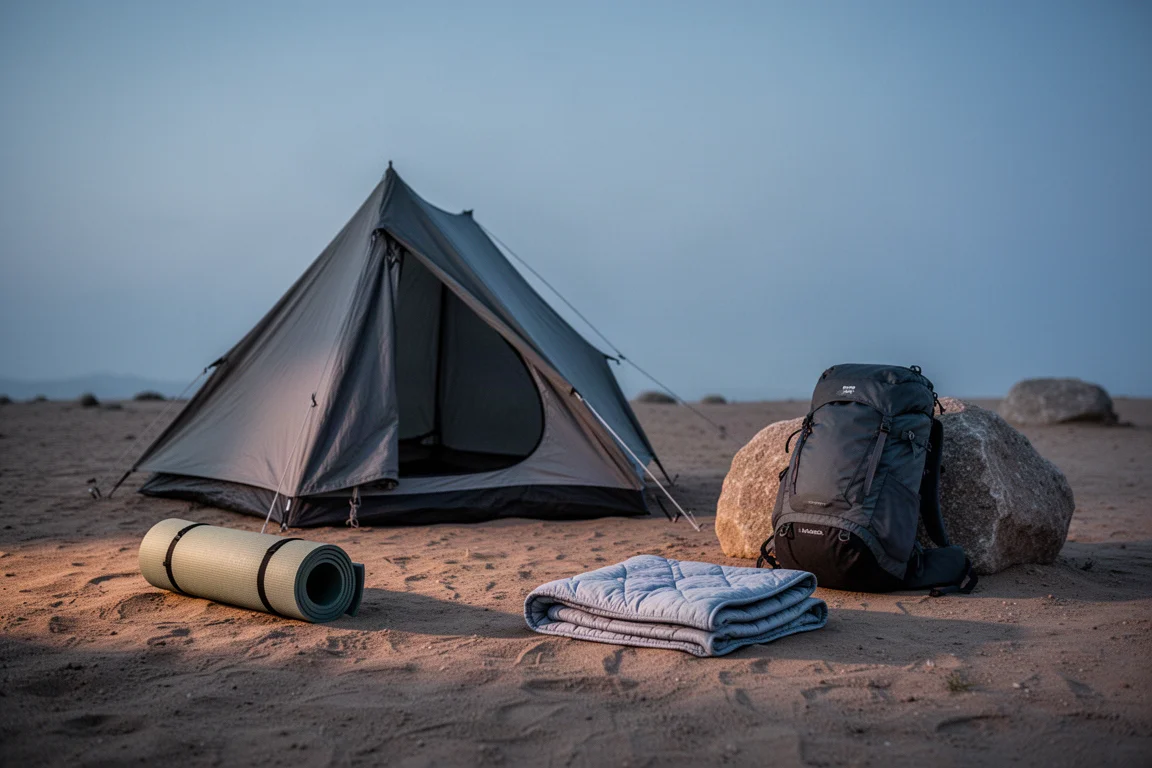
For abrasive desert and canyon terrain, the Whippa Colo Pack earns its modest weight penalty through reinforced sides, a tough base, and a front pocket that keeps essentials dry and secure. Backpackers in gentler conditions can still appreciate the load carrying, as long as they check torso sizing.
For wet, humid trips where condensation is the enemy, the Illusion tent’s vented design is compelling, provided you seal every seam and fit comfortably inside its footprint. If you are taller than about 6 ft 2 in, look elsewhere.
For a low-cost sleep system, the Bestway pad and the Nieve quilt pair well: the pad covers mild cold at a budget price and the quilt adds warmth with almost no setup effort. Keep in mind that the pad’s durability is unproven, so it suits buyers who are comfortable being early adopters.
The Ombraz Refugios and Norda 001A are the extras that quietly improve a trip: better eye coverage in harsh light, and a shoe that combines grip with unusual longevity.
Conclusion
Six pieces of gear from smaller brands, and most of them earned a place in the pack. The Whippa Colo Pack delivers durability and load carrying at under a kilogram, the Illusion tent brings genuinely different ventilation to a lightweight shelter, the Bestway pad makes a $50 price look far more capable than expected, and the Nieve Wear Top quilt removes the fuss that keeps people away from quilts.
The two bonus items round out the list: the Ombraz Refugios for coverage and stability in harsh light, and the Norda 001A for hikers who would rather buy one durable pair of shoes than replace them every season. Buy for the conditions you actually travel in, and these six are worth a closer look.
Further reading
Related Reviews

Backpacking Gear
Building a 10 lb Base Weight: An Ultralight Backpacking Gear List
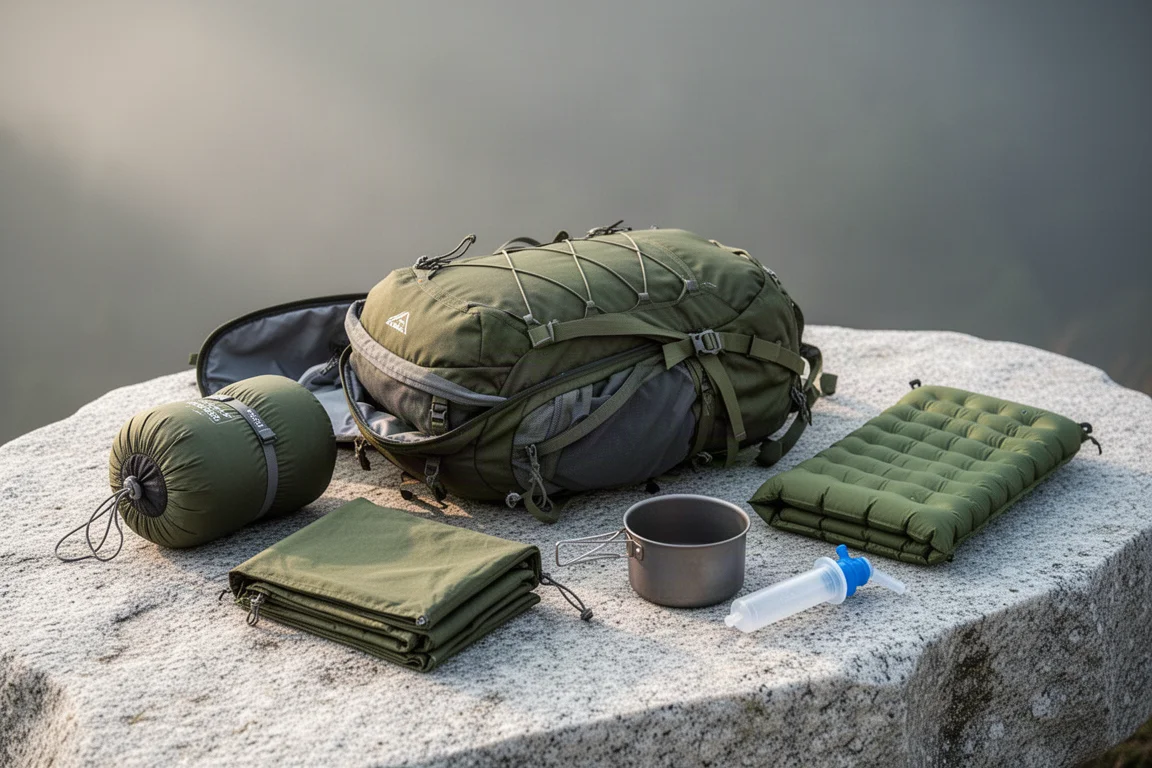
A practical walkthrough of the ultralight pieces behind a 10 lb base weight, from a 765 g pack and a roomy one-person tent to a full camp chair and a dependable water filter.
Backpacking Gear
A 15-Pound Lightweight Backpacking Gear List for Solo Trips
A beginner-friendly 15-pound backpacking setup built from easy-to-find gear, with notes on what each piece does, how it packs, and where to spend your attention.
Backpacking Gear
8 Ultralight Backpacking Gear Upgrades Worth Carrying
Eight small, affordable backpacking upgrades that solve real trail annoyances, from a pillow that stays put to a fuel valve that rescues leftover canister gas.