Sleeping Pads
Uni Gear CFY P3 Inflatable Sleeping Pad Review: Spacious Three-Season Comfort at a Budget Price
A large, thick inflatable sleeping pad with a three-zone baffle layout, an R-value of 2, and a price that undercuts most rivals. Here is who it suits and what to weigh up.
Introduction
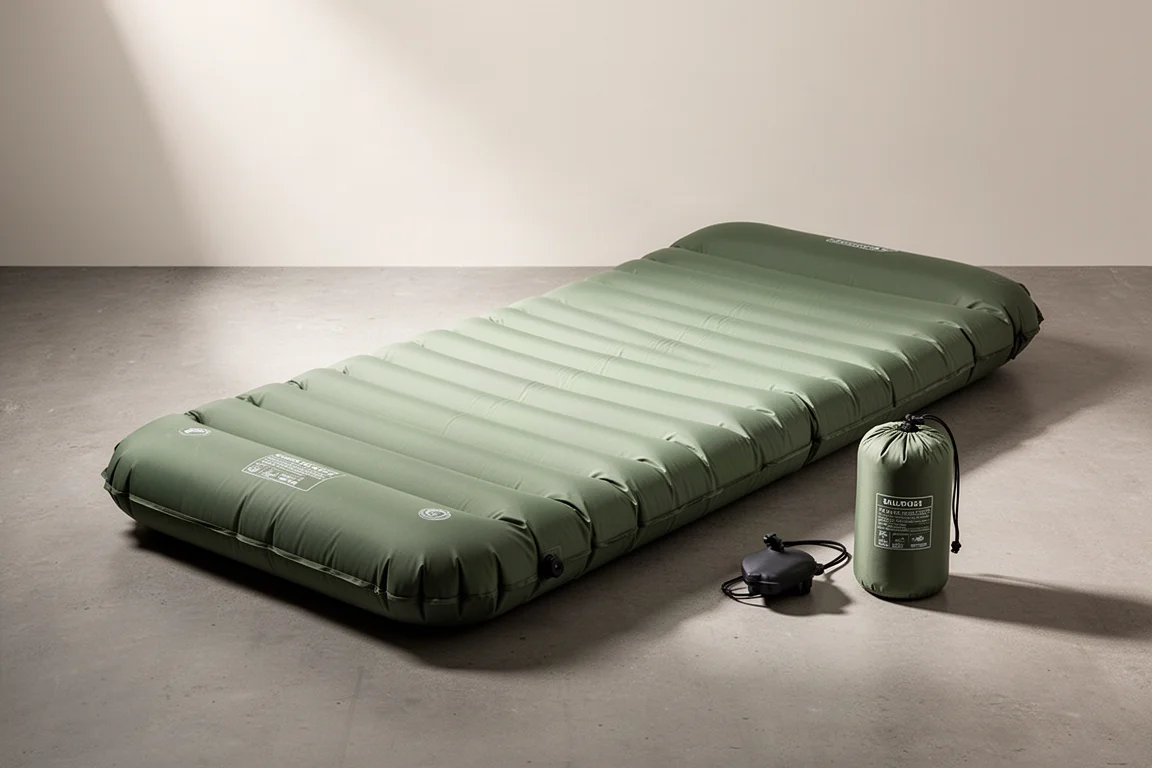
The Uni Gear CFY P3 is an inflatable sleeping pad that aims at a straightforward brief: give campers a genuinely spacious and comfortable surface without pushing the price into premium territory. In its size large configuration it measures 196 cm long by 64 cm wide, which puts it firmly in the generous end of the market, and it inflates to a substantial 7.2 cm of thickness.
The headline numbers are easy to digest. It carries an R-value of 2, which makes it a three-season pad rather than a winter one, and it weighs 933 g on the scales including the pump sack that doubles as its carry case. At £41.99 it is priced well below what the specification and the construction quality would normally suggest.
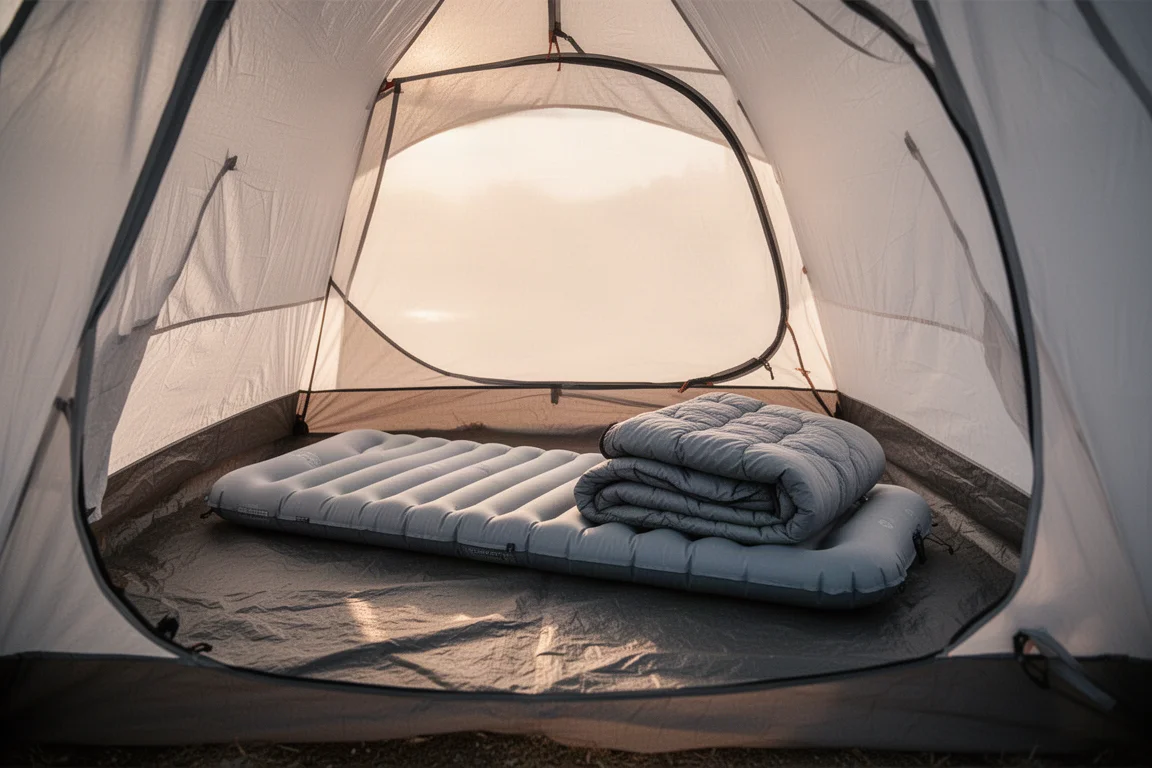
That combination of size, thickness and price is the reason this pad is worth a closer look. It is not trying to be an ultralight racing mat, and it is not pretending to be a four-season expedition pad. It is trying to be a comfortable, durable, affordable mat for the majority of trips most people actually take, and on that measure it makes a strong case for itself.
Who This Sleeping Pad Is For
Sleeping position matters more than most buyers expect, and it is the clearest dividing line with this pad. Side sleepers and back sleepers get the most out of it, because the thickness and the baffle layout keep hips and shoulders supported without the pad bottoming out. Front sleepers will find it workable rather than ideal, since the surface is comfortable but not tuned specifically for that position.
Beyond sleep position, this is a pad for three-season campers. The R-value of 2 is a modest insulation figure, so it suits spring, summer and autumn trips comfortably. Paired with an additional mat or a supplementary layer underneath, it may stretch into milder winter conditions, but on its own it is not a cold-weather mat.
It also suits campers who value space over pack weight. The large size gives real room to move, and the 7.2 cm depth means the pad feels closer to a home mattress than to a thin foam roll. Anyone counting grams for a fast alpine push should look elsewhere, but anyone prioritising a good night’s sleep on a normal backpacking trip is squarely in the target audience.
Main Strengths
The most obvious strength is how much pad you get for the money. A 196 cm by 64 cm surface at 7.2 cm thick is a genuinely roomy platform, and at £41.99 that combination is difficult to match.
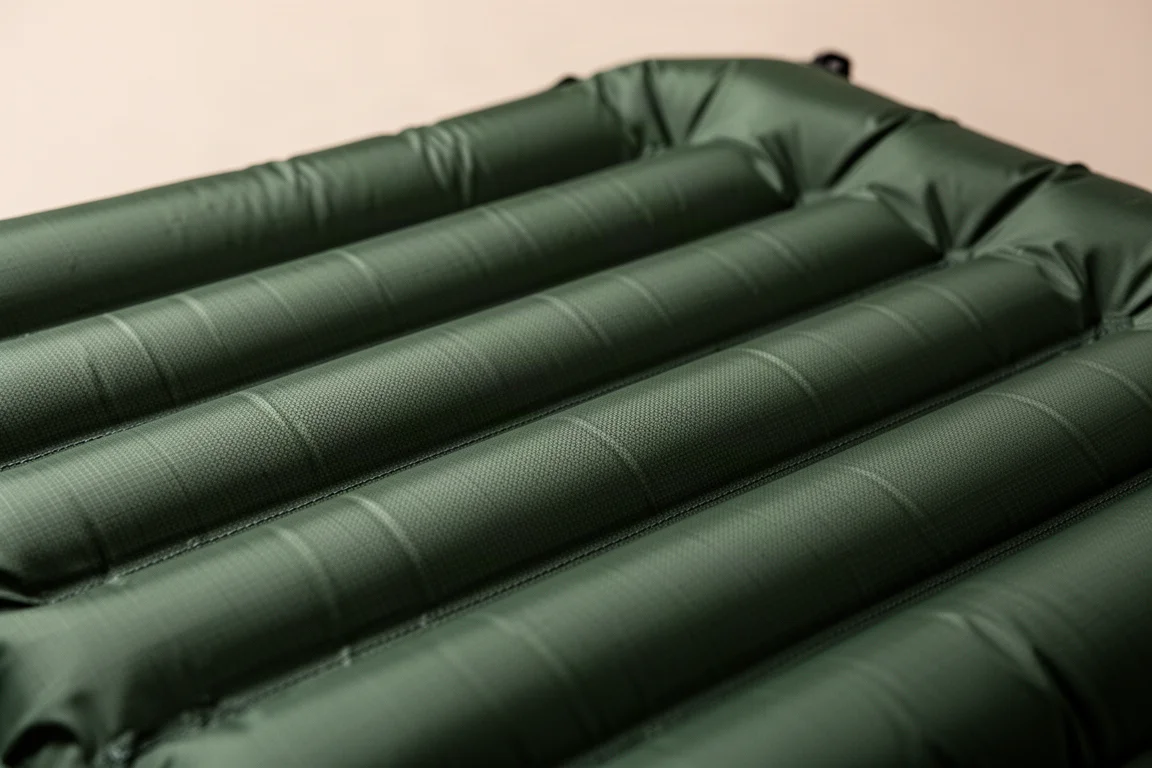
Construction is the second strength. The fabric is a 40D 310T nylon, which is a hard-wearing specification, and this pad has been used heavily over a long period without a single puncture. It also holds its air reliably and does not lose pressure overnight, which is the practical test that matters most on a multi-day trip.
The third strength is the price-to-quality ratio. The material feels notably thicker than the fabric used on many standard sleeping pads, and the finish does not read as a budget product in the hand. Buyers who expect corners to be cut at this price point will likely be surprised.

For a pad at this level, the overall package is unusually complete: generous dimensions, durable fabric, reliable air retention and a very low asking price. Those four things rarely arrive together.
Baffle Design and Comfort
The detail that separates this pad from most of its rivals is its baffle layout. Rather than running a single uniform pattern across the whole surface, it uses three distinct zones. A concave baffle section supports the upper back, convex baffles run through the lumbar area, and a wave pattern covers the leg section.
The purpose is weight distribution. Different parts of the body press into a sleeping pad with very different force and shape, and matching the baffle profile to each region keeps the surface flatter and more stable through the night. In practice it works well, particularly for side sleepers and back sleepers who need consistent support along the length of the body rather than a single firm plane.
Three separate baffle types on a pad at this price is genuinely uncommon. It is the kind of design decision normally reserved for more expensive mats, and it explains why the pad feels more composed than its price suggests. If you roll around during the night, the zoning is what keeps the surface predictable.
Inflation, Valve, and Packed Weight
Inflation is handled by a non-return valve at the foot end, which means air goes in without escaping between breaths. That is a small detail that makes a real difference when you are inflating a large pad at the end of a long day.
The included pump sack is compact and doubles as the pad’s storage case. It takes a fair number of attempts to fill the pad completely, somewhere in the region of fifteen cycles, so it is not the fastest inflation method available. It is manageable rather than effortless, and it adds no extra kit to your pack.
If you already carry a small electric pump, the pad pairs neatly with one. An adapter from a compact rechargeable pump fits the valve perfectly, which turns inflation into a hands-off job and sidesteps the repeated pump sack cycles entirely.
On weight, the pad comes in at 933 g including the pump sack and case. That is not a lightweight figure, and it reflects the large dimensions and the thick fabric. For campers who split weight between two people or who simply accept a little extra mass in exchange for comfort, it is a reasonable trade.
Things to Consider Before Buying
The R-value of 2 is the most important limitation to understand. It is a three-season rating, and it will not keep you warm through a hard frost on its own. If you camp in cold conditions regularly, plan for an additional insulating layer beneath the pad.
Inflation effort is the second consideration. The pump sack works, but fifteen or so cycles to fill a pad this size is a slow routine at the end of a tiring day. An electric pump with a compatible adapter removes that friction, but it is extra kit to carry and charge.
Weight and pack size are the third. At 933 g with the pump sack, this is not a pad for gram counters or for trips where every item has to justify its place. It is a comfort-first choice, and it should be bought on that basis.
Finally, sleep position. Front sleepers will find it acceptable rather than exceptional, so if you sleep on your stomach most nights, it is worth weighing up whether a different baffle profile would suit you better.
Buying Advice
At £41.99 the CFY P3 is priced far below what its specification would suggest, and it is available in green or blue. For a large, thick, three-season pad with three-zone baffling and durable 40D 310T nylon, that is strong value by any reasonable measure.
It also helps that Uni Gear has a track record with other outdoor kit. The brand’s range is not enormous, but the items it does make, including titanium mugs, micro spikes and high-quality aluminium trekking poles, have earned a reputation for doing a lot for the money. That pattern gives extra confidence that this pad is not an outlier.

The sensible way to decide is to match the pad to your habits. If you sleep on your side or your back, camp mainly in three-season conditions, and want a spacious surface without paying a premium, this is an easy recommendation. If you sleep on your front, need genuine winter insulation, or count every gram, look at the trade-offs carefully first. For everyone else, the value on offer here is difficult to argue with.
Conclusion
The Uni Gear CFY P3 does what a good budget sleeping pad should do: it delivers the comfort and space of a much more expensive mat while keeping the price low enough to be an easy decision. The 196 cm by 64 cm footprint, the 7.2 cm depth and the three-zone baffle layout are the reasons it works, and the 40D 310T nylon is the reason it lasts.
Its limits are clear and honest. An R-value of 2 makes it a three-season pad, the pump sack takes patience, and 933 g is a comfort-first weight rather than a racing one. Accept those parameters and the pad rewards you with reliable, spacious sleep night after night. For side sleepers and back sleepers in particular, this is a genuinely good buy.
Product link
View more details for Uni Gear CFY P3 Inflatable Sleeping Pad
This product is mentioned in the review. Check the specifications, options, and compatibility before buying.
View more details for Uni Gear CFY P3 Inflatable Sleeping PadFurther reading
Related Reviews
Sleeping Pads
Best Backpacking Sleeping Pads 2026: Nine Pads Rated on Price, Comfort, Warmth, and Weight
Nine backpacking sleeping pads compared on price, comfort, warmth, and weight, from a $65 summer pad to a year-round option rated at R-7.3.
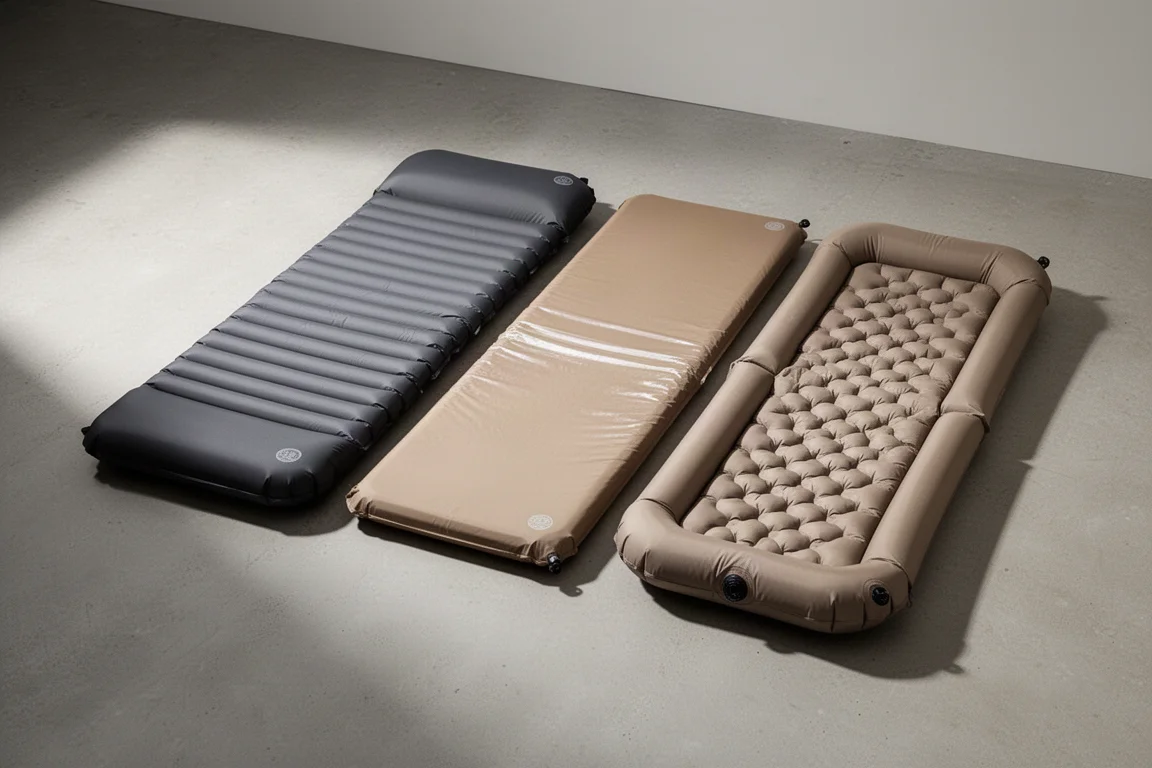
Sleeping Pads
Best Backpacking Sleeping Pads: Comfort, Warmth, and Weight Compared
A practical comparison of the Nemo Quasar 3D, Therm-a-Rest NeoAir XTherm Max, and Big Agnes Rapide SL for backpackers choosing between comfort, warmth, and packed weight.
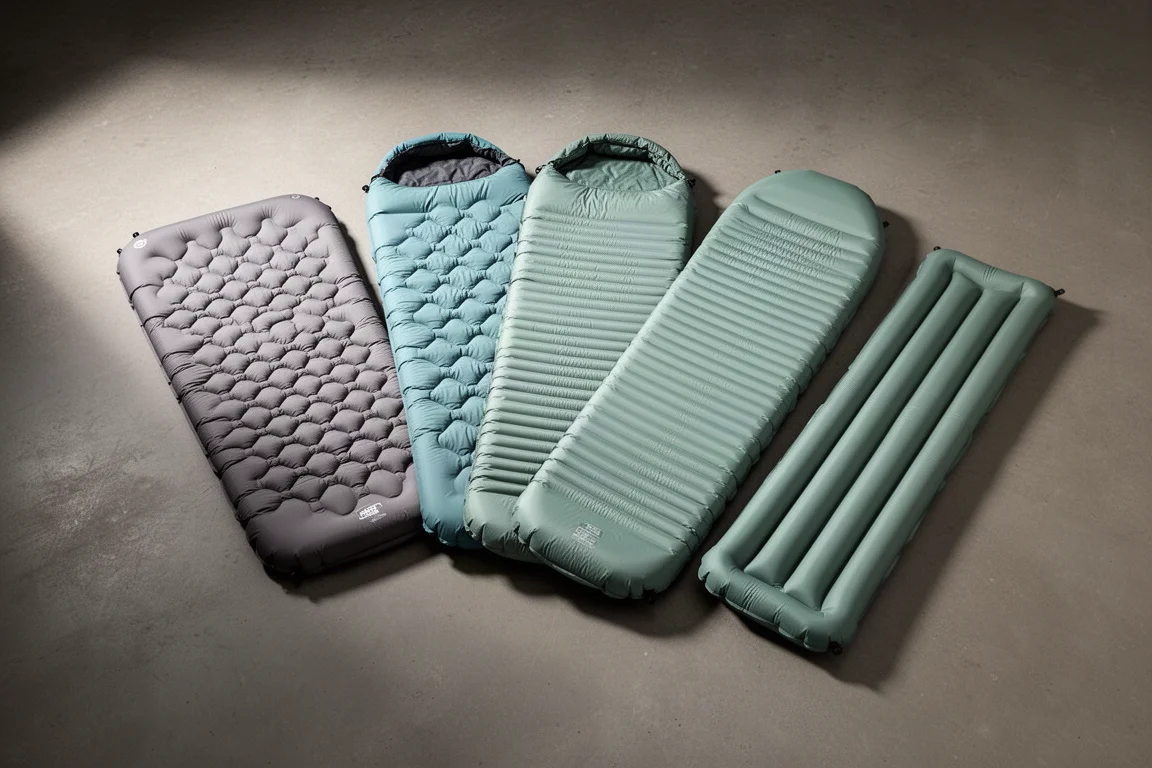
Sleeping Pads
Best Backpacking Sleeping Pads: Ultralight, Winter, Comfort and Budget Picks
A practical roundup of the sleeping pads that stand out for ultralight weight, winter warmth, pressure relief and value, plus three popular pads that fell short.