Camping Tents
Underwood Aggregator Tent Review: A Storm Test That Ended in a Leak
A close look at the Underwood Aggregator, a very small single-wall tent whose bottom vent let rainwater and splashback inside during a multi-hour storm.
Introduction
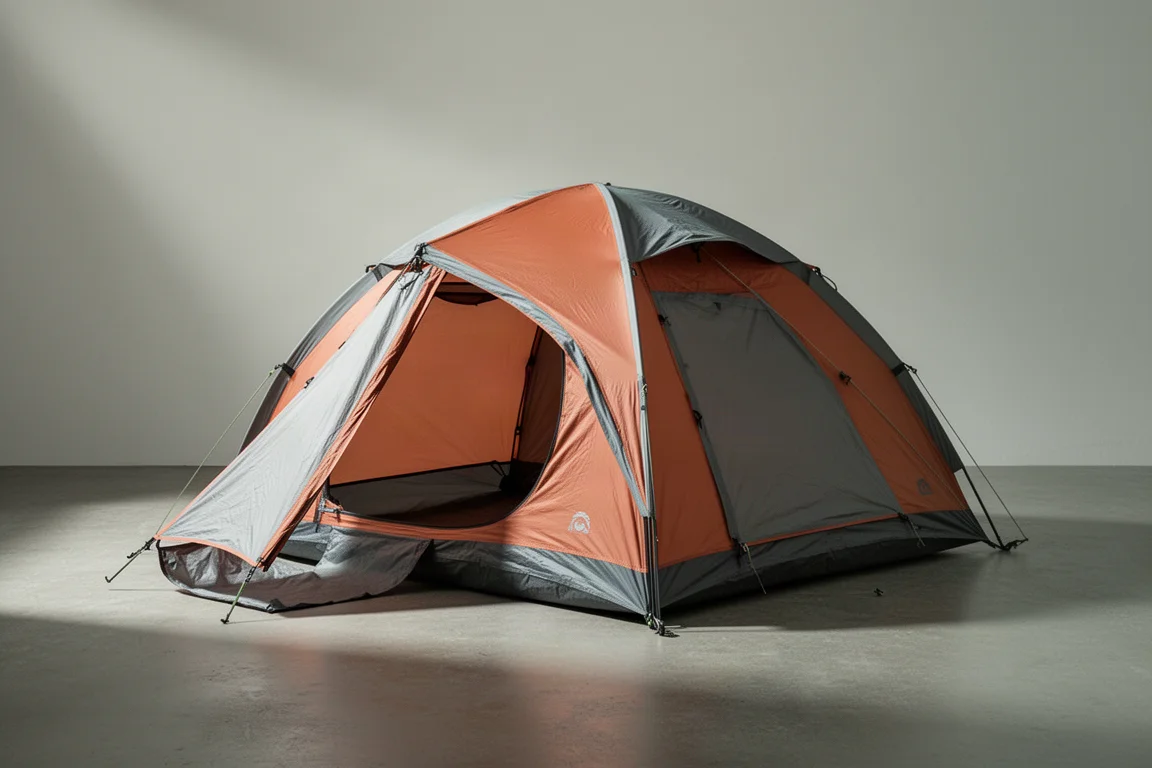
The Underwood Aggregator is one of the strangest tent designs you are likely to encounter. It is very small, it is built as a single-wall shelter, and its cut and venting layout do not follow the conventions most campers are used to. That combination raises an obvious question before any trip: does it actually keep rain out?
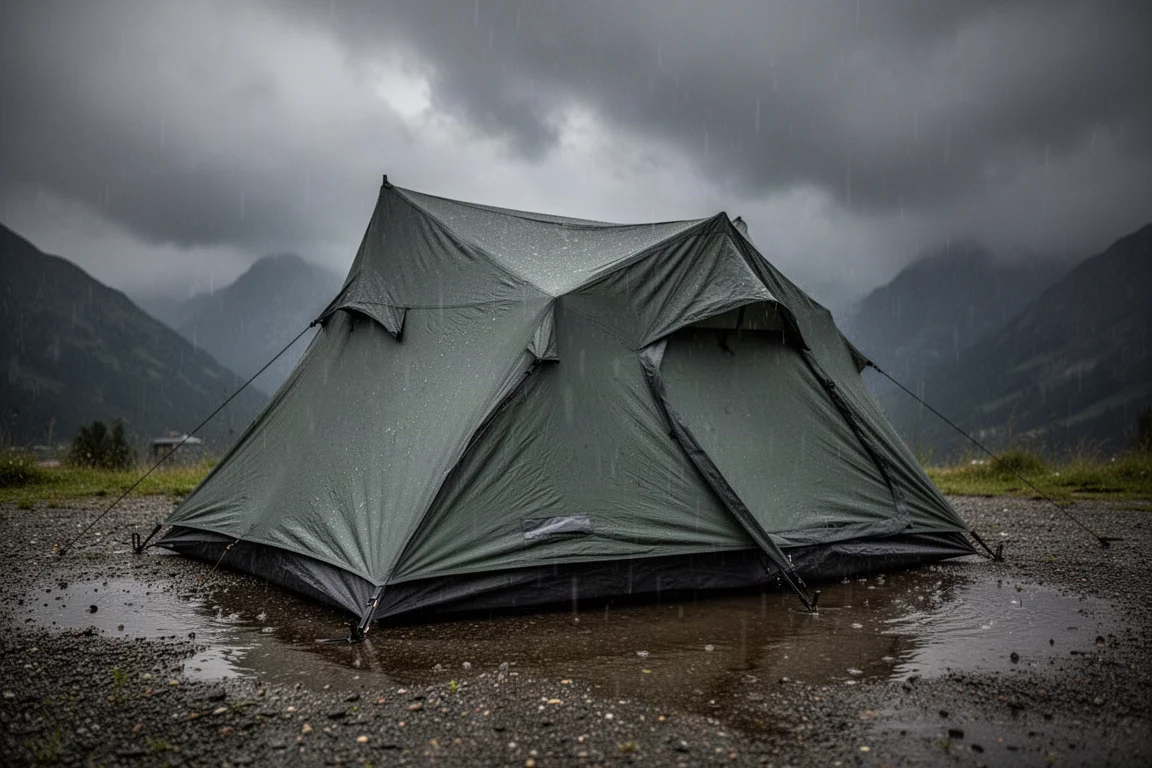
To answer it, the tent was pitched at a mountain campsite ahead of a forecast storm and left standing through several hours of heavy rain, wind, and standing water. The test was not a brief shower. It was a long, sustained soaking, which is exactly the kind of condition a tent needs to survive to be worth carrying.

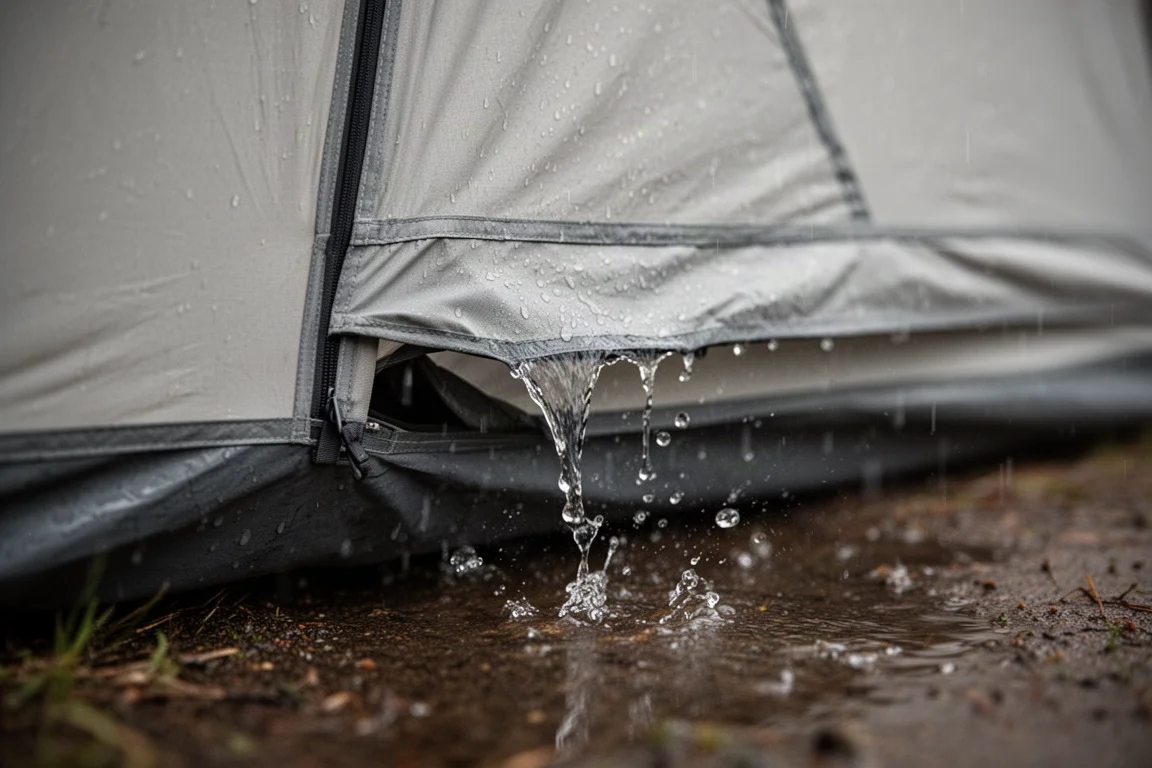
The result was clear. The Underwood Aggregator leaked. Water ran off the low side vent, hit the ground, and splashed back inside, leaving a pool of water in the foot box. Because that vent cannot be fully closed, there is no reliable way to prevent water from finding its way in during a serious rain event. On waterproofing alone, this shelter does not deliver.
Who This Tent Is For
The honest answer is that this tent is not a good fit for most campers. Its single-wall construction means condensation builds up inside, and airflow is very limited, so moisture has nowhere to go. The interior is genuinely small, and the unusual shape makes the space feel tighter still.
The entry is the other major limitation. The door is very small, and the opening follows an awkward path that runs from the top of the door down and then back again. Unzipping it takes more effort than it should, and anyone dealing with back problems, shoulder issues, or reduced mobility is likely to find the process uncomfortable rather than merely inconvenient.
This is a shelter for campers who are specifically curious about unusual designs, or who want the smallest possible footprint and are willing to accept real compromises in comfort, ventilation, and weather protection. It is not a tent to buy for general camping use.
Main Strengths and Design Notes
The clearest practical advantage is size. The Underwood Aggregator is compact, and it occupies very little ground once pitched, which can matter on a tight pitch or a small platform. Packed volume is correspondingly modest.
Beyond that, the design has notable weaknesses. The materials stretch considerably, and the tent does not set up cleanly or hold a crisp shape once pitched. The overall layout is odd enough that it takes time to understand how the panels are meant to sit.

That stretching matters more than it might sound. A tent that will not hold tension is harder to pitch consistently, and it makes the already limited interior space feel less predictable. Combined with the single-wall build, the design puts the shelter at a disadvantage before weather even enters the picture.
Waterproof Performance in Heavy Rain
The storm test ran for hours. Rain fell steadily, the wind picked up, and water collected in a moat-like perimeter around the base of the tent, which is a fair indication of how much water the shelter was sitting in.
Inside, most of the tent held up reasonably well. The exception was the foot box, where a pool of water gathered. That water did not come through the main body of the fabric. It came through the low vent on the side wall. Rain ran off the vent, struck the ground, and splashed back into the interior.
There is no complete fix for this. The vent can be pulled down, but it cannot be fully closed, so in heavy rain the inside of the tent will get wet regardless of how carefully it is pitched. Add the poor ventilation and the condensation that comes with a single-wall design, and the interior stays damp in wet conditions.
Things to Consider Before Buying
Three issues deserve attention before any purchase decision.
First, the vent. It is a permanent opening that cannot be sealed shut, and it is positioned where runoff and splashback can reach it. That is a design-level limitation, not a pitching mistake.
Second, the door and entry. The small door and the unusual zip path make getting in and out harder than it needs to be. Campers with back or mobility concerns should treat this as a genuine dealbreaker rather than a minor annoyance.
Third, the setup itself. Materials that stretch heavily and a shape that does not pitch cleanly mean you will spend more time adjusting and less time settled in. If you camp in wet climates, or if you rely on your tent as dependable shelter, these traits stack up against it.
Buying Advice
Judged as a weatherproof shelter, the Underwood Aggregator does not meet the mark. It leaked in sustained rain, and the source of that leak cannot be closed off. For anyone who camps in places where rain is likely, the money is better spent on a shelter with a closable vent and a double-wall construction that manages condensation.
If you are drawn to it purely as an unusual design piece, or you need an extremely small footprint for dry-weather use, go in with clear expectations. Treat it as a fair-weather curiosity rather than a tent you can trust when the forecast turns.

The most useful takeaway from the test is simple. A tent’s waterproofing claim only means something once water has actually been thrown at it for hours, and in this case the answer arrived quickly and clearly.
Conclusion
The Underwood Aggregator is compact, distinctive, and genuinely interesting to look at. It is also a single-wall shelter with poor ventilation, a difficult entry, materials that stretch, and a low vent that lets splashback into the sleeping area during heavy rain. For most campers, that combination makes it hard to justify, and for anyone who camps in wet weather, it is easy to rule out.
Product link
View more details for Underwood Aggregator Tent
This product is mentioned in the review. Check the specifications, options, and compatibility before buying.
View more details for Underwood Aggregator TentFurther reading
Related Reviews
Camping Tents
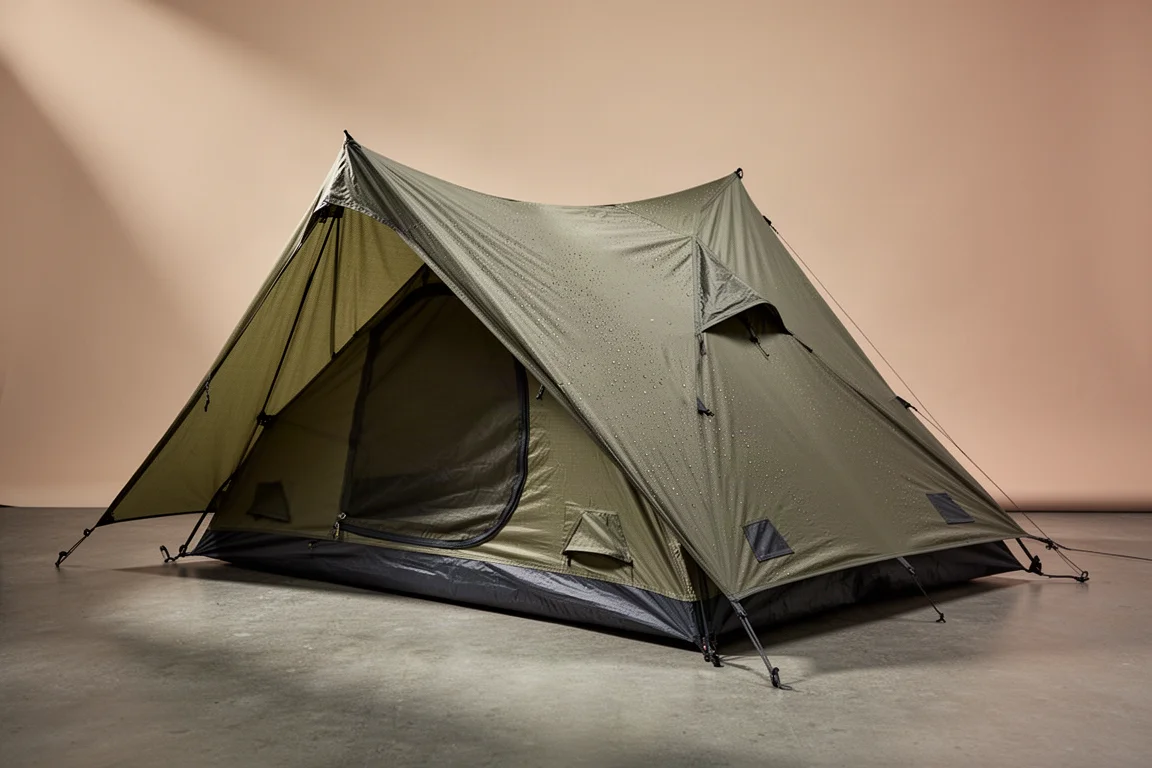
3F UL Gear Taiji Two-Person Tent Review: Field Waterproofing Results and Buying Advice
The Taiji pairs an attached fly with a removable inner, but sustained rain exposed untaped vent seams that need sealing before this shelter can be trusted.
Camping Tents
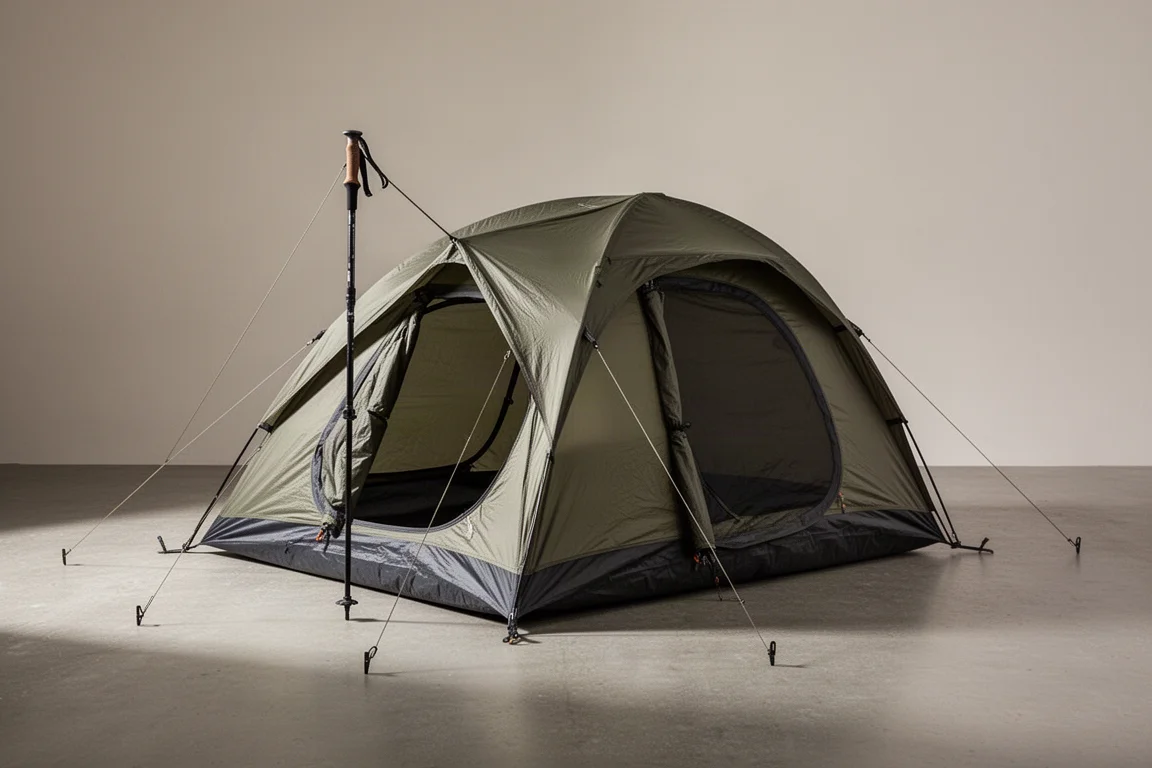
3FUL Gear Lanshan 2 Pro 4-Season Review: A Sub-$200 Single-Wall Trekking Pole Tent
An early look at the 3FUL Gear Lanshan 2 Pro 4-Season, covering its straightforward pitch, generous interior space, and the condensation and seam-sealing questions that come with any single-wall shelter.
Camping Tents
Alps Mountaineering Lynx 1-Person Tent Review: Big Value in a Small Budget Tent
A close look at the Alps Mountaineering Lynx 1-Person Tent, covering real interior dimensions, materials, setup time, ventilation limits, and who should buy it.