Outdoor Gear
Ultralight Winter Backpacking Gear List: 11 Pieces That Earned Their Place
A field-tested ultralight winter kit packed into a 45 litre bag, from wind-blocking layers and layered sleeping pads to a two-pound titanium stove.
Introduction
Winter backpacking with a hot tent usually means a heavy pack. This kit went the other way: an ultralight winter setup packed into a 45 litre backpack, with a base weight of around 18 pounds, used in conditions that dropped to roughly 41 degrees below freezing. For context, many winter travellers carry 75 to 100 litre packs, and the difference is felt on every climb and every step through deep snow.
What follows is a piece-by-piece look at the gear, covering what performed well, what was merely adequate, and the one item that will not be going out again.
What This Ultralight Winter Setup Is Built For
Every piece in this kit is judged on four things: warmth relative to weight, wind resistance, reliability when a stove has to be lit again and again in the cold, and how the item behaves when you are tired and setting up camp in moving wind.
That last point is easy to overlook when comparing specifications on paper. A shelter or a layer that works fine in a calm backyard can behave very differently on an exposed ridge, and the gear that holds up in those moments is usually the gear worth keeping.
Weight is the other constant. Ultralight winter gear is a series of trade-offs, and the goal is not the lightest possible kit but the lightest kit that still keeps you warm, dry and functional when the temperature drops well below freezing.
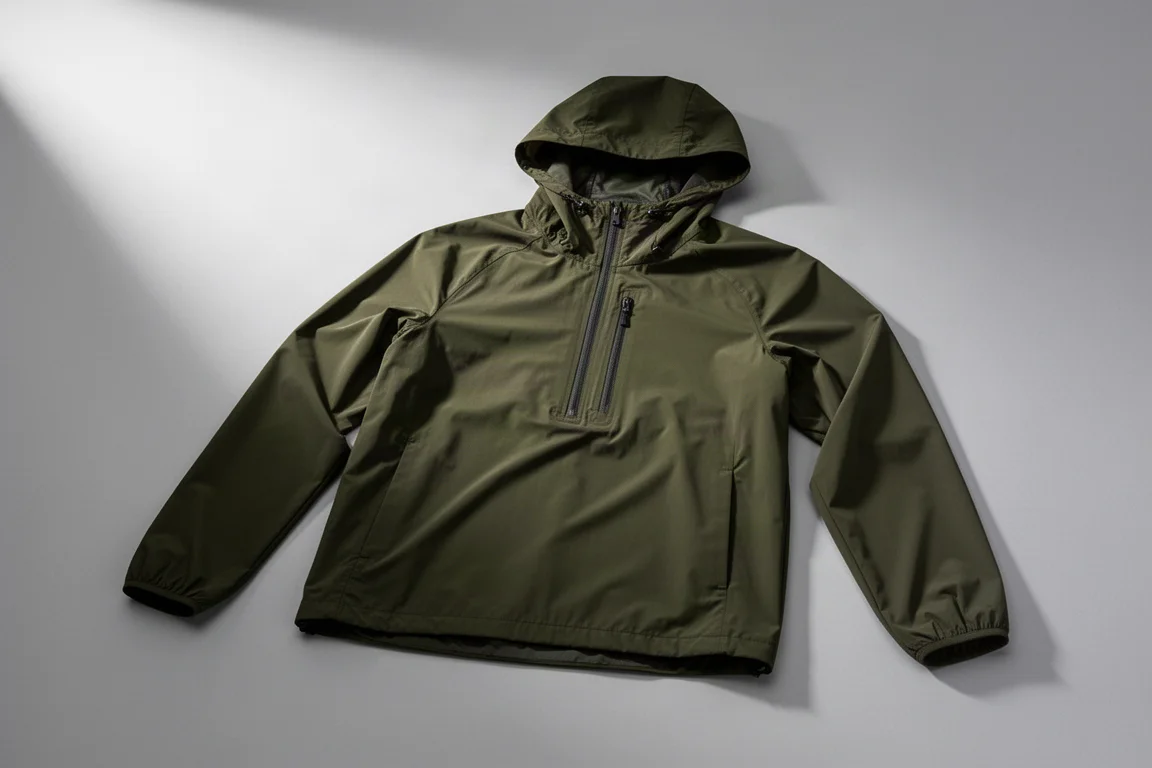
KUIU Ventus Jacket: The Wind-Blocking Hiking Layer
The Ventus was the layer worn while moving. It cuts wind, adds insulation and still breathes well, which is a difficult combination to find in a single jacket and exactly what cold-weather hiking asks for. Instead of stopping to swap layers on every climb, it stayed on for the approach.
For winter use, that matters more than outright warmth. A layer you can keep on while working hard is worth more than a warmer layer that forces you to stop and change.
Nova Pro Jacket: The Camp Layer That Cut The Wind
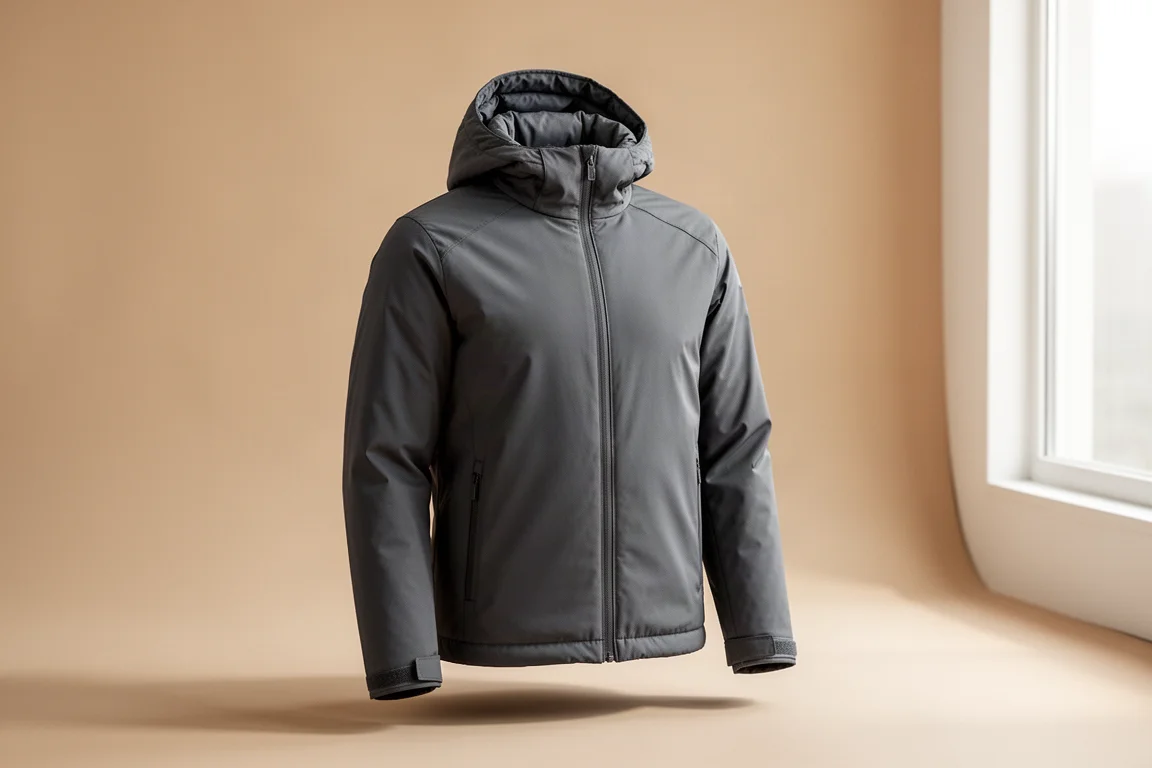
The Nova Pro went on the moment the pack came off. Pitching camp in strong wind is the coldest part of a winter trip, and this jacket blocked wind far better than a typical puffy, which turned a difficult moment into a manageable one.
Fabric construction is a big part of that. Without the stitched lines found on many insulated jackets, there is less for wind to push through, so it holds warmth in conditions where a standard puffy starts to feel like it is doing very little.
Therm-a-Rest NeoAir: The Primary Sleeping Pad
A pad with a little over four R-value is not enough on its own for a serious winter night, so the NeoAir served as the primary pad in a layered sleep system. It packs down small and provides both the cushioning and the bulk of the insulation.
Layering is standard practice in winter unless you carry a single pad with a much higher R-value. Used this way, the NeoAir is the comfortable base of the system rather than the whole answer.
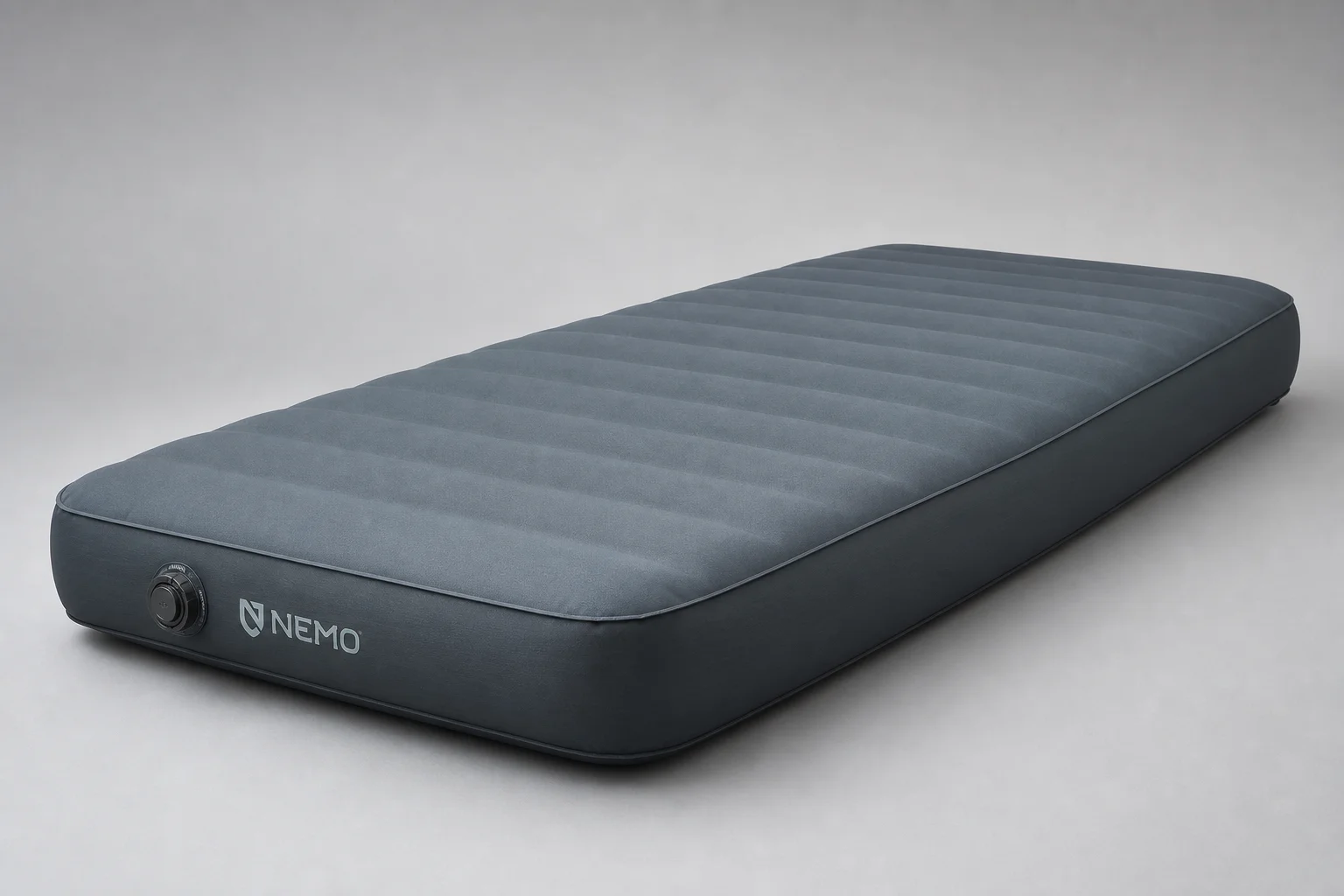
Nemo Switchback: The Supplemental Pad
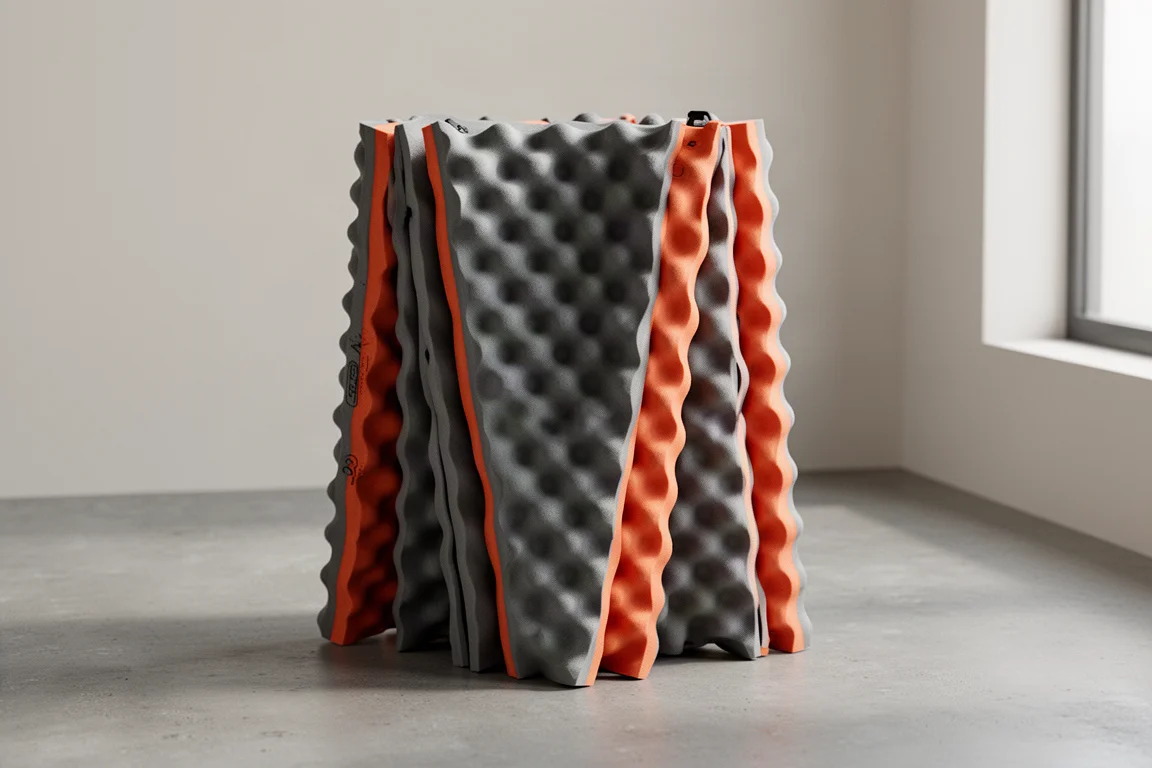
The Switchback is a closed-cell foam pad added underneath the inflatable for extra warmth. It also doubles as a seat and a dry surface to sit or kneel on inside the tent, which becomes more noticeable the longer the evening gets.
Foam pads take up pack space, but they cannot puncture, they never need inflating, and they keep working even if the inflatable pad fails.
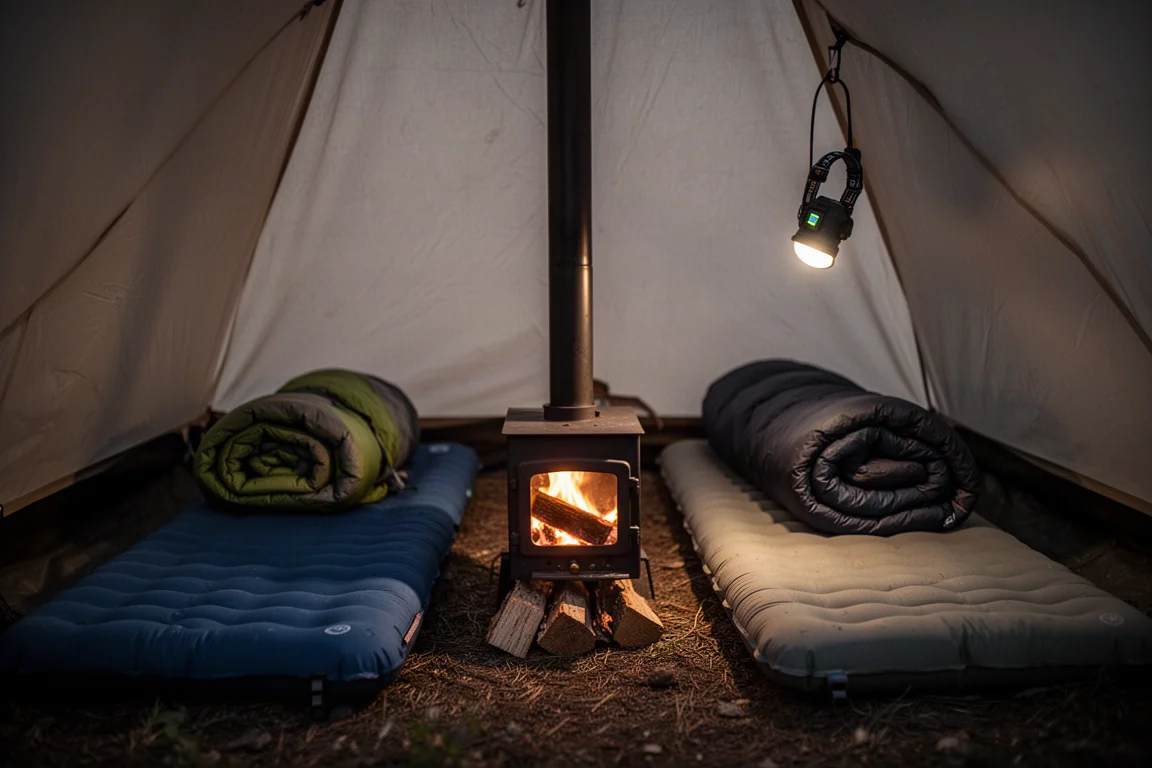
That combination is why the two pads travel together in winter. The inflatable does the heavy lifting on comfort, and the foam adds a margin of warmth plus a backup that costs nothing in reliability.
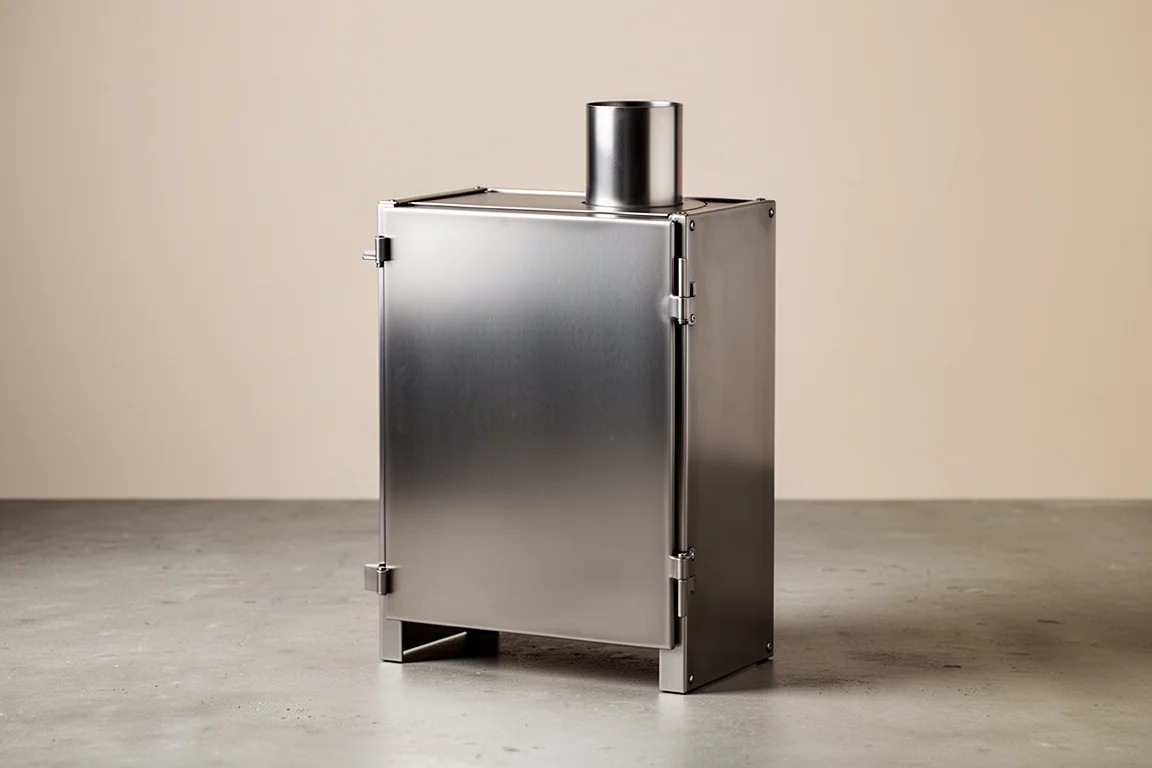
Seek Outside U-Turn Stove: The Heart Of The Hot Tent
A titanium wood stove is what turns a floorless shelter into a genuinely comfortable winter base. This one, in the large size, weighs around two pounds, which is remarkable for the amount of heat it produces.
It also shapes how the shelter has to be set up. A stove placed centrally heats the whole space, while one pushed to the far end leaves the opposite end cold and frozen. A folding saw and a pair of leather gloves are the practical companions here: leather because handling a hot titanium stove without it is a bad idea, and a saw because the stove only helps if you can process wood.
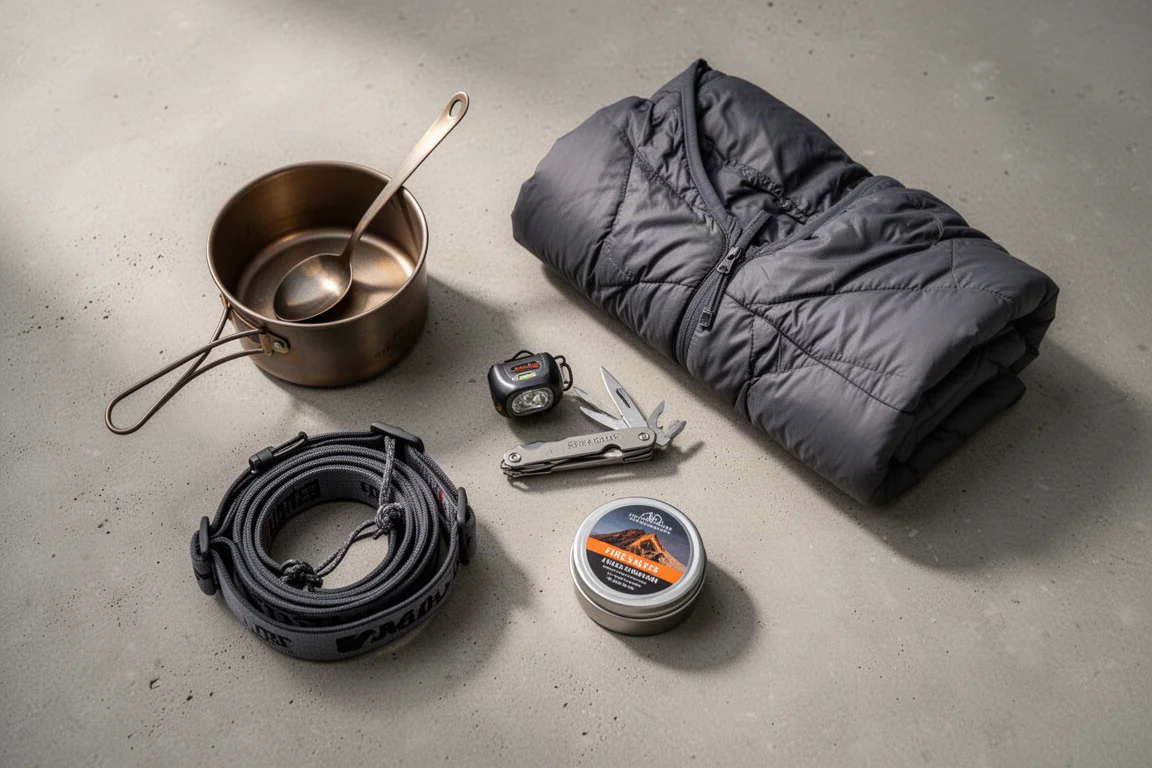
Nitecore NU25 Headlamp: Small, Light, Always Reachable
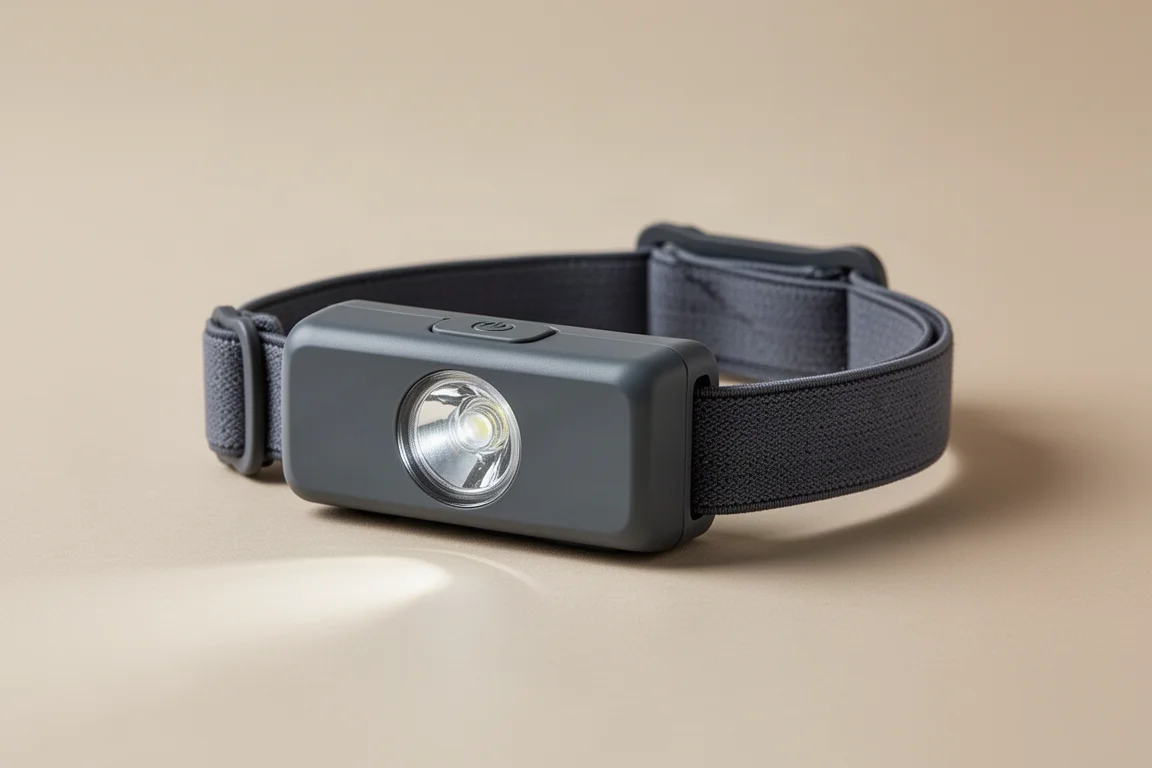
The headlamp lived in a hip belt pocket, which is where a light belongs on a winter trip: reachable without taking the pack off. It is small and light enough that there is no reason to leave it behind.
Gerber Dime Multi-Tool: The Quiet Essential
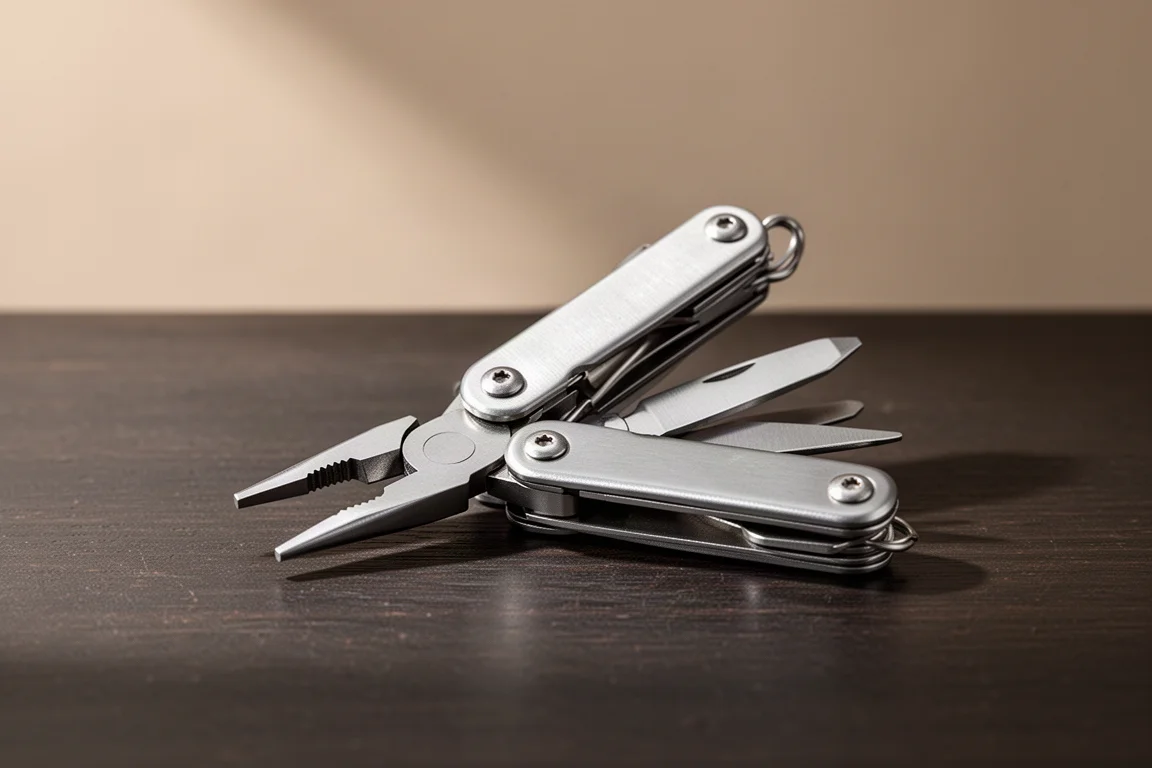
A small multi-tool is one of those items you rarely think about and always notice when it is missing. This one stayed in a hip belt pocket alongside the headlamp.
For ultralight travel, the value is in choosing something small enough to disappear into a pocket rather than a full-size tool you will resent carrying.
Toaks 700ml Pot: The Larger Option
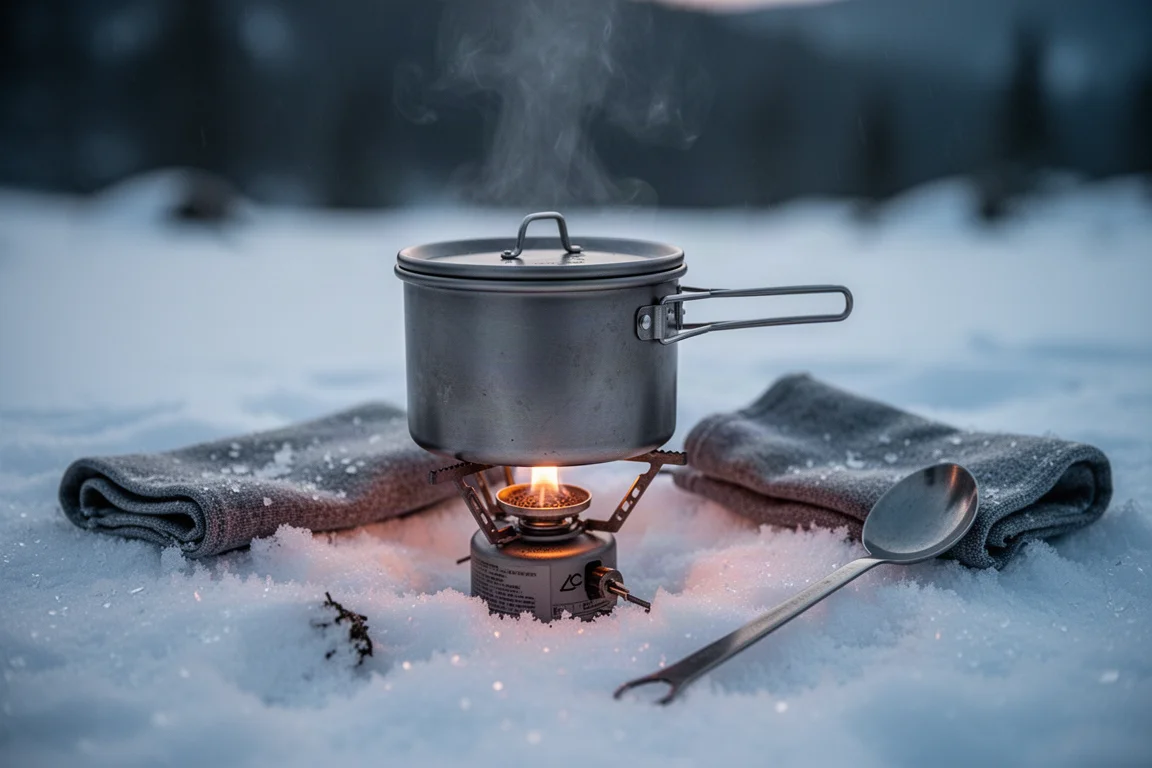
The 700ml pot was chosen for this trip in case snow needed to be melted for drinking water. The extra capacity helps with that job, although melting snow in titanium takes more care than melting it in a heavier pot.
In practice, no snow was melted, and the larger pot gives up the hash marks found on the smaller version, which are genuinely useful for measuring. That makes it a sensible choice for trips where snow melting is likely and a slightly awkward one for everything else.
Capacity you might need is only worth carrying if you actually use it. The larger pot is a good example of a decision that made sense in advance and less sense on the trail.
Toaks 550ml Pot: The One To Keep
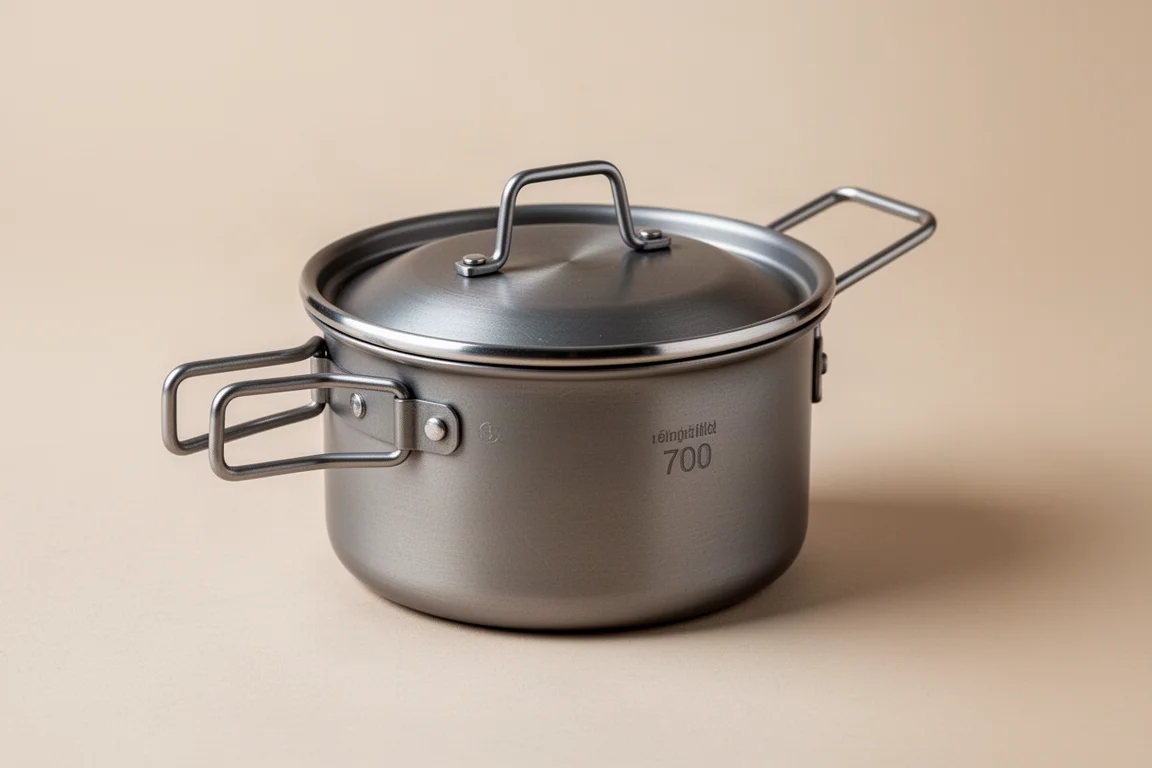
For most trips, the 550ml pot is the better default. It is the size that gets used again and again, and the hash marks make measuring straightforward without guesswork.
The broader lesson is worth repeating. Gear chosen for a scenario that never happens is simply extra weight, and the features you give up to get it are usually the ones you use every day.
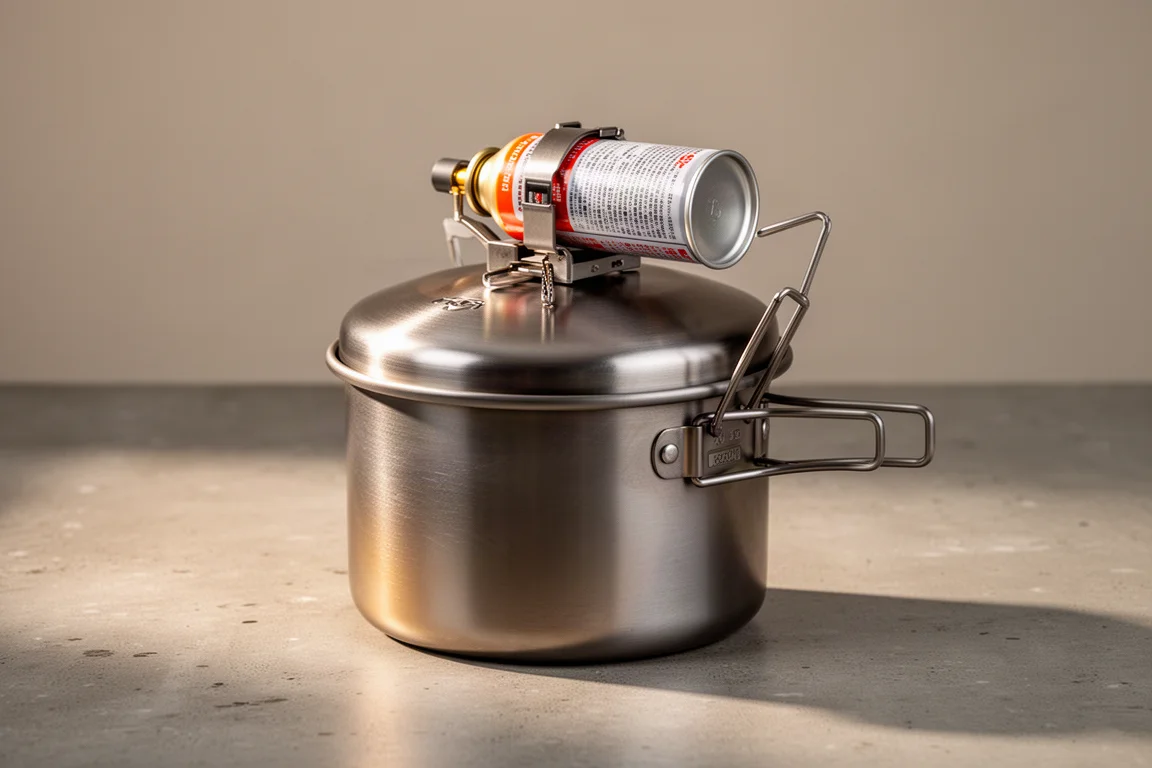
Toaks Long-Handled Polished Bowl Spoon
The long-handled spoon reaches the bottom of a titanium pot without getting your knuckles into the food, which is exactly what you want when rehydrating a meal in cold weather.
It is a small, light item that quietly improves every meal on the trip.
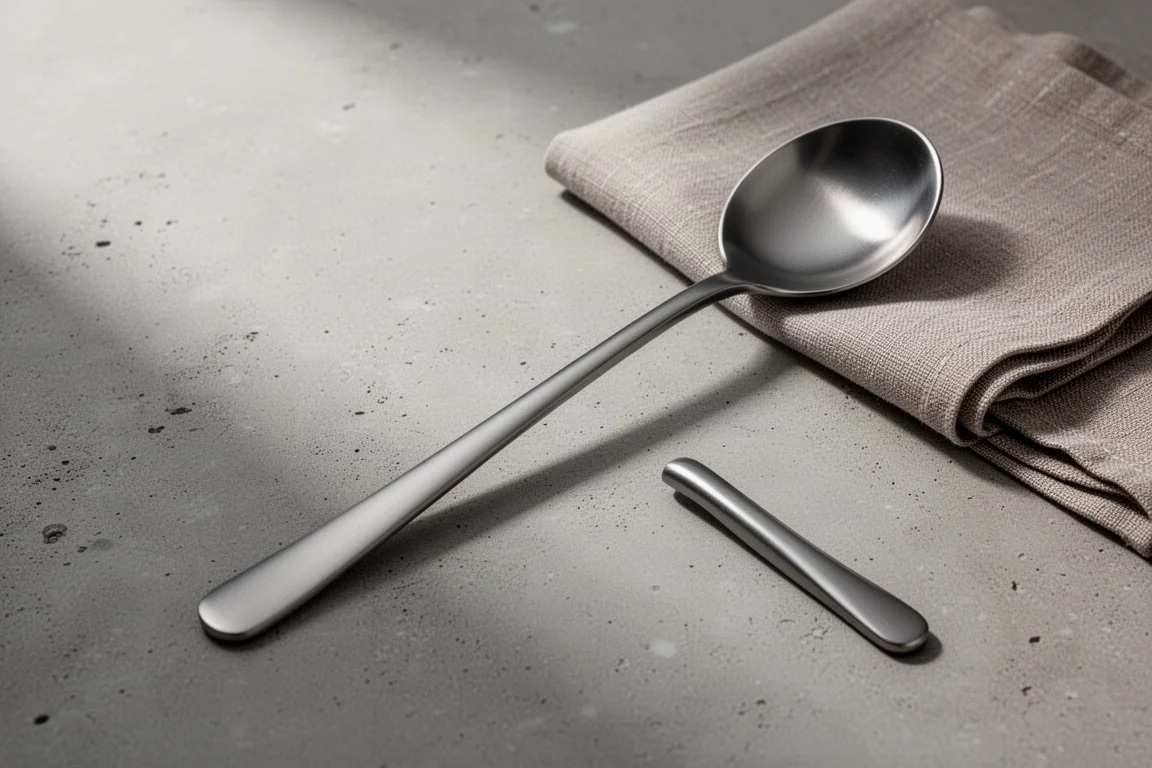
Pyro Putty Fire Starter: Reliable Fire In The Cold
Lighting a wood stove over and over in cold, damp conditions is where a fire starter earns its place. This putty is a blend kept in the first aid and safety pouch, and it was used to get the stove going in the evening and again the next morning.
The advantage over pre-formed blocks is that you take out only what you need, so a single container lasts across several trips. When conditions get sketchy and the fire has to catch the first time, that reliability matters more than the small weight saved by leaving it at home.
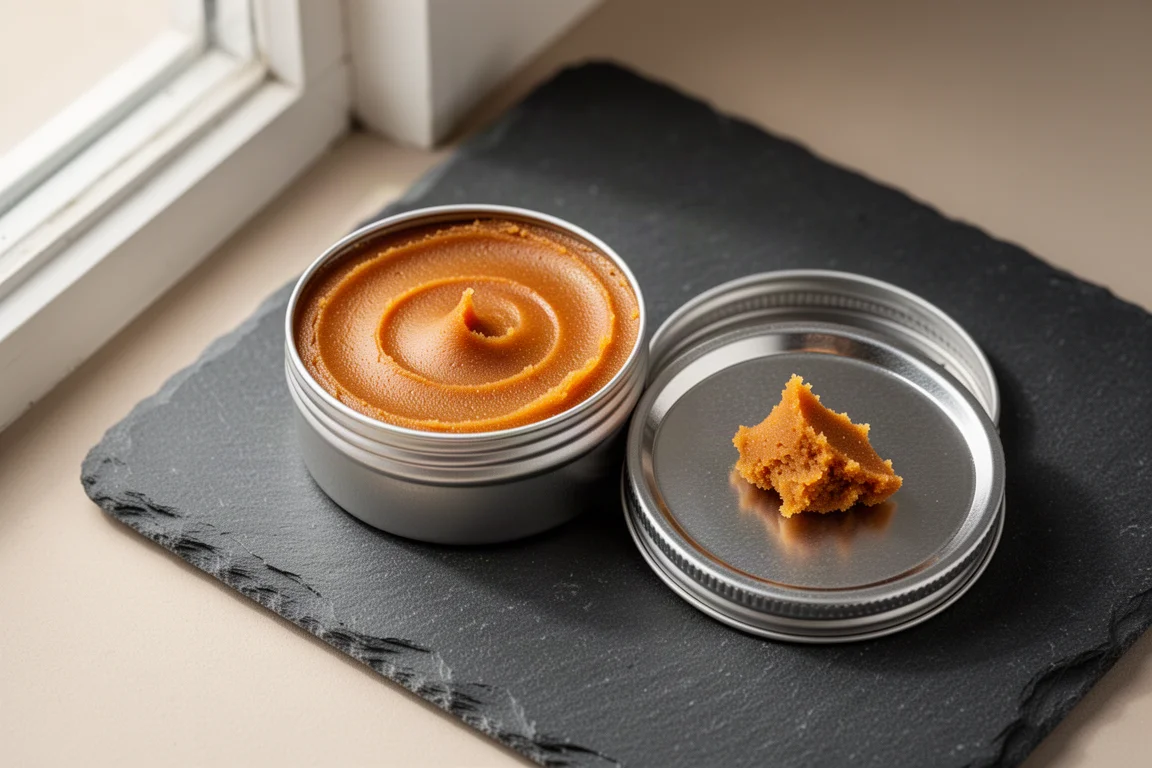
The One Piece I Would Not Take Again
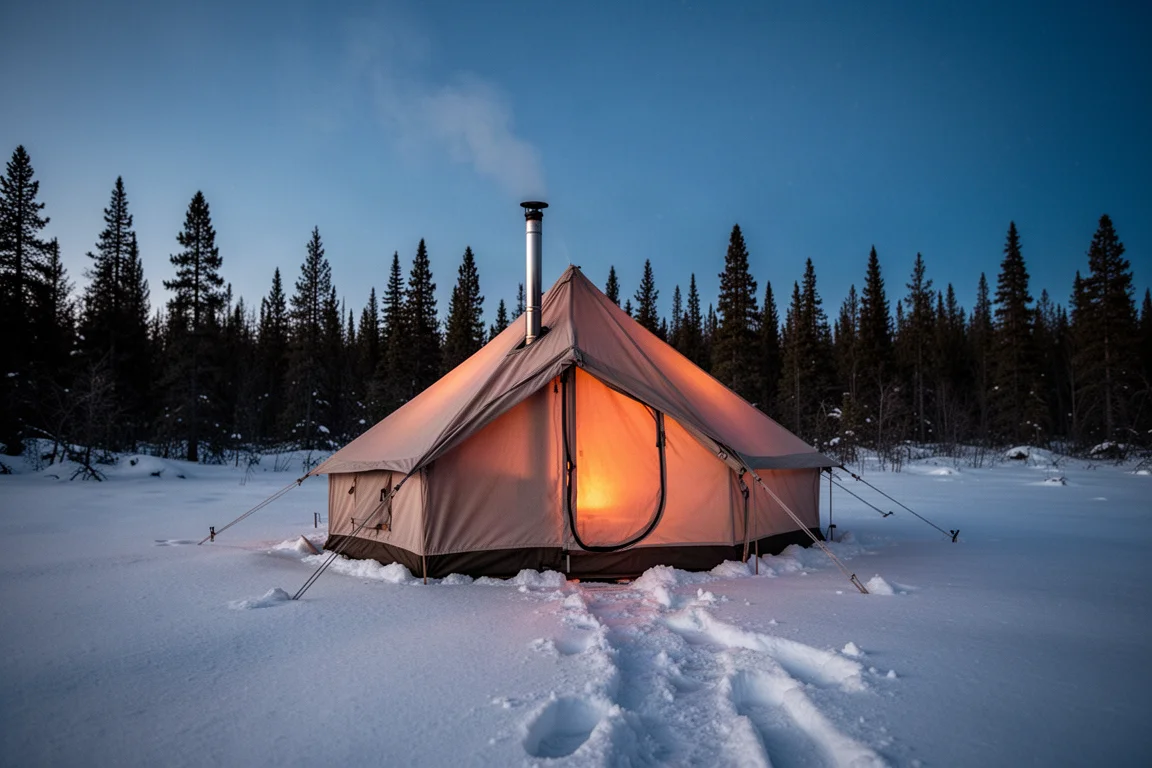
One item from this kit will not be going out again: a floorless hot tent shelter that never pitched the way it should. It was set up at home first and would not pull taut, and the same problem appeared on the mountain, where the bottom section of the zipper refused to close properly.
The consequences went beyond an untidy pitch. Because the shelter could not be pulled low and tight, wind-driven snow blew underneath the sides and covered the gear inside. A few more stakes would have helped, but the underlying issue was a design that did not feel finished.
That experience points to a simple rule. Either buy from a company you already trust, one with a track record and a body of feedback behind it, or do the research properly: read the reviews, look at the recurring complaints and understand the trade-offs before ordering. This purchase was rushed, from a newer company, and the feedback was not read closely enough. The replacement is coming from the same people who make the stove, which is a reasonable indication of where the expertise sits.
Buying Advice For Ultralight Winter Gear
Winter ultralight gear costs more per gram saved than almost any other category, so the order of spending matters. Start with the pieces that keep you alive and functional: the shelter, the sleep insulation and the stove that makes a floorless tent livable. Clothing comes next, and small accessories last.
Wind resistance deserves more attention than it usually gets. A layer that stops wind can change how an entire evening feels, and it costs far less than adding insulation everywhere else. The same logic applies to sleeping pads: layering two modest pads is often more flexible than buying one very high R-value pad.
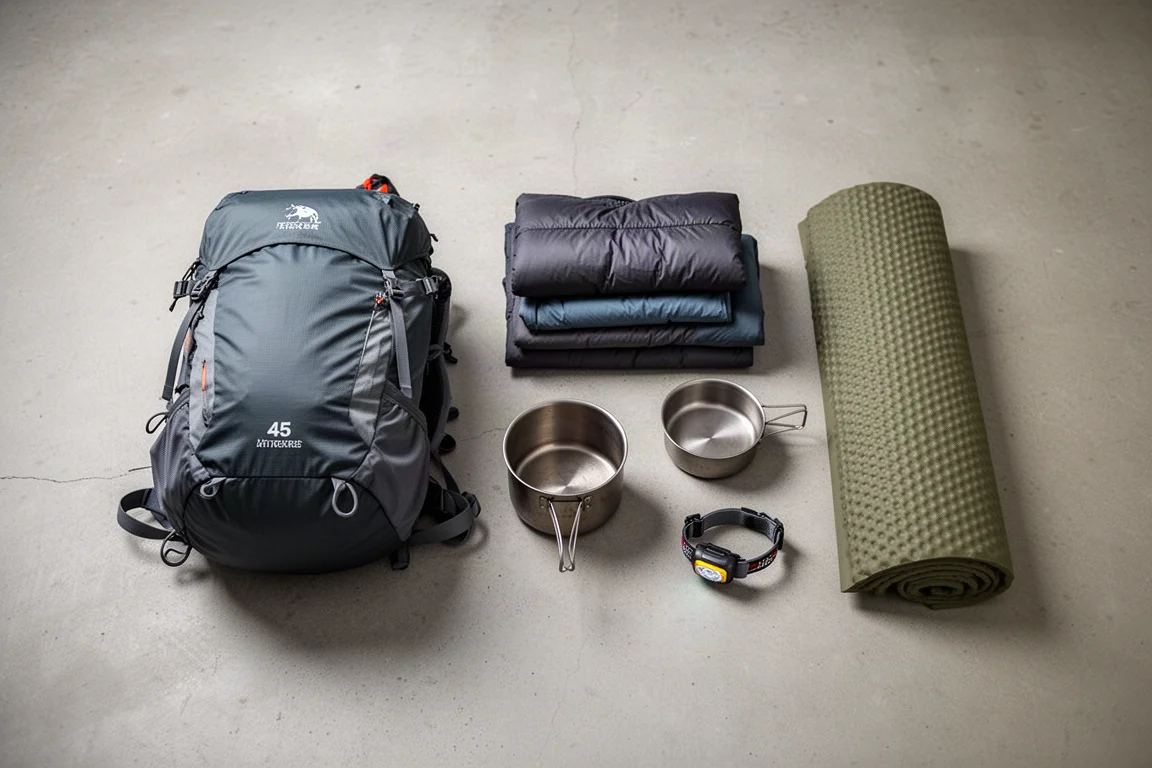
Reliability is the other thing worth paying for. A stove that lights on the first attempt, a headlamp that is always in the same pocket and a fire starter that works in damp conditions all remove small failures that can become serious ones in cold weather.
Finally, resist buying for a scenario you have not encountered yet. A larger pot for snow melting, an extra base layer or a heavier tool is easy to justify in advance and easy to regret on the trail.
Conclusion
The kit that went out in these conditions was, on the whole, well chosen. An 18 pound base weight in a 45 litre pack is a genuinely light winter setup, and the titanium stove turned a floorless shelter into a space worth spending an evening in.
The standout pieces were the two jackets. The Ventus handled the hiking, and the Nova Pro handled the cold, windy moments at camp, which is a division of labour that works well when you would rather not stop and change layers on a climb.
The takeaway is less about any single item and more about how the kit was assembled. Buy layers that match how you actually move, layer pads rather than chasing one expensive answer, and be honest about whether the extra capacity you are paying for will ever be used. Get those decisions right and a winter trip becomes something to look forward to rather than something to survive.
Further reading
Related Reviews
Outdoor Gear
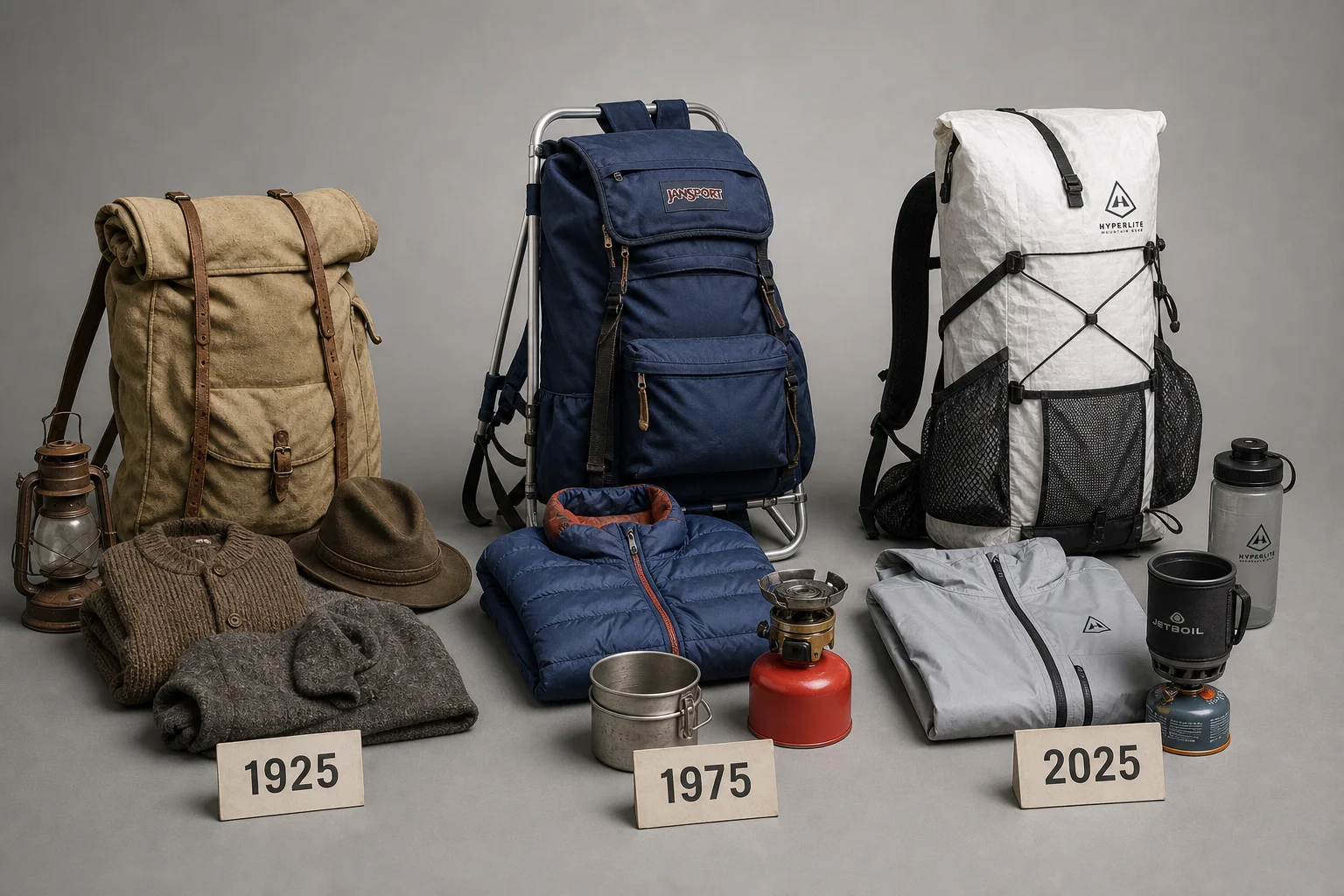
Backpacking Gear Evolution: 100 Years of Technology Compared
We tested backpacking gear from 1925, 1975, and 2025 across a three-day hike in Yosemite. Here's how technology has transformed comfort, weight, and the outdoor experience.
Outdoor Gear
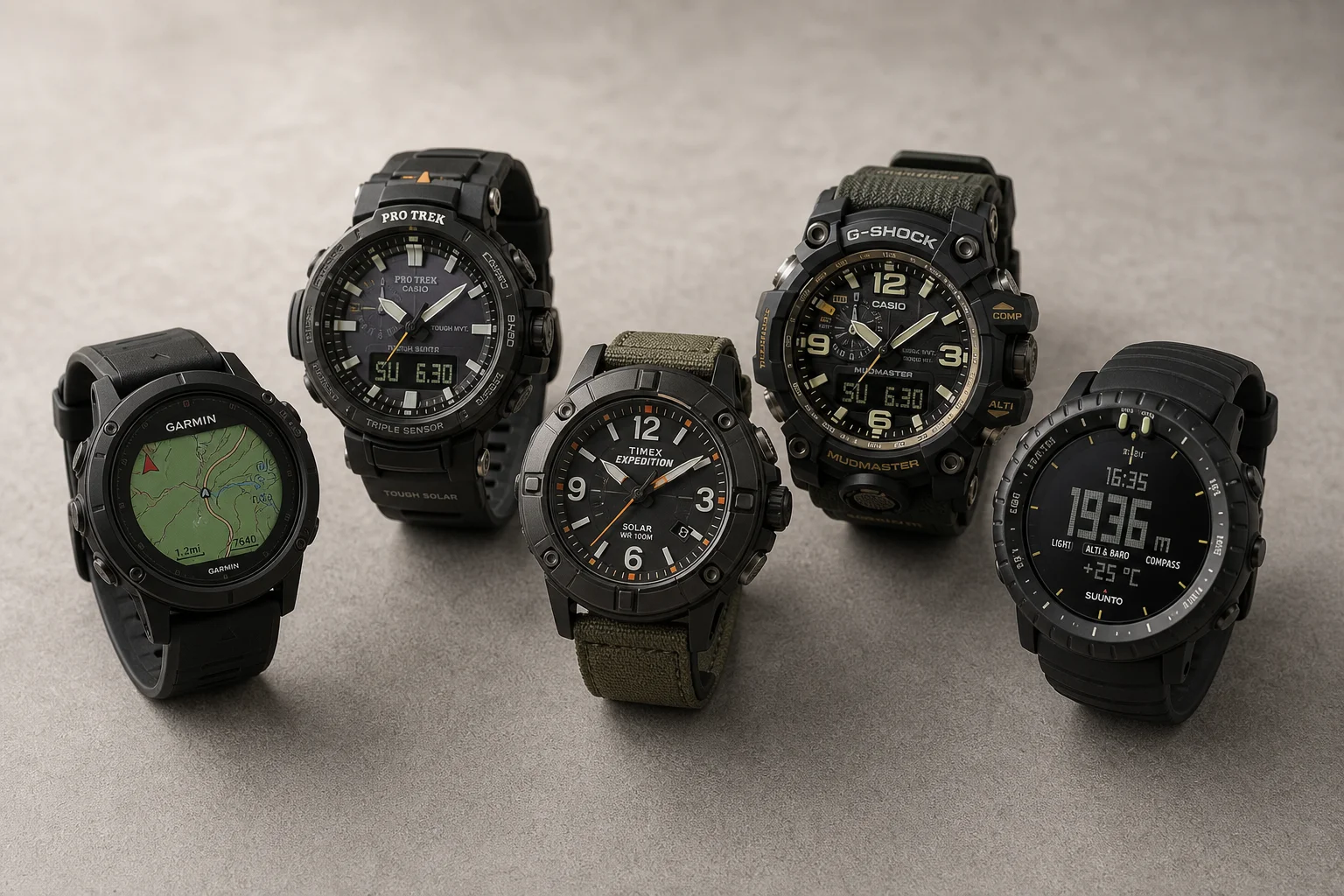
Best Affordable Hiking Watches: Five Rugged Options for Outdoor Adventures
Five durable hiking watches that balance ruggedness, functionality, and value for outdoor enthusiasts who need reliable GPS tracking and weather resistance.
Outdoor Gear
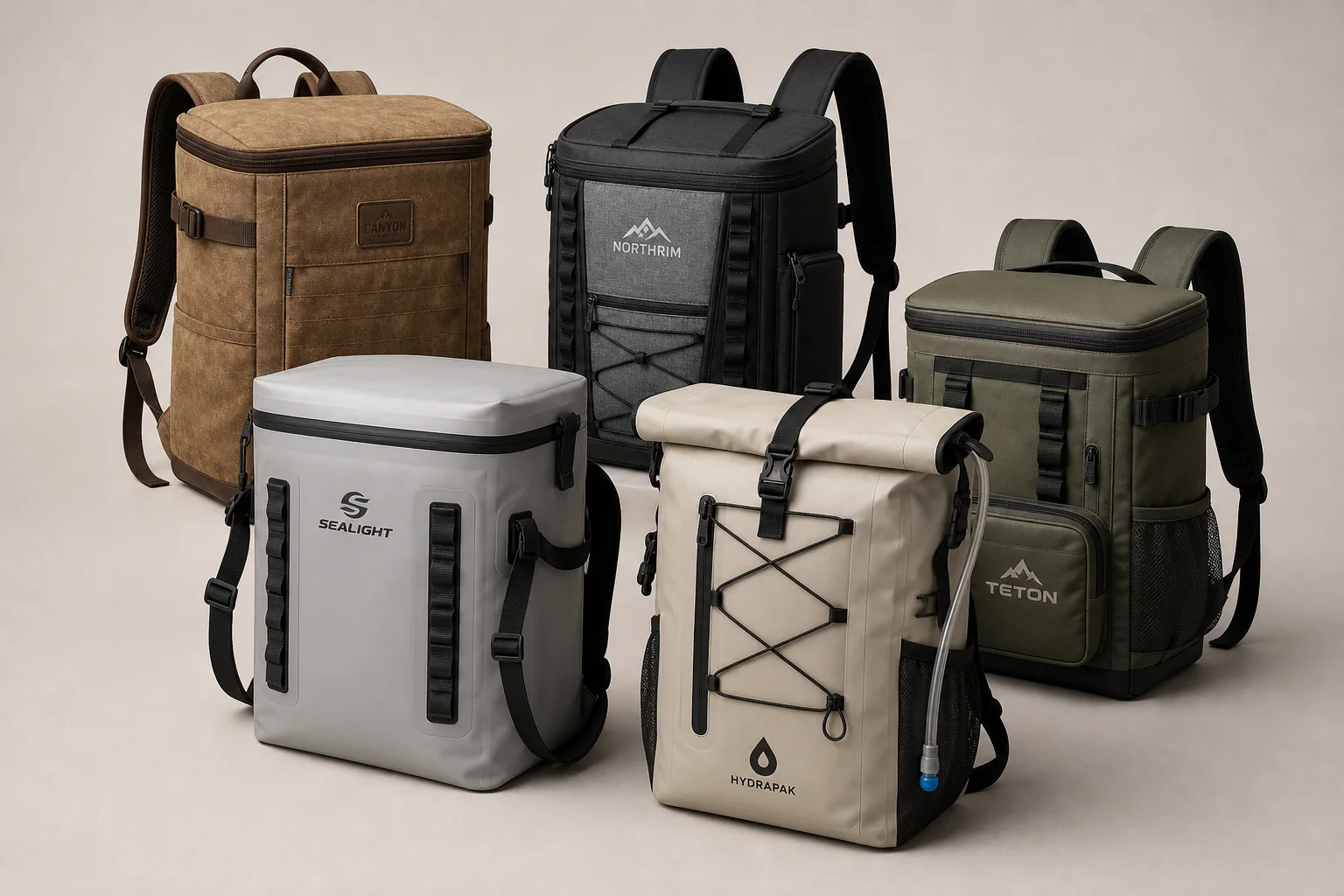
Best Backpack Coolers 2026: Five Practical Options for Outdoor Adventures
Five backpack coolers with distinct cooling capabilities, storage features, and design trade-offs to help you choose the right one for your outdoor needs.