Backpacking Gear
Ultralight vs Mainstream Backpacking Gear: 13 Items Compared
A side-by-side look at a mainstream backpacking kit and its ultralight counterparts, with the weight, cost, and comfort trade-offs to weigh before you buy.
Introduction
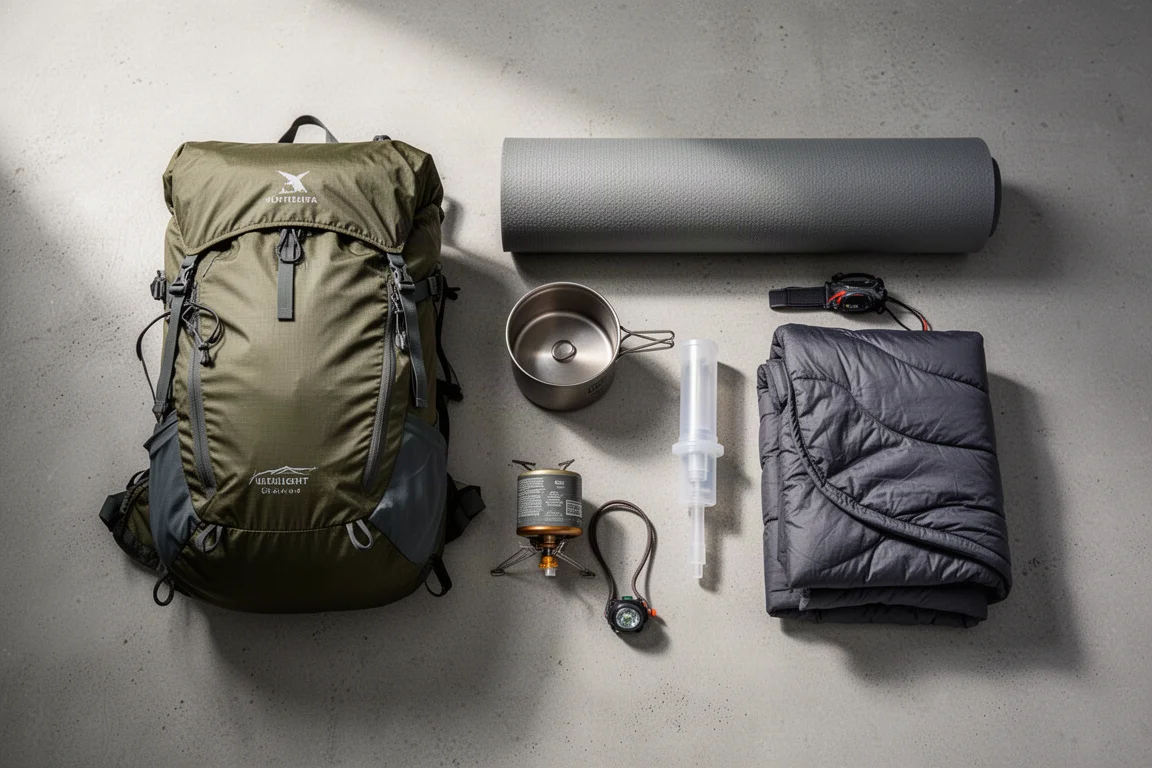
There are two very different ways to build a backpacking kit, and both of them work. One is the mainstream route: widely available packs, tents, pads, and stoves from the brands most hikers already know. The other is the cottage route: gear from small makers who build with lighter fabrics, fewer features, and much smaller production runs.
The mainstream kit is straightforward to source and easy to live with. The ultralight version of the same kit comes out roughly 7 lb lighter and only about $166 more expensive. That trade-off, weight against cost and convenience, is what this guide works through.
It is worth saying up front that lighter does not have to mean less comfortable. The ultralight loadout here still includes a cushy sleeping pad, a proper pillow, a chair, a real water filter, and the usual safety items. The main difference is how much you carry, and how tired you are at the end of the day.
How These Two Loadouts Compare
Counting only the main items, the mainstream kit came to 13.5 lb of base weight. The ultralight counterparts came to 6.4 lb. Adding the same 5 lb of shared extras that neither list covers, such as clothing and small essentials, brings the two totals to 18.5 lb and 11.4 lb. That is a 7 lb difference on the same trip.
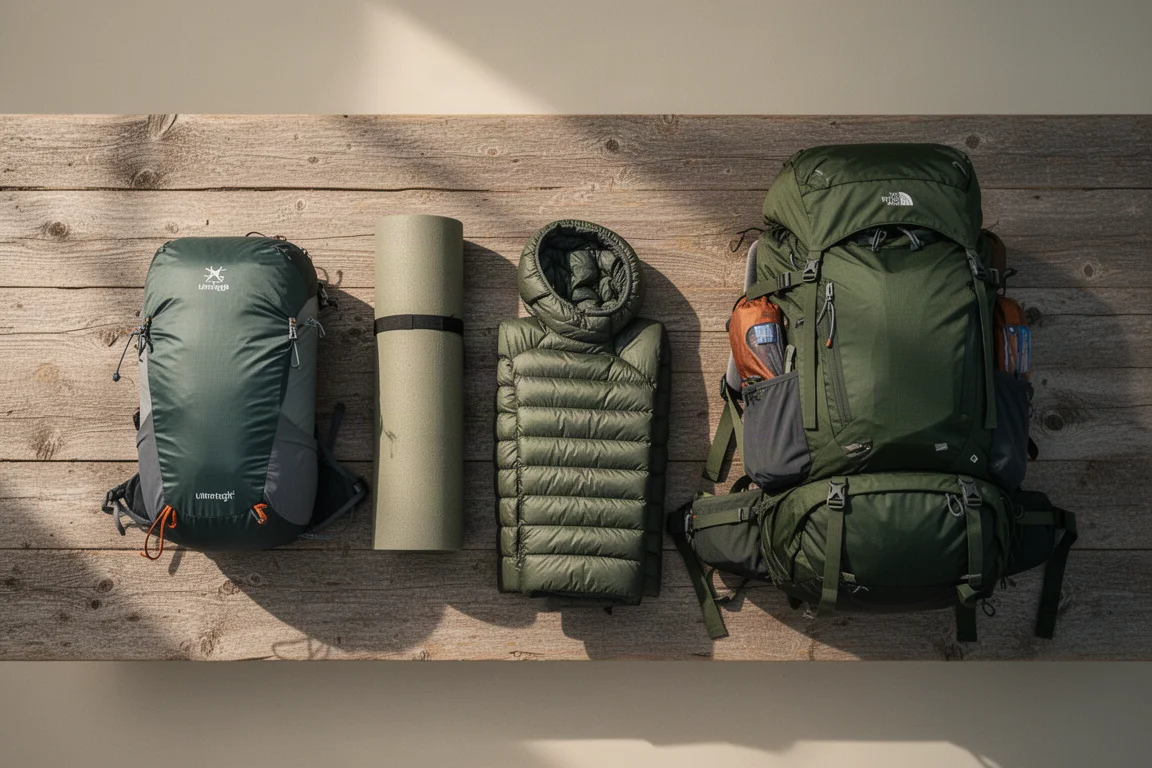
Price is the more surprising number. The ultralight loadout cost about $166 more than the mainstream one, so those 7 lb came at a modest premium rather than a dramatic one.
The sections below go category by category, pairing each mainstream item with its ultralight counterpart and noting what actually changes when you make the swap.
Backpacks
The pack is the easiest place to find a large weight difference, and this pairing shows it clearly.
Zpacks Arc Haul
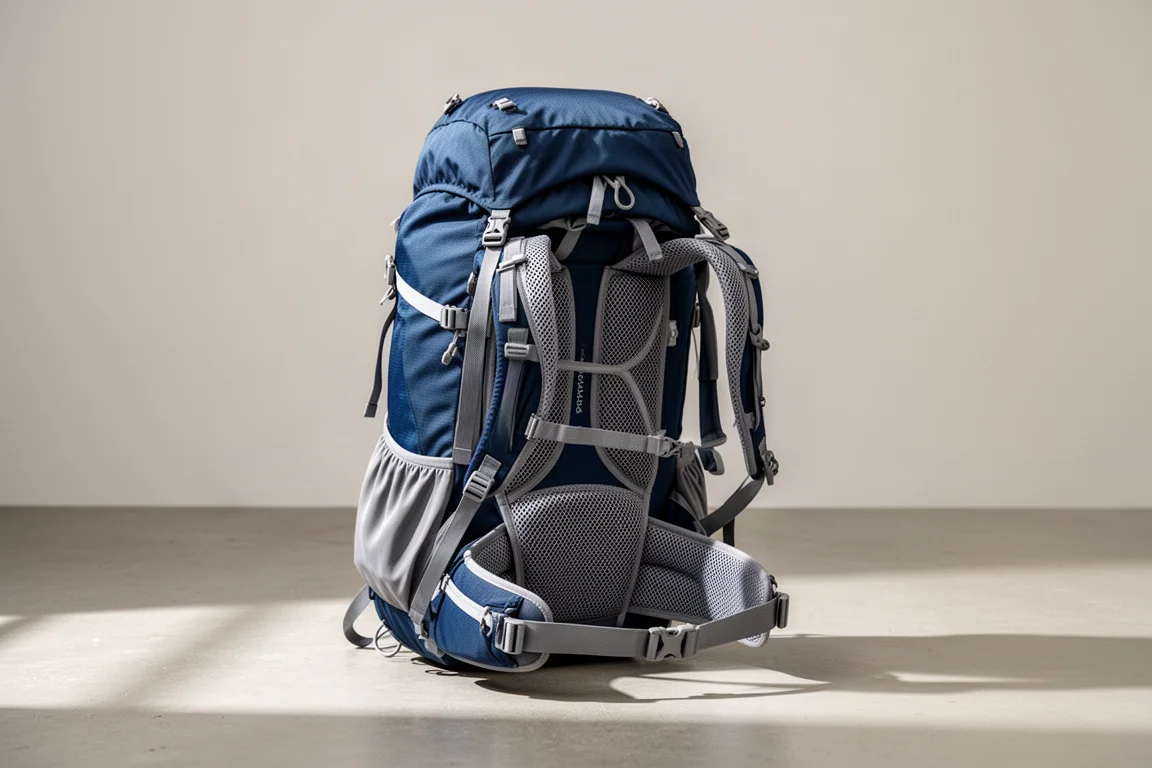
The Zpacks Arc Haul is a roughly 60-liter pack with a fully adjustable suspension and a listed weight of 24.6 oz. It offers a large capacity while staying genuinely light on the scale.
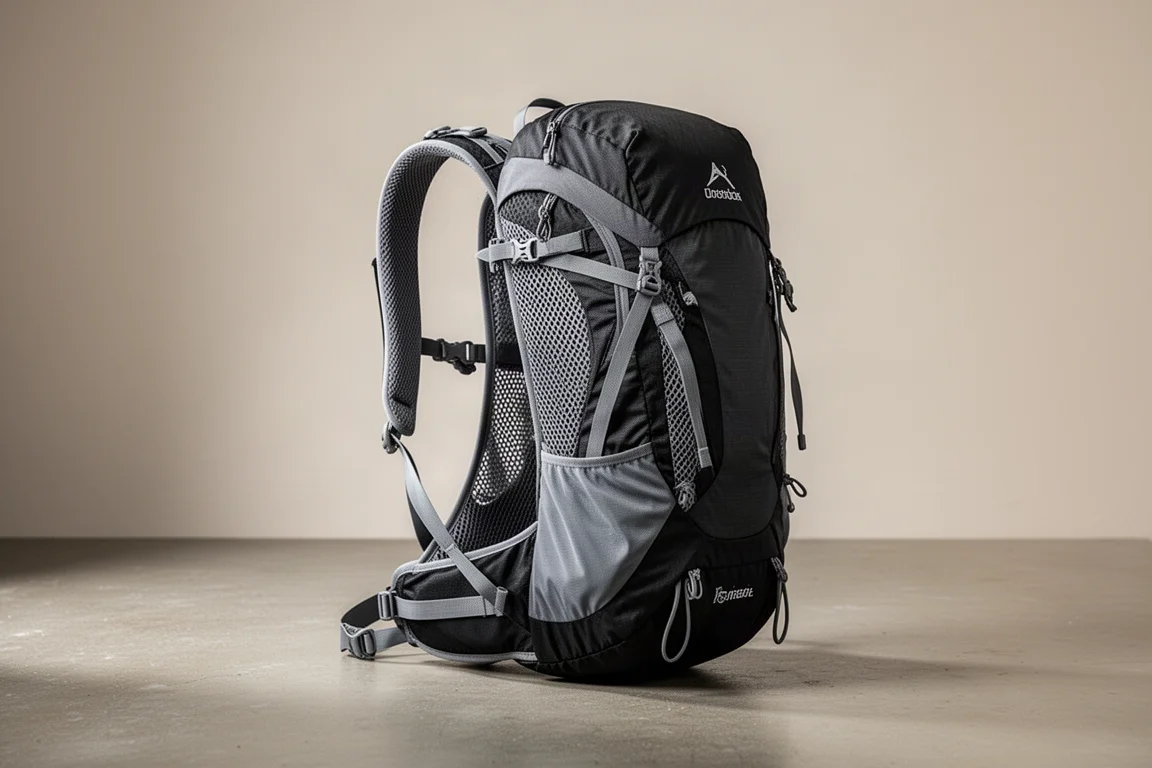
Osprey Aether 55
The Osprey Aether 55 is the mainstream counterpart here. It is a 55-liter pack, and in this comparison it came in almost 4 lb heavier than the Arc Haul.
Shelters
Tent choice is not only about weight. Floor dimensions decide whether two wide sleeping pads fit side by side, which matters on any shared trip.
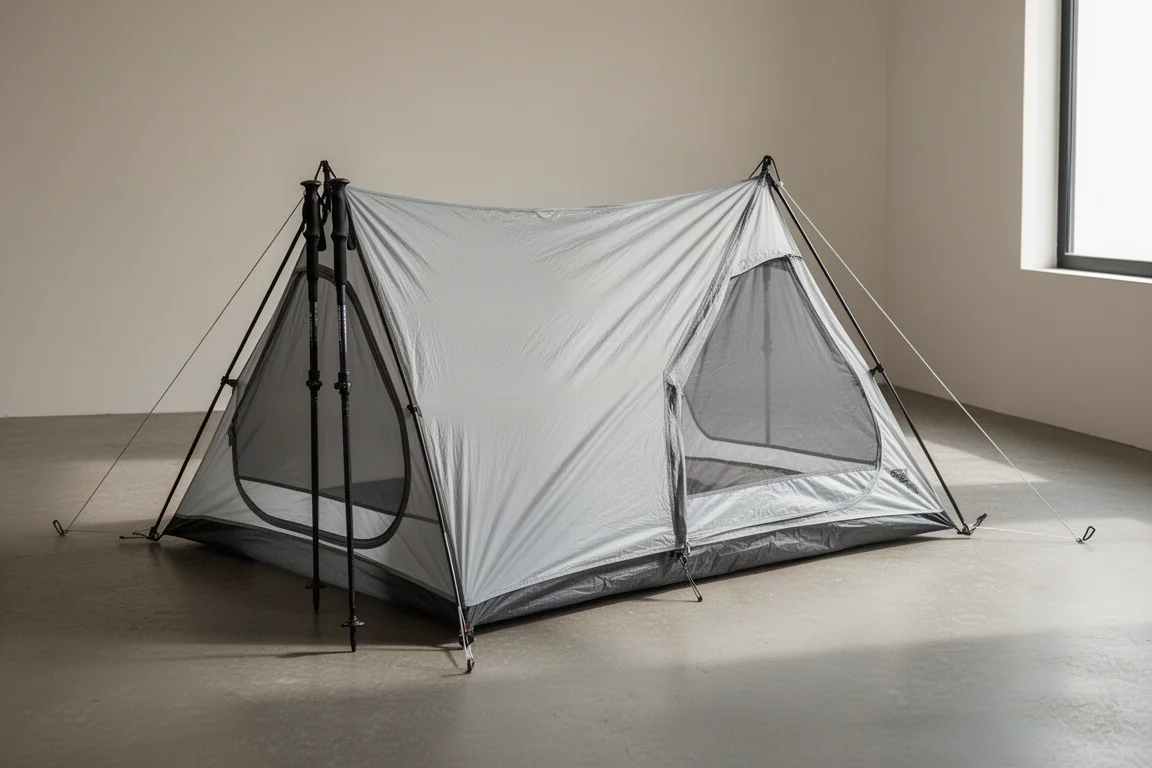
Tarptent Dipole Li
The Tarptent Dipole Li is a Dyneema two-person tent that weighs 27 oz, comfortably under 2 lb. Its floor is 50 in wide, which is enough for two wide pads side by side.
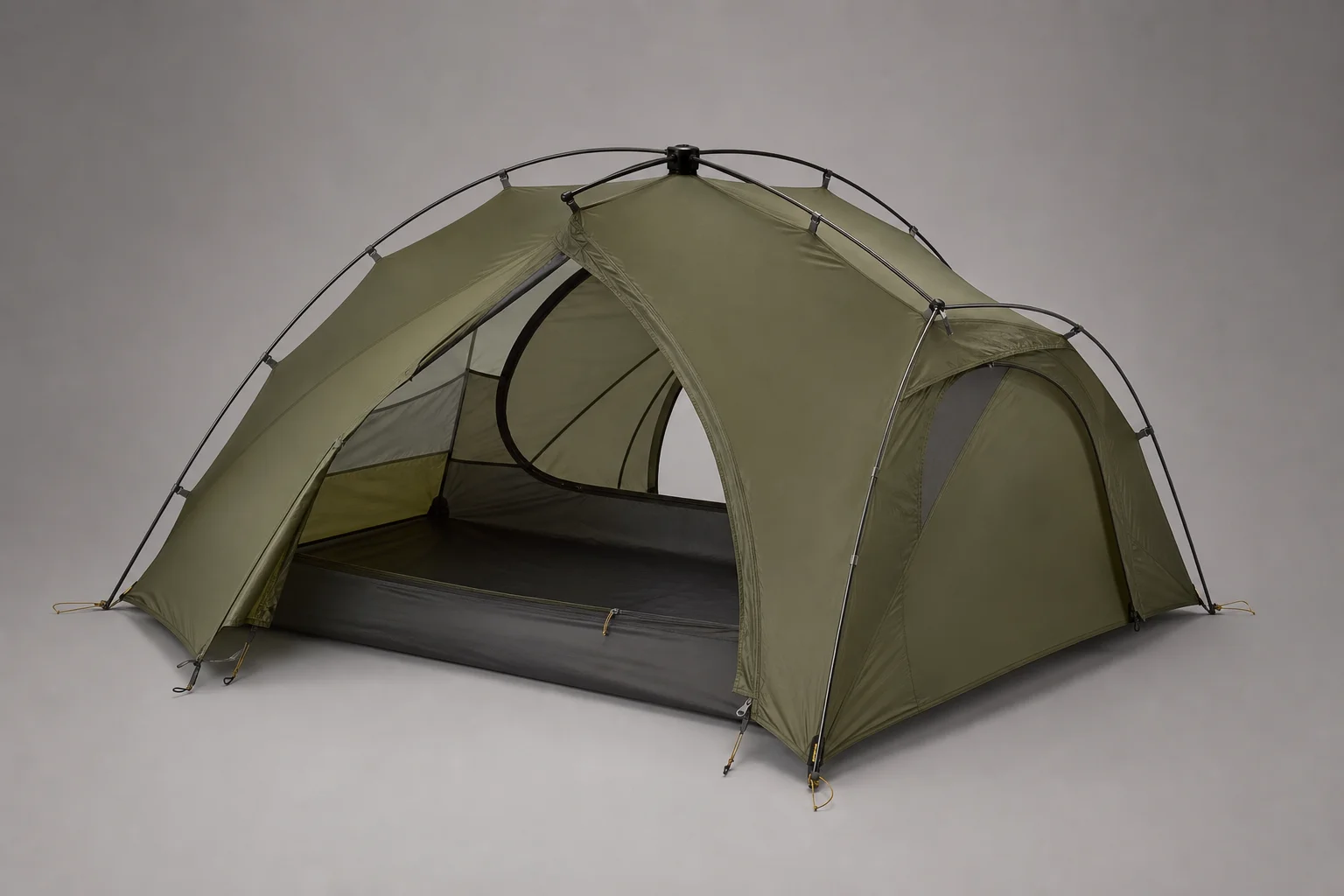
Big Agnes Copper Spur
The Big Agnes Copper Spur is a well-known mainstream two-person tent, but it cannot accommodate two wide pads, and in this comparison it came in almost a pound heavier than the Dyneema option.
Water Treatment
Water treatment is where the two kits differ in method rather than only in weight. Filtering, chemical tablets, and boiling all work, and carrying more than one option is a reasonable habit on any trip.
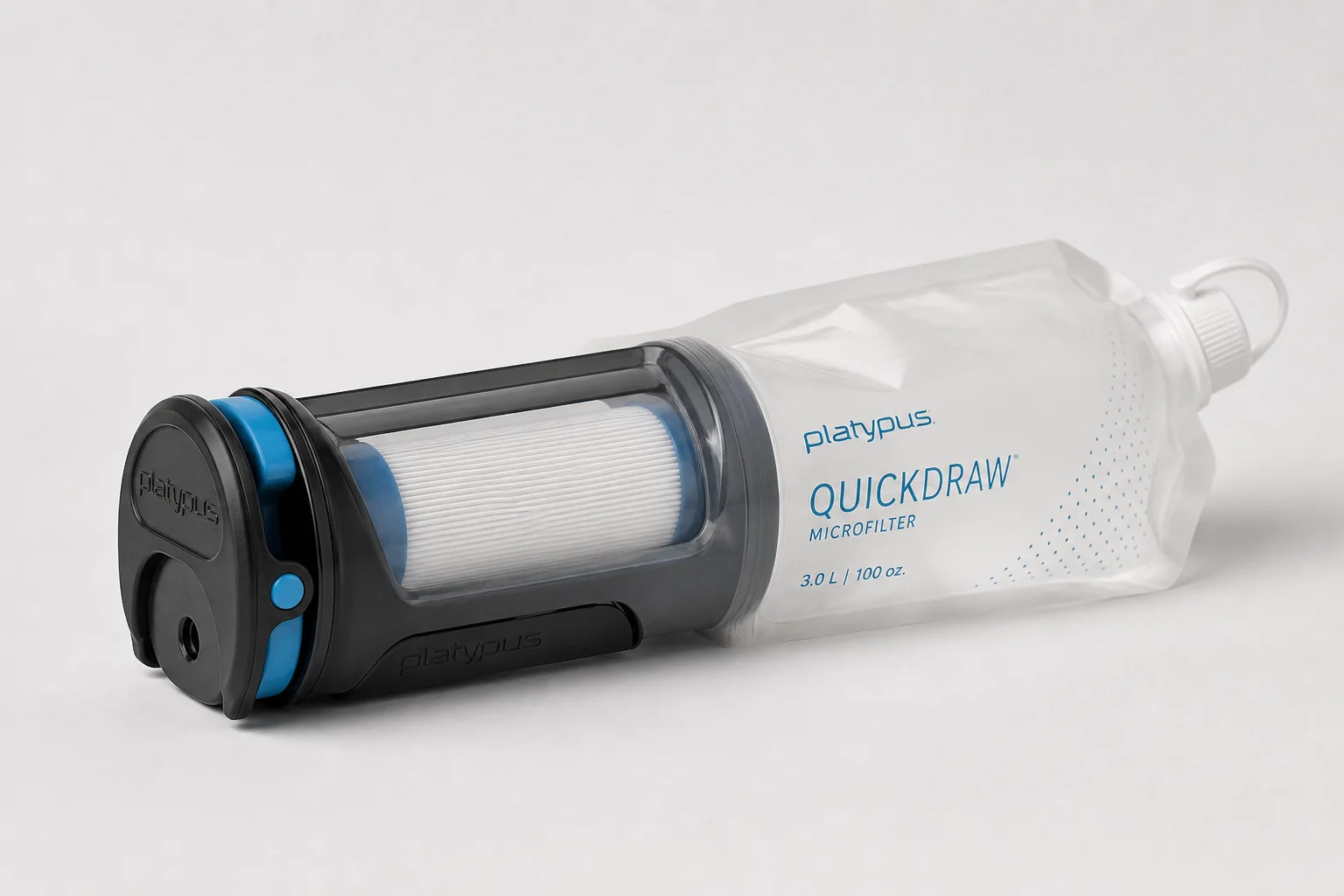
Platypus QuickDraw
The Platypus QuickDraw weighs 3.4 oz and removes 99% of contaminants from the water you drink. It does not remove viruses or chemicals, which is worth knowing before you rely on it as your only method.
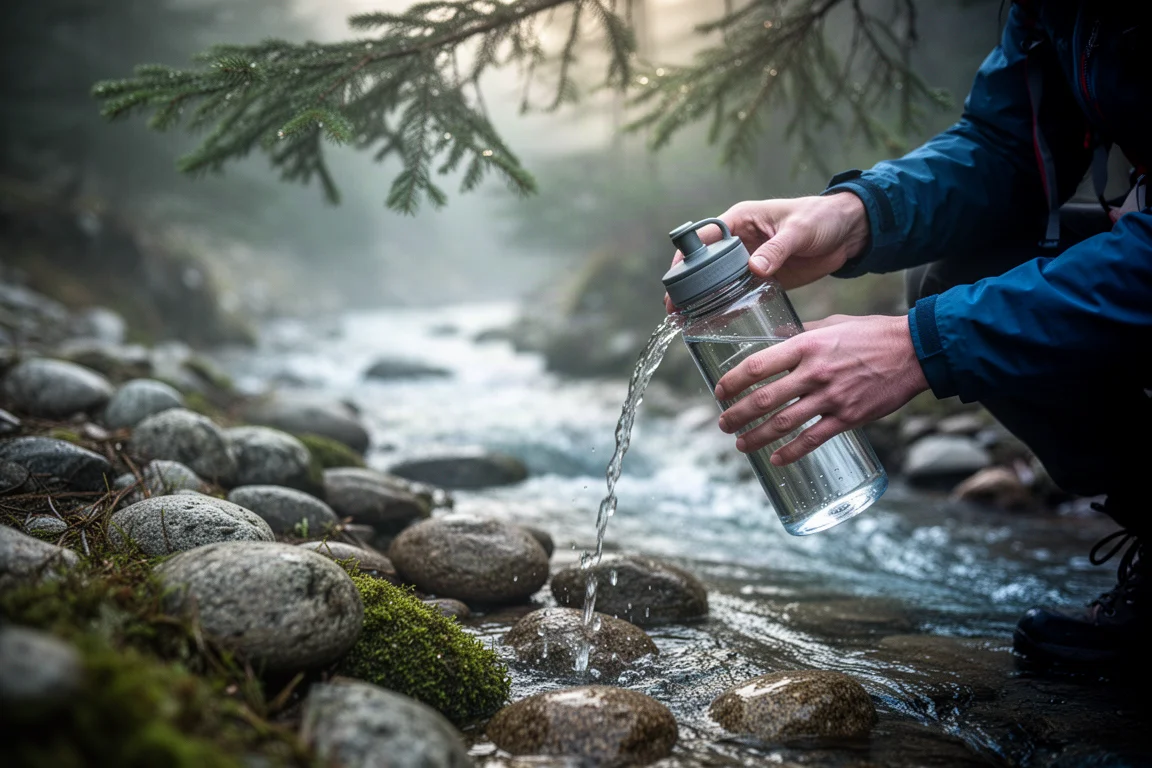
On a trip with a long gap between water sources, carrying 2 L from a creek is normal practice, and a filter makes those refills quick and predictable.
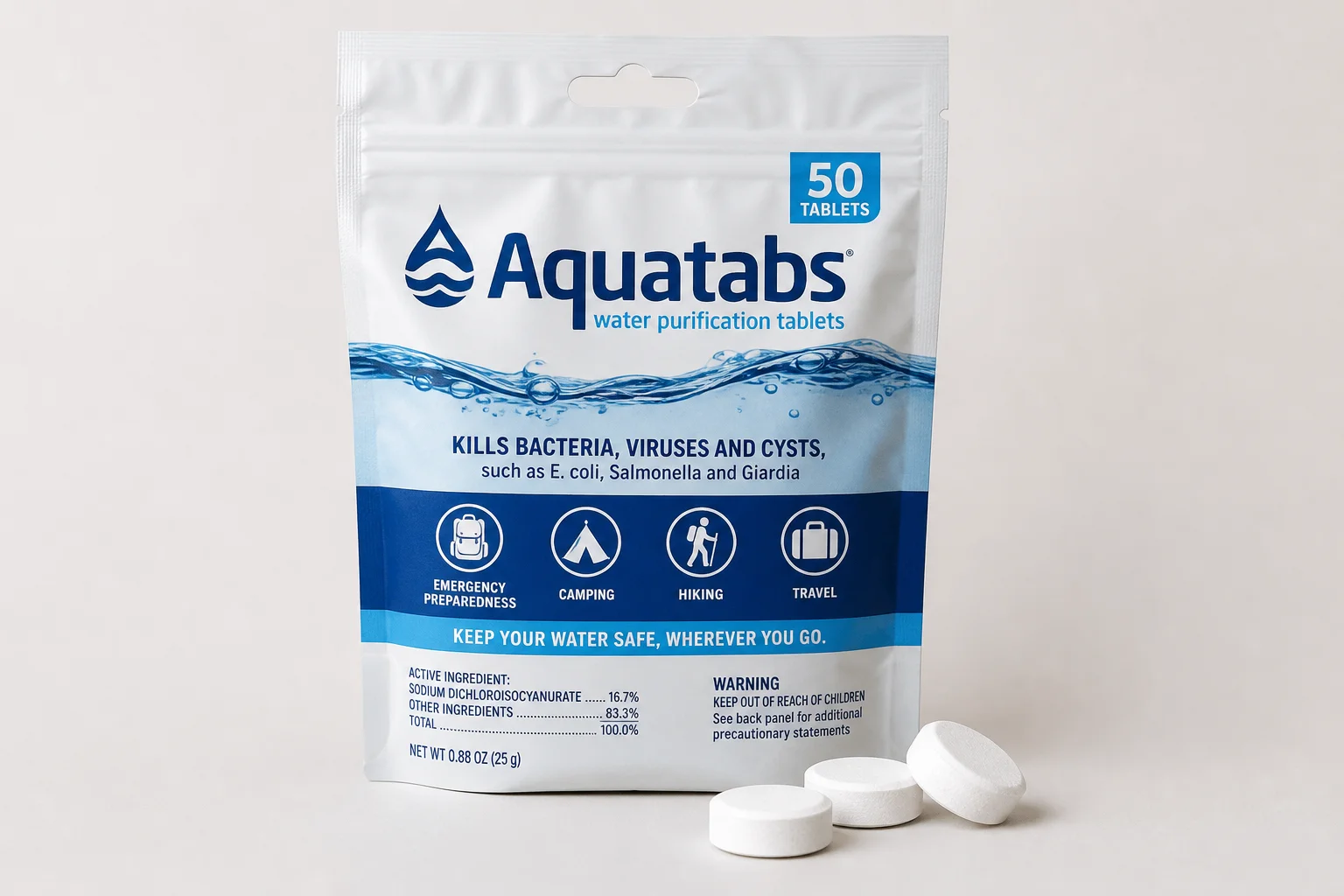
Aquatabs
Aquatabs sanitize water, but they do not remove anything from it. Dirt, sediment, bacteria, and parasites all stay in the bottle, they are simply dead and no longer able to cause harm. Treatment also takes over 40 minutes for 750 ml, which is slow when you are thirsty. They remain a sensible backup.
Cooking Systems
A canister stove and a small pot are the standard pairing for solo trips, and the gap between pot materials is bigger than most people expect.
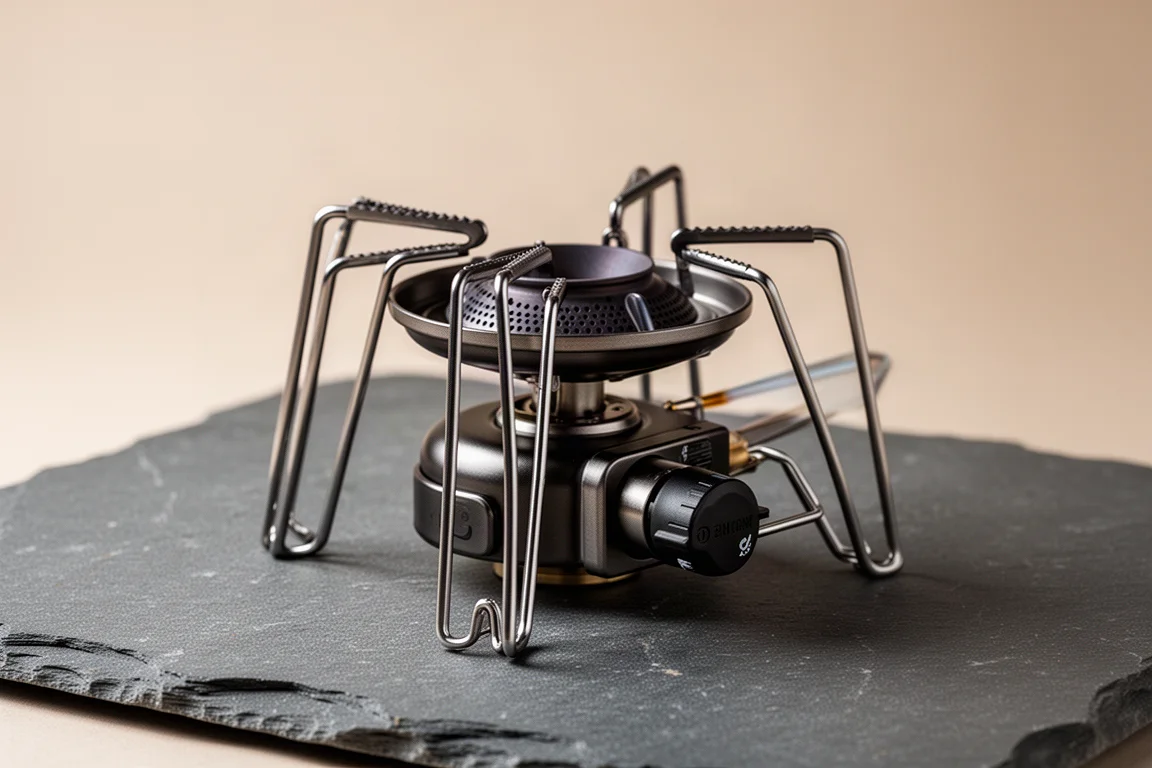
MSR PocketRocket Deluxe
The MSR PocketRocket Deluxe is the canister stove in this kit. On a group trip where someone else is already carrying a stove, leaving it at home is an easy way to save weight without giving up hot meals.
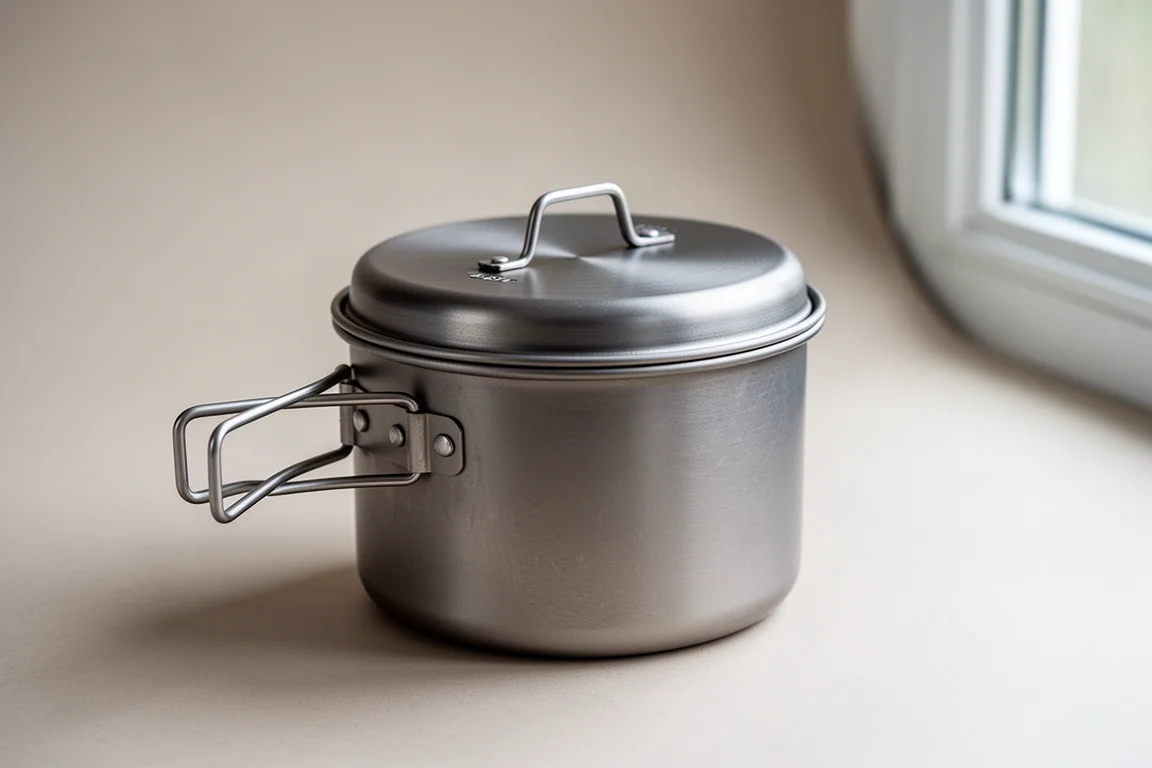
Toaks 650 ml Titanium Pot
The Toaks 650 ml titanium pot is the lighter and less expensive option next to the silicone pot on the mainstream list, with roughly 7 oz and close to $20 separating the two approaches.
Headlamps
Headlamps are already light, so the interesting difference in this category is price rather than grams.
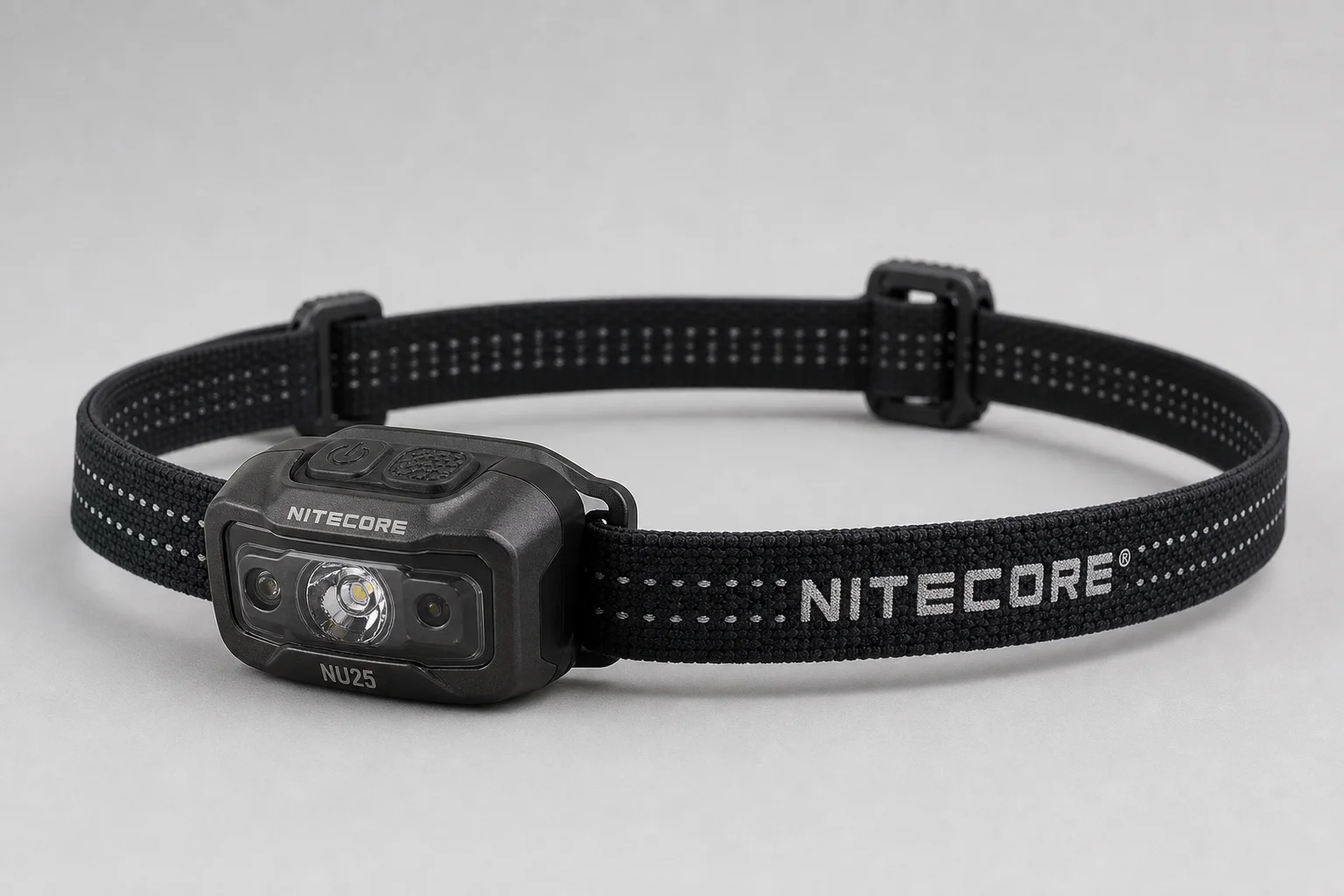
Nitecore NU25
The updated Nitecore NU25 uses thin elastic cord in place of the elastic strap found on most headlamps. The earlier NU25 weighed under an ounce, so the cord saves very little, but it is a nod to the hikers who were already making that modification themselves. At around $30 it also costs far less than the mainstream alternative.
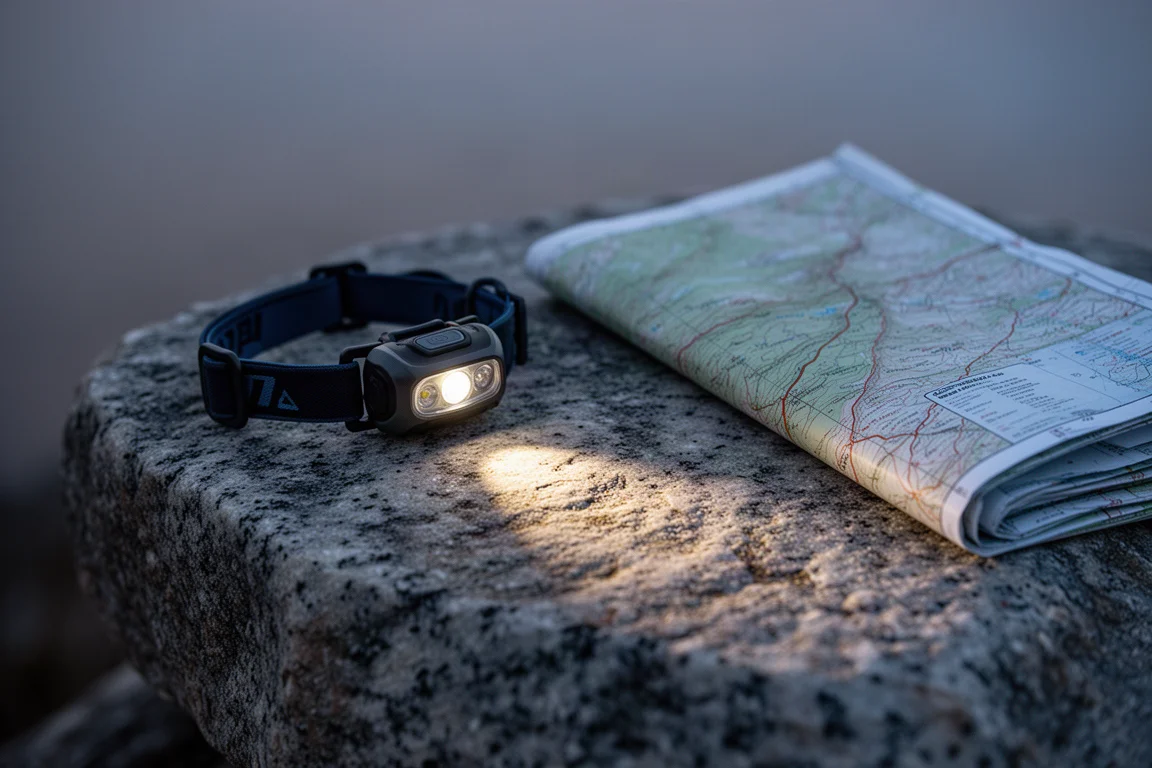
Realistically, the cord headband is a small gesture. The price gap is the part most people will notice.
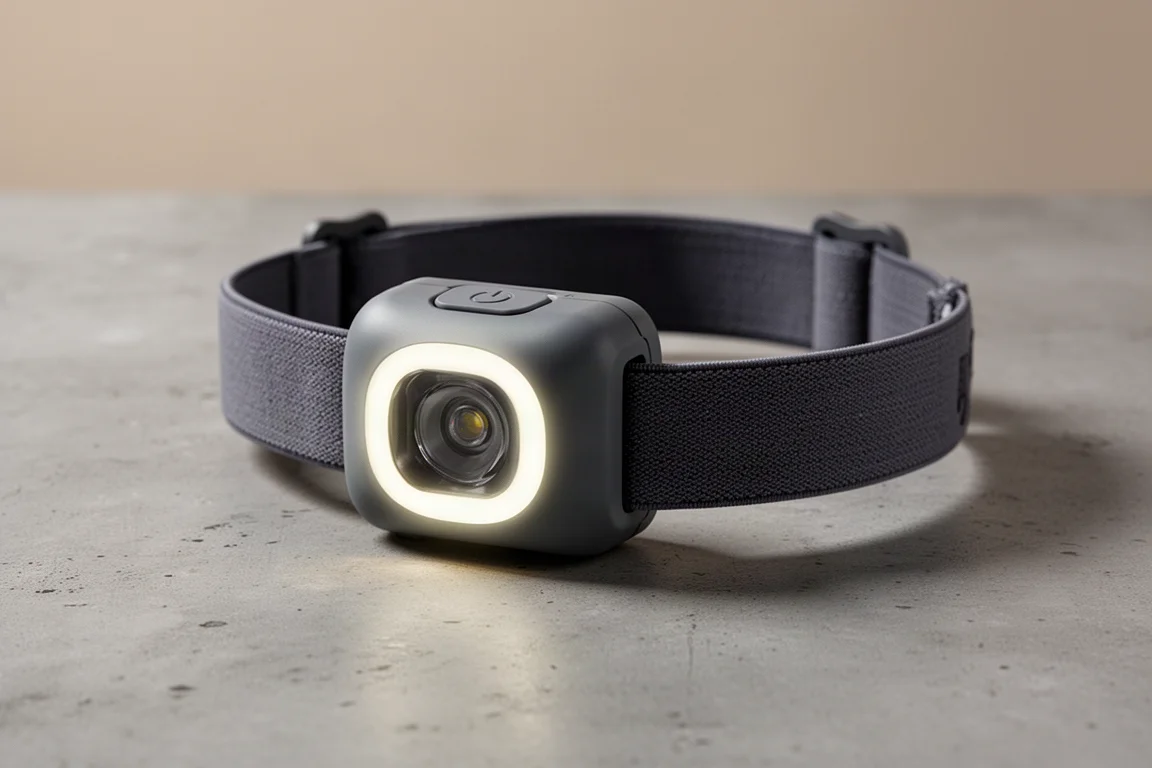
Petzl Actik
The Petzl Actik weighs 3 oz and costs $70, making it both the heavier and the more expensive option in this pairing.
Sleep System
Sleep is where ultralight gear has historically asked for the biggest comfort sacrifice, and this loadout avoids most of that.
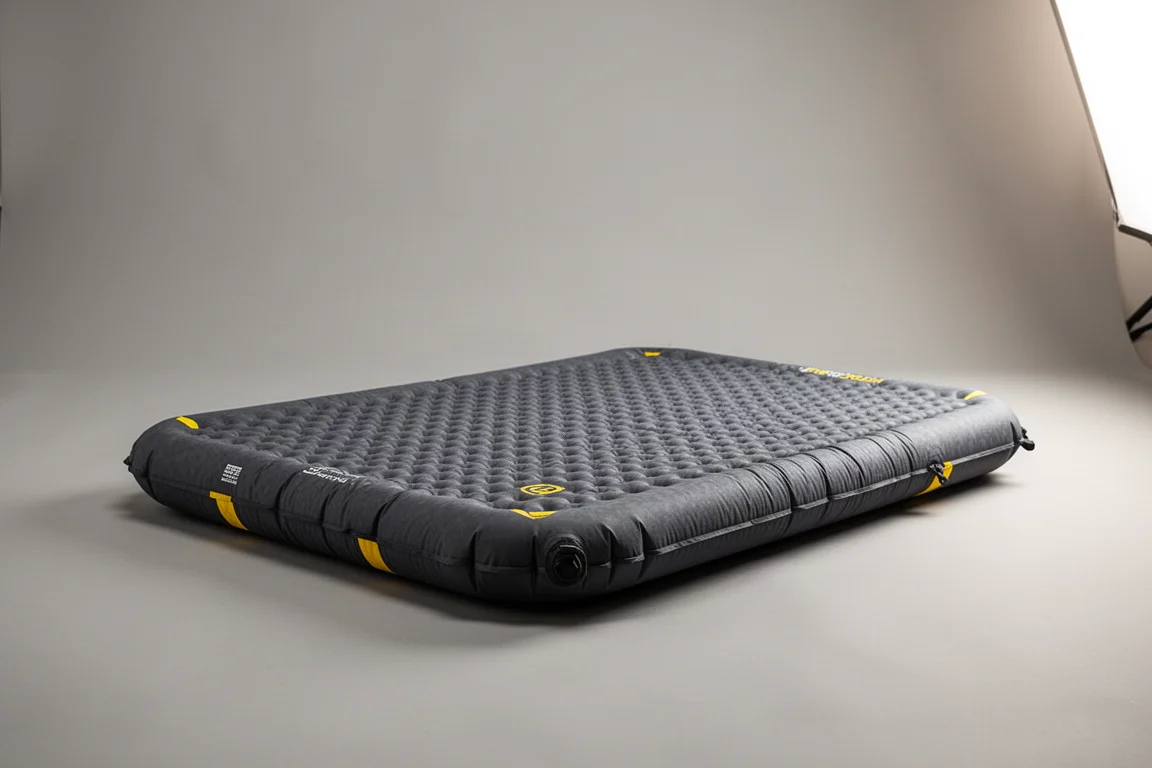
Big Agnes Zoom Ultralight Pad
The Big Agnes Zoom Ultralight Pad follows the design direction of the Q-Core, a pad known for comfort, while being lighter and warmer. For three-season trips it is likely to be more than sufficient.
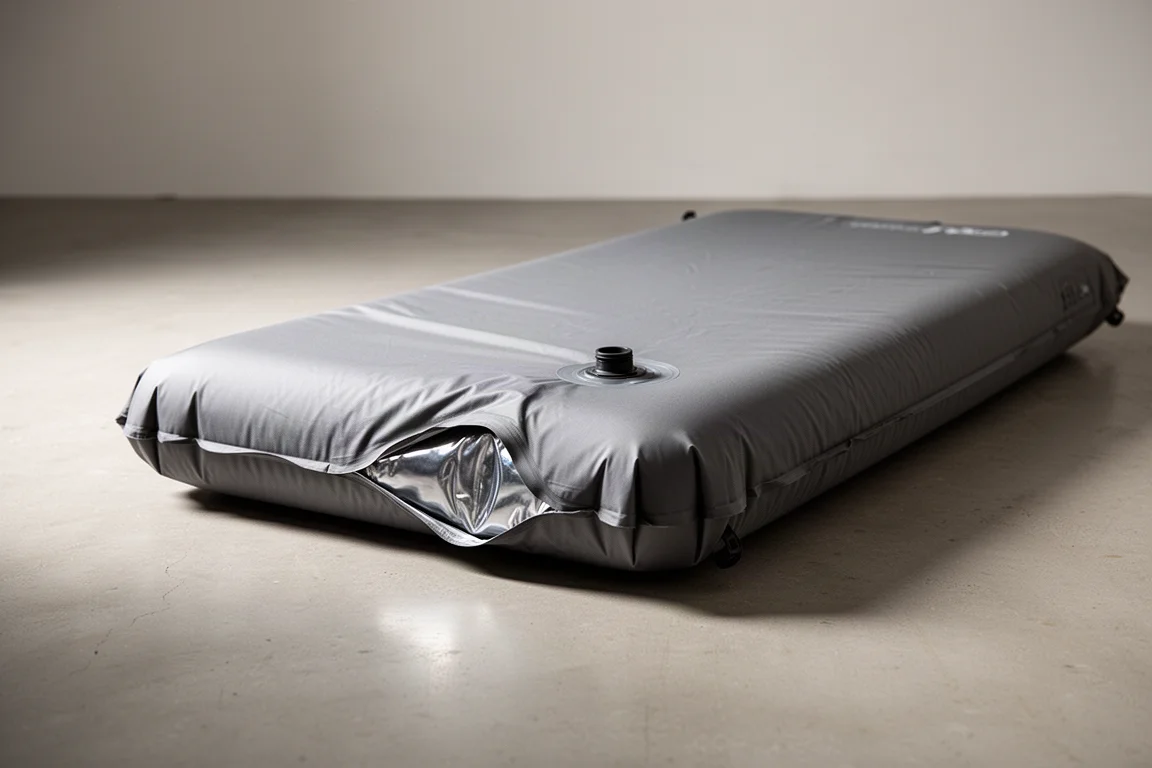
Therm-a-Rest XTherm
The Therm-a-Rest XTherm is 7 oz heavier and less comfortable, but it is a whole lot warmer. That warmth matters most in winter, which is why the XTherm stays in the conversation for cold trips.
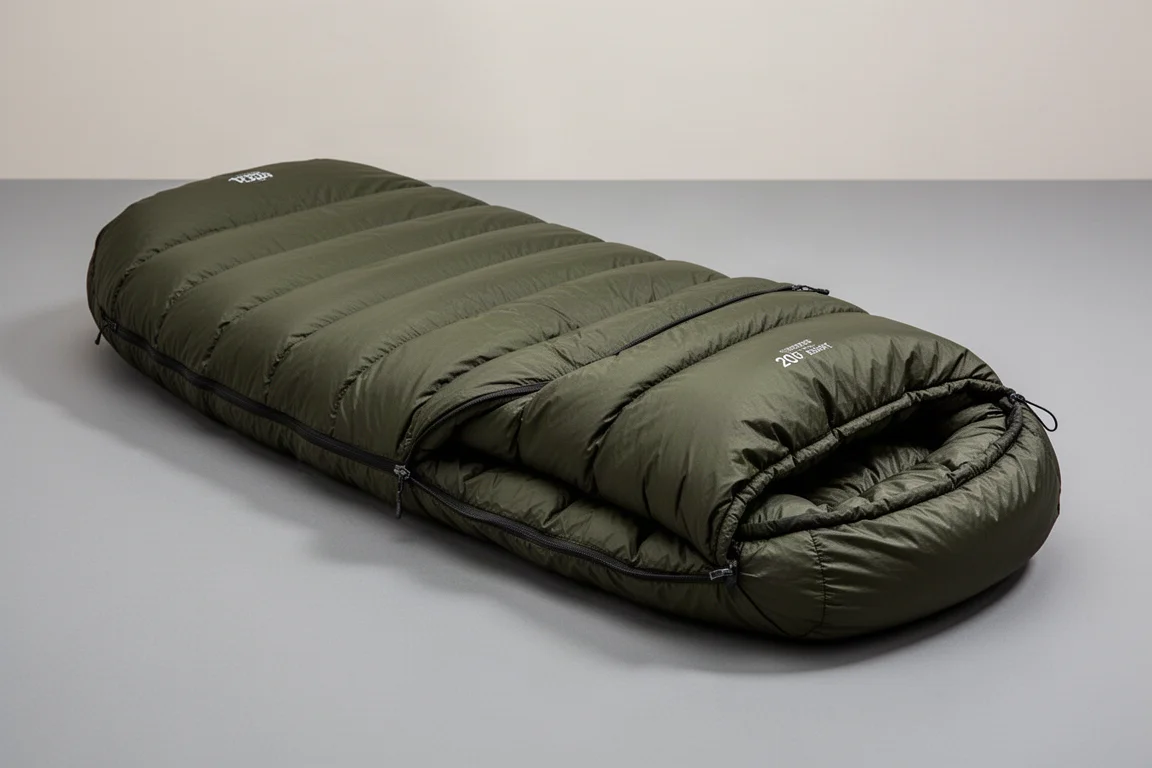
Zpacks Zip Around 20 Sleeping Bag
The Zpacks Zip Around 20 sleeping bag works as a bag or as a quilt, since it opens fully. There is no way to attach it to a pad with straps, so in colder weather you zip it up completely and treat it as a bag, opening it only when conditions are mild.
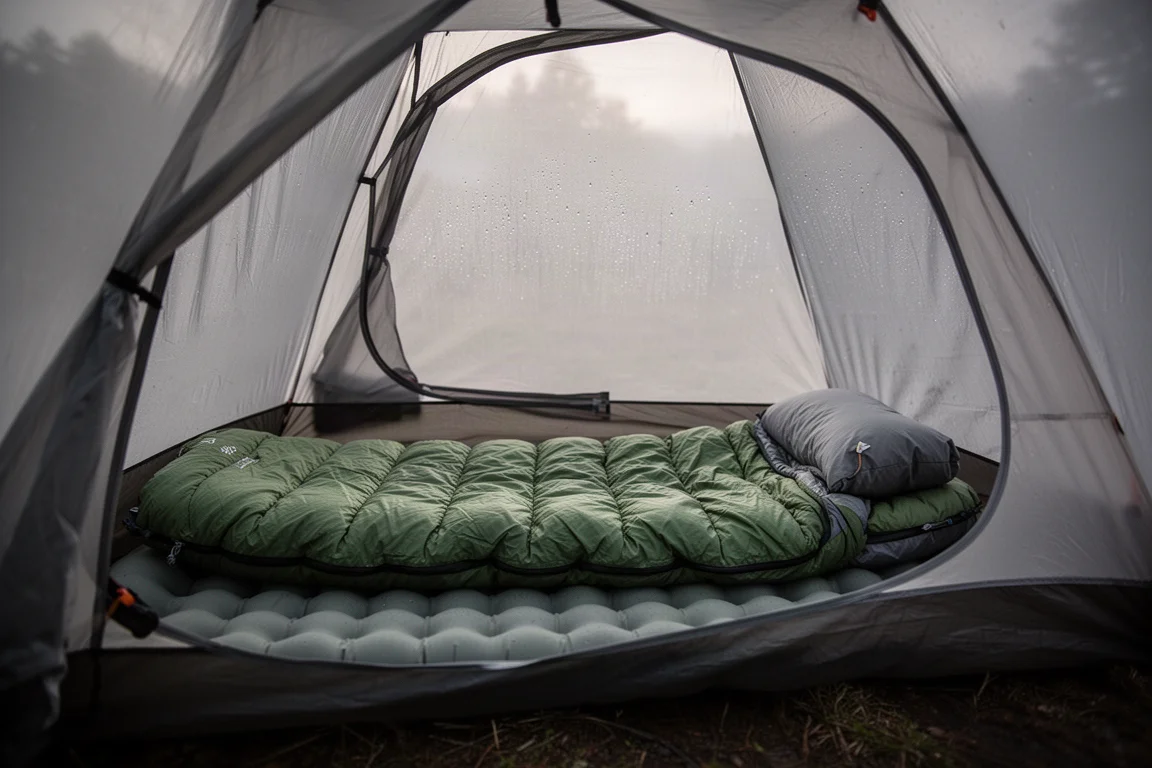
A Western Mountaineering bag is a step up in quality, but it costs about $130 more, and only you can decide whether that is worth it.
Overall Buying Advice
Here is the summary. The ultralight version of this kit saved 7 lb for about $166 more, and it still includes a comfortable sleep system with a proper pillow and a cushy pad, plus a chair, a proper water filter, and the usual safety items.
The real question is what 7 lb is worth to you. Less weight means less fatigue, less energy spent, and less wear on your body over a long day. For shorter, gentler trips the mainstream kit is a perfectly reasonable choice. If you cover bigger days or longer trips, the lighter kit tends to pay you back.
If you want to move in that direction gradually, start with the items that carry the most weight. The pack, the shelter, and the sleep system usually account for the largest gains, and each can be swapped independently of the others.
Conclusion
Both approaches will get you to camp. The difference comes down to 7 lb of base weight for roughly $166, plus a series of choices about where you are willing to trade comfort, convenience, and cost. Start with the heaviest categories, compare the counterparts honestly, and upgrade where the weight saving actually changes how your trip feels.
Further reading
Related Reviews

Backpacking Gear
Building a 10 lb Base Weight: An Ultralight Backpacking Gear List
A practical walkthrough of the ultralight pieces behind a 10 lb base weight, from a 765 g pack and a roomy one-person tent to a full camp chair and a dependable water filter.

Backpacking Gear
A 15-Pound Lightweight Backpacking Gear List for Solo Trips
A beginner-friendly 15-pound backpacking setup built from easy-to-find gear, with notes on what each piece does, how it packs, and where to spend your attention.
Backpacking Gear
8 Ultralight Backpacking Gear Upgrades Worth Carrying
Eight small, affordable backpacking upgrades that solve real trail annoyances, from a pillow that stays put to a fuel valve that rescues leftover canister gas.