Backpacking Gear
Ultralight vs Luxury Backpacking Gear: ZPacks Altaplex and Therm-a-Rest NeoAir Compared
A field comparison of two comfort-focused backpacking pieces, the ZPacks Altaplex shelter and the Therm-a-Rest NeoAir pad, and what they change about a long hike.
Introduction
Ultralight backpacking and comfort-first backpacking are usually presented as opposite camps, and the gear lists look almost unrelated. A 1/8 inch foam mat and a tarp sit at one end. An inflatable sleeping pad and a fully enclosed single-wall shelter sit at the other.
After roughly a thousand miles of backpacking this year with a deliberately heavier kit, the honest conclusion is not that one side wins. The heavier gear does deliver more comfort and, more importantly, more freedom about where you sleep. The minimal gear delivers simplicity, and it asks you to earn that comfort through campsite selection instead. Both are real, and both cost something.
What Roughly a Thousand Miles Revealed
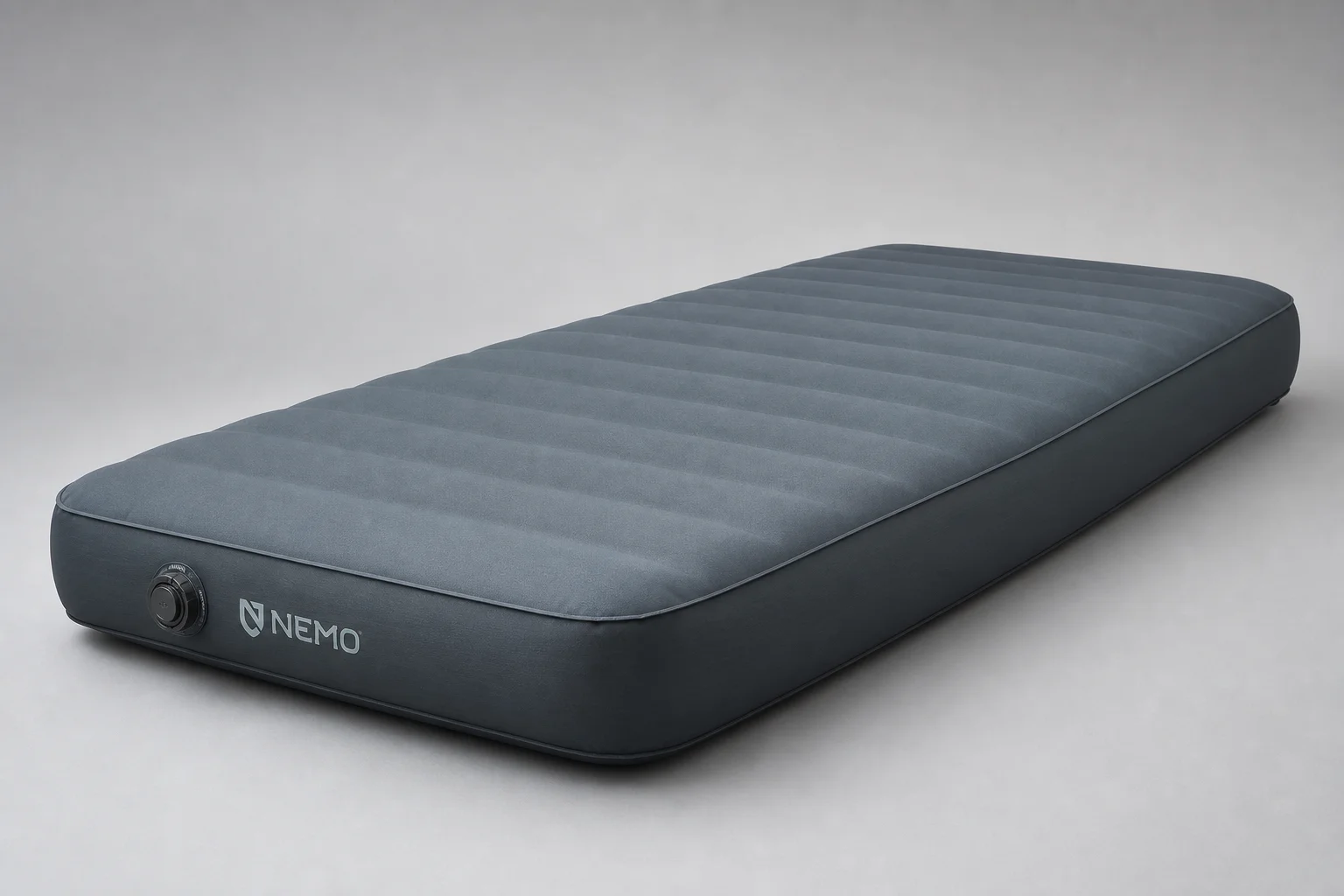
The first surprise was how little the sleeping surface itself mattered. Sleeping on an inflatable mattress did not feel dramatically more comfortable than sleeping on a thin foam mat. The difference was never really about softness.
It was about placement. A thin foam mat only works on forgiving ground. It does not work on rock, on hard compacted dirt, or on a wooden tent platform. It takes one or two attempts on those surfaces to learn the lesson, and the lesson is permanent: choosing the foam mat quietly removes a large share of potential campsites from your options before you even start walking.
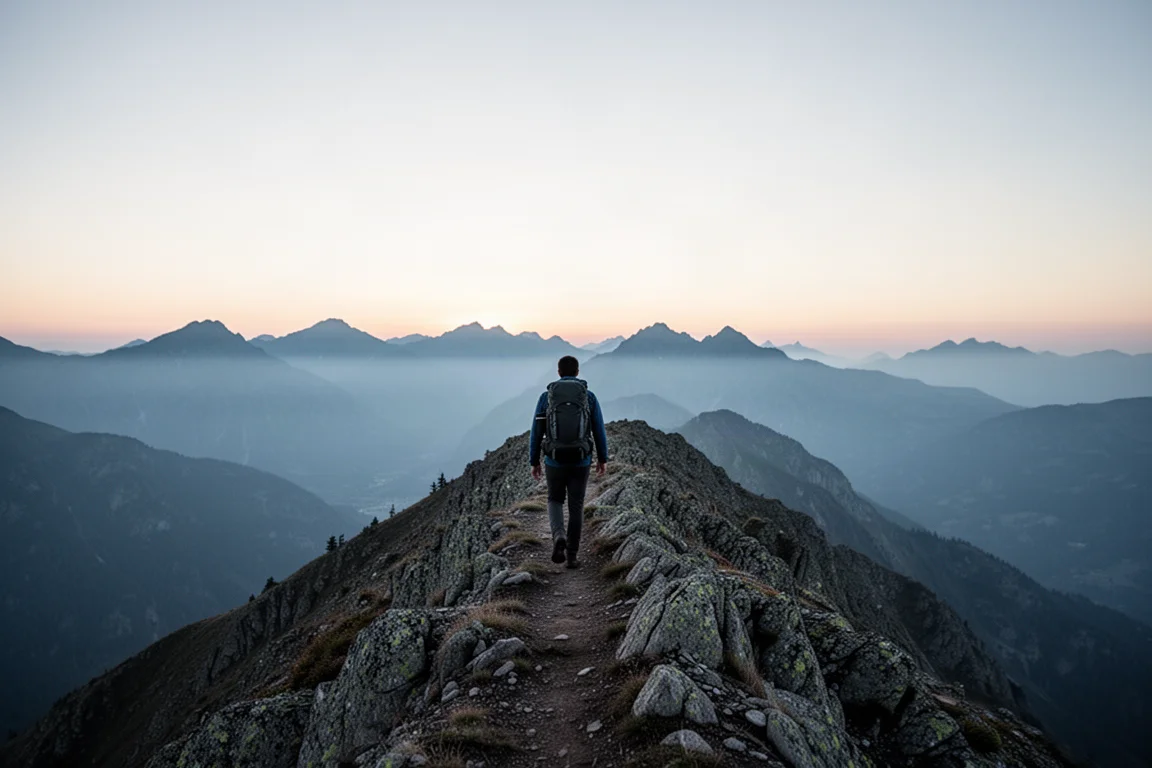
The inflatable pad flips that relationship. You stop thinking about where you will sleep, because almost anywhere works.
Shelter: The ZPacks Altaplex in the Field
The same pattern repeats with shelter, and it repeats more strongly. A minimal tarp, pitched on a genuinely good site with natural protection such as a rock wall, dense bushes, or tree cover, can feel just as protected as a fully enclosed tent. That is a real and satisfying thing to achieve.
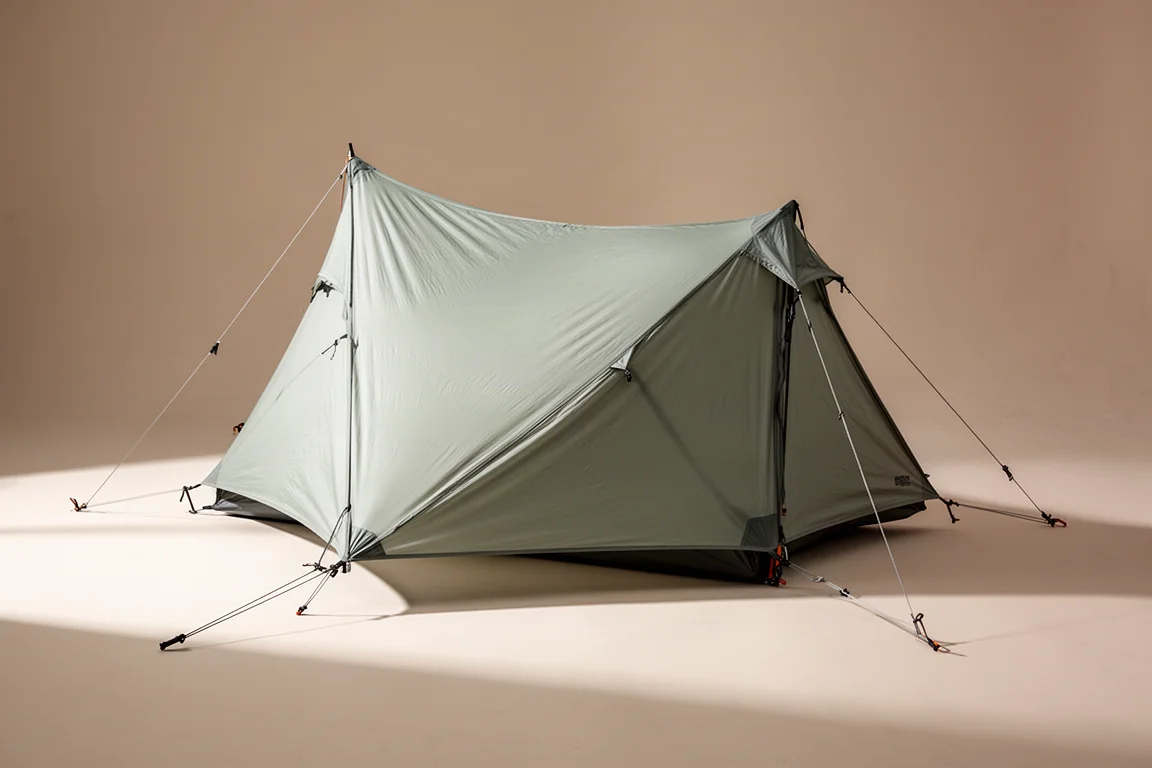
The catch is identical to the sleeping mat. The tarp makes you think about the site every single evening, and it narrows the places you can stop. The ZPacks Altaplex removes that calculation. It is a shelter that pitches comfortably on ground where a tarp would leave you exposed, and it lets you take the campsite you actually want rather than the one that happens to be defensible.
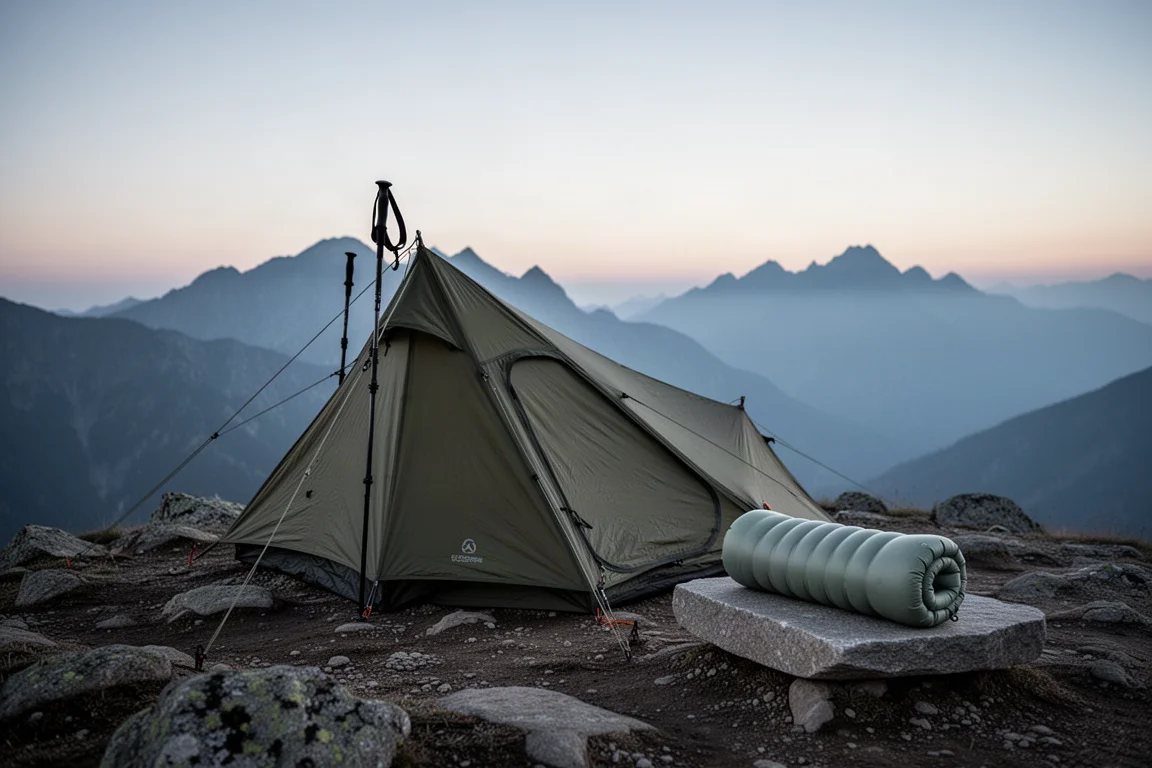
In practice that means stopping early at a beautiful spot without worrying, camping on a mountain top, camping in an exposed and windy place, or camping somewhere a storm would make a tarp genuinely uncomfortable. The Altaplex handles all of it without a second thought.
Sleep: The Therm-a-Rest NeoAir in the Field
Warmth is where the inflatable pad separates itself most clearly. The Therm-a-Rest NeoAir is warmer than a thin foam mat, and no amount of clever campsite selection fully closes that gap. Choosing sheltered ground and using small tricks can make a foam mat workable in colder conditions, but it will never match the NeoAir for insulation.
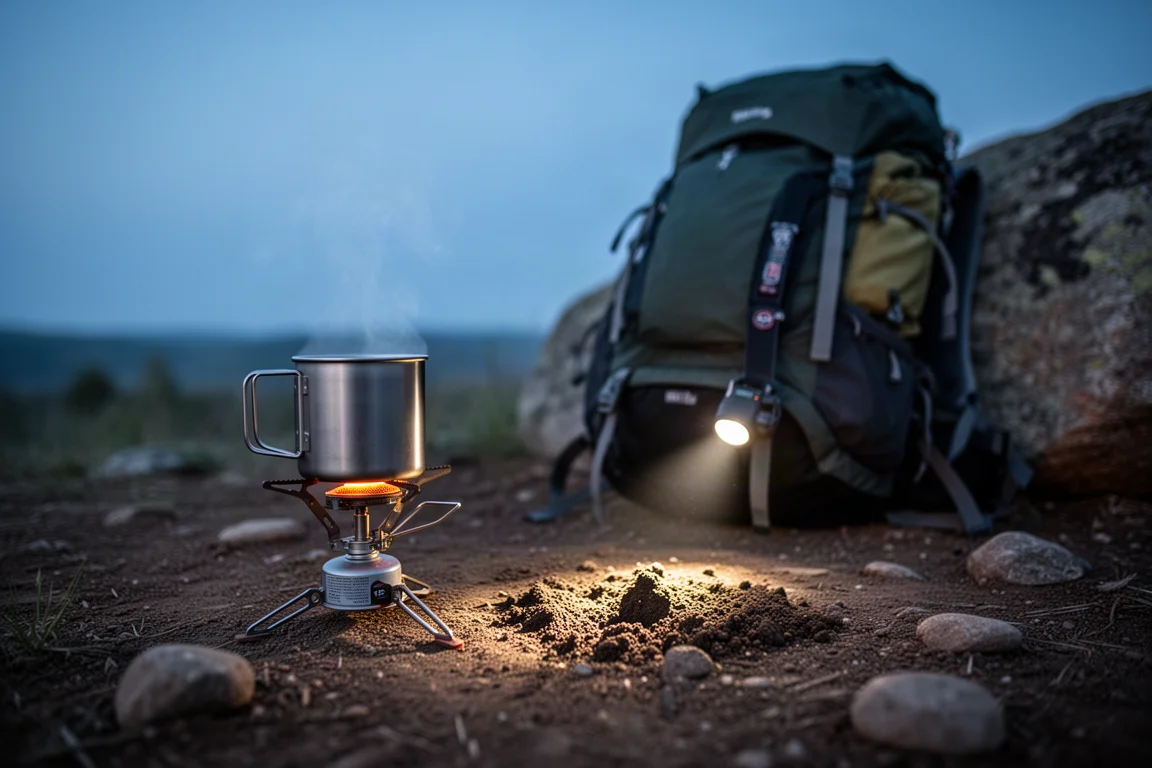
That difference shows up at night rather than in the specifications. Sleeping comfortably on the NeoAir in temperatures around 20 degrees Fahrenheit, with a hot drink before bed, is a genuinely different experience from managing a foam mat through the same night.
The trade-offs are honest ones. The pad is heavier and bulkier than a foam mat, and it is not the most comfortable item to carry in a pack. You feel it on the climbs. What you get in return is a warm night and complete freedom in where you set up.
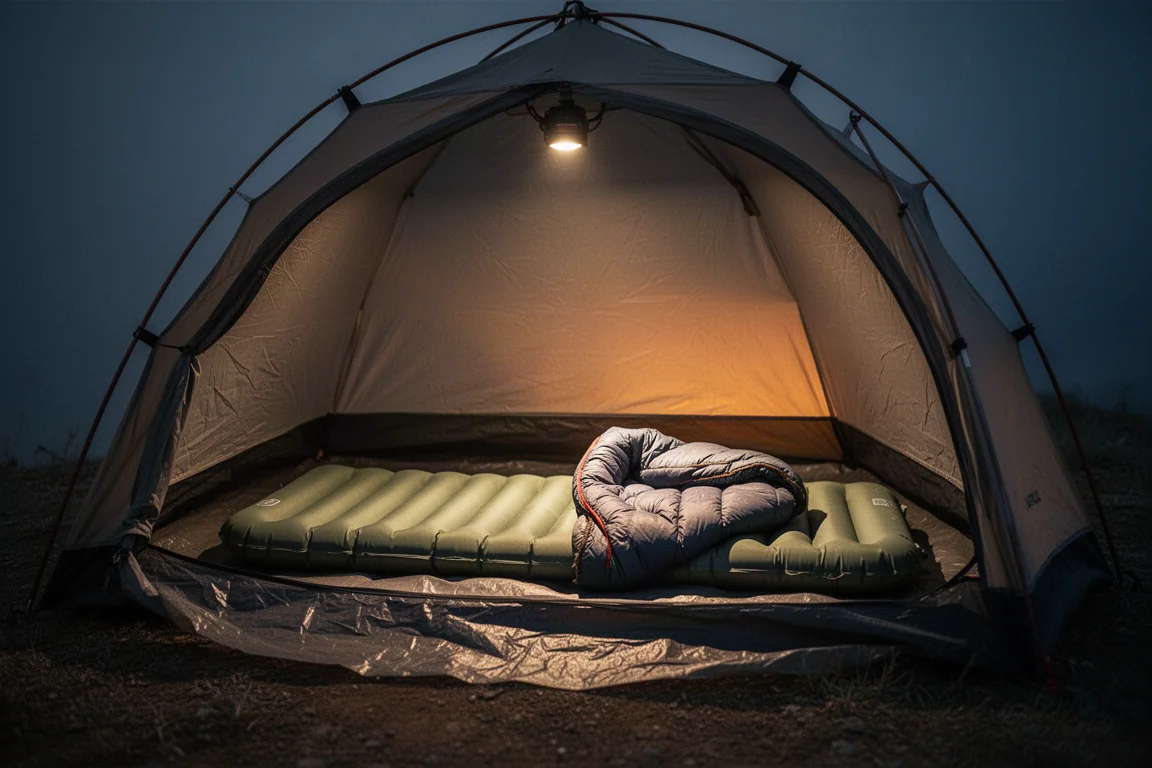
It also pairs naturally with the shelter decision. Once you are carrying a pad that works on rock, hard dirt, and wooden platforms, the value of a tent that also works anywhere becomes much easier to justify.
Campsite Selection and Weather Protection
There is a reason the minimal approach stays compelling. Ultralight backpacking replaces weight with skill. You learn to read terrain for natural shelter, to judge wind direction, to find soft ground, and to stop early when the weather is turning. That skill set is genuinely valuable, and using it is part of why many people hike.
Luxury gear replaces some of that skill with capability. You no longer have to read the ground as carefully, or hedge your plans around the forecast as tightly. Neither approach is better in the abstract. They simply ask different things of you, and they reward different parts of the experience.
Pack Weight and Carry Comfort
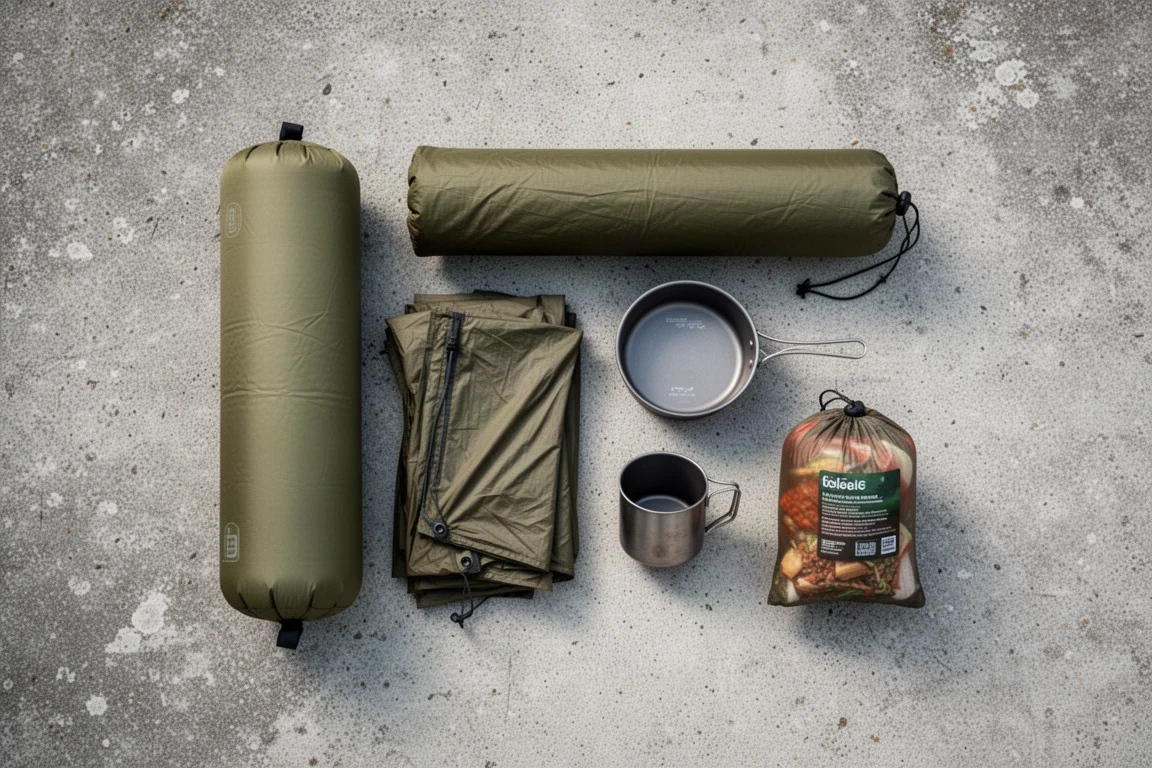
The cost of the comfort-first setup is measurable. The heavier kit adds roughly three pounds, which on a long stretch can feel like leaving town with two extra days of food in the pack. There are days when that weight is genuinely irritating.
The counterweight is that a base weight around nine pounds is still a good number. It is heavier than a truly minimal setup, but it remains light enough to cover big miles and to hike comfortably. The penalty is real, but it is not disqualifying.
What matters is knowing which half of the day you care about more. If your enjoyment lives in the walking, that extra weight is a tax on every mile. If your enjoyment lives in camp, the same weight buys you a warm night and a better pitch.
Finding Your Own Balance on Trail
Most backpackers are somewhere on a spectrum rather than committed to one extreme, and there is no rule that says you have to stay consistent. A minimal tarp and a thin foam mat can be the right answer on a solo trip where simplicity is the whole point, where relying on natural ground and natural shelter is what makes the trip feel like an escape.
The heavier shelter and the warmer pad make more sense on trips with friends, on trips where camp is the social part of the day, and on trips where the forecast is uncertain enough that flexibility matters more than pack weight.
Buying Advice: Choosing Comfort or Simplicity
If you are only going to own one setup, the comfort side is the safer place to start. You can still hike big miles with it, you can still hike comfortably, and you are not spending your evenings negotiating with the terrain. Minimal gear, by contrast, is more limiting, and it works best when you have the experience to compensate for it.
Trip conditions should drive the final call. A cold hike is a strong argument for the NeoAir, simply because warmth is the hardest thing to fake. A long stretch of persistent rain and difficult weather is a strong argument for the Altaplex, because a tent keeps you protected without demanding that you find the perfect site.
The most useful habit is to choose per trip rather than per identity. Match the shelter to the weather you expect, match the sleeping pad to the temperatures you expect, and let the pack weight be whatever that adds up to.
Conclusion
The comfort-first kit does what it promises. It makes camp easier, warmer, and far less dependent on luck and terrain, and it lets you stop wherever the day ends rather than wherever the ground allows. The price is roughly three pounds and a bulkier pack, which is a fair trade for many trips and a poor one for others.
The minimal kit keeps its own appeal. It is lighter, simpler, and it asks you to engage more closely with the ground and the weather around you. Neither answer is wrong. The right one depends on what you want out of the miles you are walking and the hours you spend at camp.
Further reading
Related Reviews

Backpacking Gear
Building a 10 lb Base Weight: An Ultralight Backpacking Gear List
A practical walkthrough of the ultralight pieces behind a 10 lb base weight, from a 765 g pack and a roomy one-person tent to a full camp chair and a dependable water filter.

Backpacking Gear
A 15-Pound Lightweight Backpacking Gear List for Solo Trips
A beginner-friendly 15-pound backpacking setup built from easy-to-find gear, with notes on what each piece does, how it packs, and where to spend your attention.

Backpacking Gear
8 Ultralight Backpacking Gear Upgrades Worth Carrying
Eight small, affordable backpacking upgrades that solve real trail annoyances, from a pillow that stays put to a fuel valve that rescues leftover canister gas.