Backpacking Gear
Ultralight vs Comfort Backpacking Gear: 14 Items Compared Head to Head
A category by category comparison of ultralight and comfort backpacking gear, from packs and tents to sleeping pads, stoves, lights, and trowels.
Introduction
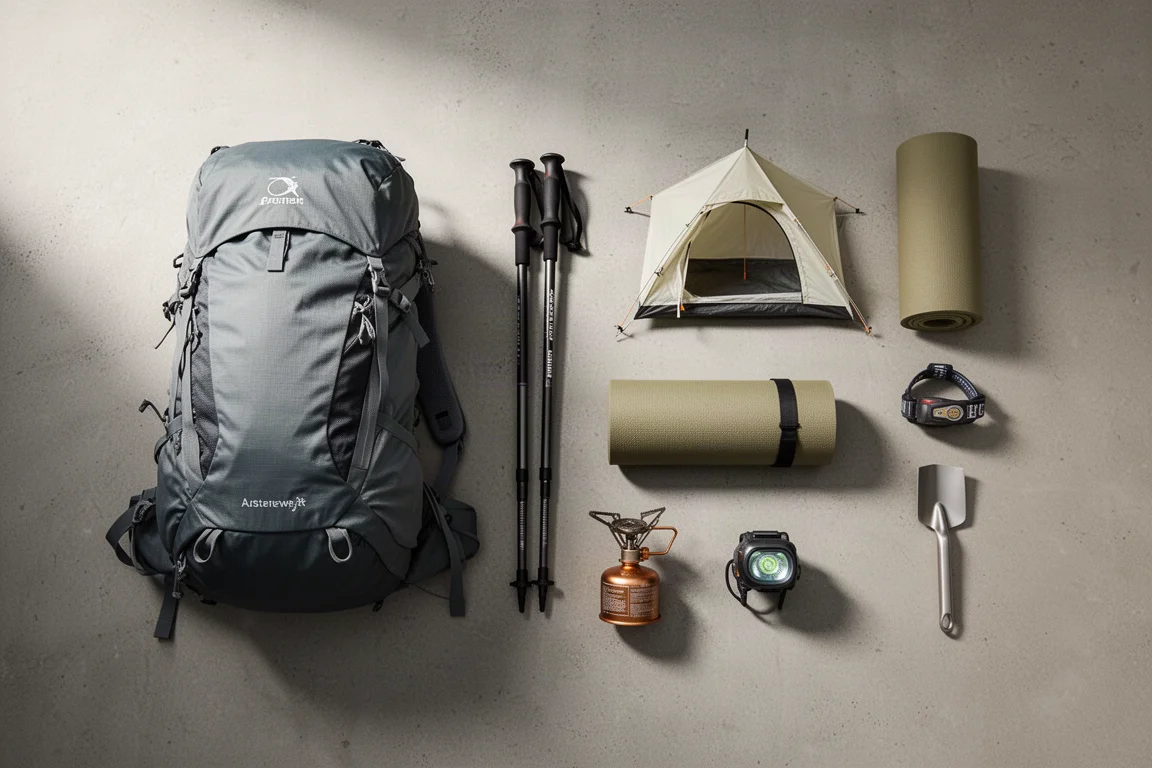
Backpacking gear tends to fall into two camps. One trims every gram, the other prioritises a better night and easier days on trail. The interesting question is not which philosophy wins in the abstract. It is which specific item you would actually buy if you had to live with that choice on every trip from now on.
Most people do not own a complete ultralight kit and a complete comfort kit, so this comparison treats each category as a fresh purchase decision. Seven categories, two options each, one leaning ultralight and one leaning comfort.
What Matters When Choosing Between Ultralight and Comfort Gear
A lot of ultralight gear has to sacrifice features or performance to save weight, but that is not a universal rule. Some ultralight items keep a full feature set, and in those cases the decision comes down to price and how much load you need to carry. In other categories the gap is far wider, and the comfort option can weigh several times as much.
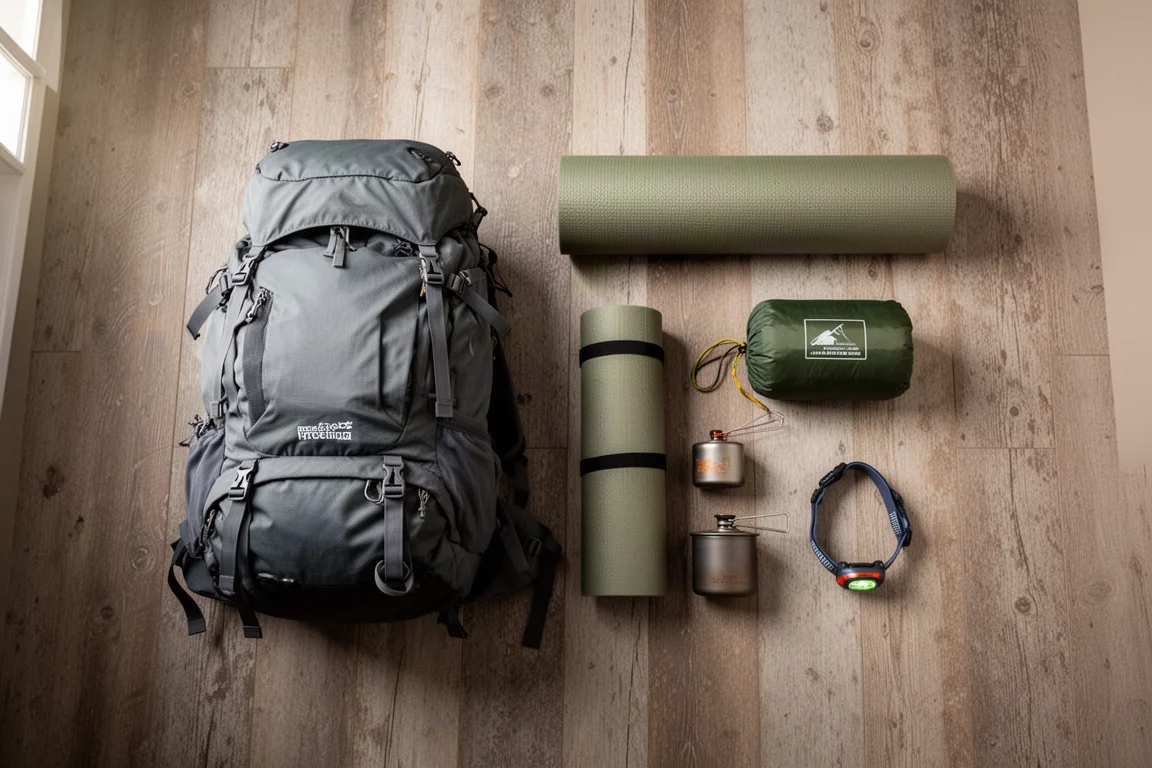
The practical test applied to every item here is simple. Does the weight saving change how the trip actually feels, and does the lighter version still do the job in the conditions you travel in? Where the answer is yes to both, the ultralight option is close to a free win. Where the answer is no, the extra grams are usually worth paying.
Packs
Packs are the clearest example of an ultralight item that gives up very little.
Zpacks Arc Haul 50
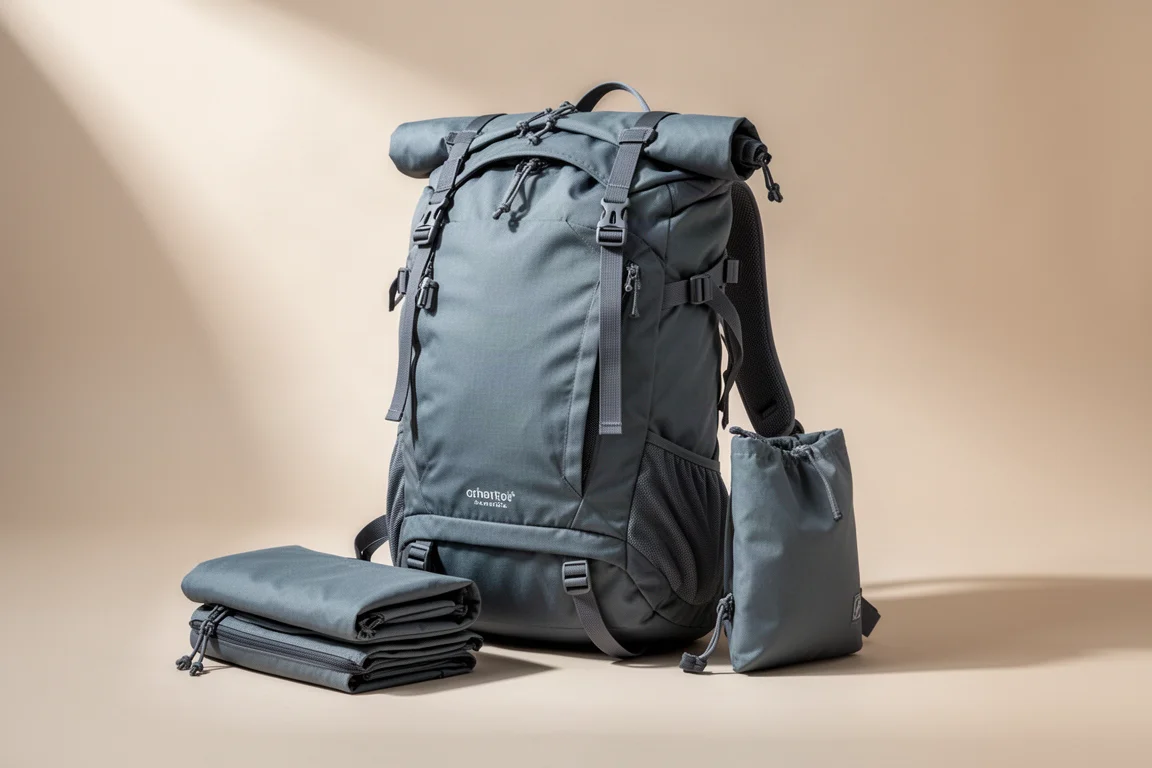
The Arc Haul 50 is unusually feature rich for an ultralight pack. It uses a trampoline back panel, a full hip belt, and a frame built with carbon fibre stays, and it carries loads up to around 40 pounds without complaint. Choosing it can roughly halve the weight of your pack compared with a conventional option, which is a meaningful change over a long day.
REI Flash 55
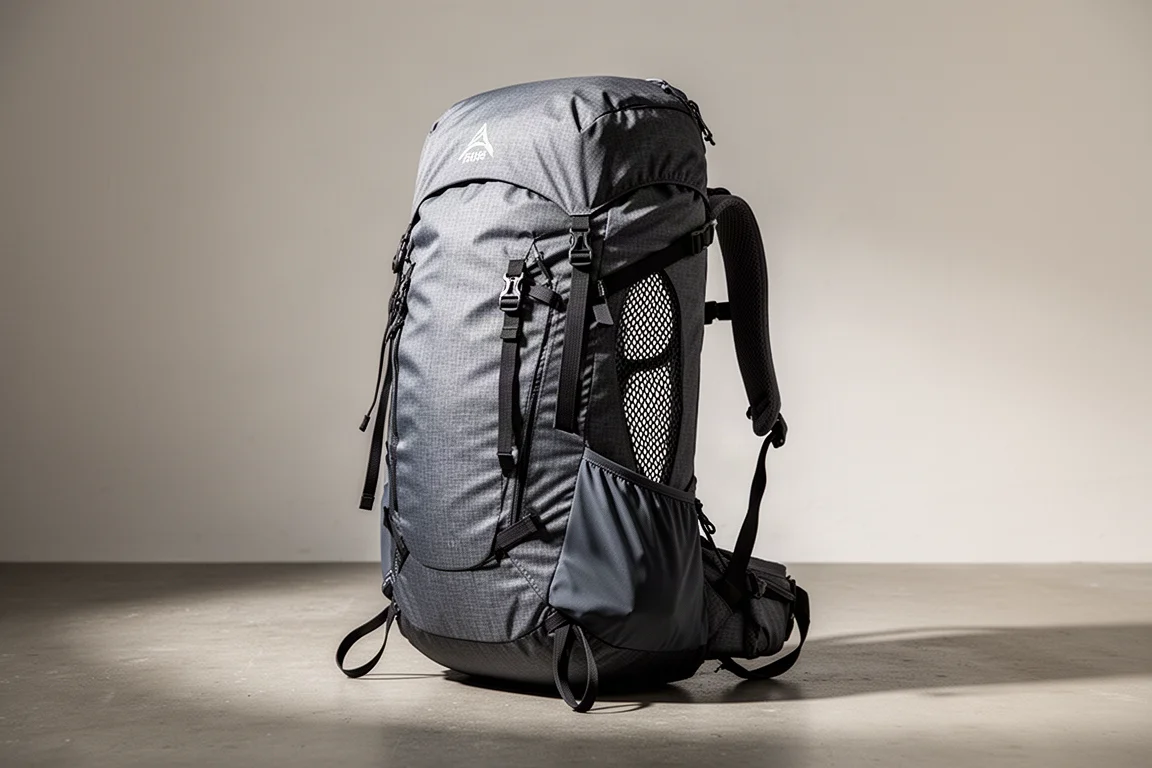
The Flash 55 leans toward comfort and value. It carries a little more weight than the Arc Haul, includes an adjustable torso that is rare on ultralight packs, and has handled loads over 40 pounds without issue. It is also significantly less expensive, and it often goes on sale close to $100.
Shelters
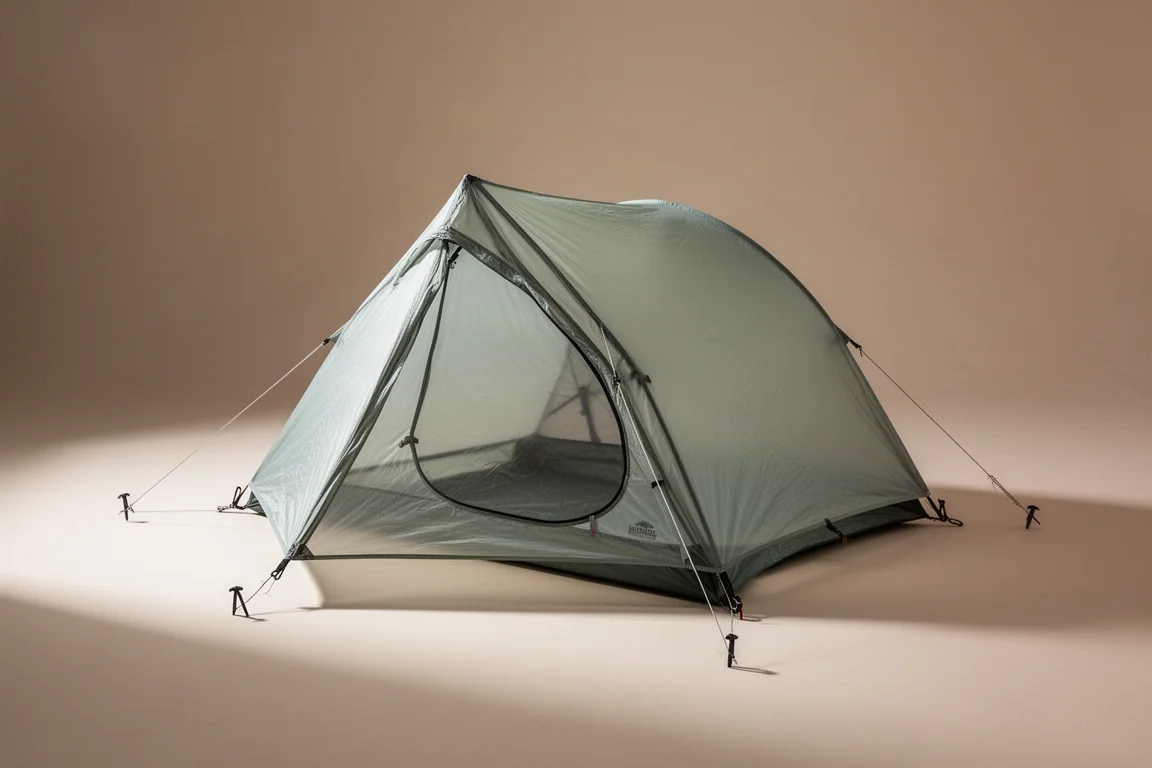
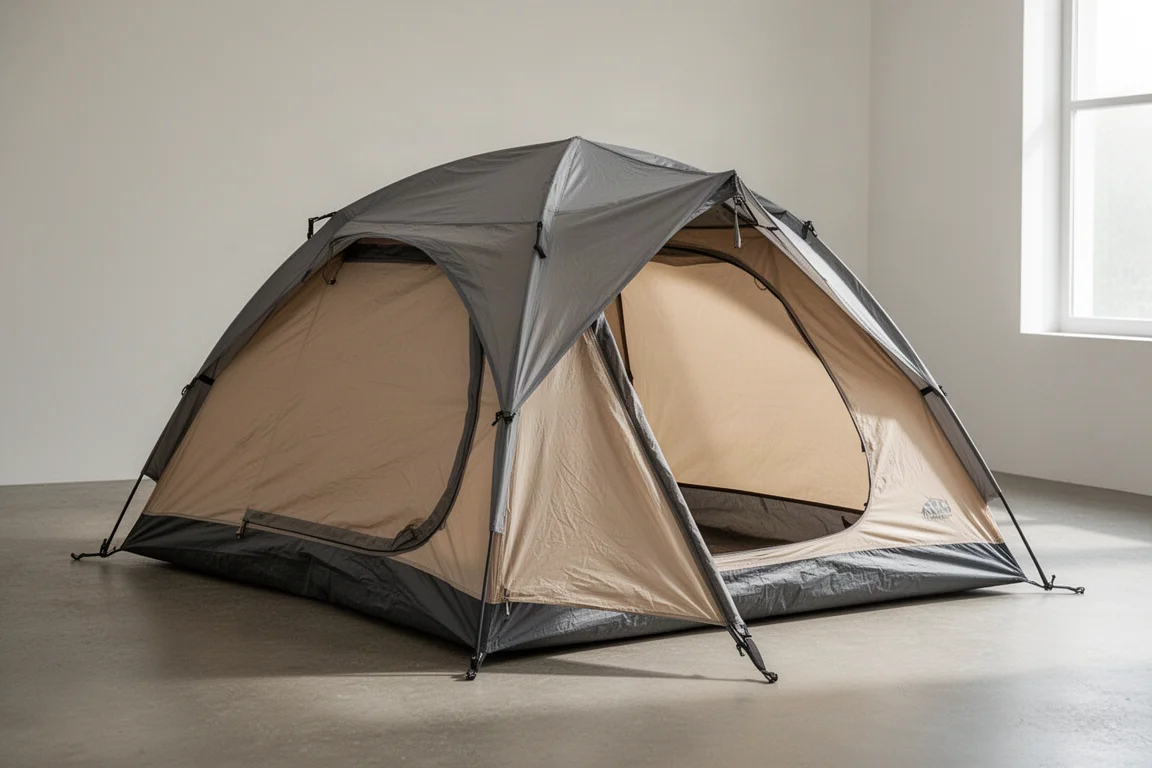
The gap between these two tents is larger than in any other category on this list, with the comfort option weighing roughly five times as much as the ultralight one.
Zpacks Plex Solo
The Plex Solo is a solo shelter for trips where weight is the priority. For solo backpacking it is the straightforward choice, and it costs $600.
Sea to Summit Telos 3
The Telos 3 is a three person tent that still comes in under two kilograms, which makes it remarkably roomy for its weight. It can be pitched fly first, and a higher brow pole makes getting in and out of the tent easier. It costs $700, so price separates these two far less than weight does.
Sleeping Pads
Sleep is the one area where it is worth paying in grams.
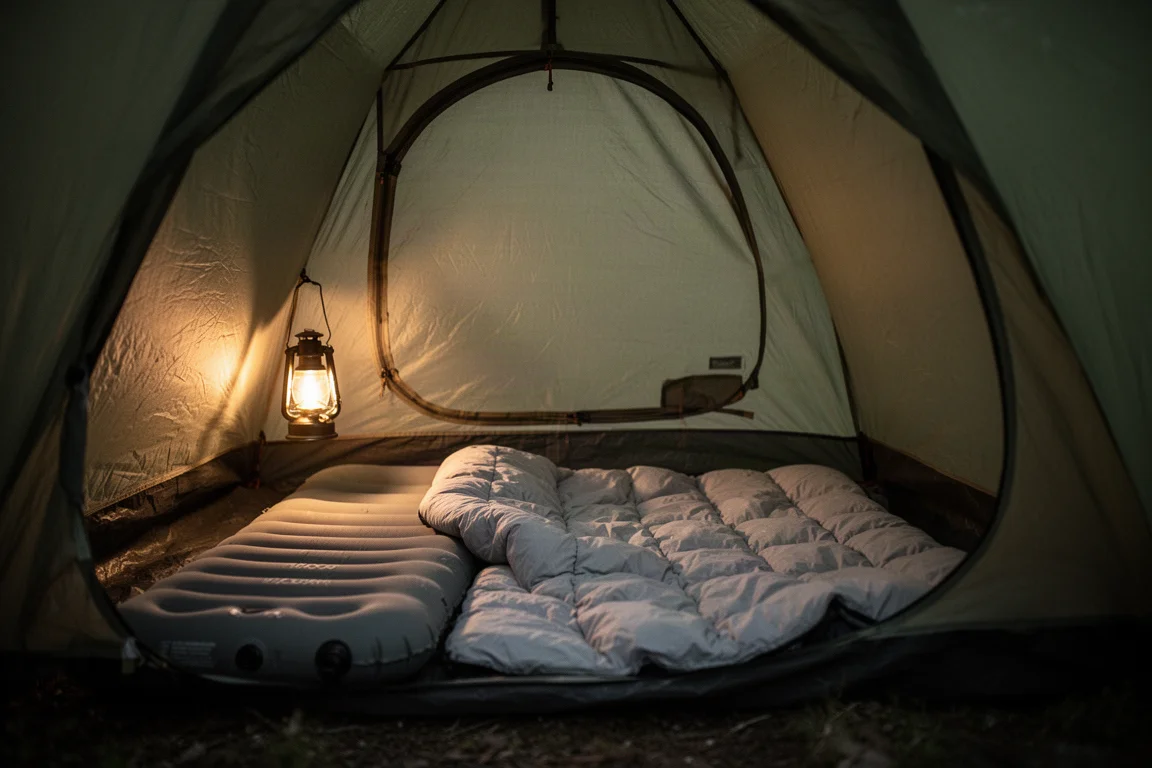
A pad that keeps you warm and lets you sleep through the night changes how the next day feels far more than a lighter pack does. Spending weeks on trail on a thin pad, waking with numb arms and broken sleep, is the kind of discomfort that follows you all day.
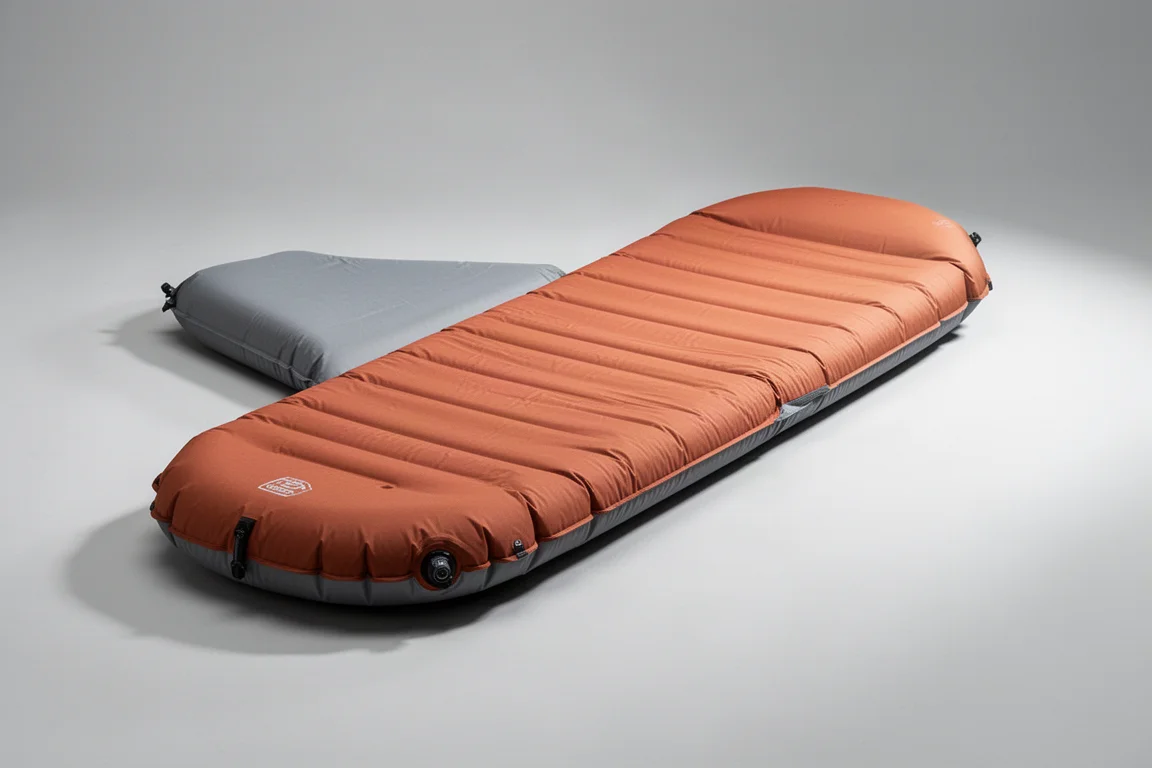
Therm-a-Rest XLite
The XLite is the ultralight reference point in this pair. It is the pad to choose when packed size and carried weight come first.
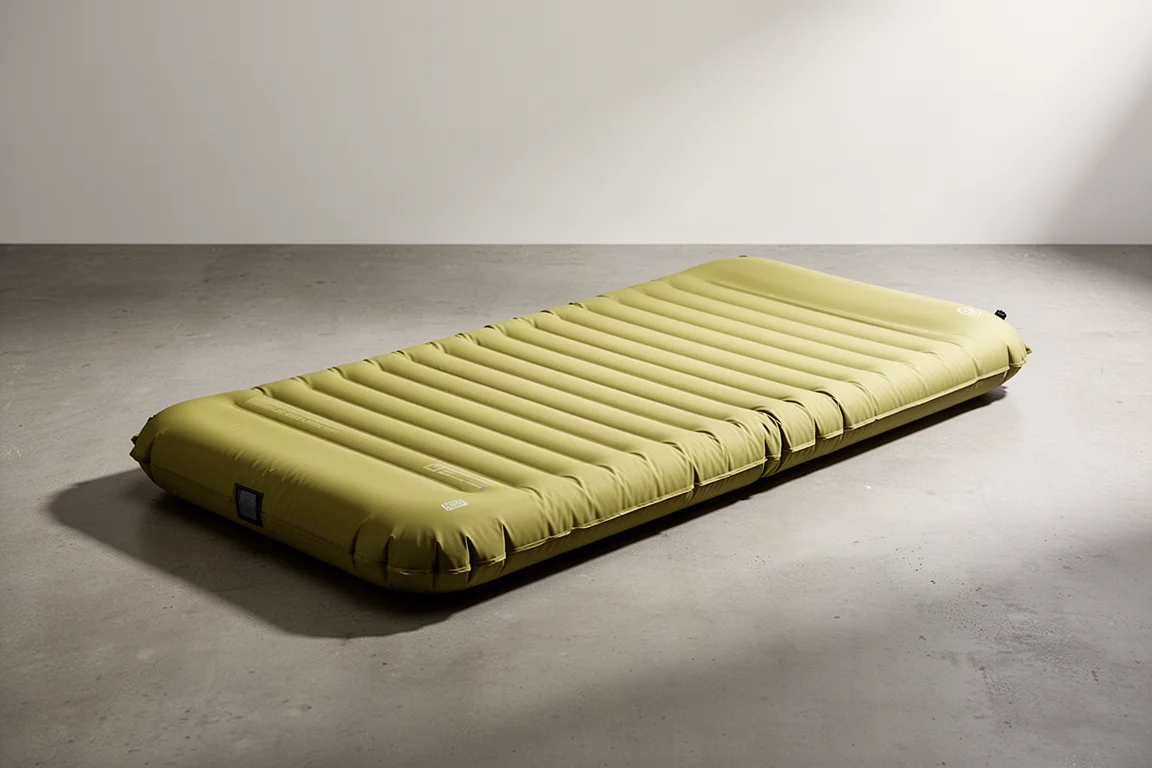
REI Helix
The Helix weighs about twice as much as the XLite, but it prioritises comfort and warmth. It is one of the few pads that supports sleeping through the entire night without waking up to numb arms, and it stays consistently warm.
Pillows
Pillows are the hardest category to call, because the ultralight answer here is a hybrid setup rather than a single product off the shelf.
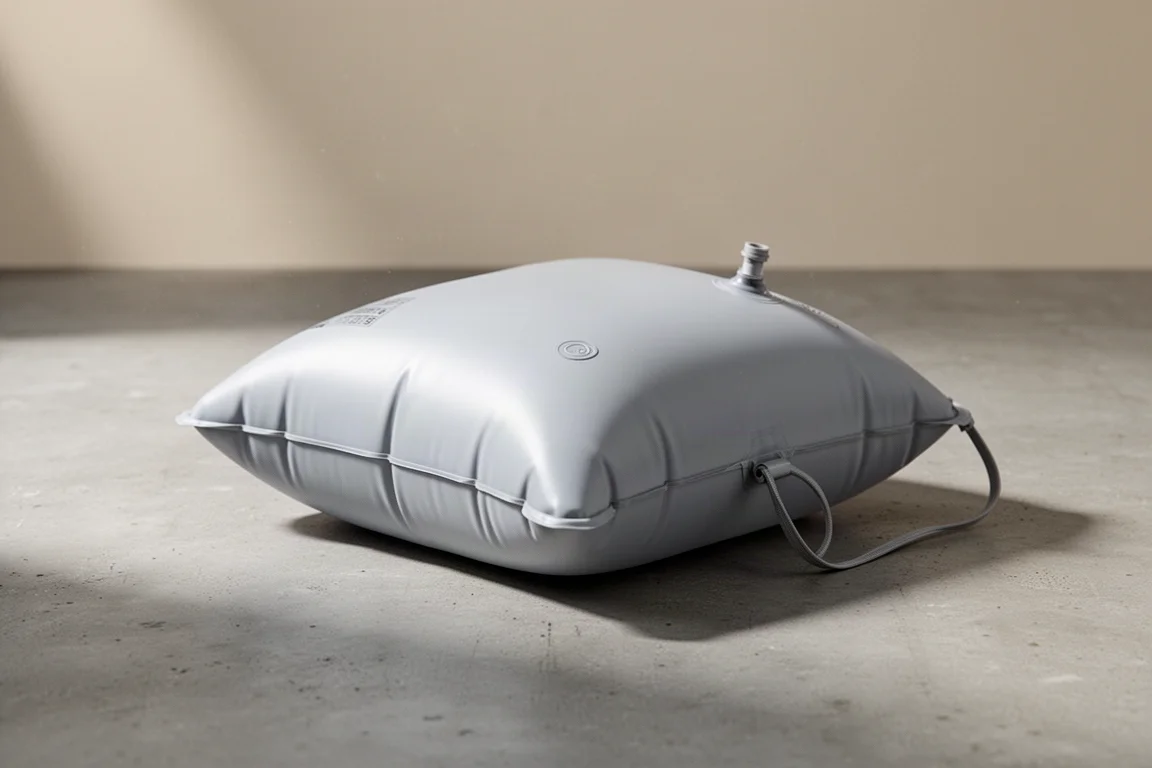
Big Sky Dream Sleeper
The Dream Sleeper is essentially a TPU bladder with well designed baffling, which makes it supportive and slightly squishy rather than balloon like. Paired with fabric patches that have small loops and a shock cord, it becomes a 52 gram pillow that stays put on a sleeping pad. It has delivered full nights of sleep when used with the REI Helix.
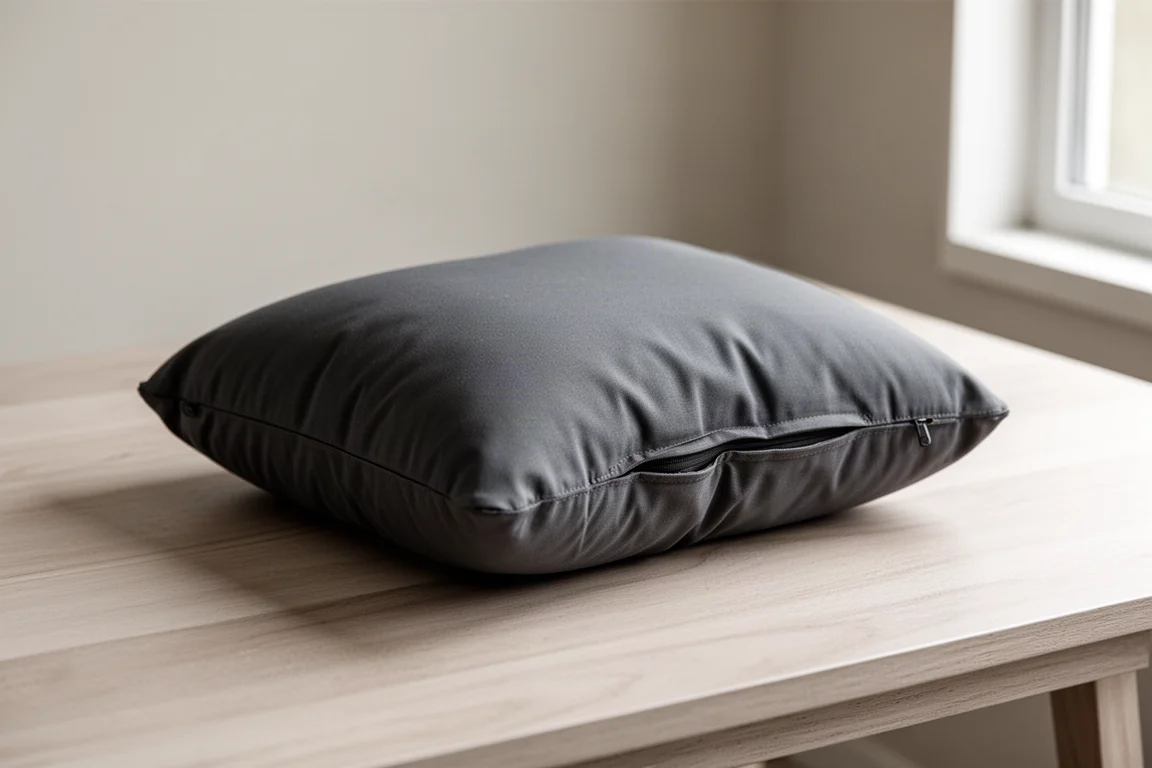
Exped Mega Pillow
The Mega Pillow is the most comfortable option in this category. It is nearly as wide as a 25 inch sleeping pad, has useful height, a soft fabric surface, a little insulation for warmth, and strong support. It weighs 200 grams, roughly four times the hybrid ultralight setup, which is the reason it does not take the win here.
Stoves
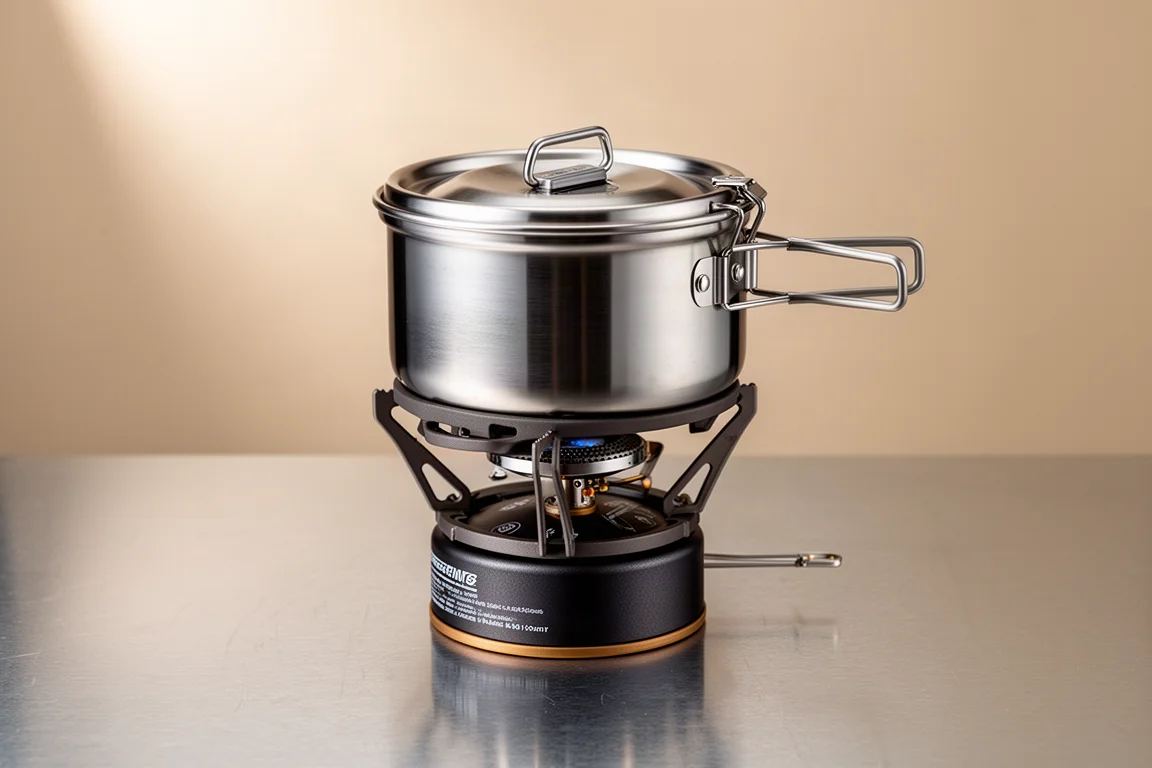
Stoves split between a minimal canister burner and an all in one system, and the trade off is mostly about convenience and wind.
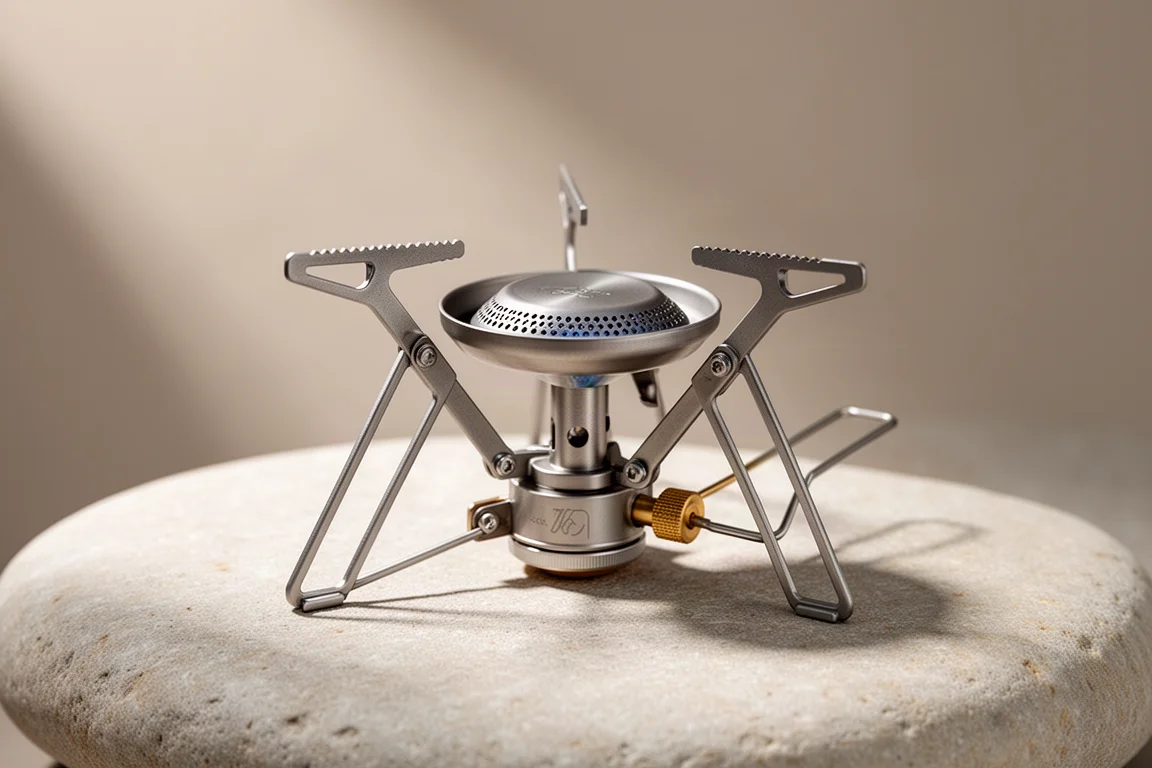
BRS 3000
The BRS 3000 works well enough for the job. Its real appeal is the kit built around it. The stove, a pot gripper, a mini lighter, and a fuel canister all fit inside a 550 millilitre pot, for a total cook kit under 100 grams.
MSR WindBurner
The WindBurner boils water faster, is easier to use, and performs better in variable conditions thanks to a solid regulator, an efficient burner design, and built in wind protection. For many people it is the better stove, at the cost of a heavier and bulkier kit.
Lights
Lighting needs change with the season. In summer it is often dark after bedtime and light again before waking, so a light gets very little use. In northern winters where darkness can run around 16 hours, a good light matters far more.

Both options here are lightweight and effective, and both charge over USB C, which keeps cable clutter down if the rest of your devices use the same standard.
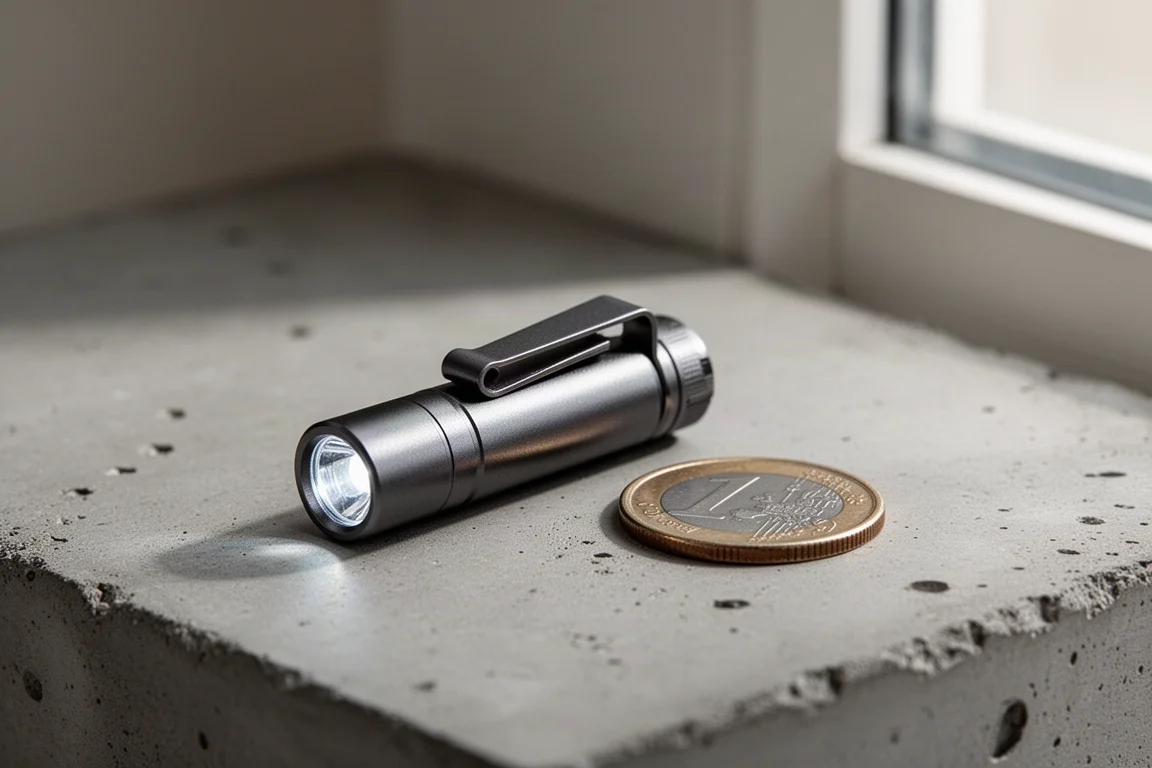
RovyVon A5
The A5 is a very light flashlight that still performs well. It is the right pick if you prefer a handheld light and want the smallest possible option.
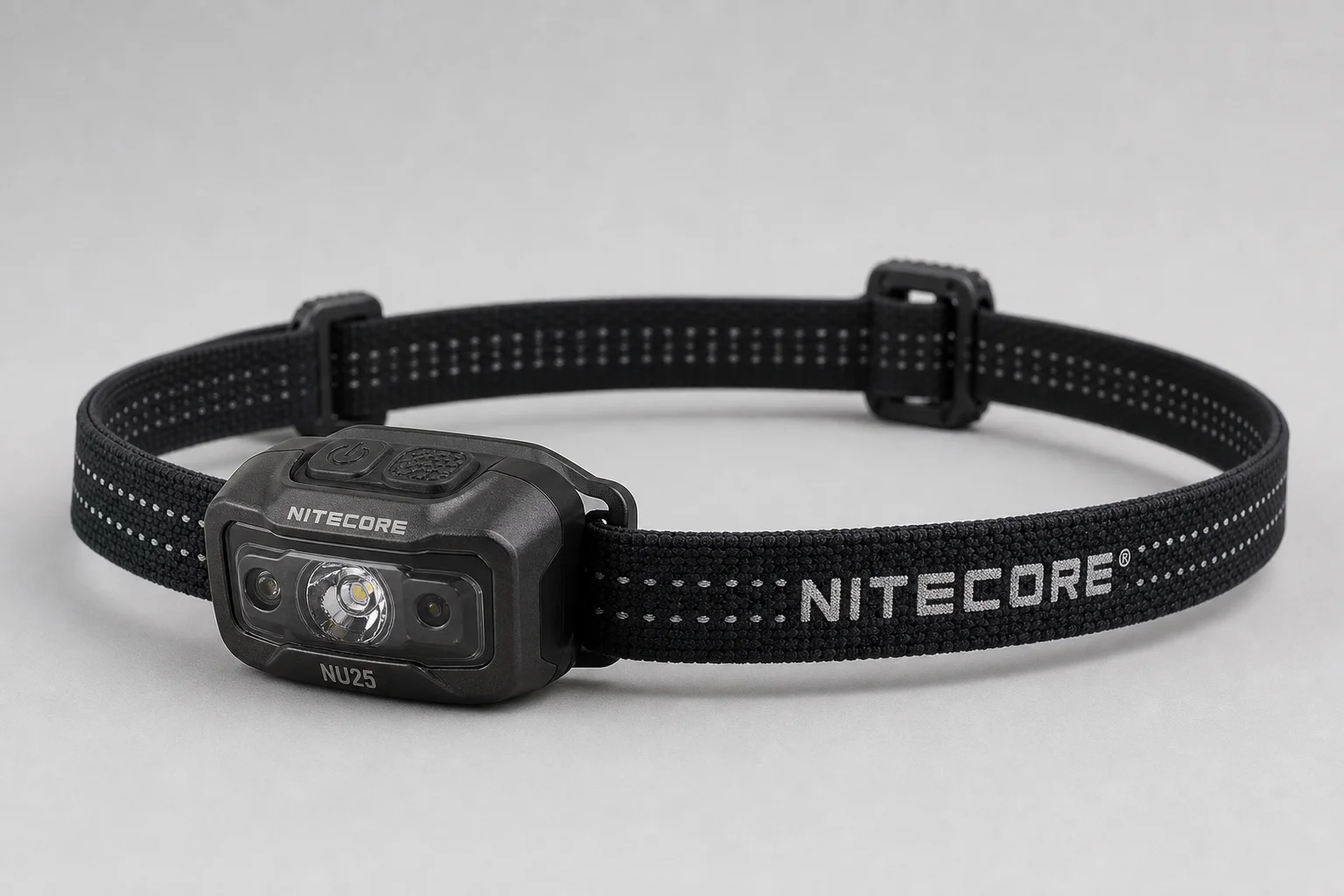
Nitecore NU25
If only one light can come along, a headlamp is the more versatile choice, and the NU25 is very light while remaining an effective headlamp.
Trowels
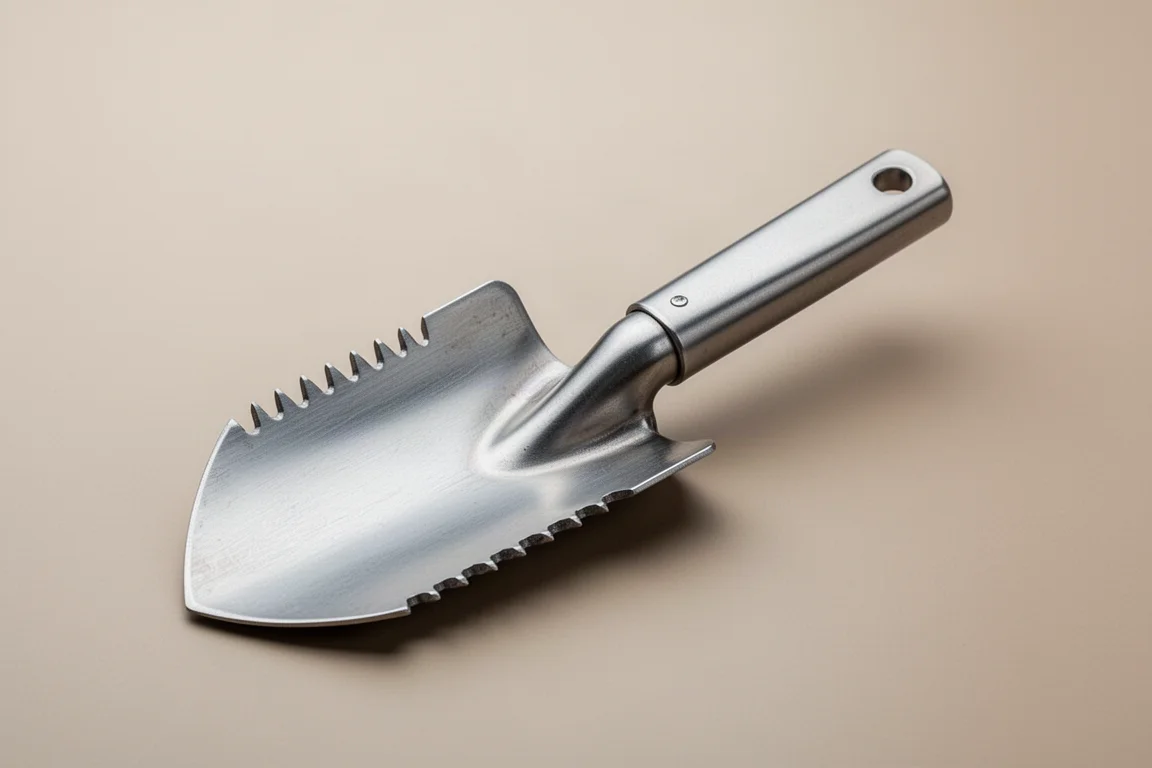
Trowels are a small item where the ultralight version is genuinely enough for most ground.
BoglerCo Trout
The Trout is light but strong. It has enough bite to pry rocks out of the ground, and a serrated edge on one side for cutting through roots. Unless you are digging in very tough or rooty ground, it is all you need.
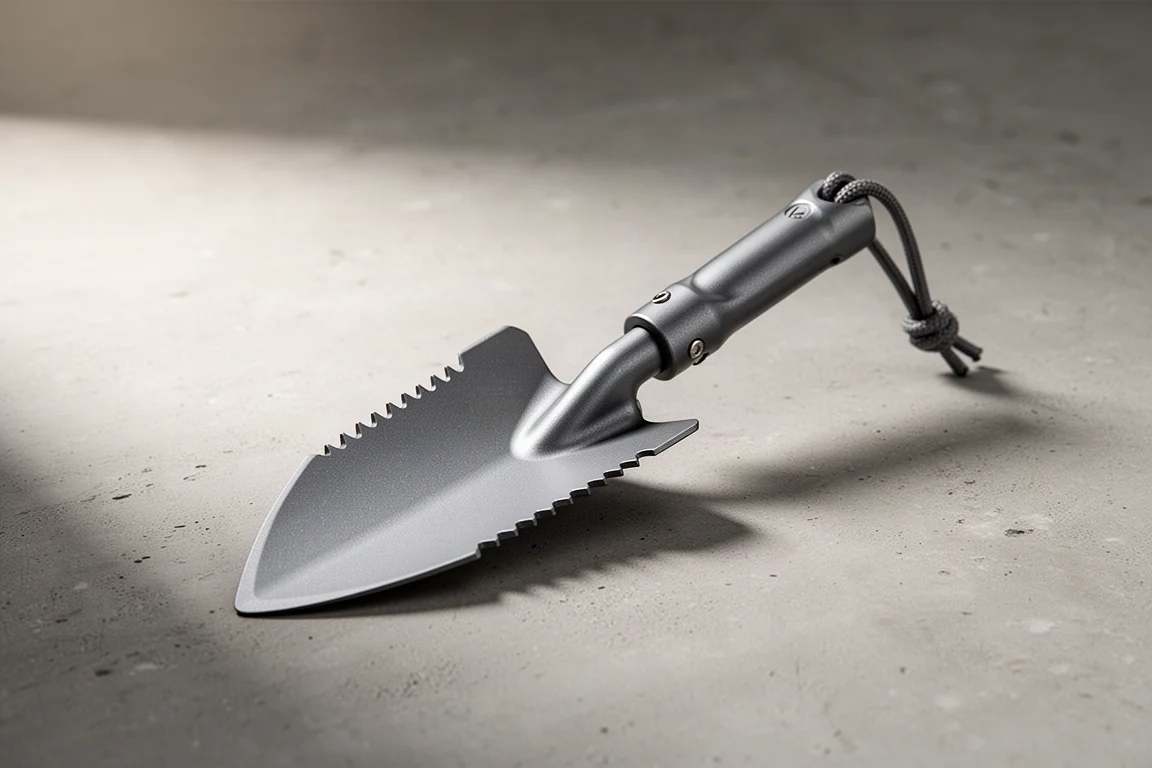
BoglerCo Dig
The Dig is the more robust option, with serrated edges on both sides and a titanium build. It handles tough, rooty ground, and its durability and shape also make it a better choice if you want a trowel that doubles as a tent stake.
Overall Buying Advice
The pattern across these pairs is consistent. Where an ultralight item keeps its features, such as the Arc Haul 50 or the Trout, the lighter choice costs you very little and is easy to recommend. Where the weight gap is extreme, such as the Plex Solo against the Telos 3, the right answer depends on how you travel: solo and weight focused, or shared and space focused.
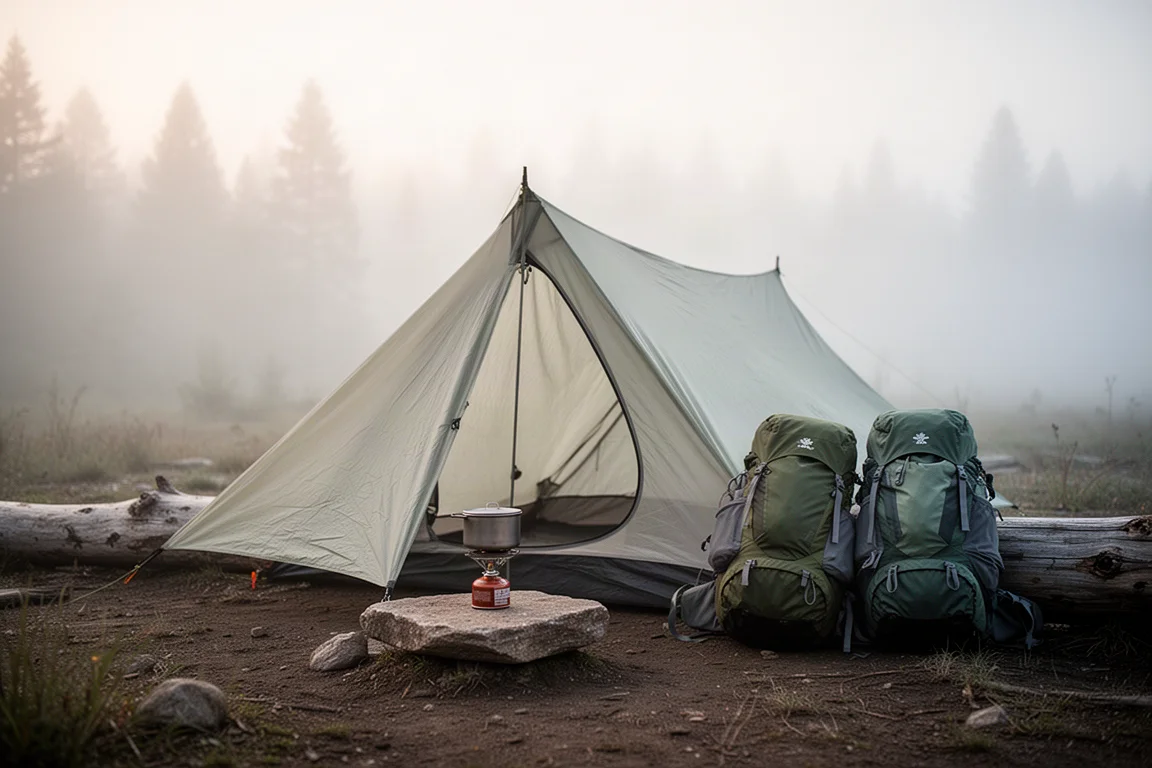
The clearest case for leaning toward comfort is sleep. A heavier pad and a heavier pillow are worth the grams if they are the difference between waking up rested and waking up repeatedly through the night. For stoves and lights, the decision is mostly about convenience and conditions rather than weight alone, and both ultralight picks here remain perfectly usable.
Conclusion
Ultralight gear does not automatically cost comfort, but it does in specific places. Packs and trowels are close to free wins, tents depend on how many people are sleeping in them, and sleep systems are where the extra grams usually pay for themselves. Choose the lighter option where it keeps its features, and spend the weight budget on the pad and pillow you will actually sleep on.
Further reading
Related Reviews

Backpacking Gear
Building a 10 lb Base Weight: An Ultralight Backpacking Gear List
A practical walkthrough of the ultralight pieces behind a 10 lb base weight, from a 765 g pack and a roomy one-person tent to a full camp chair and a dependable water filter.

Backpacking Gear
A 15-Pound Lightweight Backpacking Gear List for Solo Trips
A beginner-friendly 15-pound backpacking setup built from easy-to-find gear, with notes on what each piece does, how it packs, and where to spend your attention.

Backpacking Gear
8 Ultralight Backpacking Gear Upgrades Worth Carrying
Eight small, affordable backpacking upgrades that solve real trail annoyances, from a pillow that stays put to a fuel valve that rescues leftover canister gas.