Backpacking Gear
Ultralight Thru-Hiking Gear: 7 Pieces Worth Packing on a Long-Distance Trail
Seven ultralight backpacking picks for long-distance trails, from a 7 denier quilt and a 437 g Dyneema shelter to a titanium pot and 137 g trekking poles.
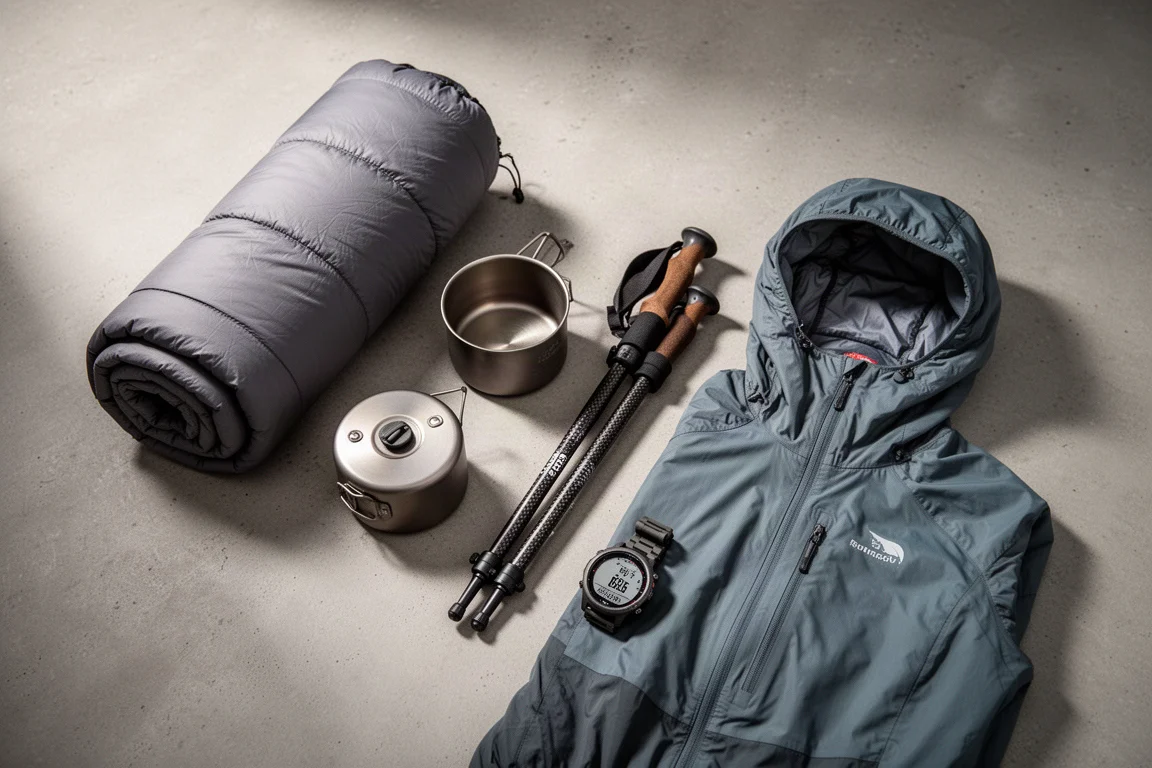
Introduction
Long-distance hiking rewards a simple idea: every gram you remove is a gram you do not carry over the next pass. The seven pieces below were selected for a 1,100 km thru-hike planned for this summer, with resupply stops roughly every six to eight days, and each one earns its place either by cutting weight, by solving a specific problem, or by keeping you warm and dry when conditions turn.
The mix is deliberate. Some items are straightforward upgrades to a standard kit, while others, such as a Dyneema shelter, are significant purchases that deserve an honest look at whether the weight saving justifies the cost. What follows covers what each piece does well, where it asks something of you, and who it suits.
Enlightened Equipment Enigma 20 Quilt: A 7 Denier Shell and 950 Fill Down
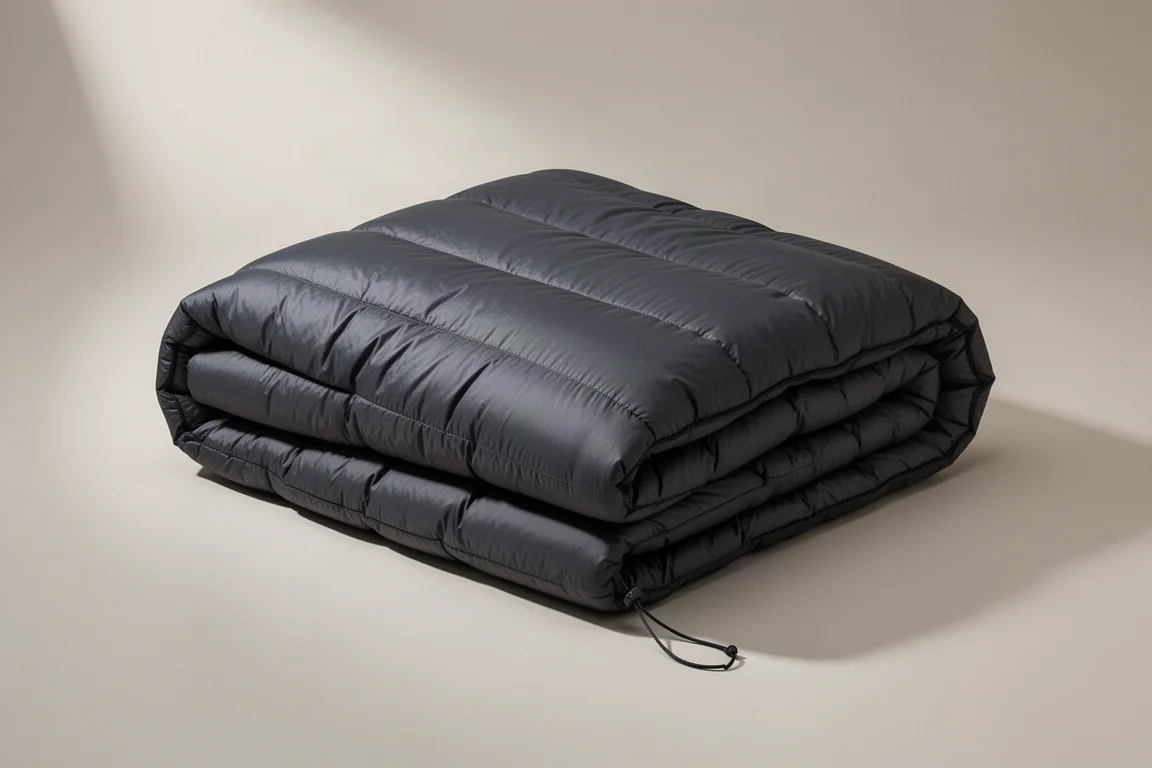
The Enigma 20 is a quilt rather than a hooded sleeping bag, and this version is built around a 7 denier shell fabric rated at roughly 0.5 ounces per yard, the lightest shell fabric used by any quilt manufacturer. The fill is 950 fill power down, which keeps the insulation itself very light for the warmth it provides.
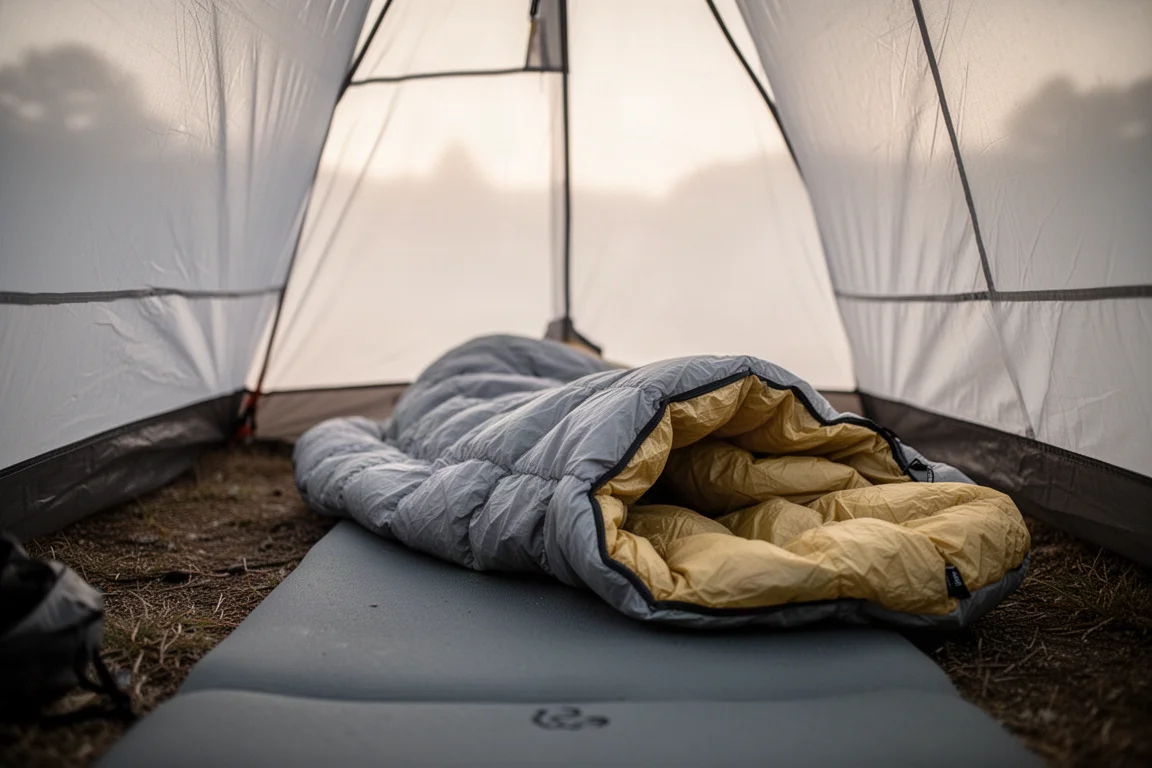
Width matters as much as fabric here. The regular width trims material compared with a wide quilt, and for many sleepers it is still perfectly comfortable, though anyone who likes to wrap up in extra coverage may prefer the wider cut and accept the additional grams. Combined with the thinner shell and the high fill power down, the regular width is where a good share of the weight saving comes from.
Pika Outdoors Powdered Soap: Camp Hygiene Without the Freeze
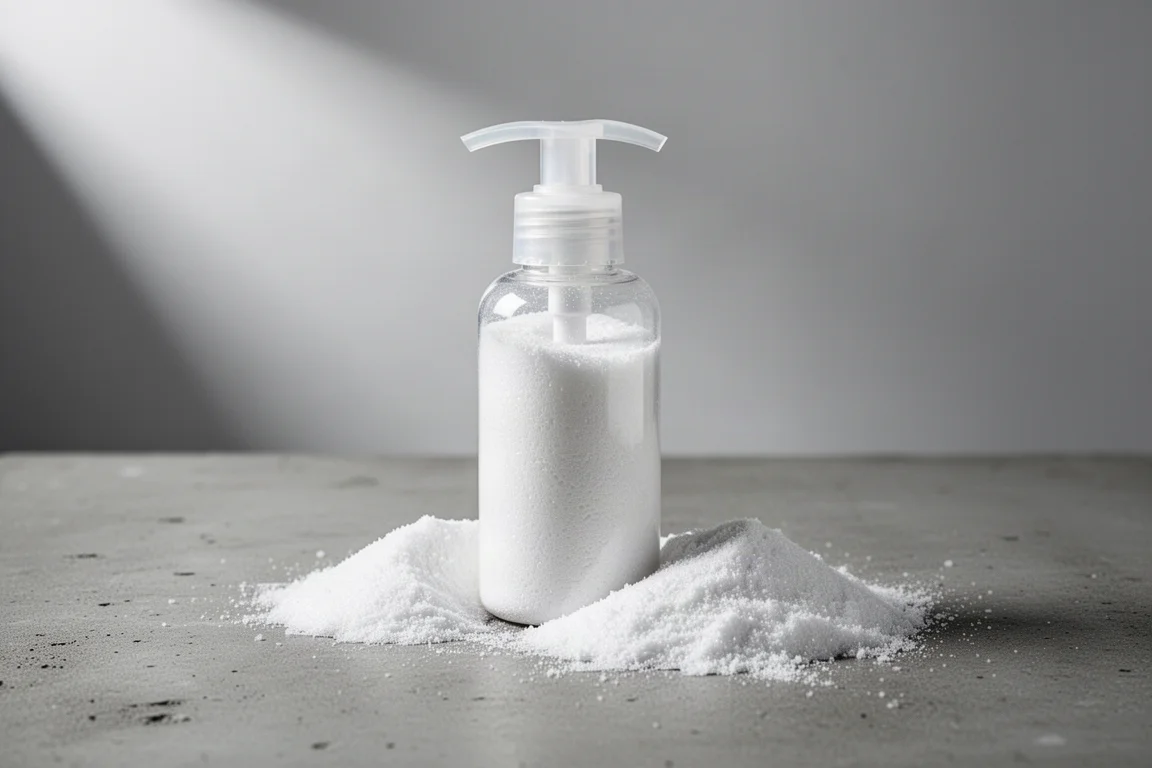
Powdered soap is an unusual format, and it solves two problems at once. It is biodegradable and pH neutral, it contains a surfactant that lifts dirt and oils from hands and body, and because it is a dry powder it will not freeze, which matters on cold trips when a solid block of frozen soap is the last thing you want to deal with.
Weight is the other advantage: powdered soap comes in at roughly a quarter of the weight of the liquid equivalent, and that saving adds up across a long resupply cycle. In practice you decant a small amount into a tiny container, tip some into your palm, add water, and wash as you normally would.
TOAKS Light 650ml Titanium Pot: The Lightest Practical Cook Kit
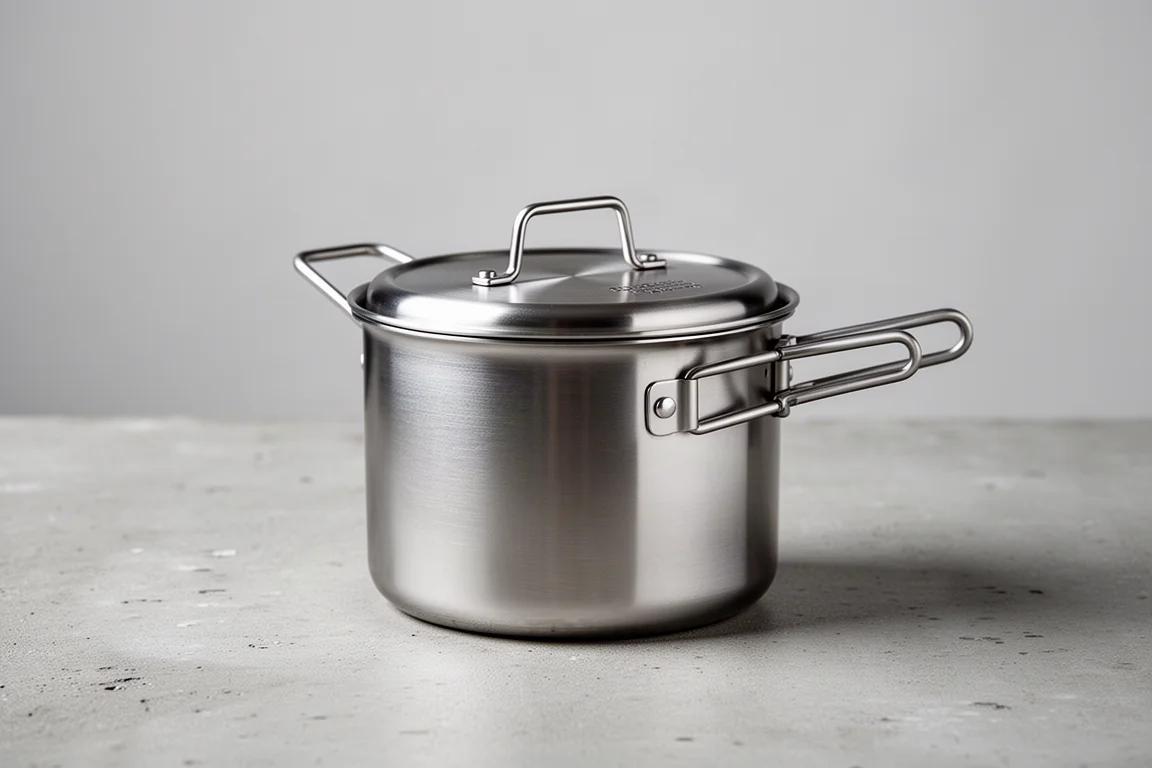
TOAKS builds the 650 ml Light pot from 0.3 mm titanium, thinner than the titanium used in its standard pots, which makes it one of the lightest pots on the market that can still swallow a small fuel canister along with a stove and a lighter. That nesting ability is the whole point: one pot holds the entire cook kit, so nothing rattles around loose in your pack.
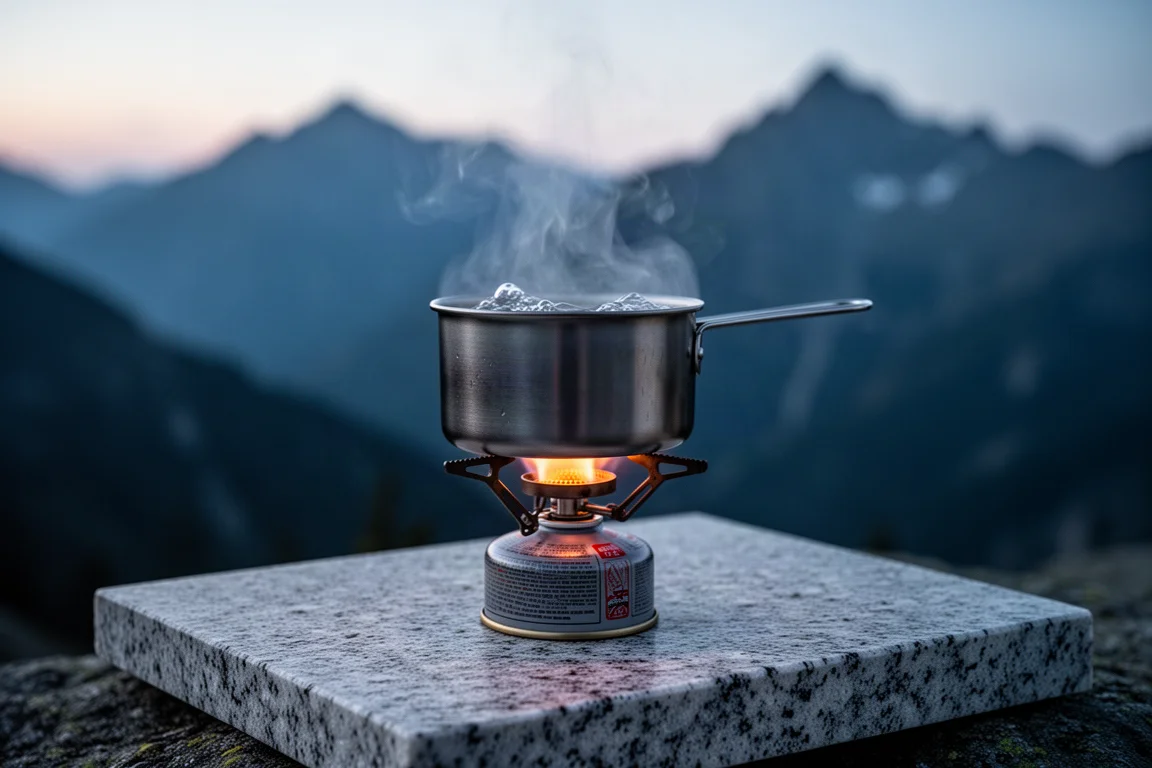
For hikers who only boil water, 650 ml is a sensible size rather than a compromise, and the low weight is difficult to argue with. If you plan to simmer real meals, a wider or deeper pot makes more sense, and the extra grams are simply part of that decision.
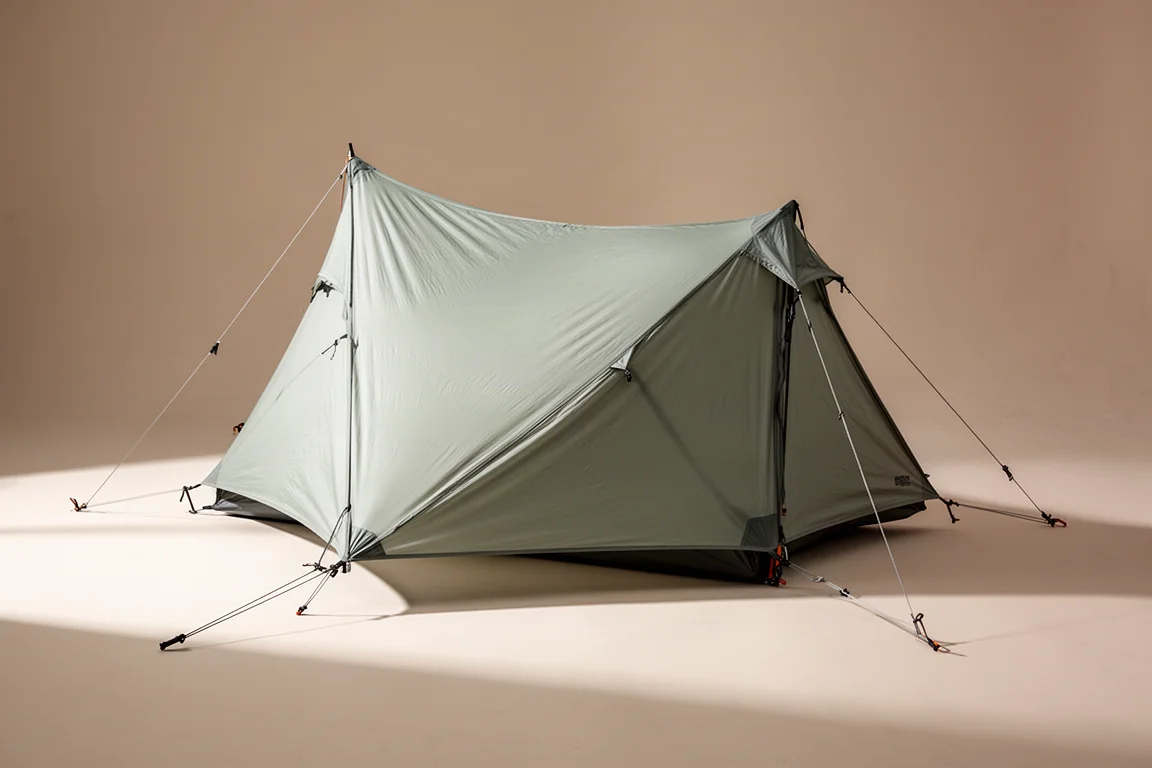
Zpacks Altaplex Tent: Dyneema Weight Savings, Premium Price
At 437 grams the Altaplex is remarkably light for a one-person shelter, and the reason is Dyneema Composite Fabric. Nothing else comes close when the goal is a genuinely ultralight tent, and DCF brings a second benefit that matters on wet trips: it does not absorb water, so condensation and rain do not turn into extra weight in your pack the next morning.
That performance carries a price. The Altaplex is an expensive shelter, and the honest question is whether the weight saving is worth it for the trips you actually take. A tent is a large share of base weight, so dropping a significant amount of mass from your shelter changes how the whole pack carries, mile after mile. It also needs a pole of roughly 46 inches to pitch, which is worth planning for before you commit.
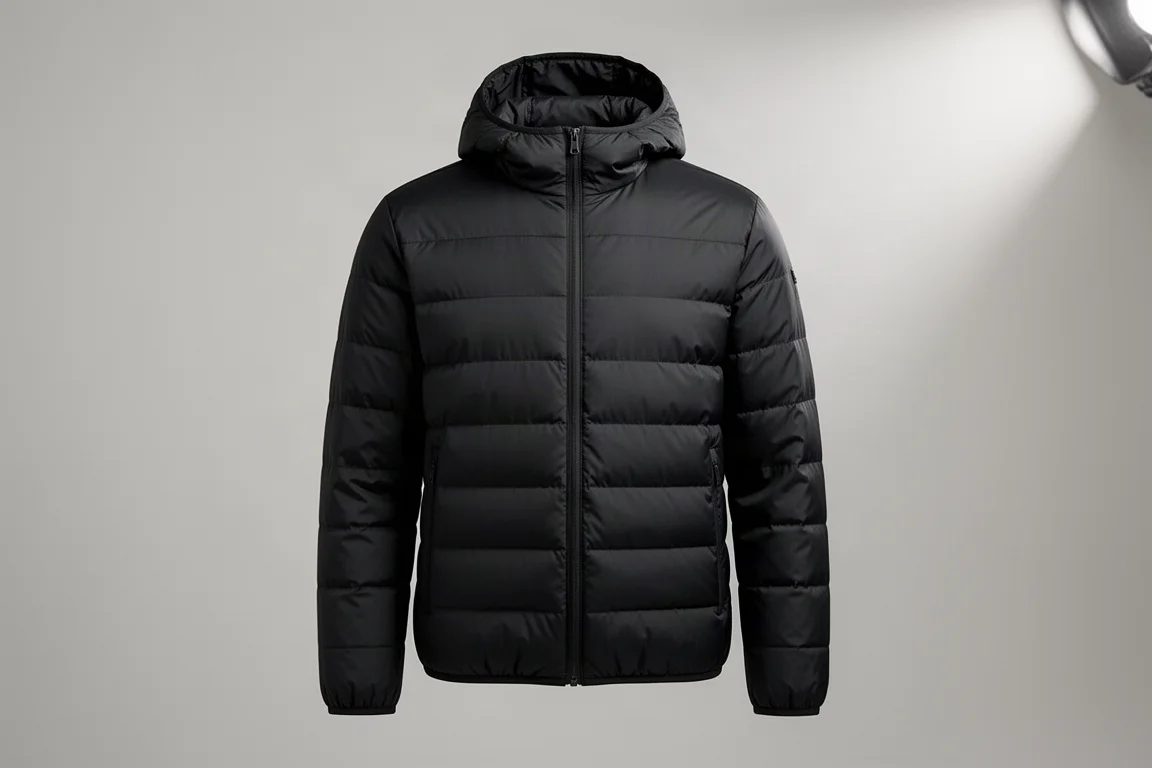
Enlightened Equipment Torrid Apex Jacket: Synthetic Warmth for Wet Conditions
The Torrid Apex is a full-zip hooded synthetic jacket, designed as the layer you pull on around camp instead of a down jacket. The advantage of synthetic fill is that it keeps working in humid and damp conditions, where down loses much of its insulating value once it takes on moisture.
On a trail that runs cold and often wet, that reliability is worth more than a marginal difference on the scale. The Torrid Apex is known for being a very warm jacket for its weight, and it fits into a layering system as a dedicated camp piece rather than something you hike in.
Garmin Fenix 6 Pro Solar: Navigation for Trails That Fade Out
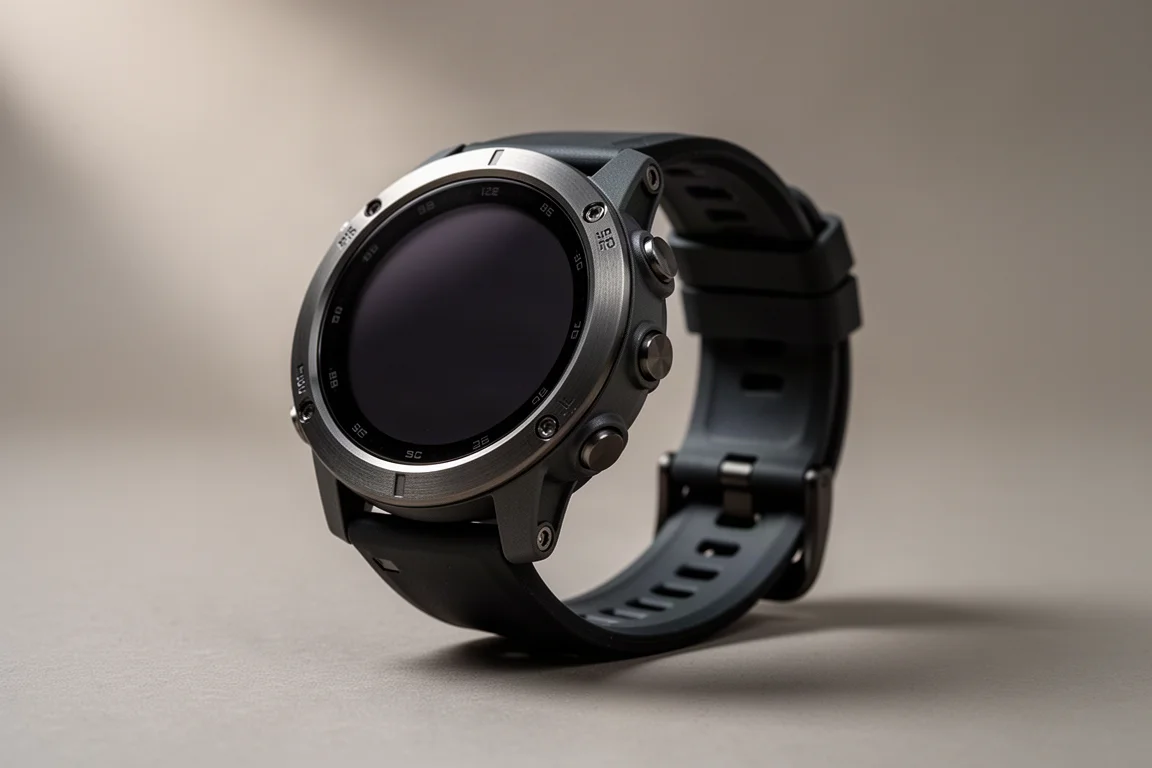
The Fenix 6 Pro Solar is a navigation tool as much as a watch. Routes can be loaded onto it and overlaid on a colored topographic map that also shows surrounding trails and the shape of the land, which is exactly what you need where a route crosses open terrain or disappears entirely.
The solar feature is the reason for the upgrade here. Charging a GPS watch on a long hike is a recurring chore, and solar charging reduces how often you need to think about it. It is a supplement rather than a replacement, so a power plan still belongs in your kit, but for anyone navigating off-trail regularly the mapping alone justifies wearing it.
Cascade Mountain Tech Carbon Fiber Trekking Poles: 137 Grams of Simple
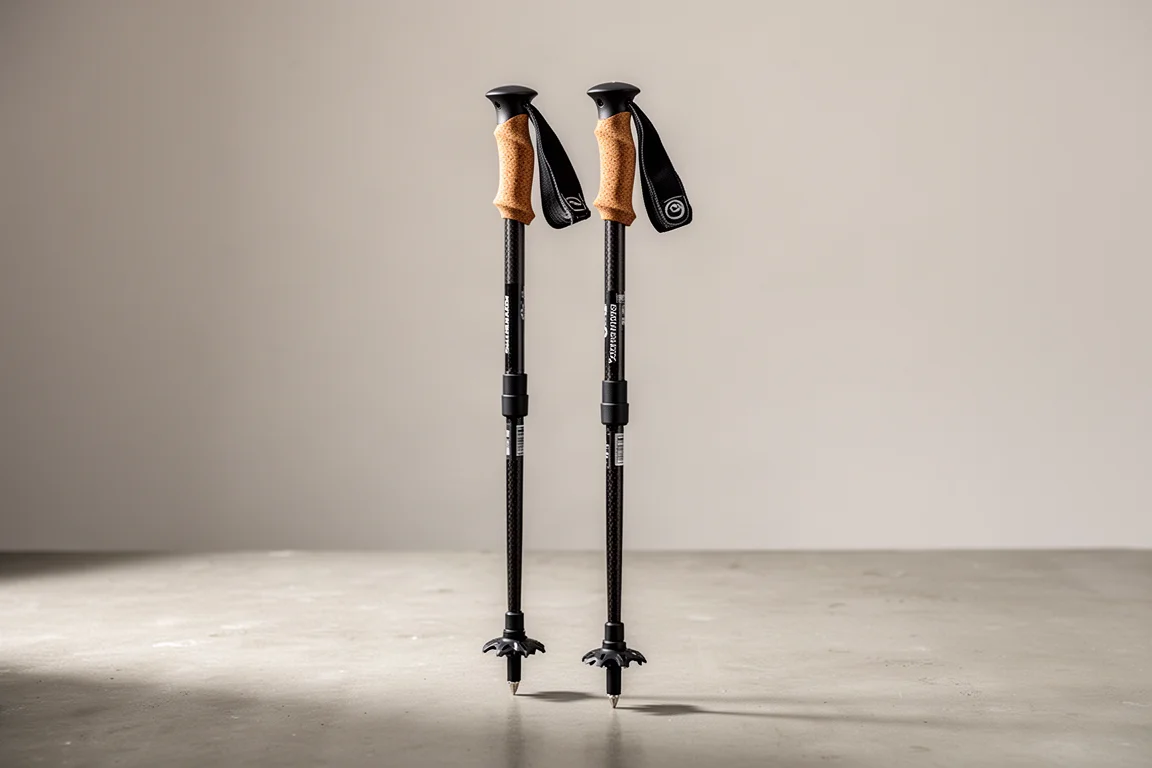
These poles come from the maker best known for budget trekking poles, but this model is a different proposition: a two-section carbon fiber pole with an EVA handle and very little else. That simplicity is the point. At 137 grams per pole without the straps, it is among the lightest trekking poles on the market, and over a full day of walking, day after day, the difference is noticeable.
A word on the straps: they come off easily, but they genuinely help when you are pushing uphill or bracing on a descent, so leaving them on is the better call for most hikers. The trade-off of a minimalist two-section design is that the pole is not long enough on its own to pitch a shelter that needs a 46 inch pole, so a pole jack from the shelter maker is required if you pair it with the Altaplex. At around $100, it is also one of the more affordable ways to cut weight from your kit.
Overall Buying Advice
Two of these picks are straightforward value. The trekking poles cost around $100 and remove weight from your hands and your pack with every step of the day, while the powdered soap is a cheap fix for a problem most hikers only notice once it is cold enough to freeze their toiletries.
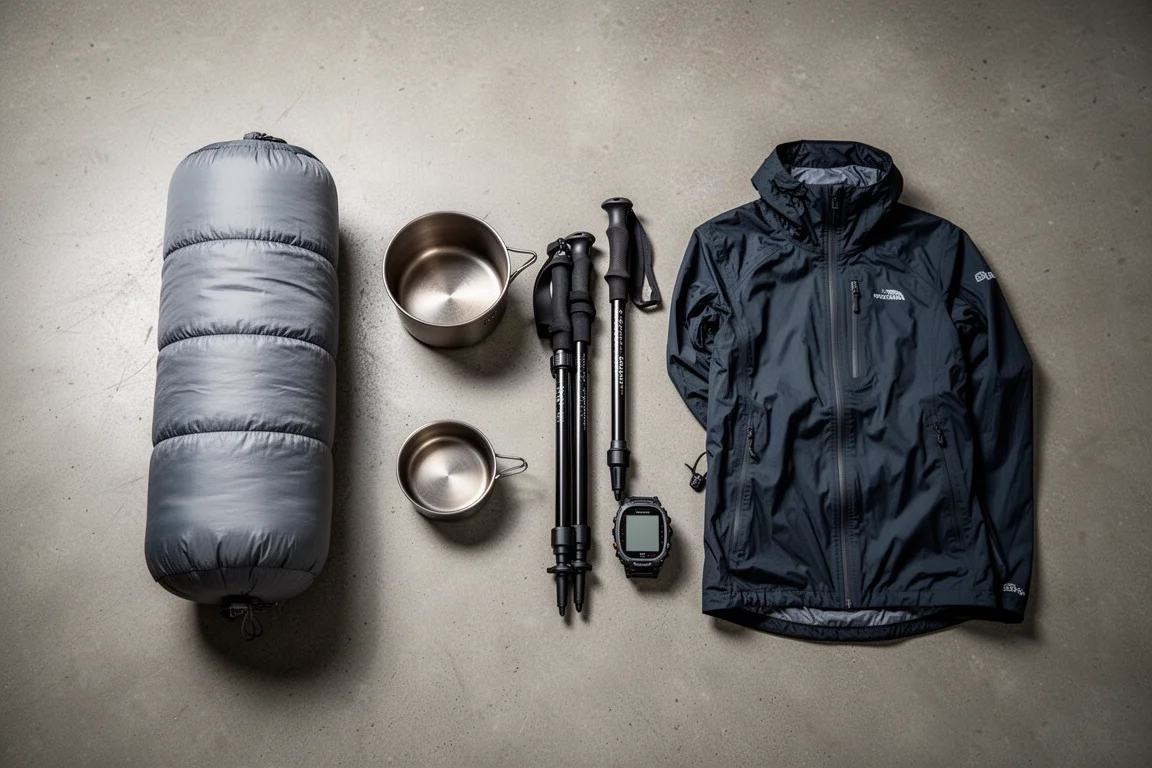
The bigger decisions are the quilt and the shelter. Both are places where spending more buys real weight savings, and both are places where the return depends on how you travel. If your kit is already dialled in and you feel every extra gram on long climbs, a Dyneema shelter is the single largest weight reduction available to you. If your base weight is still coming down, start with the cheaper wins: the poles, the soap, the pot, and a quilt sized to how you sleep rather than to the widest option on the page.
Conclusion
Seven pieces, one goal: a lighter pack that is still warm, dry and navigable when conditions turn. The Enigma 20, the 650 ml titanium pot and the carbon fiber poles trim weight without asking much in return. The Altaplex and the Torrid Apex are the specialist purchases, one for the biggest possible weight saving and one for warmth that survives wet weather. The Fenix 6 Pro Solar covers the navigation problem, and the powdered soap quietly removes an annoyance from every cold morning. Match the list to the conditions you actually hike in, and the upgrades pay off in comfort long before the trail ends.
Further reading
Related Reviews

Backpacking Gear
Building a 10 lb Base Weight: An Ultralight Backpacking Gear List
A practical walkthrough of the ultralight pieces behind a 10 lb base weight, from a 765 g pack and a roomy one-person tent to a full camp chair and a dependable water filter.
Backpacking Gear
A 15-Pound Lightweight Backpacking Gear List for Solo Trips
A beginner-friendly 15-pound backpacking setup built from easy-to-find gear, with notes on what each piece does, how it packs, and where to spend your attention.
Backpacking Gear
8 Ultralight Backpacking Gear Upgrades Worth Carrying
Eight small, affordable backpacking upgrades that solve real trail annoyances, from a pillow that stays put to a fuel valve that rescues leftover canister gas.