Backpacking Gear
Ultralight Thru-Hike Gear: 7 Pieces Worth the Weight Savings
Seven ultralight picks for long-distance backpacking, from a 7 denier down quilt to a 437 g Dyneema shelter, with what each one does well and where the trade-offs sit.
Introduction
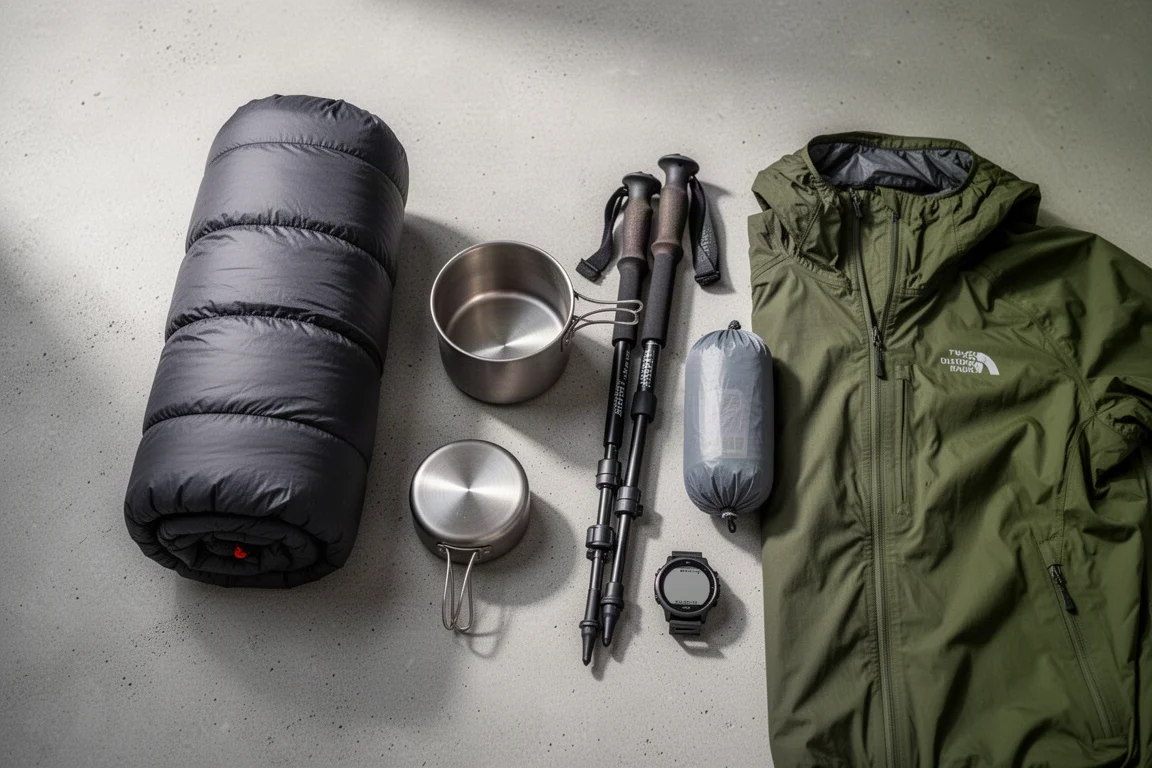
Long-distance hiking is a game of small margins. A pack that feels fine on a weekend can turn into a daily grind over 1,100 km, and the difference usually comes down to a handful of items that weigh less, pack smaller, or simply behave better when the weather turns. The seven pieces below were chosen for a long thru-hike on the Great Divide Trail, a 1,100 km route that combines established trail with long sections where no trail exists at all.
Each item earns its place for a specific reason: a lighter sleep system, a soap that will not freeze solid, a shelter light enough to change how the whole pack carries. None of them are novelties, and a few are expensive enough to deserve a careful look before you commit.
How These Picks Were Chosen
The criteria were deliberately narrow. Weight came first: every item had to reduce base weight against the alternative it replaced, or deliver the same function in a lighter package. Reliability in cold and wet conditions came second, because condensation, rain and freezing overnight temperatures are routine on a long mountain route. Simplicity came third, since gear that needs fiddling at camp costs time and energy every single day.
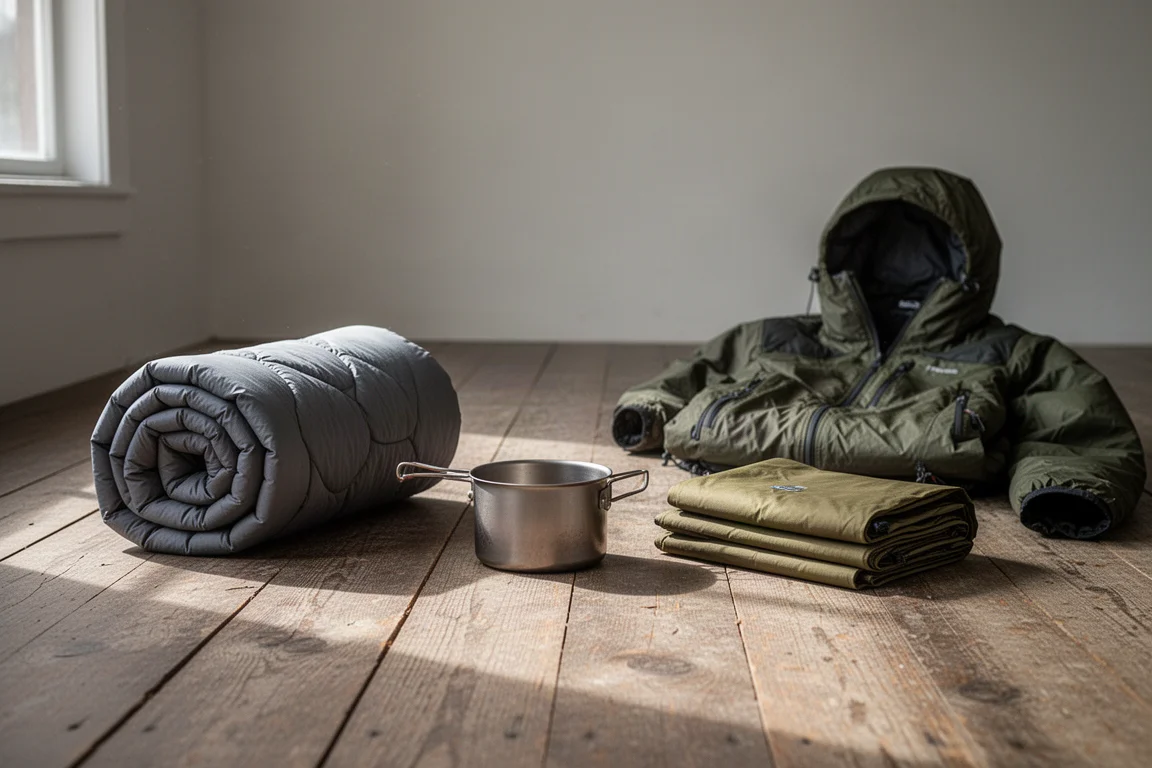
Cost is the honest counterweight to all of that. Ultralight gear usually carries a premium, and the fairest way to judge it is to ask how many nights you will actually spend using it. A shelter that saves hundreds of grams matters far more across a 1,100 km route than on a two-night trip, and that context shapes every recommendation below.
Enlightened Equipment Enigma 20: A Lighter Sleep System
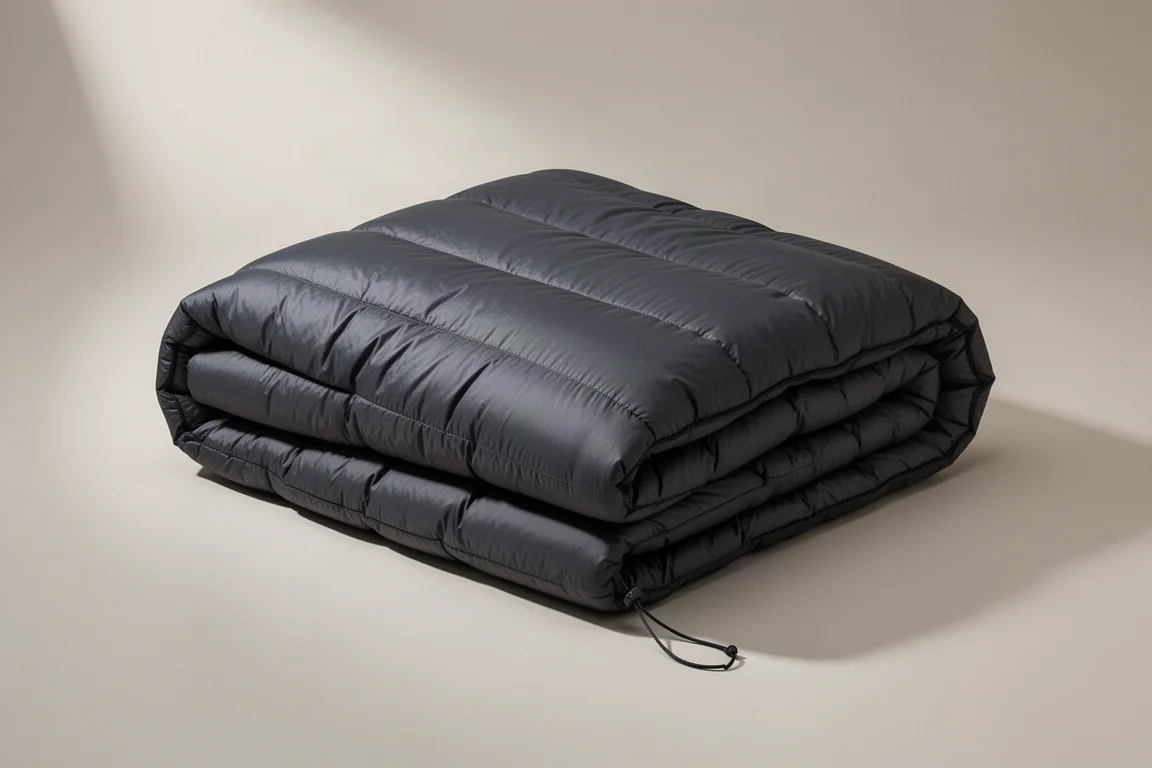
The Enigma 20 is a quilt rather than a sleeping bag, and this version is built with a 7 denier shell fabric, among the lightest shell fabrics used by any quilt manufacturer at roughly 0.5 ounces per yard. The fill is 950 power fill down, which keeps insulation weight low without giving up warmth. Paired with a regular width instead of a wide cut, the whole setup trims a useful amount of weight from a sleep system.
For anyone already comfortable with quilts, the appeal is straightforward. The regular width has proven comfortable enough for normal sleeping positions, while the wide version adds fabric and grams. If a lighter pack for a long route is the priority, the regular width is the more efficient choice, and it is the single biggest weight saving available in a sleep system without changing how warm you sleep.
Pika Outdoors Powdered Soap
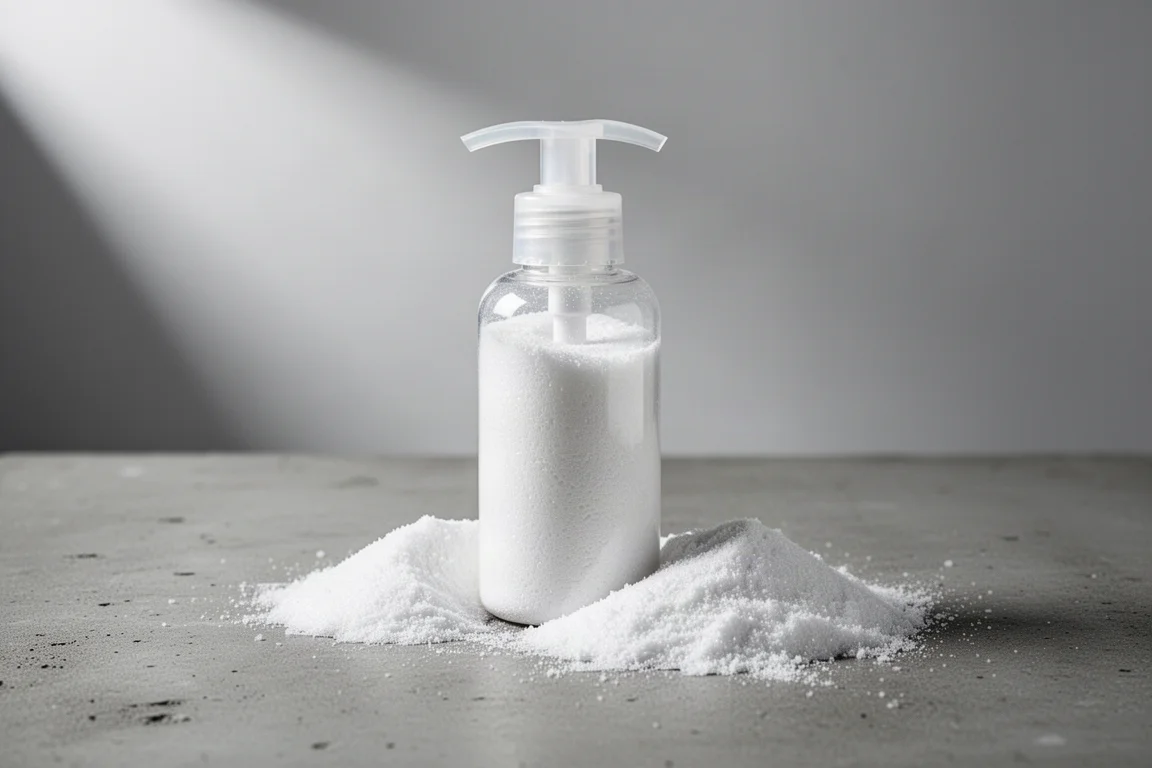
Powdered soap is an unusual format, and the details are genuinely interesting. Under FDA rules it may not technically count as soap until water is added, but the ingredient list includes a surfactant, which is the component that lifts dirt and oils off hands and body. In practice it works the way you would expect: pour a little into your palm, add water, lather and rinse.
The advantages stack up for backpacking. It is biodegradable and pH neutral, it does not freeze in winter temperatures, and it weighs roughly a quarter of what liquid soap weighs for the same number of washes. A frozen block of liquid soap after a cold night in the backcountry is a genuinely unpleasant surprise, and powdered soap removes that problem entirely. It also makes resupply planning easier, since you can portion exactly what you need into small containers and carry no more than the trip requires.
Toaks 650ml Titanium Pot
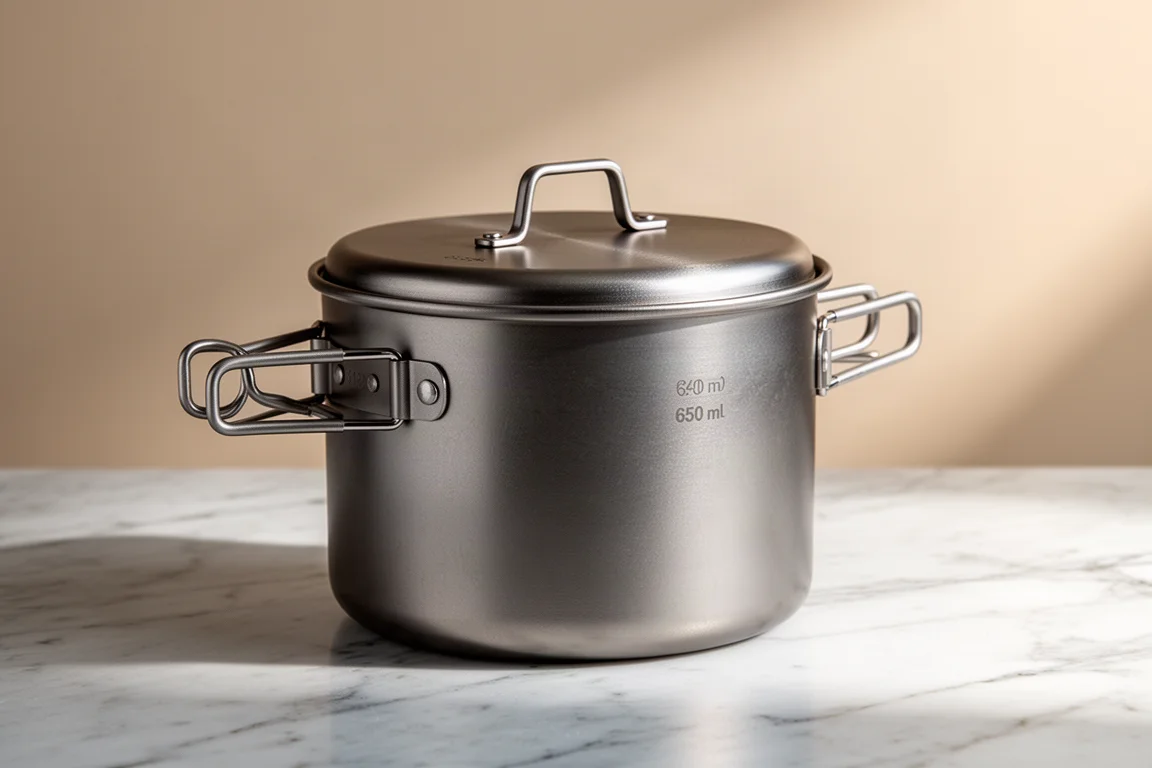
The Toaks 650 ml pot comes from the brand’s light line, which uses 0.3 mm titanium instead of the thicker material found in its standard pots. That thin wall puts it among the lightest pots on the market that can still swallow a small fuel canister, a folding stove and a lighter in one package, which keeps the cook kit compact and quiet in the pack.
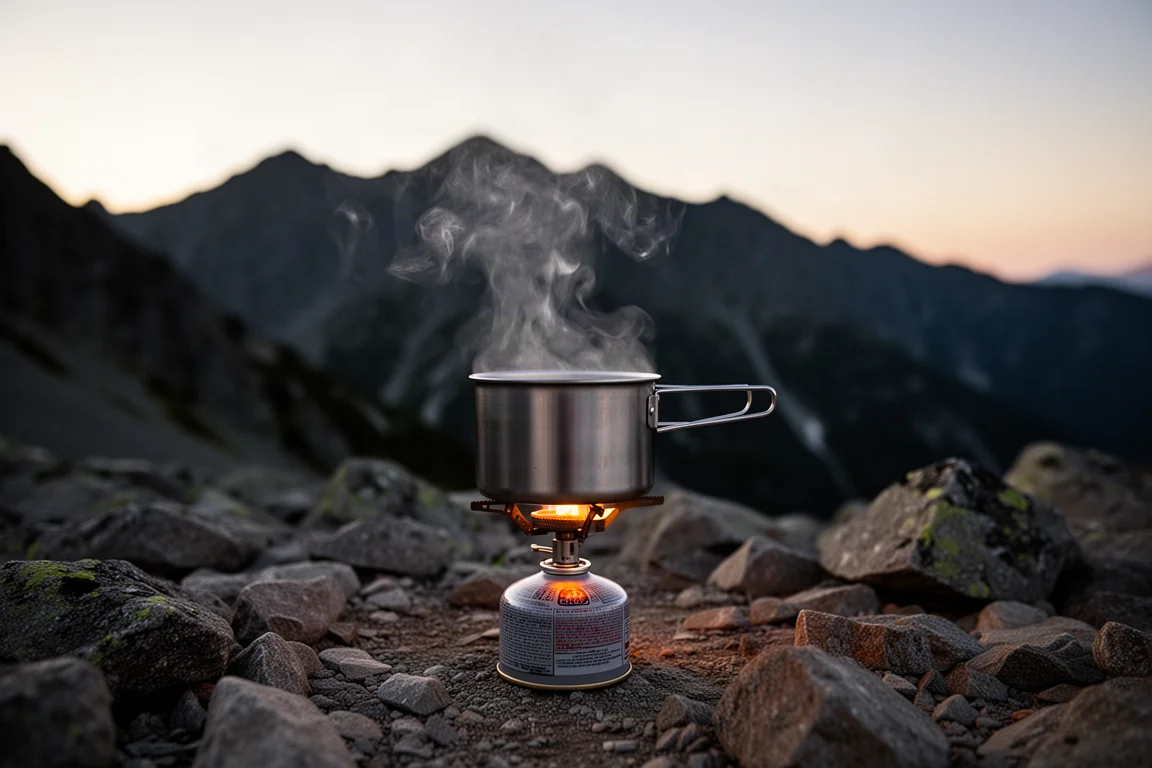
Capacity is the other half of the story. For a boil-only routine, 650 ml is enough for a hot drink and a rehydrated meal without carrying a larger pot you will never fill. If you cook actual meals rather than pouring boiling water into a bag, a wider pot makes more sense, but for ultralight trips this size hits a useful middle ground.
Zpacks Altaplex: A 437 Gram Dyneema Shelter
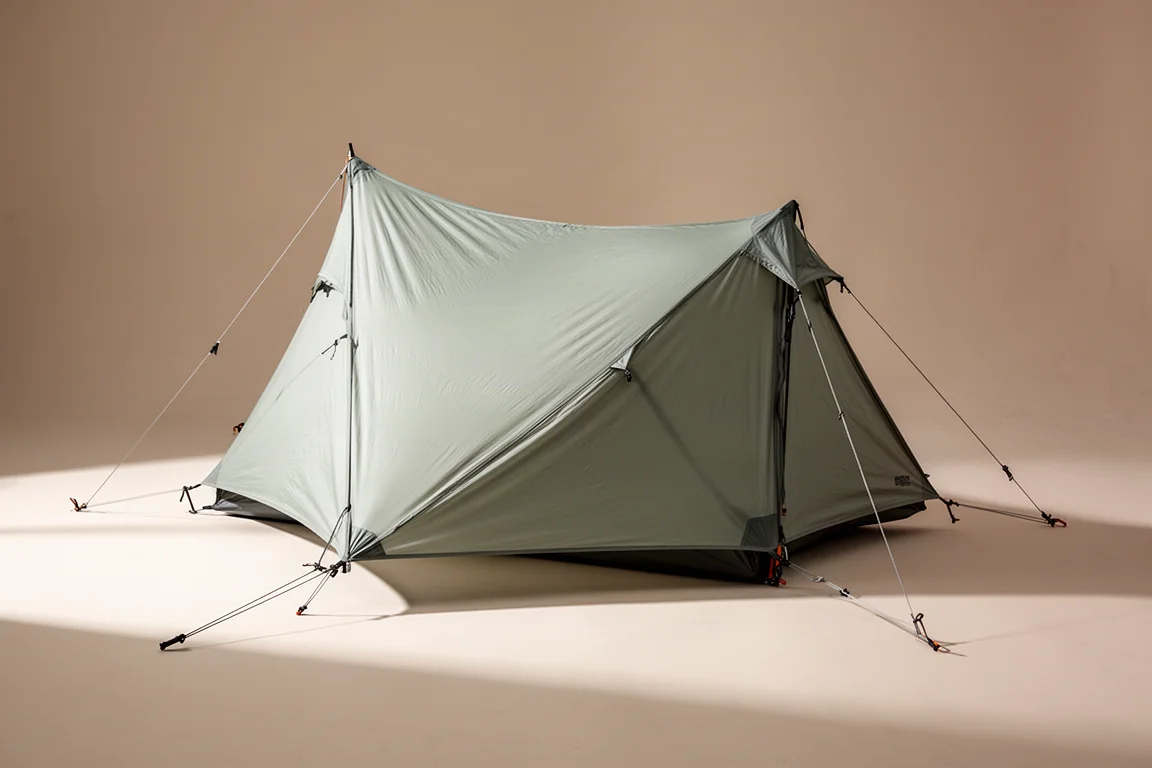
At 437 g, the Altaplex is the lightest item in this lineup and also the most expensive. The reason is the material: Dyneema composite fabric, usually shortened to DCF, is difficult to match when the goal is an extremely light tent. It also has a second benefit that matters on a wet route, because DCF does not absorb water. Camp in a spot with heavy condensation or pitch through a night of rain, and you are not carrying that moisture on your back the next morning.
Pitching it takes a trekking pole at roughly 46 inches of height. A standard pole may fall short of that, in which case a pole jack extends it to the length the shelter needs. For anyone who already hikes with poles, the shelter turns equipment you are carrying anyway into the structure that keeps you dry, which is a large part of why the weight figure is so low.
Enlightened Equipment Torrid Apex Jacket
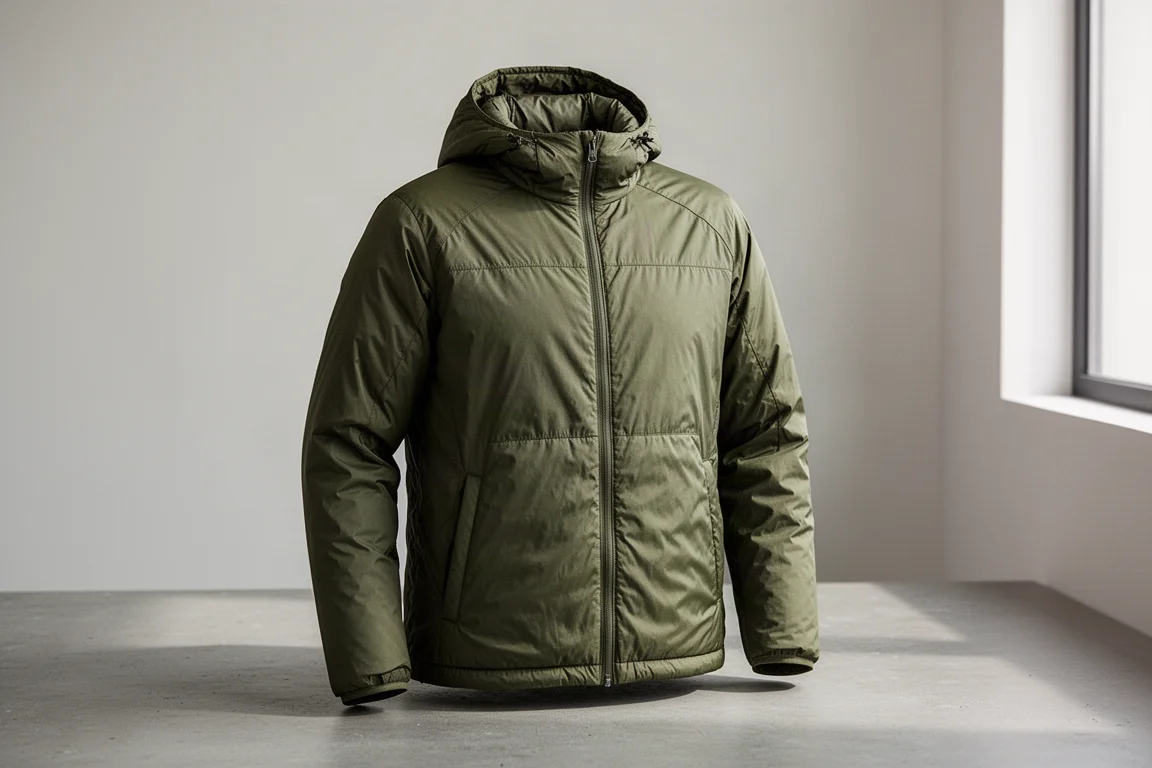
The Torrid Apex is a synthetic, full-zip hooded jacket intended as a camp layer rather than a replacement for every insulating piece in your pack. Synthetic insulation holds up better than down in humid and damp conditions, which makes it a sensible choice for routes where the air stays wet for days at a time and a down jacket would steadily lose its loft.
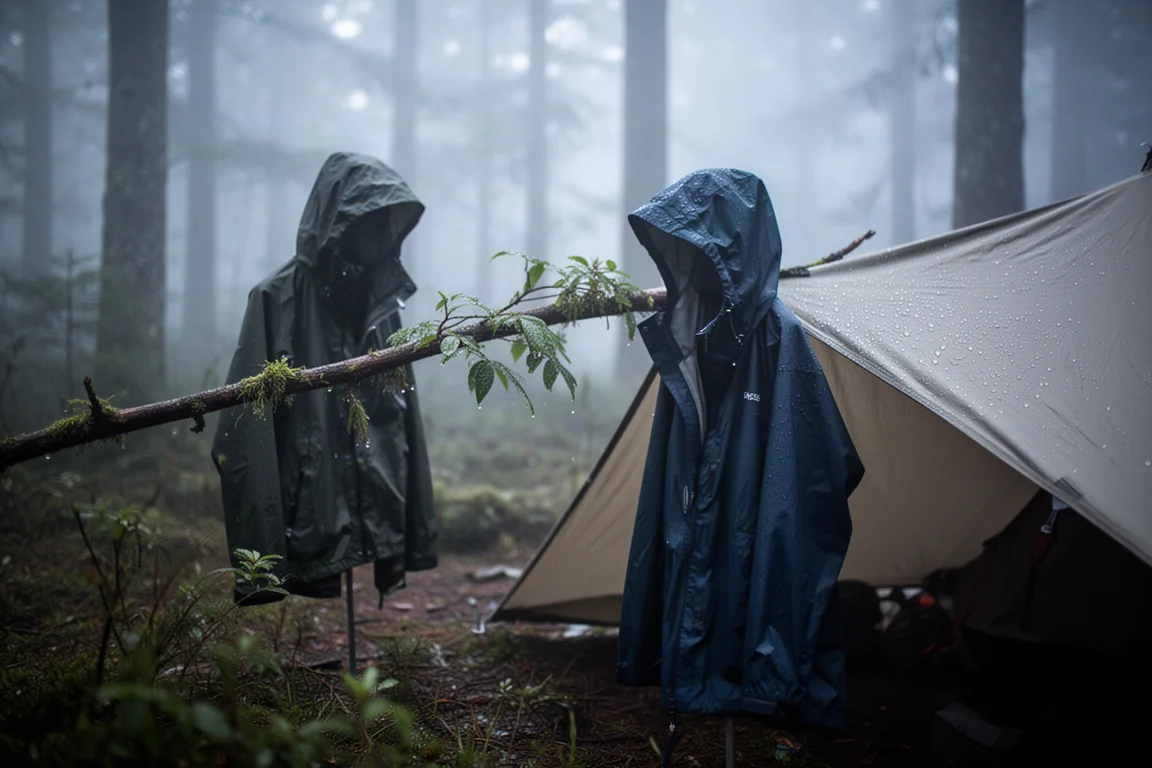
Warmth for its weight is the headline here, and the full-zip hooded design gives it enough range to wear while moving on cold mornings and around camp in the evening. On a route that runs cold and often wet, that combination is worth more than a slightly lighter jacket that struggles once the humidity rises.
Garmin Fenix 6 Pro Solar
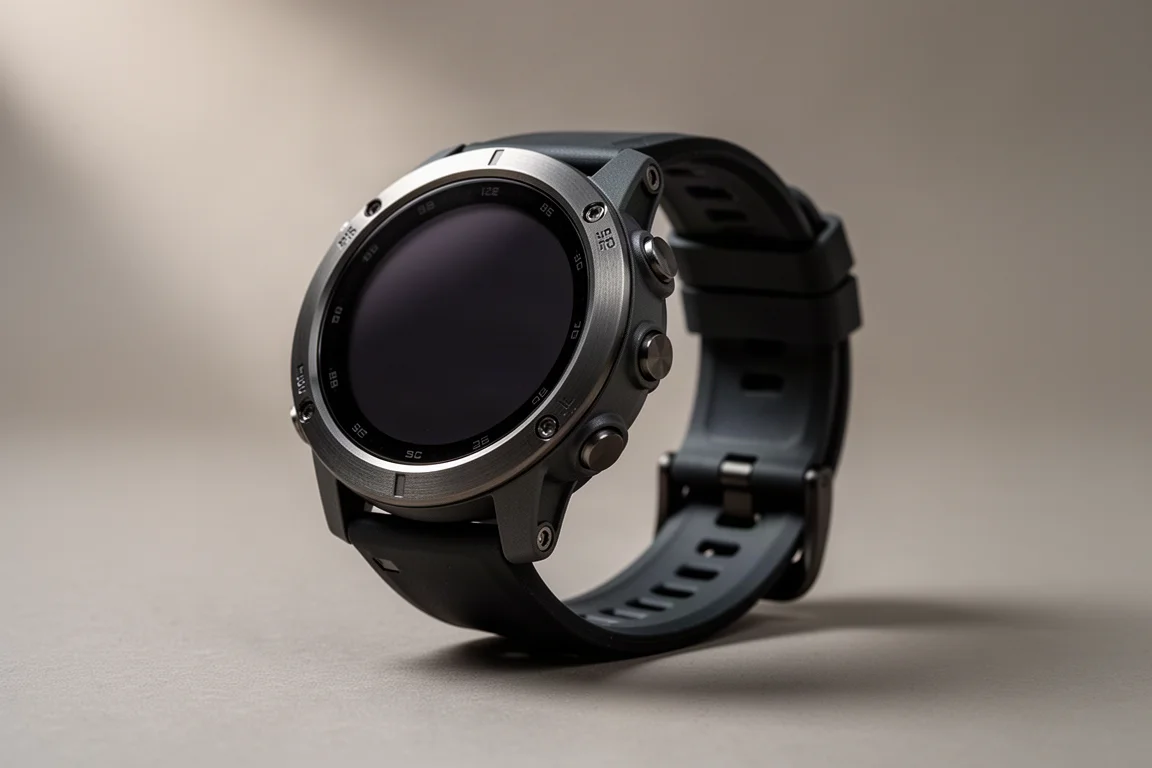
Navigation is where the Fenix 6 Pro Solar earns its place. A route can be uploaded to the watch and overlaid on a coloured topo map that shows surrounding trails as well as the shape of the land, which is exactly the information you want when the trail becomes faint or disappears. The Great Divide Trail includes sections with no trail at all, and on those stretches an on-wrist topo map is worth the weight of a watch.
The solar feature is the other draw. It will not eliminate charging, but it can reduce how often the watch needs to be topped up, which matters on a long route where every charge competes for the same power bank. For backpackers who rely on navigation rather than following markers, the combination of route overlay and solar top-up is the practical case for carrying it.
Cascade Mountain Tech Carbon Fiber Trekking Poles
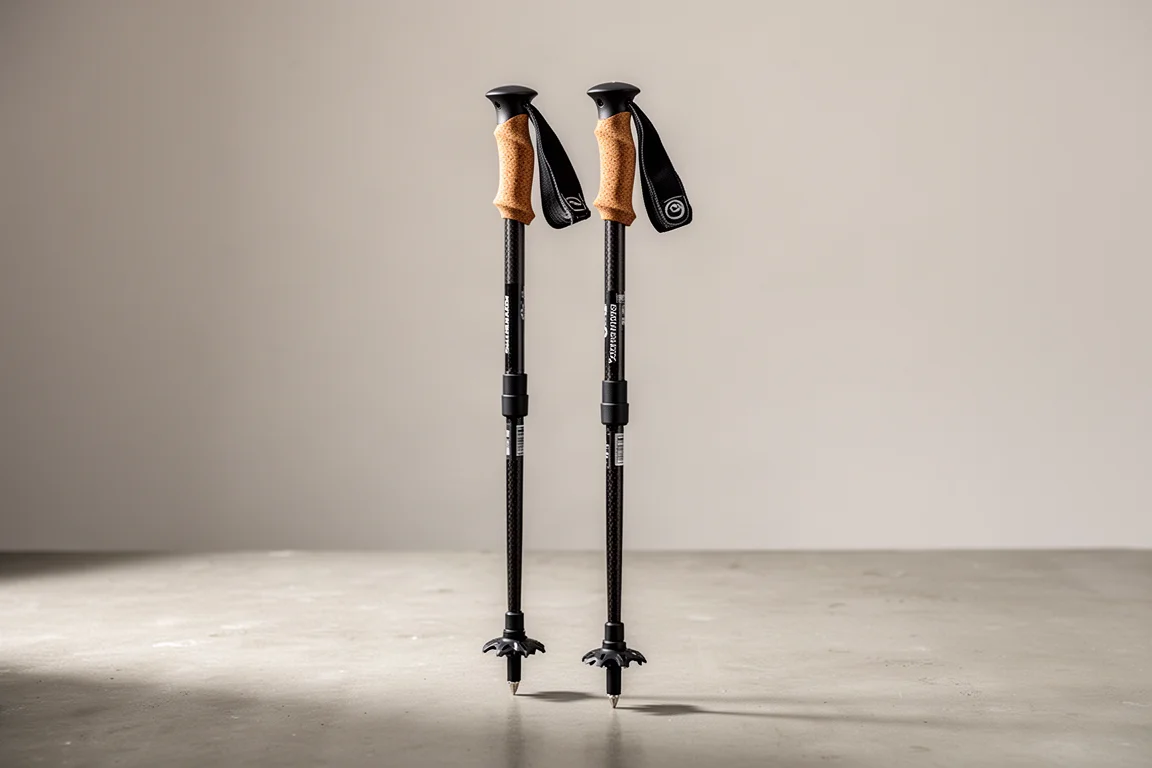
These poles are new to market and take a deliberately basic approach. Each one is a two-section carbon fibre shaft with an EVA handle and nothing more elaborate, which is what keeps the weight at 137 g per pole without the straps. It is one of the lightest trekking poles available, and the price is modest at around $100.
Straps are worth keeping, since they carry a meaningful amount of load when you are pushing uphill over a long day. The one limitation to plan around is length: the pole is not quite tall enough on its own to pitch the Altaplex, which needs roughly 46 inches, so a pole jack fitted into the bottom of the shaft adds the extra height required. Over an entire day, and day after day of long kilometres, that low weight adds up in a way that is easy to underestimate.
Overall Buying Advice
If you are building a lighter pack for a long route, start with the two items that carry the most weight: your shelter and your sleep system. A DCF shelter and a 7 denier quilt will cut more grams than a dozen smaller swaps, and they are also the two places where the extra spend buys the most comfort mile after mile. Smaller items such as powdered soap and a thin-walled titanium pot cost far less and still trim weight in ways you notice across a full resupply cycle.
The synthetic versus down decision deserves its own thought. A down jacket is the lighter choice in dry, cold conditions, while a synthetic layer keeps working when the air is humid or wet. If your route runs damp for days at a time, that reliability is worth more than the gram count, and the Torrid Apex is the pick that reflects it.
Finally, be honest about how many nights you will spend out. Ultralight gear pays for itself in comfort over a long season and can look expensive over a weekend. Buy the pieces that match the trips you actually take, and let the weight savings follow from that.
Conclusion
Seven items, seven specific jobs: a lighter quilt, a soap that will not freeze, a pot that holds a full cook kit, a 437 g shelter, a synthetic camp layer, a watch that maps faint trails, and a pair of 137 g poles. Taken together they point at the same idea, that base weight is something you can design rather than accept. Start with the big three, add the small wins where they are cheap, and the pack gets noticeably easier to carry.
Further reading
Related Reviews

Backpacking Gear
Building a 10 lb Base Weight: An Ultralight Backpacking Gear List
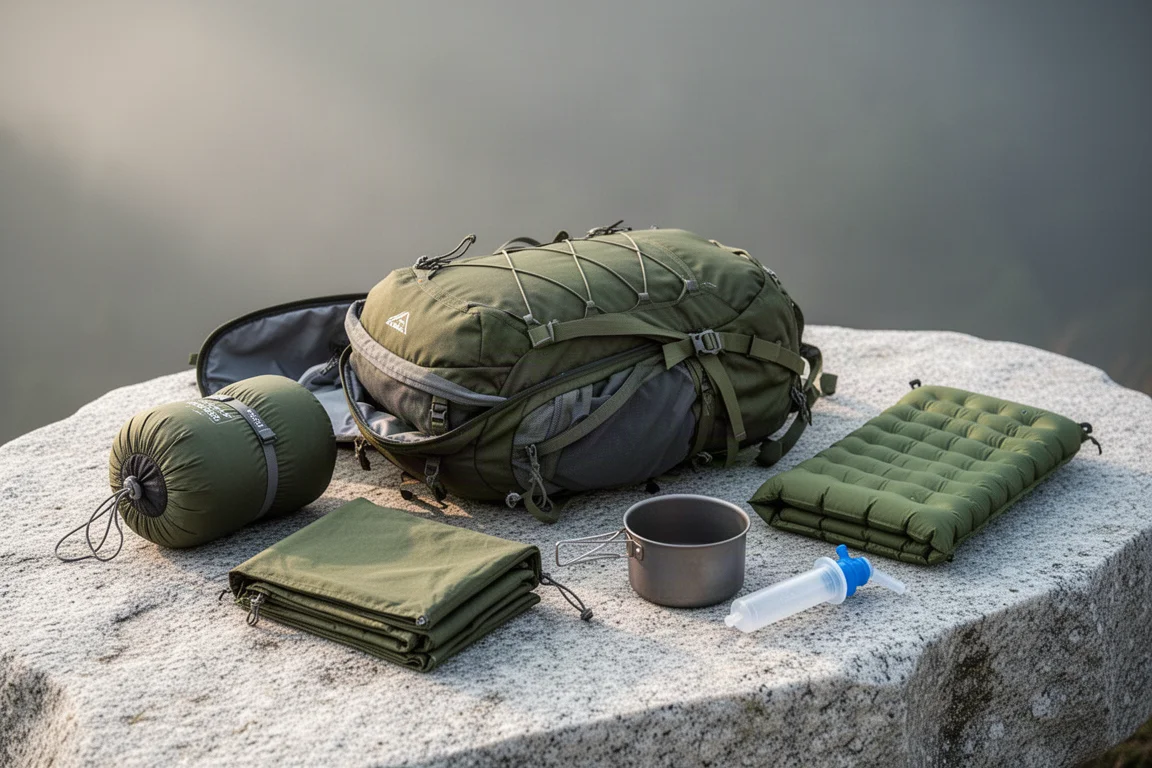
A practical walkthrough of the ultralight pieces behind a 10 lb base weight, from a 765 g pack and a roomy one-person tent to a full camp chair and a dependable water filter.
Backpacking Gear
A 15-Pound Lightweight Backpacking Gear List for Solo Trips
A beginner-friendly 15-pound backpacking setup built from easy-to-find gear, with notes on what each piece does, how it packs, and where to spend your attention.
Backpacking Gear
8 Ultralight Backpacking Gear Upgrades Worth Carrying
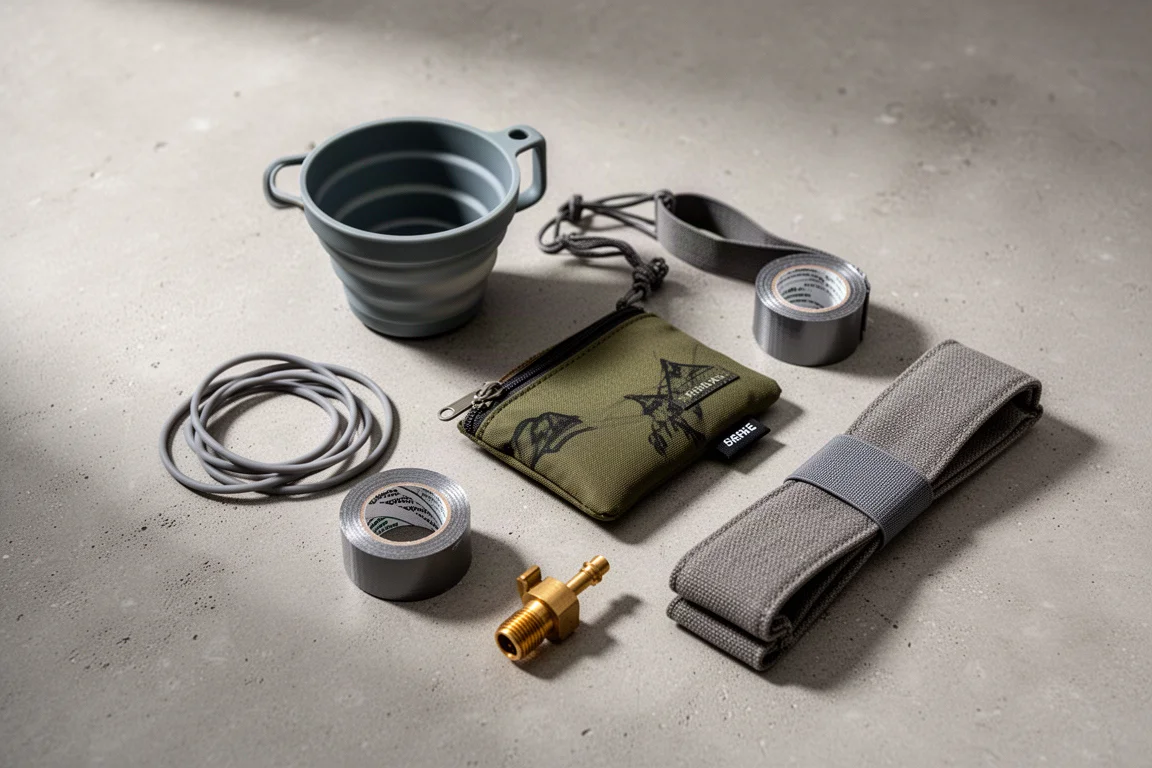
Eight small, affordable backpacking upgrades that solve real trail annoyances, from a pillow that stays put to a fuel valve that rescues leftover canister gas.