Ultralight Backpacking Gear
Ultralight Thru-Hike Gear: 10 Picks for a Long-Distance Trail
Ten ultralight backpacking picks for long-distance trails, covering sleeping pads, inflatable pillows, carbon trekking poles, down jackets, merino socks, and trail runners.
Introduction
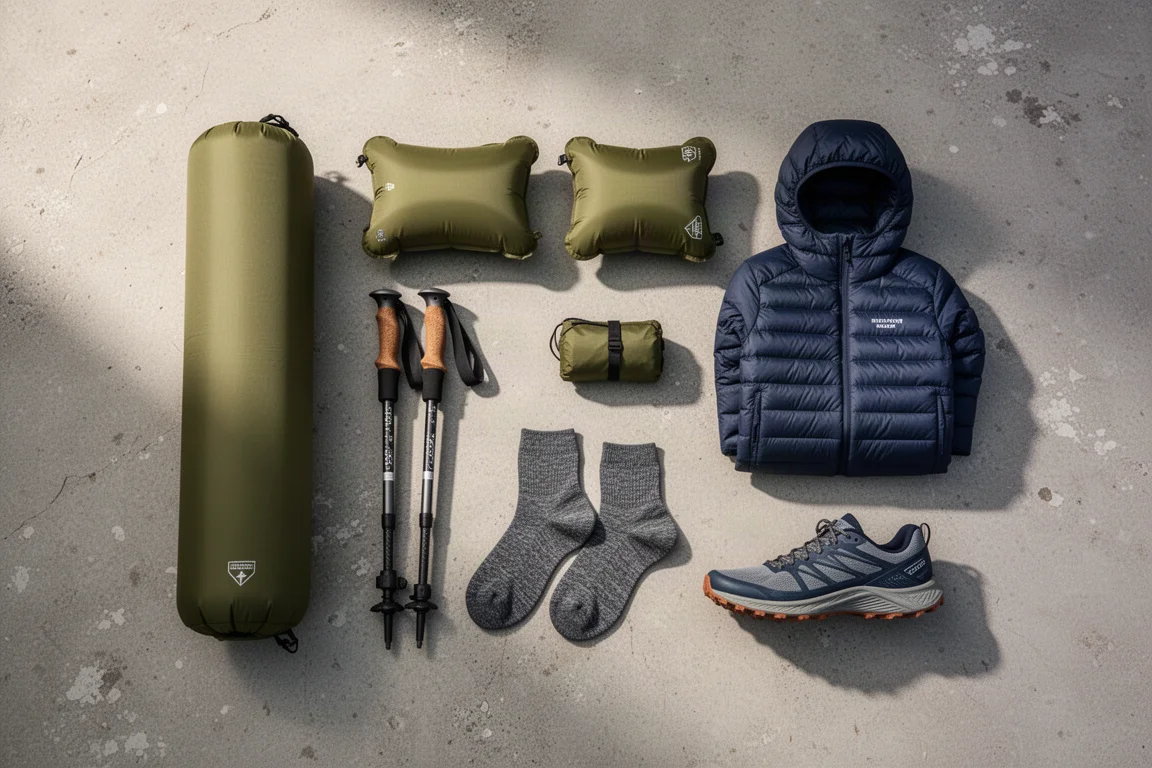
Long-distance trails are won and lost on the details: a pad that lets you sleep through the night, a pillow you actually want to carry, poles that pitch your shelter, and a jacket that still insulates when the weather turns. This roundup covers ten pieces of backpacking gear heading out on a long thru-hike, chosen because each one either solves a specific comfort problem or replaces a long-standing favorite with something lighter or more capable.
The list runs from a full-length inflatable sleeping pad to two inflatable pillows, two pairs of carbon trekking poles, two down jackets, a pair of merino ankle socks, and two trail running shoes. Where an item is a straight swap for something already in the pack, the notes explain what actually changes in practice.

Nothing here is a final verdict. Every entry is a first look at gear that is about to be tested over hundreds of miles, with the real trade-offs noted alongside the appeal.
How These Picks Were Chosen
Three questions shaped this list. First, does the item save meaningful weight without giving up comfort? Second, does it solve a genuine problem on a long trail, whether that is sleep quality, shelter setup, or staying warm when conditions turn wet? Third, is the price reasonable for what the item does?
That last point matters more than it first appears. An ounce saved is easy to measure, but a night of poor sleep compounds over a month on trail. Several items here trade a small amount of weight for a large gain in comfort, and that is usually the right direction for anything you use every single day.
Big Agnes AXL Air Sleeping Pad
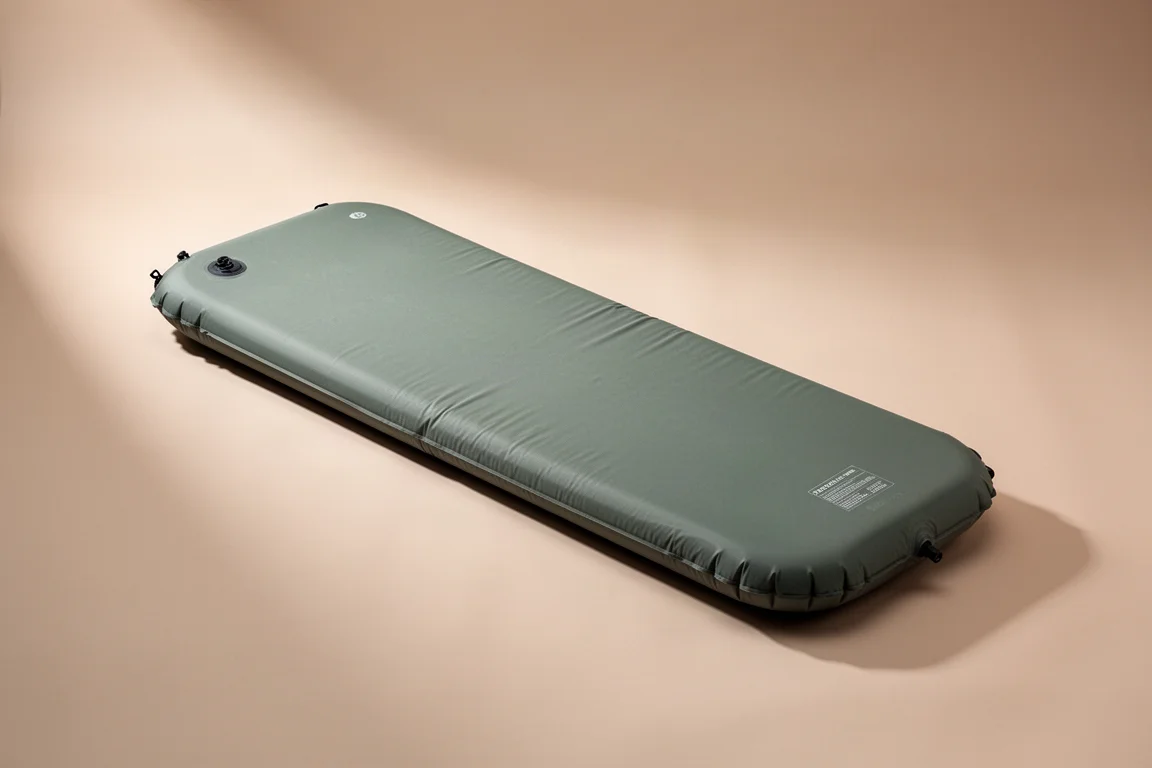
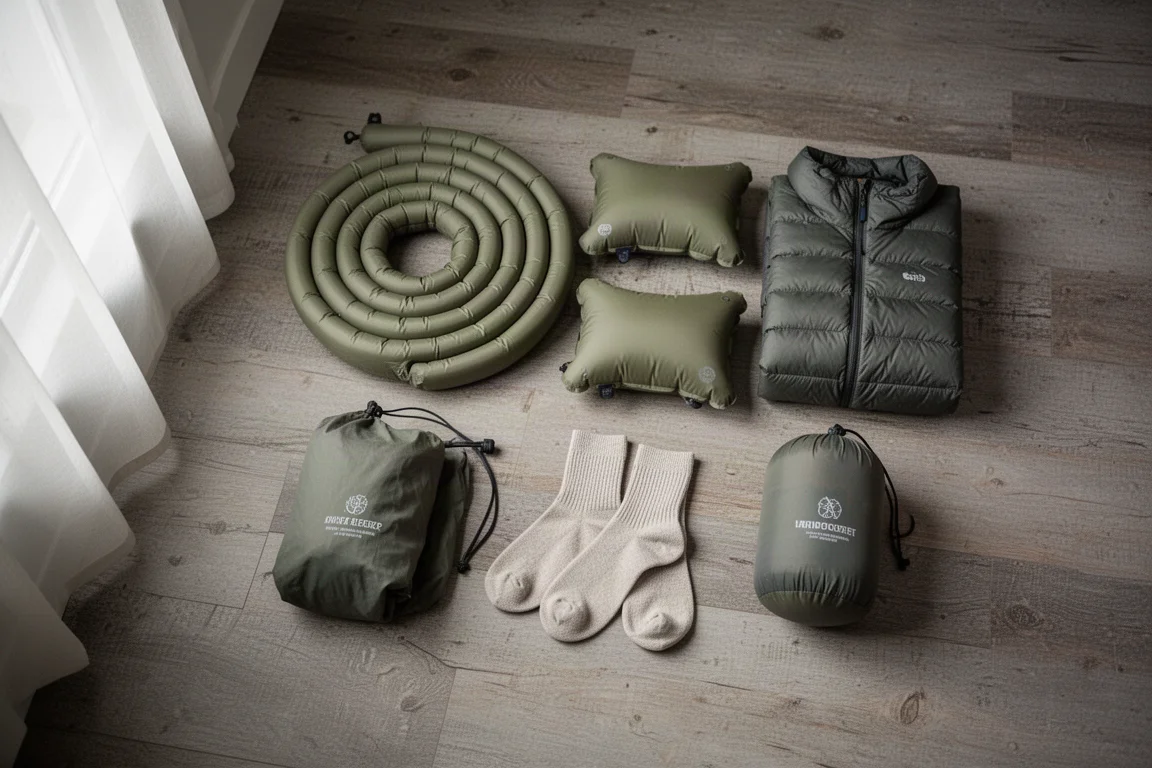
The current sleep system has been built around a short-length inflatable pad that weighs 8 ounces and spans only from head to knees. The Big Agnes AXL Air is the experiment that changes that. It measures 72 inches long, 20 inches wide, and 3.25 inches thick, and it adds only about 1.6 ounces over that 8-ounce pad. A full-length pad for roughly an ounce and a half is an easy trade for anyone who has spent a night sliding off a short one.
The AXL Air carries an R-value of 3, and the packaging states it is intended for temperatures above 35 degrees Fahrenheit. The interior is treated to resist antimicrobial growth, which matters on a pad you inflate by mouth night after night. Pricing has also come down: the pad used to be listed well over $100 and now sits anywhere from just under $100 to about $105.
Sea to Summit Aeros Ultralight Pillow
A pillow seems like a luxury until you try sleeping without one for a month. The Sea to Summit Aeros Ultralight Regular weighs 2.1 ounces and costs about $40. It uses separate inflation and deflation valves, so you can fill it without racing to plug the opening before the air escapes, and you can let it down just as quickly in the morning.
The outer fabric has a soft, slightly fuzzy feel rather than the slick or crunchy finish common on inflatable pillows, which keeps it from sticking to your face overnight. That is a small detail on paper, but it is the kind of thing you notice every single night of a long hike.
LiteSmith Flex Air Inflatable Pillow
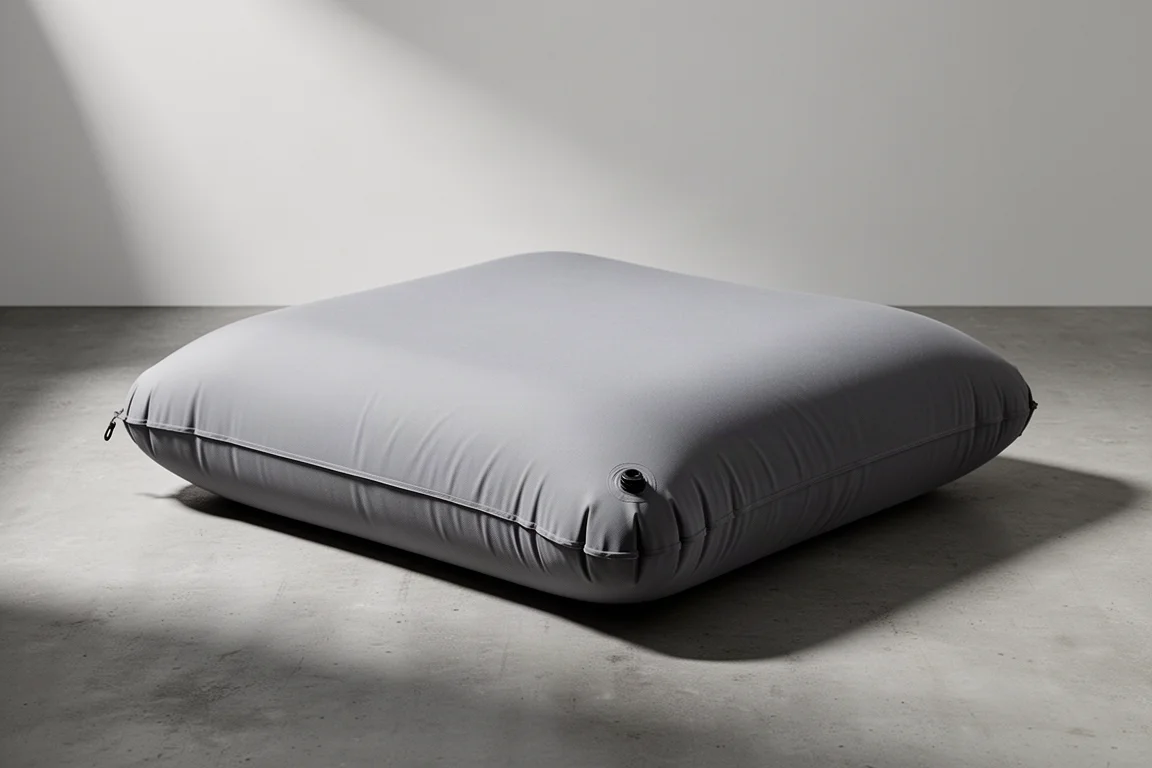
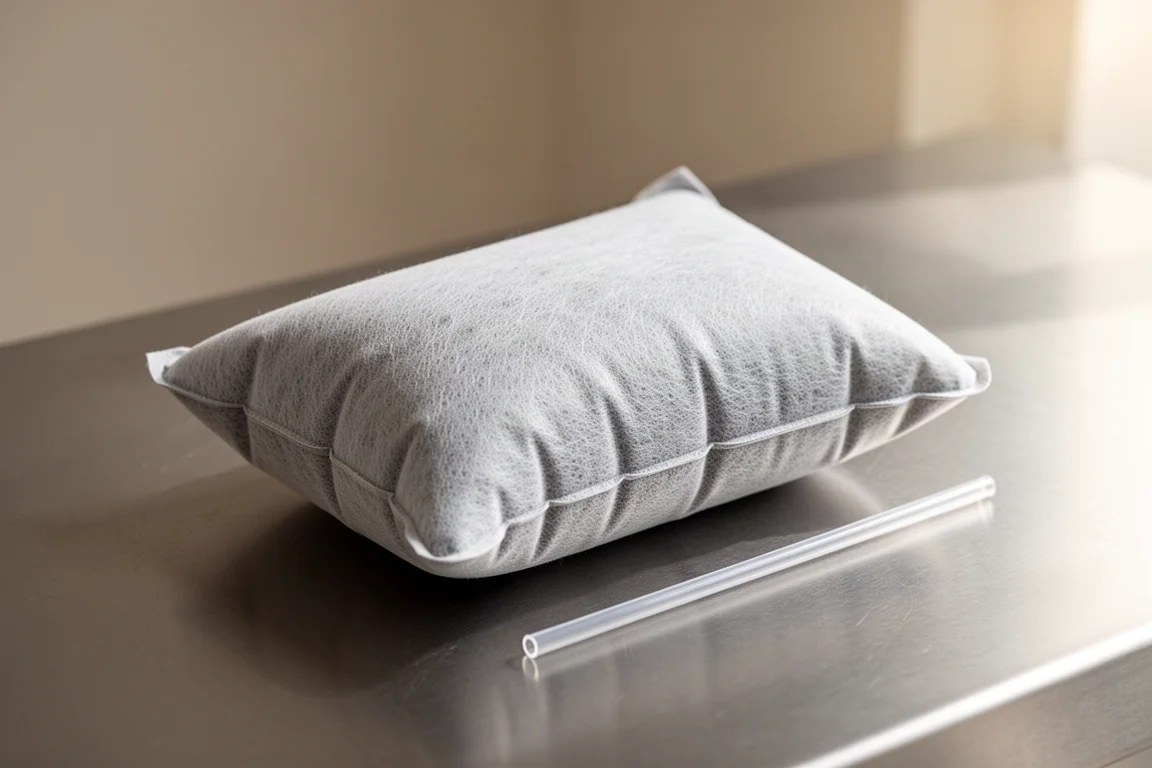
The Flex Air is the budget experiment in the sleep kit and, at a few dollars, the least expensive item in this roundup. It inflates with a straw, and the small version weighs half an ounce while the large comes in just under an ounce. A three-pack of large pillows is listed at $6.95, and a single large pillow at $2.60.
The fabric is a non-woven material that feels comfortable against the skin rather than clammy, which addresses the usual complaint about ultralight pillows. Durability is the open question at this price, but the cost of replacing one is low enough that it barely registers. The Flex Air came recommended by another backpacker who wanted to stay as light as possible without giving up pillow comfort.
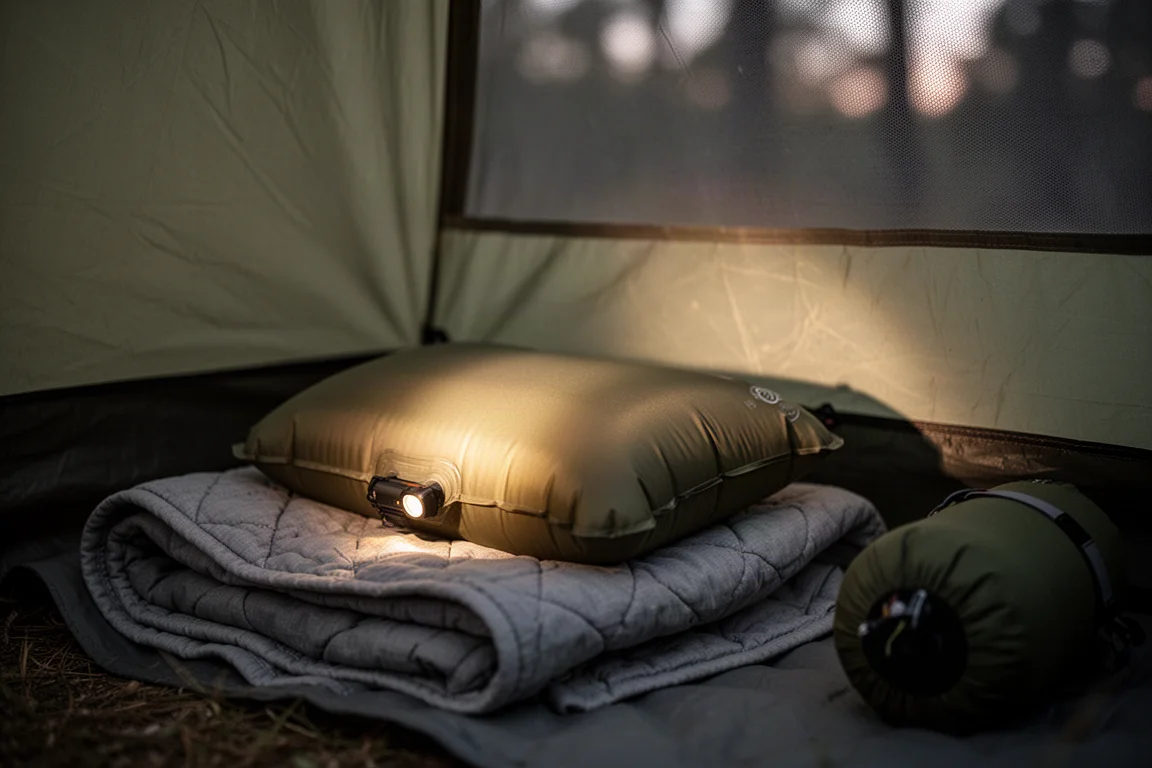
Between the two pillows, the plan is to compare comfort, packed volume, and how each one holds up to nightly use over a long hike. Whichever performs better becomes the default, and the other becomes a spare.
Zpacks Carbon Fiber Trekking Poles
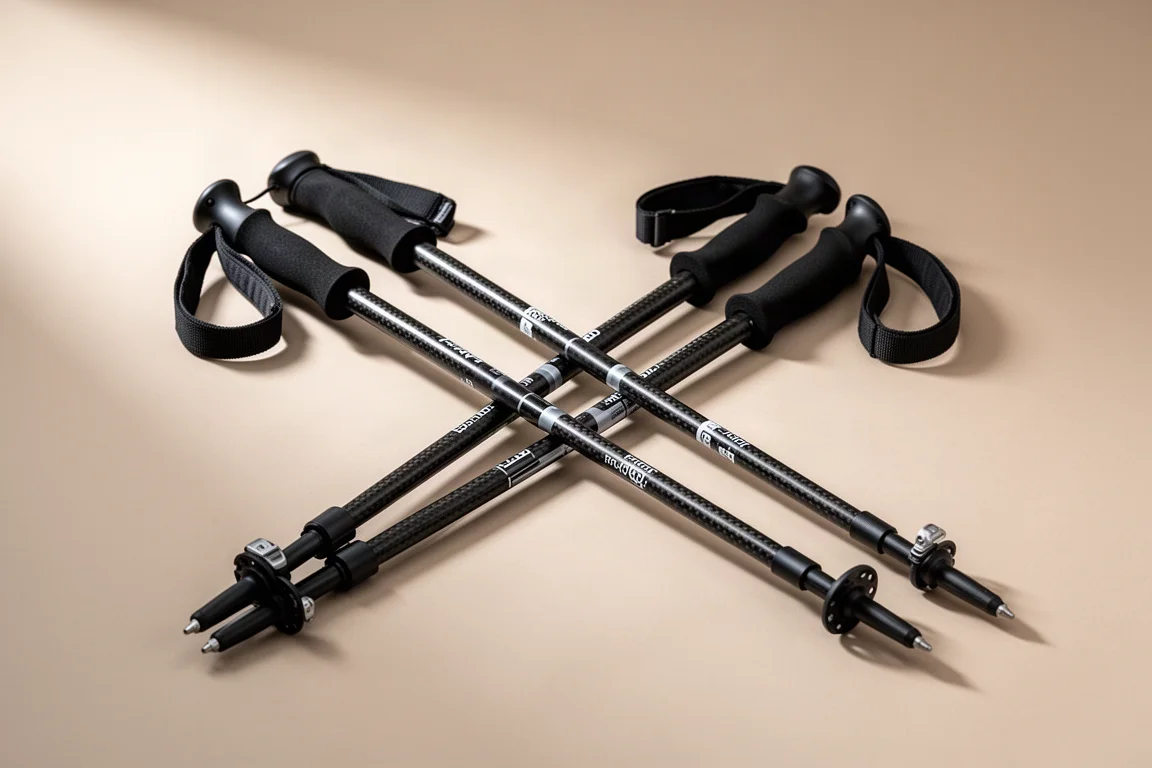
Zpacks sells these poles individually or as a pair, which is useful if you hike with a single stick. One pole is $59, a pair is $99, and the pair weighs 14.5 ounces. They come with sturdy clasp blocks, padded wrist straps, and the hardware you would expect from a modern collapsible pole.
Two details stand out. Zpacks offers a one-year warranty covering defects and breakages, and the poles are available with either cork or foam grips. Cork grips have been on back order with shipping dates shifting, so foam is the more reliable option in the short term.
Leki Micro Vario Carbon Women’s Trekking Poles
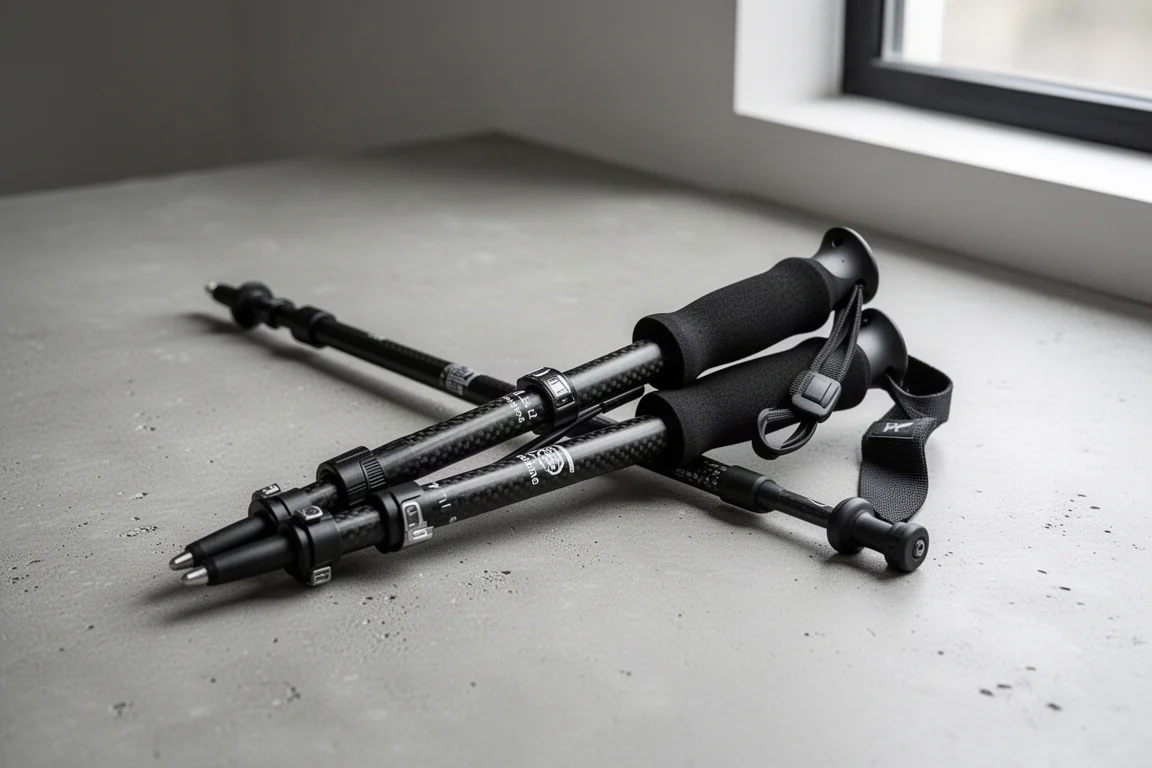
The Micro Vario Carbon is a folding carbon pole built for packability. It breaks down small enough to stow inside or on a pack, and it uses lever locks rather than twist locks, which are quicker to adjust in cold weather. The women’s version adjusts from 100 centimeters to 120 centimeters.
That upper limit is worth checking against your shelter. Some trekking-pole shelters recommend setting a pole to about 122 centimeters, so the women’s version sits a couple of centimeters short of that guidance. It is a small gap, but one to verify before relying on these poles as your shelter support. Leki is a long-established name in backpacking circles, which makes the brand an interesting comparison point against the poles that have been the default for years.
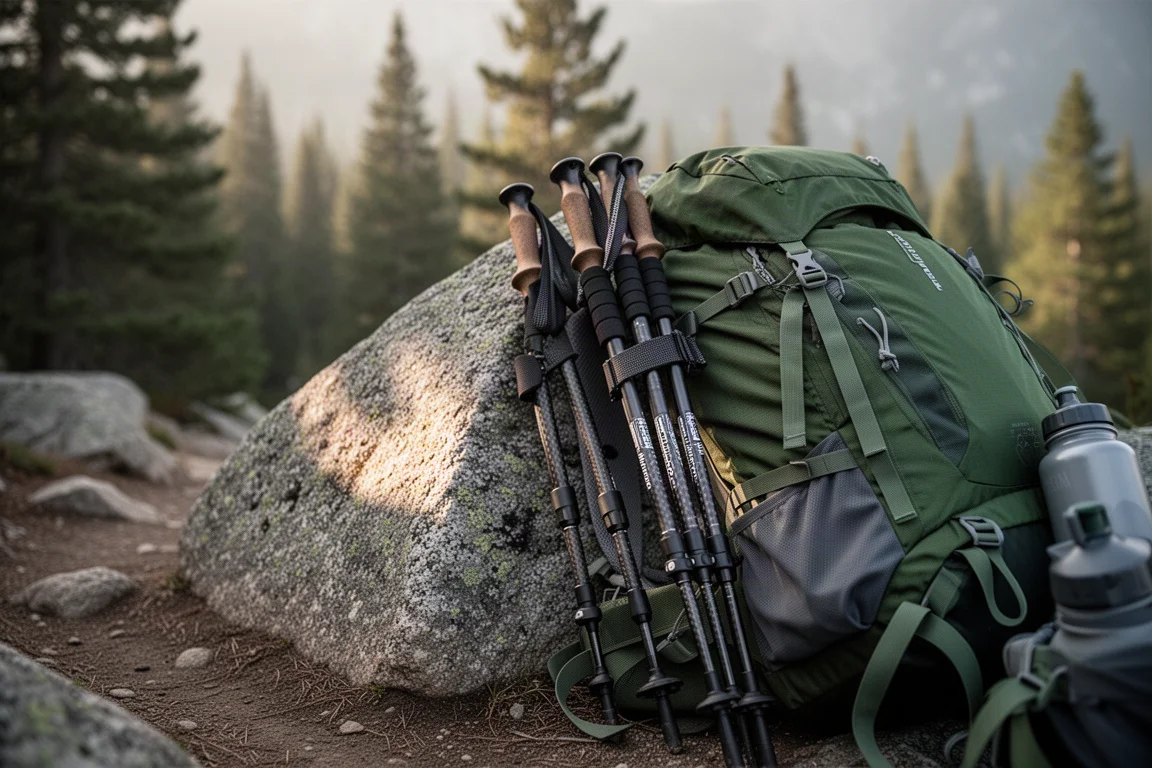
Grip material is the other consideration. These poles come only with foam grips, which is a reasonable compromise for anyone who dislikes rubber grips that trap sweat and turn slick. Foam still absorbs moisture and breathes better over a long day on the move.
Feathered Friends Eos Down Jacket
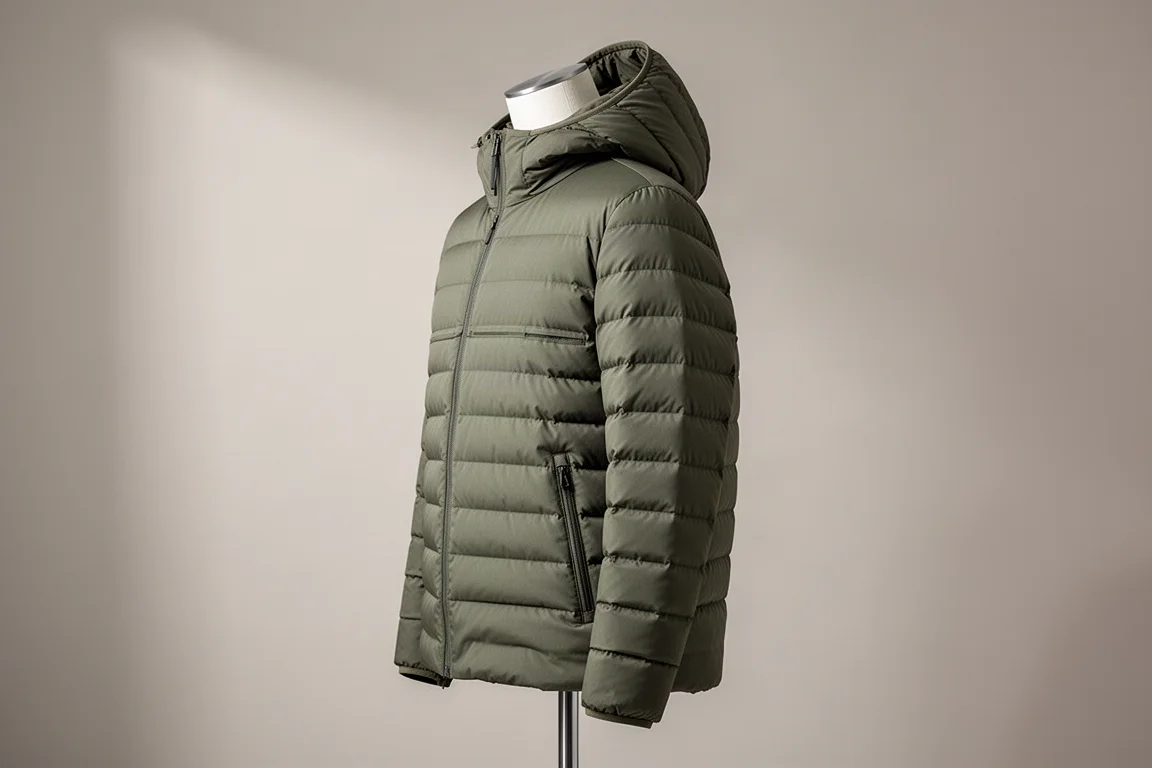
The Eos is built around 900 fill power goose down that is ethically sourced, weighs 9 ounces, and generally sells in the upper $300s. That is exactly the specification profile you want in an ultralight layer: very high fill power, low weight, and a warmth-to-weight ratio suited to cold mornings in camp.
Availability is the catch. The Eos has been out of stock in medium across the preferred colorways, with a waiting list in place. If it comes back in time, it goes on the hike. If not, the plan moves to the next jacket in this roundup.
Arc’teryx Cerium LT Hooded Down Jacket
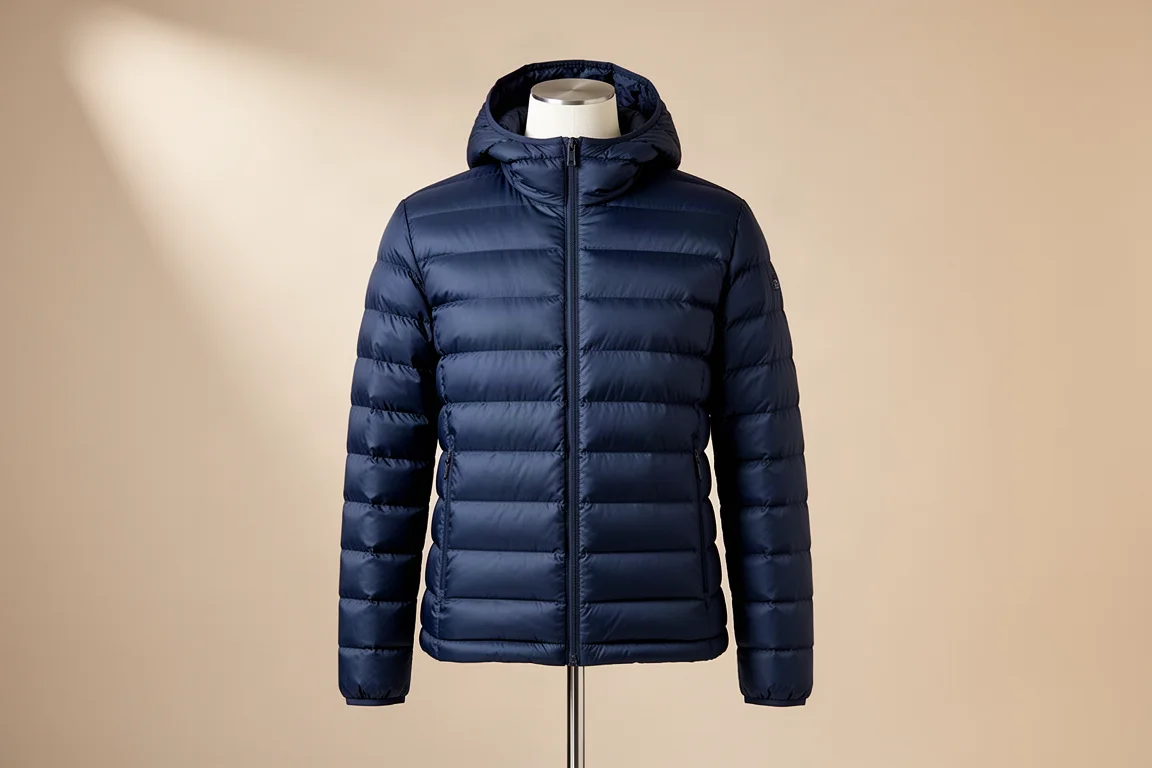
The Cerium LT Hooded uses 850 fill power goose down, with synthetic insulation placed in the areas most likely to get damp. That combination matters because wet down loses most of its insulating value, while synthetic fill keeps working when it gets wet. The claimed weight is 9.3 ounces, and the jacket generally sells in the upper $300s, though it has recently been listed around $100 less in most colorways except black and the mustard yellow option.
Compared with the lightweight down jacket that has been the go-to for years, the Cerium LT is described as more wind resistant, more water repellent, and a touch warmer overall. The hood is a deliberate choice too: it keeps the neck and ears covered, and it still layers comfortably under a beanie.
Farm to Feet Ankle Socks
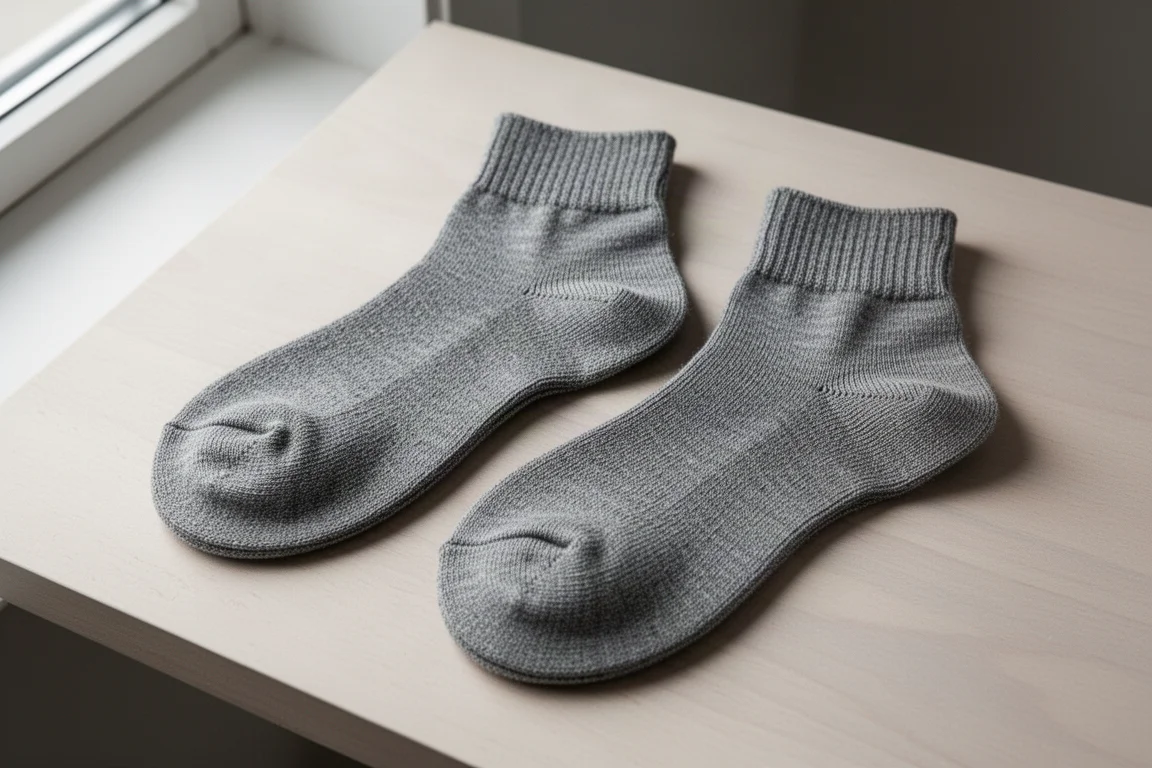
Farm to Feet makes its socks in the United States, and this pair is a merino wool ankle sock. Merino is soft rather than itchy, helps regulate foot temperature across warm and cold conditions, and is naturally antimicrobial, which helps limit odor across multi-day stretches between laundry stops.
At $18 a pair, these are not cheap socks. On a long hike, though, a good pair of socks is one of the highest-value items in the pack, and this is a chance to compare them directly against the merino socks that have been the default for years.
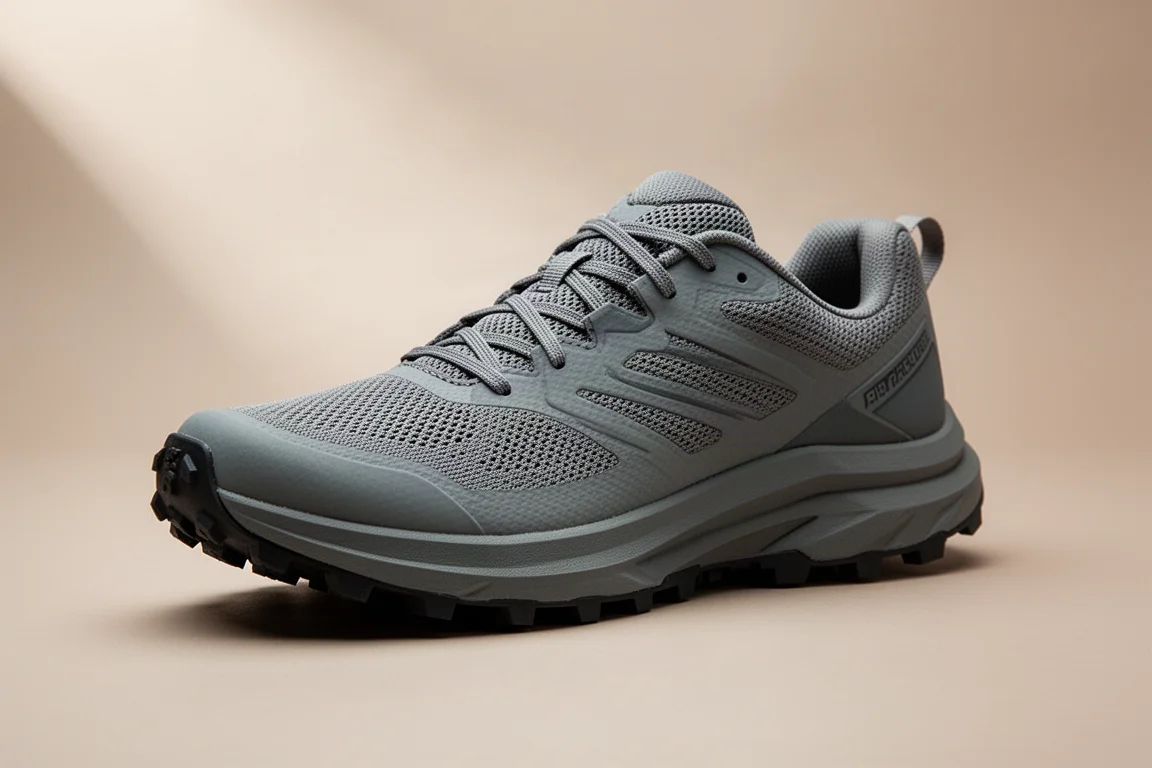
Inov-8 Terraultra G260
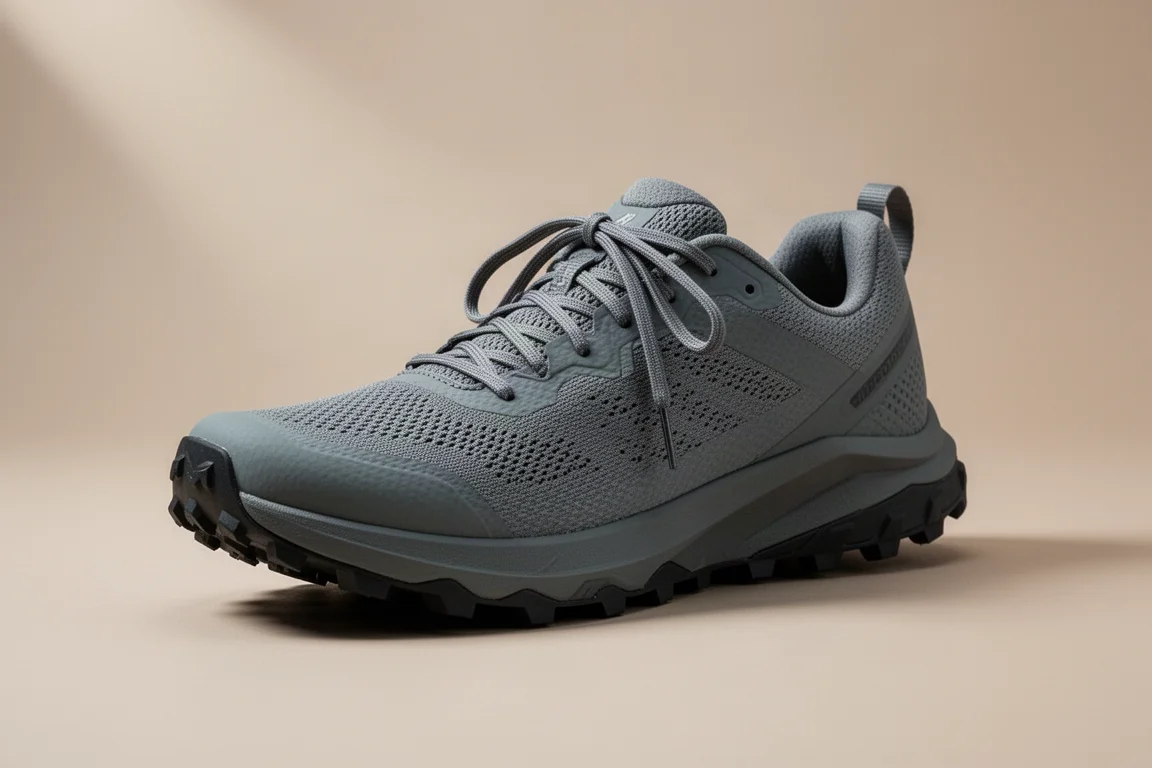
The Terraultra G260 was picked up earlier in the year as a trail shoe to test over long days. It is a low-profile option aimed at covering distance comfortably, and it has already seen some trail time heading into this hike.
Inov-8 Terraultra G270
The G270 is the newer version of the same shoe, with a slightly thicker stack height and a set of changes made in response to feedback on the G260. That makes it the more interesting of the two on paper, and it raises a practical question: keep the G260 that is already in hand, or sell it and move across to the G270.
Buying Advice: Matching Gear to the Trail
Weight is the easiest thing to compare and the least useful on its own. The better question is what a piece of gear changes about your day. A full-length pad that adds an ounce and a half can be worth far more than the weight it costs if it means sleeping through the night. A $40 pillow is a luxury right up until the third consecutive bad night’s sleep.
Shelter compatibility is the other trap. Folding poles that only reach 120 centimeters may not suit a shelter that asks for 122 centimeters, and a pole that folds small is only an advantage if it still pitches your tent. Check the numbers before you buy, not on the first windy night.
On layers, the pattern to watch is where the insulation fails first. Down offers the best warmth for its weight, but it loses effectiveness when wet, which is why jackets that mix down with synthetic fill in exposed areas deserve a closer look in wet climates. For footwear and socks, the trade-offs are durability and price rather than weight, and both are worth testing on shorter trips before a long one.
Conclusion
Ten pieces of gear, one long trail, and a lot of small decisions about weight, comfort, and cost. The pattern across this list is consistent: the biggest gains tend to come from modest weight changes that solve real problems, whether that is a full-length pad, a pillow that does not stick to your face, or a jacket that keeps working when the weather turns.
Everything here is a starting point rather than a final answer. The real test is mileage. The useful next step is to check each specification against your own shelter, sleep system, and climate before committing, and to treat price and availability as moving targets rather than fixed numbers.
Further reading
Related Reviews
Ultralight Backpacking Gear
Seven Small Ultralight Brands Making Gear Worth Packing
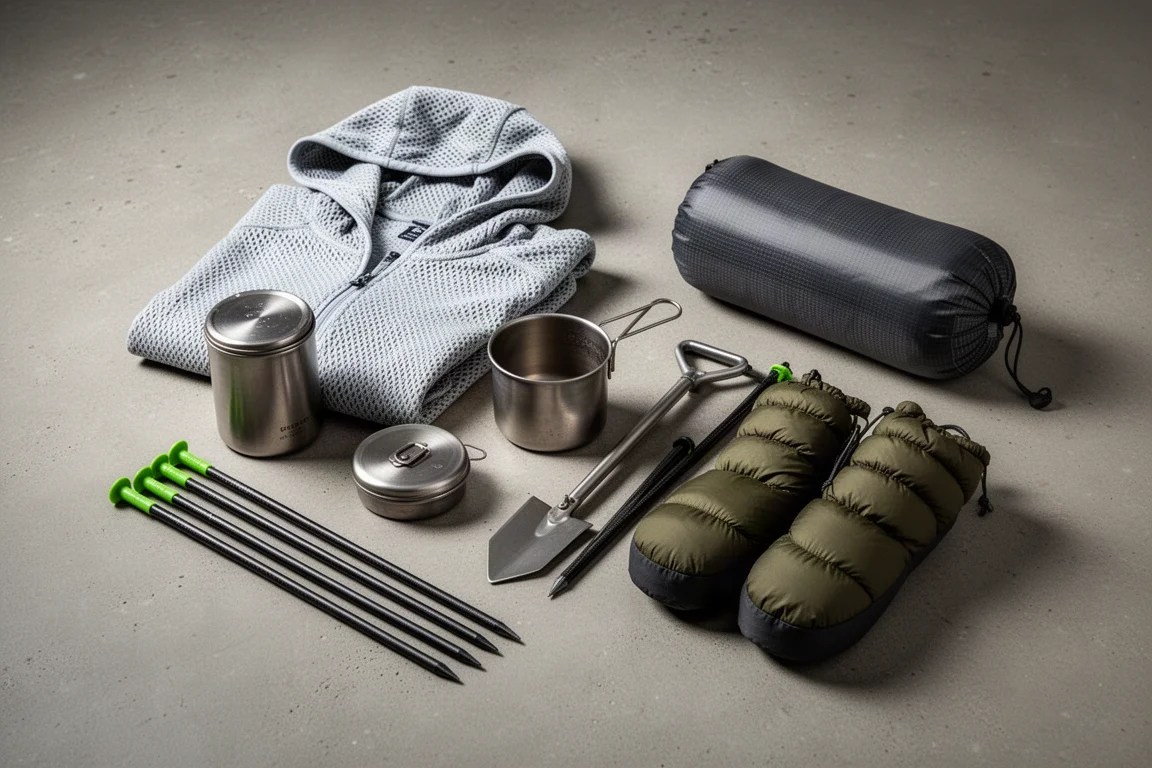
Seven cottage-made ultralight pieces, from a 4 oz fleece hoodie to carbon fiber stakes and Dyneema storage, and what each one is genuinely good for.
Ultralight Backpacking Gear
Ultralight Backpacking Gear: 12 Small Upgrades That Save Real Grams
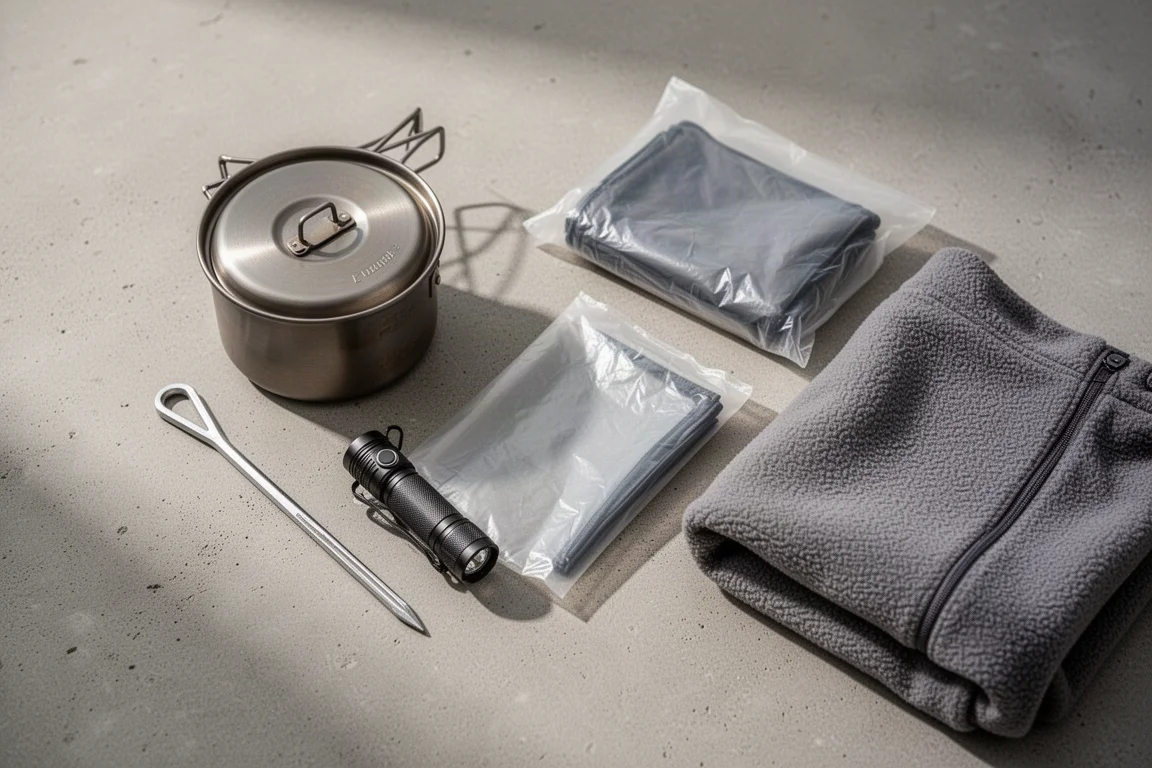
A practical look at twelve tiny ultralight backpacking items, what each one replaces, and the trade-offs worth knowing before you buy.
Ultralight Backpacking Gear
Camp Worthy or Crap: Nine Ultralight Backpacking Gear Picks Worth a Look
Nine ultralight backpacking products, from a carbon fiber umbrella to 5 gram titanium stakes, with the real trade-offs behind each one.