Ultralight Backpacking Gear
Ultralight Backpacking Gear: 12 Small Upgrades That Save Real Grams
A practical look at twelve tiny ultralight backpacking items, what each one replaces, and the trade-offs worth knowing before you buy.
Introduction
Some ultralight gear is genuinely unnecessary. The weight saved over a heavier, more conventional option is often just a few grams, and those grams usually come with a compromise in comfort, durability, or convenience. That is exactly why this category appeals to backpackers who like to tinker. The twelve items below are small, specific, and easy to justify once you have carried them on a few trips.
What Makes Ultralight Gear Worth the Trade-Off
The pattern across this list is consistent. Each item removes a small amount of weight or bulk by removing something else: a handle, a full tube of toothpaste, a heavier fabric, an extra stuff sack. None of them are essential. What makes them worth considering is that the savings compound, and the compromises are usually predictable.
Before buying, it helps to ask three questions. Does the item replace something you already carry? Does the trade-off affect comfort or safety in the conditions you actually travel in? And can you get it when you need it, since several of these products come from small makers with limited stock.
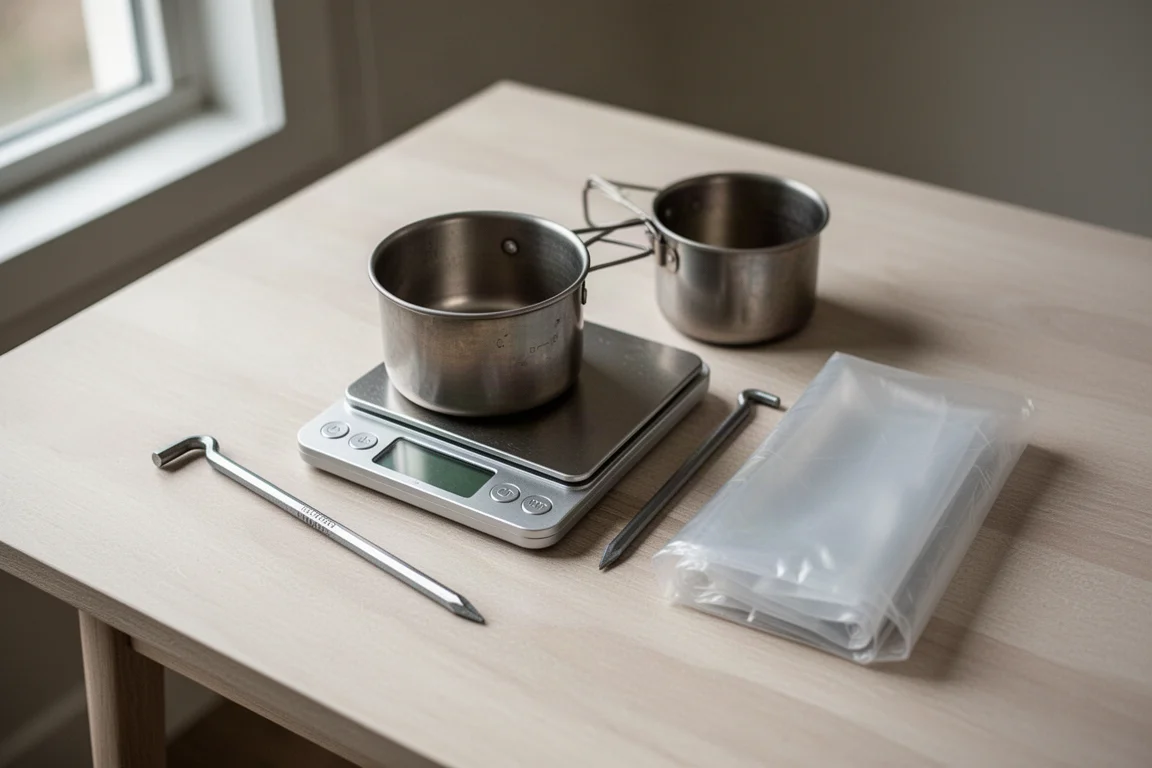
A good test is to pack for a weekend trip with the item and again without it, then compare how the pack carries on the approach. If the difference is invisible to you, the heavier option is usually the better value.
RovyVon A5 Flashlight: A 14-Gram Light That Clips to a Cap
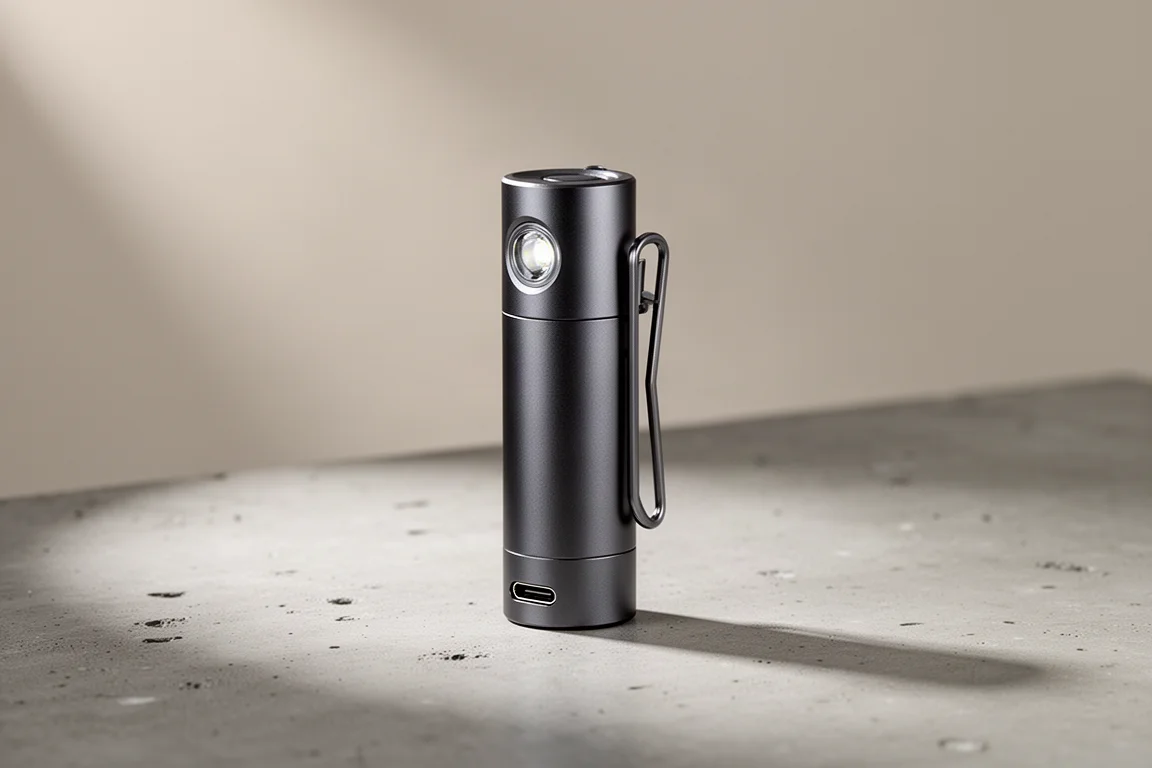
The RovyVon A5 weighs 14 grams, roughly half the weight of a typical lightweight headlamp. It has a clip so it can be attached to the brim of a cap, it sits comfortably in one hand for night hiking, and it recharges over USB-C.
The main trade-off is how you wear it. Unlike most headlamps, it cannot be worn on your head unless you are wearing a cap with a brim. For hikers who already walk in a cap, that is a small concession for a noticeable weight saving.
Holey Hiker Backcountry Bidet: A Water Bottle Attachment That Replaces Toilet Paper
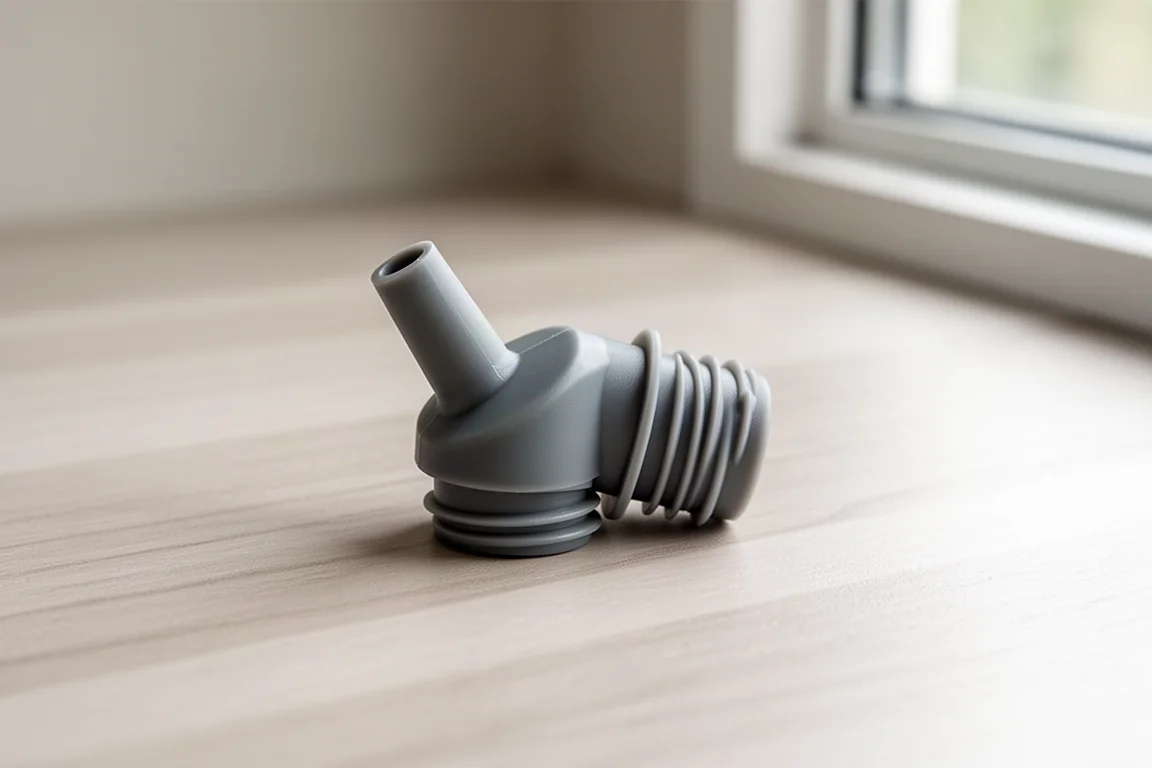
The Holey Hiker backcountry bidet is a tiny attachment that threads onto a water bottle, so you can use that bottle to rinse after going to the bathroom. It is small and light, and carrying it weighs far less than carrying a supply of toilet paper.
It also fits leave no trace practice more cleanly, since there is no paper to bury or pack out. The trade-offs are habit and water supply. It takes some adjustment to stop relying on paper, and it is not the best choice in low-water terrain such as desert. Powdered soap pairs well with it: it is lighter than other soap options, does not freeze, and lets you wash your hands after the whole routine instead of falling back on hand sanitizer.
Suluk 46 Atani Tent Stake: Five Grams of Titanium
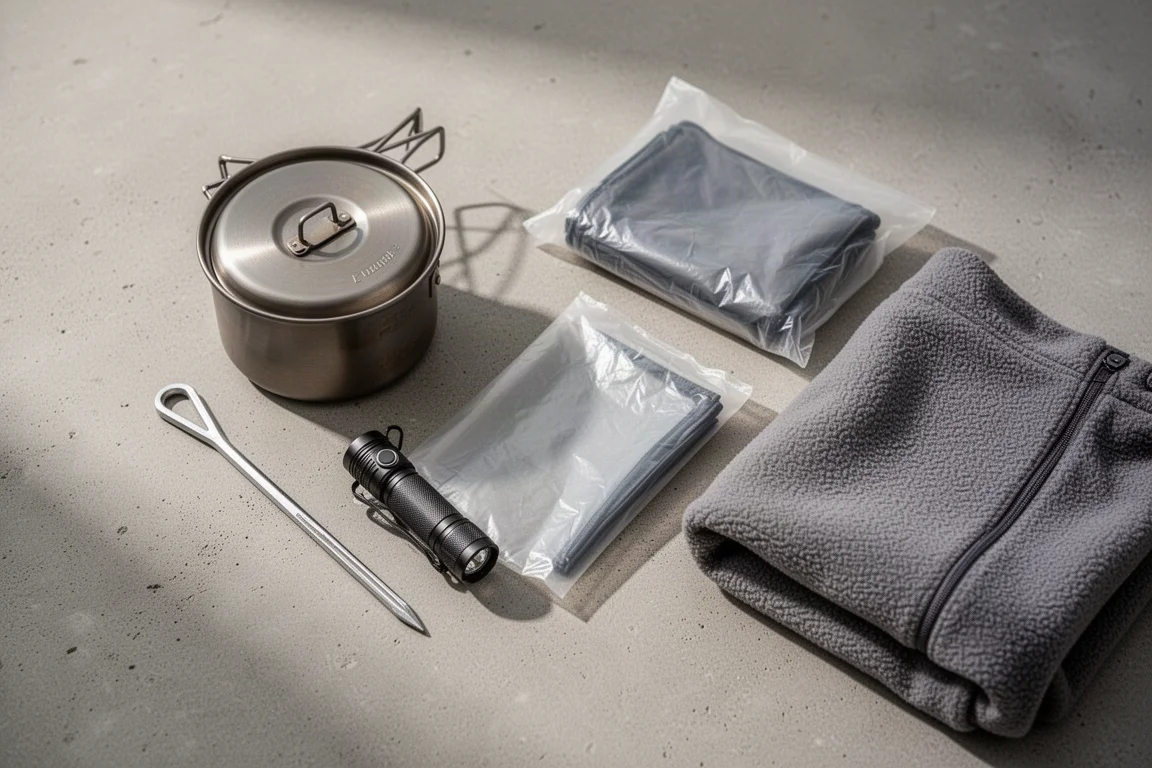
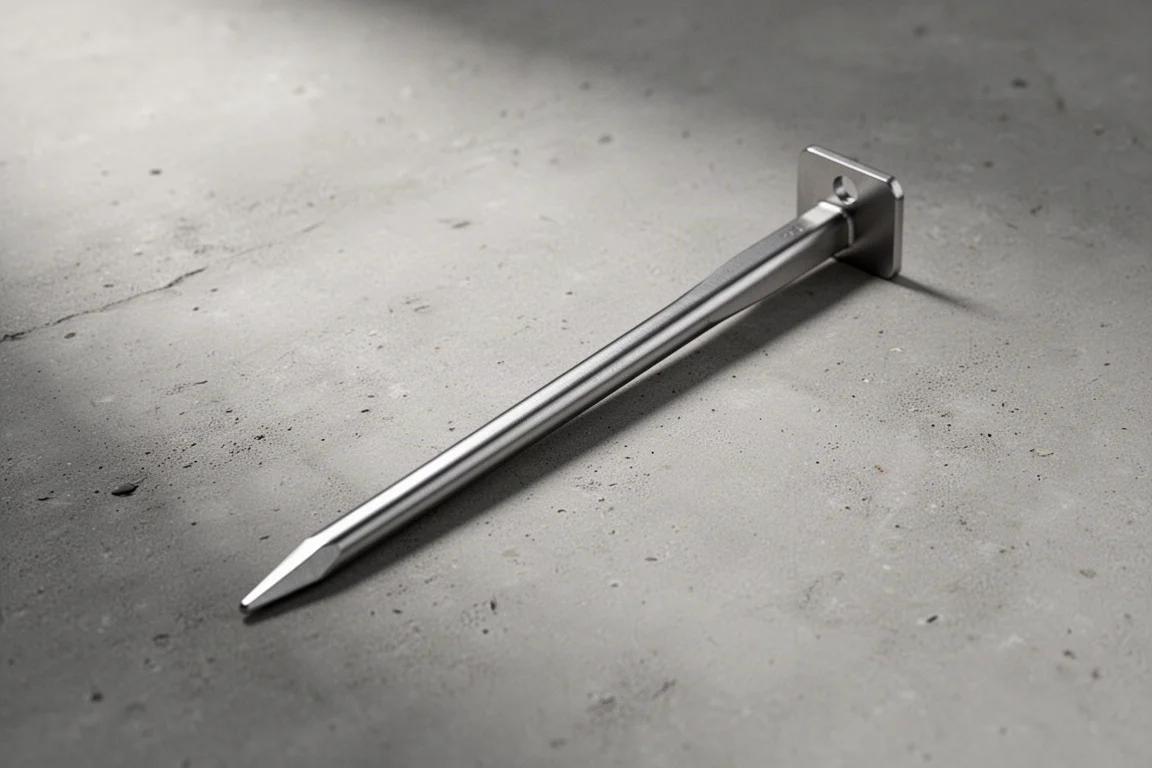
The Suluk 46 Atani stake weighs 5 grams, about half the weight of a typical mini groundhog style stake. The design is what makes that possible. The shaft tapers toward the end, so it still holds in the ground without needing as much material, and the flat profile is set perpendicular to the guy points to get reasonable holding power from a minimal amount of metal.
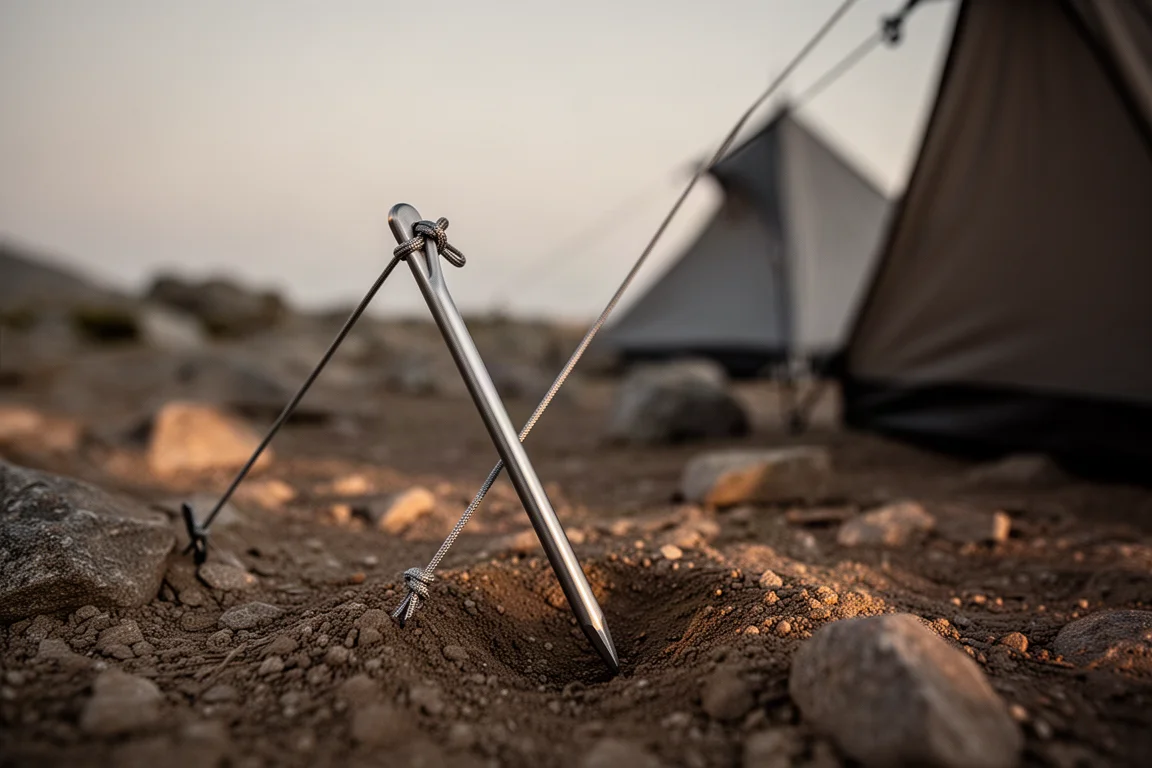
The compromise is holding power. These stakes do not bite as firmly as heavier options, and in looser soil the flat profile can twist and work its way out more easily. They suit firm ground and shelters that do not need maximum anchor strength.
Mica Pot Lifter: Fewer Grams Than a Pot Handle
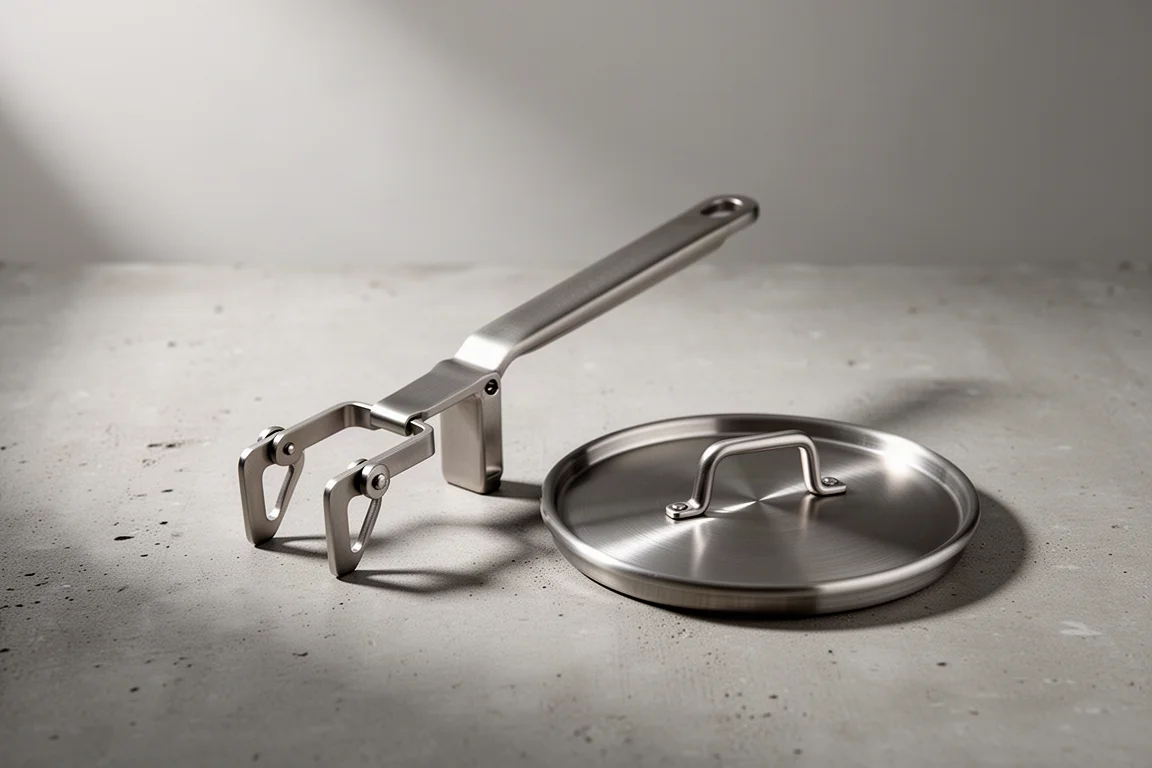
The Mica pot lifter replaces a conventional pot handle and saves a few grams in the process. The practical benefit is speed: you can grab a hot pot the moment your water starts to boil and pour it straight into your food, rather than waiting or improvising.
It is a small tool with a couple of quirks. It can be finicky to use, and it costs more than a basic handle. If you cook quickly and pour often, though, it earns its place in the kit.
Big Sky DreamSleeper Pillow: Height for Side Sleepers
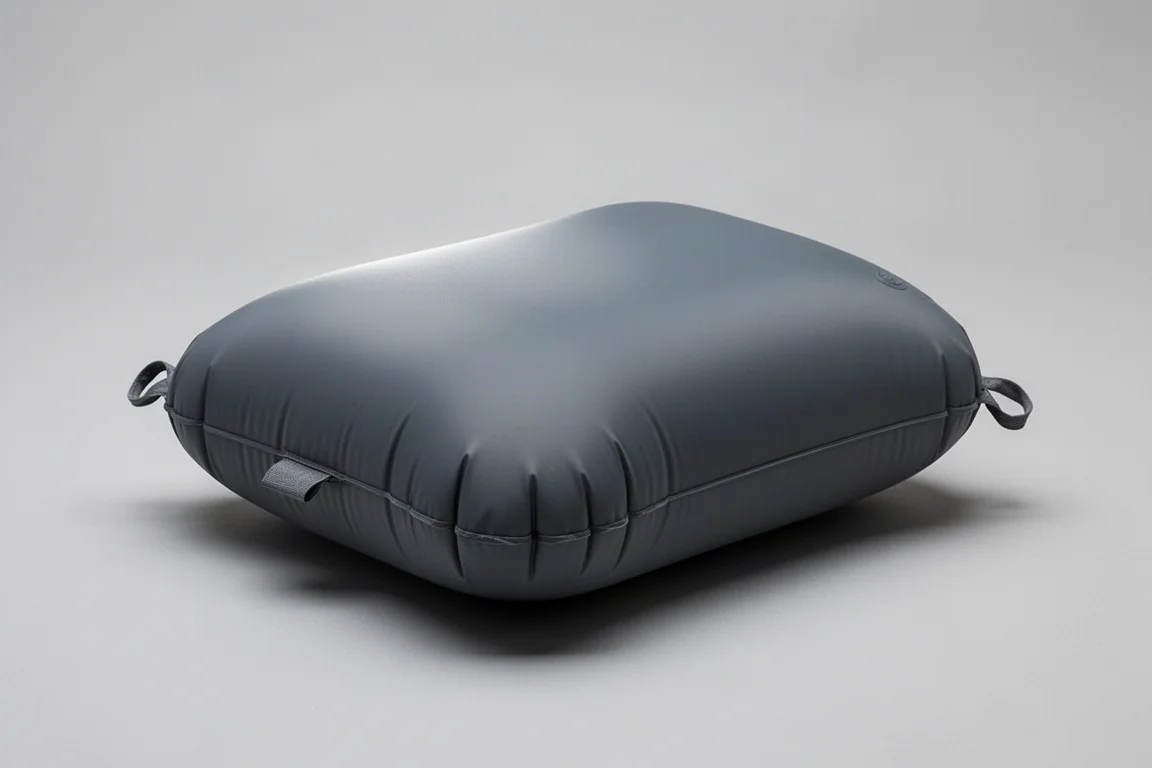
The Big Sky DreamSleeper goes beyond a simple air-filled TPU bladder. It has real height, which makes it a good match for side sleepers with slightly broader shoulders who need their head supported above the pad.
The current version adds small loops on either side, so you can run a piece of shock cord through them to create a pad strap and keep the pillow from wandering around the tent overnight. The trade-off is the surface. Lying directly on TPU does not suit everyone, and while a buff over the top works as a pillowcase, that adds a little weight back into the system.
Pad Pal Pump: Nine Grams That Inflate a Sleeping Pad Fast
The Pad Pal weighs 9 grams and inflates a sleeping pad quickly. Its distinguishing feature is that it runs from an external power source, whether that is a battery bank or, more conveniently, a phone you are already carrying.
Availability is the main obstacle. Lead times and supply chain issues can make it difficult to buy. The other consideration is inflation speed and pressure: it is not as fast as a larger pump, and if you prefer a firmer mattress you may need to add a couple of breaths afterward.
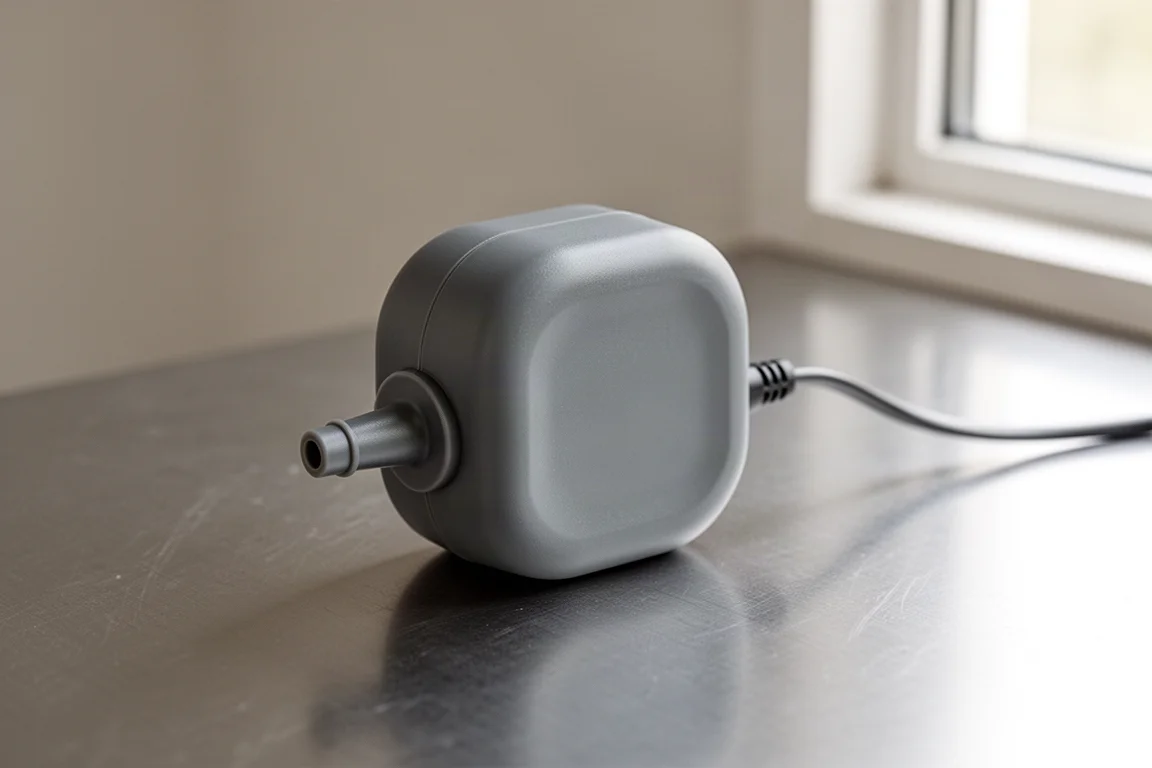
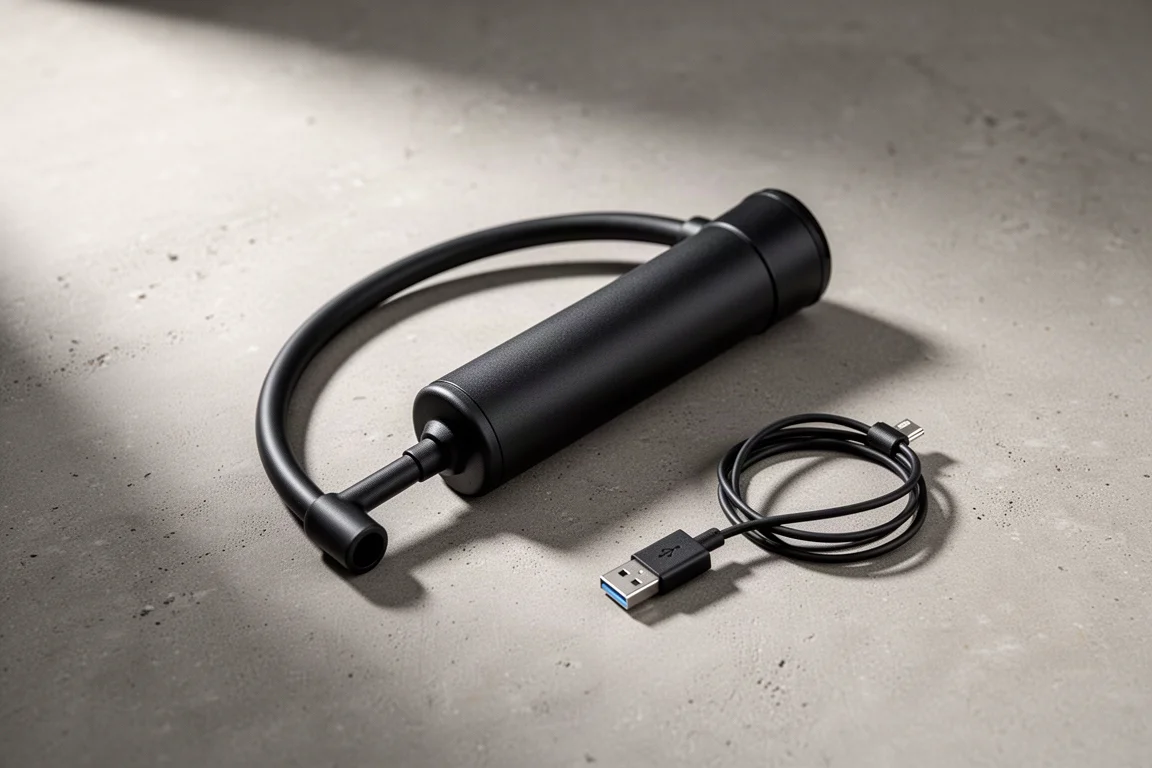
Alpen Blow Pump: The More Available Alternative
The Alpen Blow pump is the easier option to find. It is half a gram lighter than the Pad Pal, but it inflates a little more slowly and does not reach quite as high a pressure.
The same caveats apply to both micro pumps. They will not match a larger pump for speed, and a firmer pad may still need a few extra breaths once the pump has done most of the work. For backpackers who want the lightest possible inflation method and are willing to trade a little convenience, either one is a reasonable pick.
Nylofume Pack Liner: The Lightest Way to Keep Gear Dry
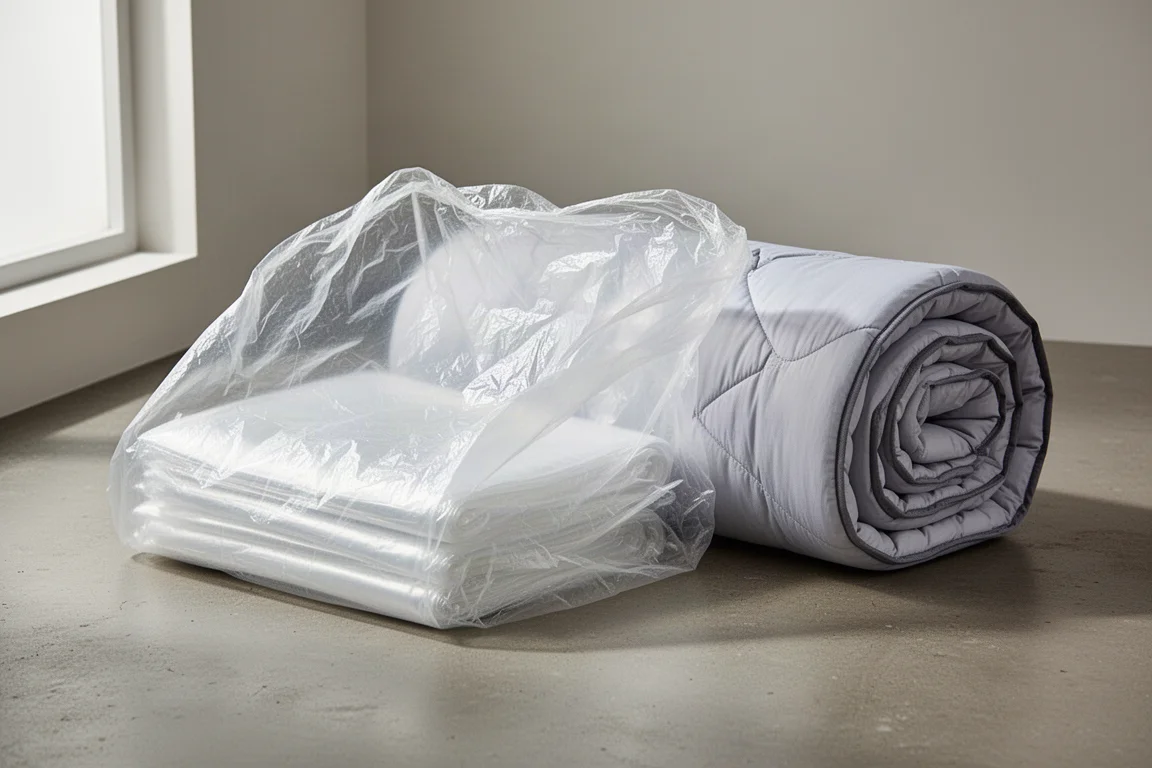
The first place to look when trimming pack weight is often your stuff sacks and compression sacks. A Nylofume pack liner replaces them with a single large clear bag. Everything that needs to stay dry, such as a sleeping bag or quilt, clothing, pillow, and sleeping pad, goes inside, then you press the air out, twist the top, and tuck it down inside the pack.
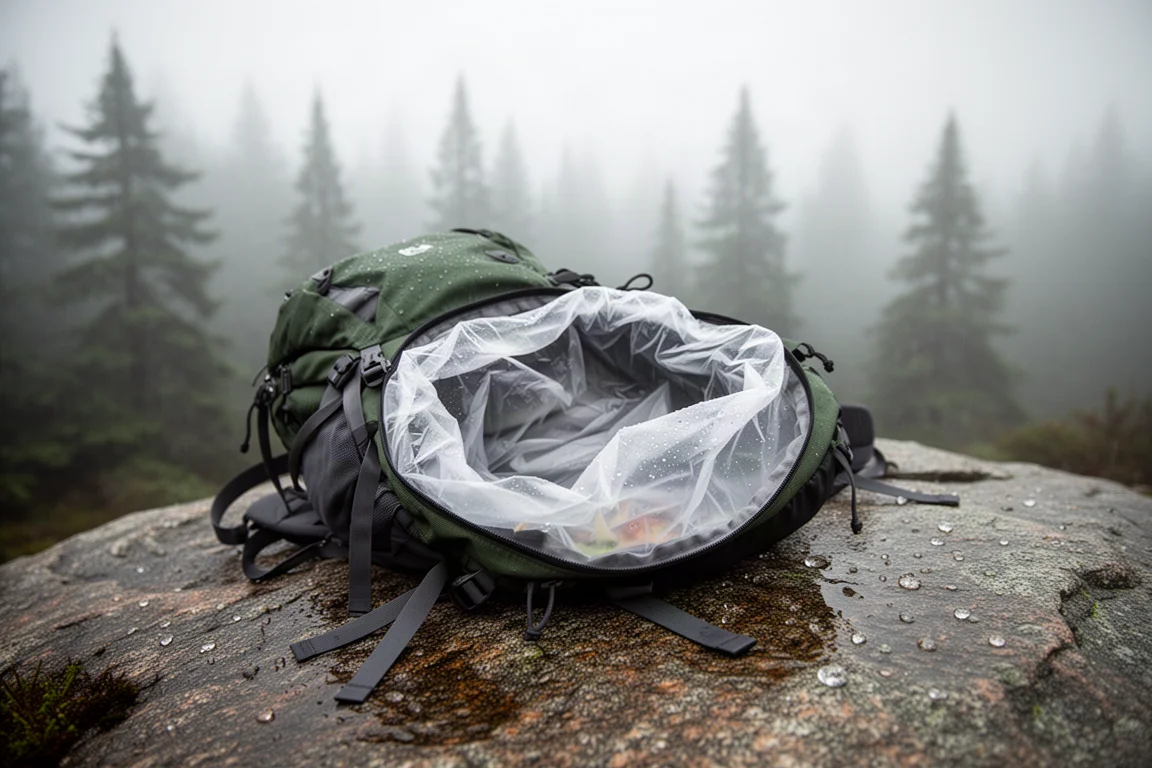
It has kept gear dry through genuinely rainy conditions. Durability is the weak point, since the material is thin. One way to work around that is to never take the liner out of the pack: load items into it in place and unload from it in place, which greatly extends its life. A plain trash bag performs a similar job, but the dedicated liner is the lighter, more deliberate choice.
Toaks 550ml Light Pot: Compact Titanium for Minimal Cooking
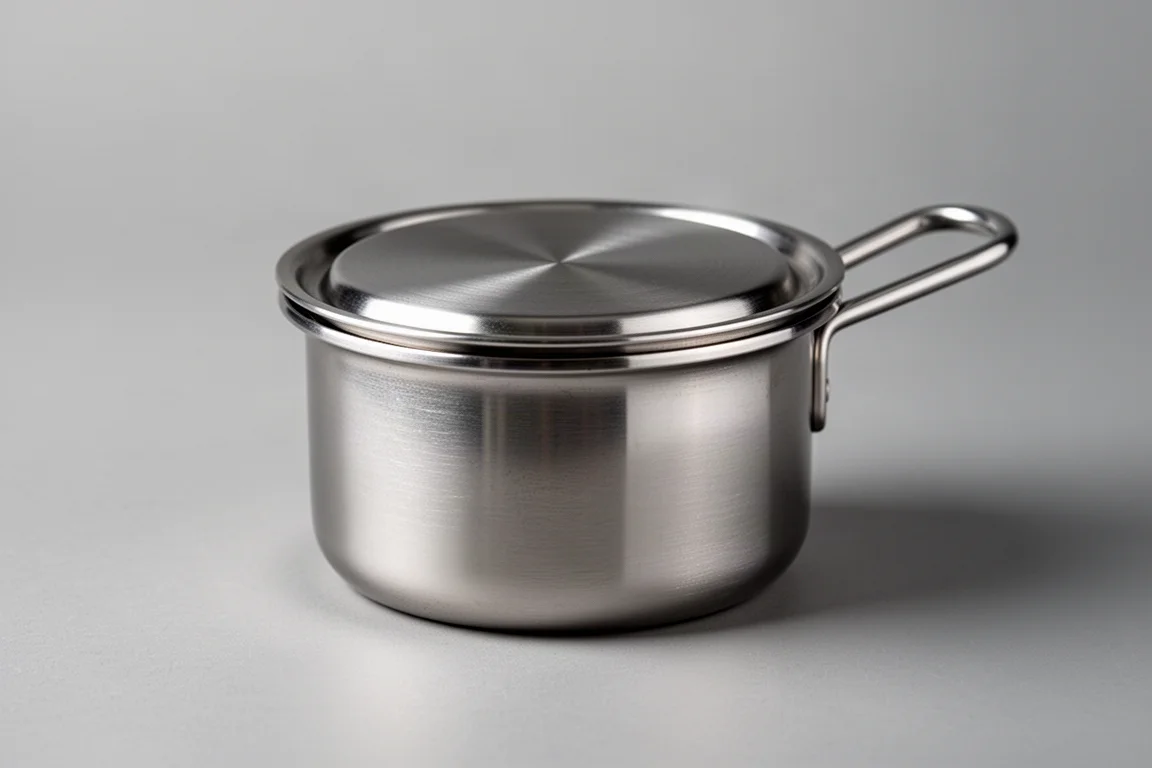
The Toaks 550 ml light pot uses thinner titanium, which keeps it compact and light while still holding a full cook kit. With a low-profile lid that creates a little extra internal space, it can swallow a canister, a small canister stove, a lighter, and pot grabbers.
Volume is the obvious limitation. Many backpackers prefer a 750 ml pot so they can boil enough water for a freeze-dried meal and still have some left for a hot drink. With the smaller pot, the smart approach is to keep the stove turned down, which is also a more fuel-efficient way to boil water.
ThermoDrop Thermometer: Overnight Low Data in a Tiny Package
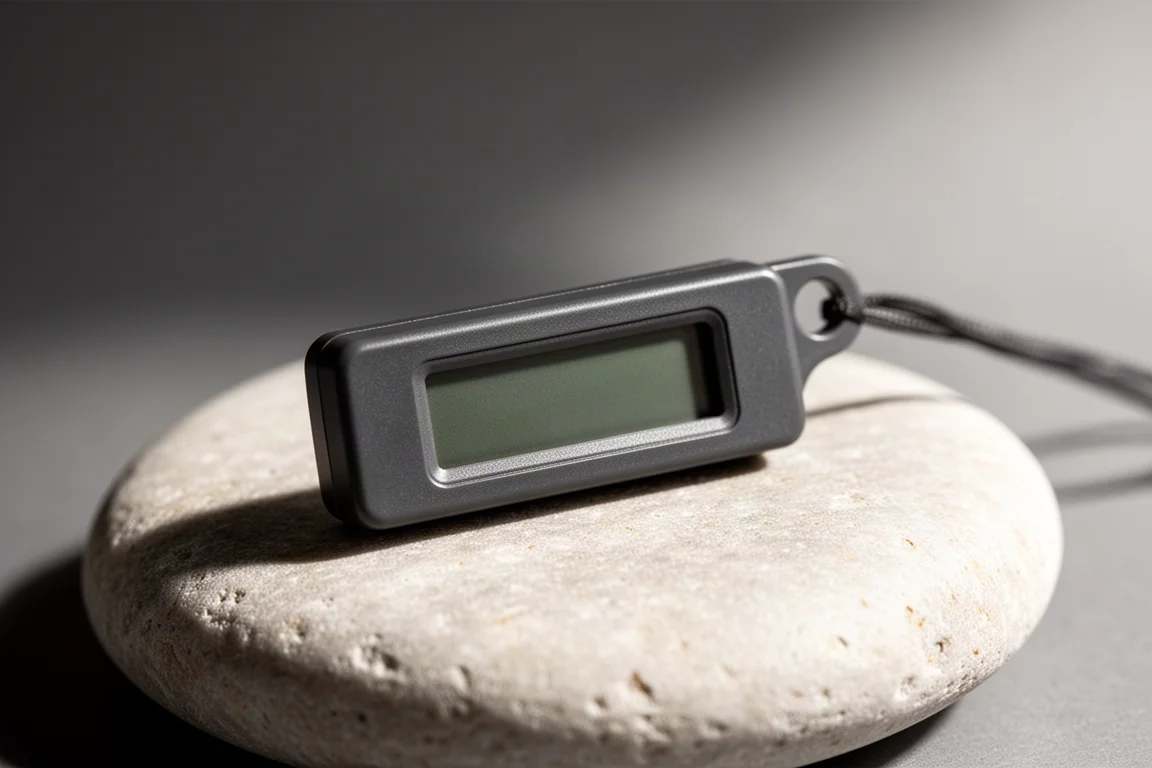
The ThermoDrop is a light, simple thermometer that shows the current temperature and can be switched to display the minimum and maximum readings from the night. That data is genuinely useful: it tells you whether your sleep system was comfortable, marginal, or overkill, so you can adjust it for the next trip.
The limitation is resolution. There is no continuous recording, so if you want a detailed temperature curve rather than high and low points, you will need a more complex logger.
Ignous Repair Kit: Tape, Patches, and Thread in a 3D-Printed Case
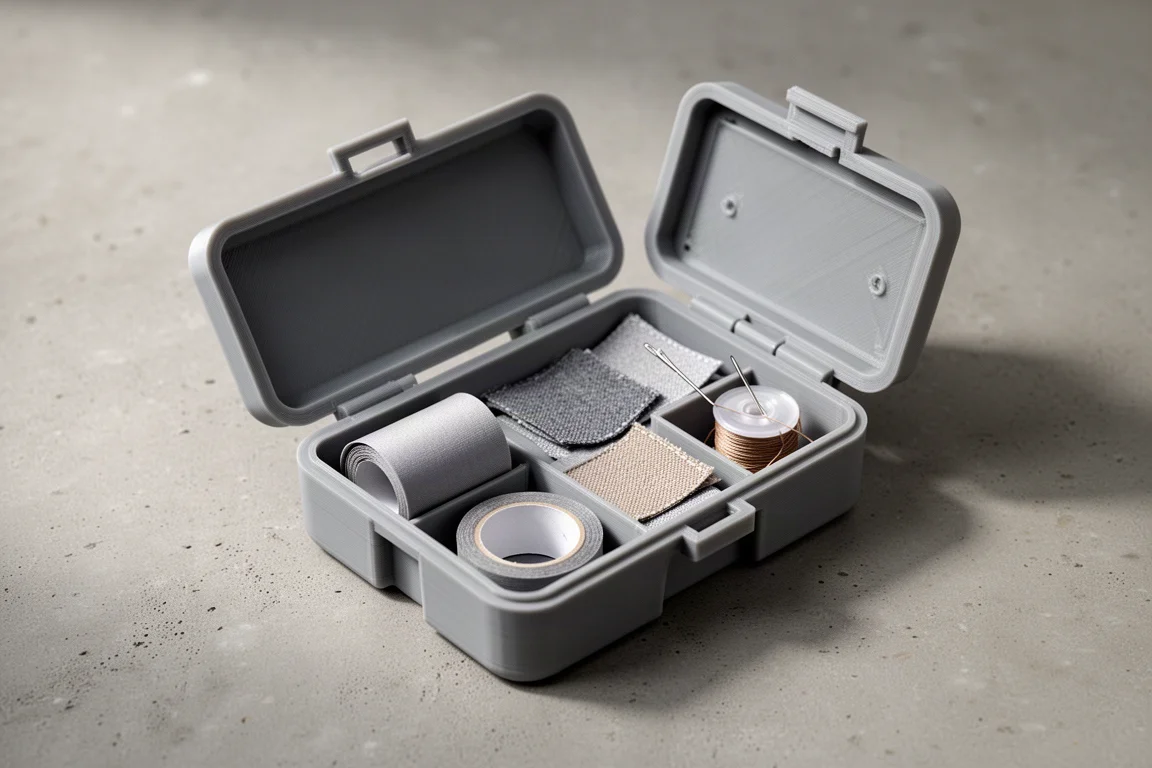
The Ignous repair kit packs Gorilla tape, patches, and a needle and thread into small 3D-printed compartments with trap-door openings. It covers the field repairs that actually come up, including a broken tent pole fixed with tape from the kit.
It is a basic kit rather than a comprehensive one, and that is largely the point: it stays small and light. Across a range of backpacking trips, the items inside have covered every repair that was needed.
Alpha Direct Fleece: The Warmth-to-Weight Standard
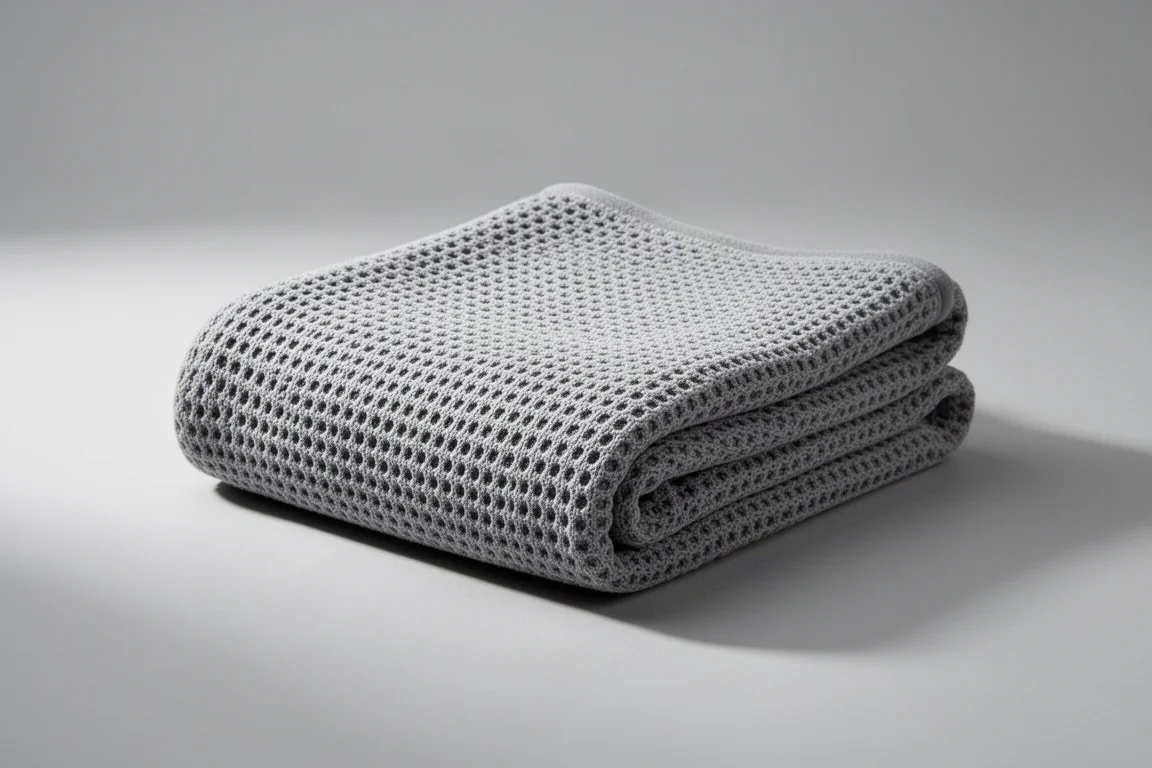
Alpha Direct fleece has one of the best warmth-to-weight ratios available outside of down insulation. It works as a base layer or, depending on conditions, a mid layer, and it packs down small enough that the weight is barely noticeable in a pack.
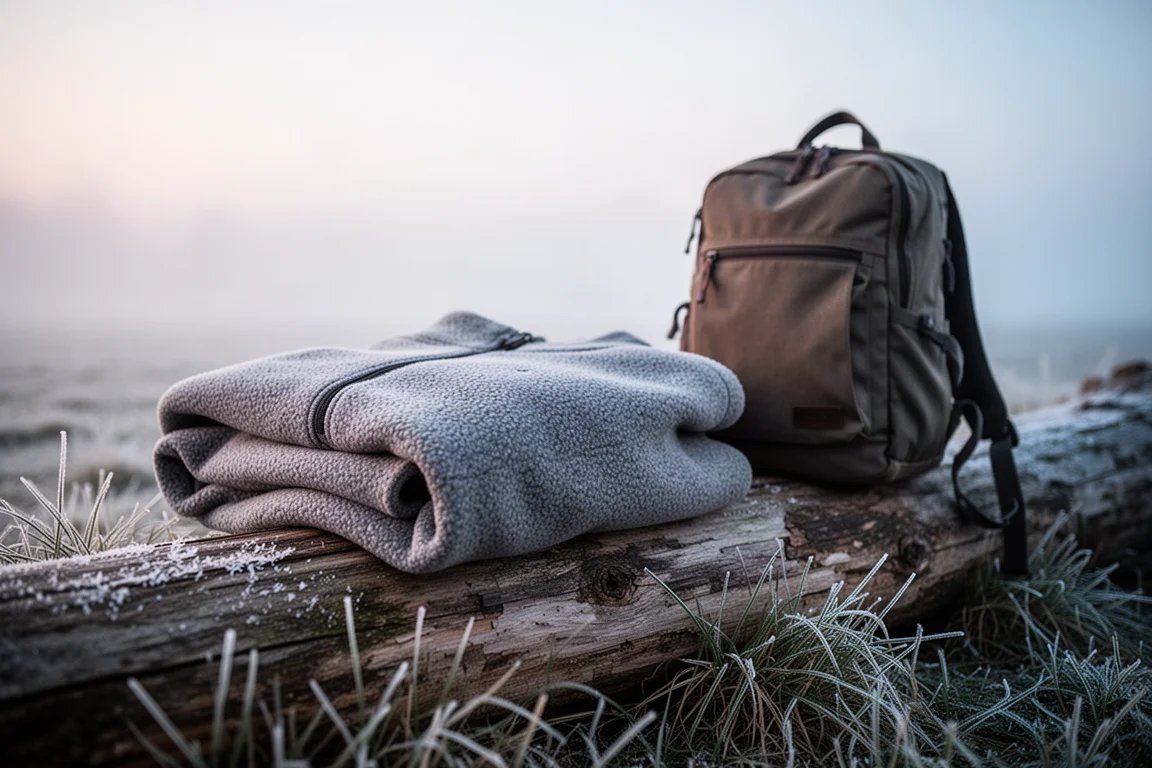
The downsides are cost and availability. Alpha Direct is expensive, and specific items can be hard to find in stock. Socks are a sensible entry point if you want to try the fabric before committing to a larger piece. Stock at specialist retailers tends to fluctuate, so it pays to check back rather than wait for a single listing.
Overall Buying Advice
Start with the items that replace something you already carry, because those deliver the clearest benefit. A pack liner in place of several stuff sacks, a bidet in place of toilet paper, or a lighter pot in place of a heavier one all remove weight without adding a new routine.
Then test on short trips. Micro pumps, tiny stakes, and minimal cook pots are easiest to judge over a night or two, when you can compare how the pack carries and whether the compromises bother you in practice. Finally, check availability early. Several of these products come from small makers, and limited stock or lead times can be the deciding factor between two otherwise similar options.
Conclusion
None of these twelve items is essential, and that is what makes them interesting. Each one shaves grams by removing something you did not strictly need, and each asks for a small compromise in return. Buy the ones that replace gear you already carry, test them on real trips, and the weight savings will add up without making your setup harder to live with.
Further reading
Related Reviews
Ultralight Backpacking Gear
Seven Small Ultralight Brands Making Gear Worth Packing
Seven cottage-made ultralight pieces, from a 4 oz fleece hoodie to carbon fiber stakes and Dyneema storage, and what each one is genuinely good for.

Backpacking Gear
Building a 10 lb Base Weight: An Ultralight Backpacking Gear List
A practical walkthrough of the ultralight pieces behind a 10 lb base weight, from a 765 g pack and a roomy one-person tent to a full camp chair and a dependable water filter.
Road Bikes
10 New Road Bikes Worth Watching: Aero, Titanium, Steel and Endurance Standouts
A practical roundup of 10 new road bikes, from aero flagships chasing single-watt gains to titanium, steel and endurance platforms built for real roads.