Ultralight Backpacking Gear
Seven Small Ultralight Brands Making Gear Worth Packing
Seven cottage-made ultralight pieces, from a 4 oz fleece hoodie to carbon fiber stakes and Dyneema storage, and what each one is genuinely good for.
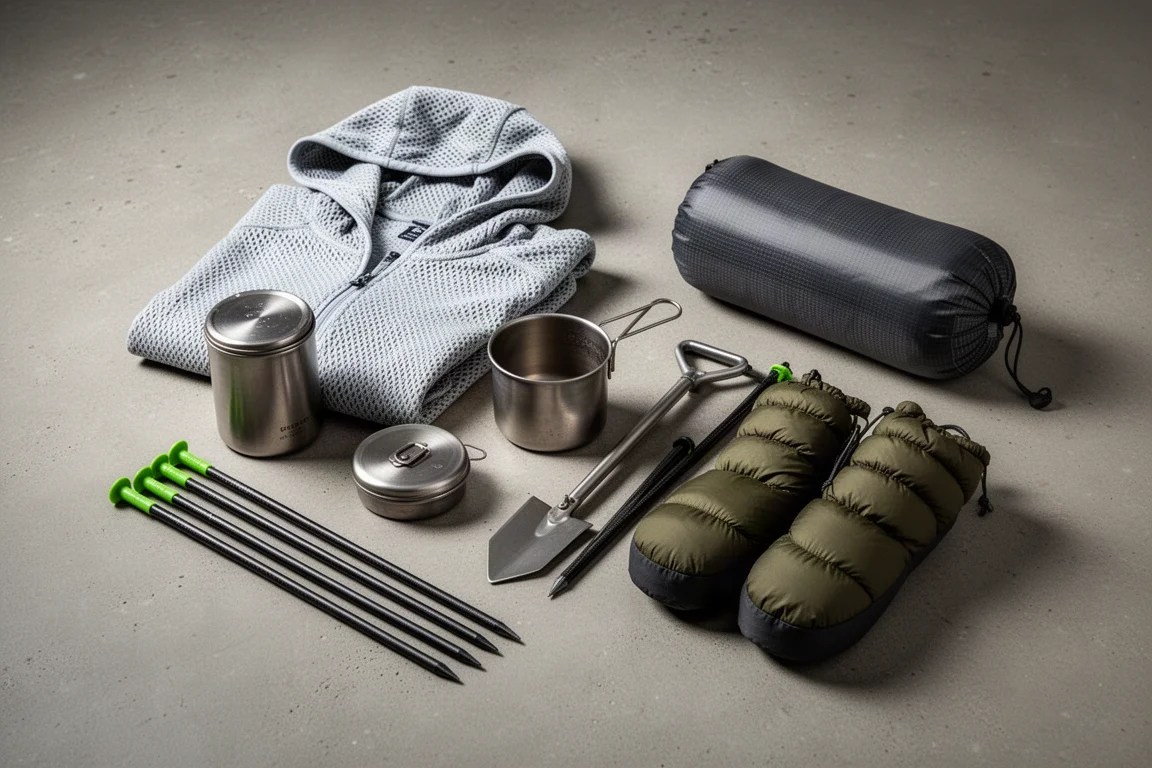
Introduction
The backpacking gear market is crowded. Thousands of brands develop, manufacture, and market equipment, and a handful of familiar names dominate most conversations. Behind them sits a much quieter layer of small makers, some of whom are building gear in a garage.
Those small shops tend to focus on one narrow problem and solve it properly. The seven pieces below come from makers like that, and each one earns its place in a pack for a specific reason rather than a broad marketing claim.
What These Brands Have in Common
Small teams, short production runs, and a willingness to work with materials that larger brands often skip: open-grid active insulation, carbon fiber, titanium, and Dyneema composite fabric.
That approach has trade-offs. Inventory is limited, so popular items sell out quickly when a new batch lands, and ordering usually happens directly rather than through a large retailer.
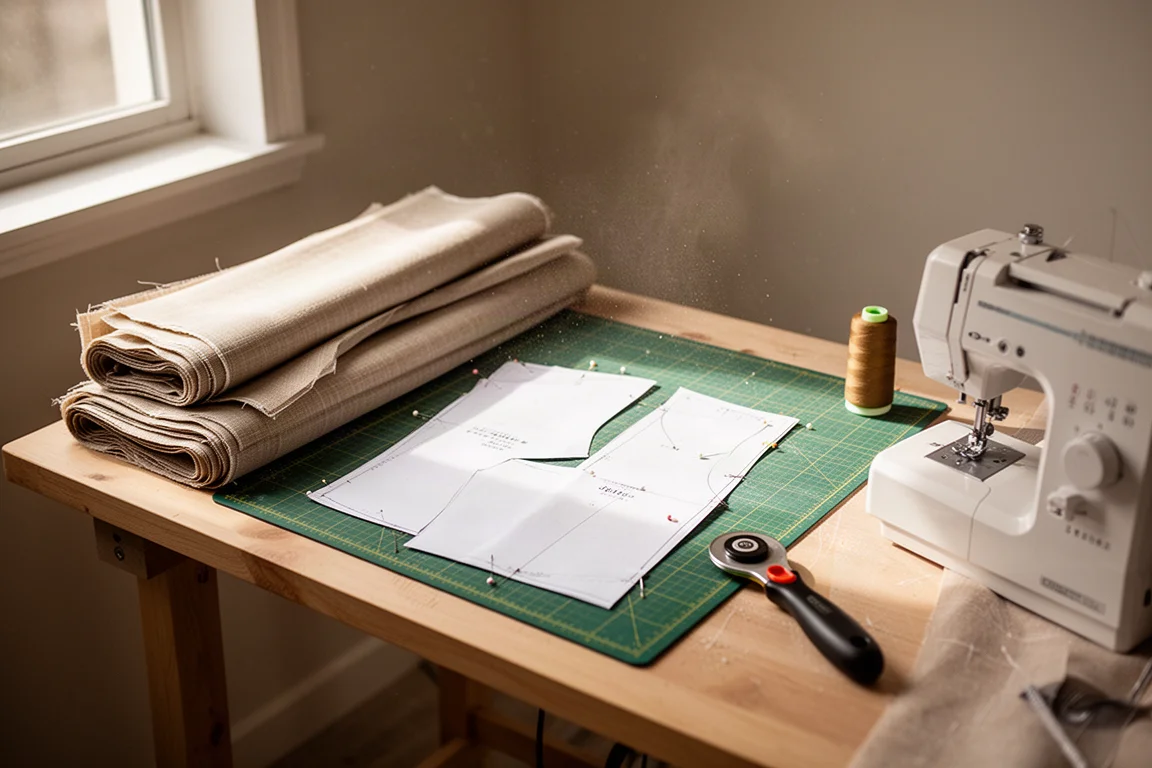
The upside is gear that is unusually light and unusually specific. When a piece matches how you actually hike, it tends to stay in the pack rather than getting left at home.
Farpoint Alpha Cruiser Hoodie
A fleece mid-layer is standard kit, but it is also the layer most likely to sit unused for an entire trip while still adding weight. Most fleece mid-layers come in close to a pound, which is a lot to carry on the chance you might need it.
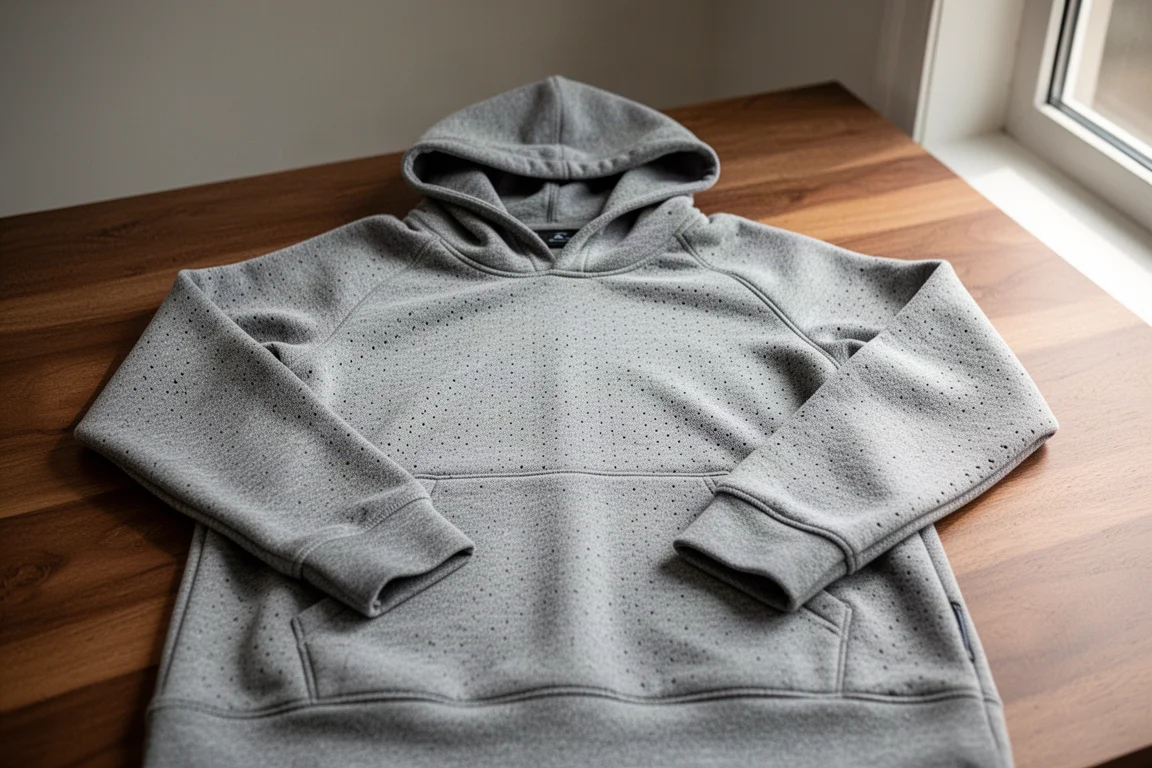
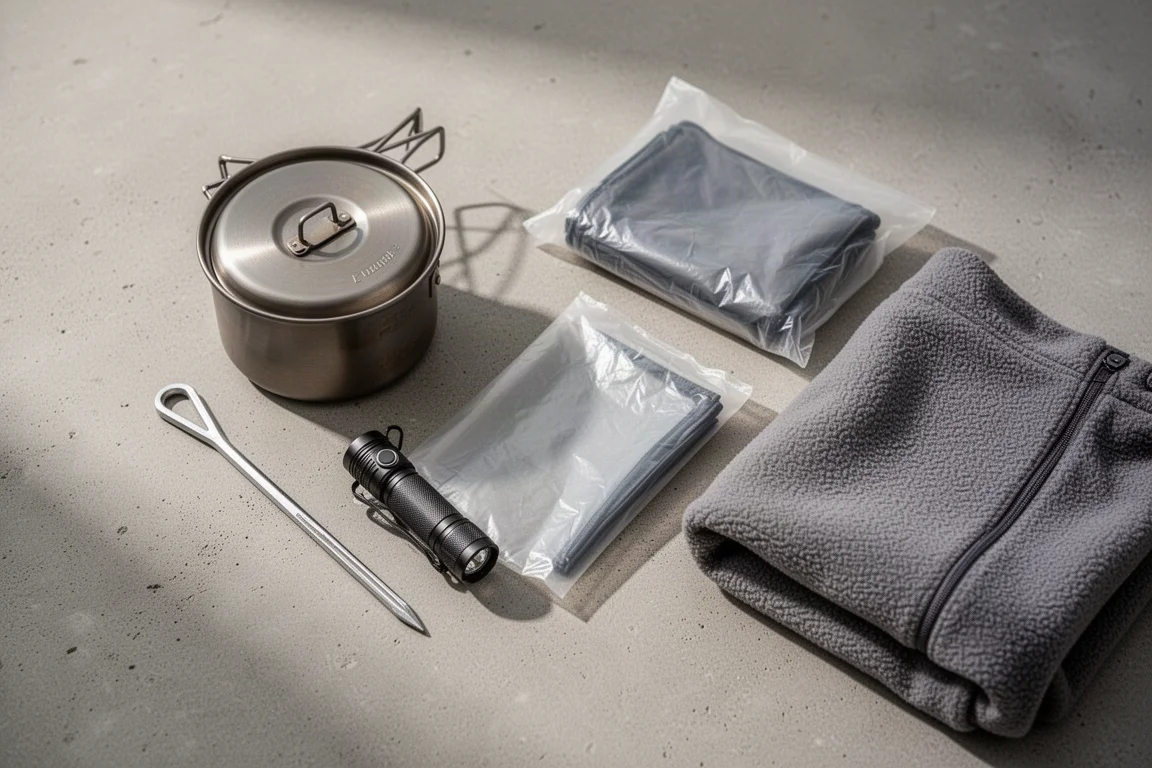
The Farpoint Alpha Cruiser Hoodie weighs about 4 oz. It uses an open-grid active insulation fabric, the same concept behind Alpha fleece: a highly breathable layer designed to trap warmth while letting heat escape quickly as you move.
That grid construction is full of small holes, so the hoodie is not wind resistant on its own. The usual approach is to wear it under a rain shell to cut wind, or under a puffy layer for extra warmth. The payoff is a layer that works well for cold starts where you know you will warm up within the first hour of walking.
Availability is the main catch. Orders are placed online, and batches move fast, so it is worth buying when stock appears.
At Stakes Carbon Fiber Tent Stakes
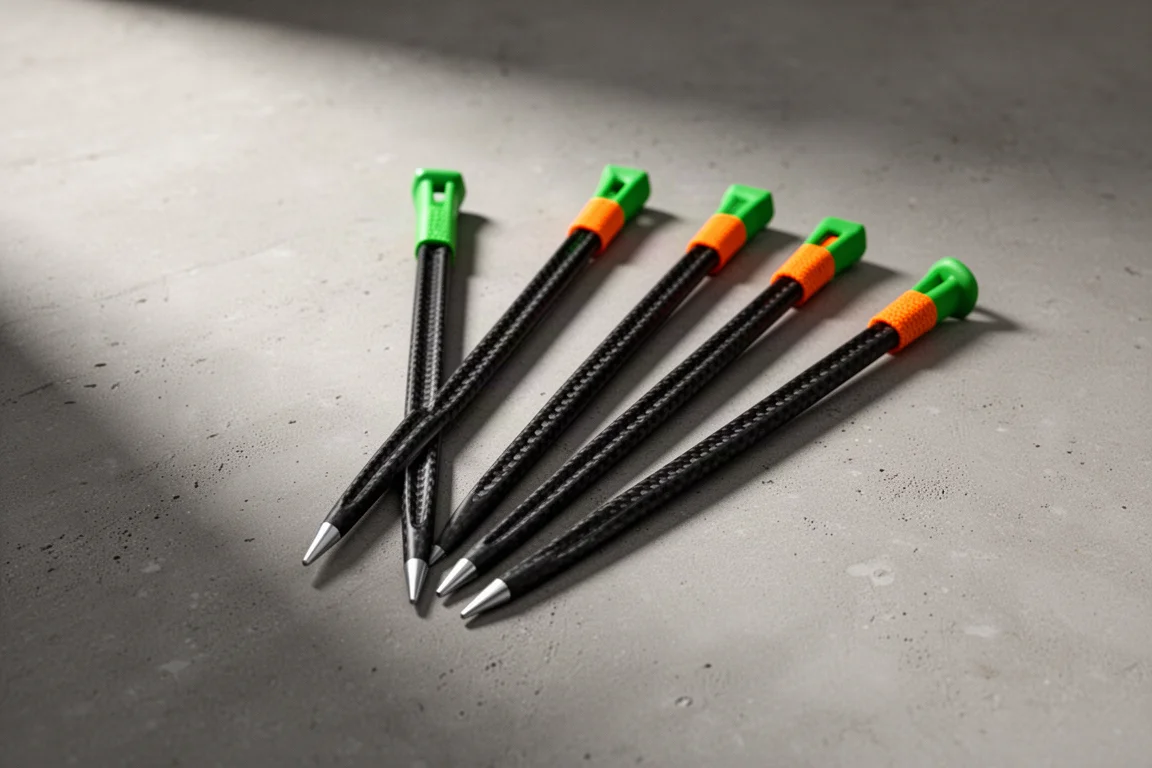
At Stakes is a husband-and-wife team making carbon fiber tent stakes in their garage. The appeal is not obvious at first, since standard stakes are not especially heavy to begin with. These are light enough that a kitchen scale struggles to register a single one, and the listed weight is roughly 3 to 4 g per stake.
Held next to a conventional stake, they feel like nothing at all. Each one has a solid metal tip to help it push past small obstructions, and the bright color options include a green that glows in the dark, which makes guy lines easier to spot when you are moving around camp after sunset.
Carbon fiber is not as strong as aluminum or titanium, so these are not the right choice for hard, rocky ground where stakes need to be hammered in. On the soft soil that covers most campsites, where a stake goes in with a step, they make a lot of sense.
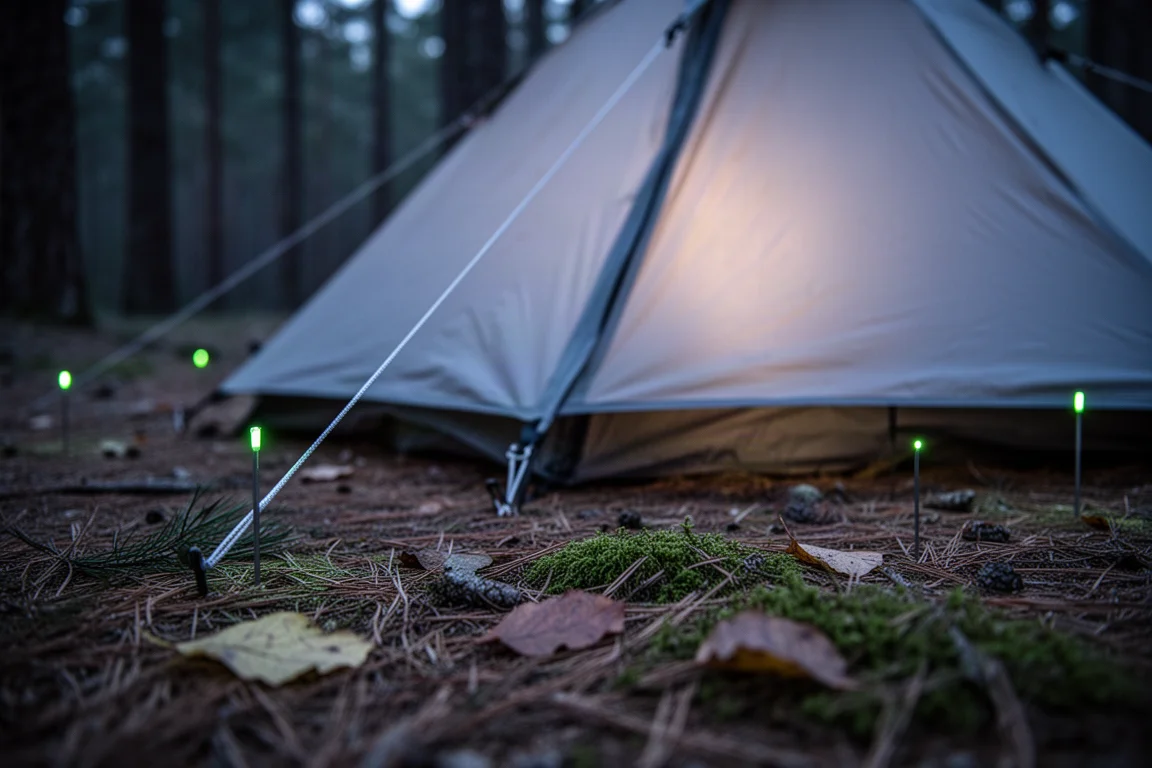
For anyone counting grams, they are a genuinely different option from a small maker.
Vargo Dig Dig Trowel
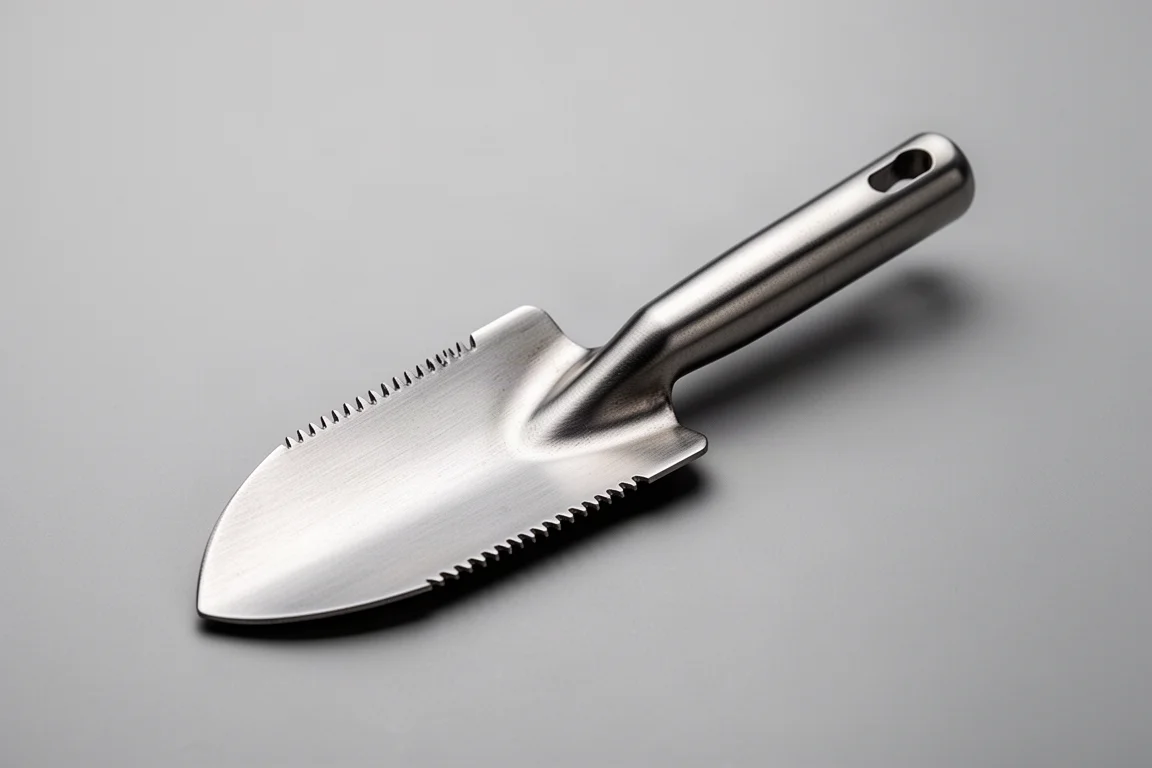
Vargo works almost exclusively in titanium, and the Dig Dig Trowel is the best-known example. The serrated edges cut through roots and small sticks, which speeds up digging a cathole considerably.
The detail that stands out is the rounded top edge. It keeps the tool from cutting into your palm the way a squared-off handle can. There is one small notch cut into the body, and if you grip it in the wrong spot it can still press into your hand, but that is a minor complaint against an otherwise well-sorted design.
Vargo 700 ml Titanium Bot
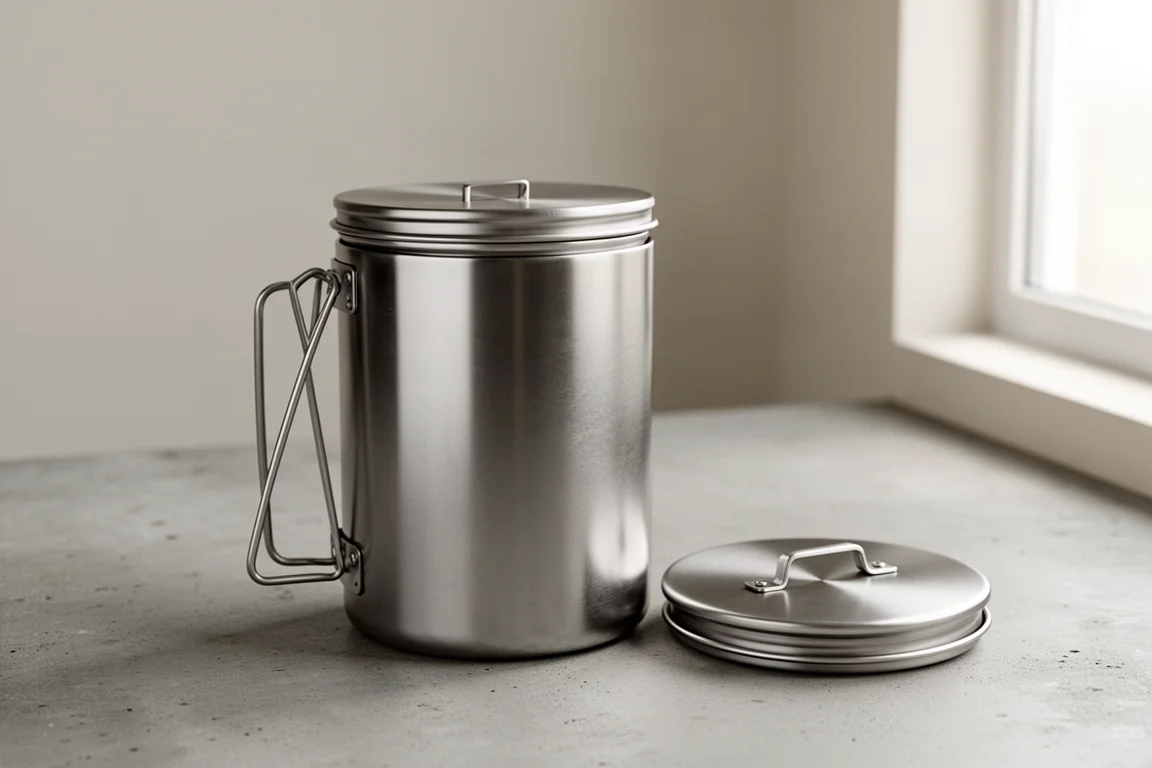
The 700 ml Titanium Bot is best described as a pot with a screw-on lid, and that lid is the reason to consider it. Threaded on tight, it seals, so leftovers or a partly used meal can go back into a pack without leaking across everything else if a bag fails.
Flip the lid upside down and it sits loosely, which is exactly what you want while cooking. The bot suits anyone who cold soaks meals, and especially anyone who alternates between cold soaking and cooking, since the same vessel handles both.
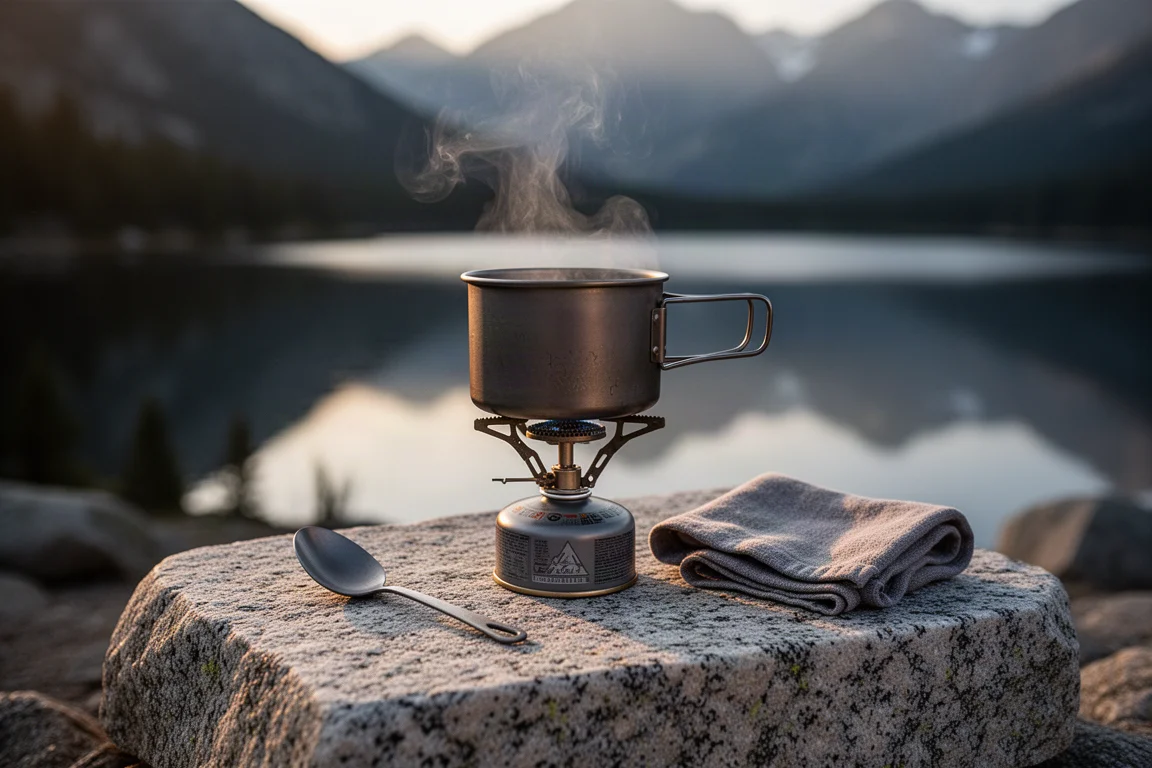
Titanium keeps the weight down, and the sealed lid adds a level of tidiness that a plain pot does not offer.
Vargo ExPed 50
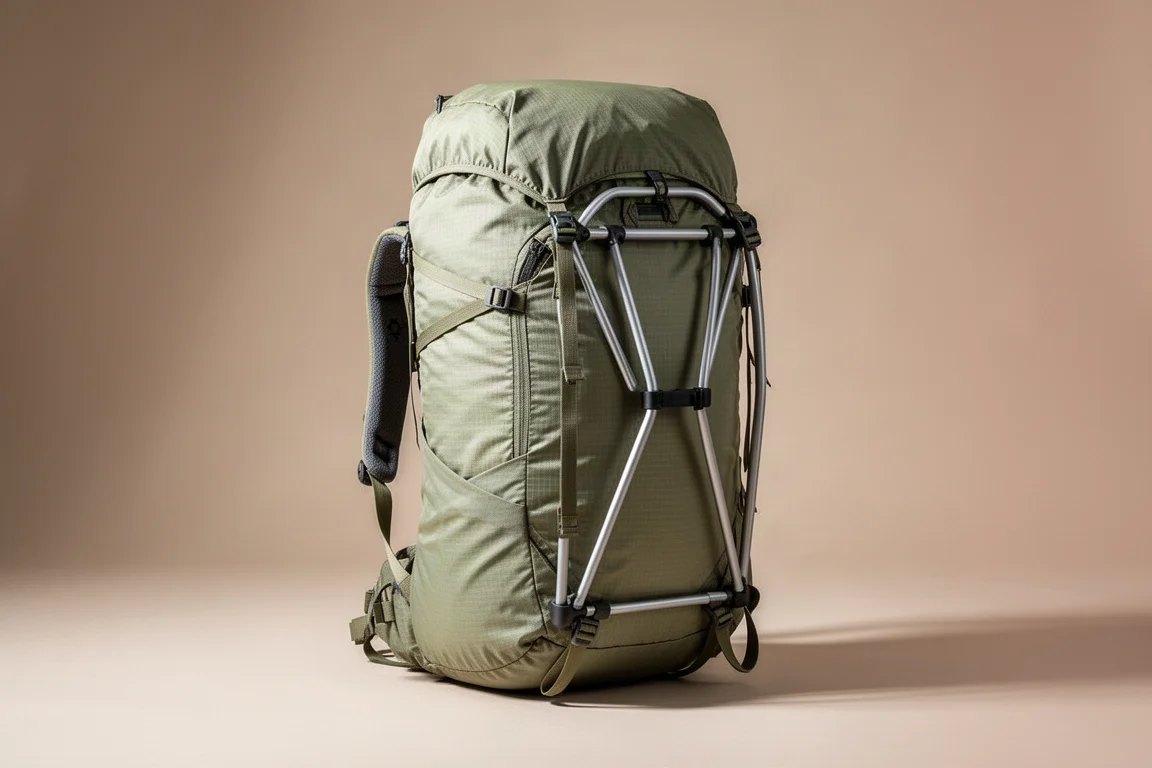
External frame packs largely disappeared a couple of decades ago, but the design still has real benefits, particularly for carrying heavier loads comfortably. The Vargo ExPed 50 pairs that architecture with a titanium frame, making it one of the very few ultralight external frame packs available.
If you have written off external frames as outdated, this is the piece on the list most likely to change your mind.
Goose Feet Down Socks
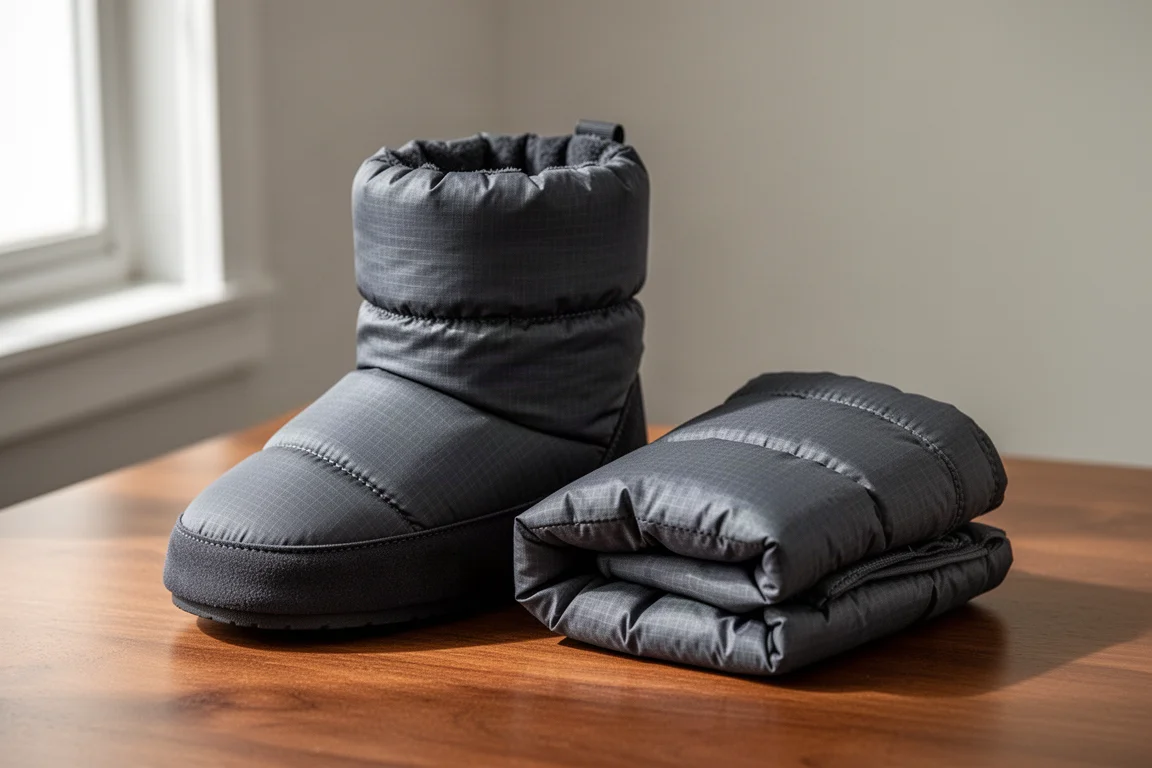
Cold feet at night are a common problem, and down socks solve it with very little weight. A pair weighs about 2 oz and packs down small enough that there is no real argument against carrying them.
They are ideal for sitting around camp before bed, and they also work inside a quilt once you turn in. The maker also offers separate over-booties that slip over the down socks so you can walk around camp or step outside at night without risking the insulation.
They are more versatile than the name suggests. Once your feet are warm, the same socks can insulate camera and phone batteries overnight so they do not lose charge in the cold, and they can wrap a spare lens for protection inside a pack.
Hilltop Packs Dyneema Chair Bag
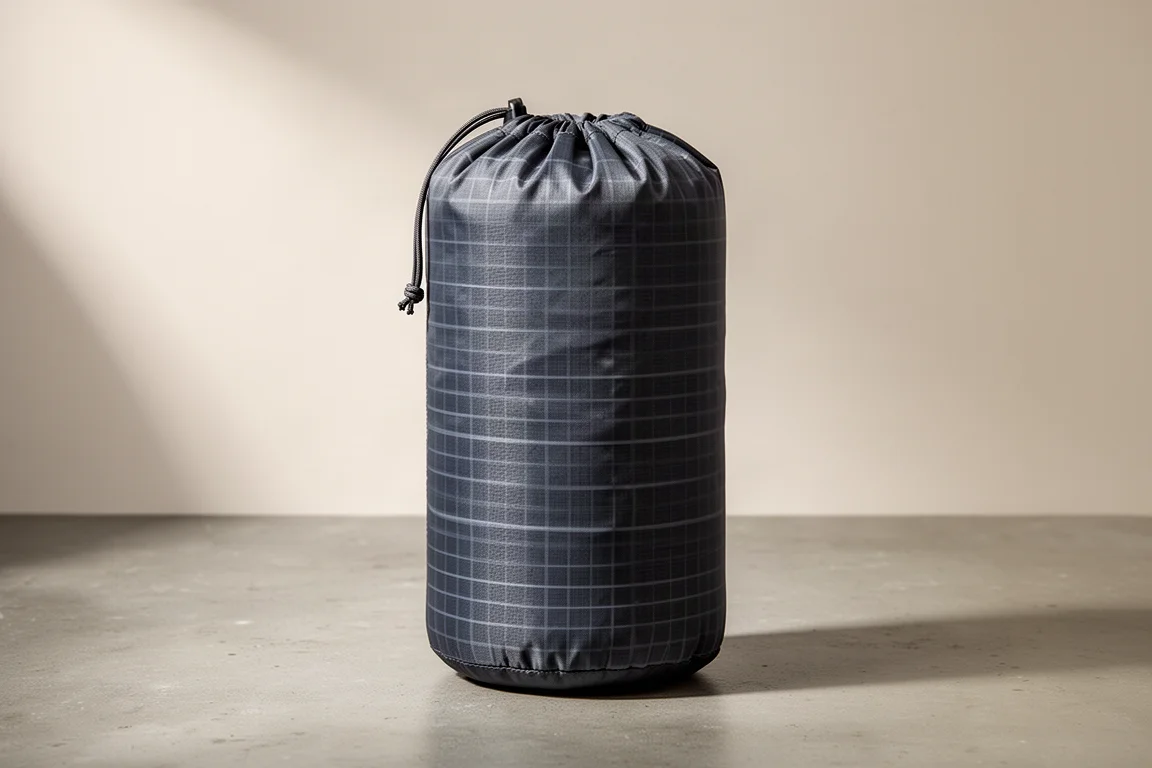
Hilltop Packs makes backpacks, custom printed food bags, battery bags, and lightweight stuff sacks. The chair bag is a simple idea executed well: most gear inside a pack goes into a liner or a plastic bag to stay dry, but a camp chair usually rides on the outside, where it is exposed to rain.
A Dyneema chair bag solves that. The fabric does not soak up water the way the nylon bag a chair typically ships with does, and although the seams are not sealed, there are few of them. It would take a serious downpour to get the chair wet inside.
Custom printing is available, so the bag can carry a logo, a name, or anything else, and plain versions are offered too. For anyone replacing ordinary stuff sacks with lighter Dyneema ones, this is a sensible place to start.
Buying Advice
Buying from small makers is a different process than ordering from a large retailer. Stock is limited, restocks are irregular, and the fastest-moving items can disappear within days of a batch being listed. If something on this list matches a real need, buying when it is available is usually the right call.
Materials matter more than brand familiarity here. Carbon fiber stakes trade strength on hard ground for near-zero weight, open-grid fleece trades wind resistance for breathability, and Dyneema composite fabric trades cost for water resistance and durability.
Specialist retailers that focus on small-batch ultralight makers, such as Garage Grown Gear, can simplify ordering and make it easier to find brands that never reach large outdoor chains. Ordering directly from the maker is the other option, and it often supports the smallest operations most directly.
Conclusion
None of these seven pieces is trying to do everything. The Alpha Cruiser Hoodie covers the cold start you would otherwise over-dress for. Carbon fiber stakes shave weight for soft-ground camping. The titanium trowel, bot, and ExPed 50 come from a maker that has spent years working a single material. Down socks keep feet warm and double as insulation for cold-sensitive electronics. The Dyneema chair bag keeps a wet-weather item dry.
Together they show what small ultralight brands do best: solve a narrow problem properly, with materials the big brands overlook.
Further reading
Related Reviews
Ultralight Backpacking Gear
Ultralight Backpacking Gear: 12 Small Upgrades That Save Real Grams
A practical look at twelve tiny ultralight backpacking items, what each one replaces, and the trade-offs worth knowing before you buy.

Backpacking Gear
Building a 10 lb Base Weight: An Ultralight Backpacking Gear List
A practical walkthrough of the ultralight pieces behind a 10 lb base weight, from a 765 g pack and a roomy one-person tent to a full camp chair and a dependable water filter.

Road Bikes
10 New Road Bikes Worth Watching: Aero, Titanium, Steel and Endurance Standouts
A practical roundup of 10 new road bikes, from aero flagships chasing single-watt gains to titanium, steel and endurance platforms built for real roads.