Ultralight Backpacking Gear
Camp Worthy or Crap: Nine Ultralight Backpacking Gear Picks Worth a Look
Nine ultralight backpacking products, from a carbon fiber umbrella to 5 gram titanium stakes, with the real trade-offs behind each one.
Introduction
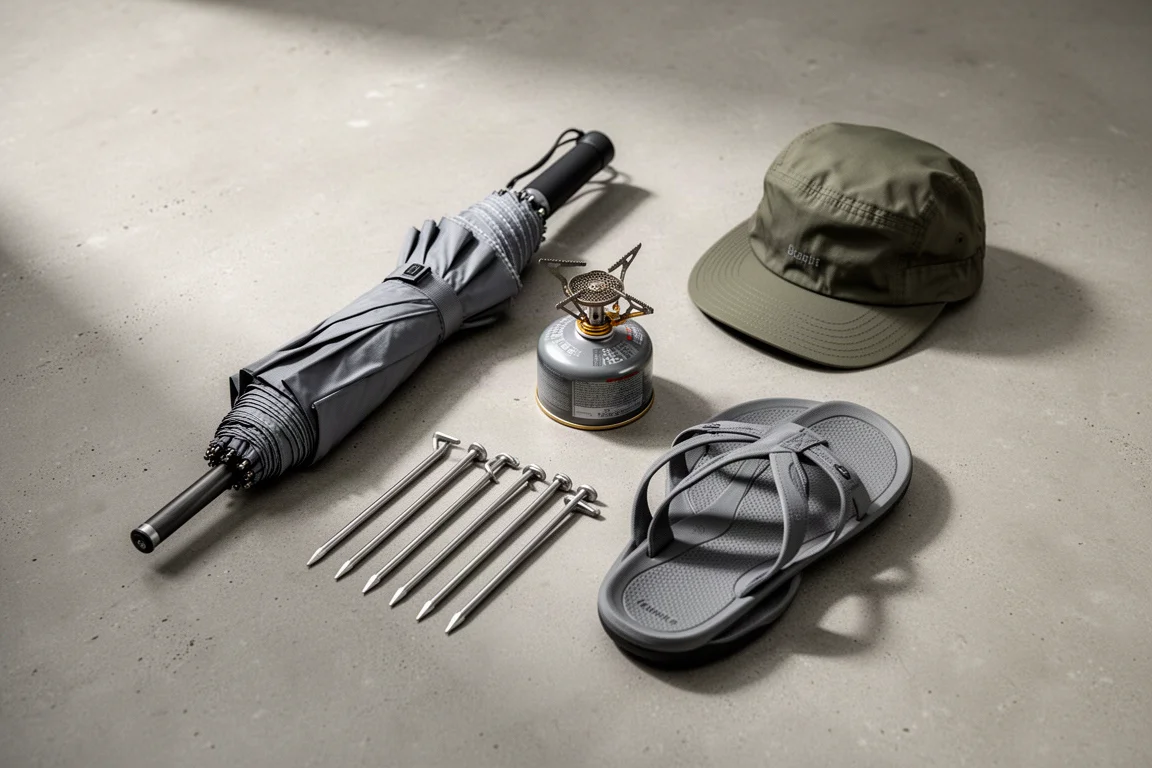
Not every ultralight item earns its place in a pack. Some save weight and pay it back in comfort, coverage, or calories. Others look clever on a spec sheet and disappoint the first time conditions turn. This roundup covers nine pieces of backpacking gear that tend to divide opinion, from carbon fiber umbrellas to 5 gram titanium stakes, and explains what each one does well, where it falls short, and who should actually buy it.
Some of these items are genuinely easy to recommend. Others are only worth carrying in specific conditions, and a few are best understood as deliberate compromises. The goal here is a clear picture of each product rather than a single verdict, so you can decide which trade-offs suit the trips you actually take.
How We Assessed These Ultralight Picks
Each item was judged on three things: weight, real-world usefulness, and how well it holds up under the kind of use backpackers put gear through. Weight figures and prices come from the products themselves, and the trade-offs below reflect how each piece behaves in the field rather than how it looks on a product page.

Two patterns show up repeatedly in this category. The lightest options tend to demand more care, and the cheapest options tend to be the least forgiving. Where a product lands on that scale matters more than any single number in its spec list.
Ultralight gear also tends to polarize. An item that is perfect for a thru-hiker carrying a 550 ml pot can be frustrating for a weekend backpacker with larger cookware, and a piece that shines on soft forest ground can be a liability on exposed alpine terrain.
Six Moon Designs Carbon Fiber Umbrella: Rain and Sun Coverage
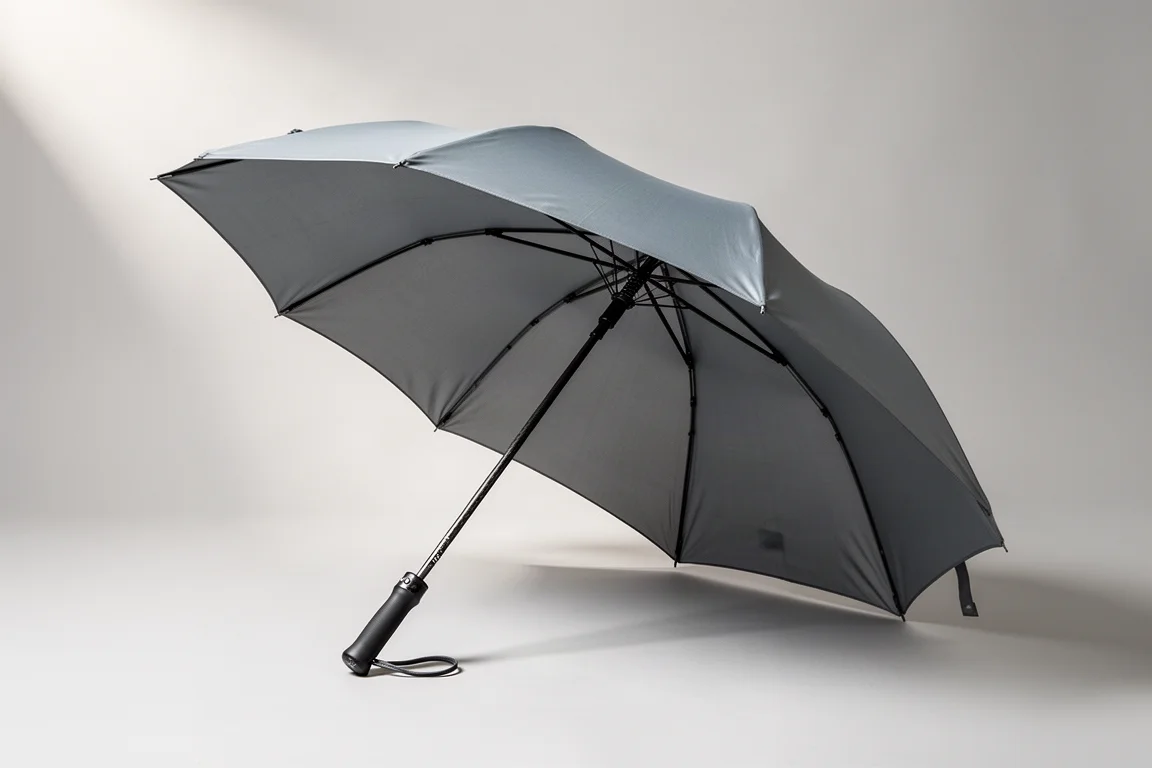
Trekking umbrellas divide backpackers more than almost anything else in the ultralight world. On one side are hikers who see no reason to carry one when a rain jacket and a cap already cover the same ground. On the other are backpackers who mount an umbrella over their head and keep both hands on their trekking poles, which is where this design makes its case.
The Six Moon Designs Carbon Fiber Umbrella weighs just under 7 ounces and uses a carbon fiber build. It works for rain and for sun, which is the real argument in its favor on long, exposed desert stretches where shade is scarce and a jacket is the wrong tool.
The limits are equally clear. An umbrella catches on branches and overhead cover, so it suits open terrain far better than dense forest. Mounting it to a pack requires a separate attachment system, typically under $10, which straps it in place so you can keep using your poles. At $44.99, it is a considered purchase rather than an impulse one, but it does a job that nothing else in a pack does quite as well.
Farpointe Alpha Hoodie: Active Insulation With a Trade-Off
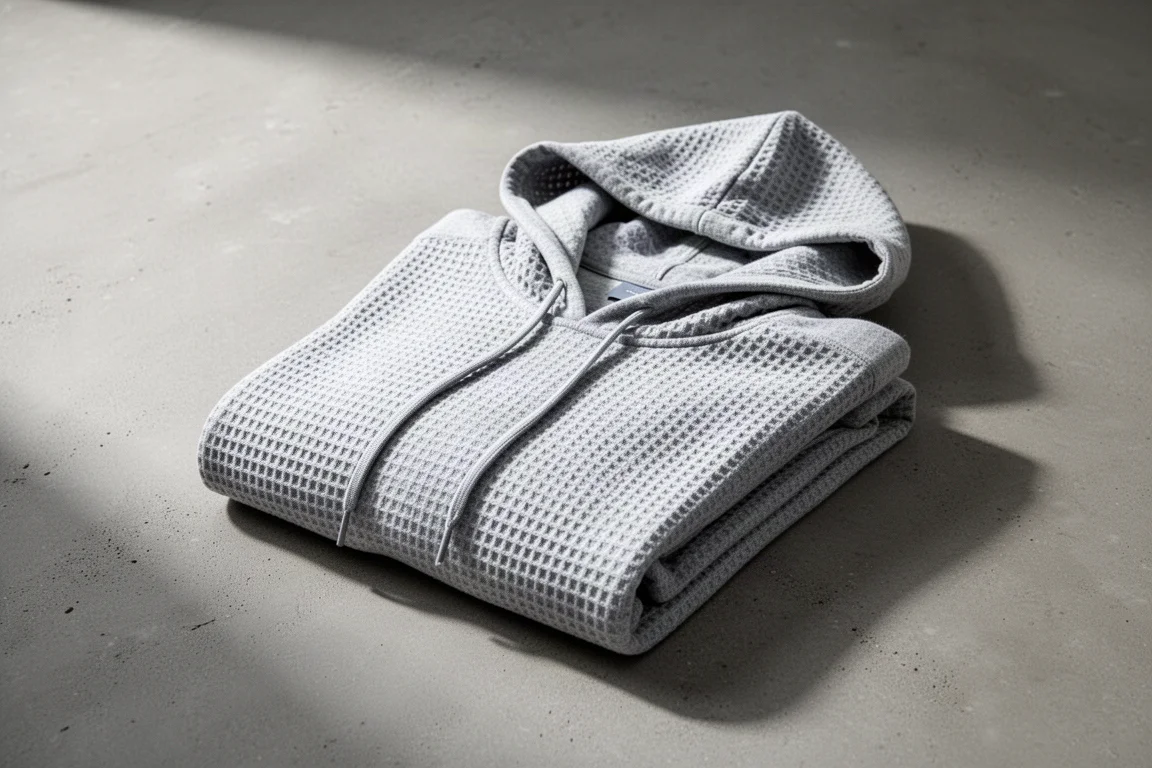
Alpha fabric has become one of the more debated materials in ultralight layering. Supporters treat it as the most versatile insulation available: breathable enough to wear as an outer layer while hiking hard, and warm enough under a shell when the temperature drops. The Farpointe Alpha Hoodie is a good example of that approach, with a hood and a simple, stripped-back build.
The catch is durability and feel. Alpha fabric has a slightly sticky hand and can snag on rough surfaces, so it is not the fabric to drag through brush or over granite. Layering a shell over it adds warmth but also adds friction. There are no pockets either, which is standard for this weight class and still a common complaint.
Priced at $105 and made in the United States, this is a layer for hikers who want to stay comfortable while moving rather than for anyone who needs an abrasion-resistant midlayer. Used within those limits, it is a genuinely cozy piece of kit.
Mayfly Ultralight Equipment IMO Sandals: The Lightest Camp Shoe
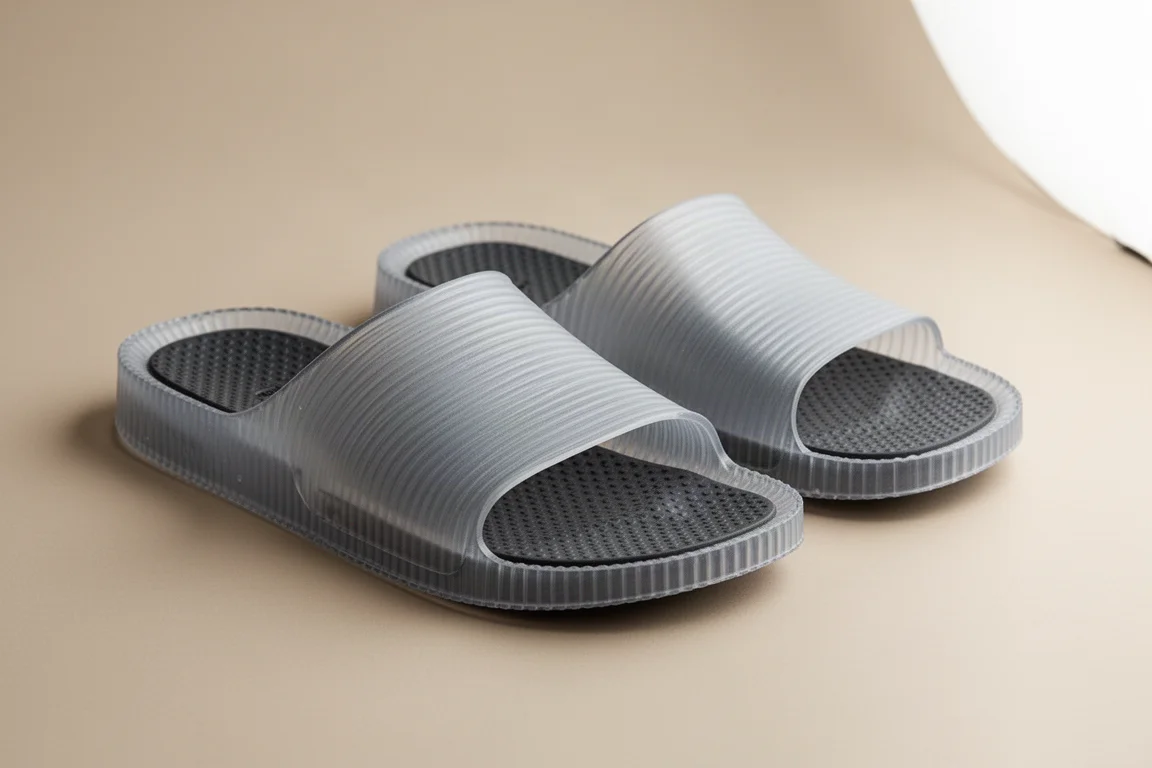
Camp shoes are one of the easiest places to save weight, and the Mayfly Ultralight Equipment IMO Sandals take that idea about as far as it goes. They are the lightest commercial camp sandal on the market, built from a foldable sheet material that resembles the corrugated plastic used for yard signs.
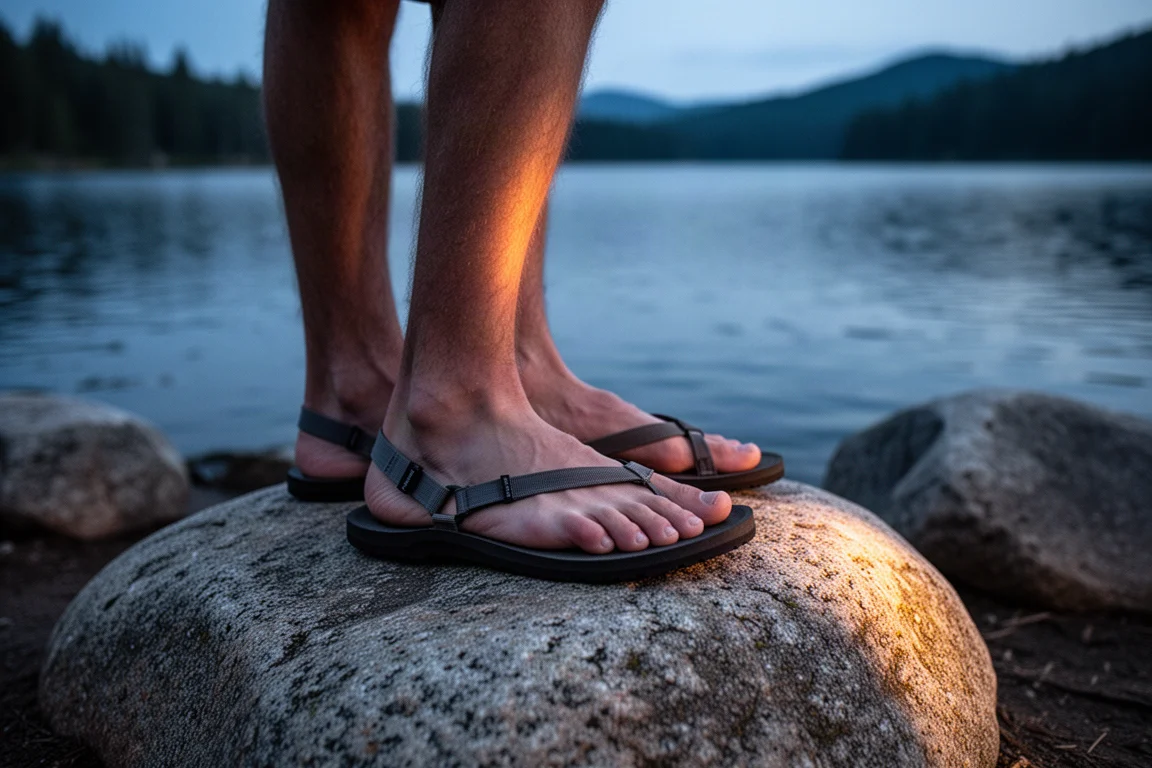
That construction is what makes them work. The sandals fold flat, take abuse without falling apart, and provide a simple platform so feet can dry out after a river crossing or a long sweaty day. Grip texture on both sides of the footbed keeps the foot from sliding, which matters more than it sounds when the material is this minimal.
They are also the most polarizing product in this roundup. Some backpackers find them exactly right for filling water and walking around camp, while others find them uncomfortable and see little point in carrying them. At $38.99 a pair, the value depends entirely on how often you want a second pair of shoes at camp. If you never bring camp shoes, these will not change your mind. If you want the lightest possible option for dry feet, they are close to unmatched.
Antimatter Chair: A Packable Seat for Camp
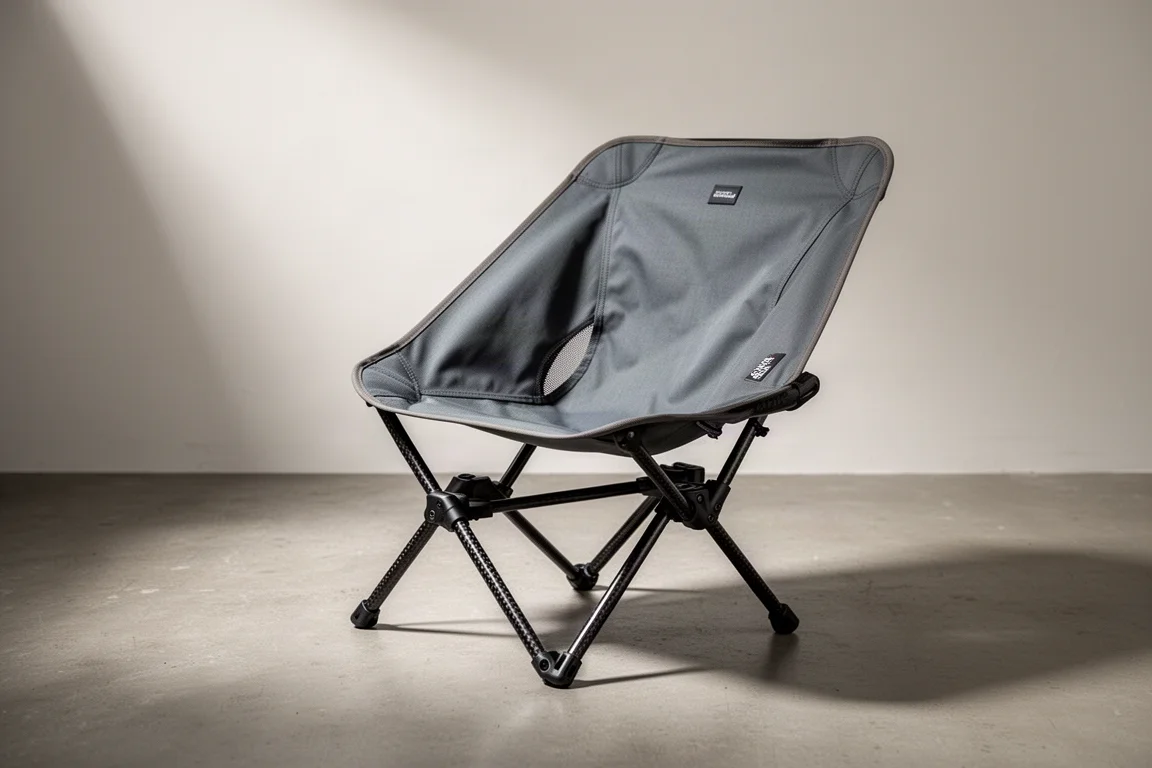
Chairs are the classic ultralight indulgence, and the Antimatter Chair is a carbon fiber take on the idea. It weighs around 8 ounces complete, folds into a compact package, and gives you something to lean back against at the end of a day rather than sitting flat on the ground.
It is not the lightest chair available. A very similar design from another maker comes in roughly an ounce and a half to two ounces lighter, so if the absolute minimum weight is the priority, that option wins. What the Antimatter Chair offers instead is a stable, comfortable seat that feels more secure than its bare frame suggests. It looks like it might tip over until you sit in it.
At roughly $100, the price is high for a camp chair, though carbon fiber construction explains much of it. For backpackers who want a real seat and are willing to carry a few extra ounces for it, this is a reasonable addition to a kit. Anyone counting every gram should probably keep sitting on a foam pad.
Suluk 46 Atani Titanium Stakes: Minimal Anchors for Soft Ground
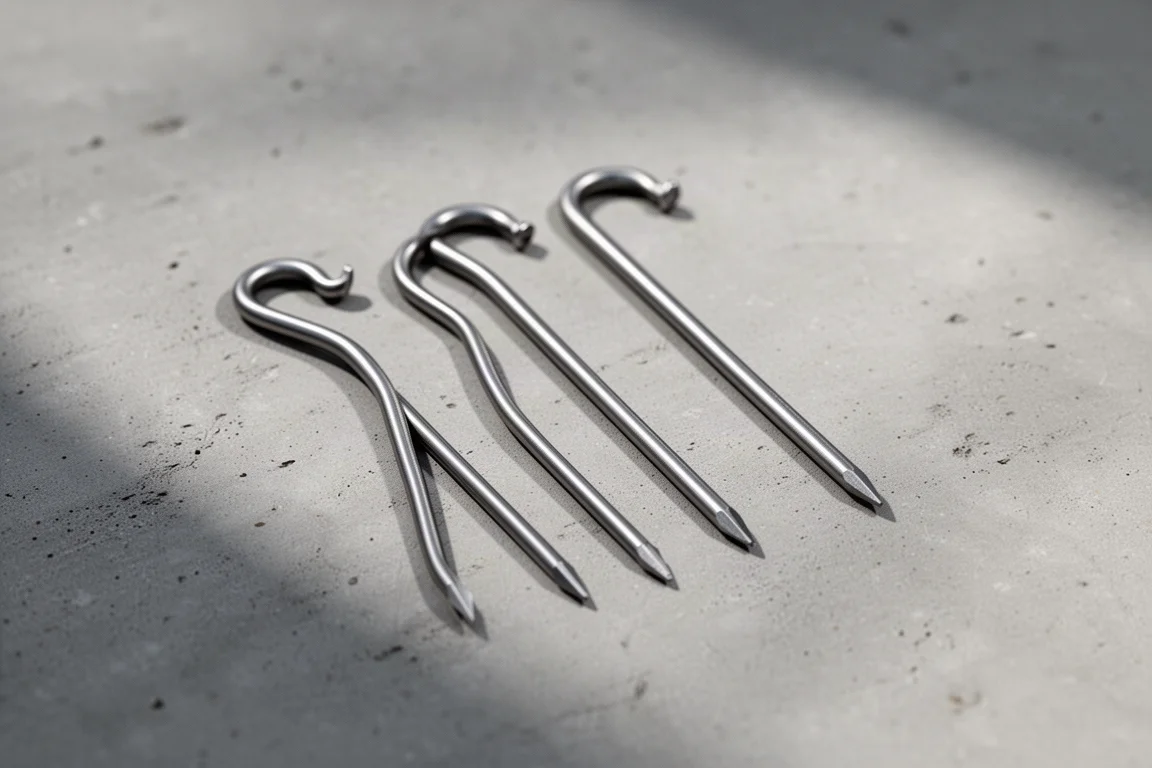
At 5 grams each, the Suluk 46 Atani Titanium Stakes are about as light as tent stakes get. They come in packs of four for $21.99 and are made from titanium, which keeps them strong relative to their weight.
They are not a universal stake. The Atani design has some flex, which is expected at this weight, and it is not the right choice for high alpine pitches or loose, exposed ground where a tent needs to hold against serious wind. In soft forest soil and fair-weather conditions with a freestanding tent, they do the job well and save meaningful weight across a full set.
That narrow use case is exactly why they divide opinion. Hikers who pitch in sheltered, soft ground and count grams tend to like them. Hikers who camp above treeline or want a stake they can drive into hard ground should look at a heavier option. Buying four for the price of a modest meal makes them an easy experiment, provided your trips match the terrain they are built for.
Parapack P-Cap Light: An Ounce-Class Cap
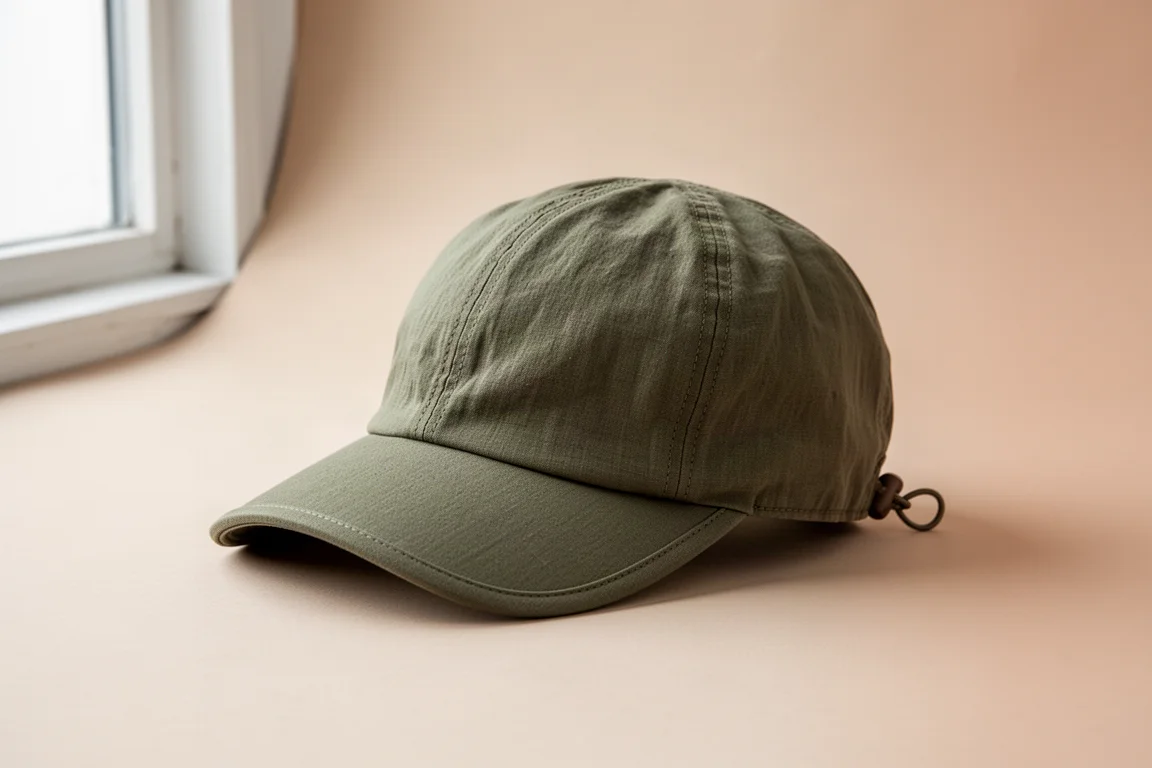
Some backpackers wear a hat from morning to night. Others rarely want one until the sun comes out on an exposed ridge. The Parapack P-Cap Light is aimed squarely at the second group. It weighs under an ounce, packs down small enough to vanish into a pack, and uses a front toggle to tighten the fit.
That combination is the whole point. A hat that lives at the bottom of a pack and only appears when needed is easy to justify, because the weight cost is negligible and the packability means you are not rearranging a load to fit it. It is not built for cold weather or serious rain, and it will not replace a warm hat on a shoulder-season trip.
At $44.99, it costs more than a typical cap, which is the main thing to weigh. For hikers who already wear a hat every day, that money is probably better spent elsewhere. For occasional hat wearers who want sun protection without committing to carrying one, the P-Cap Light is a clever solution.
Parapack P-Cap Visor: Shade Without the Crown
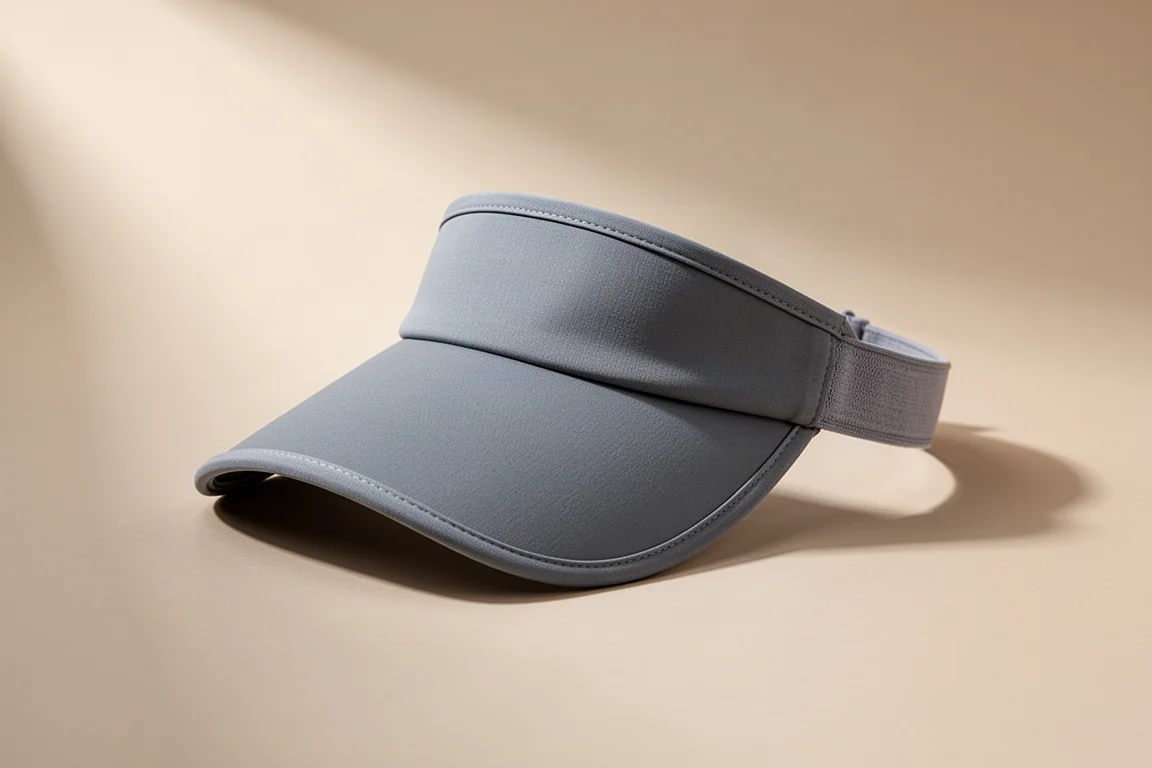
The Parapack P-Cap Visor follows the same philosophy as the cap, with one obvious difference: it covers the face and not the top of the head. It weighs around an ounce, packs down to almost nothing, and has a bit of stretch in the band so it holds on a range of head shapes.
Visors are a matter of taste, and this one will not convert anyone who dislikes the look. What it does well is provide shade on bright, exposed sections for hikers who find a full hat too warm. Packed volume is minimal, so it is easy to bring along and forget about until it is useful.
At $36, it sits in the same territory as the cap and makes sense for the same kind of buyer: someone who wants an option for sunny stretches without carrying a full hat. For daily hat wearers, a standard cap remains the simpler choice.
BRS Stove: The Budget Canister Stove
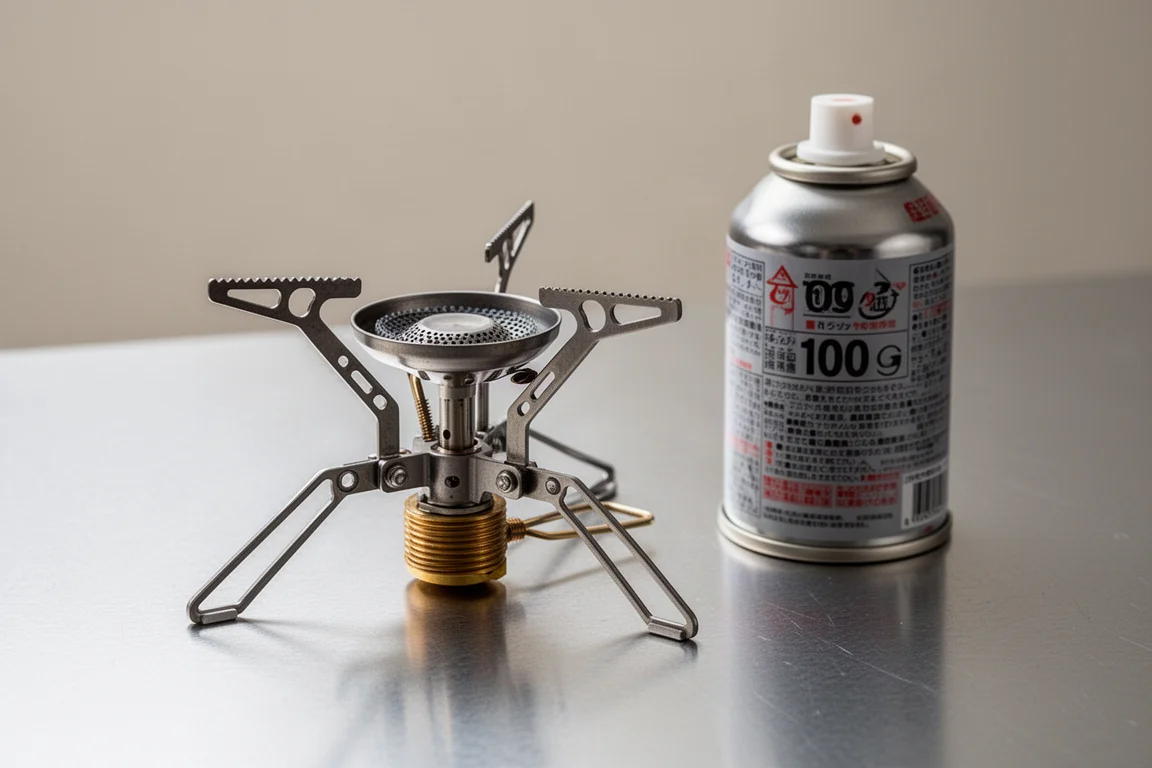
The BRS stove has become a fixture among thru-hikers for two reasons: it weighs around 29 grams and it costs about $20. Folded, it is small enough to disappear into a cook kit, and the little green stuff sack has become recognizable on its own. Without the 2 gram pouch, the stove itself comes in at roughly 26 grams.
It is not a perfect stove. The pot supports are small, so it works best with a 550 or 750 ml pot and struggles with larger cookware. The folding arms feel finicky to deploy, and there are reports of o-ring failures that led to leaks, which is the kind of reliability issue that matters on a long trip. It is also a generic design sold under several labels rather than a unique product.
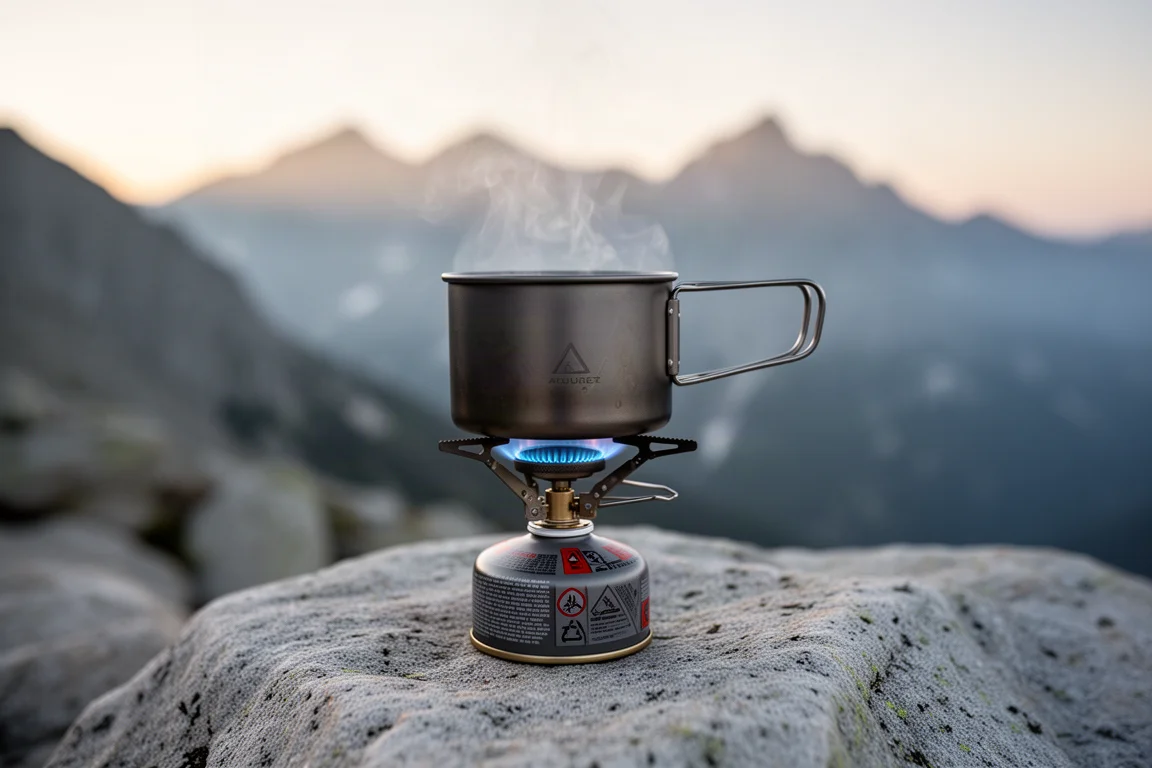
For a thru-hiker carrying one small pot and prioritizing weight and cost above everything else, those compromises are easy to accept. For anyone cooking for two or using a wider pot, a heavier stove with better supports is the safer purchase. It is a $20 experiment, and it has earned a following by being light, cheap, and good enough within its narrow lane.
W Pack Complete One Meal Shake: Calories Without Chewing
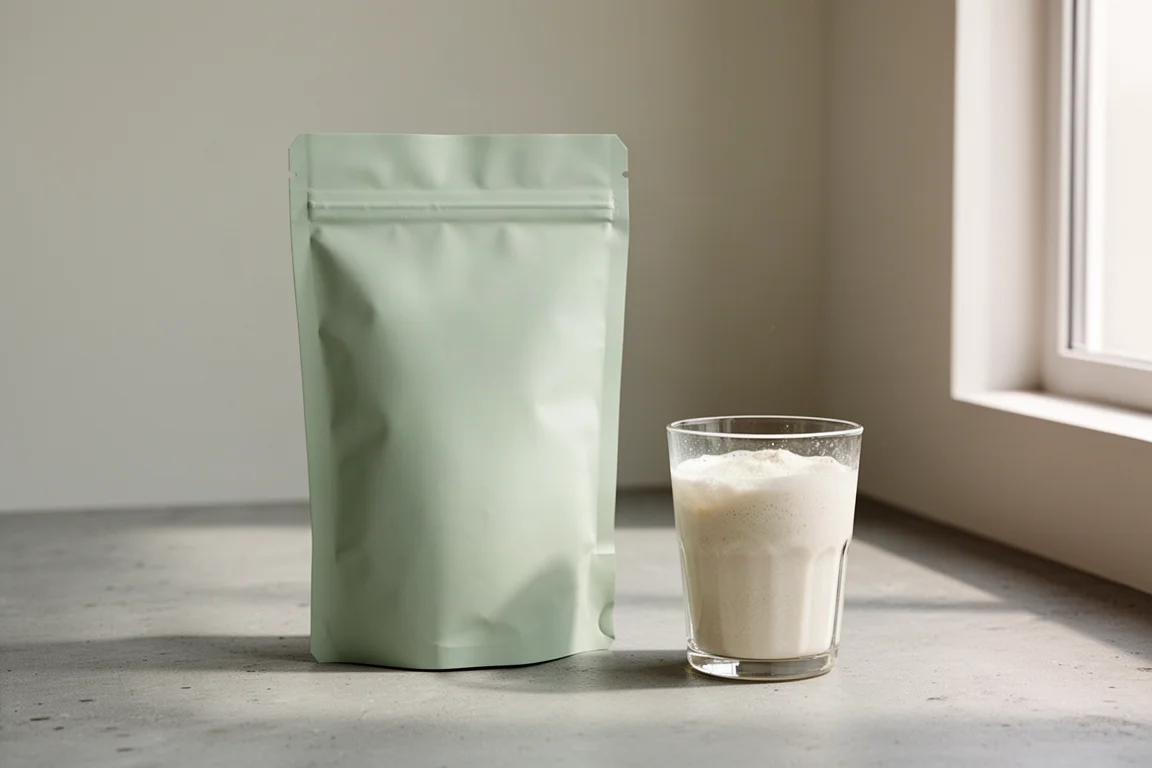
Long days on trail do strange things to appetite. Plenty of backpackers reach camp with no interest in chewing through a full dehydrated meal, even when they clearly need the calories. The W Pack Complete One Meal Shake addresses that problem directly with 700 calories and 41 grams of protein in an add-water drink.
It mixes with water, goes down easily, and tastes like a lighter, slightly health-food version of a fruit drink rather than a heavy milkshake. That is a point in its favor when solid food is unappealing, and the calorie and protein numbers make it a legitimate meal replacement rather than a snack.
The trade-offs are packaging and price. The pouch is bulky plastic, and at $12.99 per drink it lands in the same range as typical dehydrated backpacking meals, which makes it a convenience purchase rather than a budget one. For hikers who routinely struggle to eat enough, that convenience can be worth the cost.
Buying Advice: Match the Gear to the Trip
The pattern across all nine products is the same: the lightest and cheapest options ask for something in return. The BRS stove saves weight and money but demands a small pot and some patience. The Atani stakes are featherweight but belong on soft ground. The IMO Sandals are nearly weightless but only make sense if you actually want camp shoes.
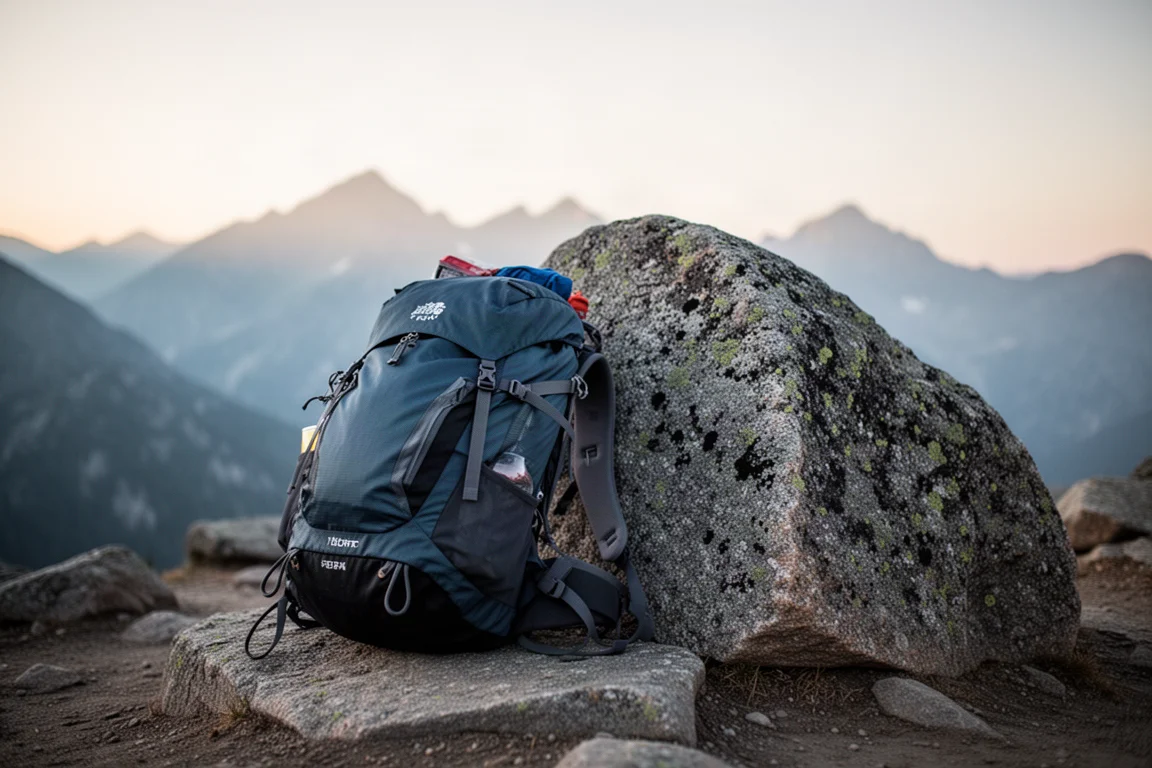
Start with the conditions rather than the spec sheet. Exposed desert or alpine terrain rewards an umbrella and punishes minimal stakes. Dense forest and rough brush argue against a delicate Alpha layer. Long-mileage days with a suppressed appetite make a 700 calorie shake more valuable than another freeze-dried dinner. Where an item sits on the weight-versus-capability scale matters less than whether it fits the trips you take most often.
Price is the second filter. A $45 umbrella, a $105 hoodie, and a $100 chair are all reasonable purchases for the right user, and all are poor value for someone whose trips do not call for them. If an item solves a problem you have actually experienced, the premium is easier to justify.
Conclusion
These nine pieces of gear are worth considering because each one solves a specific problem: shade on exposed trails, warmth while moving, dry feet at camp, a seat at the end of the day, minimal anchoring weight, sun protection that disappears into a pack, a stove that costs almost nothing, and calories for days when eating is hard. None of them is universally right, and several are deliberately polarizing.
The most useful way to read this list is as a set of trade-offs rather than a set of recommendations. Choose the items that match your terrain, your appetite, and your tolerance for fiddling with gear, and leave the rest on the shelf. That is what separates camp worthy gear from the stuff that stays home.
Further reading
Related Reviews
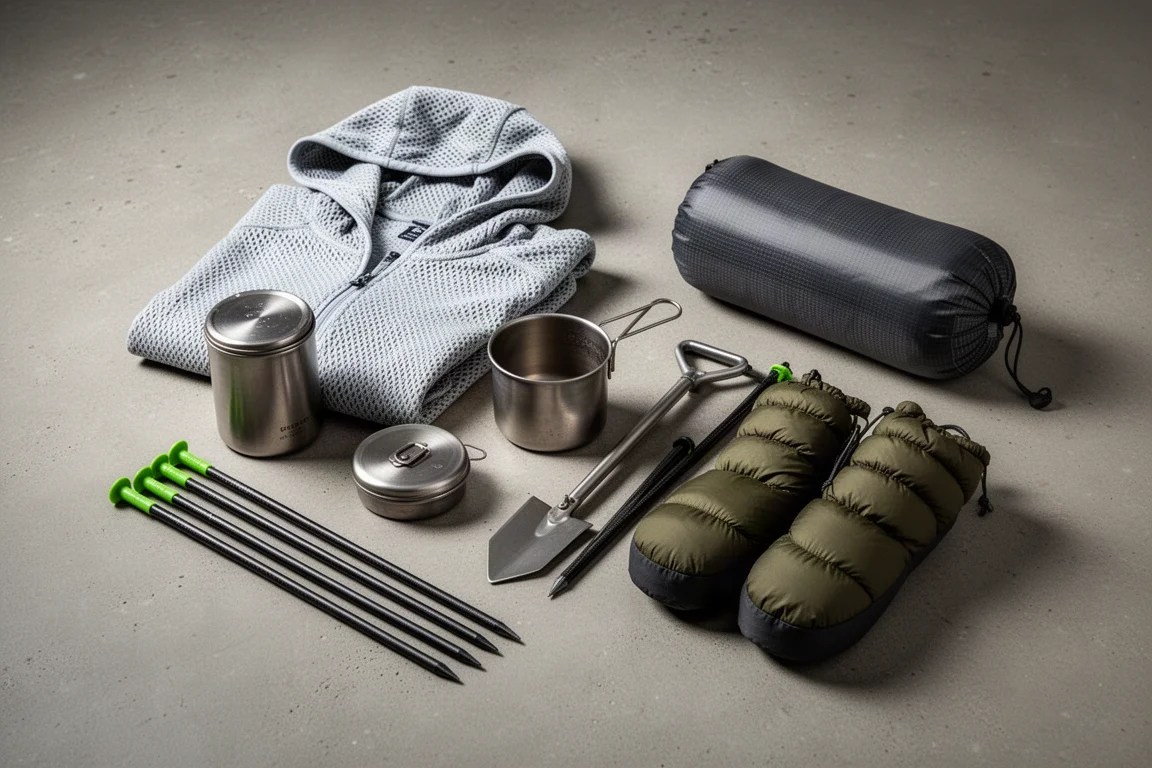
Ultralight Backpacking Gear
Seven Small Ultralight Brands Making Gear Worth Packing
Seven cottage-made ultralight pieces, from a 4 oz fleece hoodie to carbon fiber stakes and Dyneema storage, and what each one is genuinely good for.
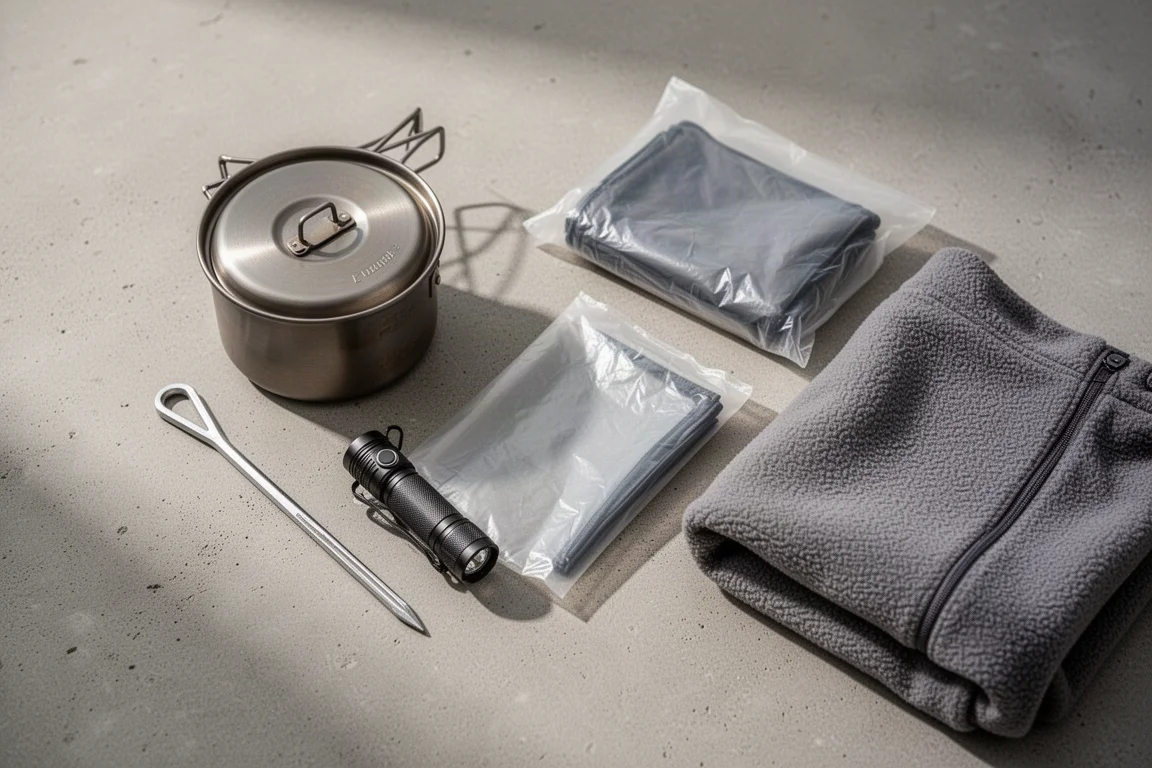
Ultralight Backpacking Gear
Ultralight Backpacking Gear: 12 Small Upgrades That Save Real Grams
A practical look at twelve tiny ultralight backpacking items, what each one replaces, and the trade-offs worth knowing before you buy.
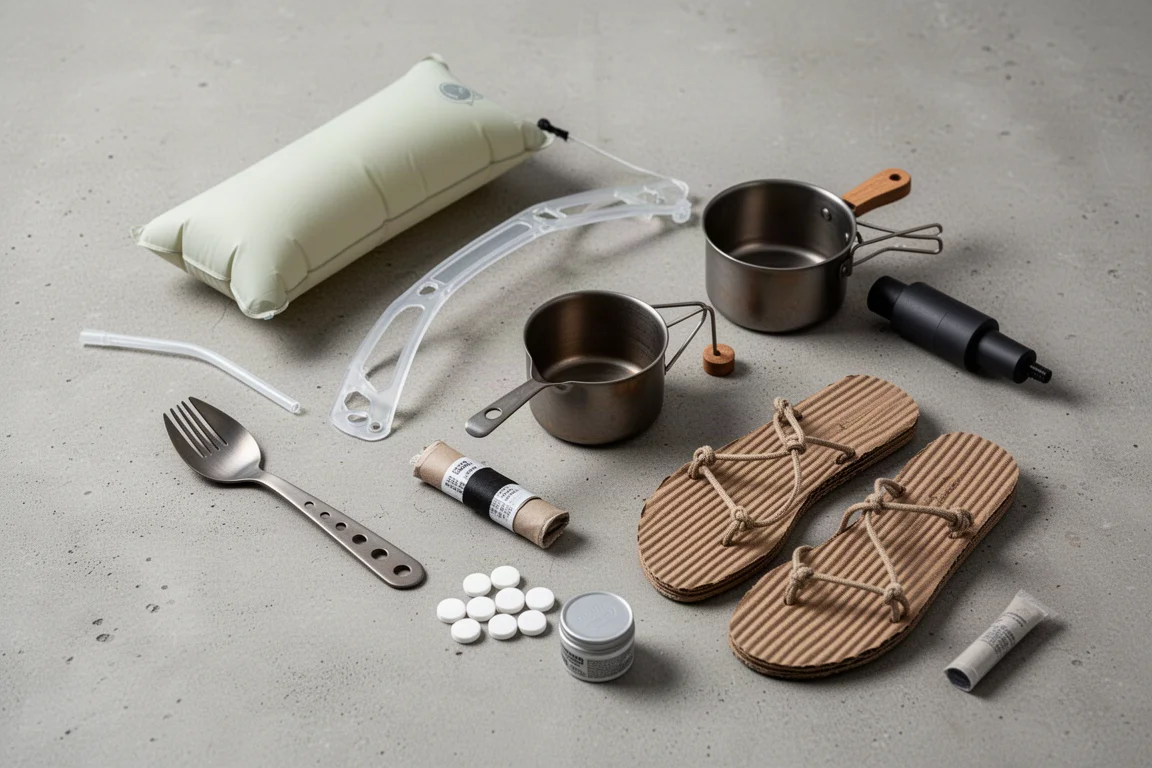
Ultralight Backpacking Gear
8 Funky Ultralight Backpacking Gear Picks Worth a Second Look
Eight small, unusual ultralight backpacking items, from a two-dollar medical pillow to a titanium pour-spout pot, and what each one actually does well on trail.