Backpacking Gear
Ultralight Spring Backpacking Gear: Six Field-Tested Items for Mixed Alpine Conditions
Six ultralight backpacking items for spring conditions, covering weight, on-trail capability, comfort, and the cold-weather limits worth knowing before you buy.
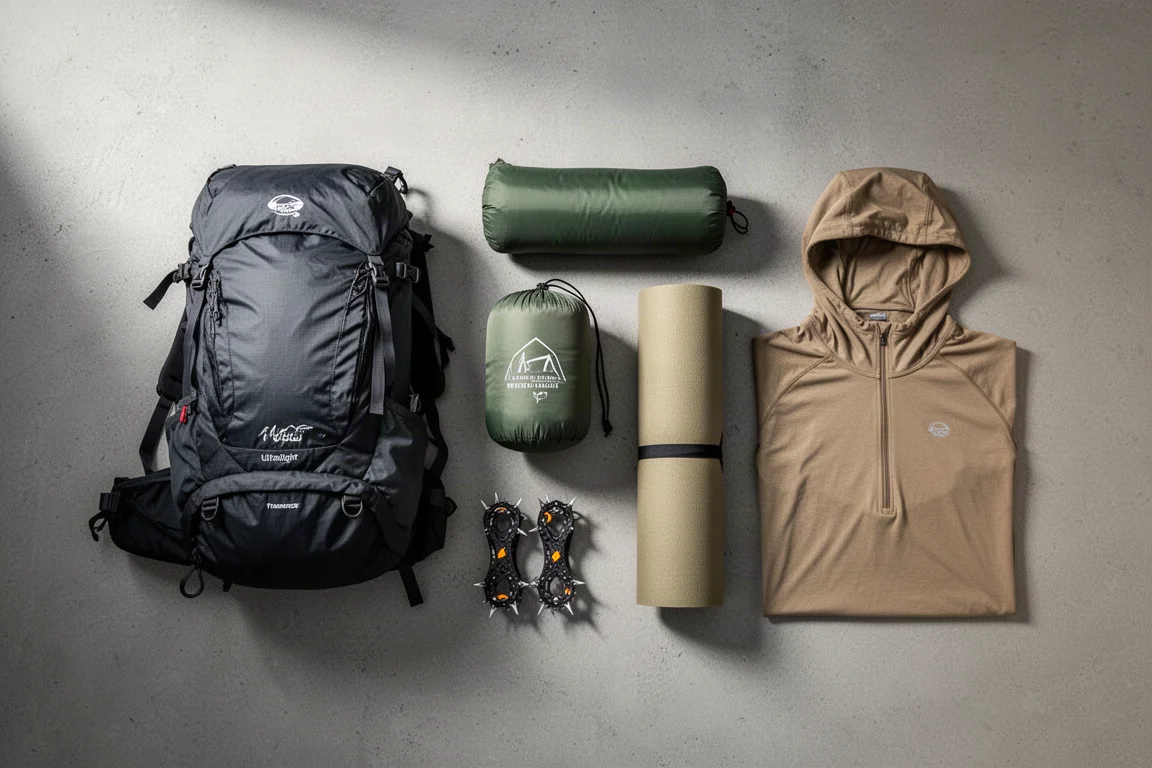
Introduction
Spring in the mountains rarely offers one consistent set of conditions. On the same day, a trail can hold winter snow and grey ice while the air sits comfortably warm, and the overnight forecast can still drop well below freezing. Add wind exposure on a ridge and the margin for error narrows quickly.
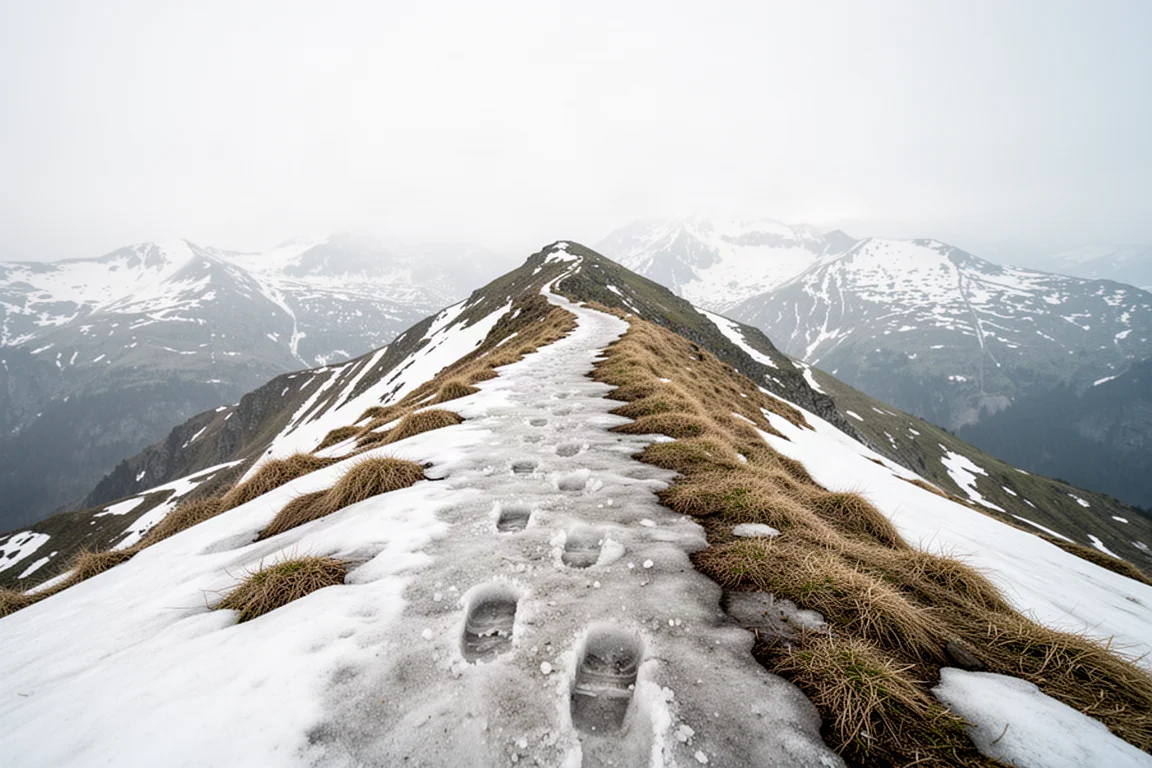
That mix is exactly why gear selection matters more in spring than in almost any other season. A light load helps on big elevation gains, especially when an extra 10 lb of water has to be carried, but the same load still has to handle ice, snow, wind, and a cold night. The six items below were carried and used on an exposed ridge trip in the Canadian Rockies, with roughly 700 to 800 m of elevation gain, strong overnight gusts, and a low of about minus 3 °C.
How These Items Were Evaluated
Each item was judged on four things: how much weight it adds to a pack, how well it performs on mixed snow and ice, how comfortable it is over a long day or a cold night, and how simple it is to use when conditions change.
Weight is the obvious starting point for ultralight gear, but the more useful question is whether the savings cost anything in capability. A pack that carries badly at 35 lb, a pad that sleeps cold, or a traction device that hurts after a few hours will undo the benefit of a lighter number on paper.
Best Ultralight Pack: Lite AF Curve 40
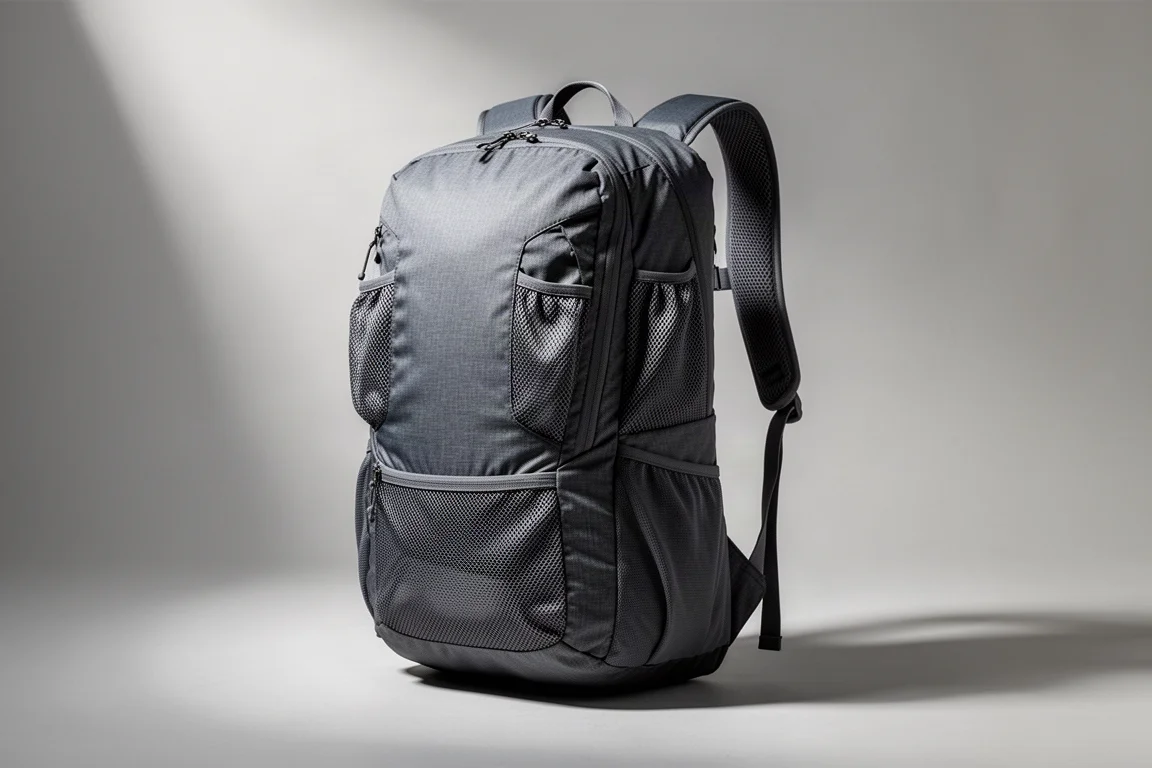
The Lite AF Curve 40 is a frameless ultralight pack that weighs under 900 g in its stock configuration. The version used here was ordered with the full set of add-ons, including two upper side pockets, a bottom pocket, and shoulder strap pockets, which pushed the total to 999 g, just under the 1 kg mark.
Organization is the standout. Between the hip belt pockets, the shoulder strap pockets, the bottom pocket, and the two upper side pockets, this is one of the most accessible packs available for keeping snacks, layers, and small items within reach without stopping.
Carrying 35 lb in a frameless pack is the real question, and it handled the load without complaint. The absence of load lifters is worth flagging for anyone who routinely carries heavier loads, since it leaves less room to tune the carry.
Best Traction for Icy Trails: Kahtoola Ghost Microspikes
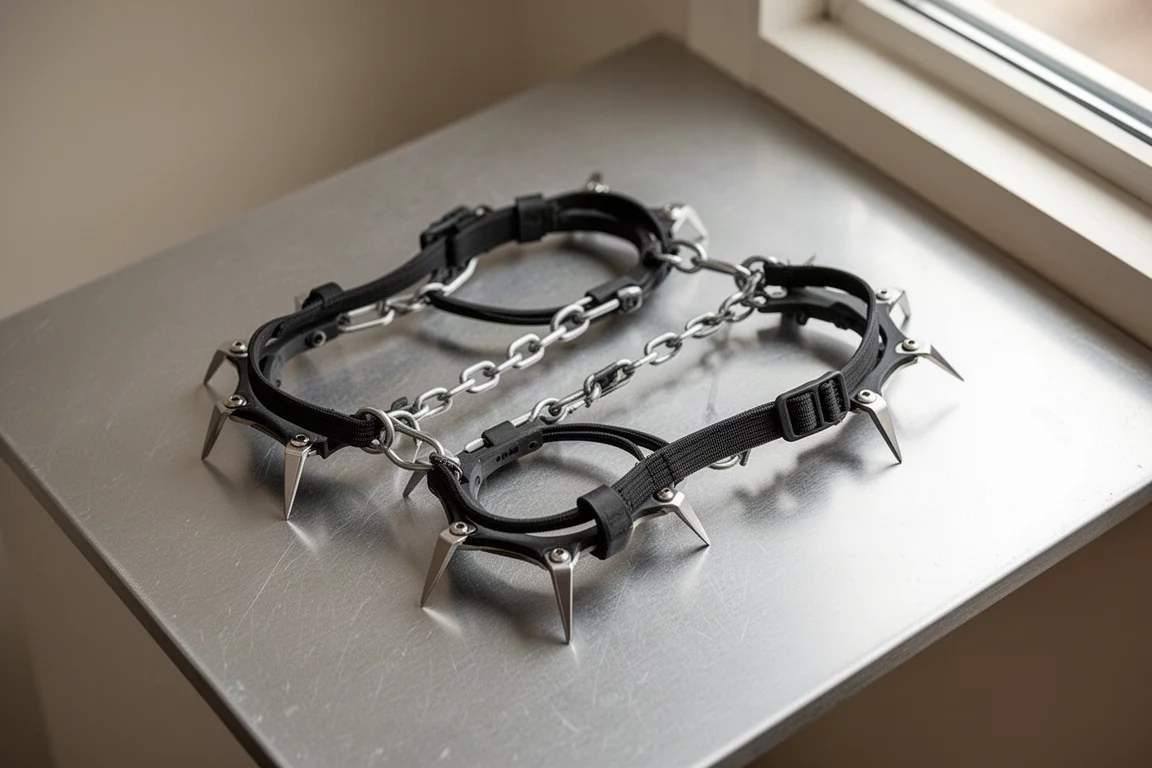
The Kahtoola Ghost Microspikes are among the lightest traction devices on the market, and the design keeps them capable rather than merely minimal. The points are shorter than those on many other microspikes, which makes them feel less like walking on spikes over long distances and reduces the foot discomfort that can build up on extended climbs.
The harness that holds them onto a boot is secure and easy to work with, and the shorter profile still bites into hard snow and ice. On a long ascent with sustained elevation gain, they gave reliable grip on snow-covered trail without adding noticeable weight to the pack.
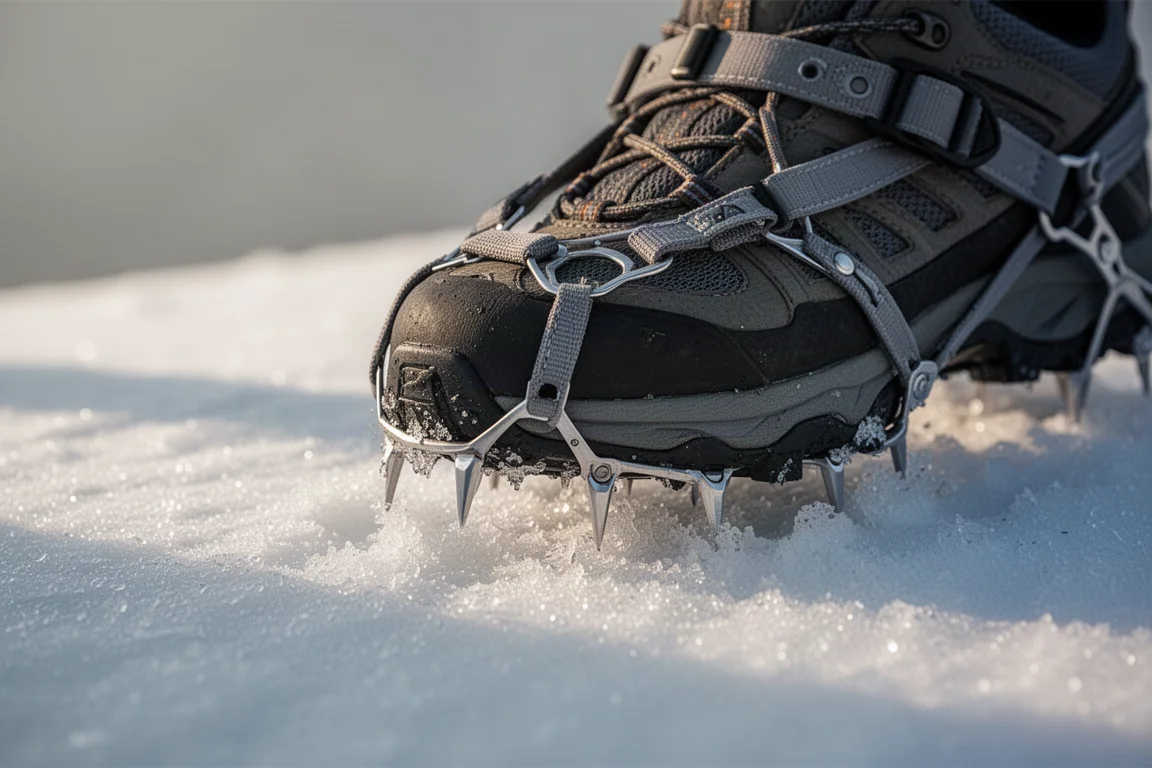
They stayed in the pack through the softer snow sections of the climb, and they were the plan for the frozen descent the following morning, which is the scenario they are built for. Anyone hiking spring trails with firm overnight crust or lingering ice patches will get more use out of them than a summer-focused traction device.
Best Ultralight Tent: Nemo Dragonfly
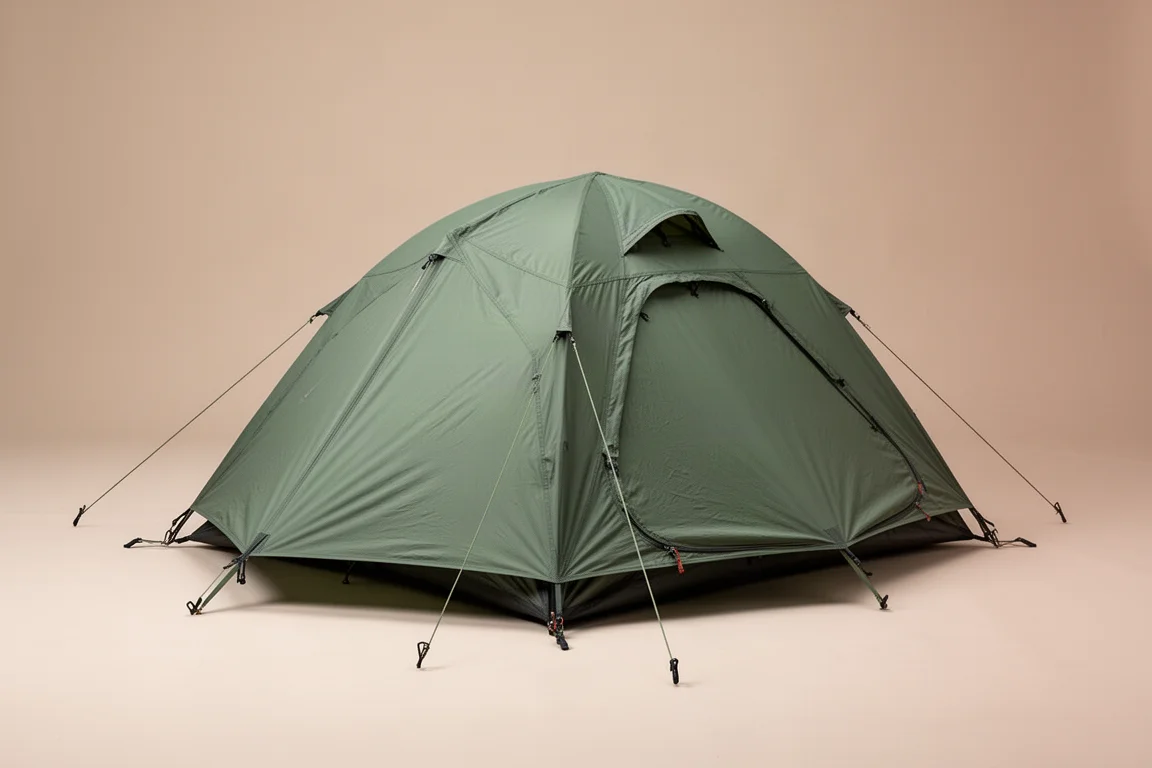
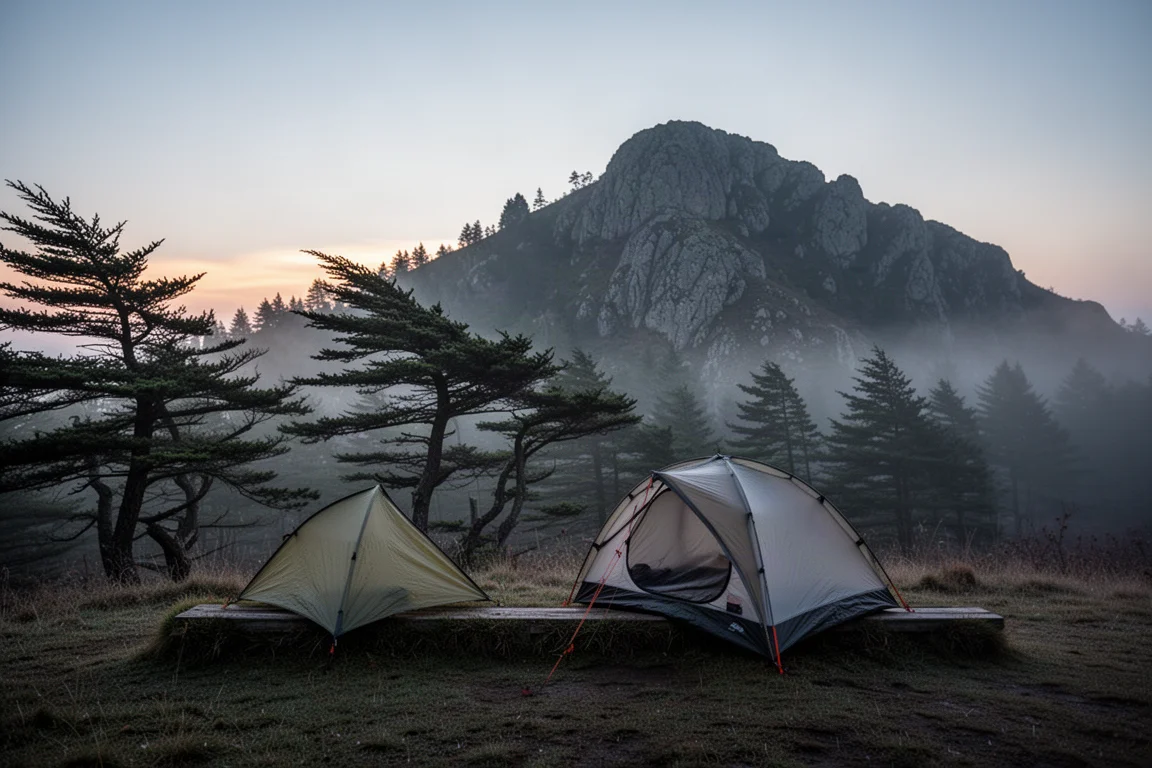
The Nemo Dragonfly is a freestanding two-person ultralight tent, and the 2026 version makes several meaningful updates. The earlier model was among the lightest freestanding two-person tents available; the new version gains a little weight, and the changes largely justify it.
The most visible change is at the head end, where the fly now runs to the ground instead of stopping partway up. A vented peak with a small kickstand prop has been added to improve airflow and reduce condensation. The door also lost one guy-out point, so a full pitch now needs six stakes instead of eight.
Interior volume is the other headline. A wider brow pole increases headroom and shoulder room, and a large pocket at the foot end keeps clothing and a down jacket off the floor. The trade-off is a taper toward the foot end, which means two 25-inch wide rectangular pads will not fit; mummy-shaped pads are the practical choice. The steeper, taller walls also catch more wind than the previous geometry.
In strong overnight gusts the tent stayed stable and, just as importantly, quiet, particularly once all six stake-out points and all six guy-out points were tensioned. It pitches inner first with the fly over the top rather than in one piece, which is worth knowing before buying.
Best Sleeping Pad: Exped Ultra 6.5
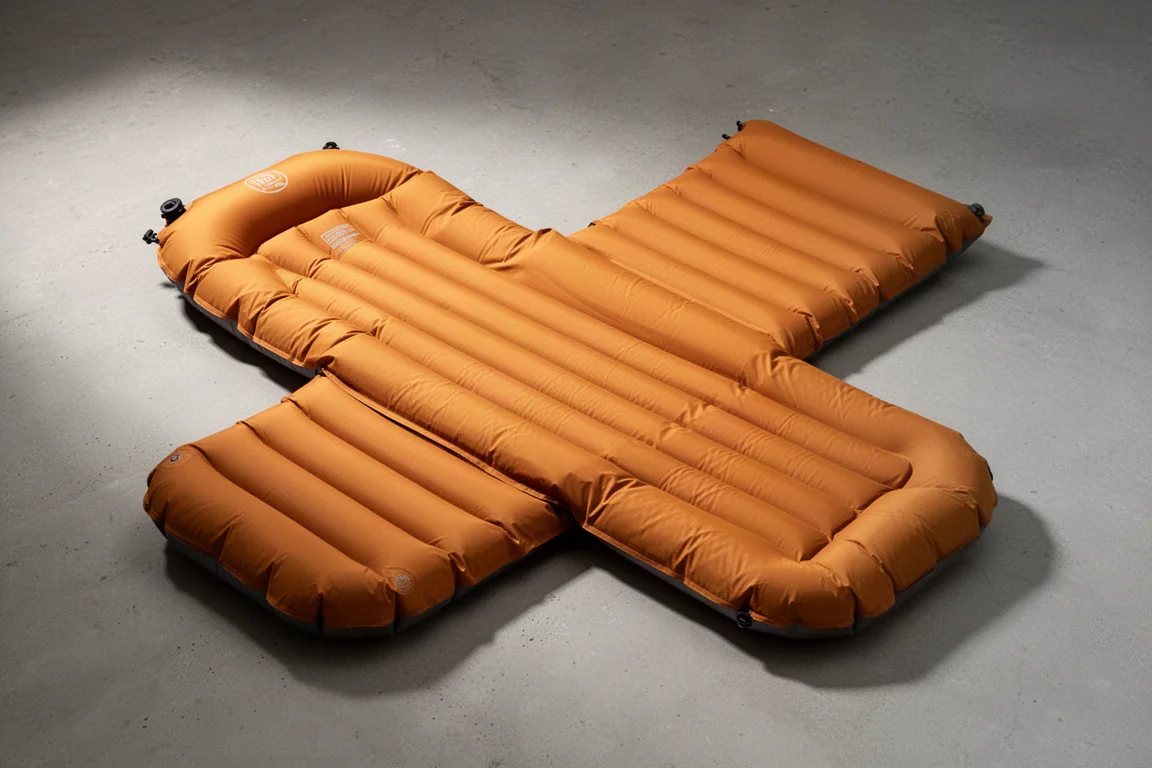
The Exped Ultra 6.5 in its mummy shape is roughly 150 g lighter than the rectangular version in a wide size, which puts it among the lightest options for a warmth target of around minus 5 to minus 6 °C. Comfort has long been a strength of the Ultra line, and the mummy cut is less noticeable in use than the shape suggests.
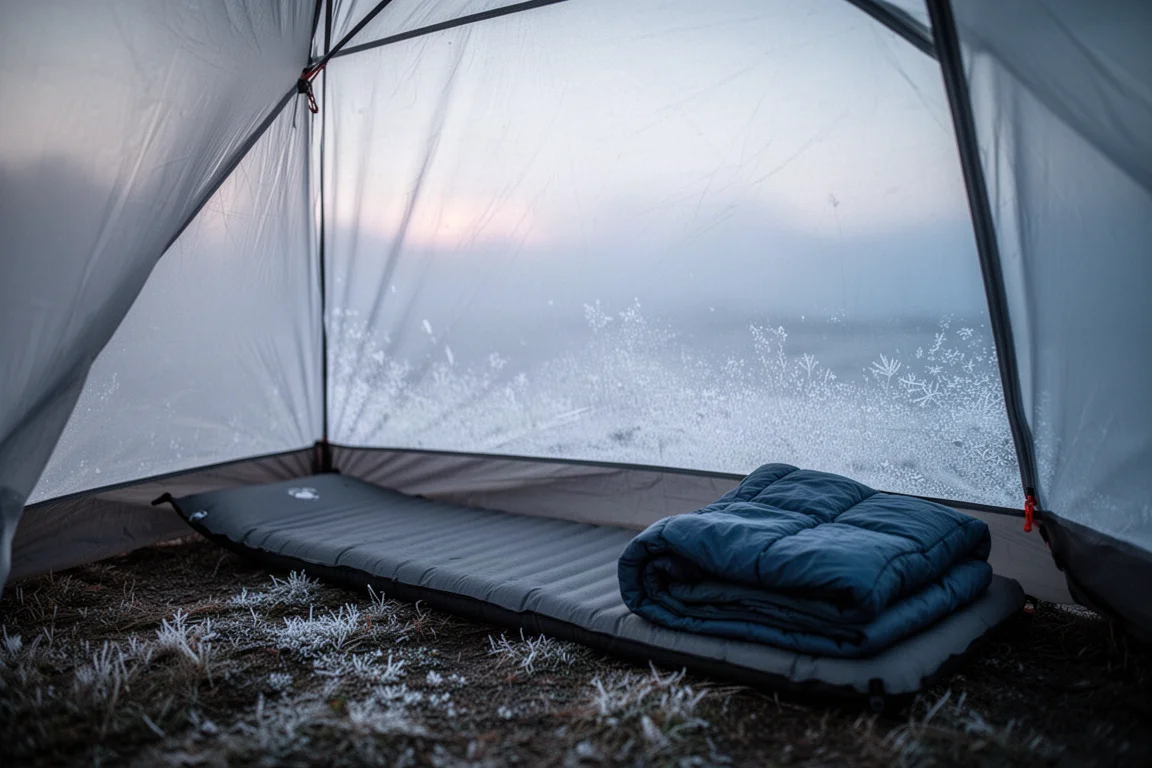
Cold-weather performance is where the mummy version runs into trouble. On a night that settled around 0 °C, with a quilt rated to minus 12 °C and alpaca base layers in use, heat loss through the pad was still noticeable. The main cause is the insulation layout: the two outer tubes do not carry insulation along their full length, and the tube next to them stops short closer to the foot end. The production pad also showed gaps in the insulation around the hip and seat area when a light was shone through it.
The rectangular version has been used down to roughly minus 5 to minus 6 °C without the same problem, so it remains the safer choice for cold sleepers. The mummy version is comfortable and light, but it sleeps noticeably cooler than its shape and weight suggest.
Best Camp Pillow: Sea to Summit Aeros Premium Pillow
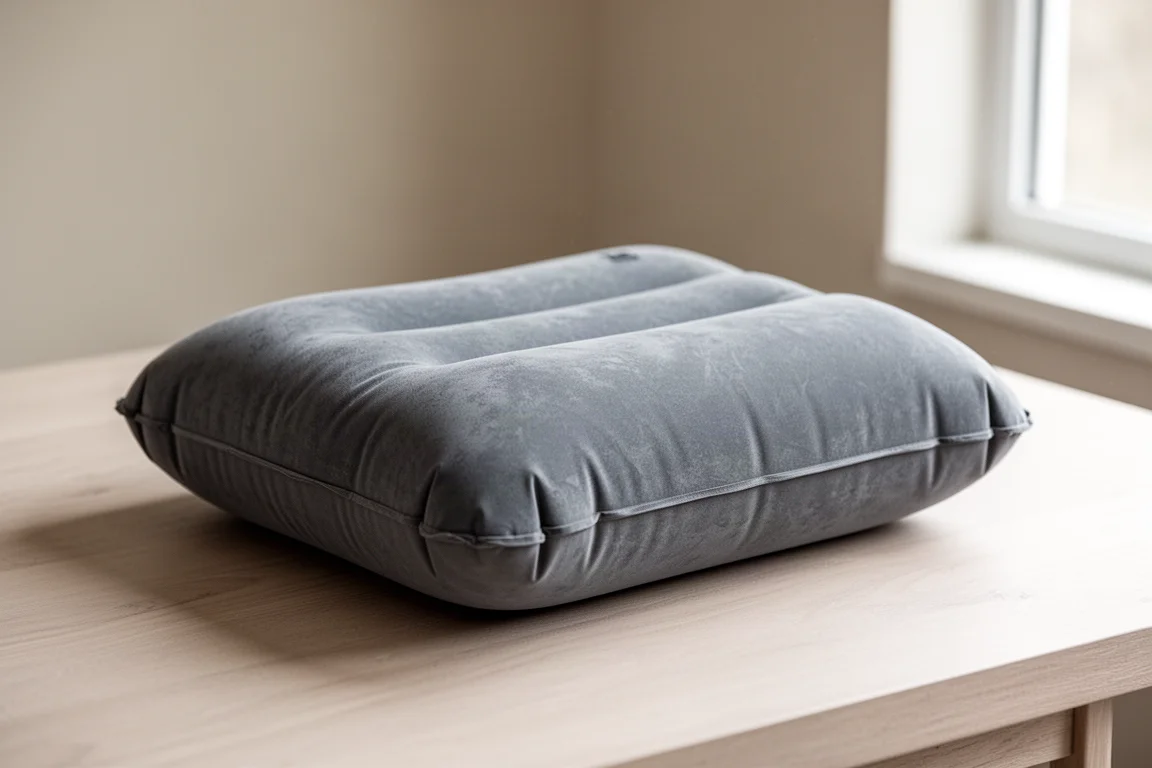
The Sea to Summit Aeros Premium Pillow weighs 90 g in the regular size, which is remarkable for a pillow that includes a soft fabric cover and a memory foam layer on top. The height is generous enough for side sleeping, and the foam lets the head sink in slightly, which takes pressure off the ear.
Every Sea to Summit pillow now ships with the Pillow Lock system: sticky hook-and-loop strips that attach to a sleeping pad so the pillow stays in place overnight. It works without pad straps, and it held the pillow steady through several changes of sleeping position.
The memory foam also adds a useful layer of insulation. In sub-freezing conditions, an uninsulated air pillow can pull heat away from the head, and the foam reduces that loss. Fully inflated, the pillow felt too firm for comfort, so a partial deflation is worth trying; that comes down to personal preference.
Best Layering Piece: Arms of Andes Sun Hoodie
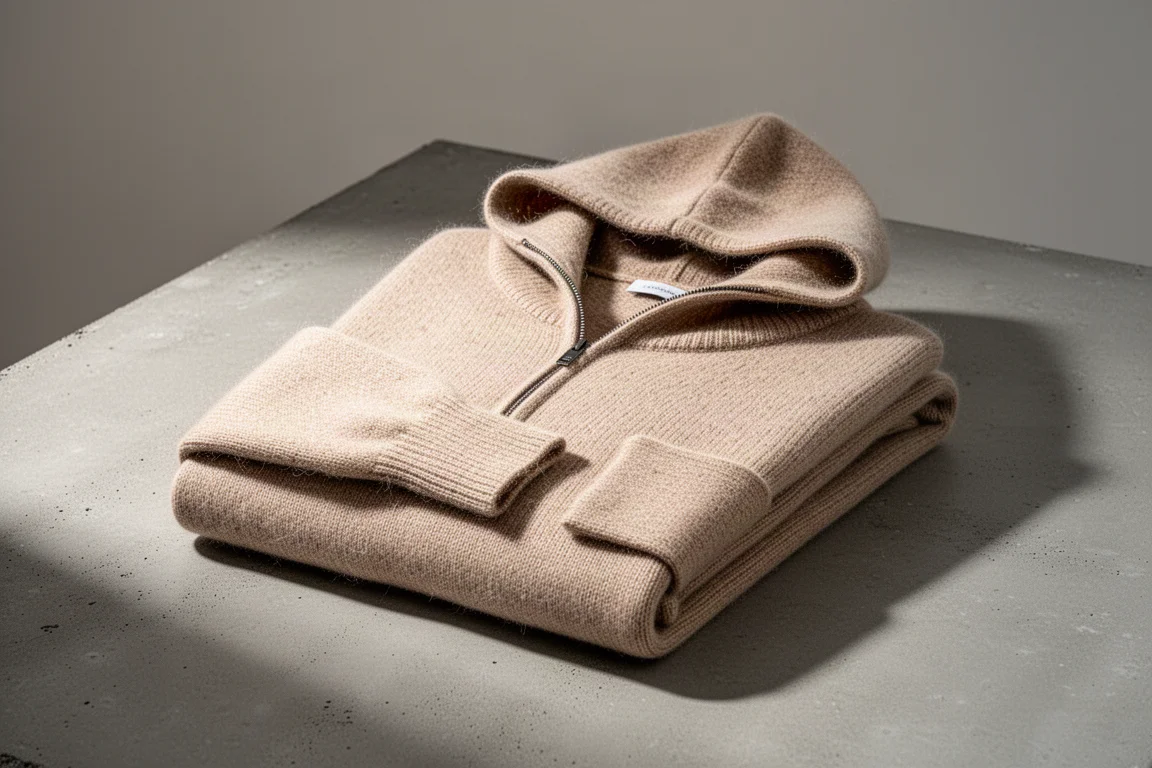
The Arms of Andes Sun Hoodie is a heavier-weight hooded layer made from alpaca wool, and the fabric is 100% alpaca rather than a blend with synthetic fibres. The only plastic components are the zippers. That matters because alpaca wool resists odour far better than most hiking fabrics and does not hold onto moisture the way merino can.
In practice, the hoodie regulated temperature well across changing effort levels. On sustained climbs it did not feel overheated, and on flatter sections and short stops it did not leave the wearer chilled. Sweat dried quickly, which meant a down layer was not needed immediately after a climb. The hood adds sun protection, and the chest zipper dumps heat when the pace picks up.
The one caveat is layering under a rain shell: the fabric is warm enough that it can feel too hot underneath a waterproof jacket. For spring trips with warm days and cold nights, it is a strong standalone layer.
Buying Advice
Start with the conditions you actually expect rather than the lightest number available. A spring trip with firm overnight crust, lingering ice, and a sub-freezing night puts a premium on traction, a warm sleep system, and a shelter that can handle wind, even if each of those items weighs a little more.
The Lite AF Curve 40 makes the most sense for hikers who value on-the-move access and are comfortable with a frameless carry. The Kahtoola Ghost Microspikes suit mixed snow and ice where a light, comfortable traction device matters more than maximum bite. The Nemo Dragonfly fits anyone who wants a freestanding two-person tent and accepts an inner-first pitch; two people sharing regularly should look at the three-person version for the extra space.
For sleep, the rectangular Exped Ultra 6.5 is the warmer and more forgiving option, while the mummy version trades warmth for a 150 g saving. The Sea to Summit Aeros Premium Pillow is one of the few camp pillows that earns its place in a pack on comfort alone, and the Arms of Andes Sun Hoodie covers the wide temperature swing that defines spring.
Conclusion
Six items, one cold and changeable ridge trip, and a clear pattern: the lightest option is not automatically the best one. The pack and the pillow earned their weight savings without giving up function, the microspikes and hoodie handled the conditions comfortably, and the tent traded a small weight increase for noticeably more interior space and stability.
The sleeping pad is the useful caution. Saving 150 g is appealing, but insulation that stops partway down a pad can make a cold night colder, and the rectangular version remains the more dependable choice when temperatures drop toward freezing and below.
Further reading
Related Reviews

Backpacking Gear
Building a 10 lb Base Weight: An Ultralight Backpacking Gear List
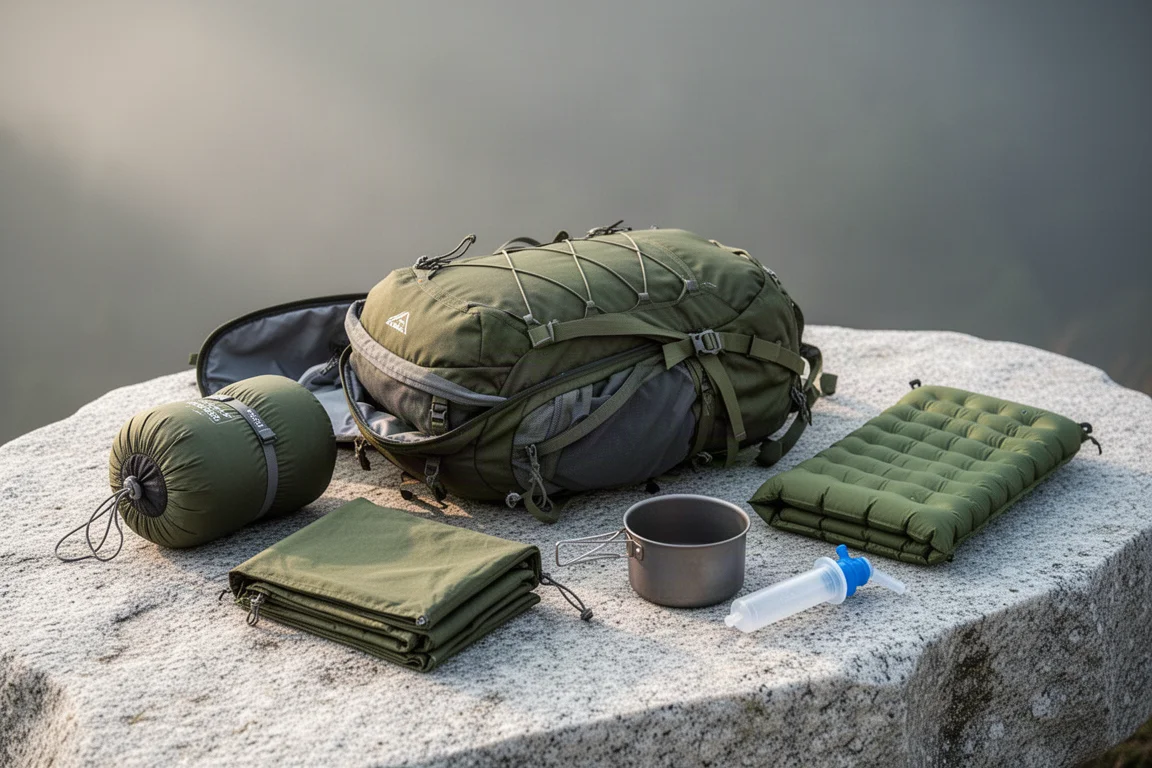
A practical walkthrough of the ultralight pieces behind a 10 lb base weight, from a 765 g pack and a roomy one-person tent to a full camp chair and a dependable water filter.
Backpacking Gear
A 15-Pound Lightweight Backpacking Gear List for Solo Trips
A beginner-friendly 15-pound backpacking setup built from easy-to-find gear, with notes on what each piece does, how it packs, and where to spend your attention.
Backpacking Gear
8 Ultralight Backpacking Gear Upgrades Worth Carrying
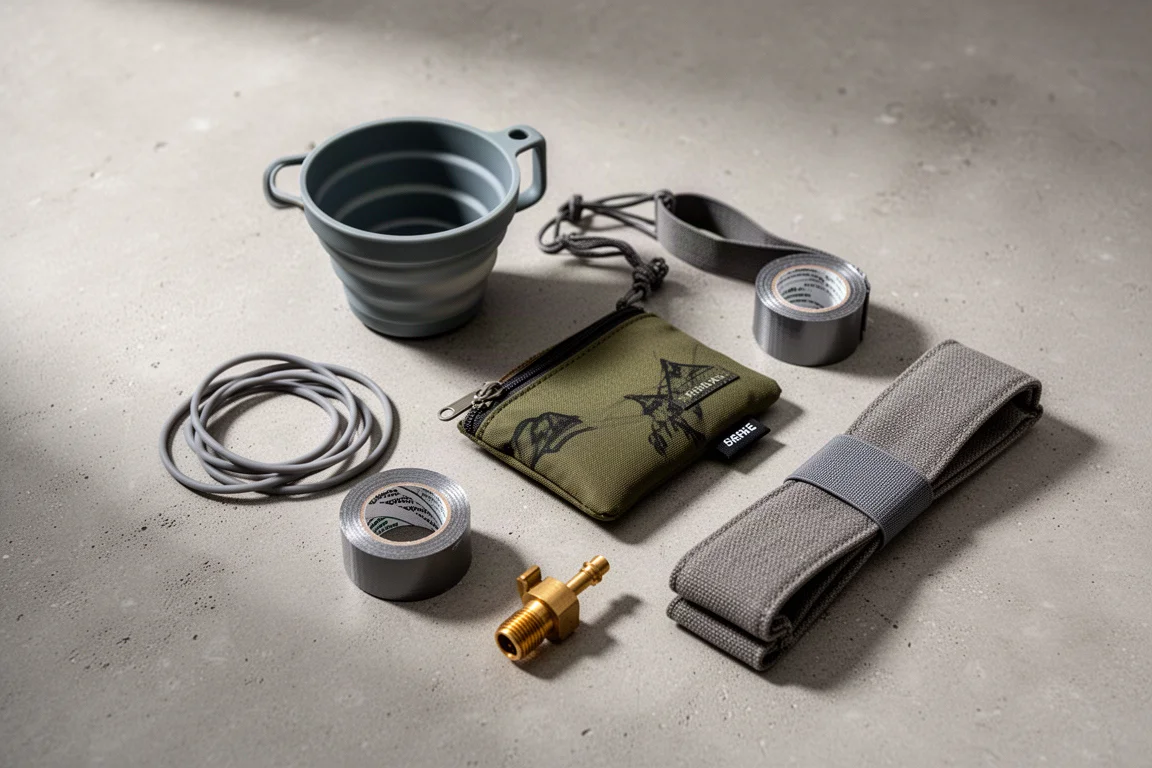
Eight small, affordable backpacking upgrades that solve real trail annoyances, from a pillow that stays put to a fuel valve that rescues leftover canister gas.