Backpacking Gear
Ultralight Gear for a 400 Mile Alaska Wilderness Traverse: Eight Picks Worth Packing
A practical look at eight lightweight gear additions for a long, remote backpacking route, including what each one solves and the trade-offs to weigh first.
Introduction
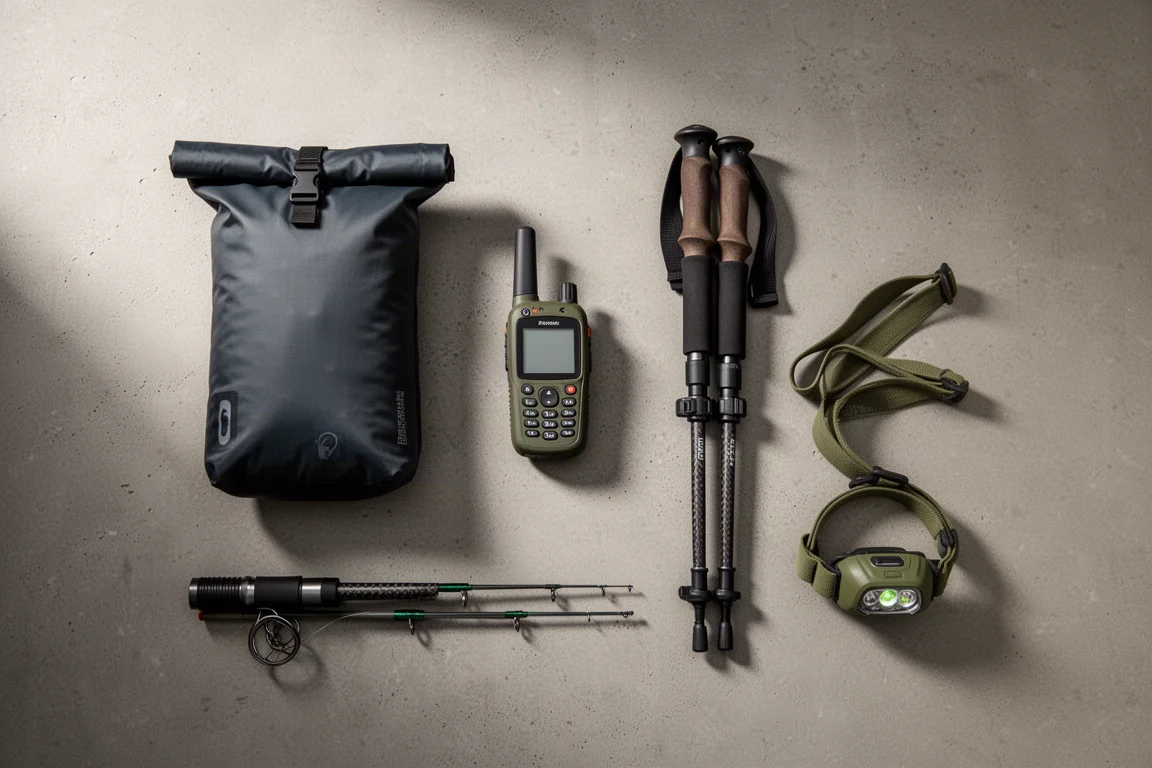
Long, remote routes change what earns a place in a pack. A 400 mile traverse through the Brooks Range in Alaska crosses country with no roads, no trails and no towns, so food arrives by bush plane every six to eight days and everything else has to be carried. That load includes a packraft, a paddle and a PFD on top of the usual camping kit. The whole list is shaped by a single question: how little can be carried without giving up comfort, safety or fun?
The eight items below are the additions and upgrades that answer it. Some are safety equipment that only earns its weight in genuinely wild terrain, a couple replace heavier alternatives, and a few exist to make a long route more enjoyable. Each is worth judging on its own terms before deciding whether it belongs in your pack.
What This Kit Is Built For
Three constraints drive every choice here. Weight comes first: extra equipment such as a packraft and a paddle has to be offset somewhere, so bulky and heavy items are the first to go. Resupply comes second: with six to eight days of food between drops, fuel and food storage have to be refillable and packable rather than convenient only in town. Containment comes third: keeping gear inside the pack matters more than usual when everything is exposed to weather and brush for weeks at a time.
Fuel strategy follows the same logic. An alcohol stove setup makes more sense than canisters on this route, because a single bottle can be topped up at a bush-plane meetup instead of packing out several empty canisters over 400 miles.
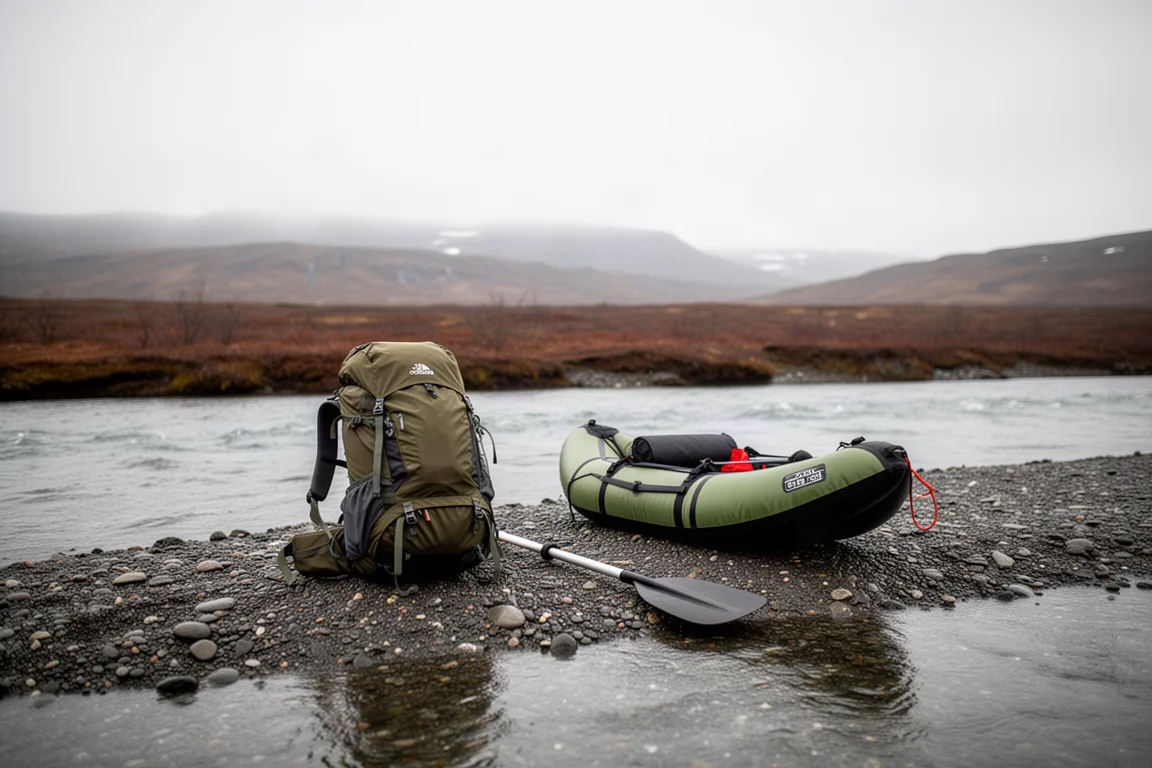
What the list does not do is chase grams at any cost. A few grams are traded for usability, and a couple of luxuries are included on purpose, because a month of hard walking is easier to sustain when there is something to look forward to at camp.
Bear-Resistant Food Storage: Adotec Bear Locker
Food storage is the one category where a route through grizzly country leaves little room for compromise. A hard-sided canister is the familiar answer, but it is bulky, heavy and awkward to fit inside a pack that is already carrying a raft and a paddle.
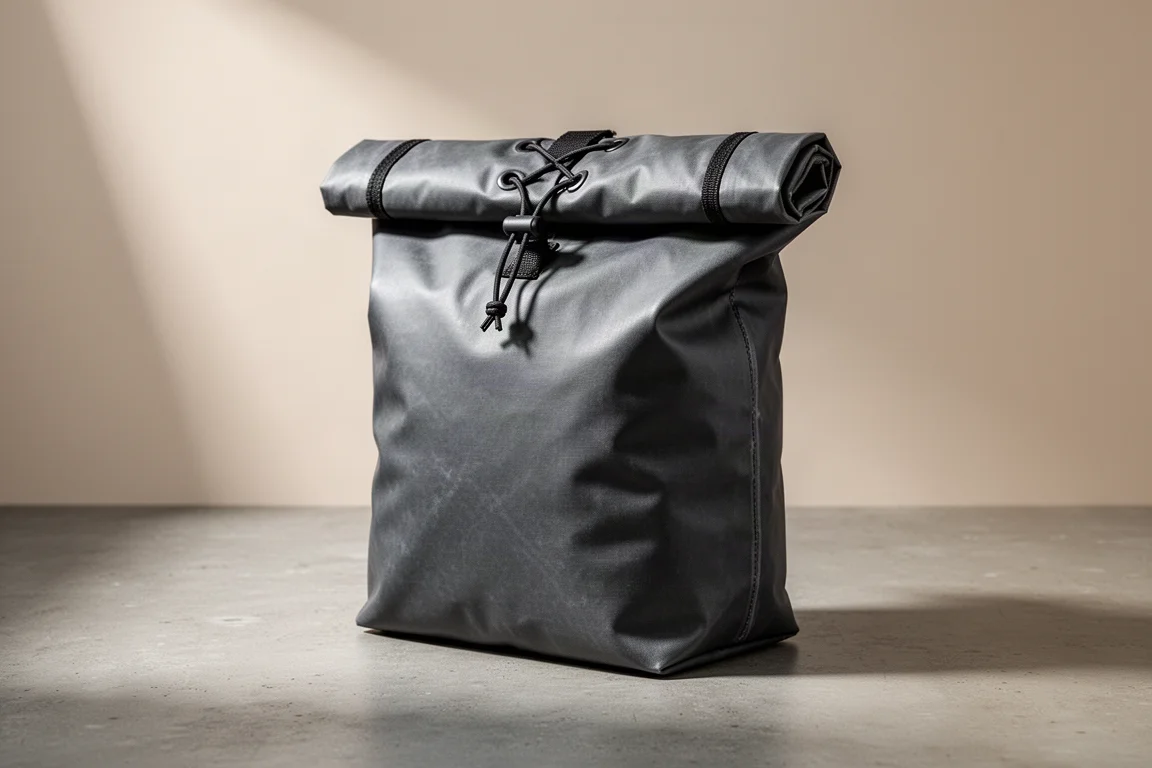
The Adotec Bear Locker takes the soft-sided approach. It is a roll-top bag with a lacing closure at the top, built from a very thick, heavy-duty fabric rather than the Kevlar used in other soft bear bags. The 14 litre version holds roughly six days of food, which lines up with a typical resupply window on a long Alaska route, and it shrinks as the food disappears instead of holding a fixed volume.
Satellite Communication: Garmin inReach Mini 2
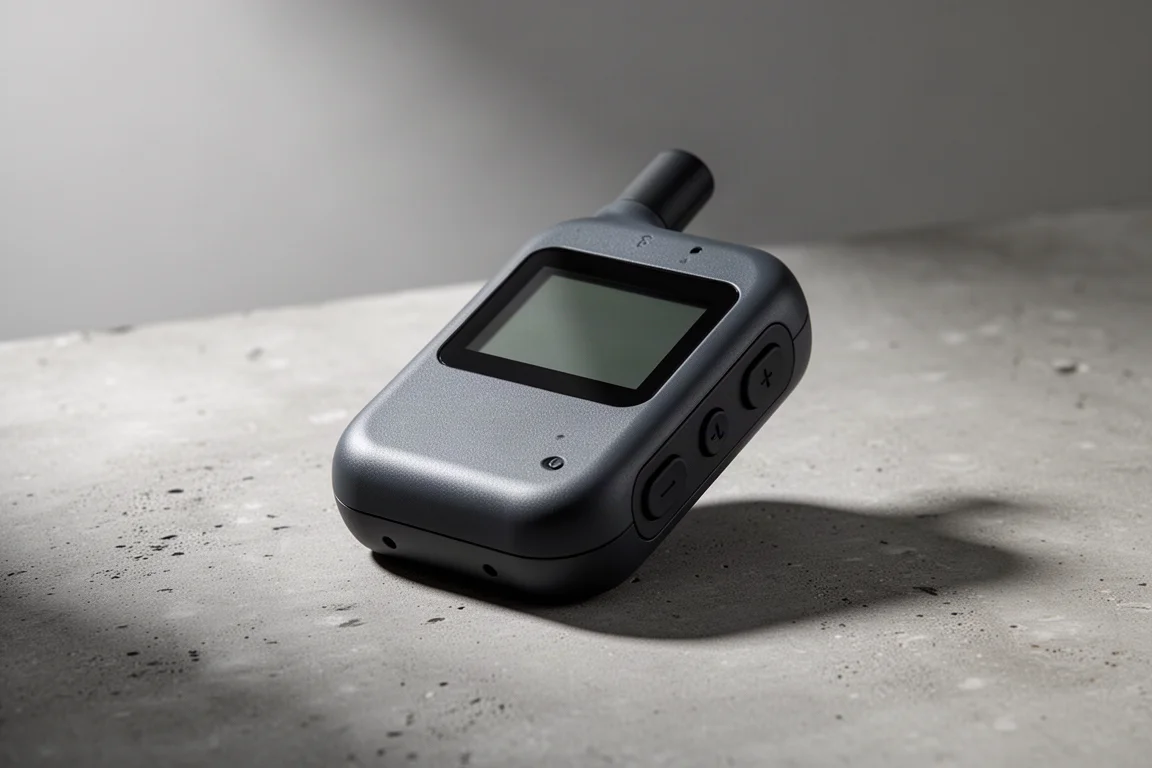
Satellite messengers have long been optional on well-travelled long trails, where help is usually a day or two away. On a route with no roads, no towns and almost no other hikers, they become part of the safety plan rather than a luxury. The Garmin inReach Mini 2 adds two-way messaging and an SOS function in a body small enough to live in a hip belt pocket.
The practical uses are straightforward. A nightly message confirms that everything is fine, and the same device can coordinate meeting points with bush pilots when a resupply drop depends on a narrow weather window. The Mini 2 is the newer generation of the familiar mini form factor, with upgraded features and better signal performance than the earlier version.
Navigation and Route Planning: OnX Backcountry
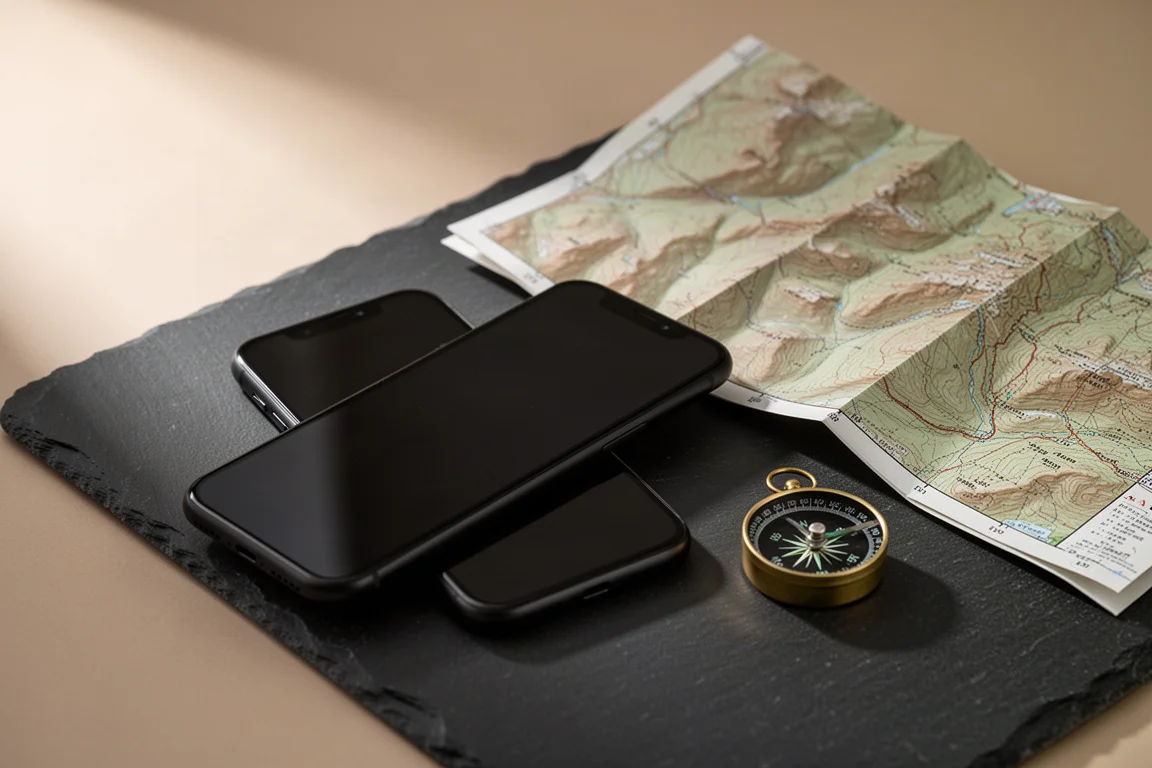
With no trail to follow, navigation becomes route finding. OnX Backcountry was used to plan the entire traverse: mapping a line through the Brooks Range, checking elevation, identifying where camping is realistic, noting where a bush plane could land, and watching weather along the way. Building a route like that took about a week of cross-referencing mapping information, and the finished plan, including waypoints and drop points, was saved to a phone.
That is also how it gets used on the move. The satellite messenger handles emergencies and messages while the phone handles navigation, which keeps each device doing the job it does best.
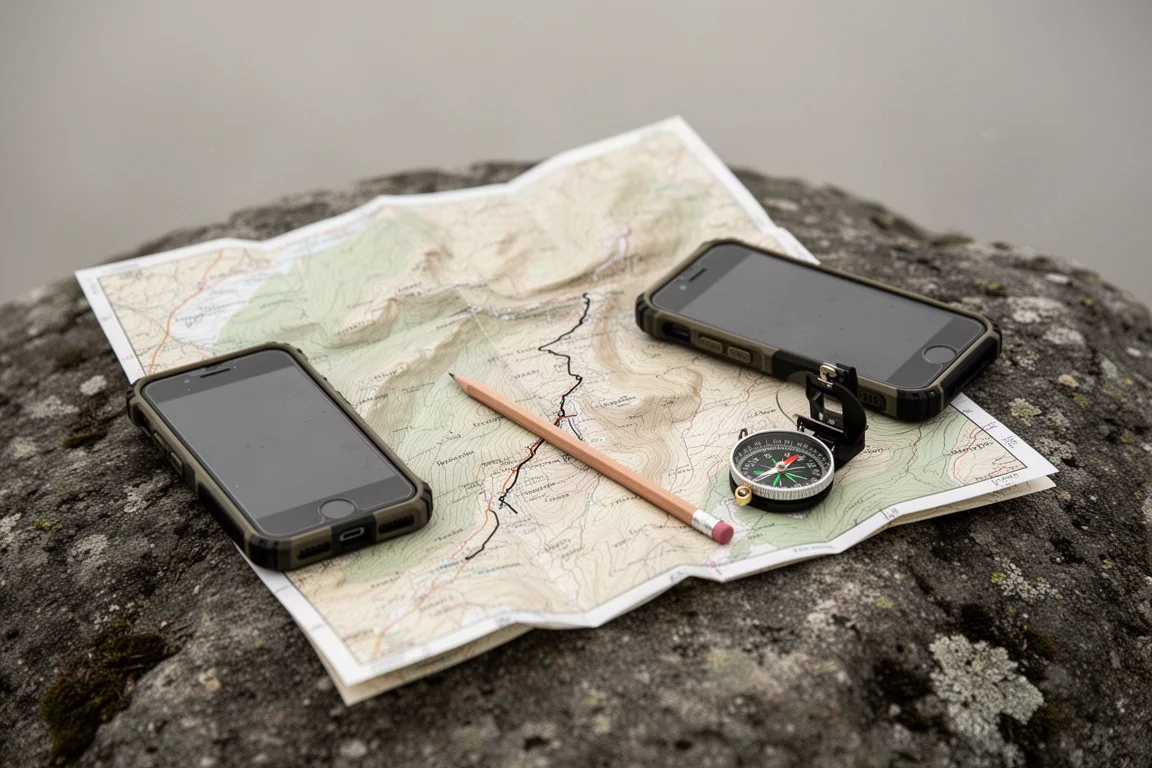
Offline access matters more than any single feature here, because there is no signal to fall back on. A saved route with elevation data, camp options and resupply points turns an abstract plan into something that can be followed day by day.
Trekking Poles: Durston Iceline
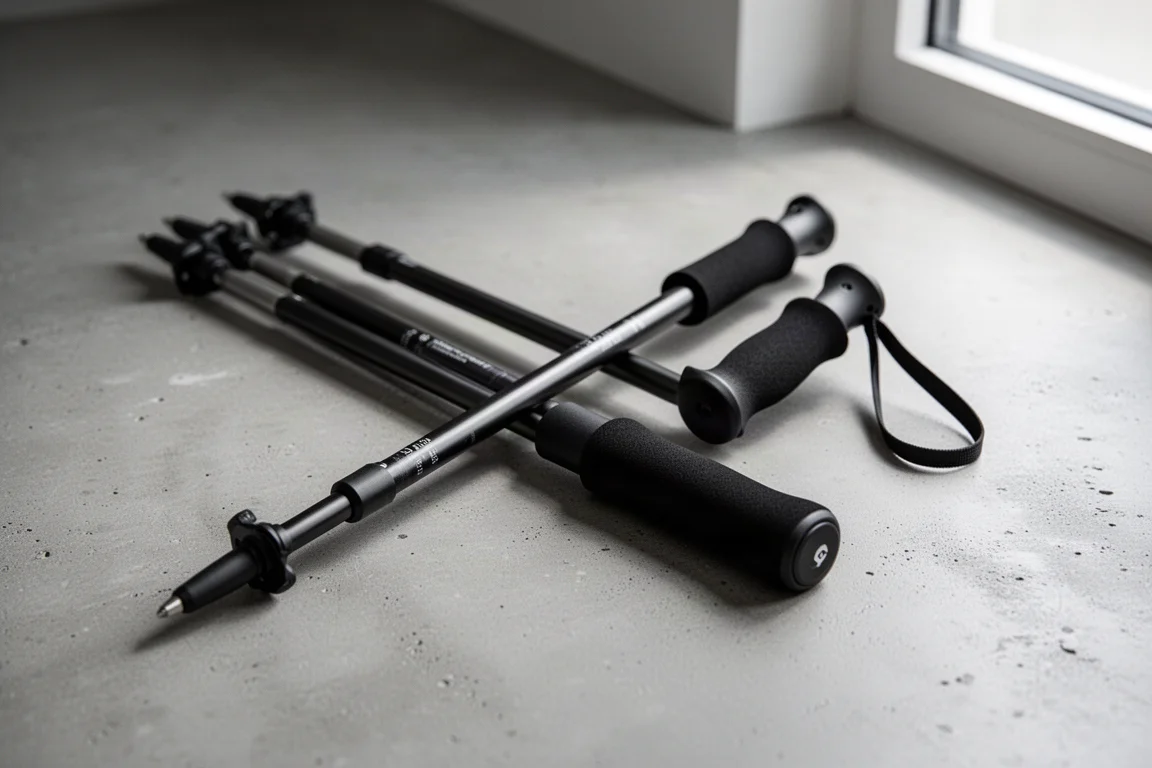
Poles do more than save the legs on a heavy carry. On a route where a trekking-pole-supported shelter is the tent, they also become structural. The Durston Iceline poles are a two-piece carbon design that is very light, genuinely adjustable and unusually stiff for its weight class. They break down small enough to pack inside a raft, which matters when everything has to be stowed rather than strapped on.
The trade-off is the handle material. The grips are EVA rather than cork, and cork remains the more comfortable choice for hikers who have used it for years. Even with a separate extension added, the complete pole system still comes in lighter than the older, bulkier poles it replaces.
Extending the Setup: Zpacks Pole Jacks
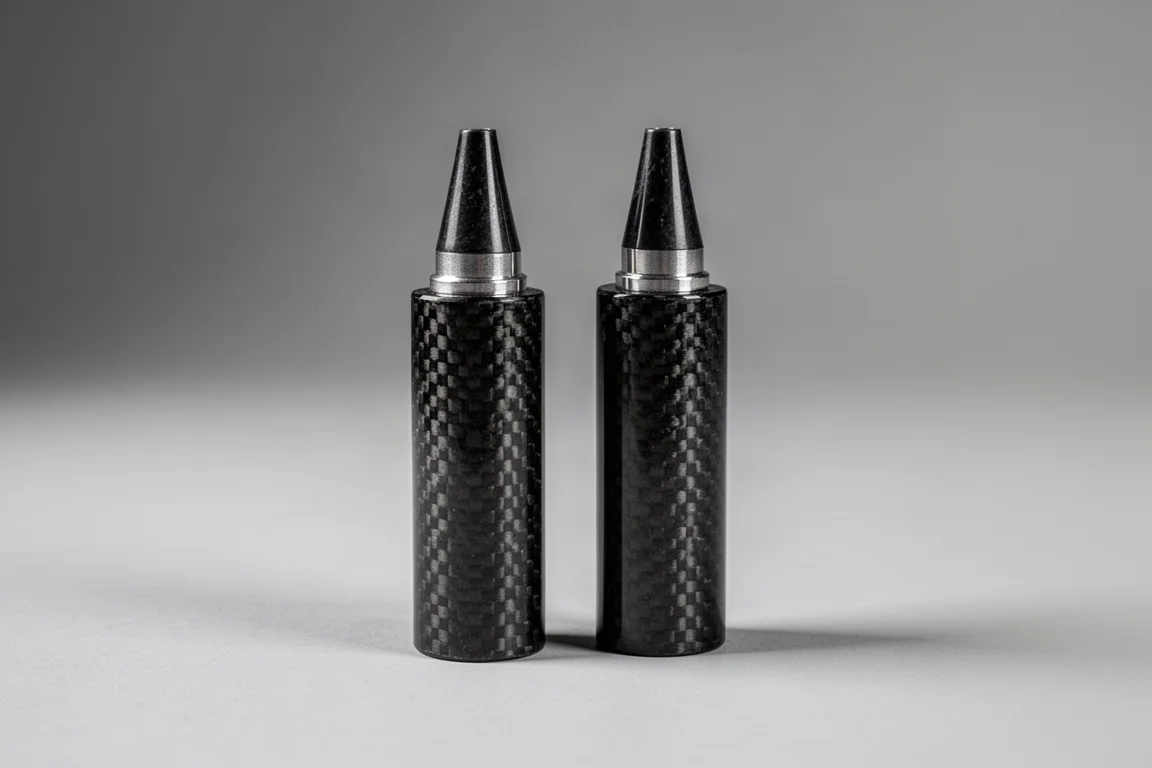
There is one catch with a compact two-piece pole: it may not reach the height a trekking-pole shelter needs. Zpacks Pole Jacks solve that with a small carbon extension that slots onto the top of the pole, adding the length required to pitch the shelter properly.
It is a tiny accessory with a very specific job, and it is the reason a shorter, lighter pole can be paired with a shelter that needs more height. For anyone running a trekking-pole tent, this is the piece that makes the lighter pole option workable.
A Little Fun: Tenkara Rod Co. Baretooth
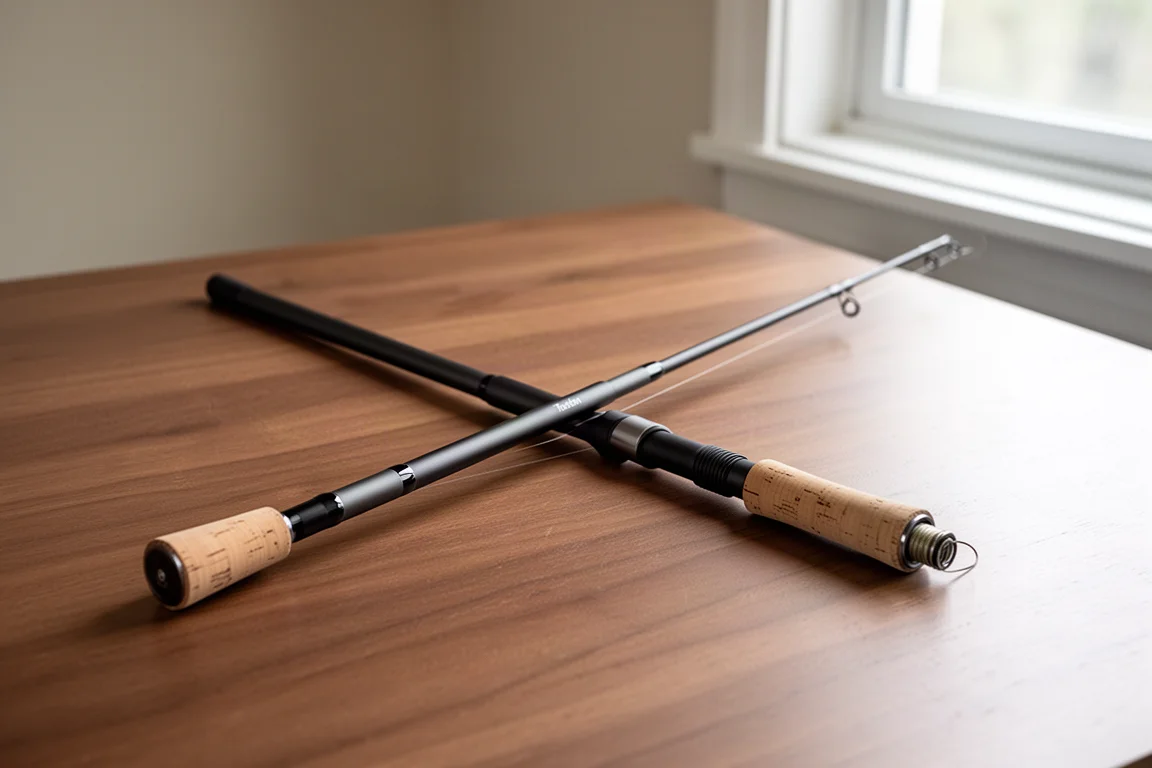
Not every item on a gear list has to be strictly functional. A telescopic tenkara rod extends to around 10 feet, collapses into a small package for an outer pocket and weighs almost nothing. Carried alongside a compact tackle pouch with line, flies and a small knife, it turns a long evening at camp into a chance to catch dinner.
The tackle kit is deliberately minimal. It is worn around the neck so it stays accessible, and it holds a slightly larger blade than a typical pocket knife for cleaning and portioning fish. A hiking partner carries a small frying pan, so a catch becomes a meal rather than a story.
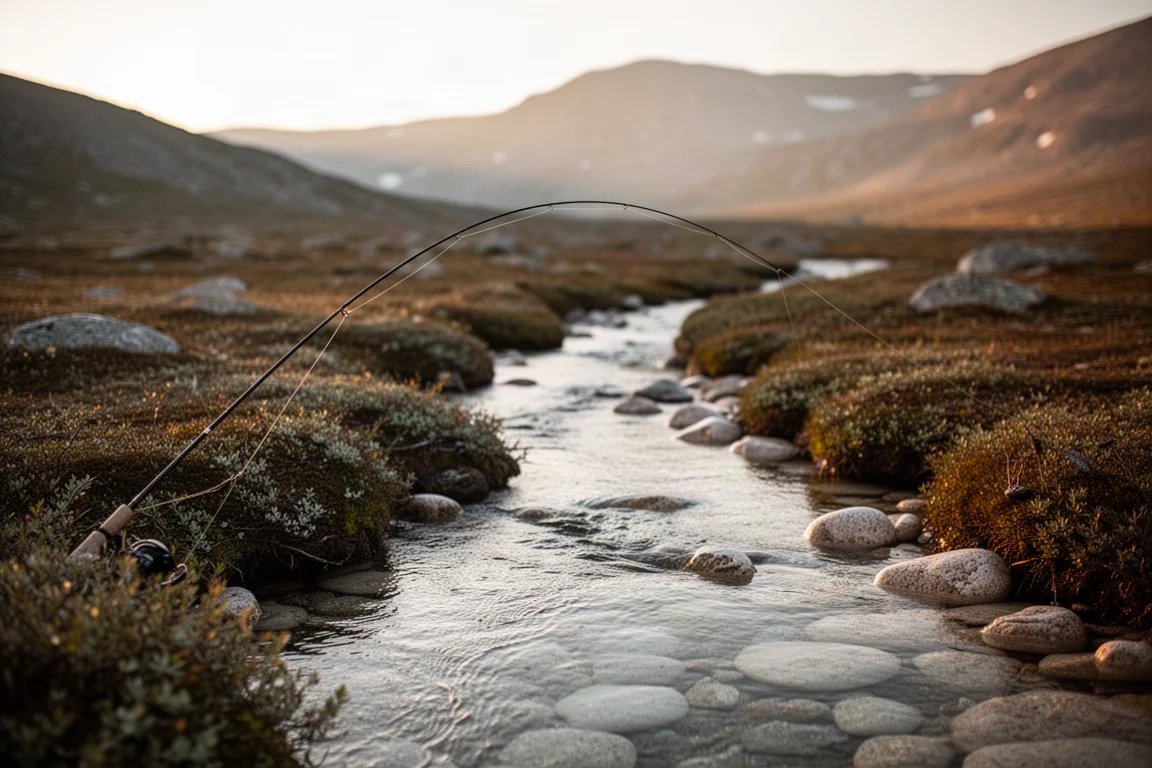
Tenkara suits this style of trip because it needs no reel and very little line management. It is the kind of item that only makes sense when the plan allows for slower days, which is exactly what a mixed hiking and packrafting route provides.
Lighting: Nitecore NU20 Classic
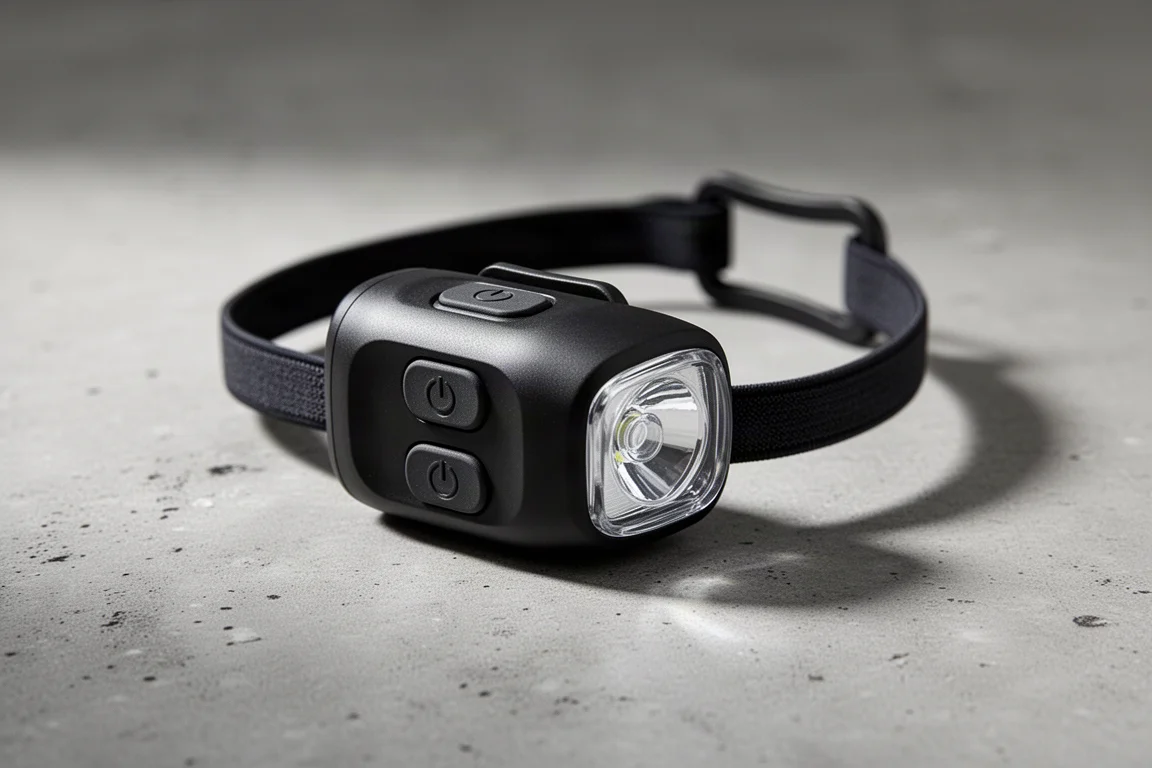
A rechargeable headlamp is standard equipment, but charging standards start to matter after weeks in the field. The Nitecore NU20 Classic keeps the compact, lightweight body of the long-running classic design and switches to USB-C charging, which means one cable and one power bank can serve the whole kit.
In side-by-side use it also appears brighter than the earlier model it replaces, despite the similar size and weight. A simple shock cord modification keeps it secure on the head, and the small body disappears into a stuff sack when the days are long and the lamp is barely needed.
Repair and First Aid: Igneous Gear Ultralight Repair Spool
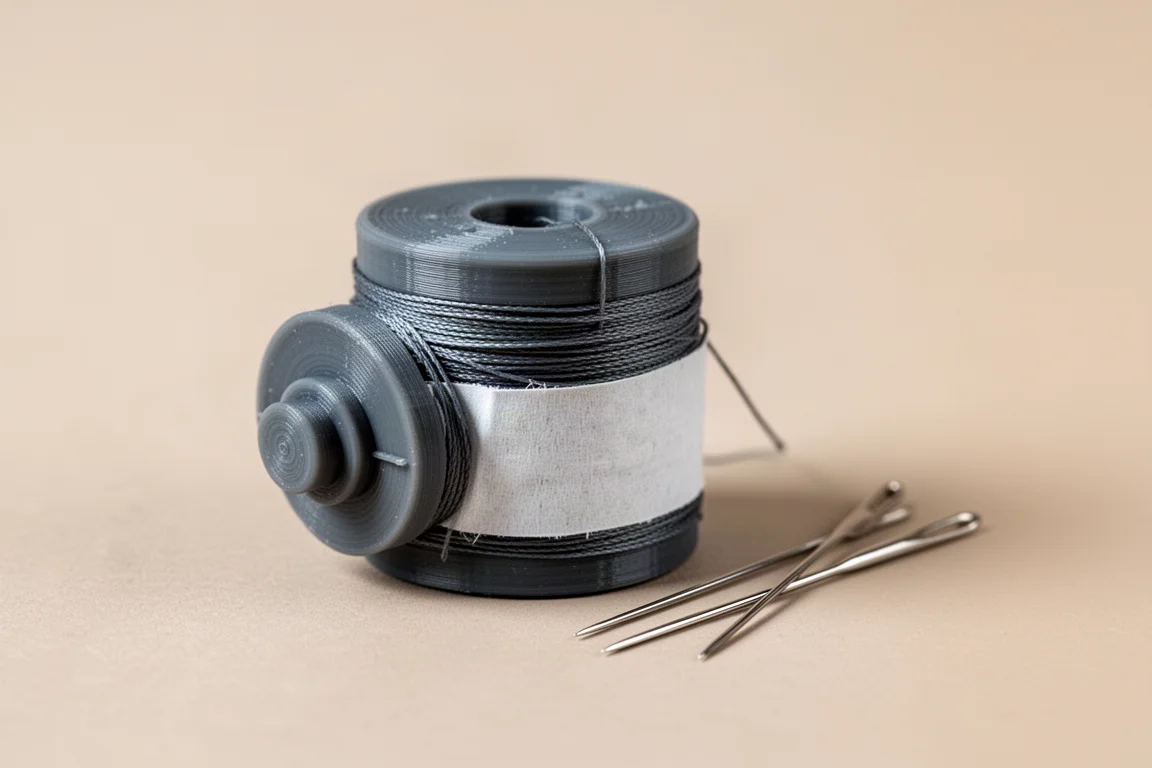
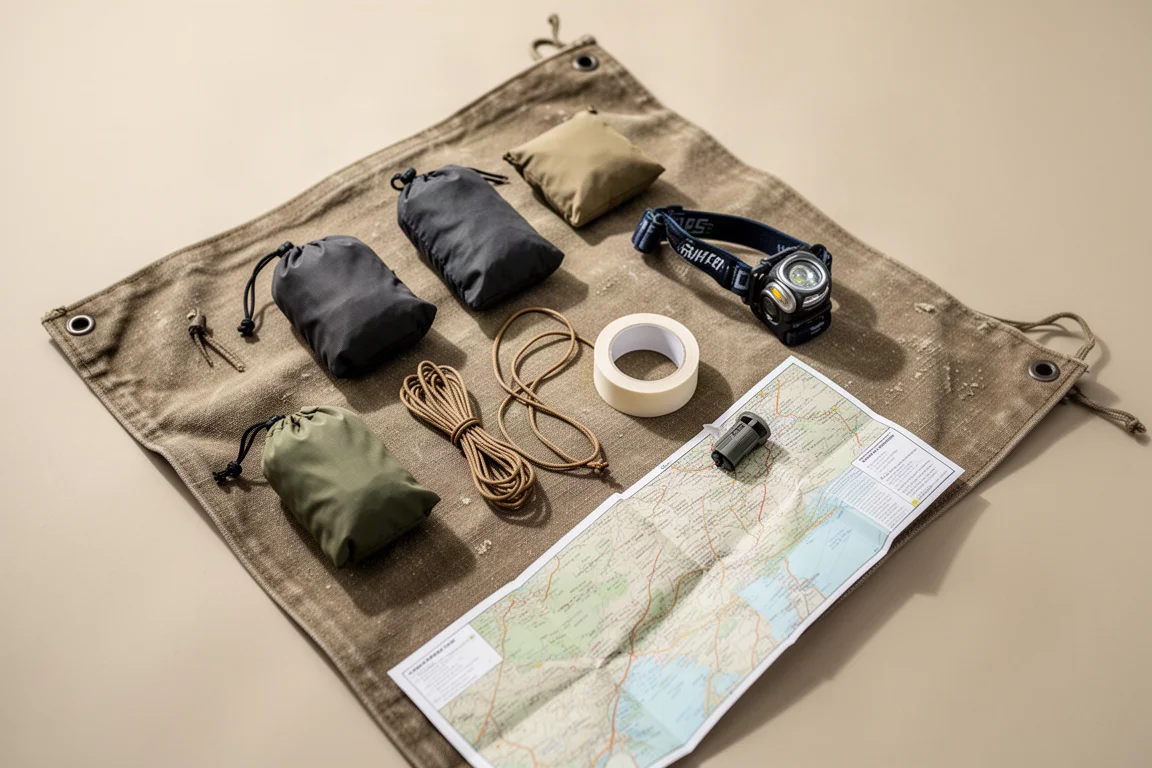
Field repairs on a long route usually come down to tape, thread and a needle, and those three things are easy to carry badly. The Igneous Gear Ultralight Repair Spool is a small 3D printed spool that organises all of it: tape wraps around the outside, thread winds around the top, a rubber plug closes the assembly, and the needles store inside the body instead of loose in a bag.
The setup it replaces was a homemade pouch holding a roll of tape, a length of thread and needles pushed into a pencil eraser. The spool weighs about the same, but it is tidier and safer because the needles are enclosed. Swapping the supplied tape for a lighter one and using a cotton thread that works well for blister care tailors it to the way it actually gets used.
Buying Advice
Priority order is worth keeping in mind. Safety equipment comes first: bear-resistant food storage and a satellite communicator are the two items that change what is possible on a route with no towns and no roads, and neither has a cheap substitute that does the same job. Everything else is a weight or convenience decision.
Weight-saving replacements come next. Poles that pack down small, a headlamp that charges over USB-C and a repair kit that consolidates three loose items into one all reduce friction without removing capability.
The final category is optional by design. A tenkara rod and a small tackle pouch add almost nothing to the pack and are worth carrying only if the itinerary allows for slow evenings. The same test applies to the bear locker: it is a pricey item, so it earns its place when a hard canister is genuinely impractical rather than simply inconvenient.
If you are assembling a kit for a remote route, match each purchase to a problem you actually have. Food protection, communication, fuel resupply and shelter height are the four that cause real trouble when they are solved badly.
Conclusion
Eight items, three jobs. Food storage and communication cover the safety side of a route with no infrastructure. Trekking poles, a USB-C headlamp and a consolidated repair spool trim weight and fuss without cutting capability. And a telescopic fishing rod is there because a month in the Brooks Range should include a few good evenings.
None of it is compulsory for a weekend trip. On a 400 mile traverse with bush-plane resupply, though, each piece answers a specific question about weight, safety or enjoyment, and that is the standard worth applying to any gear list.
Further reading
Related Reviews

Backpacking Gear
Building a 10 lb Base Weight: An Ultralight Backpacking Gear List
A practical walkthrough of the ultralight pieces behind a 10 lb base weight, from a 765 g pack and a roomy one-person tent to a full camp chair and a dependable water filter.

Backpacking Gear
A 15-Pound Lightweight Backpacking Gear List for Solo Trips
A beginner-friendly 15-pound backpacking setup built from easy-to-find gear, with notes on what each piece does, how it packs, and where to spend your attention.

Backpacking Gear
8 Ultralight Backpacking Gear Upgrades Worth Carrying
Eight small, affordable backpacking upgrades that solve real trail annoyances, from a pillow that stays put to a fuel valve that rescues leftover canister gas.