Backpacking Gear
Ultralight Budget Backpacking Gear: Six Picks for a Sub-8-Pound Kit
A six-piece ultralight backpacking kit that keeps total weight near 7.6 pounds while staying affordable, with the trade-offs worth understanding before you buy.
Introduction
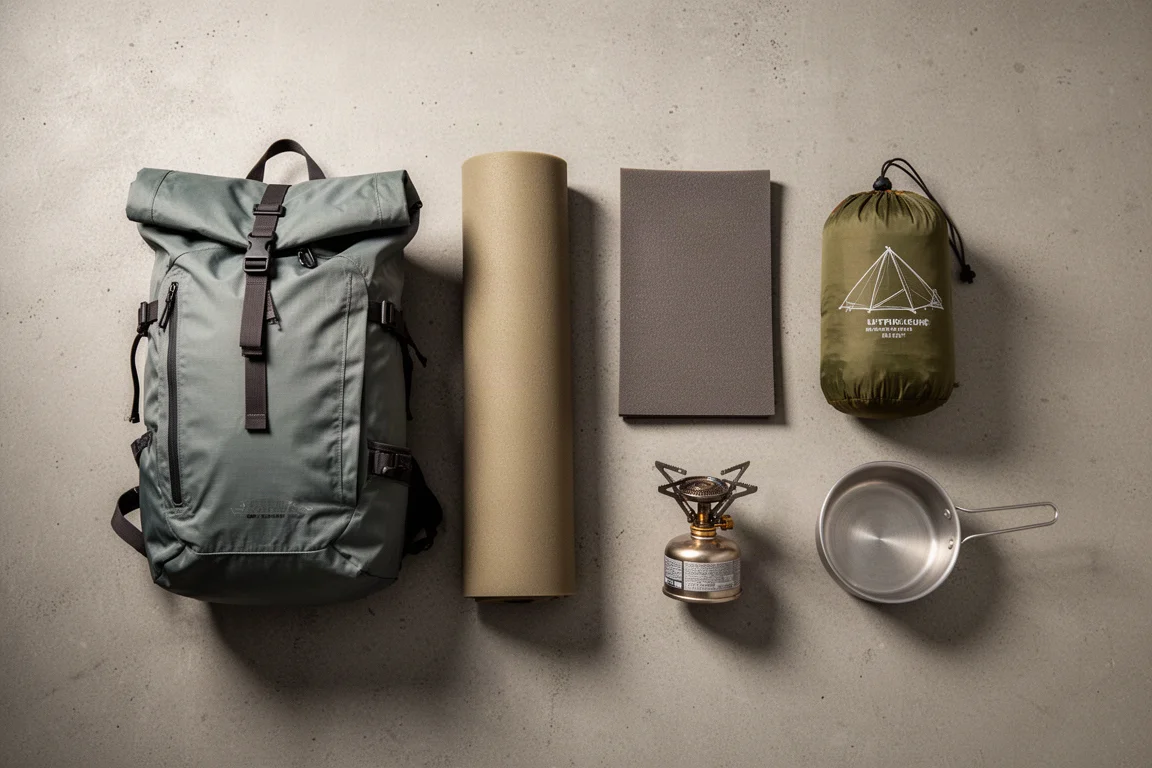
A lightweight backpacking kit does not have to be an expensive one. The six pieces of gear below were chosen around a simple idea: cut weight and cost without giving up the things that keep a trip comfortable and safe. The complete kit weighs about 7.6 pounds, and the most expensive item in it is a 55-liter pack that lists for $149.
What makes this list interesting is that it asks a little more of the person carrying it. The pack has no internal frame, so the sleep system does double duty as structure. That trade-off is worth understanding before you buy anything, and it is the reason this kit suits some hikers and not others.
What Makes This Gear List Worth a Look
Three things matter most when judging a budget backpacking list: total weight, total cost, and whether the gear actually works when the weather turns. This kit does well on all three, but it earns its low weight through technique rather than through expensive materials.
The most important technique is how the pack is loaded. With a frameless pack, the sleeping pads are folded and placed against your back to create a substitute frame. Get that right and the load carries well. Get it wrong and the weight sits on your shoulders all day. That is a skill worth practicing before a long trip.

Another point in this kit’s favor is fuel flexibility. An alcohol stove removes the need to hunt for a specific canister size, which matters on shorter trips where a large canister would be far more fuel than you actually need.
Granite Gear Virga 2: A 19-Ounce Frameless Pack
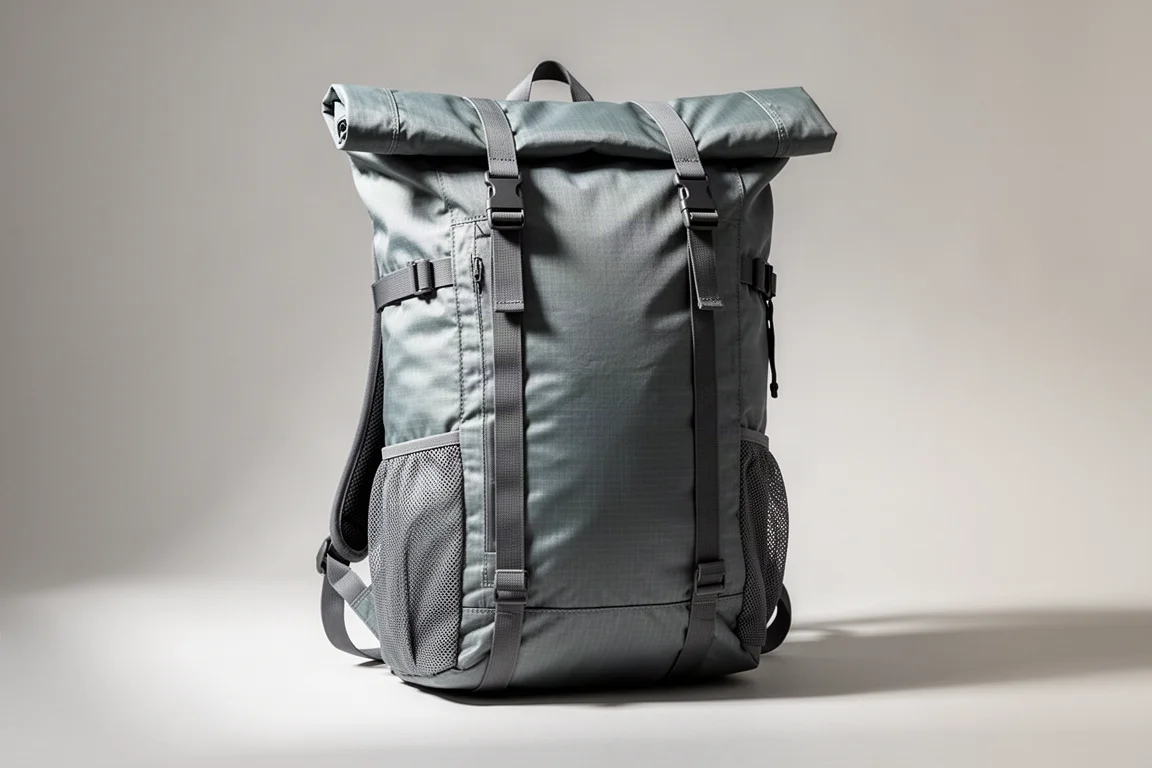
The Granite Gear Virga 2 is a 55-liter pack that weighs just 19 ounces and sells for $149. It uses a roll-top closure, which means the usable volume flexes with the load. Pack light and the top rolls down; pack heavy and the collar extends. That flexibility is a large part of why it works as a single pack for different kinds of trips.
There is no rigid frame. In exchange for the low weight and the low price, you take on the job of building structure into the load yourself. The capacity is genuinely generous for the weight, and the pack has been used with loads up to around 45 pounds when packed carefully. Used examples have sold for around $80, which makes it one of the cheapest routes into a genuinely light pack.
Exped 3R Sleeping Pad: The Inflatable Layer
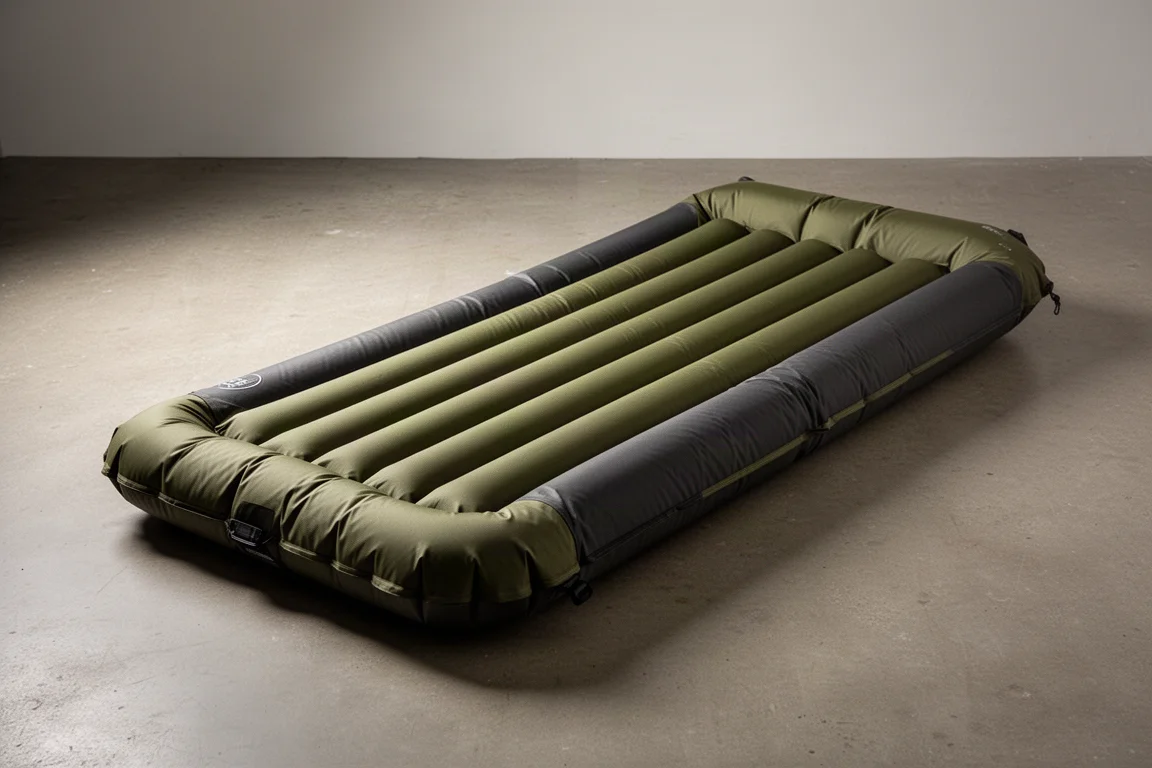
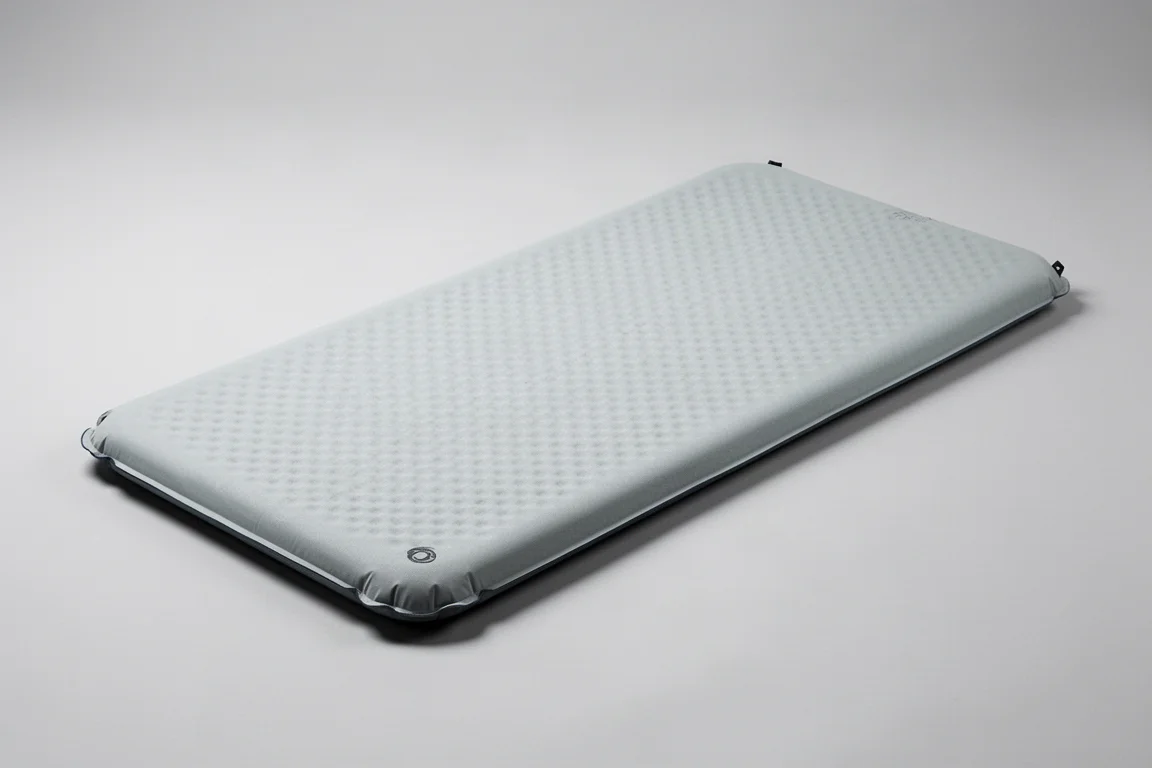
The Exped 3R is the inflatable half of this kit’s sleep system. On its own it is a compact, packable pad that takes up very little room inside a 55-liter pack. In a frameless setup, though, it becomes most useful when paired with a thin foam layer.
That pairing is the heart of the whole list. The inflatable pad provides the cushioning, while the foam pad gives the folded stack enough stiffness to support the pack against your back.
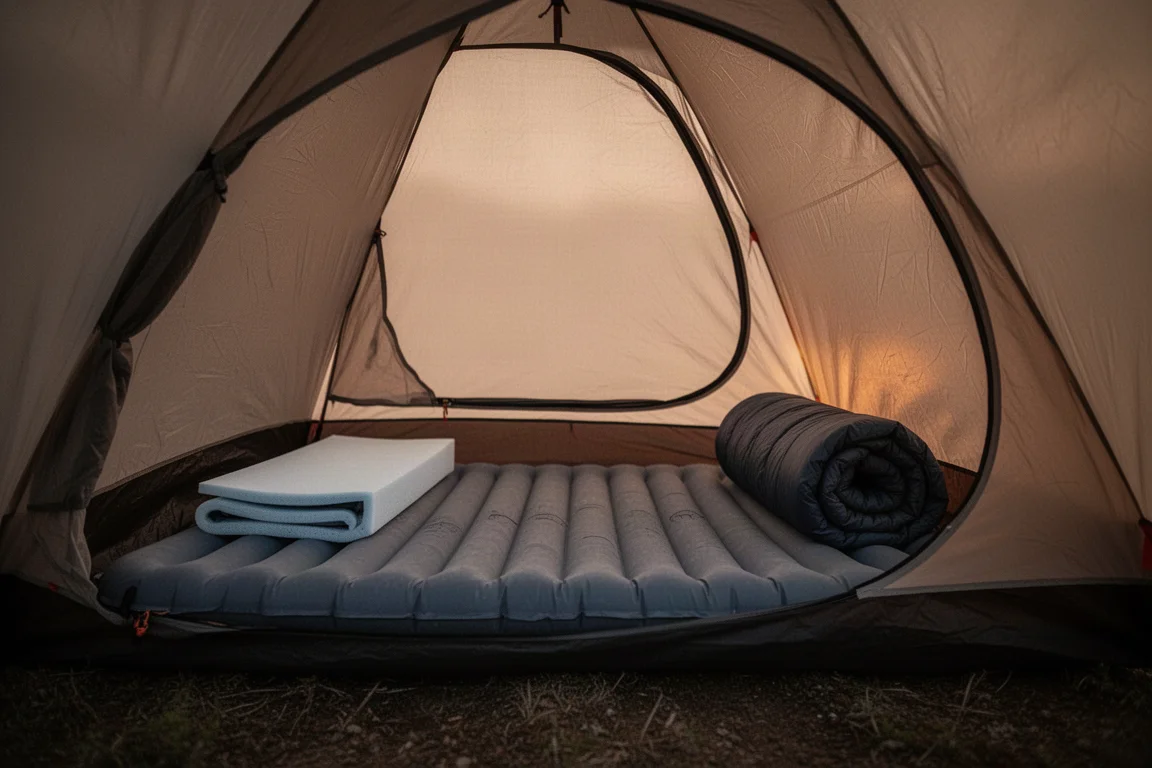
Keep in mind that this is a system rather than a single purchase. The pad works best when it is treated as one half of a two-part sleep and structure setup, and the packing order matters as much as the gear itself.
Gossamer Gear Thinlight 1/8-Inch Foam Pad: The Makeshift Frame
The Gossamer Gear Thinlight is a 1/8-inch closed-cell foam pad, and in this kit it does far more than sit under a sleeping bag. It is folded into a rectangle alongside the inflatable pad, and both are slid into the back of the pack so they rest directly against the wearer’s back.
The result is a makeshift frame that costs almost nothing in weight. With roughly 20 pounds of total load, including food and water for a three-day trip, the setup carried comfortably. The foam layer adds almost no bulk, and it gives the pack a firmer back panel without adding a rigid frame.
X-Mid 1 Tent: Fly-First Pitching
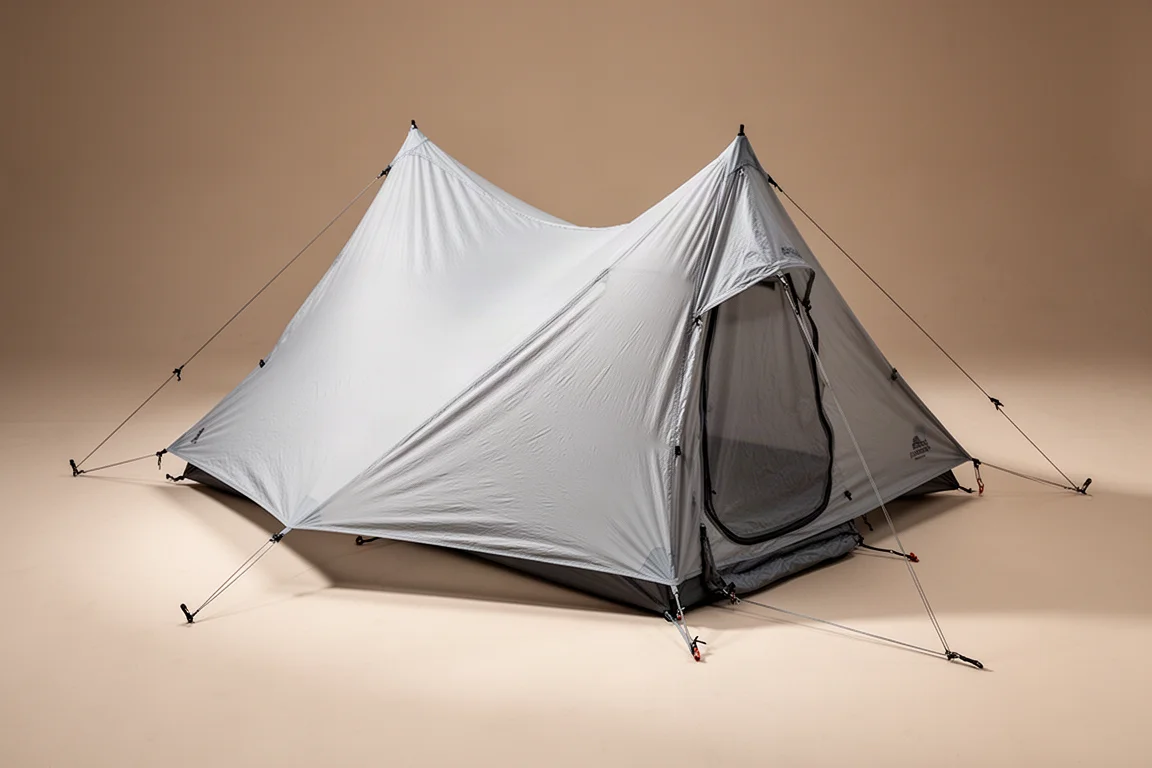
The X-Mid 1 is a one-person tent that pitches fly first, which helps keep the inner dry while you set it up in wet weather. It is lightweight, and it holds up as a proper enclosed shelter: bug-proof and wind-proof, with the kind of weather protection that makes it usable across a wide range of conditions rather than only on clear summer nights.
It is also a well-built, popular design that stays affordable, which is unusual in this category. Older versions do not include the magnetic toggles found on newer ones, so it is worth checking which version you are buying if that detail matters to you.
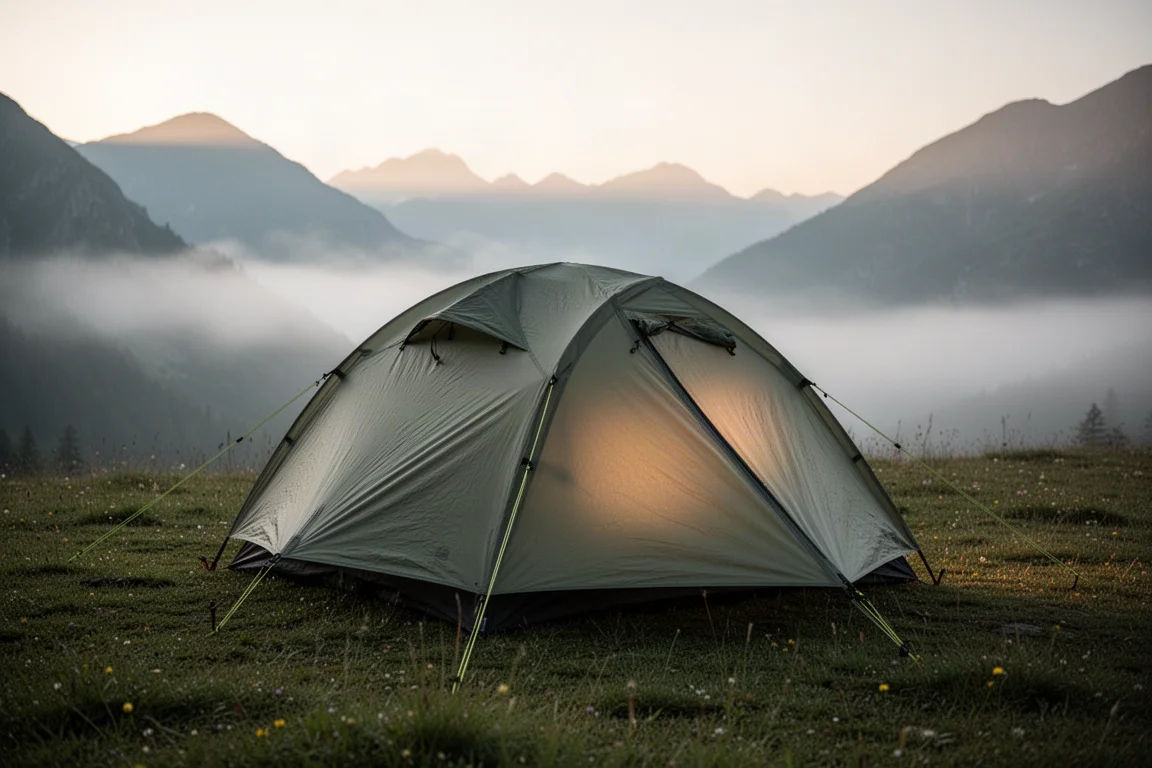
For anyone upgrading from a cheap import tent, the difference shows up in the details: a taut pitch, a reliable fly-first setup, and construction that holds up trip after trip.
Vargo Triad Stove: One Ounce, Two Fuel Types
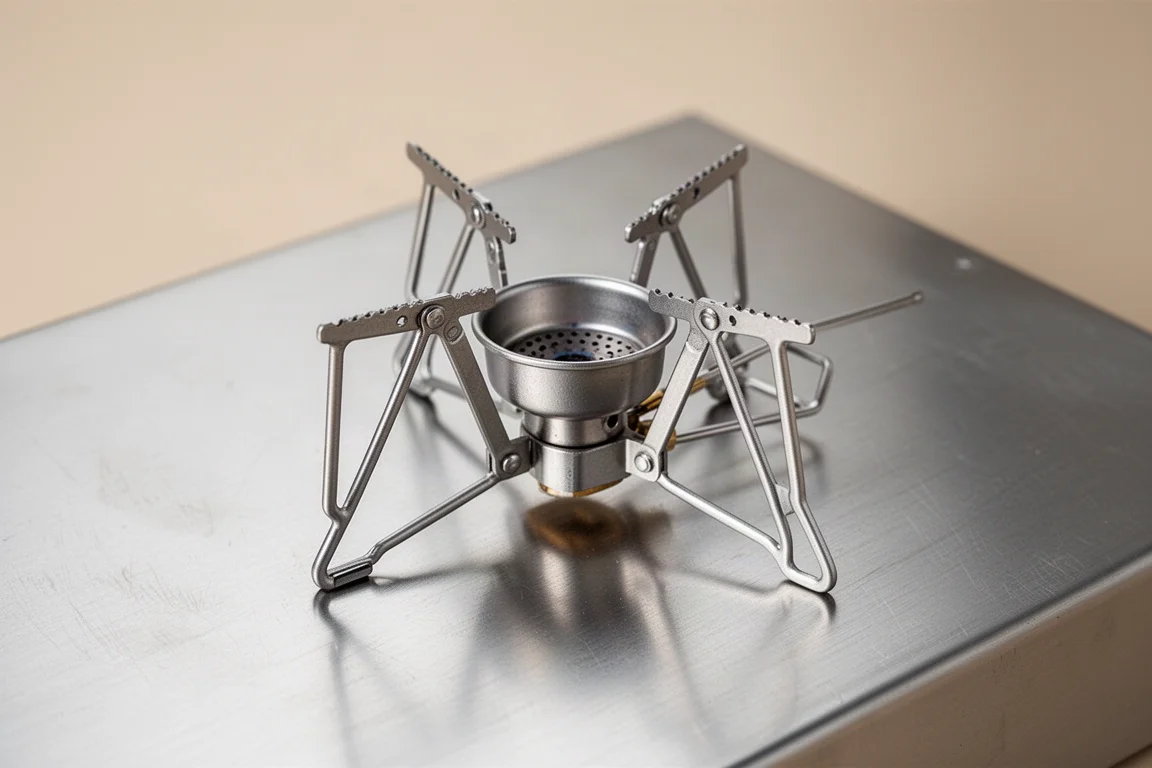
The Vargo Triad weighs about 1 ounce and can burn both liquid and solid fuel. That flexibility is the reason it earns a place here. Alcohol is widely available, which makes an alcohol stove a dependable backup when canister fuel is hard to find in the size you actually want.
At $35 the Triad is not the cheapest alcohol stove on the market, and there are lower-cost options that weigh even less. It makes sense in a kit where the rest of the list has already saved close to $100, leaving room to spend a little more on a stove that handles more than one fuel type.
IMUSA 0.7L Aluminum Pot: Where Aluminum Makes Sense
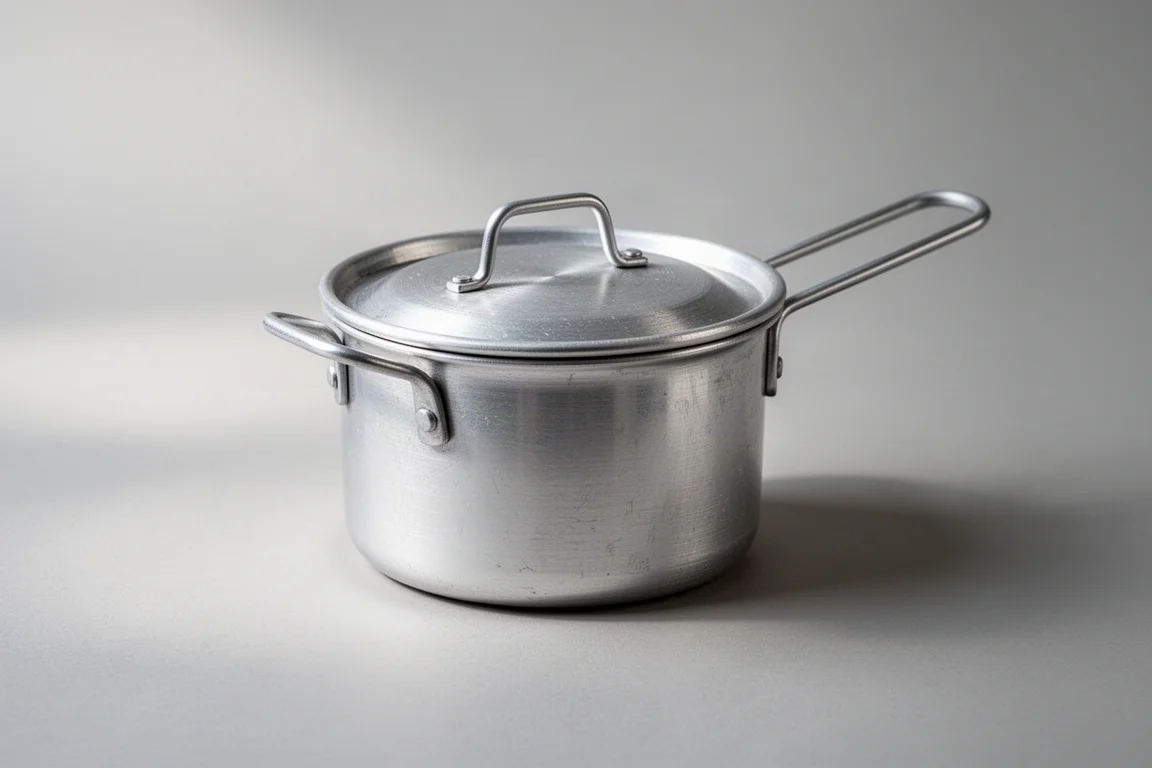
The IMUSA 0.7-liter aluminum pot costs about $7, and it has been in use for five or six years of backpacking. Aluminum cooks better than titanium, and the weight difference between the two materials is small enough that the premium price is hard to justify for most hikers. It has also been found for as little as $1.97 at Walmart.
The one thing to watch is the handle, which gets hot enough to burn fingers. A small cloth or microfiber towel solves that, and it is worth packing one specifically for lifting the pot off the stove.
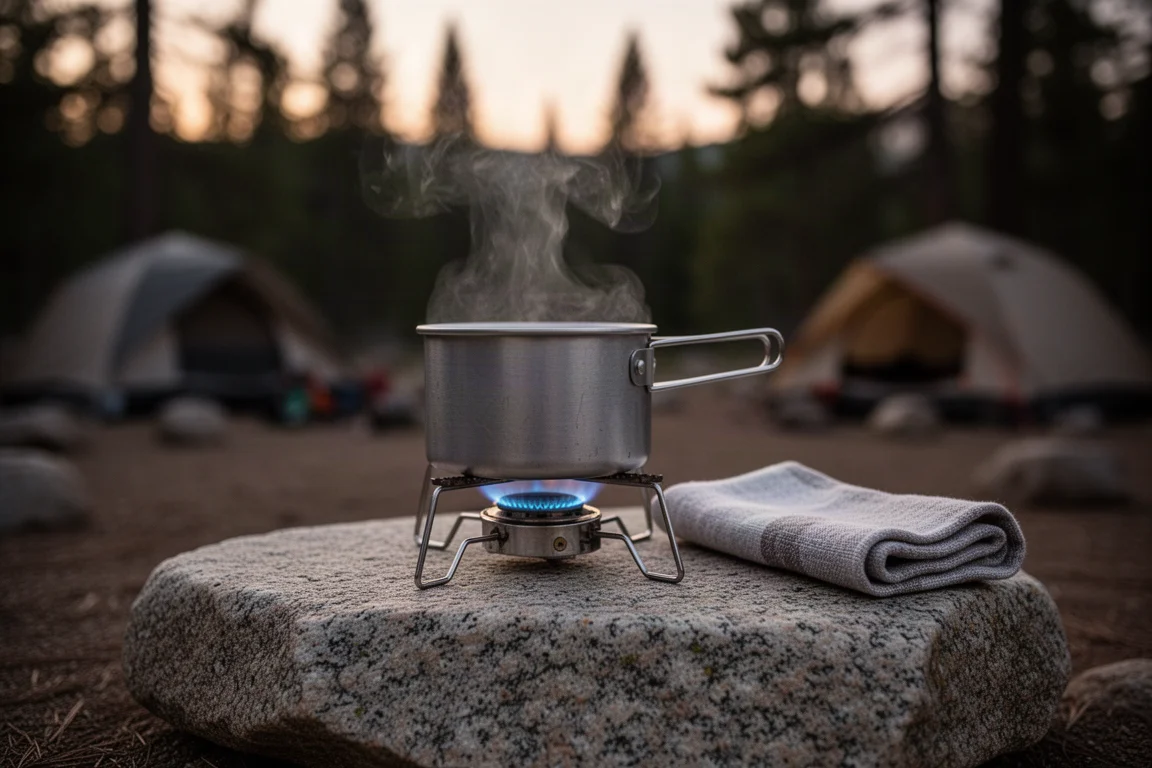
At this price the pot is close to disposable, yet it does the job of cookware that costs many times more. For a kit built around value, that combination is hard to argue with.
Overall Buying Advice
This kit suits backpackers who are willing to learn frameless packing. If you want a pack that carries well straight out of the box with no technique, a framed pack will be the better purchase even at a higher weight and price. If you are comfortable folding your sleep system into a back panel and adjusting your load as you go, the weight and cost savings here are substantial.
Two pieces are worth prioritizing. The pack sets the ceiling on everything else, because its 55-liter capacity and frameless design determine how the rest of the kit has to be packed. The foam pad is the cheapest item that makes the whole system work, and skipping it changes how the pack carries.
If you already own an inflatable pad, adding the foam layer and a frameless pack is a low-cost way to test whether this style of hiking suits you before committing to a full ultralight kit.
Conclusion
Six pieces, about 7.6 pounds, and a pack that lists for $149: this is what a thoughtful budget ultralight kit looks like. The savings come from choosing aluminum over titanium, a frameless pack over a framed one, and a thin foam pad that doubles as structure. The trade-off is technique, and for hikers willing to learn it, that is a trade worth making.
Further reading
Related Reviews

Backpacking Gear
Building a 10 lb Base Weight: An Ultralight Backpacking Gear List
A practical walkthrough of the ultralight pieces behind a 10 lb base weight, from a 765 g pack and a roomy one-person tent to a full camp chair and a dependable water filter.

Backpacking Gear
A 15-Pound Lightweight Backpacking Gear List for Solo Trips
A beginner-friendly 15-pound backpacking setup built from easy-to-find gear, with notes on what each piece does, how it packs, and where to spend your attention.

Backpacking Gear
8 Ultralight Backpacking Gear Upgrades Worth Carrying
Eight small, affordable backpacking upgrades that solve real trail annoyances, from a pillow that stays put to a fuel valve that rescues leftover canister gas.