Backpacking Gear
Three Ultralight Backpacking Setups for 2026: Rebuilding the Big Three
Three complete ultralight loadouts for shelter, pack and sleep system, from a 6.3 lb value build to a 3.8 lb premium one.
Introduction
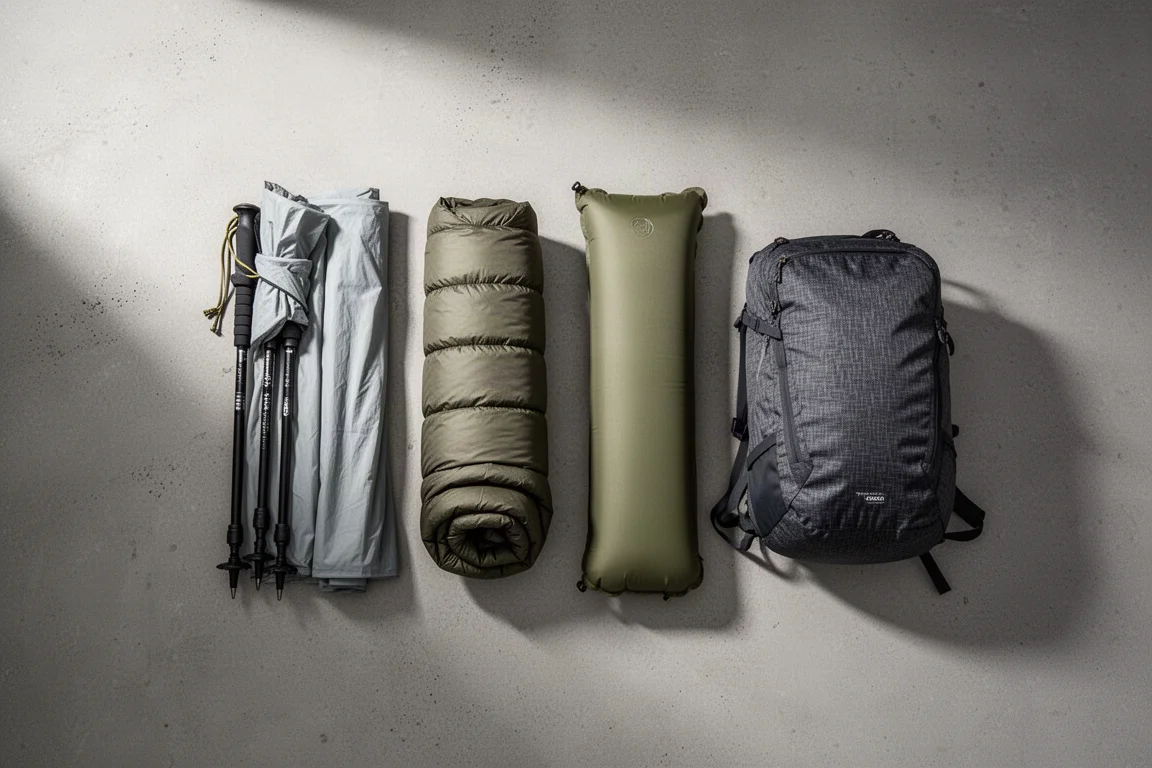
The heaviest items most backpackers carry are the shelter, the pack, and the sleep system. Depending on the setup, those three pieces alone can add up to 10 to 15 lb before food, fuel, or water goes in. That is why they are the first place to look when the goal is a lighter pack.
The three loadouts below rebuild all three items from the ground up. Each one is lighter than the one before it, and each one costs more than the one before it. The first comes in around 6.3 lb for under $1,000. The second lands near 4.8 lb for under $1,300. The third drops to roughly 3.8 lb and runs past $1,500.
None of them are extreme. Every pack on the list has a frame, and every shelter is fully enclosed, so there are no tarps and no cowboy camping involved. Anyone new to ultralight gear will find the equipment here familiar. It is simply lighter.
What Counts as Ultralight, and Why It Matters
A common working definition of ultralight is a base weight under 10 lb. Base weight means everything in the pack except food, fuel, and water. Hitting that number usually starts with the big three, because they account for the largest share of it.
Lighter loads deliver practical benefits: longer days, a faster pace, and less cumulative stress on the body. Weight is not the only measure of a good setup, but it is the easiest one to improve, and the big three are the best place to start. Every piece below is interchangeable, so a shelter from one loadout can be paired with a pack from another without any problem.
Setup 1: The Value Ultralight Loadout
This is the heaviest of the three setups and the most affordable. The complete big three comes to roughly 6.3 lb and about $934.
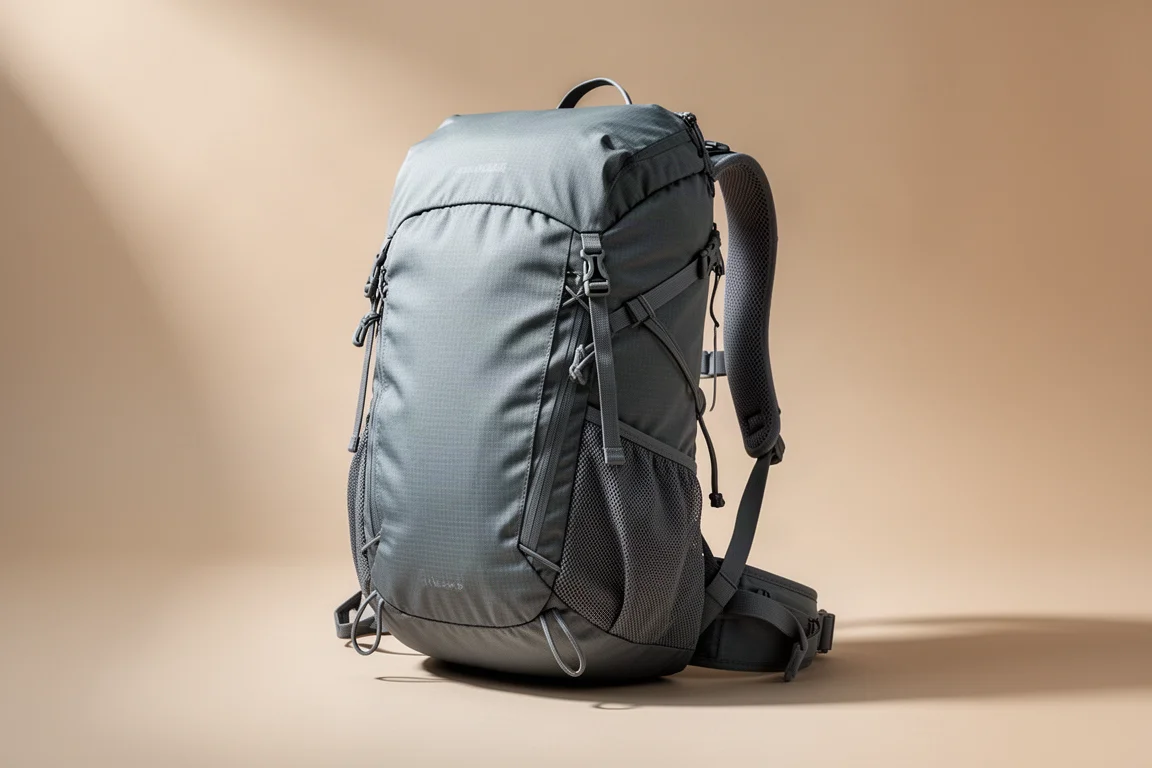
Waymark Light Pack
The Waymark Light pack weighs 2.5 lb. It is not the lightest pack on the market, and not even the lightest model the brand makes, but it is a genuinely well-rounded option that balances toughness and comfort with a low weight. At $280 it is the least expensive pack in this roundup.
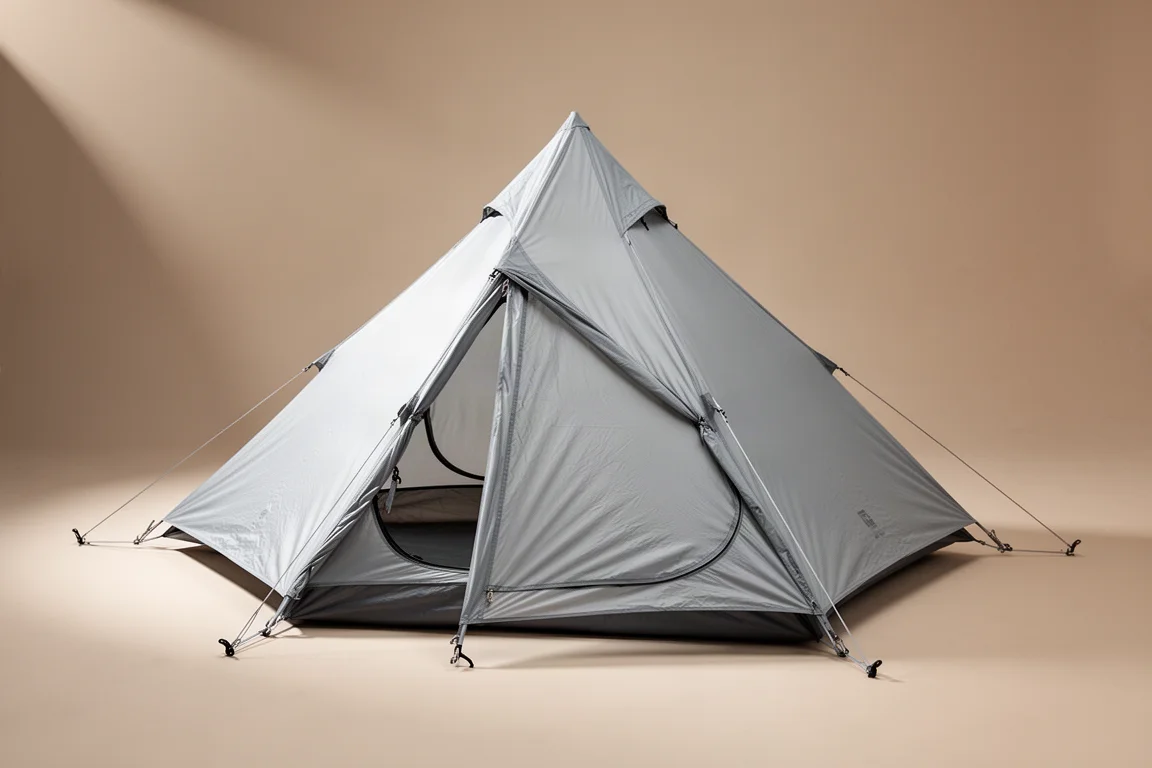
Six Moon Designs Lunar Solo
The Lunar Solo is a single-wall trekking pole shelter for one person, and it weighs 1 lb 10 oz including stakes. It is not seam sealed at the factory, so that step falls to the buyer, or it can be added as a paid service. The tent is $265 with stakes sold separately, and factory seam sealing adds $35.
Therm-a-Rest NeoAir XLite
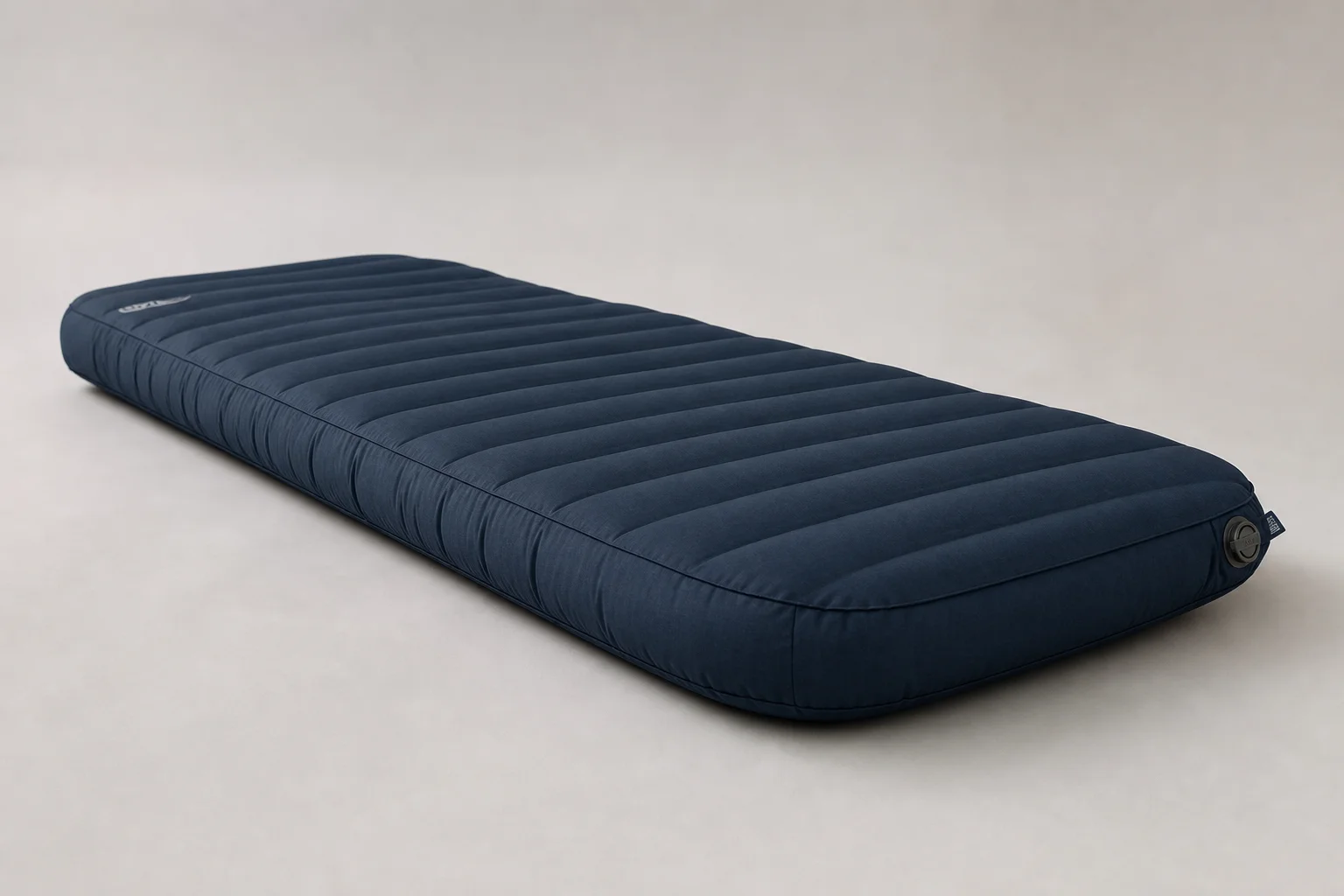
The NeoAir XLite is a three-season sleeping pad weighing 12 oz at $200. It has a long track record in this category and remains a straightforward choice for anyone building a lighter sleep system, particularly when paired with a quilt rather than a full sleeping bag.
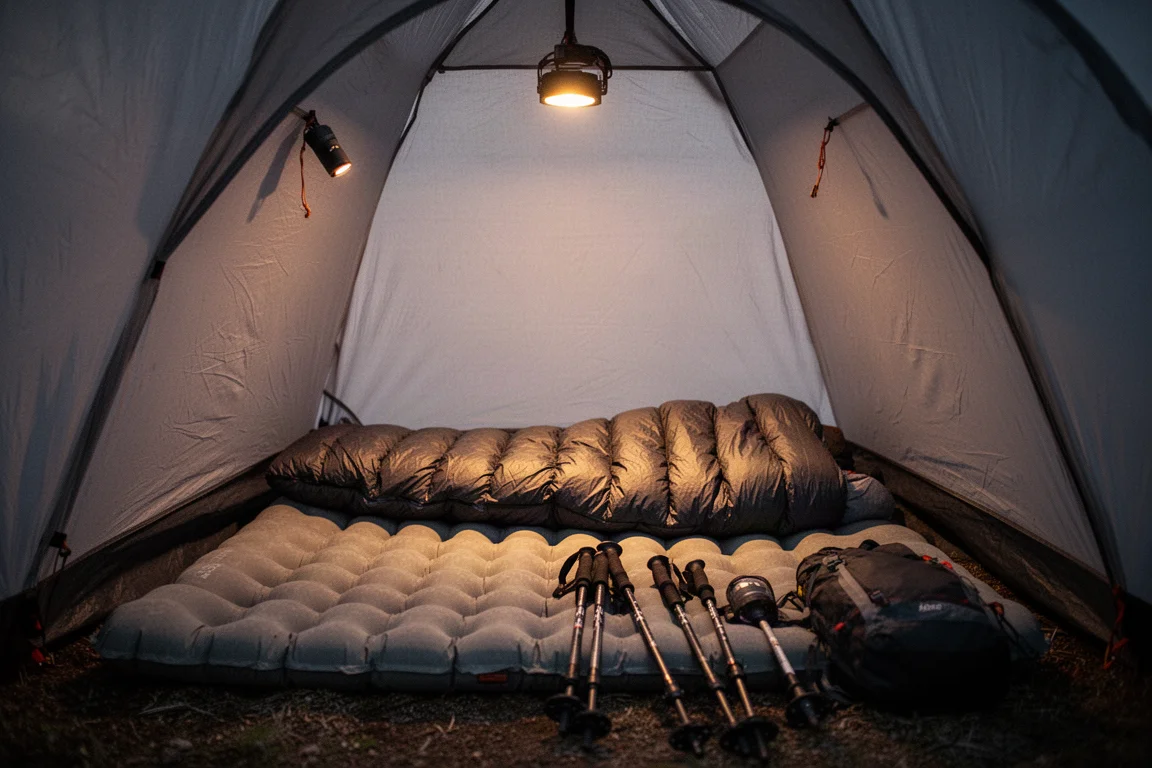
The three-season rating keeps it relevant across spring, summer, and autumn trips, and at 12 oz it leaves meaningful room in the base weight budget for the shelter and pack.
Moondance 25 Top Quilt
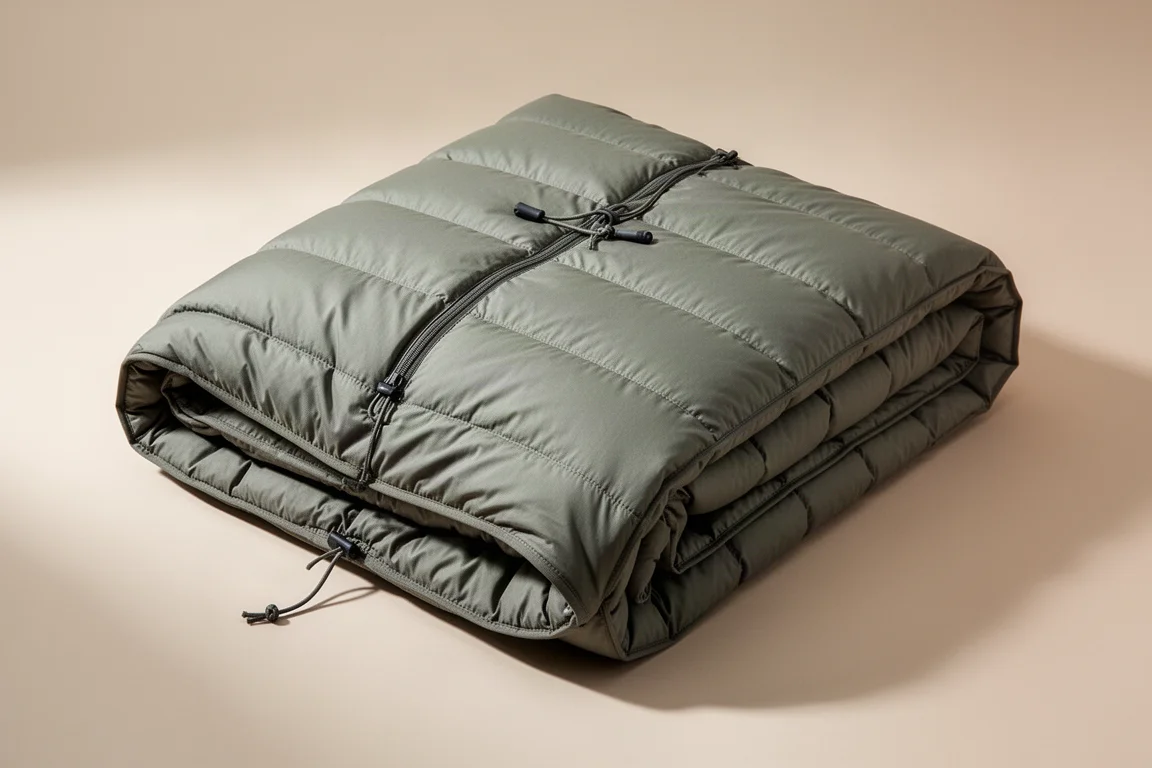
The Moondance 25 is a top quilt with a comfort rating of 36 degrees and ISO certification. It uses DownTek treated down, weighs 23 oz, and costs $189. Its design and build quality sit alongside considerably more expensive quilts, which makes it the clear value pick of this loadout.
Setup 2: The Mid-Range Ultralight Loadout
The second setup sheds about 1.5 lb from the first for roughly $350 more. The total comes to about 4.8 lb and $1,284.
Hyperlite Mountain Gear Southwest 3400
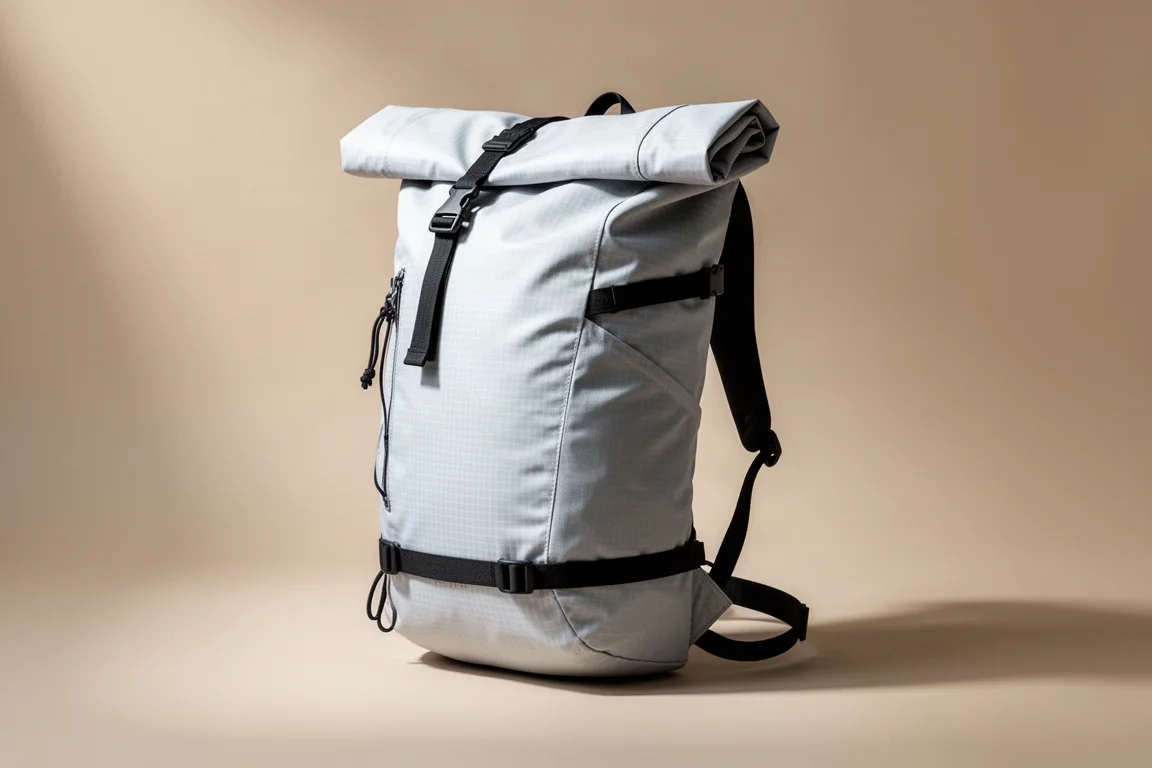
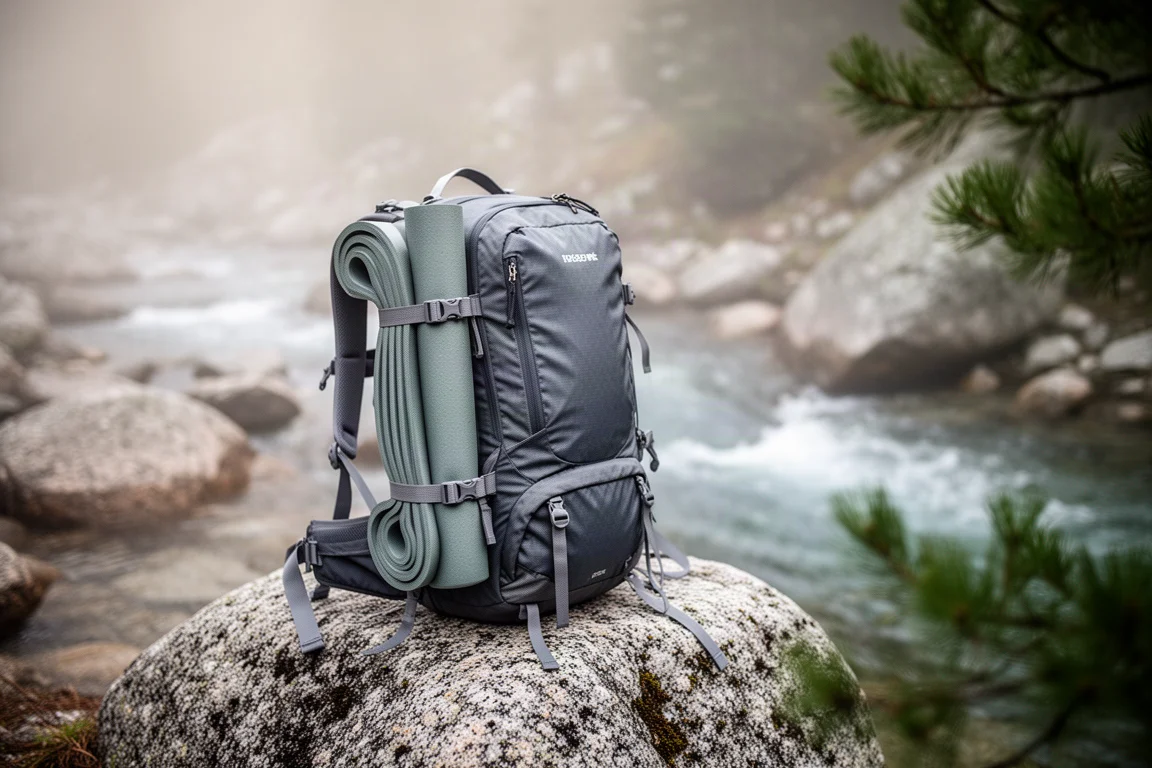
The Southwest 3400 is the most rugged pack in the Hyperlite range, built from Dyneema DCH50 and weighing just under 2 lb. It is designed to stand up to real abuse on rough terrain, and at $355 it is a step up in both price and durability.
Gossamer Gear The One
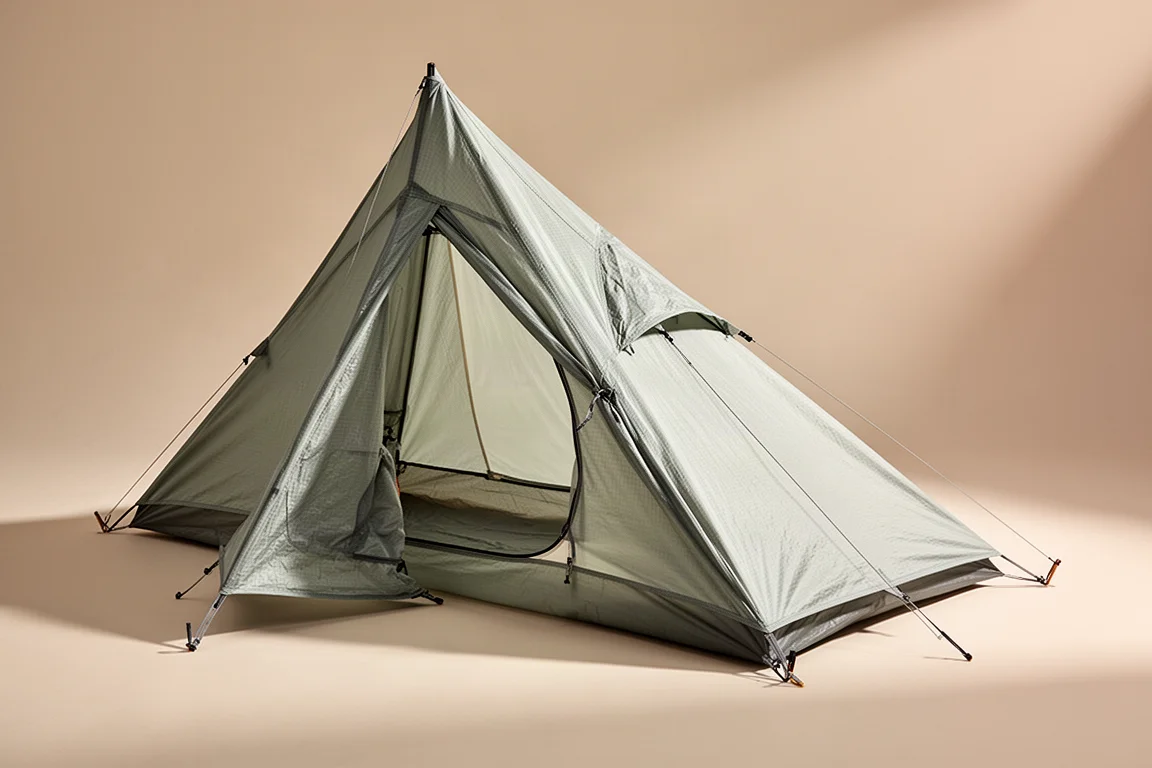
The One is a two-pole trekking pole tent with the most headroom in this roundup, though it also has the least floor space. It is the simplest of the shelters here to pitch, and its steep walls shed rain and snow while adding usable room inside. It weighs 1 lb 4 oz with stakes, arrives factory seam sealed, and costs $300.
Therm-a-Rest NeoAir UberLite
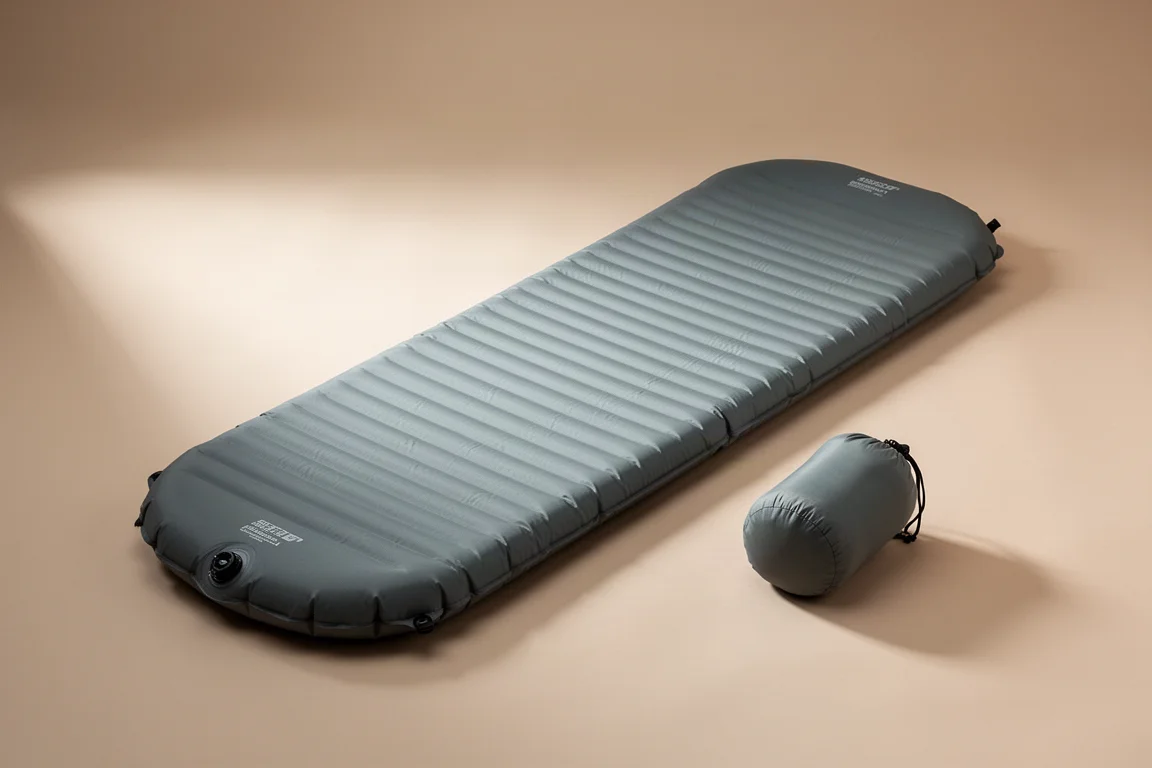
The UberLite brings the pad down to 8.8 oz in a regular size at $219. It is among the lightest sleeping pads available and the obvious upgrade for anyone counting ounces.
It is the same pad used in the lightest setup below, which makes it the one component that carries across two of the three loadouts.
Katabatic Gear Palisade 30
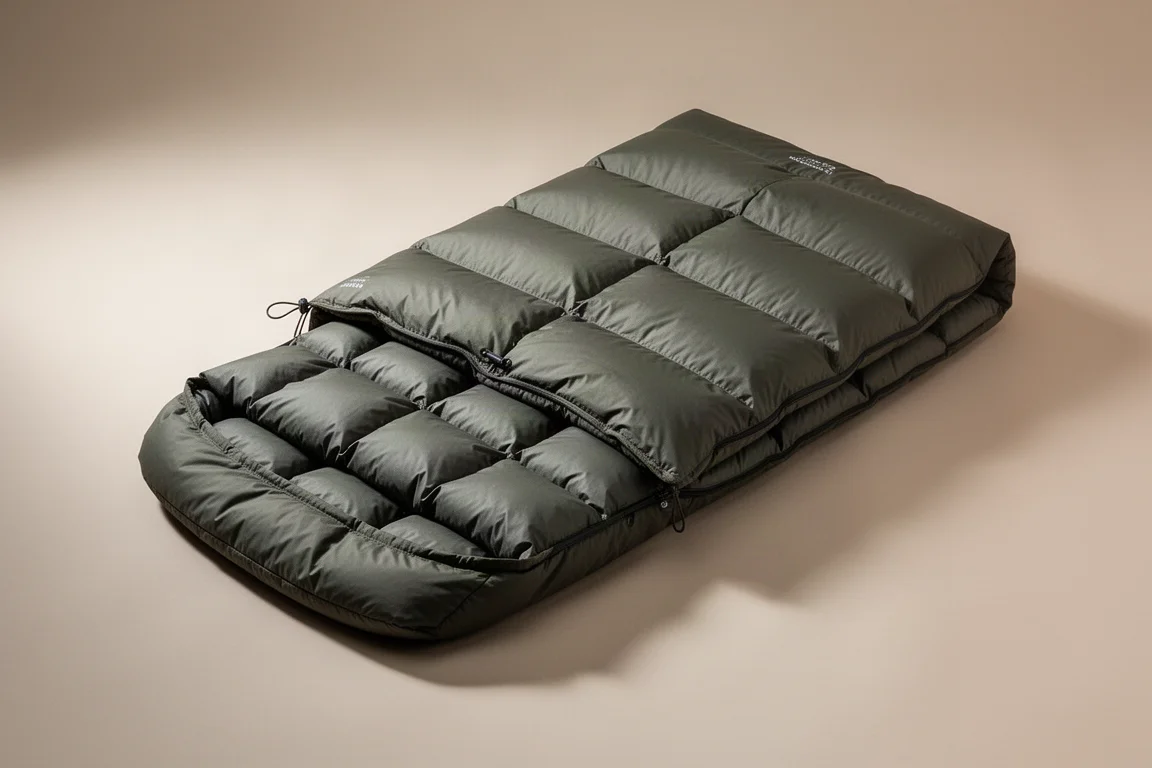
The Palisade 30 is a quilt made in Salida, Colorado, with a closed toe box rather than the drawstring closure used on the Moondance. It is filled with 900 fill power hydrophobic down. The regular weighs 18 oz, the wide version weighs 22 oz, and the price is $410.
Setup 3: The Lightest Ultralight Loadout
The final setup shaves another pound off the middle build. The total comes to about 3.8 lb and $1,534, and it keeps the NeoAir UberLite from the previous list.
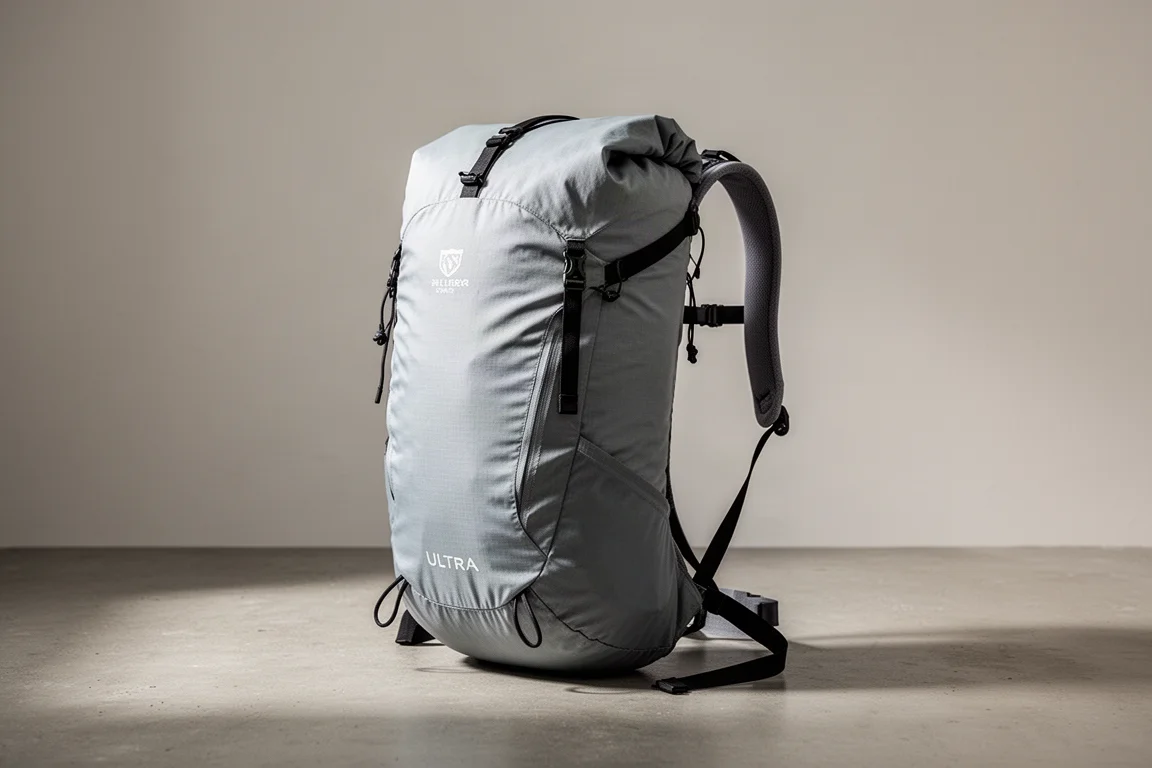
Zpacks Arc Blast 55L
The Arc Blast 55L weighs 20 oz, which puts it among the lightest framed packs available. It is made from the brand’s ultra fabric and offers decent back ventilation, a genuinely uncommon feature in this weight class. It costs $375.
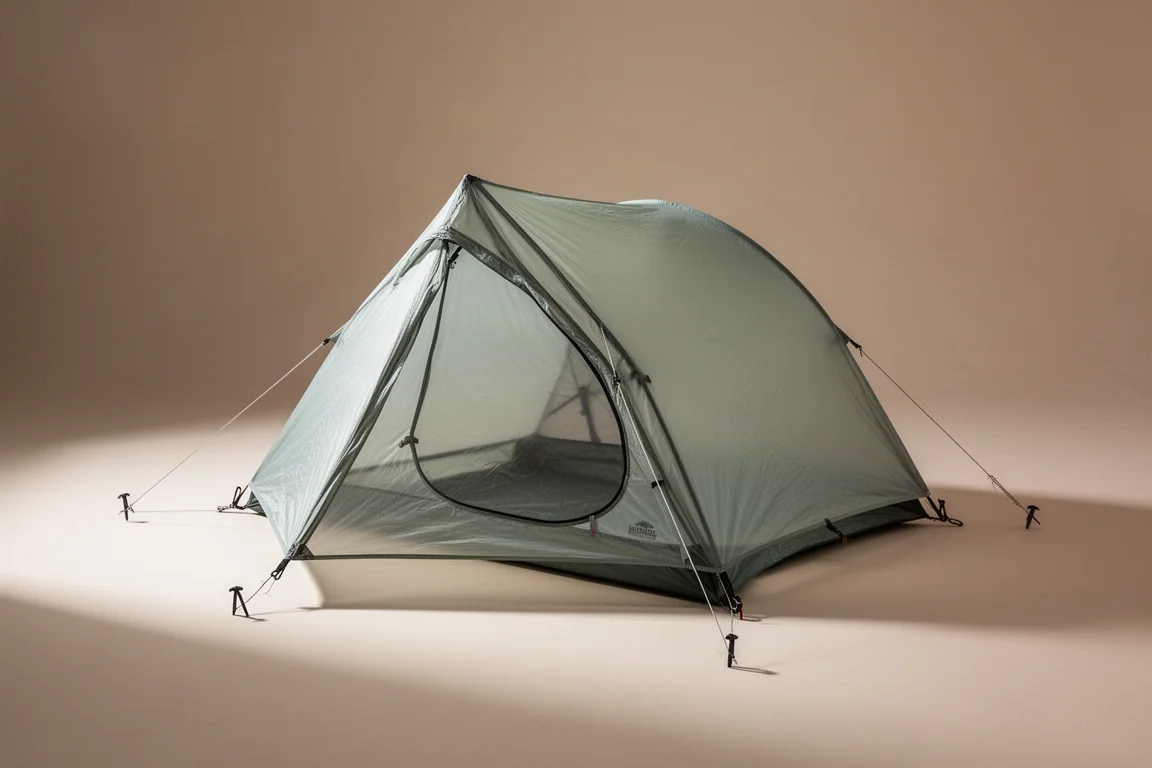
Zpacks Plex Solo
The Plex Solo is a Dyneema shelter weighing 13.7 oz, or 16 oz with stakes. It is presented as one of the lightest tents available, and at $600 it is by far the most expensive item in this roundup. Light weight in this category carries a real premium.
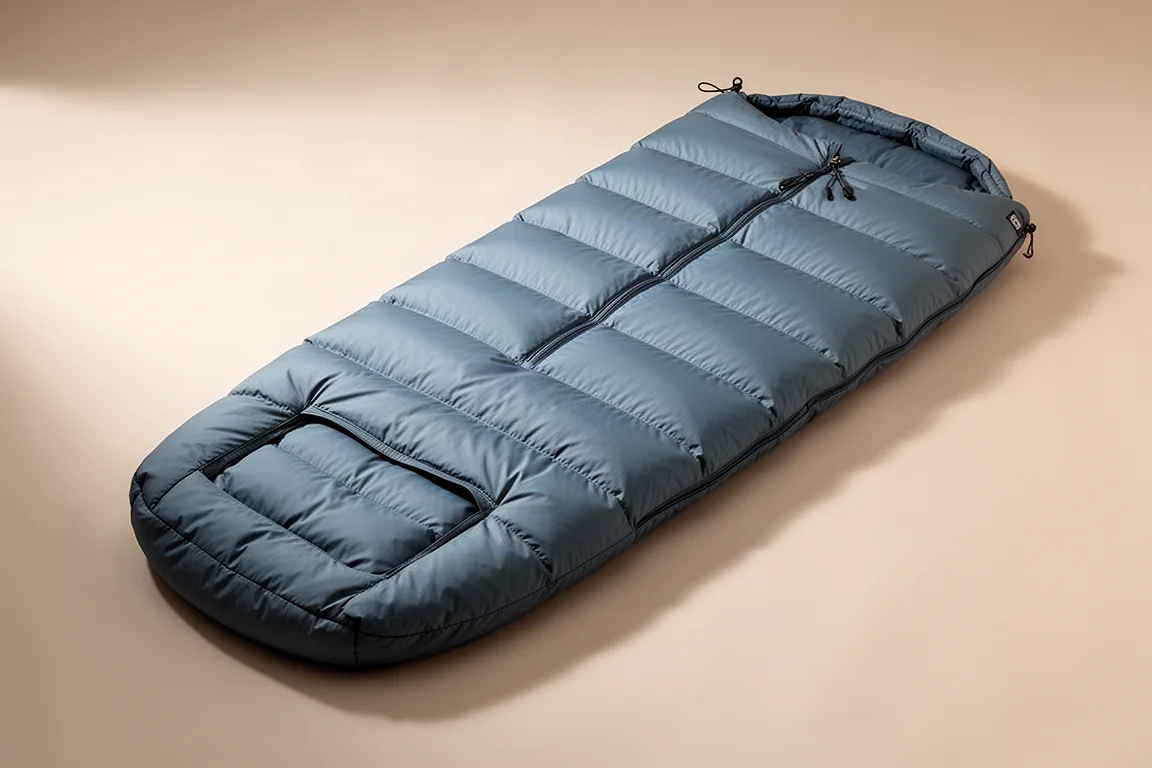
Enlightened Equipment Enigma 30
The Enigma 30 uses 950 fill power down and is the lightest quilt here. In a regular size it weighs 17 oz and costs $340. Pairing it with the UberLite pad produces the lightest sleep system of the three loadouts.
Buying Advice: How to Choose Between the Three Setups
The three loadouts differ mainly in how much each additional ounce saved costs. Moving from a conventional big three to the 6.3 lb value build delivers the largest single weight reduction for the money. Stepping from there to 4.8 lb costs roughly $350, and stepping again to 3.8 lb costs about $250 more. The returns get smaller as the weight drops.
That pattern makes the value setup the sensible entry point for most backpackers, with the mid-range build the natural next step once a lighter base weight becomes a priority. The premium build is for anyone who has already decided that the last pound matters more than the price difference.
It also helps to shop by item rather than by bundle. If the shelter from one setup appeals more than the pack from the same list, mixing them is entirely reasonable. The quilts here illustrate the point nicely: the Moondance 25 offers a drawstring toe box and a low price, the Palisade 30 adds a closed toe box and 900 fill power hydrophobic down, and the Enigma 30 goes further with 950 fill power down in a lighter package. Choosing between them comes down to how much warmth-to-weight is worth paying for.
Conclusion
Rebuilding the big three is the most effective way to lighten a pack, and the three setups here show what that looks like at three different budgets. The 6.3 lb build covers the essentials for under $1,000, the 4.8 lb build trades roughly $350 for a meaningful drop in weight, and the 3.8 lb build delivers the lightest combination of the group for a little over $1,500.
This is high-end gear from established ultralight names, and the pricing reflects that. The good news is that every item is interchangeable, so there is no need to commit to a single list. Start with the piece that will make the biggest difference to your own base weight, and build from there.
Further reading
Related Reviews

Backpacking Gear
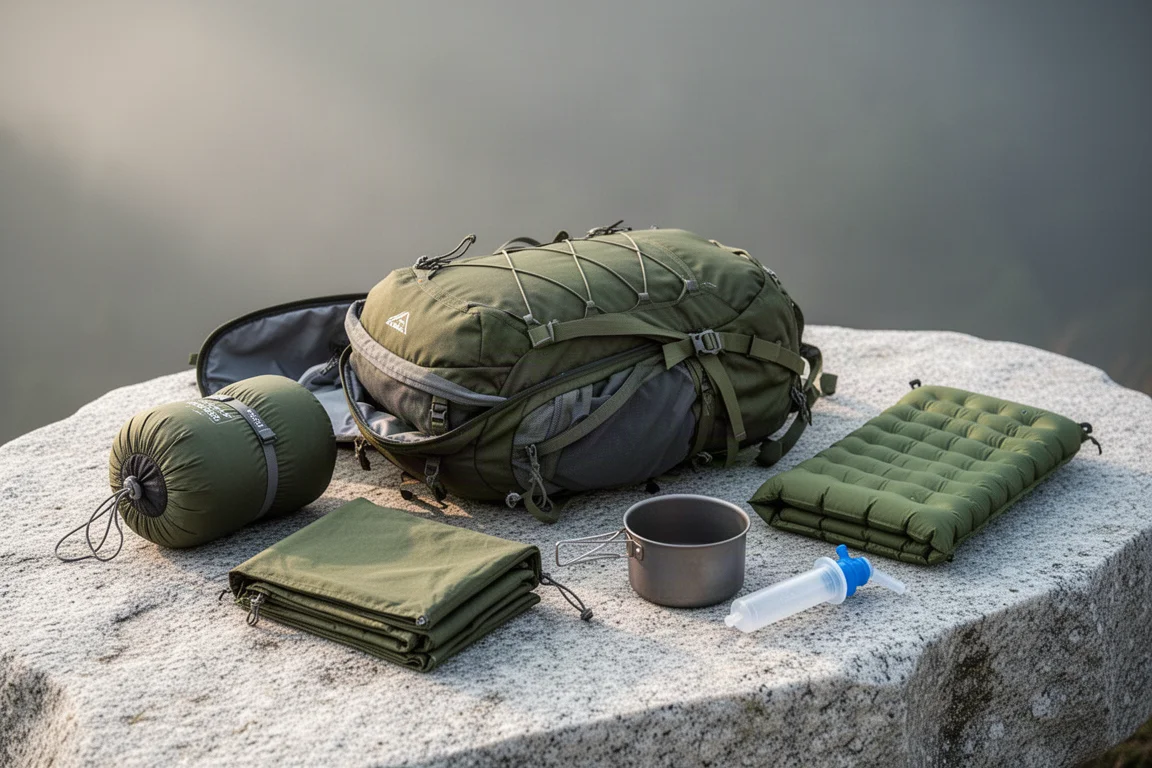
Building a 10 lb Base Weight: An Ultralight Backpacking Gear List
A practical walkthrough of the ultralight pieces behind a 10 lb base weight, from a 765 g pack and a roomy one-person tent to a full camp chair and a dependable water filter.
Backpacking Gear
A 15-Pound Lightweight Backpacking Gear List for Solo Trips
A beginner-friendly 15-pound backpacking setup built from easy-to-find gear, with notes on what each piece does, how it packs, and where to spend your attention.
Backpacking Gear
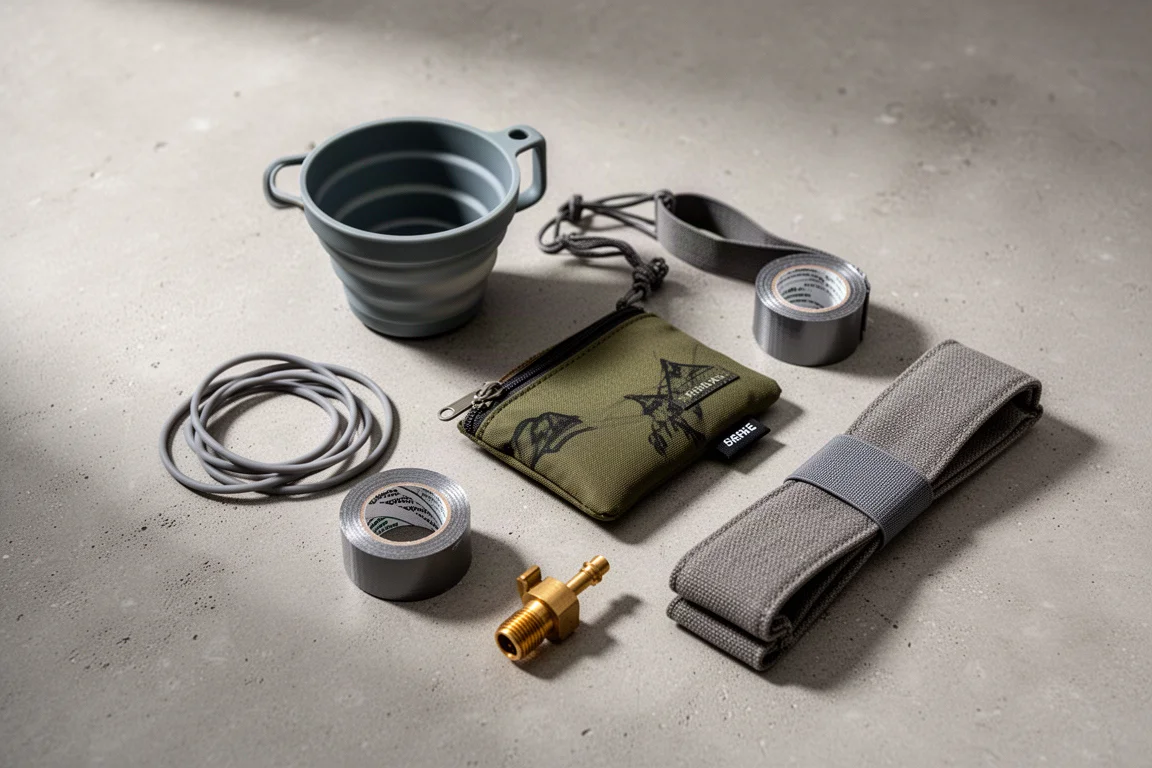
8 Ultralight Backpacking Gear Upgrades Worth Carrying
Eight small, affordable backpacking upgrades that solve real trail annoyances, from a pillow that stays put to a fuel valve that rescues leftover canister gas.