Backpacking Sleep Systems
Ultralight Backpacking Sleep System Review: Nemo Tensor Elite, Zpacks Solo Quilt and Big Sky Pillow
Three ultralight pieces tested over three nights: how the Nemo Tensor Elite pad, Zpacks Solo Quilt and Big Sky Ultralight Pillow handle warmth, comfort and durability.
Introduction
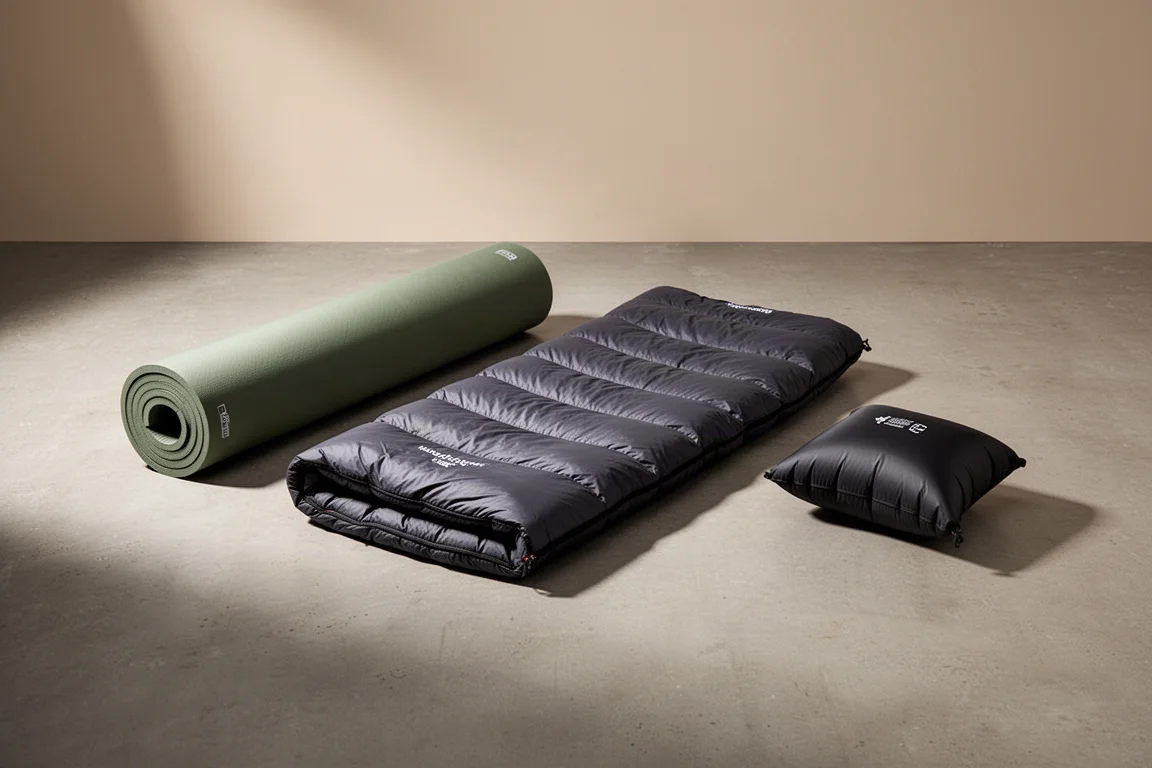
A complete sleep system that comes in at 1.5 lb for the pad, quilt and pillow together sits at the far edge of what backpacking gear can do right now. The three pieces here, the Nemo Tensor Elite, the Zpacks Solo Quilt and the Big Sky Ultralight Pillow, were used together over a four-day trip with three nights outside, including one night that pushed the system to its limit.
The question that matters with gear this light is not whether it saves weight, because it clearly does. The question is whether it still keeps you warm and comfortable, and where the trade-offs land. Here is how each piece performed, and where a system like this genuinely makes sense.
How This Sleep System Was Tested
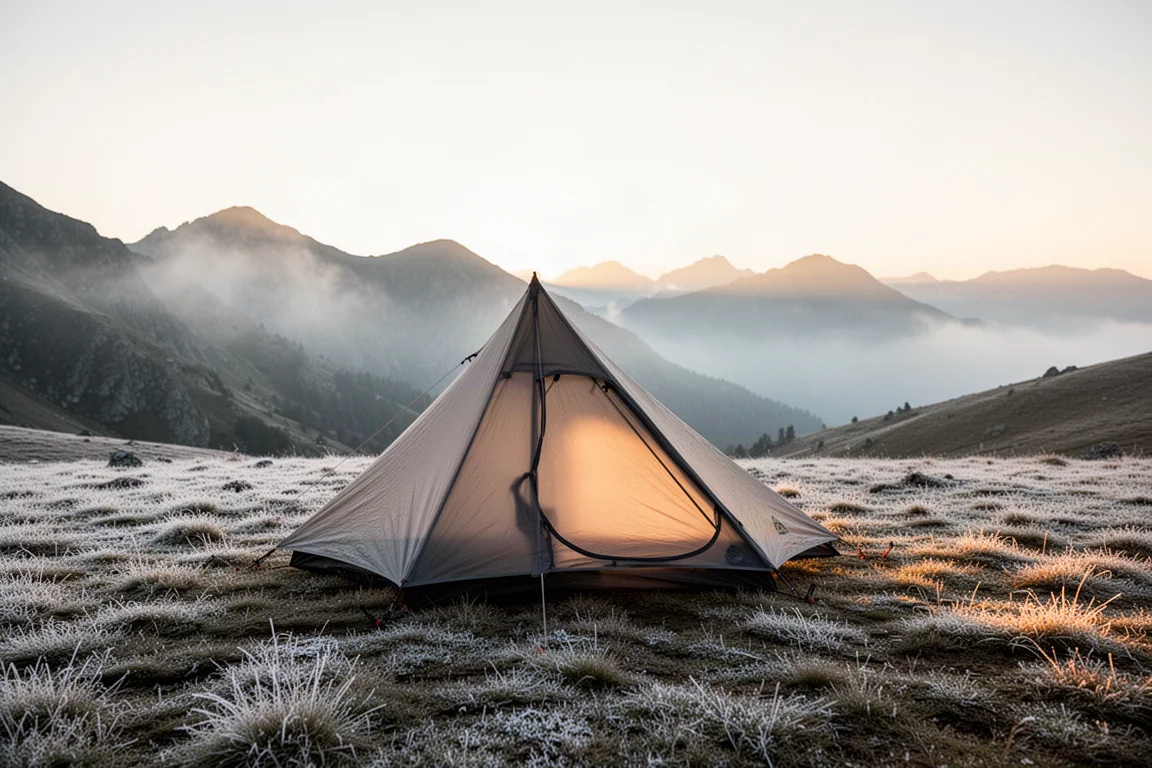
Three consecutive nights, with the first night dropping to a low of 3°C and the following two nights holding at 8°C. Those temperatures turned out to be useful, because they exposed the exact point where one component started to give up ground. Worn clothing was kept consistent: an Alpha Direct 60 top, Alpha Direct bottoms and Alpha Direct socks, plus a merino beanie.
Results were assessed across warmth, comfort and durability, which is the honest way to judge ultralight gear. A piece can be impressively light and still fall short on one of those three fronts, and with a system this minimal there is very little margin to hide behind.
Nemo Tensor Elite: The Lightest Sleeping Pad
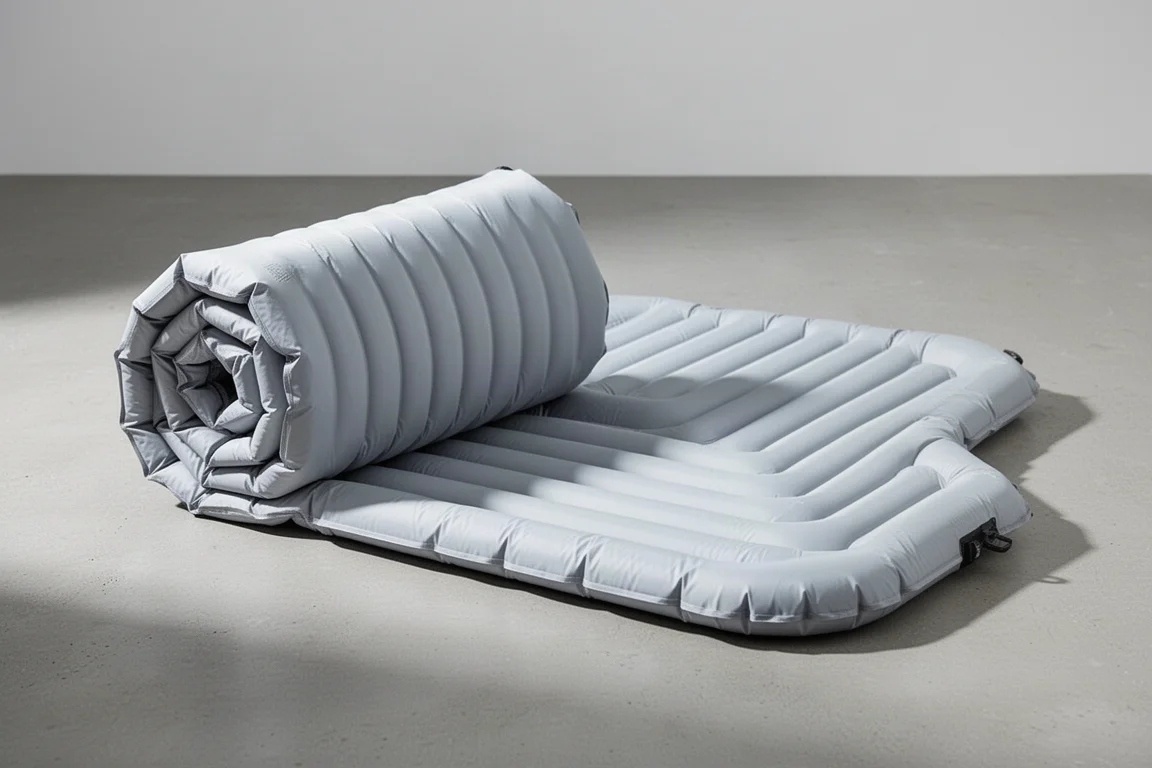
The Nemo Tensor Elite in its regular size measures 20 inches wide and just under 6 feet long, and it weighs 254 g. That makes it the lightest sleeping pad on the market now that the Therm-a-Rest Uberlite has been discontinued, and it is the clearest reason to consider it. The model was released last year, and Nemo positions it as durable, though long-term data is still thin simply because not many of them are in circulation yet.
Warmth is the first trade-off. With an R-value of 2.4, the pad was the weak point of the system. Heat began draining through the pad once the temperature reached 3°C on the first night, while the same setup felt fine at 8°C on the other two nights. Around 5°C looks like the practical limit, at least in fall conditions where the ground itself still holds some warmth.
Comfort is better than the weight suggests. Because the pad uses a thinner material than other Nemo Tensor models, the surface has more give and springiness, which translates into a useful amount of pressure relief. The 20-inch width is the real compromise: back sleepers will notice their arms resting off the edge, while side sleepers around 5 feet 10 inches and 180 lb or smaller are likely to find it workable.
Durability is the open question. A thin denier shell and a thin TPU interior are what make 254 g possible, and that combination raises fair concerns about the welds holding up over years of use, or about punctures from shifting position too aggressively. Earlier-generation Nemo Tensor pads did fail at the welds, but the current generation has not shown that problem in use so far.
Zpacks Solo Quilt: Warmth and Draft Control
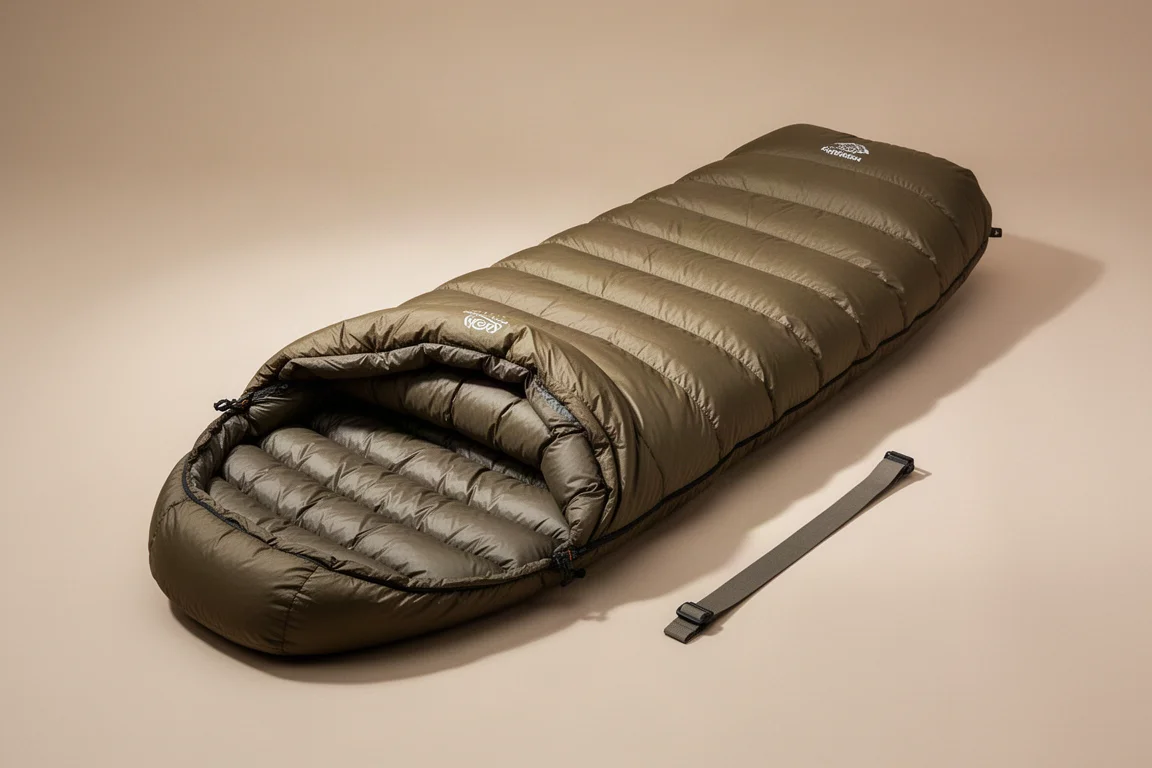
The Zpacks Solo Quilt in the 30°F regular version weighs 430 g, which puts it among the lightest quilts in that temperature range. The low weight comes from deliberately minimal materials, and the construction quality holds up over a couple of years of use.
On warmth, this quilt was the standout of the three pieces. It reads as a genuine 30°F quilt for a sleeper who runs warm, and anyone who sleeps cold should build in a little extra buffer. The neck snap closes the quilt around the neck, and the cinch tightens it down to shut off drafts around the shoulders.
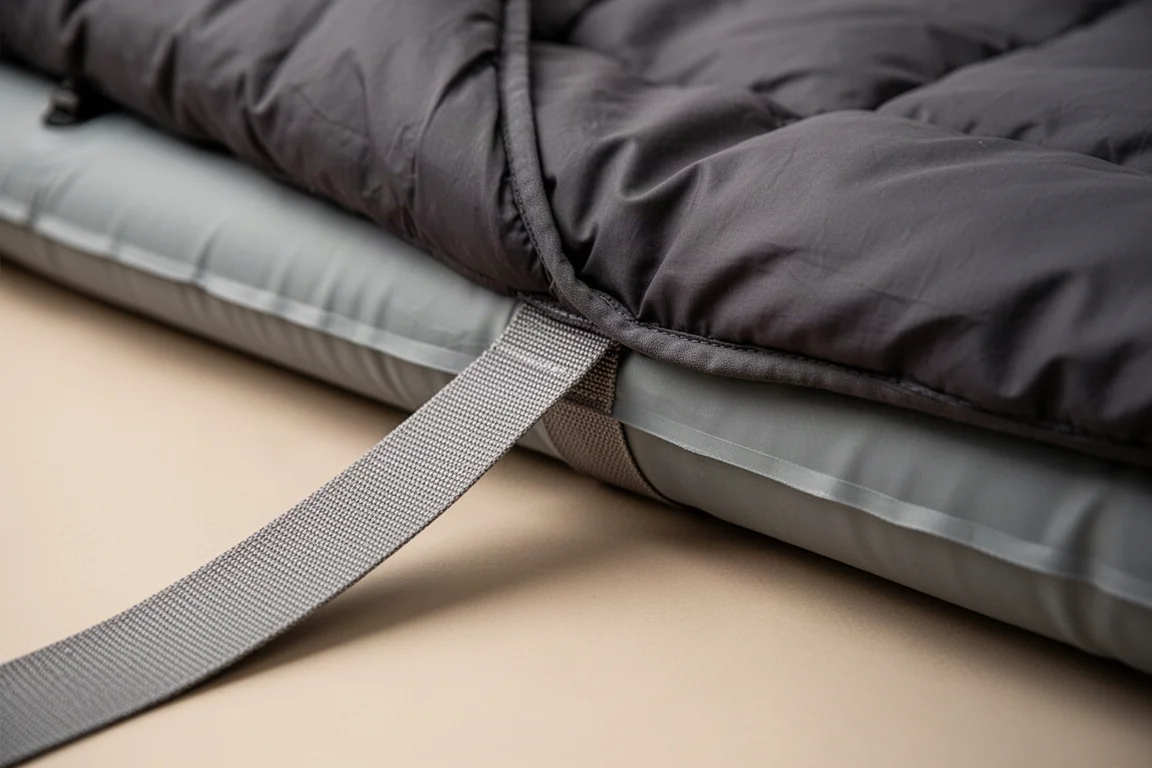
The single pad strap is the detail that needs attention. Positioned correctly, roughly level with the armpit or chest, it locks the quilt to the pad and keeps drafts out. On the first night the strap sat too high, which opened a gap when rolling over and let cold air in. Once the strap was placed properly and the snaps were tucked further under the pad on the second and third nights, the quilt stayed sealed and felt noticeably warmer.
Comfort is where a quilt format earns its place. Moving around underneath is easy, with none of the tangling that comes with a sleeping bag, and that mattered more than usual here because the narrower pad encouraged more position changes through the night.
Big Sky Ultralight Pillow: A 50 g Pillow That Stays Put
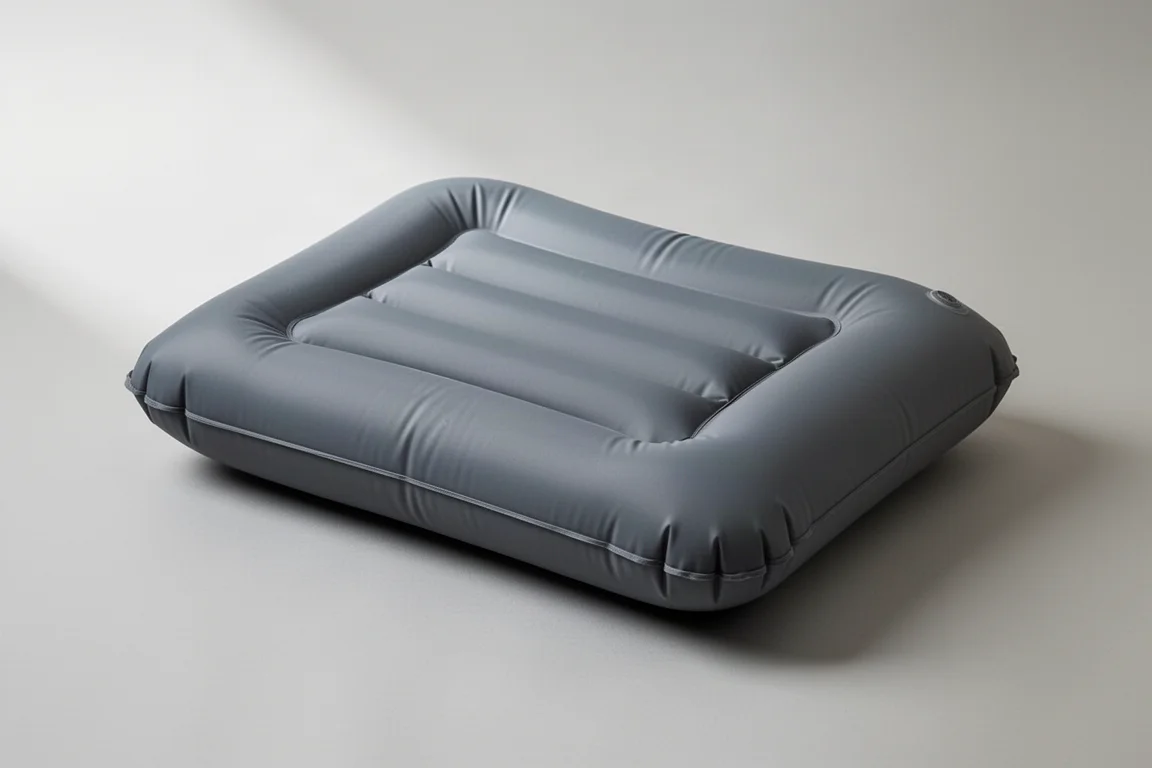
At 50 g, the Big Sky Ultralight Pillow is the kind of item most backpackers leave at home to save weight. What makes it worth carrying is the pair of loops on the sides, which accept a length of shock cord so the pillow can be anchored to the sleeping pad. It stops the pillow from wandering as you turn over during the night.
Height and baffling are also well judged. The pillow sits tall enough for side sleepers, and the baffles provide real support rather than the balloon-like feel of a simple air bladder.
Temperature is the main caveat. Because it is an uninsulated air bladder with nothing on top, heat drains from the head when sleeping without a hat. It is not a cold-weather pillow, and the difference was noticeable on the coldest night. Comfort against bare skin is a reasonable compromise, and a topper solves both issues: the Zpacks topper adds warmth and comfort for 70 g.
Durability carries some uncertainty. Big Sky moved away from its previous manufacturer for this pillow, so long-term wear is still unproven.
Warmth, Comfort and Durability: What Stood Out
The sleeping pad was the weak point for warmth and the weak point for durability. The quilt was the standout across all three categories. The pillow was the one piece that ran cold, specifically at the head.
Comfort was the surprise. There was no serious weak point, even with a 20-inch pad. The width is a genuine compromise for back sleepers, but the pad’s pressure relief is better than its spec sheet suggests, and the quilt’s freedom of movement more than compensates for the narrower surface.
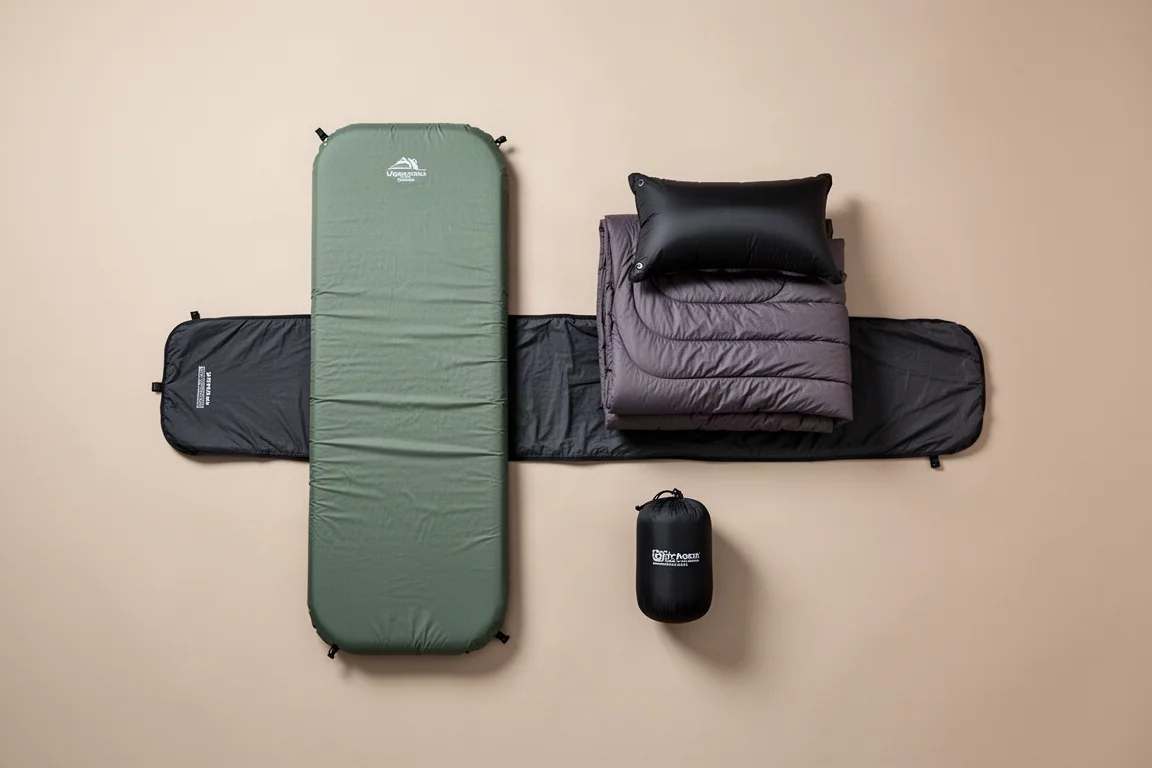
The pattern across all three categories is consistent: the quilt is the piece that carries the system, the pad is the piece that saves the most weight and asks the most in return, and the pillow is a small luxury that happens to be light enough to justify.
Where This System Makes Sense
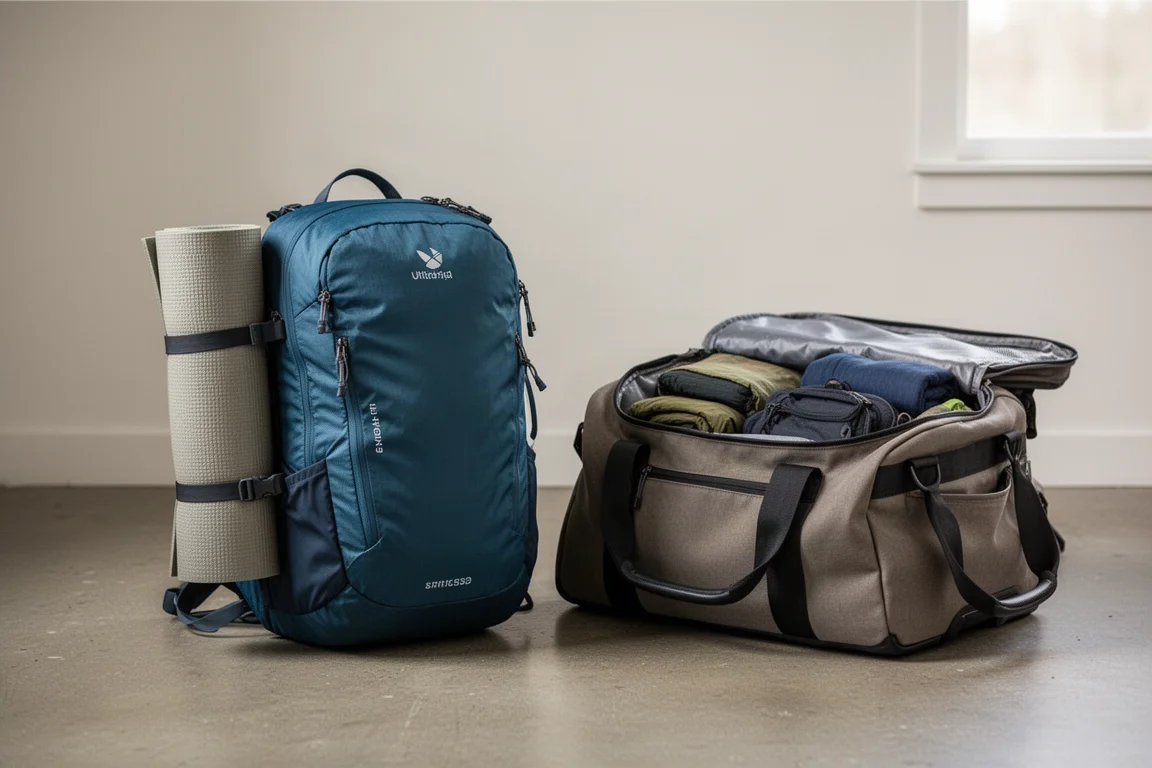
This is a focused kit rather than an all-rounder. It suits trips where miles matter most, whether that is fastpacking or thru-hiking, and it suits travel where the whole kit has to fit into one checked bag. On this trip, that meant packrafting gear, food for four days and the sleep system all fitting into a single checked bag that came in just under the 23 kg limit. A heavier sleep system would have pushed it over.
Buying Advice
Judge each piece on its own terms, because the three do not stand or fall together. If a 20-inch pad is acceptable and minimum weight is the priority, the Nemo Tensor Elite is an exceptional choice, provided the trip stays above roughly 5°C or is paired with extra insulation. If you want a light quilt and you are not sleeping in serious cold, the Zpacks Solo Quilt is a strong option, and its draft control is easy to get right once you know how it sits on the pad. If you want a pillow but cannot justify the weight, the Big Sky Ultralight Pillow is remarkably light for what it offers, and adding a topper turns it into a warmer, more comfortable option for a modest 70 g.
One practical note applies to all three: this system rewards attention to setup. Strap position on the quilt and shock cord routing on the pillow make a measurable difference to how warm the night feels.
Conclusion
Taken together, these three pieces deliver a sleep system that weighs about 1.5 lb and works within clear limits. The quilt is the anchor, the pad is the weight-saving gamble, and the pillow is the small comfort most people would otherwise leave behind. Buy them as a set if your trips are high-mileage and mild, or pick the individual pieces that match how and where you actually sleep.
Further reading
Related Reviews
Backpacking Sleep Systems
Extreme Cold Sleep System: Six Backpacking Layers for Deep Winter Warmth
A bottom-up look at a six-piece winter sleep system, from a foam ground mat to a floorless shelter, and the reason each layer earns its place.
Backpacking Sleep Systems
Luxury Backpacking Sleep System: Four Pieces That Feel Like a Bed at Home
A wide, thick sleeping pad, a draft-free quilt, a generously cushioned pillow, and a few small habits that bring backcountry sleep much closer to home.
Backpacking Sleep Systems
Quilts vs Sleeping Bags for Backpacking: Five Sleep Systems Compared
A practical look at five backpacking sleep systems, from wide quilts to adjustable sleeping bags and a ground-focused quilt bed, and how to choose between them.