Backpacking Gear
Should You Buy an Ultralight Backpacking Pack? Atom Packs The Mo 50L and Durston Kakwa 40L Compared
Two of the best ultralight backpacking packs compared on frame design, pocket layout, real-world load limits, and who actually benefits from going light.
Introduction
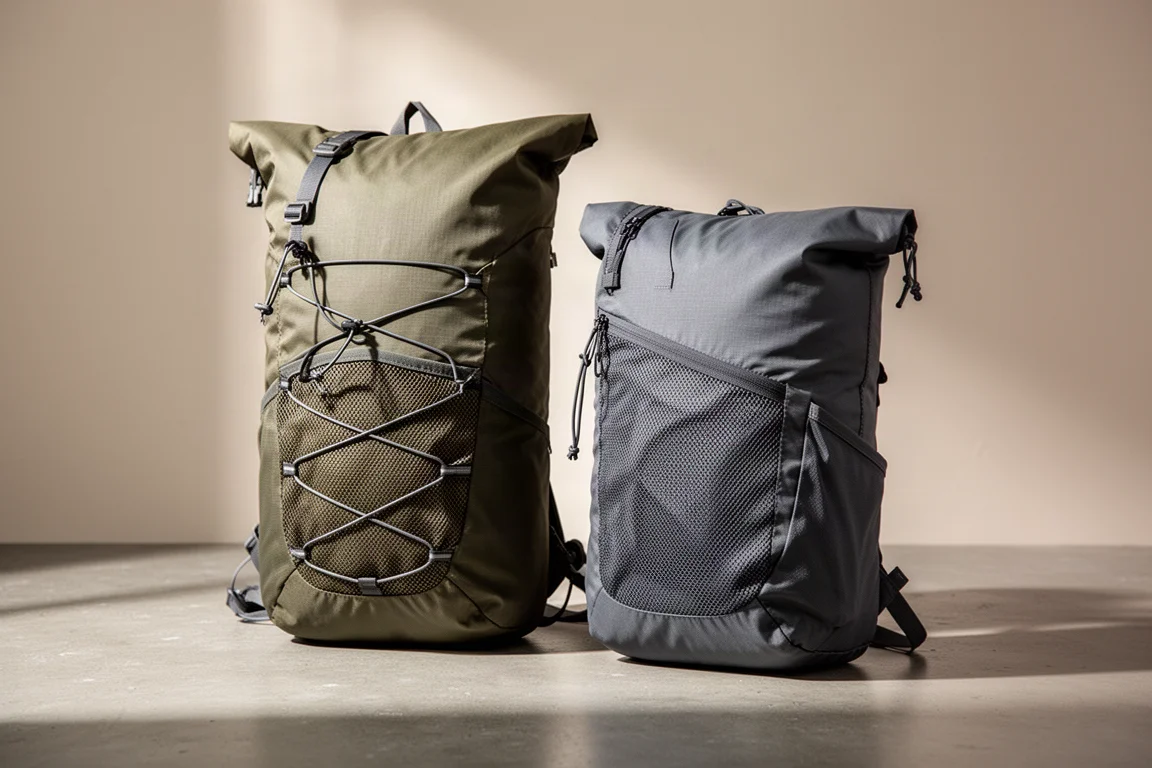
Ultralight backpacking packs have a reputation problem. Plenty of them really are little more than a carrier bag with a couple of straps and a mesh front pocket, and those packs are genuinely hard to recommend. The Atom Packs The Mo 50L and the Durston Kakwa 40L are not that. Both use proper internal frames, both carry a full set of features, and both are built from substantial materials.
That said, going light is not automatically the right answer for everyone. This comparison looks at what each pack does well, how they differ in frame and pocket design, and where the honest limits of an ultralight pack sit.
What to Look For in an Ultralight Backpacking Pack
The first thing to check is the frame. A real frame is what separates a load-bearing pack from a sack with straps, and it is the reason these two packs can be carried comfortably at all. Foam thickness in the hip belt, lumbar pad and shoulder straps matters just as much, because that is what transfers weight away from your shoulders and onto your hips.
Closure design is the next consideration. Both packs use a roll top with a Y strap and no lid, which keeps weight down while still compressing the load. After that, look at pockets and access: how easily you can reach a water bottle, where you would stash a hat or gloves, and whether there is somewhere to put rubbish or small items without opening the main compartment.
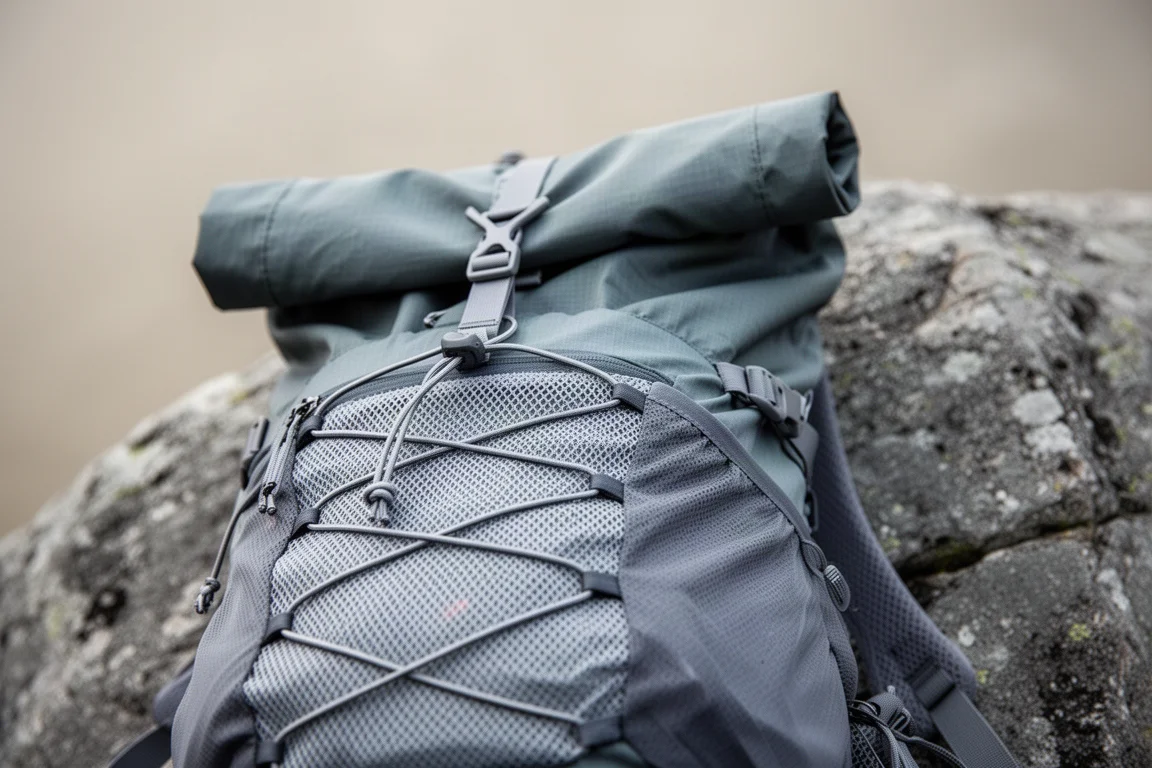
Weight and listed load capacity deserve a closer look than most shoppers give them. A sub-1 kg pack is a genuine advantage on long days, but the headline load figures printed on ultralight packs are not a realistic guide to comfort. They are better read as the point at which a pack starts to struggle rather than the weight you should plan to carry.
Atom Packs The Mo 50L: Custom Pockets and a Firm Frame
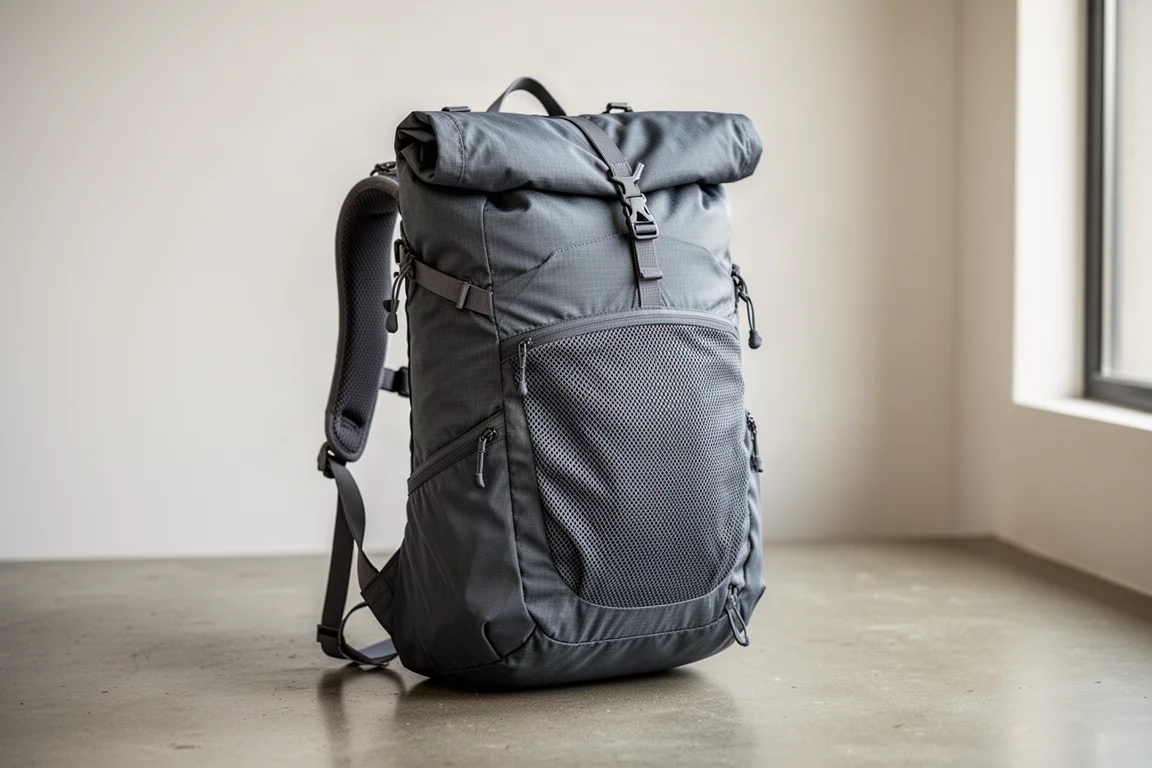
The Mo 50L was customised on the maker’s site to a specific set of requirements, and the result is a pack built around pocket access. There is a front stash pocket, plus a clever hidden pocket underneath it that can be reached from one side, ideal for a hat, gloves or rubbish. Two large 2.5 L side pockets sit alongside two decently sized hip pockets, and there are even two shoulder pockets capable of holding a bottle. There is also what the maker calls an avocado pocket.
The detailing extends to zigzag mesh on the side and front and an ice axe loop. The closure is a roll top with a Y strap and no lid, and the materials throughout are thick and well made. Inside, a plastic frame runs alongside a metal bar that follows the line of your spine, and the assembly is notably firm. That firmness pays off when the pack is fully loaded, because gear does not dig into your back. The back panel has no mesh, which is a small compromise and a common trait of ultralight packs.
Padding is generous for the weight class: 10 mm foam in the hip belt, lumbar area and shoulder straps, covered with a 3 mm mesh. The pack comes in at under 1 kg in this configuration. It also has a hydration reservoir sleeve and clip, and the main body is simply one large open area. The listed load capacity is 19 kg.
Durston Kakwa 40L: A U-Shaped Frame and Smart Pockets
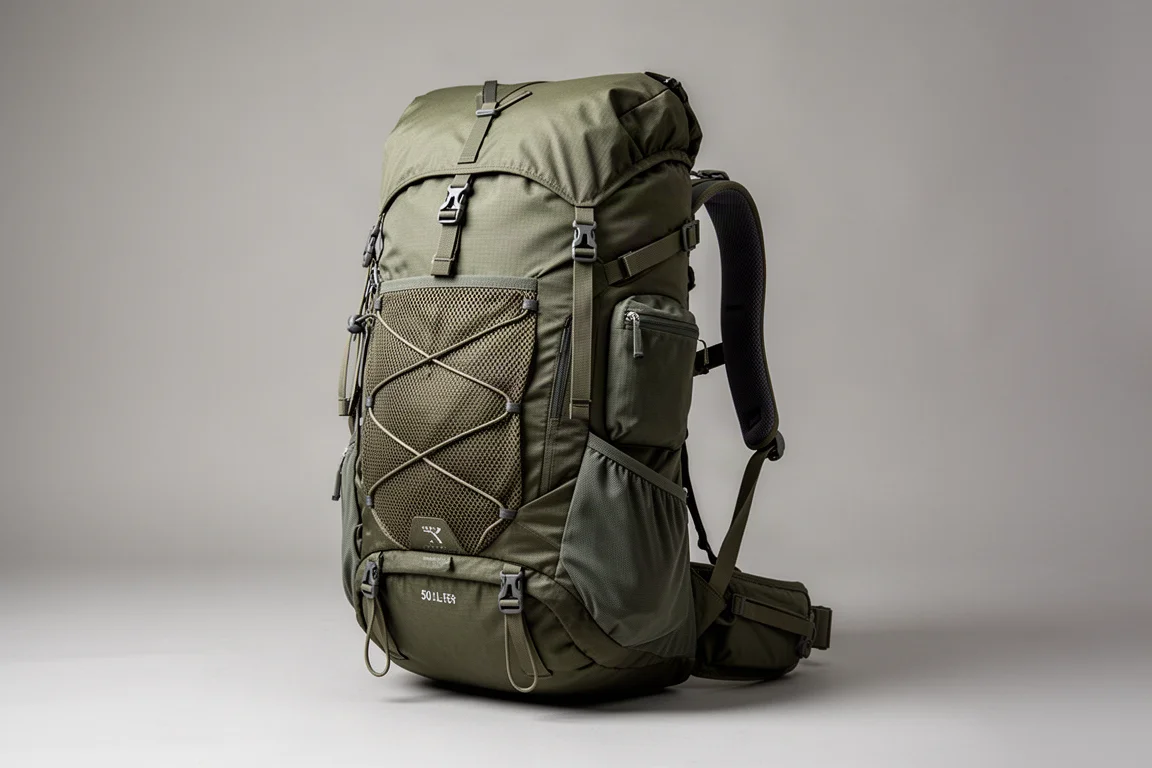
The Kakwa 40L takes a different approach to storage and structure. It has a large mesh pocket across the front, zigzag elastic and the same roll top with a Y strap. The side pockets are the interesting part: one is slanted so a water bottle can be reached while the pack is on your back, while the other sits higher and includes a zip, giving another place to stash a hat, gloves or rubbish.
The frame system is where the two packs diverge most. The Kakwa uses a U-shaped frame, which leaves nothing running down the centre of the back, and there is only a little foam in that area. That means you need to be a bit careful about how you pack it so nothing presses into your spine. Padding in the hips and shoulder straps is reasonable, and the pack includes load lifters and a carrying strap, with shoulder straps in the same style as the Mo.
The listed load capacity is 20 kg.
Frame Design and Comfort Under Load
The Mo’s plastic frame with a central metal bar creates a firm, continuous structure down the spine, which keeps hard items away from your back once the pack is packed full. The Kakwa’s U-shaped frame deliberately leaves the centre open, trading some of that firmness for a lighter structure and putting more responsibility on how you arrange your kit.
Both packs back up their frames with foam in the hip belt and shoulder straps, and both include load lifters so you can tune how the pack sits against your back. Neither design is a shortcut. They simply prioritise different things: predictable support regardless of packing, versus a lighter frame that rewards a tidy, deliberate pack job.
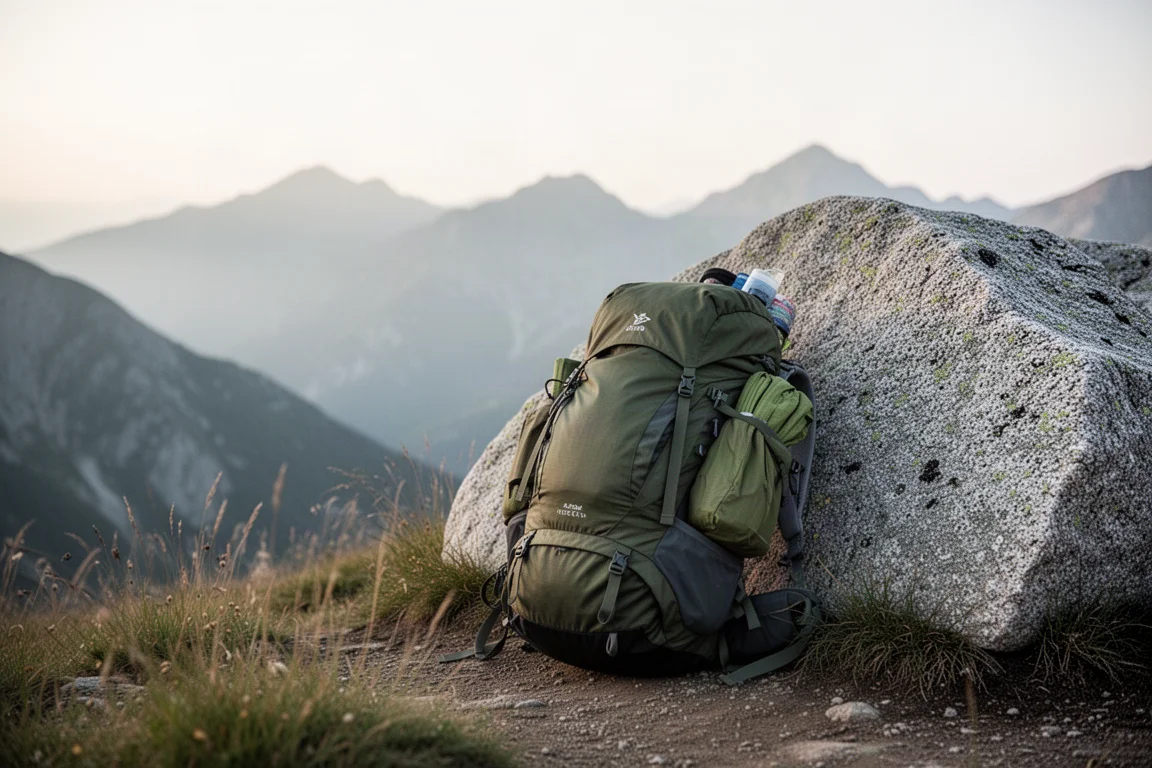
In practice, the difference shows up on longer carries. A firm frame is more forgiving when you are tired and less careful about how everything is arranged, while an open frame rewards the habit of keeping soft items against your back and hard items further out.
Pocket Layout and On-Trail Access
Pocket design is where personal preference matters most, because it depends on what you actually reach for during a day. The Mo leans toward abundance: front stash, hidden side-access pocket, two 2.5 L side pockets, two hip pockets, two shoulder pockets that can take a bottle, and an avocado pocket. Few packs in this weight class offer that many places to put things.
The Kakwa is more selective but arguably smarter about it. The slanted side pocket is designed so a bottle can be pulled out without taking the pack off, which is the single most useful pocket feature on a long walk. The zipped pocket on the opposite side covers the small-item and rubbish duty that the Mo handles with its hidden pocket.
If you like having a specific home for every item, the Mo’s layout will feel natural. If you prefer a leaner arrangement with the essentials reachable on the move, the Kakwa’s slanted bottle pocket will be the detail you notice most.
Realistic Load Limits for Ultralight Packs
The listed capacities of 19 kg and 20 kg are best ignored. Loading either of these packs to that weight would be genuinely uncomfortable, and the same is true of comparable ultralight packs from other makers. Those figures are closer to the point at which a pack starts to fail than a sensible carrying target.
A more realistic guide is to keep the total load around 10 kg, and ideally at 8 to 9 kg or under, for these packs to feel properly comfortable. Below that range, the weight saving of the pack itself becomes a real benefit. Above it, the pack is working against you.
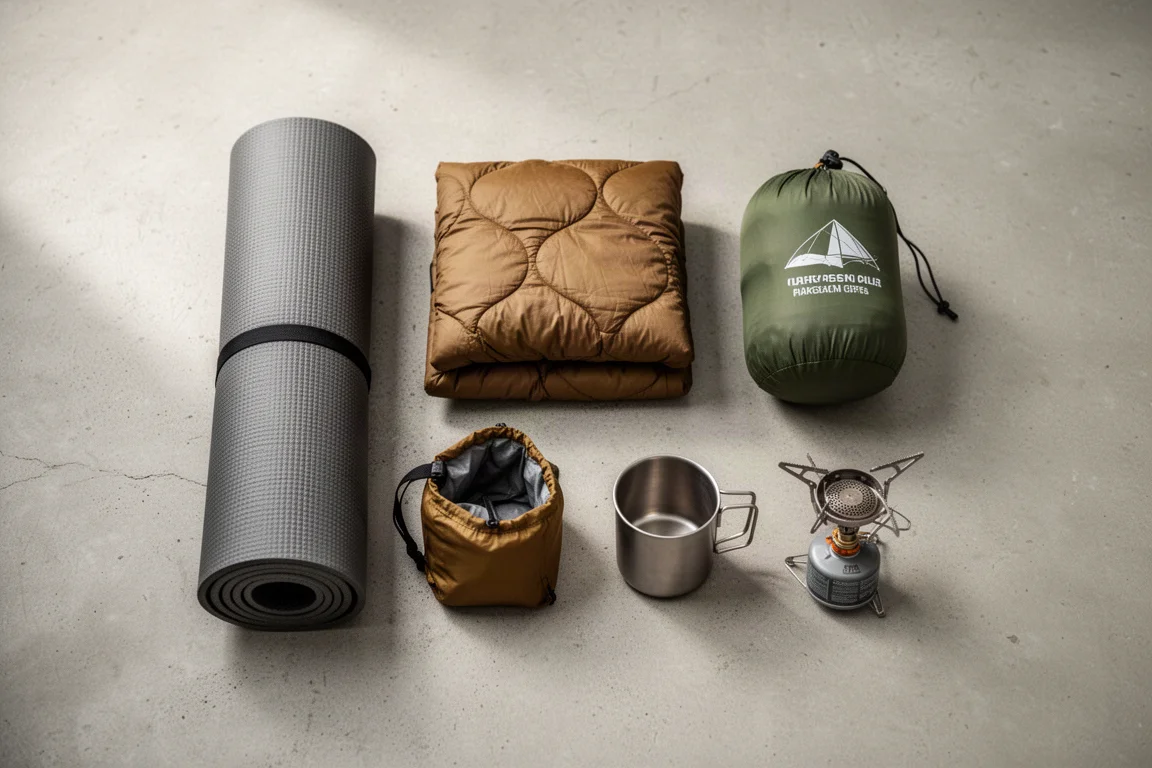
That is why lightening the pack alone is a false economy. If the rest of your kit stays heavy, a lighter pack will leave you worse off than a heavier, more comfortable design that is built to carry weight. The pack is only one part of the system, and it should be one of the last things you look at rather than the first.
Who Gets the Most From an Ultralight Pack
Ultralight packs suit ultralight gear. If your sleep system, shelter, clothing and food are already compact and light, both of these packs make sense, and the weight saving is worth having. If your kit is not there yet, the money is better spent elsewhere first.
They also suit a particular kind of trip. Longer days, multi-day routes and long-distance trails are where a light pack earns its place, especially for walkers who enjoy the walking itself and treat the camping as a small part of the day. A fit, healthy walker doing a short distance to a single camping spot will not gain much from an ultralight pack at all.
Fitness and health play a bigger role here than most gear discussions admit. Carrying weight comfortably is not the same experience for everyone, and if heavy loads cause problems, a pack designed for that job will serve you better than a light one pushed beyond its comfort zone.
Buying Advice
Start with everything else. Look at your sleep system, your shelter, and most importantly what you actually take with you. If you have moved to a small camping stove and a titanium mug, an ultralight pack fits the kit you already carry. If you are still packing a larger stove, a frying pan and steaks, no pack is going to solve that.
Once the rest of your kit is light, choose between these two on frame feel and pocket habits. The Mo offers a firmer, more forgiving frame and a very large number of pockets, with the option to customise the build. The Kakwa offers a lighter U-shaped frame that rewards careful packing and a slanted side pocket that keeps water reachable while you walk.

Whichever you choose, keep the total load in the region of 8 to 10 kg. That is the range where both packs deliver what they promise, and where the weight saving translates into a noticeably easier day on the trail.
Conclusion
Both of these packs show what a well-made ultralight backpacking pack can be: a proper frame, sensible padding, useful pockets and a sub-1 kg build. The Atom Packs The Mo 50L is the more feature-dense and customisable option with a firmer frame, while the Durston Kakwa 40L is the leaner, lighter design with excellent on-the-move access. Buy either one because your kit is already light and your trips are long, not because you want to lighten a heavy load.
Further reading
Related Reviews

Backpacking Gear
Building a 10 lb Base Weight: An Ultralight Backpacking Gear List
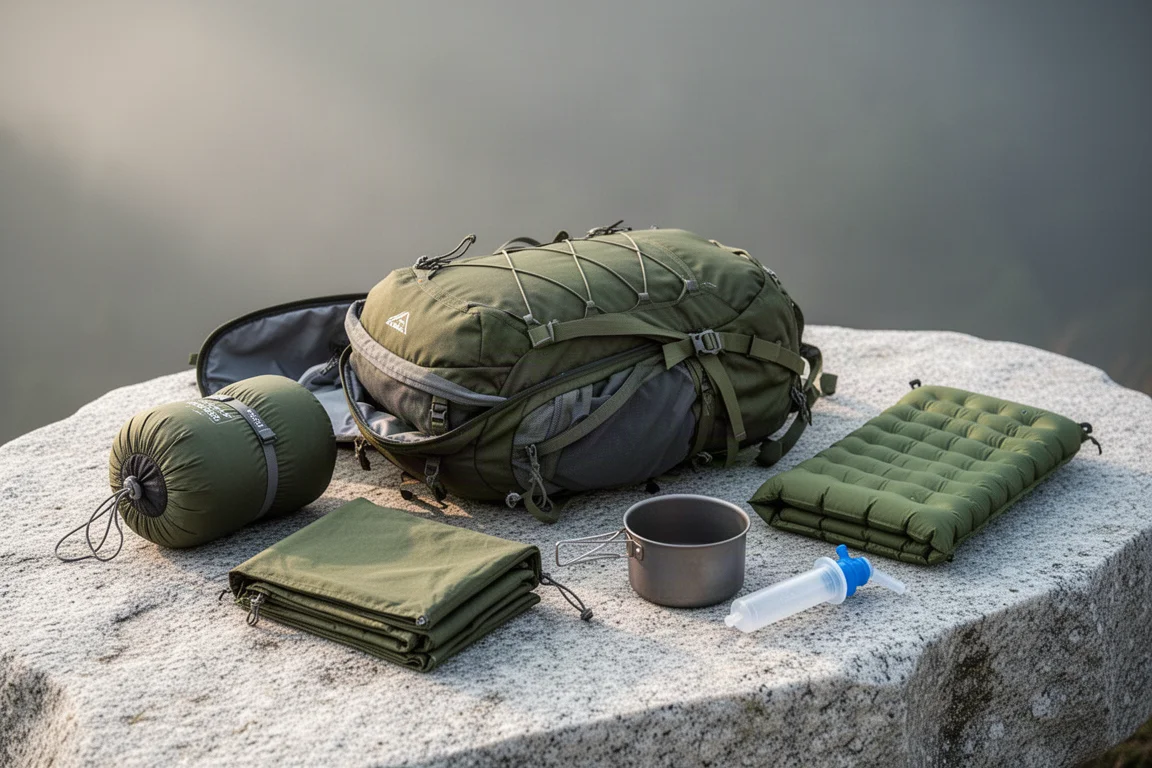
A practical walkthrough of the ultralight pieces behind a 10 lb base weight, from a 765 g pack and a roomy one-person tent to a full camp chair and a dependable water filter.
Backpacking Gear
A 15-Pound Lightweight Backpacking Gear List for Solo Trips
A beginner-friendly 15-pound backpacking setup built from easy-to-find gear, with notes on what each piece does, how it packs, and where to spend your attention.
Backpacking Gear
8 Ultralight Backpacking Gear Upgrades Worth Carrying
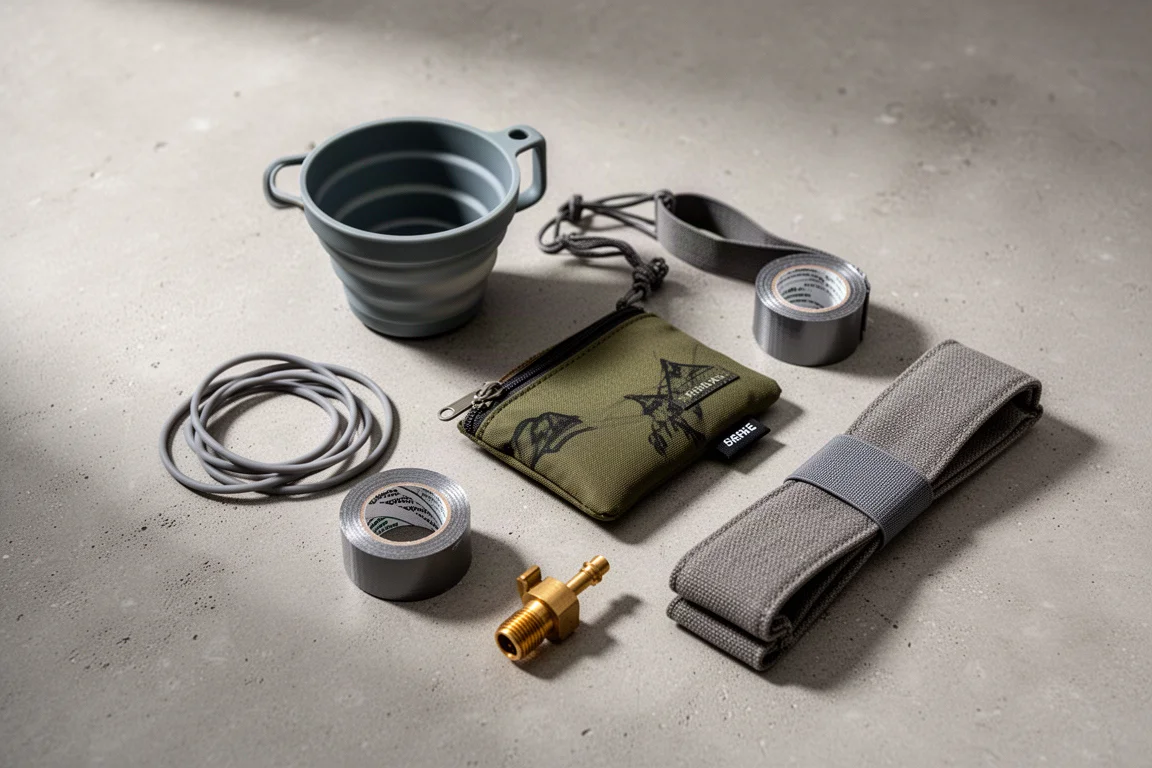
Eight small, affordable backpacking upgrades that solve real trail annoyances, from a pillow that stays put to a fuel valve that rescues leftover canister gas.