Backpacking Gear
Ultralight Backpacking Kitchen and Water Gear: Three Picks That Earn Their Place
A lightweight cook pot, a squeeze water filter, and an all-in-one stove system, with honest trade-offs and simple guidance on which setup fits your trip.
Introduction
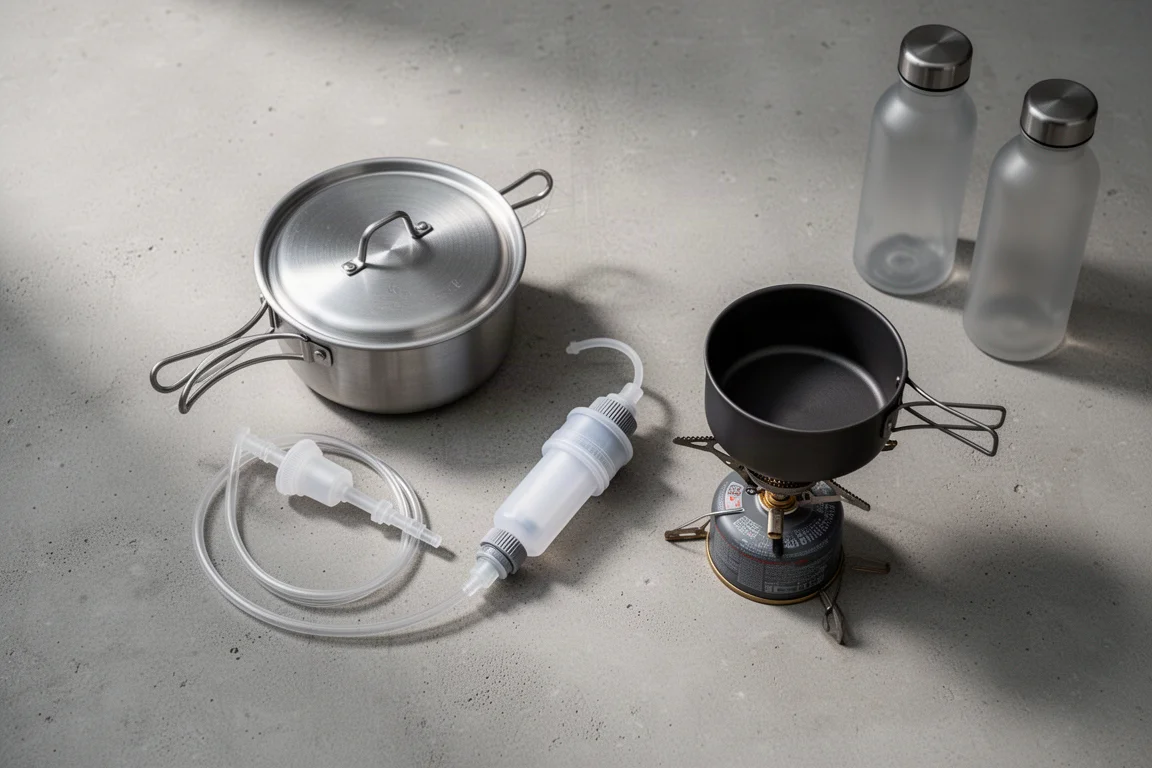
Weight is one of the few variables a backpacker can control on almost every trip, and the cook kit and water setup are two of the easiest places to trim it. The gear below covers a lightweight pot, a squeeze filter, and an all-in-one stove system, with an honest look at what each one gives up in exchange for the grams it saves.
What Ultralight Backpackers Actually Carry
A minimalist cook kit usually comes down to three parts: a pot, a canister stove, and a way to light it. When each part is chosen for weight, the total can land well under five ounces. A pot of about 3.4 ounces paired with a canister stove that weighs less than an ounce brings a complete setup to just under 4.4 ounces, which is the kind of number that matters over a long day on trail.
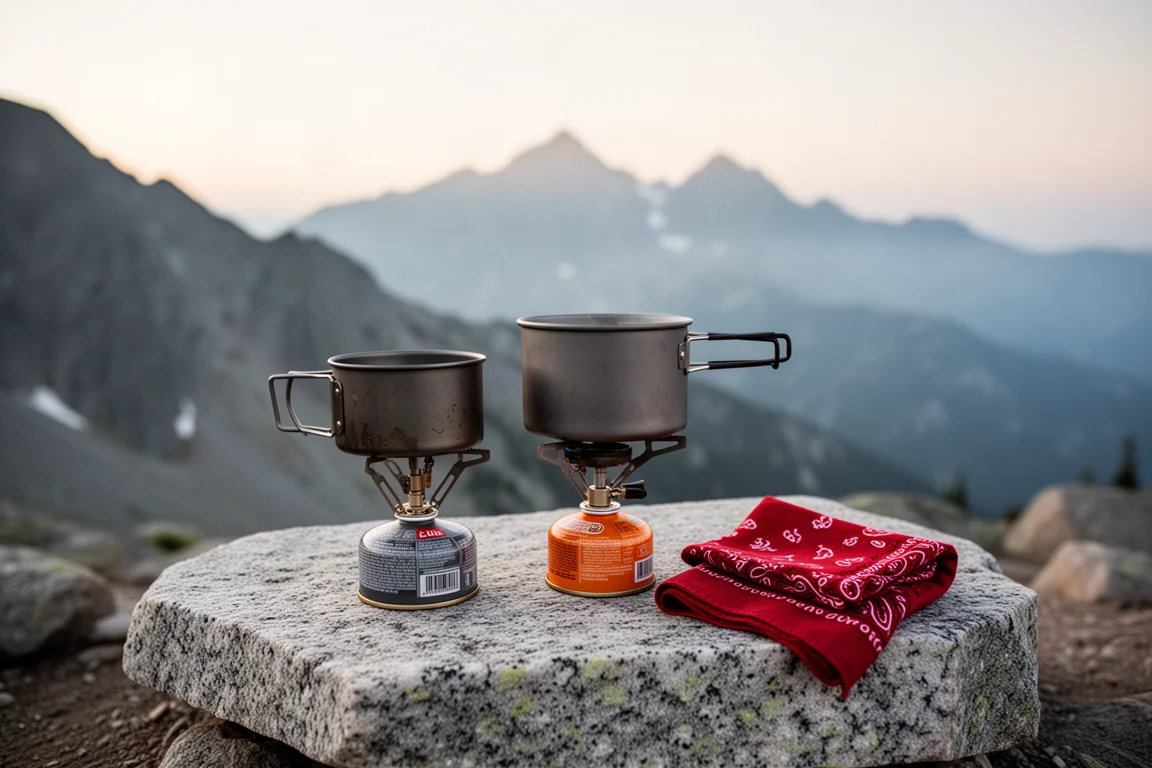
The trade-off is that separate parts mean more pieces to keep track of, and nothing is integrated into a single unit. For many hikers that is a fair exchange. For others, the convenience and stability of an all-in-one system is worth more than the number on the scale.
Best Ultralight Cook Pot: Stanco Grease Pot
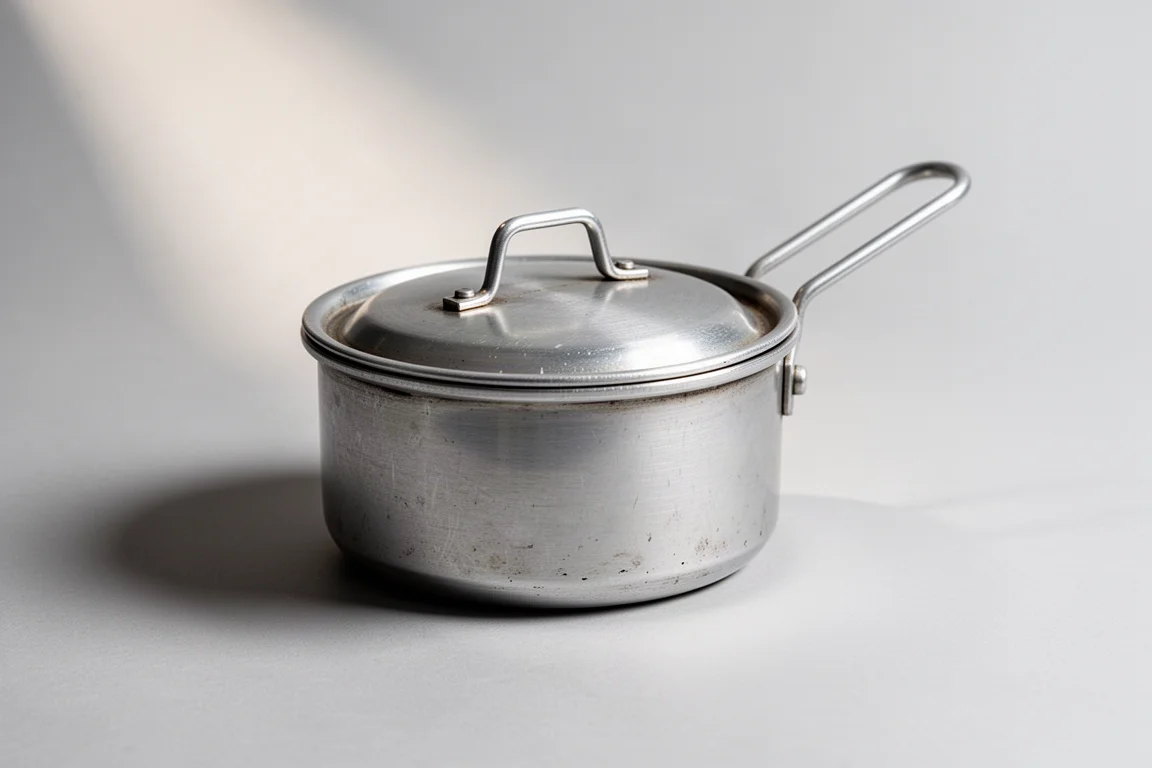
The Stanco grease pot is the quiet workhorse of a lightweight kitchen. At about 3.4 ounces, it holds a full dinner and pairs with a small canister stove, so the whole cook kit stays under 4.4 ounces. It is a simple pot with no integrated burner, which is exactly why it stays light.
For backpackers who already carry a separate stove, this pot is the piece that keeps the kitchen minimal. It is also a sensible starting point for anyone moving away from a heavier all-in-one system and wanting to see how little a cook kit really needs.
Best Water Filter: Sawyer Squeeze
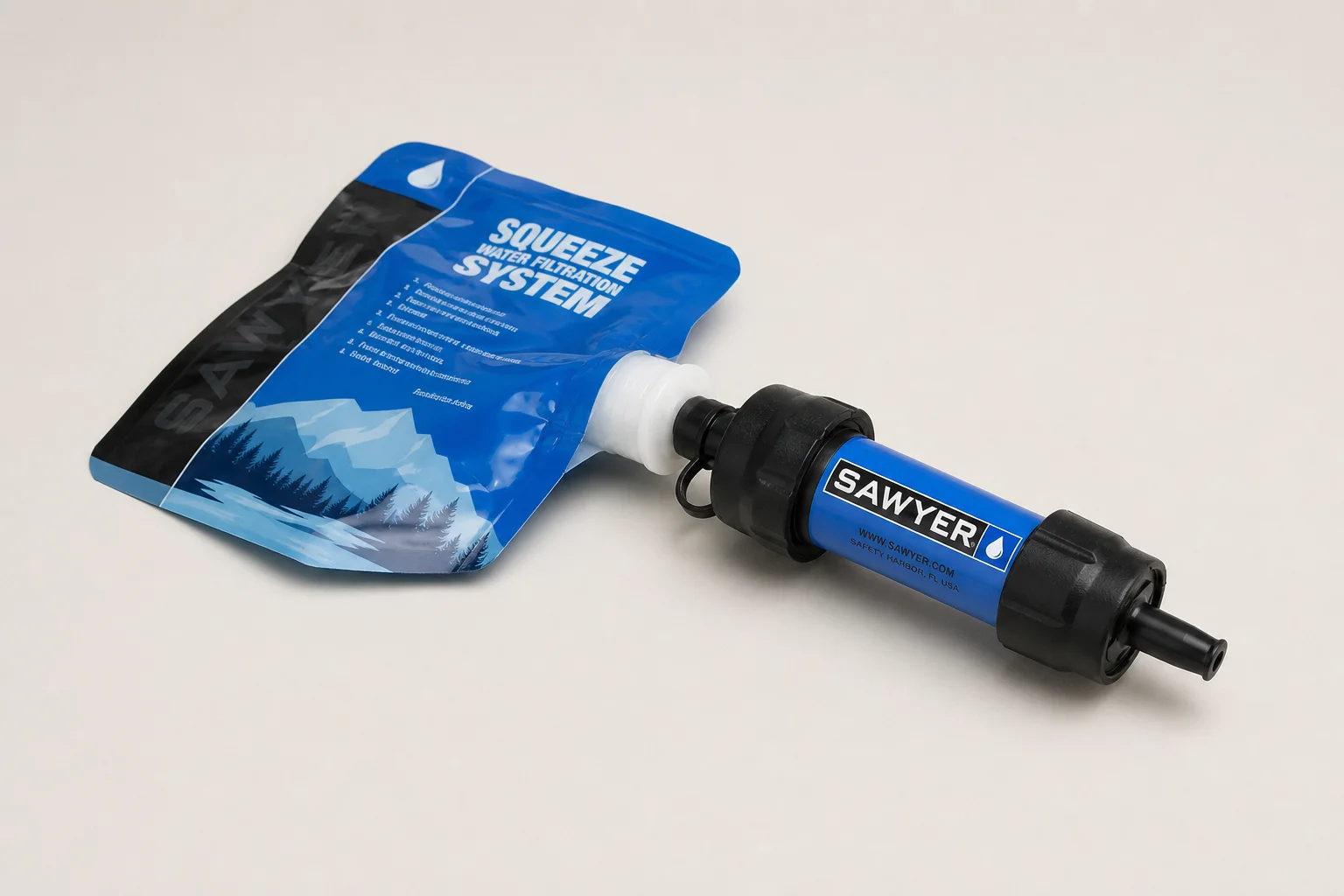
A squeeze filter changes how the whole water setup works. The Sawyer Squeeze threads onto lightweight bottles, so water can be squeezed from a bottle through the filter into another container, or drunk directly through the filter without extra steps. That flexibility is what makes it a natural match for a bottle-based system.
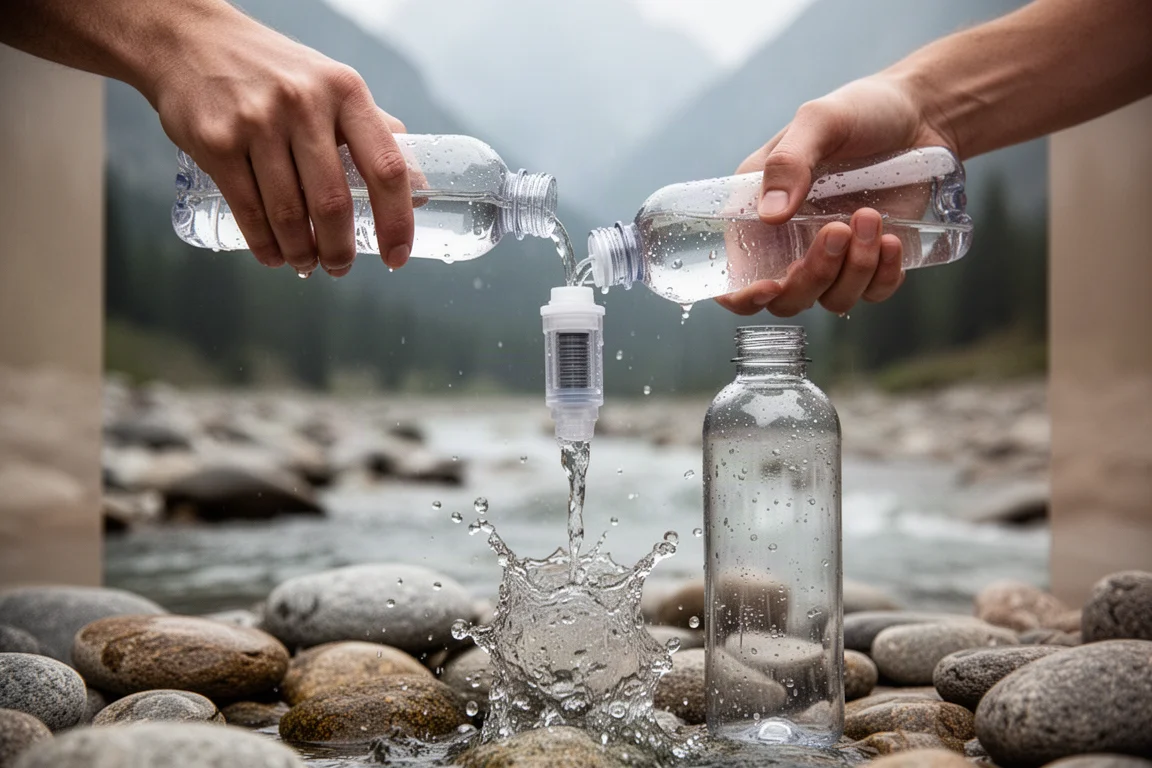
Because the filter works with the bottles you already carry, the water kit stays small and there is less gear to pack and clean. It also means the bottles themselves do most of the work, which is why bottle choice matters as much as the filter.
Why Bottle Compatibility Matters
Filtration is only as convenient as the bottle it attaches to. Lightweight disposable-style bottles pair well with a squeeze filter: they are light, they take up less space as they empty, and they work with the filter’s threads. A heavier wide-mouth hard bottle is a different story. It is durable and it is a nice place to collect stickers from the places you visit, but it does not pair with an inline filter, so squeezing or drinking through it is not an option.
The same logic applies to small extras. A metal cup dangles from a pack, takes up space when packed away, and gets hot in the hand when it holds a hot drink. A collapsible silicone cup packs smaller, stays comfortable to hold, and some versions include graduated marks for measuring water when you cook. Neither item is essential, but the lighter option is the easier one to live with.
Best All-in-One Stove: Jetboil Stash
All-in-one stove systems earn their following for good reason. A Jetboil combines the pot and the burner in one unit, which makes setup simple and keeps the pot steady on the stove, so dinner does not end up on the ground. It is also very fast at boiling water, and the Stash is the lightest model in the range at 7.1 ounces.
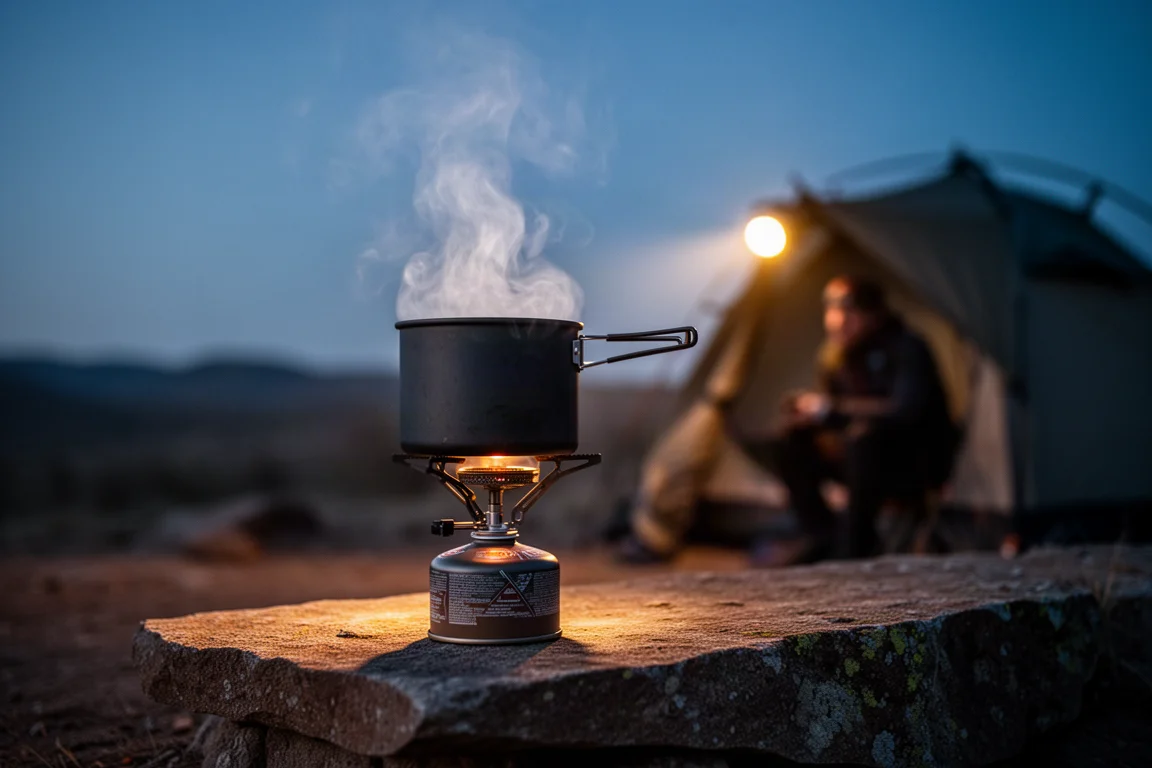
That 7.1 ounces is the catch. It is roughly double the weight of a minimalist pot-and-stove kit, and for backpackers who count ounces, that is a hard number to justify. The case for it is convenience and stability, not the scale.
How to Choose Between These Setups
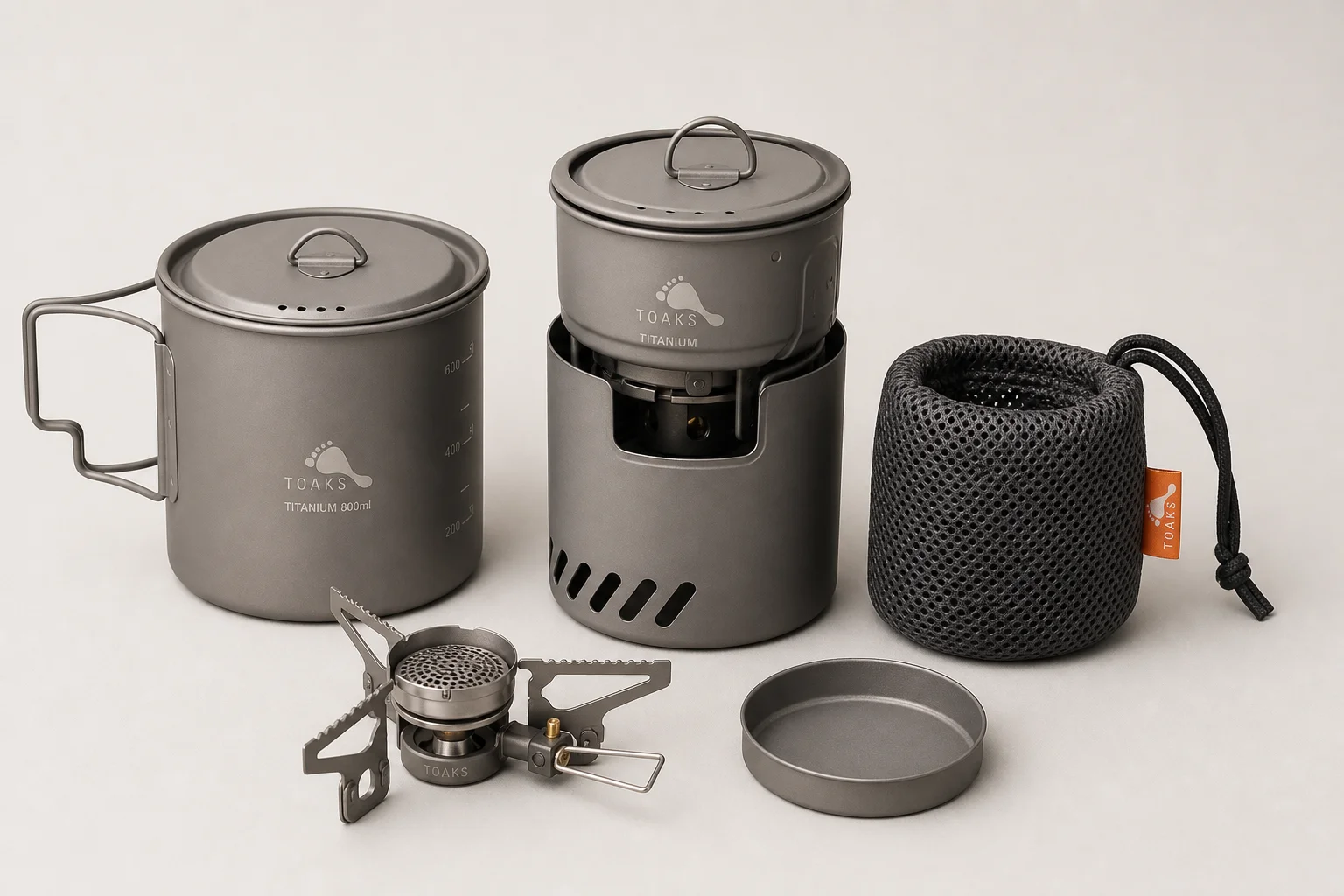
Start with how you actually cook. If you mostly boil water and you are comfortable handling separate parts, a light pot and a small canister stove will keep your pack lightest. If you want a steady pot, quick boils, and one unit to pack away, an integrated system is worth the extra weight. And if you drink mostly from bottles while walking, a squeeze filter that threads onto those bottles removes an entire piece of gear from the equation.
Buying Advice
Buy the setup that matches your habits rather than the lightest number on a spec sheet. A cook kit that is a few ounces heavier but that you genuinely enjoy using is a better purchase than one you dread assembling at the end of a long day.
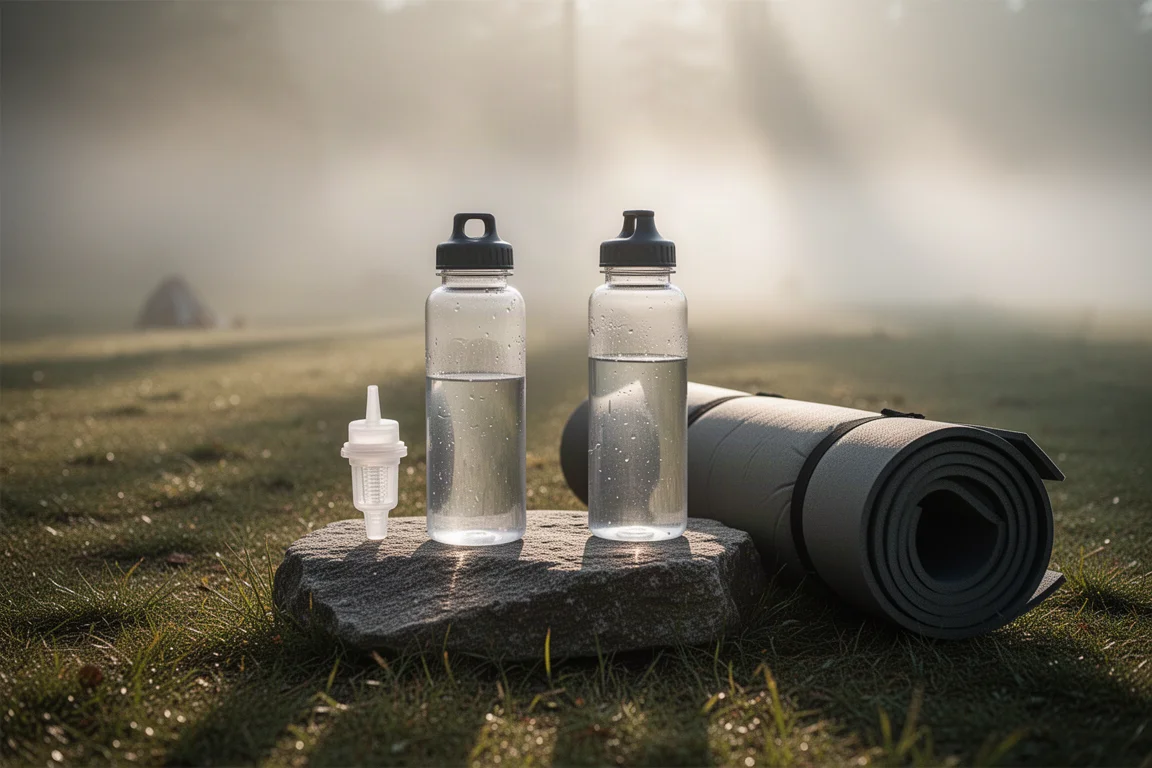
For most three-season trips, the combination of a light pot, a small canister stove, a squeeze filter, and a couple of lightweight bottles covers cooking and water without much fuss. If stability and speed matter more than weight, an all-in-one stove is the simpler answer.
Conclusion
None of these choices is absolute. A pot of about 3.4 ounces, a filter that threads onto the bottles you already carry, and an all-in-one stove for the days when convenience wins are all reasonable answers. The right pick depends on the trip and on how you like to spend your time at camp.
Further reading
Related Reviews

Backpacking Gear
Building a 10 lb Base Weight: An Ultralight Backpacking Gear List
A practical walkthrough of the ultralight pieces behind a 10 lb base weight, from a 765 g pack and a roomy one-person tent to a full camp chair and a dependable water filter.

Backpacking Gear
A 15-Pound Lightweight Backpacking Gear List for Solo Trips
A beginner-friendly 15-pound backpacking setup built from easy-to-find gear, with notes on what each piece does, how it packs, and where to spend your attention.

Backpacking Gear
8 Ultralight Backpacking Gear Upgrades Worth Carrying
Eight small, affordable backpacking upgrades that solve real trail annoyances, from a pillow that stays put to a fuel valve that rescues leftover canister gas.