Backpacking Gear
Ultralight Backpacking Gear: 12 Pieces From a 9 lb Comfort Kit
A 9 lb backpacking kit refined over two years and roughly 4,000 miles, covering shelter, sleep, layers, and camp essentials that keep comfort without the weight.
Introduction
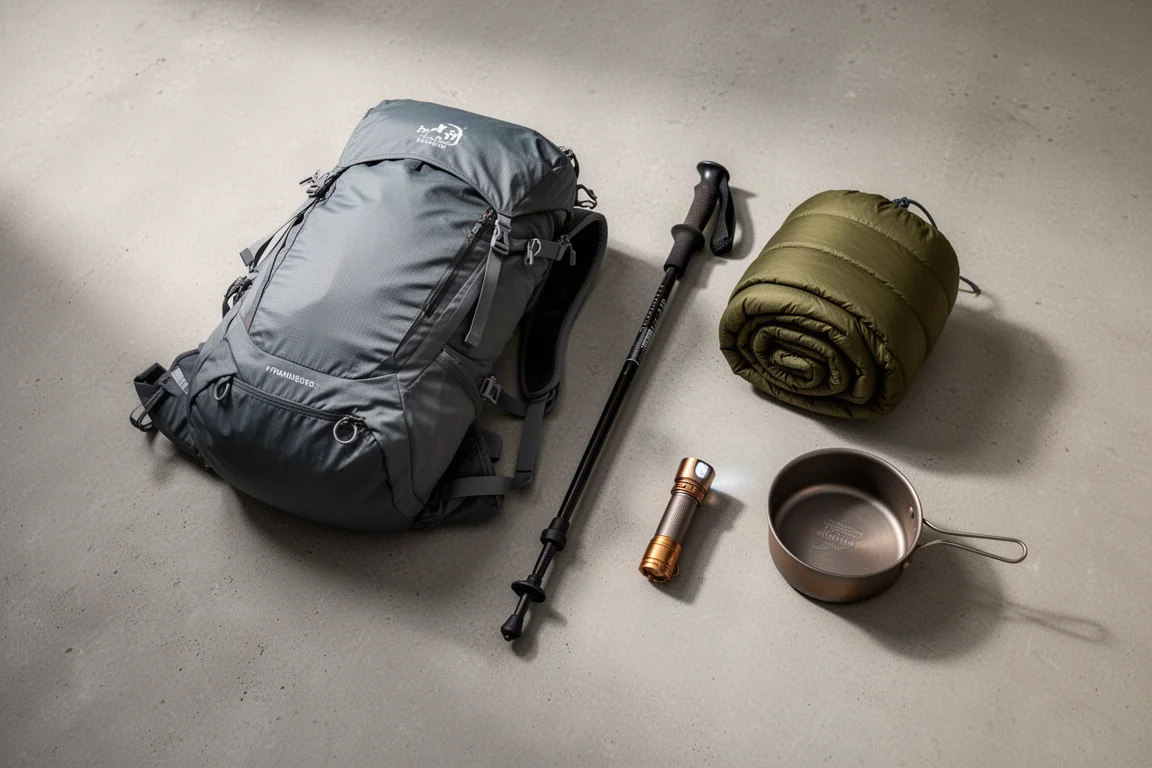
Two years and roughly 4,000 miles of testing sit behind the kit on this page. It was assembled with a specific goal: stay genuinely ultralight without giving up the comforts that usually disappear when pack weight drops. That means a stove, an inflatable mattress, a pillow, a full set of insulating layers, a proper camp setup, and a few pieces that are simply enjoyable to carry.
The testing was not confined to one region. The gear saw desert miles in New Mexico, Arizona, Southern California, and Utah, high alpine terrain in Colorado, Wyoming, the Grand Tetons, and the Wind River Range, mountains in British Columbia, and the coast of Lake Superior in Minnesota. The complete setup comes in at 9 lb, and the shelter system relies on trekking poles rather than dedicated tent poles, one of the simplest ways to save weight without giving up interior space.
How This Kit Was Built
The guiding idea was to carry the lightest possible version of each layer and each camp item, then combine them in different ways through the day. A breathable fleece handles cool mornings on the move, while a warmer insulated jacket takes over once camp is set. A single trekking pole does double duty as shelter structure, so no separate pole set is needed.
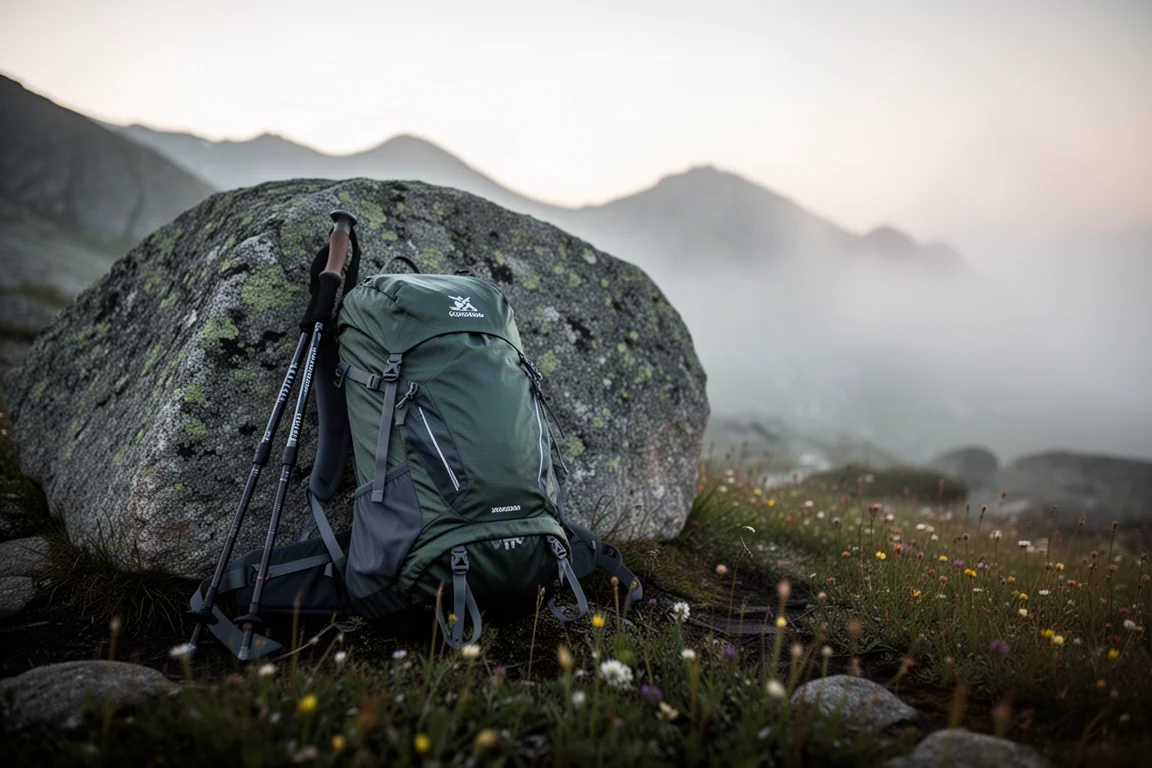
That approach explains why this list leans on multi-use pieces and a handful of small luxuries. The items below earned a permanent place either because they solved a real problem or because they made long days noticeably more pleasant.
The Pack: Palante Desert Pack
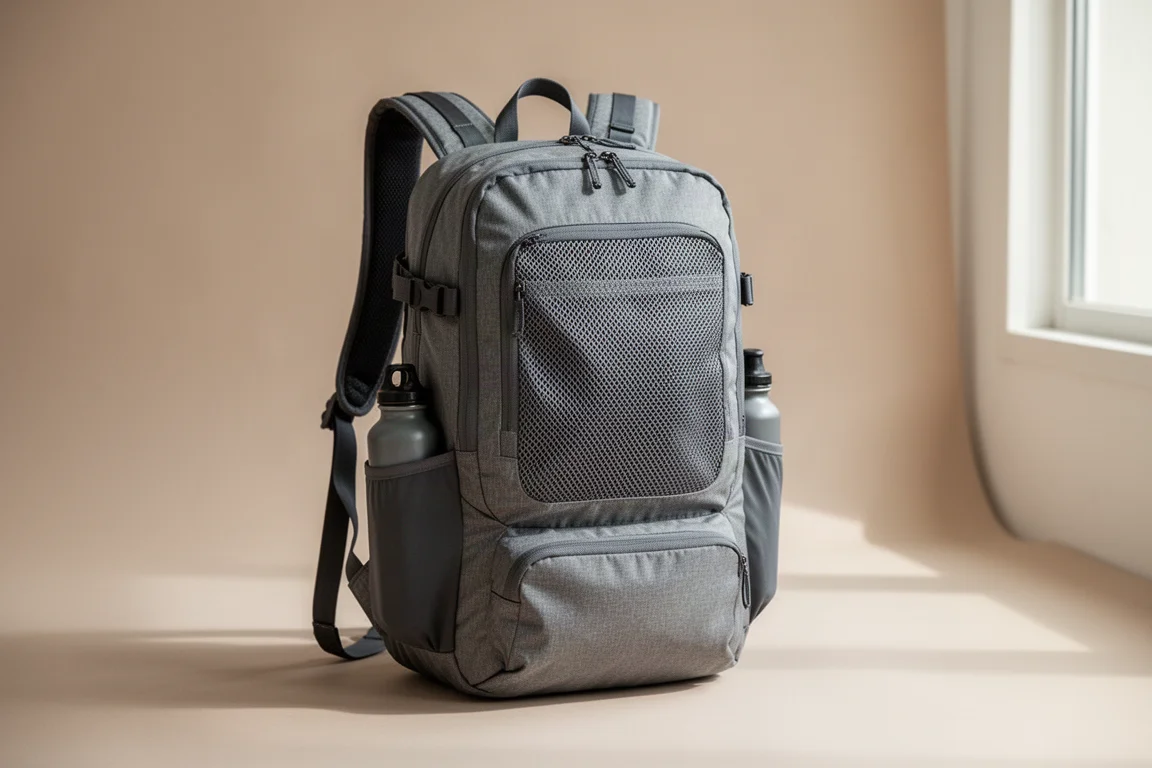
A 45 L pack that has been in continuous use for two years and roughly 4,000 miles, and it is still going strong. The volume sits in the range that makes sense for most three-season hiking: large enough for shoulder-season layers and long food carries, small enough that it does not become an overstuffed burden.
The practical details are what keep it in rotation. Shoulder strap pockets hold a camera, phone, or small items within reach without stopping, and each side pocket swallows a two-liter bottle. For anyone building a kit around flexibility rather than one specific trip type, 45 to 50 L is a sensible target.
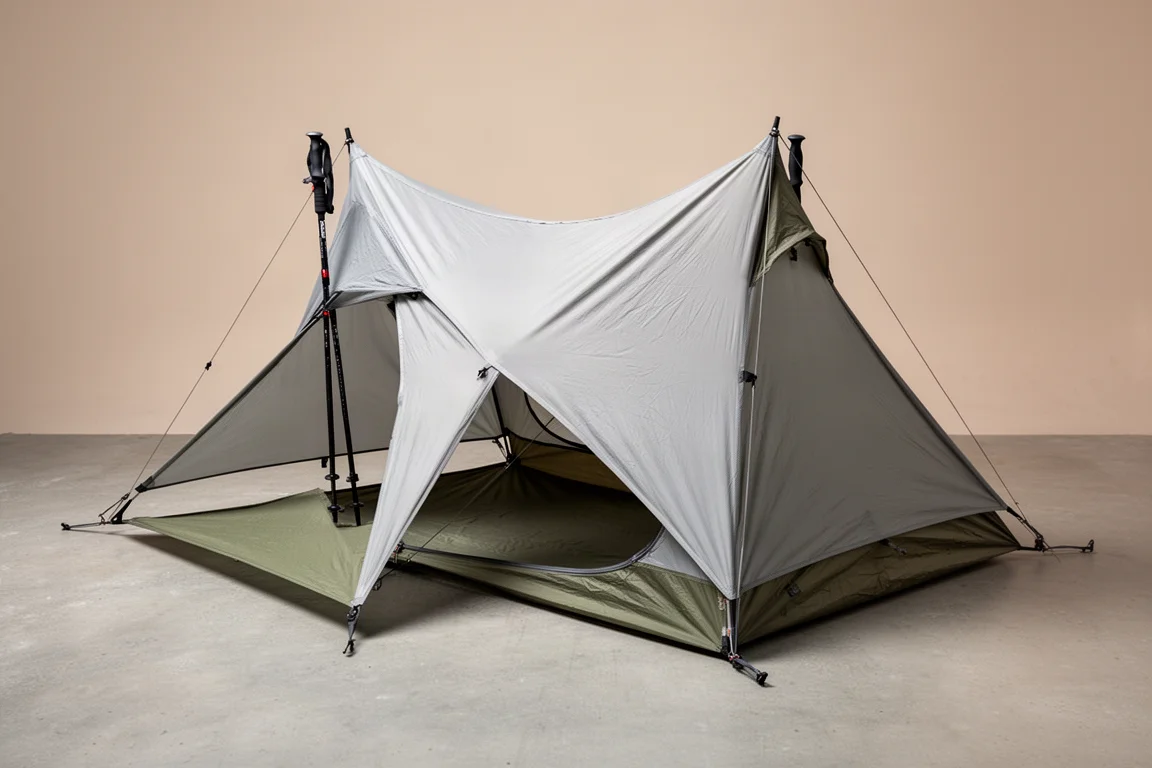
Solo Shelter: Zpacks Altaplex
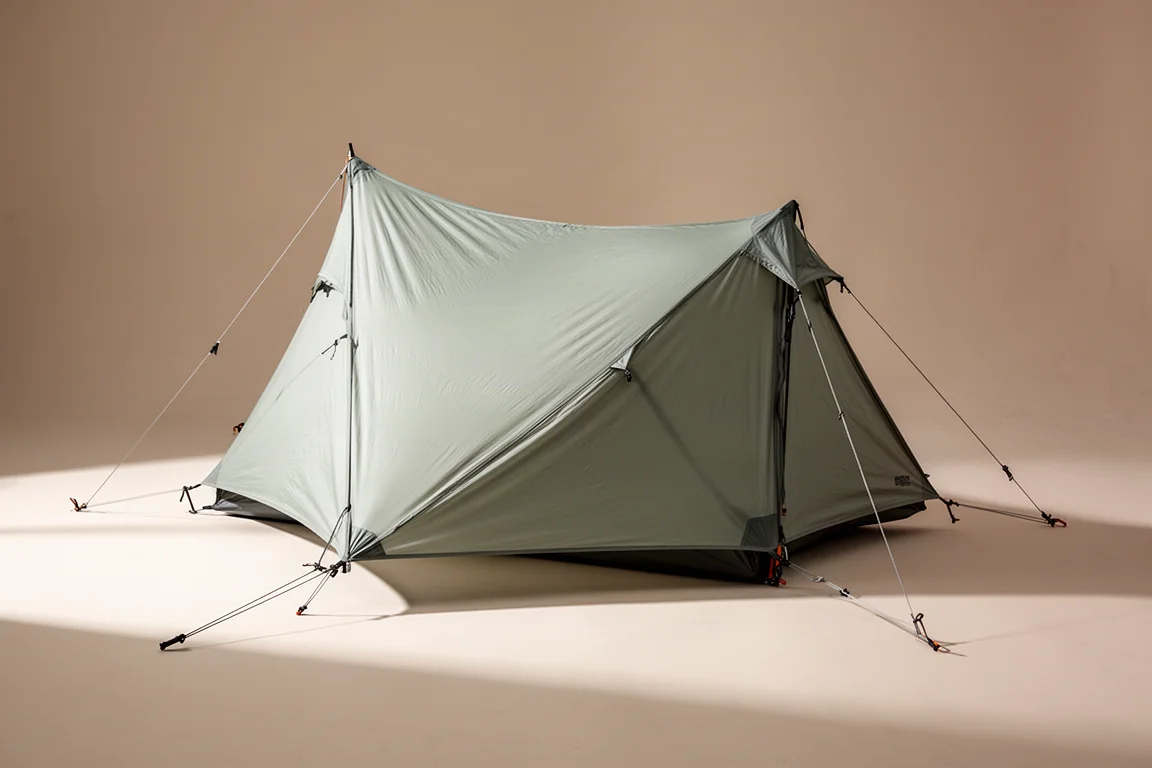
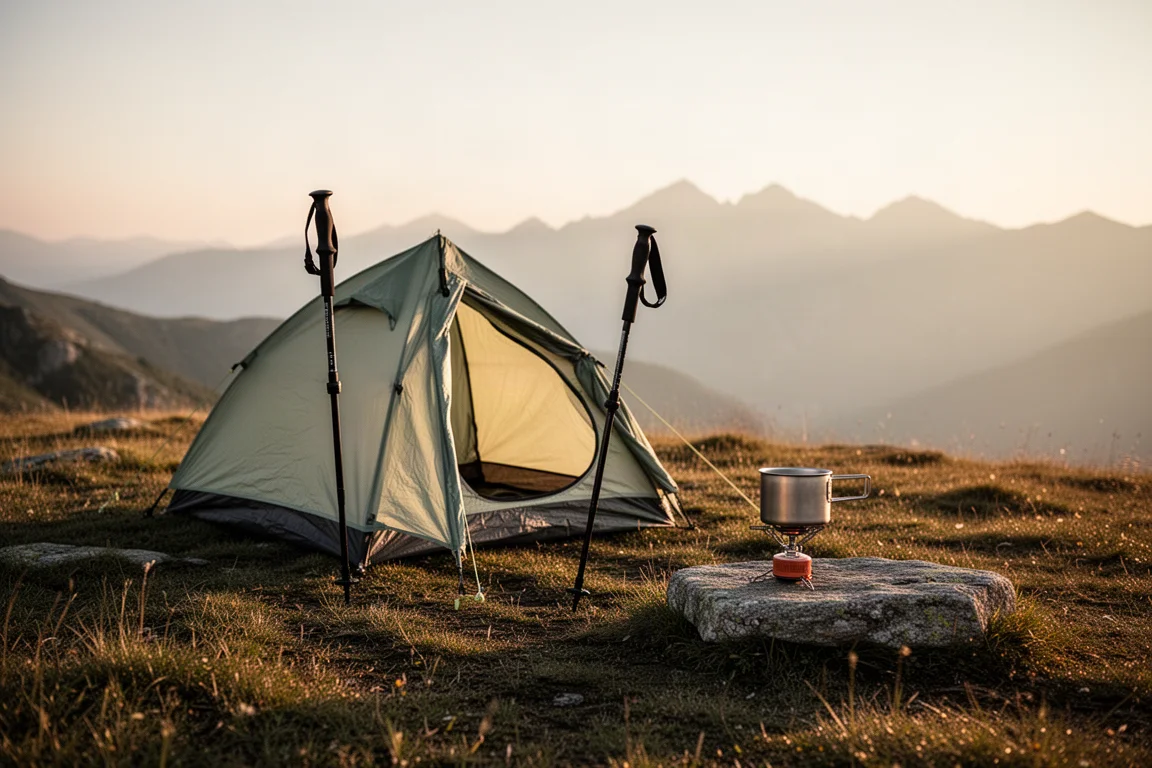
The Altaplex is a one-person Dyneema shelter that feels generous for a single hiker. There is room to lie down comfortably, room for gear right beside you inside the tent, and a vestibule large enough to cook in when weather keeps you inside. Two occupants would be extremely close, so this is a solo shelter in practice rather than on paper.
For solo trips, that combination of low weight and usable interior space is exactly what makes a small shelter liveable night after night.
Two-Person Shelter: Durston X-Mid 2 Pro Plus
The Plus version is slightly larger than the standard Pro 2, and that extra space changes how a shared shelter feels. There is room to stretch out, genuine living space for two people, and enough headroom to sit up and play cards inside on a wet evening. It weighs only about one ounce more than a lighter two-person alternative.
It was the shelter used for half the Colorado Trail and on the Teton Crest Trail, and it is the plan for future two-person trips. Couples who have been squeezing into a one-person tent will notice the difference immediately.
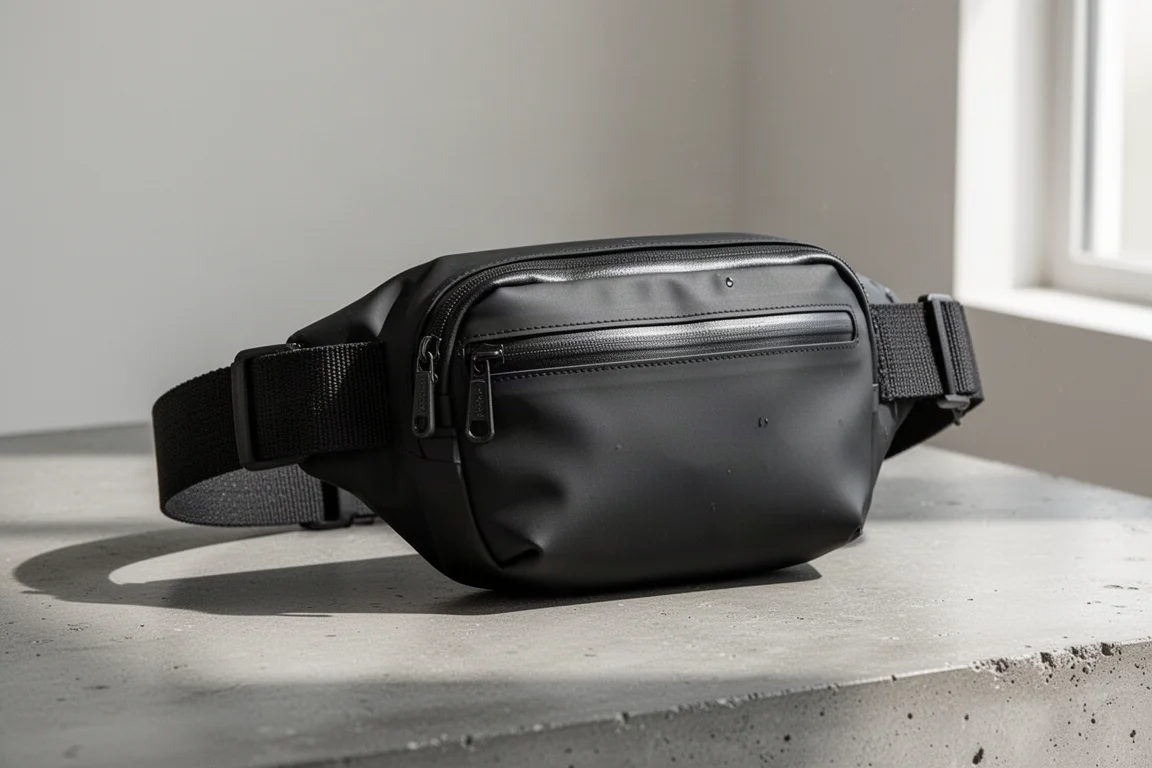
Hip Bag: Chicken Tramper Ultralight Gear 2.5L Hip Bag
A 2.5 L hip bag for the items you want during the day: snacks, maps, headphones, a flashlight, and anything else that should not require taking the pack off. It uses waterproof fabric and a waterproof zipper, which makes it highly water resistant rather than fully submersible, since seams can let water through in hours of torrential rain.
For typical trail use, that level of protection is more than enough, and the bag keeps daily essentials organised instead of buried in the main compartment.
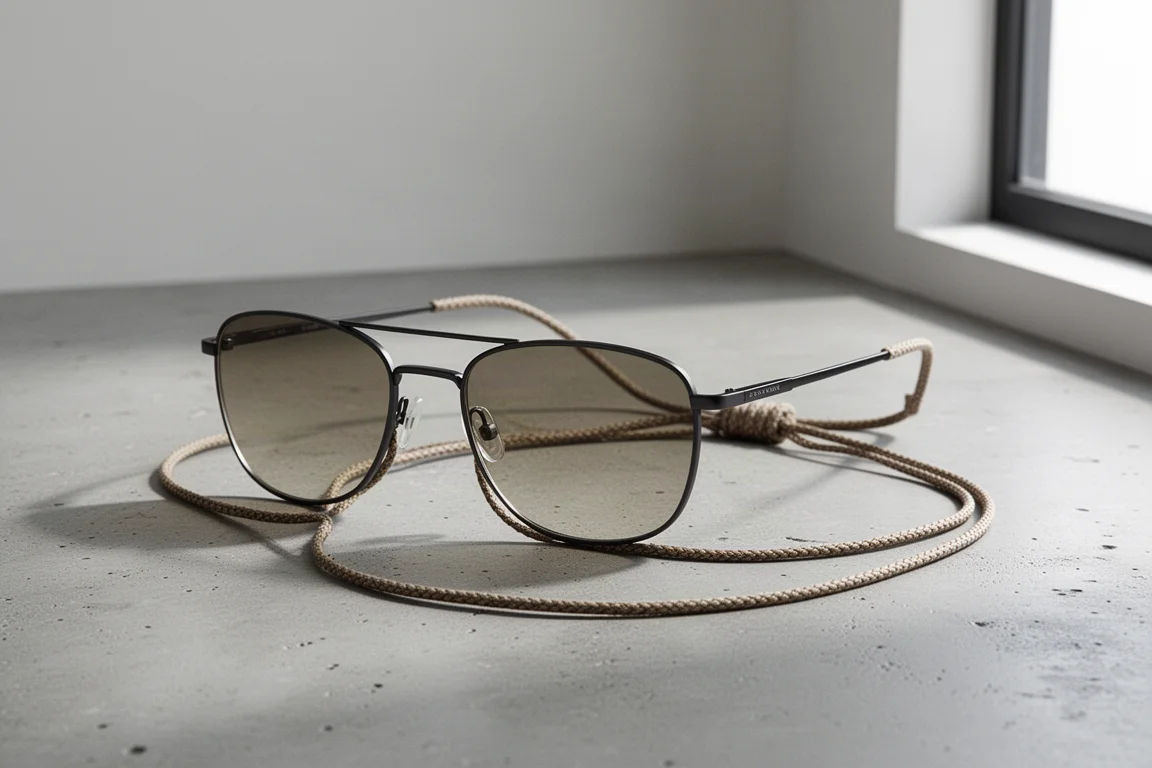
Sunglasses: Ombraz Sunglasses
These have no arms at all. A cord holds them on your head, and when they come off they simply hang rather than needing a case or a free pocket. They are roughly 10 to 30 g lighter than many conventional pairs, which is a meaningful saving in a category where most options weigh more than expected.
Three years of careless use later, they still look close to new. That durability, combined with the weight saving, is what makes them worth considering rather than just a novelty.
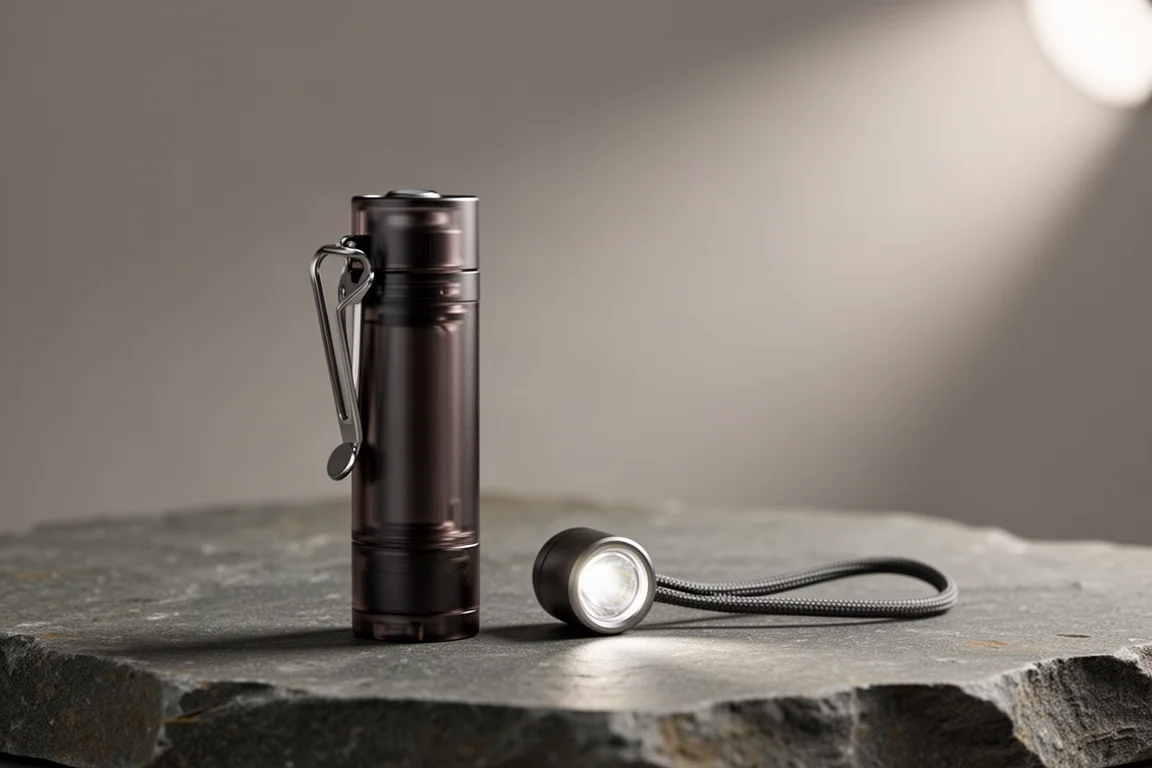
Headlamp Alternative: RovyVon Aurora A5
A tiny flashlight used in place of a headlamp. It ships with a clip, so it can be attached and used hands-free in the same way a headlamp would be, at a lower weight. It charges over USB-C, and it glows in the dark, which means no fumbling around inside a tent in the middle of the night when something wakes you.
If you have ever spent five minutes patting down a stuff sack for a light, that glow-in-the-dark body alone justifies the swap.
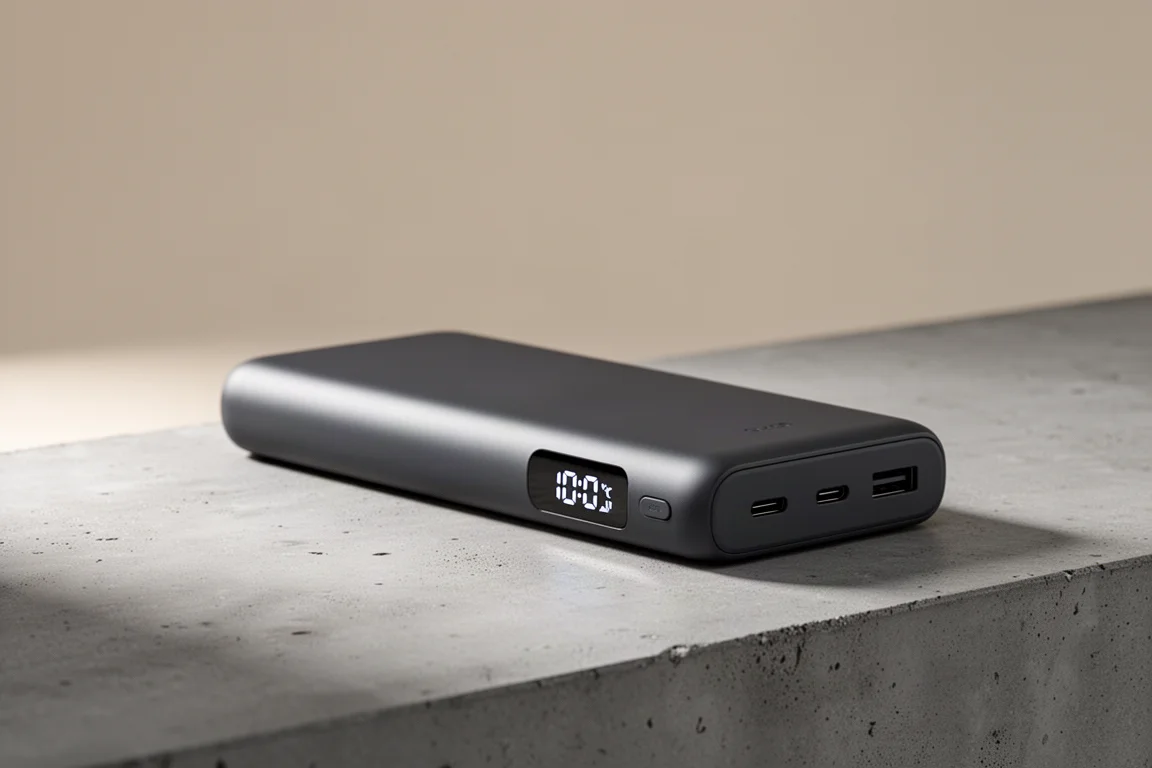
Battery Bank: Nitecore NB20000
A 20,000 mAh battery bank that covers a camera, a phone, a flashlight, and anything else that needs topping up. Many banks at this capacity weigh more than a pound, and carrying that much dead weight is hard to justify. This one is among the lightest available at its capacity, which is the whole reason it made the kit.
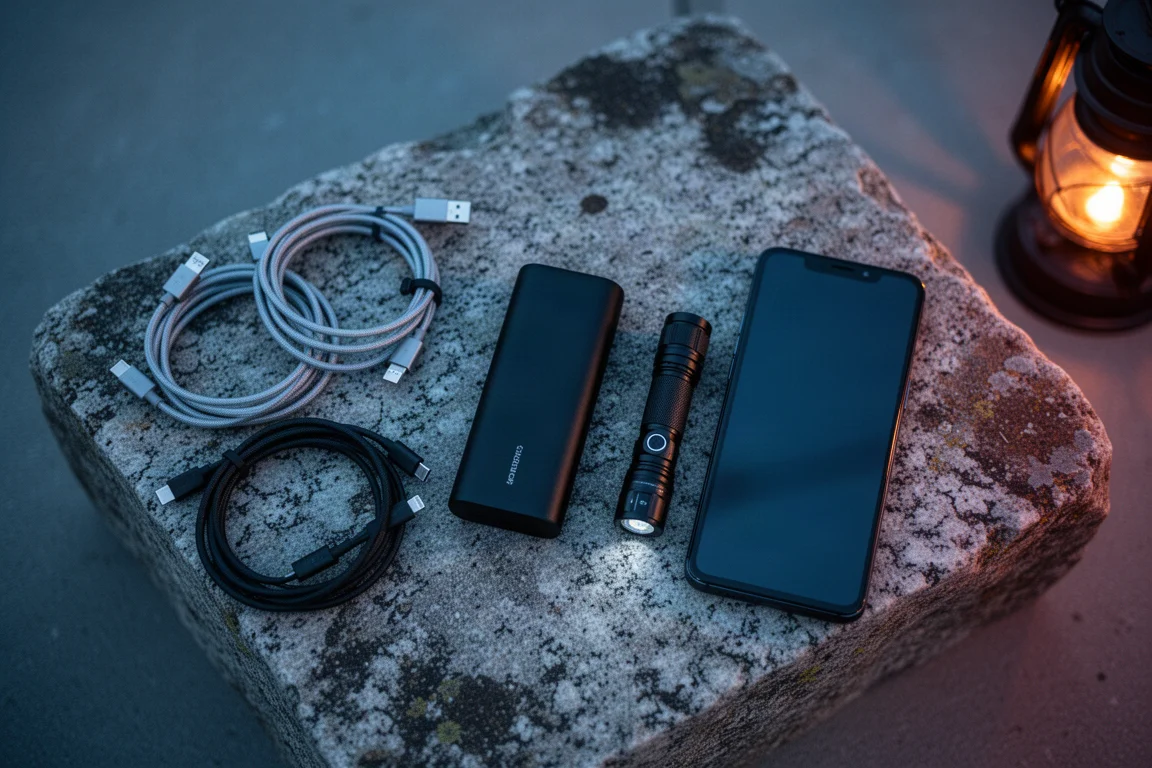
Two USB-C cables and a dual charging port round out the charging setup, so multiple devices can be topped up from a single wall outlet or bank.
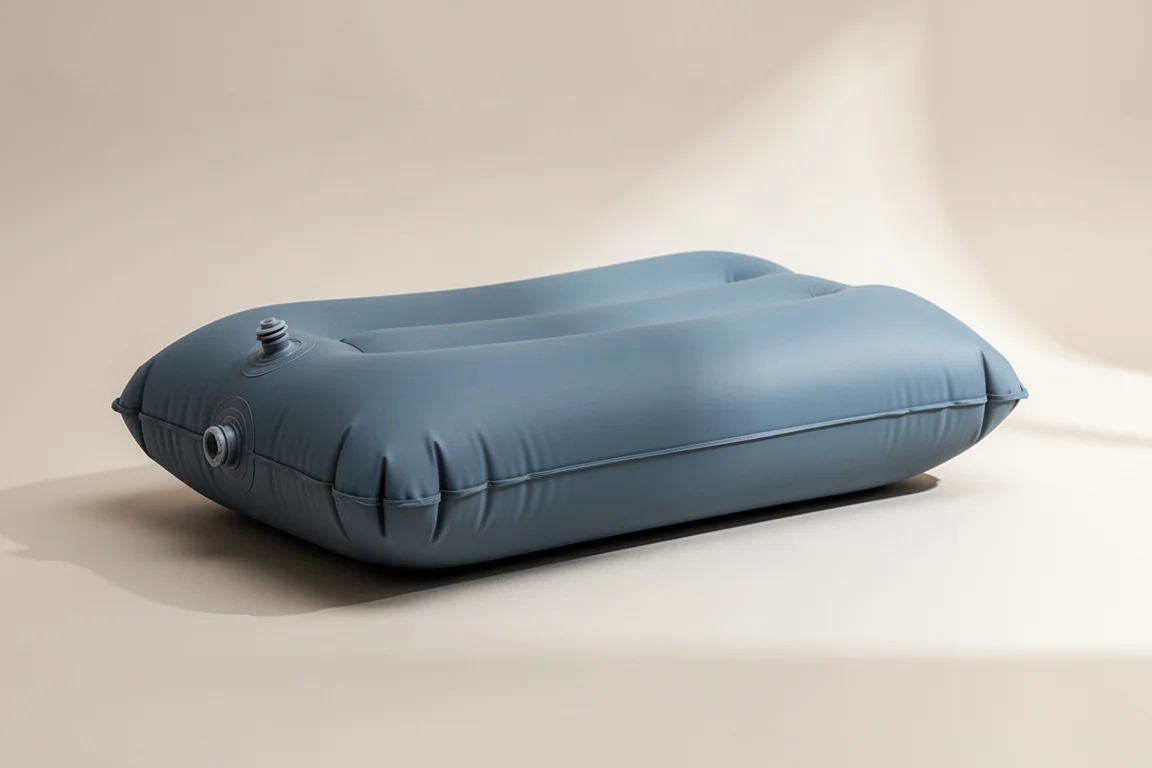
Camp Pillow: Sea to Summit Aeros Pillow
Two ounces, and it inflates with roughly two breaths. An inflatable pillow is the single easiest comfort upgrade in a light kit, and this one is fast enough to inflate and deflate that it never feels like a chore at the end of a long day.
For anyone who has folded a spare fleece under their head and still slept badly, this is a small item with an outsized effect on how a trip feels.
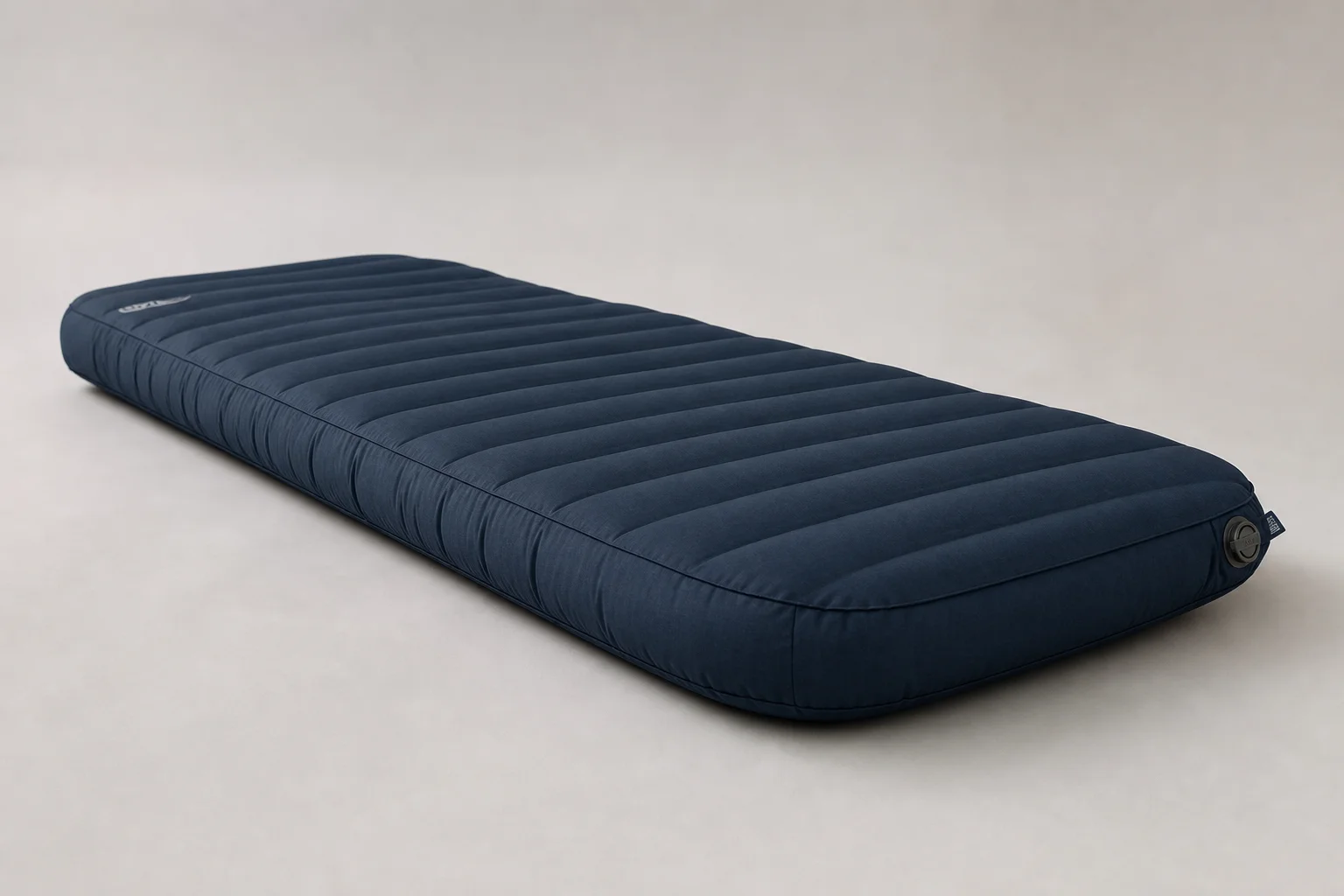
Sleeping Pad: Therm-a-Rest NeoAir XLite
An inflatable pad at roughly 12 oz, used across two years of desert, alpine, and coastal trips with no punctures and no leaks. It is warm and comfortable, which is the combination that keeps people sleeping well in the backcountry rather than waking up cold at 3 a.m.
The trade-offs are straightforward. It costs more than a foam pad, and it is slightly heavier than closed-cell foam. Foam is cheaper and lighter, but far less comfortable for most sleepers. If comfort is the priority, this is the classic answer.
Bear-Resistant Food Storage: Ursack Major XL
A bear-resistant and grizzly-resistant food bag. Instead of hanging food high in a tree, you learn two knots, tie the bag to a trunk, and walk away. It does not need to be suspended off the ground, and it holds up to a bear tugging, chewing, and gnawing through the night without reaching the contents.
It is the obvious choice in grizzly country, and it is appearing more often on trails without grizzlies simply because it is easier than a hang. Sightings became common on the Colorado Trail, and more Appalachian Trail hikers are adopting them as bears there get smarter.
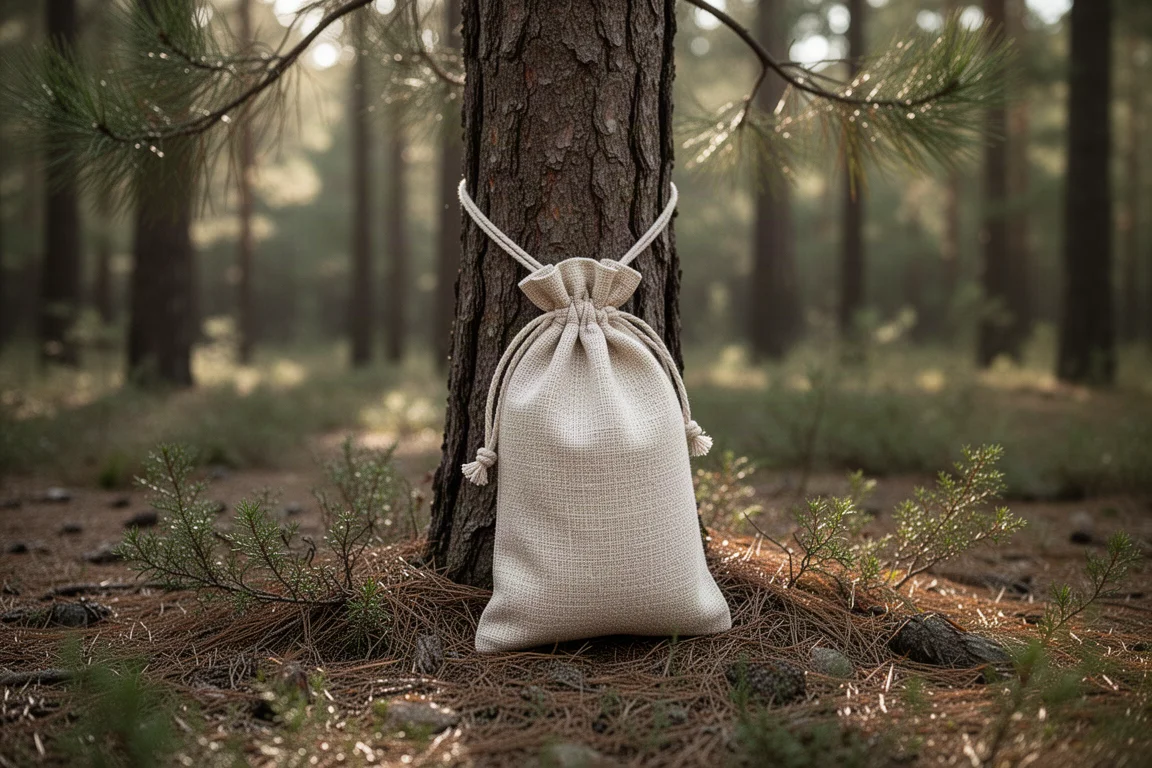
The weight penalty is real. Leaving a bag like this at home is one way to drop roughly half a pound from a 9 lb kit.
Fleece Layer: Senchi Designs Alpha Direct Fleece Hoodie
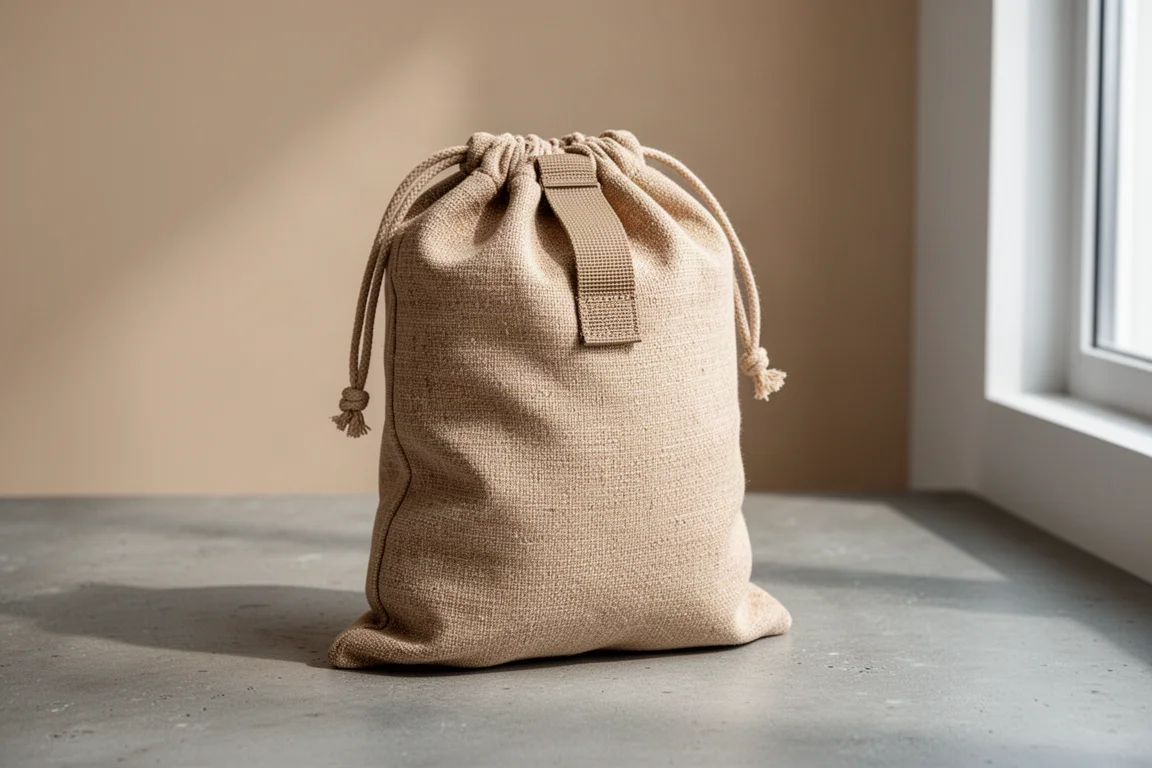
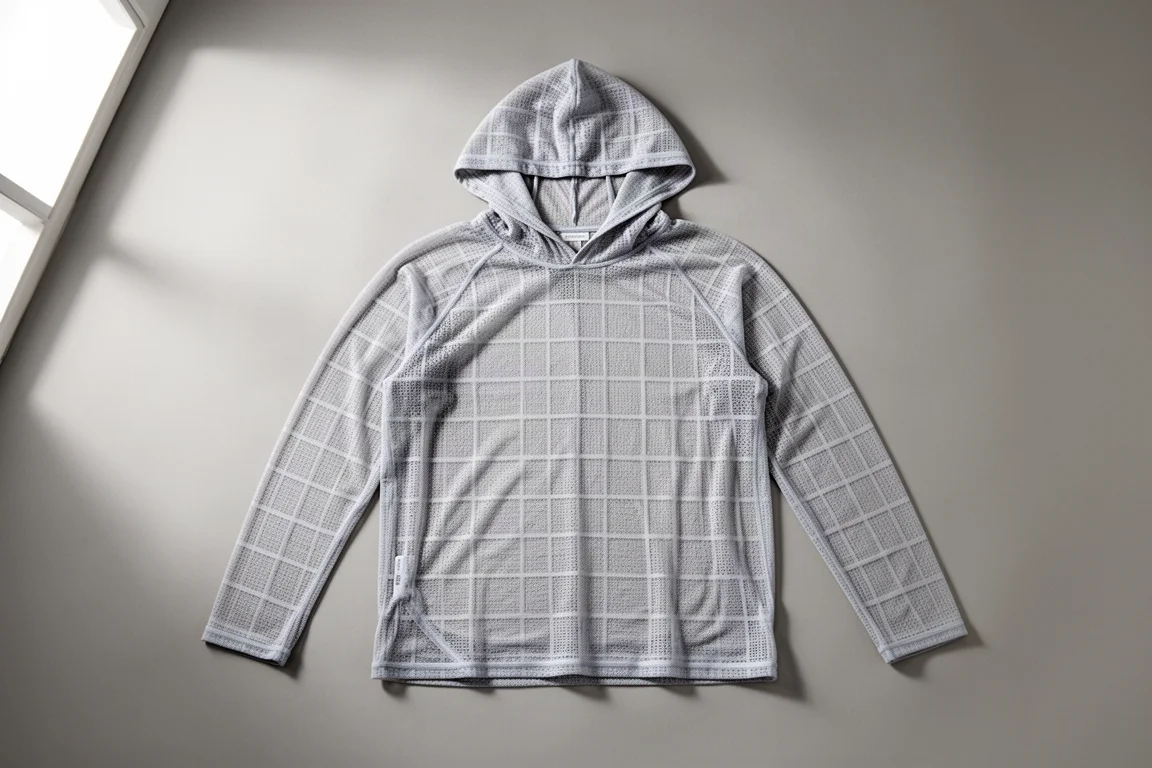
An Alpha Direct fleece hoodie that weighs 4 oz in a size large, which is remarkable for the warmth it provides. The fabric is nearly see-through, and that is precisely why it works on the move: it traps warmth without trapping sweat, so it can be worn for the first five or six miles of a cool morning without overheating.
Two years of heavy use have produced no real damage, which is more durability than the fabric’s appearance suggests. The strategy is to pair the lightest possible fleece with the lightest possible insulated jacket and use each one at the right time of day.
Quilt: Zpacks 20° Quilt
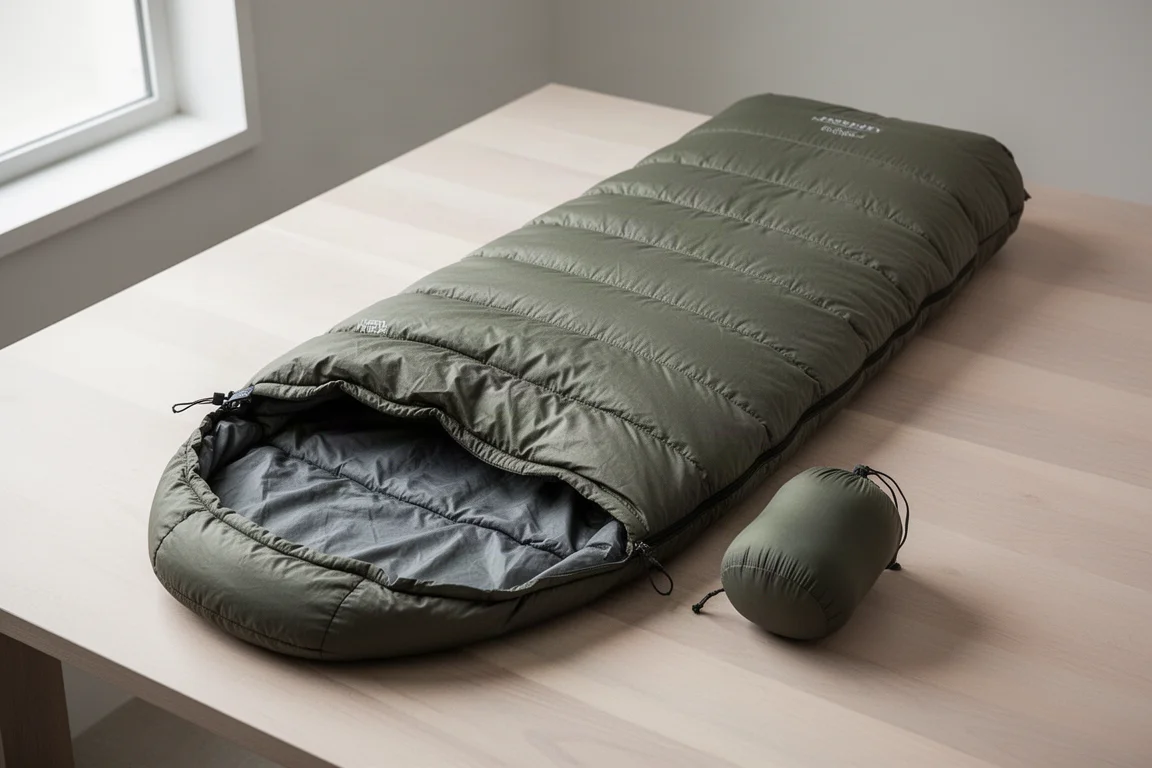
A 20-degree quilt used on solo trips, and it stayed warm through a snowstorm in the Wind River Range. Quilts from other makers have also performed well, so brand loyalty is not the point here. What matters is the temperature rating and the insulation, and this one delivers both in a packable form.
Synthetic quilts are the budget route: heavier and bulkier, but often around half the price, and they remain a reasonable choice for anyone who does not want to spend down prices. For couples, a double quilt is worth considering, and a 30-degree double can feel warmer than a 20-degree single because two bodies heat the same space.
Overall Buying Advice
The pattern behind this kit is worth copying even if you buy none of these specific items. Start with the shelter, because a trekking-pole tent removes the weight of dedicated poles and turns something you already carry into structure. Then spend on sleep, since a warm pad and a real pillow are the difference between enjoying a trip and enduring it. Layering comes next: the lightest fleece plus the lightest insulated jacket covers more conditions than either piece alone, and small additions like wind pants and a neck tube stretch that range further for a few ounces.
Small items deserve attention too. A simple pack liner turns almost any backpack into a waterproof one for a couple of dollars, and a few grams spent on solid stakes, a trowel, and a reliable water filter pays back every single day on trail. The one place not to cut is food storage in bear country. A bear-resistant bag costs weight, but it replaces an awkward hang and protects the food your trip depends on.
Conclusion
Nine pounds with a stove, a comfortable mattress, a pillow, and real insulation is an achievable target. The gear above is what survived two years and 4,000 miles of testing across deserts, alpine ranges, and coastlines, and each piece earns its place by doing a job well rather than by being the lightest option on paper. Build the kit around the conditions you actually hike in, and the weight takes care of itself.
Further reading
Related Reviews

Backpacking Gear
Building a 10 lb Base Weight: An Ultralight Backpacking Gear List
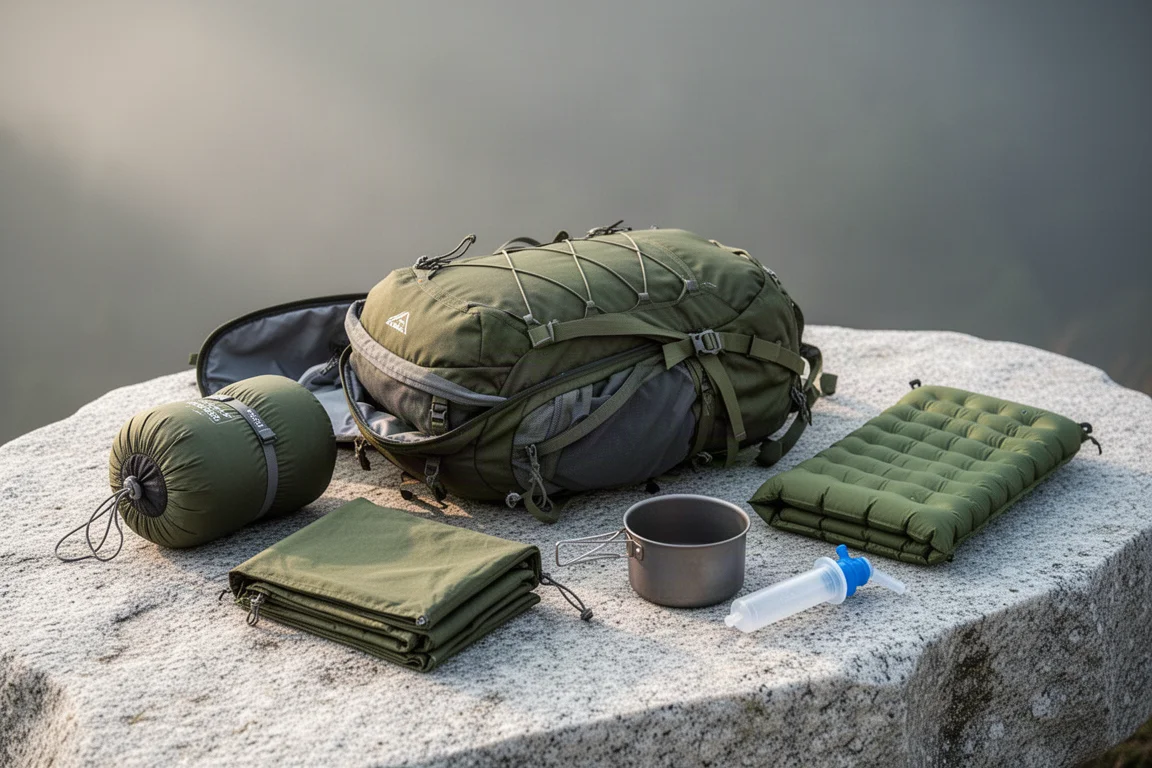
A practical walkthrough of the ultralight pieces behind a 10 lb base weight, from a 765 g pack and a roomy one-person tent to a full camp chair and a dependable water filter.
Backpacking Gear
A 15-Pound Lightweight Backpacking Gear List for Solo Trips
A beginner-friendly 15-pound backpacking setup built from easy-to-find gear, with notes on what each piece does, how it packs, and where to spend your attention.
Backpacking Gear
8 Ultralight Backpacking Gear Upgrades Worth Carrying
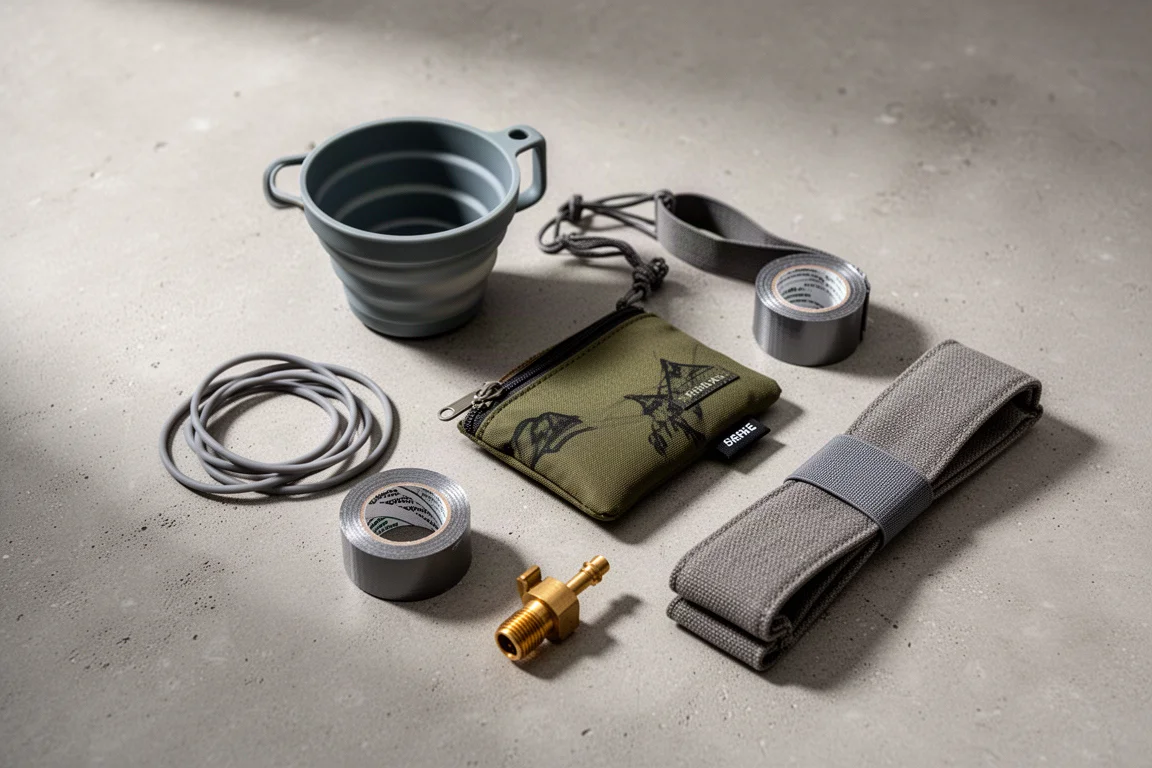
Eight small, affordable backpacking upgrades that solve real trail annoyances, from a pillow that stays put to a fuel valve that rescues leftover canister gas.