Backpacking Gear
Ultralight Backpacking Gear: Jetboil and the Smartwater Bottle Explained
Two very different answers to the same trail problem: fast integrated boiling with a Jetboil cook system, or near-weightless hydration from a Smartwater bottle.
Introduction
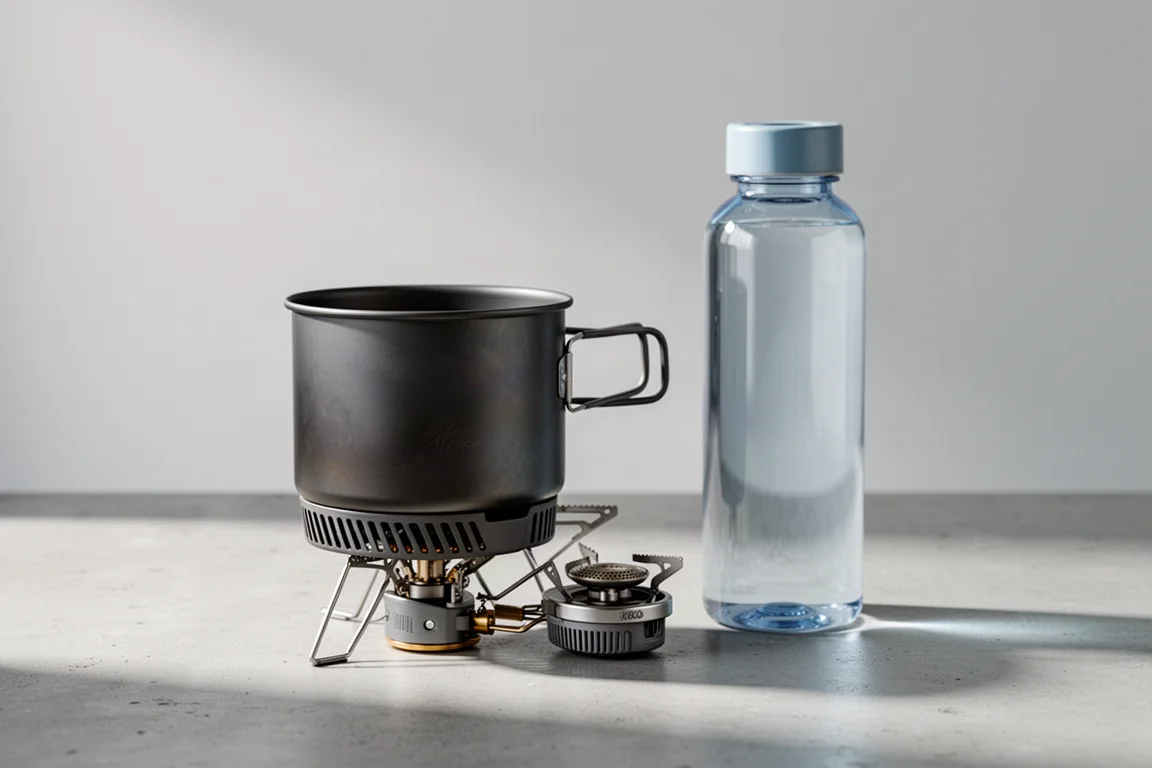
Ultralight backpacking is less about chasing the lowest possible number on a spreadsheet and more about carrying gear you genuinely trust. The swaps that matter most are usually the ones you touch every single day on the trail: the system that boils your water, and the bottle you drink from.
Two items sit at the centre of that conversation. An integrated Jetboil cook system promises fast, fuss-free boiling in a single unit. A simple Smartwater bottle promises almost no weight, almost no cost, and nothing to maintain. They pull in different directions, and understanding the trade-offs is the quickest way to decide which one belongs in your pack.
What Matters Most in Ultralight Cook and Hydration Gear
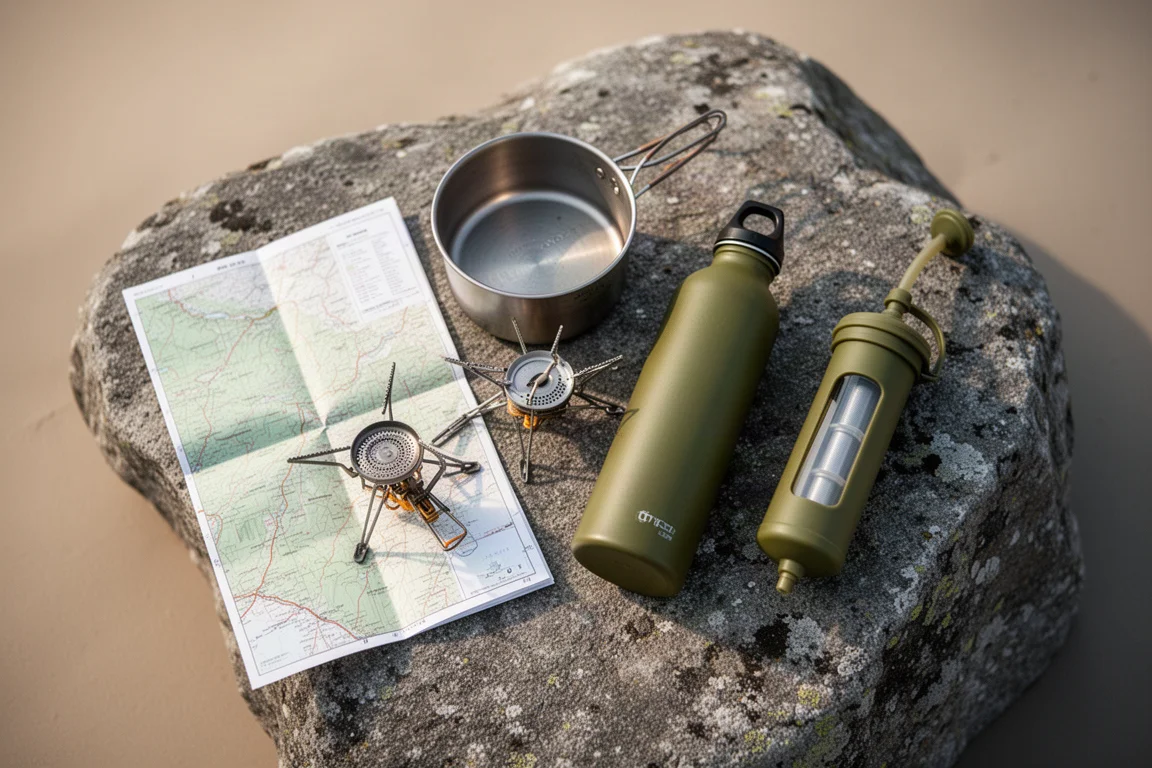
Three qualities decide whether a cook or hydration item earns its place in a pack.
Boil time and fuel use come first. A pot that transfers heat efficiently boils water faster, which means less fuel carried and less time spent waiting at camp. Heat-sink designs, where fins wrap around the base of a pot, exist specifically to capture burner heat and push it into the water rather than letting it escape around the sides.
Weight and pack volume come second. Every gram saved in the cook kit is a gram available for insulation, food, or water. A system that boils quickly but fills a quarter of your pack is a poor trade for most three-season trips.
Reliability and simplicity come third. Fewer parts mean fewer things that can clog, leak, or fail at the exact moment you need them most.
The useful question is not which item is objectively best. It is which of these three qualities matters most on the trips you actually take.
Jetboil: Integrated Cooking With Heat-Sink Speed
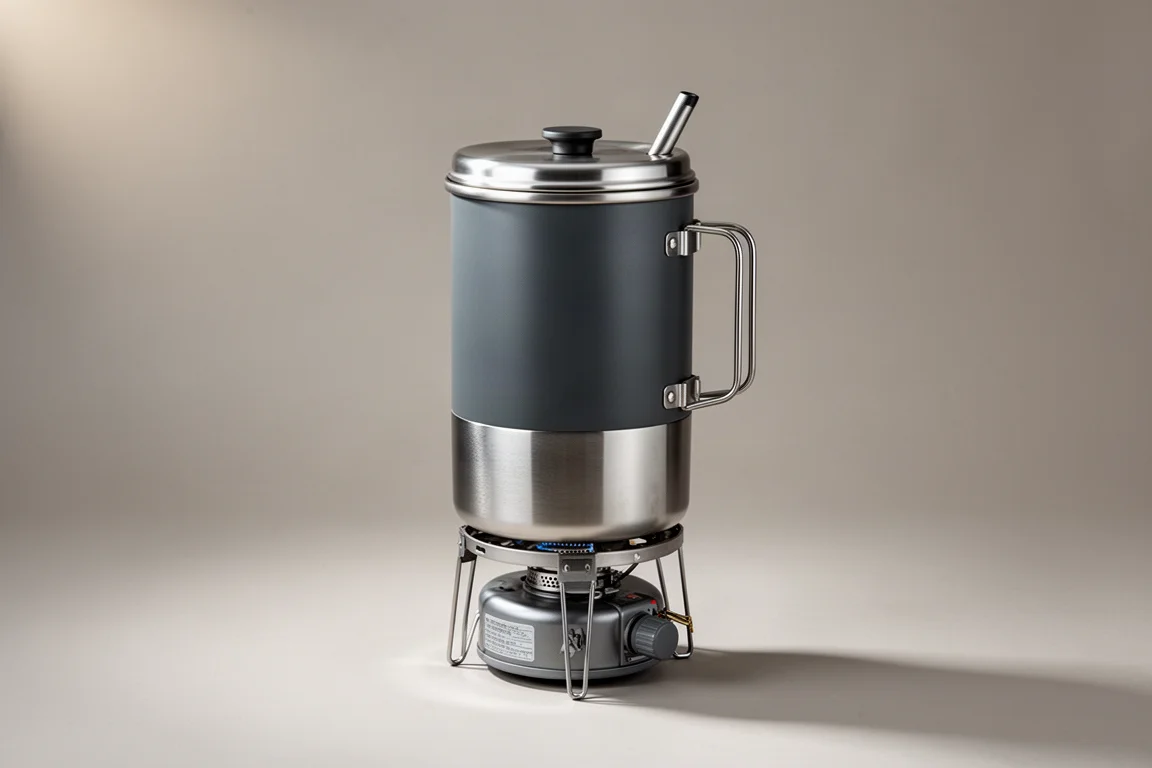
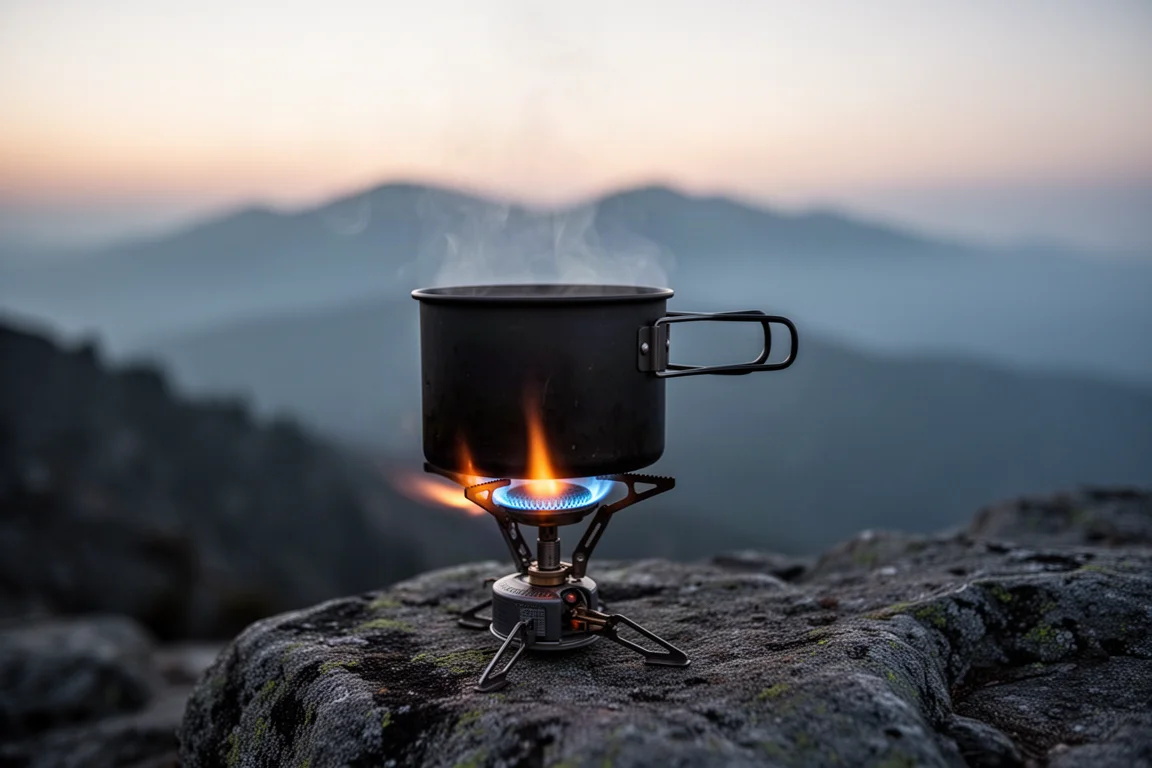
Jetboil sits at the better-known end of the heat-sink family of cook systems. Fins around the base of the pot capture heat from the burner and transfer it into the water, and that design does work: water boils noticeably faster than it would in a bare pot on a comparable burner.
That speed is the whole pitch, and for plenty of backpackers it is enough. Hot coffee within a few minutes, a rehydrated meal without a long wait, and one unit that keeps the burner and pot together in the pack.
The counter-argument is weight. Heat-sink hardware and a larger pot add grams and bulk, and the boil-time gain is not always large enough to pay for them. For a minimalist kit built around a small pot sized for roughly two cups of water, the extra hardware can feel like a real cost with a modest return. That trade-off is why some backpackers eventually move away from integrated systems, even while acknowledging that they boil faster.
Smartwater Bottle: Simple Hydration That Works
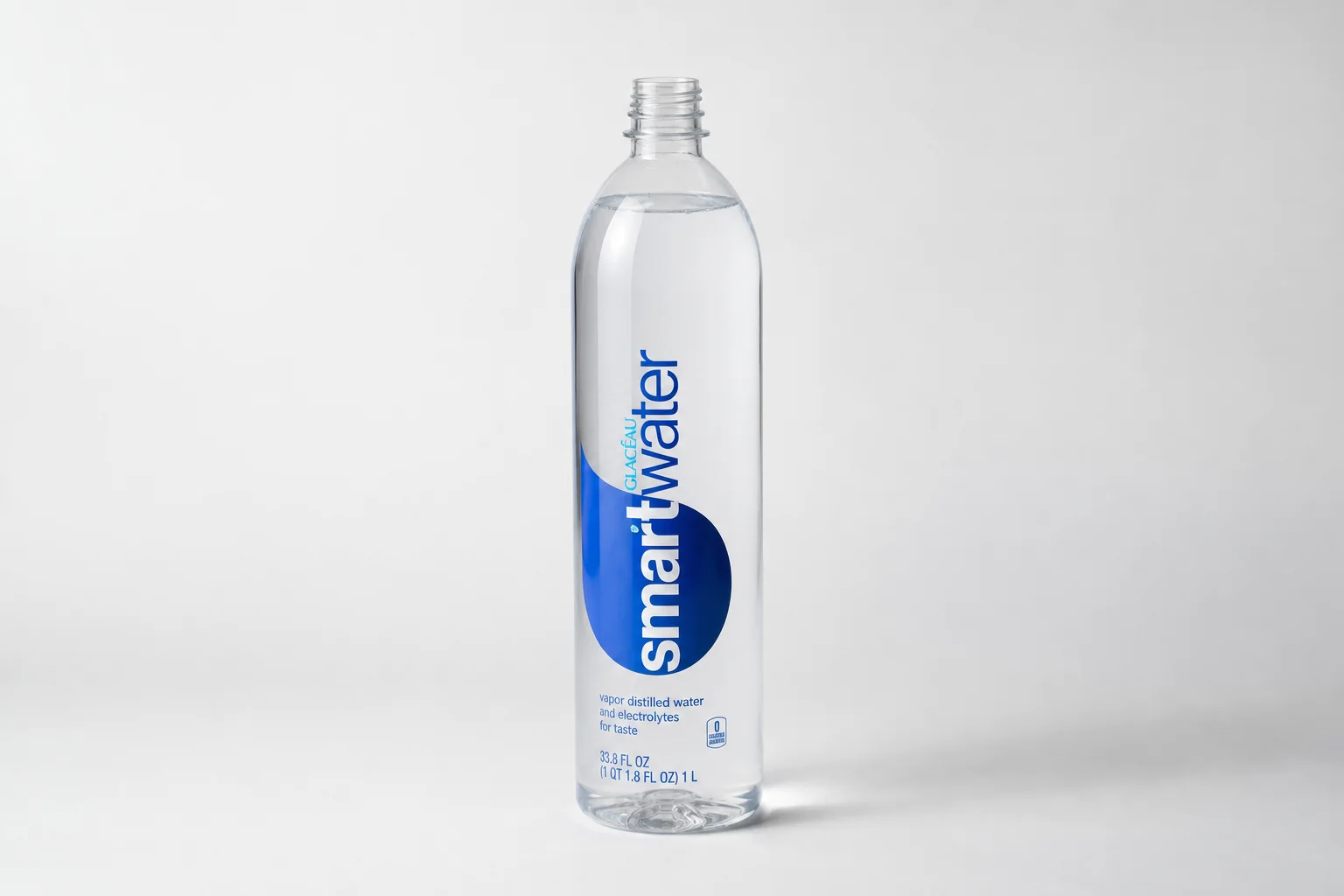
The Smartwater bottle takes the opposite approach. It is a thin, lightweight plastic bottle that costs around two dollars, and it does exactly one job.
Because it is a bottle rather than a bladder, mixing drink powders into it is straightforward. Electrolytes, caffeine, or a flavoured recovery drink all go straight in, which is awkward with a reservoir and a hose. You can also see how much water is left at a glance instead of pulling a bladder out of your pack to check.
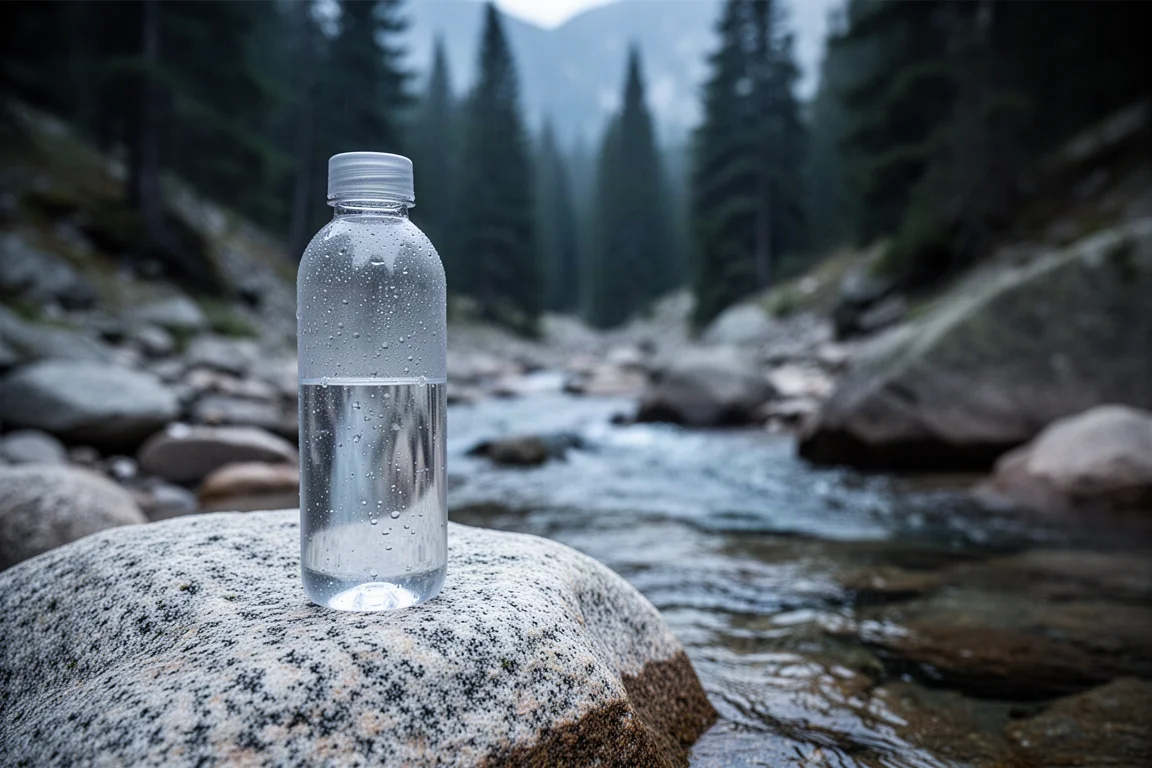
The bottle also pairs naturally with a fast-flowing squeeze filter. When filtering is quick, there is no need for an elaborate gravity setup with hoses and a reservoir, so the bottle effectively becomes the entire hydration system. If it is lost or finally worn out, replacing it costs almost nothing.
Where Each Choice Fits: Trip Style and Terrain
The two approaches suit different trips, and it helps to be honest about which kind you take most often.
If your trips are short, your evenings are cold, and a hot meal is part of the point, an integrated cook system earns its weight. Speed and convenience matter more than a few saved grams when you are boiling water in the wind at the end of a long day.
If your trips are long, your pack is already heavy with food, or you simply prefer to keep your kit small, a minimal pot and a lightweight bottle are easier to justify. The same logic applies to water treatment: a filter with a high flow rate removes the need for a gravity system, which in turn removes the need for a reservoir.
Pack Weight, Boil Time, and Water Treatment
Boil time is the most visible difference between these two worlds, but it is rarely the deciding one. A heat-sink pot boils faster, and that is real. What is less certain is whether the saved minutes are worth the added grams across a whole season of trips.
Weight, by contrast, compounds. Extra grams in the cook kit are paid for on every step of a long day and on every climb, while a faster boil only pays you back for a few minutes at camp. That asymmetry is the reason minimal cookware stays popular even when the technology behind heat sinks works exactly as advertised.
Water treatment deserves the same scrutiny. A filter that flows quickly is pleasant to use, and a pleasant filter is one you will actually use consistently instead of rationing water. Faster flow also removes the practical need for a gravity rig with a bladder and hose, which is another piece of kit that no longer has to be carried.
Simplicity on the Trail: Fewer Parts, Fewer Problems
The common thread between a minimal pot and a plain bottle is that both remove parts. There are no fins to pack around, no hose to rinse, and no reservoir to dry out at the end of a trip.
That matters more than it sounds. Simple gear is easier to keep track of, easier to replace, and easier to trust when conditions turn. A cook kit you can assemble in seconds and a bottle you can refill anywhere both reduce the number of small decisions you make on a long day, and small decisions add up.
Simplicity also makes packing faster. When everything in the cook and hydration category has one obvious purpose, nothing gets left behind at a trailhead and nothing gets carried out of habit.
Buying Advice for Ultralight Backpackers
Choose the Jetboil style of system if your priority is fast boiling and you would rather carry one integrated unit than assemble a kit from separate parts. It makes the most sense for shorter trips, colder conditions, and anyone who boils water several times a day.
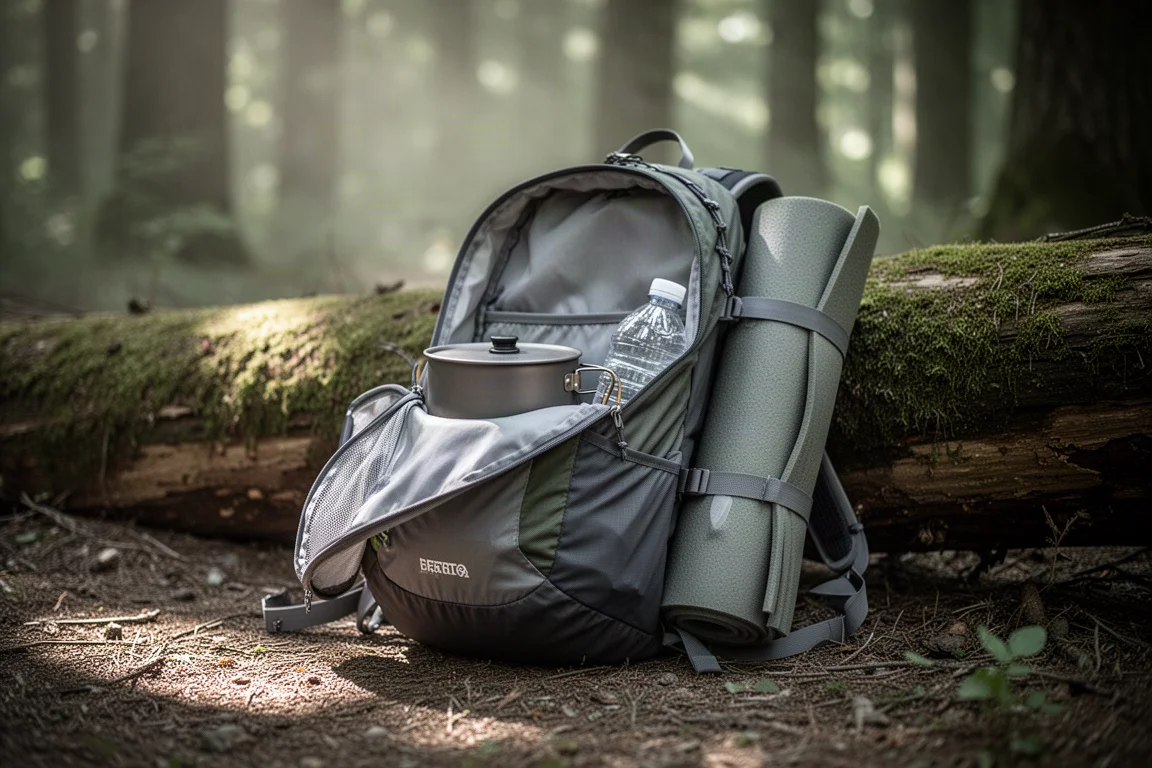
Choose a Smartwater bottle if your priority is low weight, low cost, and a hydration setup you can see into and mix into. It suits long-distance hikers, anyone using a fast squeeze filter, and anyone who wants a bottle that can be replaced for about two dollars.
Many backpackers end up carrying both: an integrated system for hot meals and a simple bottle for drinking water. The two decisions are independent, and treating them that way makes it much easier to build a kit that matches the trips you actually take.
Conclusion
Both of these items answer the same question in different ways. A Jetboil cook system buys speed and convenience at the cost of weight and bulk. A Smartwater bottle buys near-weightless simplicity at the cost of the integrated features a bladder or a purpose-built reservoir would provide.
Neither approach is wrong. Match the choice to your trip length, your cooking habits, and how much you are willing to carry for a faster boil, and you will end up with a cook and hydration setup you trust rather than one you merely tolerate.
Further reading
Related Reviews

Backpacking Gear
Building a 10 lb Base Weight: An Ultralight Backpacking Gear List
A practical walkthrough of the ultralight pieces behind a 10 lb base weight, from a 765 g pack and a roomy one-person tent to a full camp chair and a dependable water filter.

Backpacking Gear
A 15-Pound Lightweight Backpacking Gear List for Solo Trips
A beginner-friendly 15-pound backpacking setup built from easy-to-find gear, with notes on what each piece does, how it packs, and where to spend your attention.

Backpacking Gear
8 Ultralight Backpacking Gear Upgrades Worth Carrying
Eight small, affordable backpacking upgrades that solve real trail annoyances, from a pillow that stays put to a fuel valve that rescues leftover canister gas.