Backpacking Gear
Ultralight Backpacking Gear: What Is Worth Upgrading This Year
A practical look at this year's ultralight tents, sleeping pads, and backpacks, and which updates actually earn their place in your pack.
Introduction
Every year brings a fresh wave of ultralight gear, and every year the same question comes up: is the new version actually better, or just newer? Some releases solve a real problem and earn a permanent place in a pack. Others add a feature or two and leave you paying more for roughly the same experience.
This guide works through a set of this year’s tents, sleeping pads, and backpacks, sorting the releases that deliver a meaningful improvement from the ones that are hard to justify.
What Makes a New Gear Upgrade Worth It
Three questions separate a worthwhile update from a cosmetic one. First, does it fix a complaint people actually have? A zippered door, a wider floor, or a pad that fits two wide sleeping mats all address problems that show up on real trips. Second, does it change something you feel? Weight, warmth, and comfort are the qualities you notice every night and every mile. Third, does the price make sense next to the alternatives already on the shelf?
Small numerical gains are where upgrades most often fall short. A pad that measures a few decibels quieter is measurably different but not meaningfully better, and a warmth rating that does not hold up on a cold night is worse than no rating at all.
The gear below is grouped by how it stacks up against those three tests, starting with the releases that make a convincing case for themselves.
Gear Worth Buying This Year
These are the releases, along with a couple of long-standing favorites, that hold up under real use.
Big Agnes Rapide
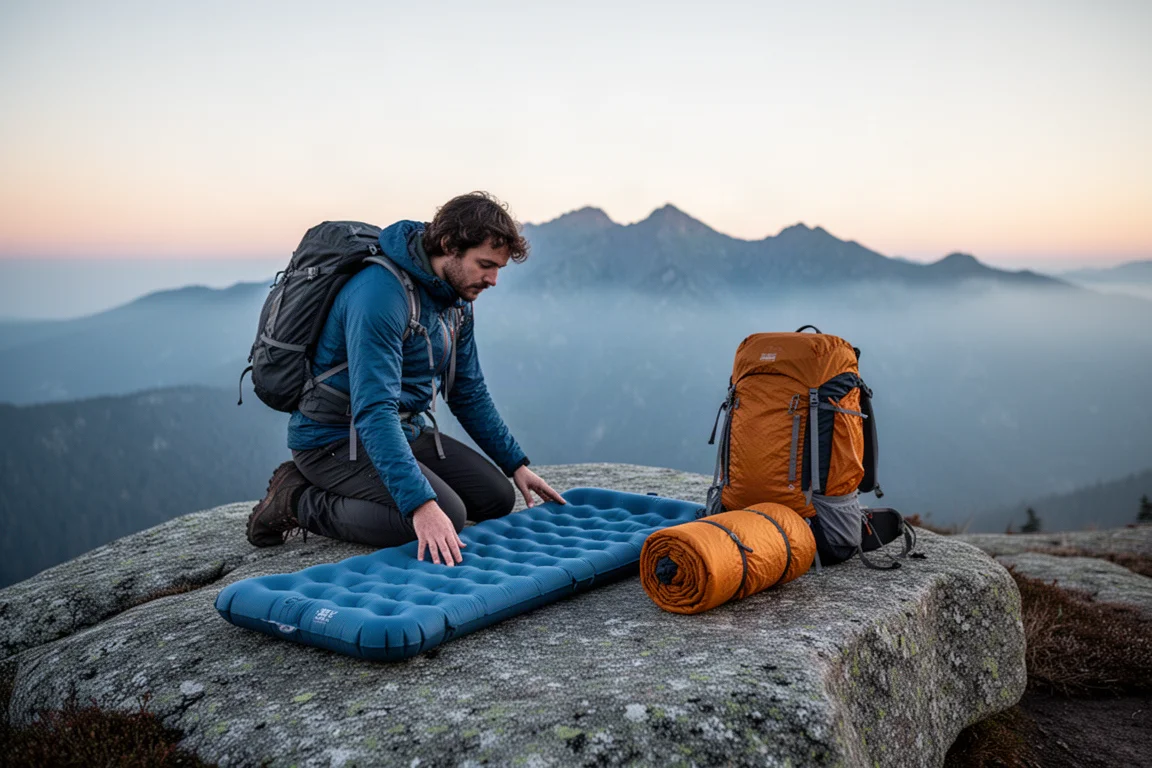
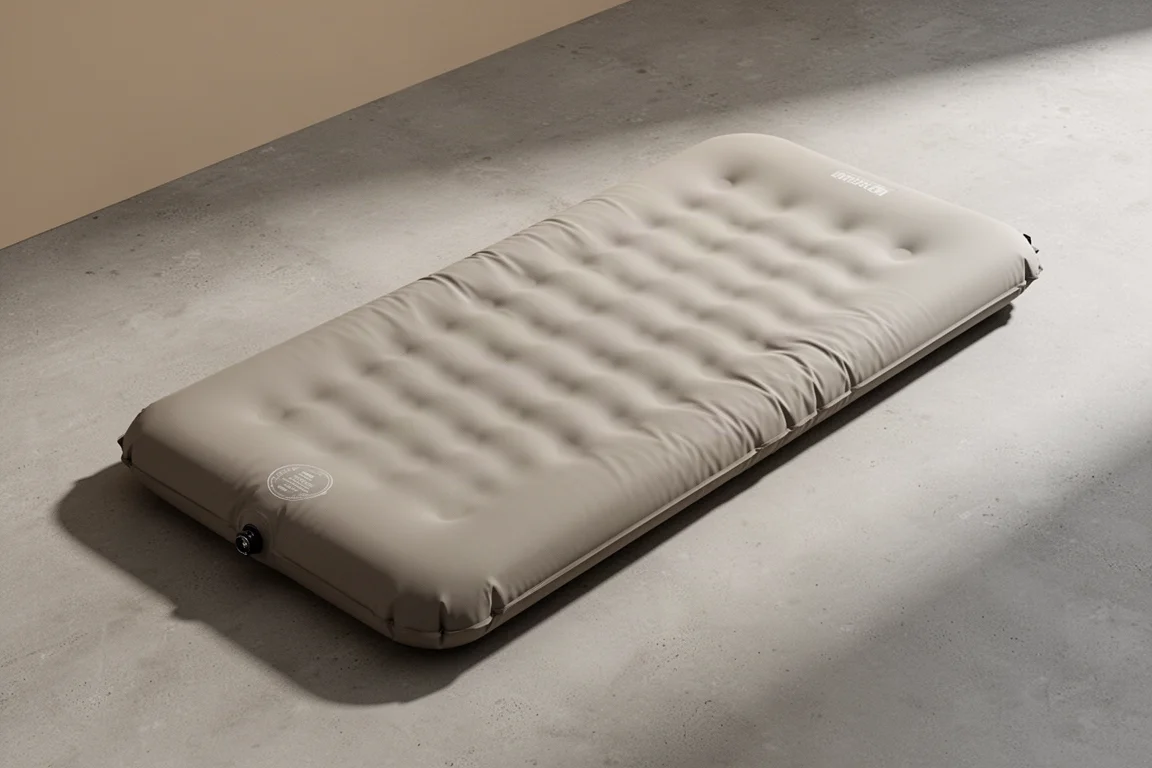
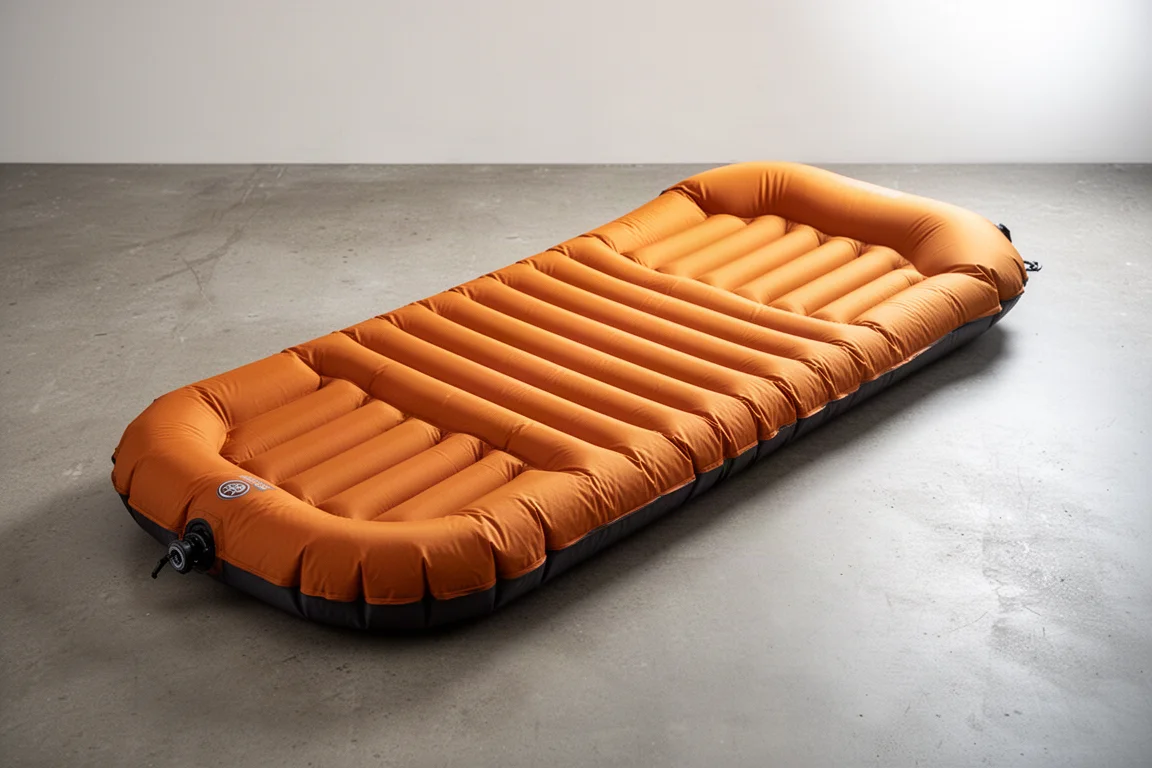
The Rapide is the pad to choose when warmth matters more than the number on the scale. It gives up some weight to the lighter Zoom Ultralight, but it holds warmth much better once temperatures drop, and on a three-season trip that matters far more than a few saved grams.
Nemo Hornet 3-Person Tent
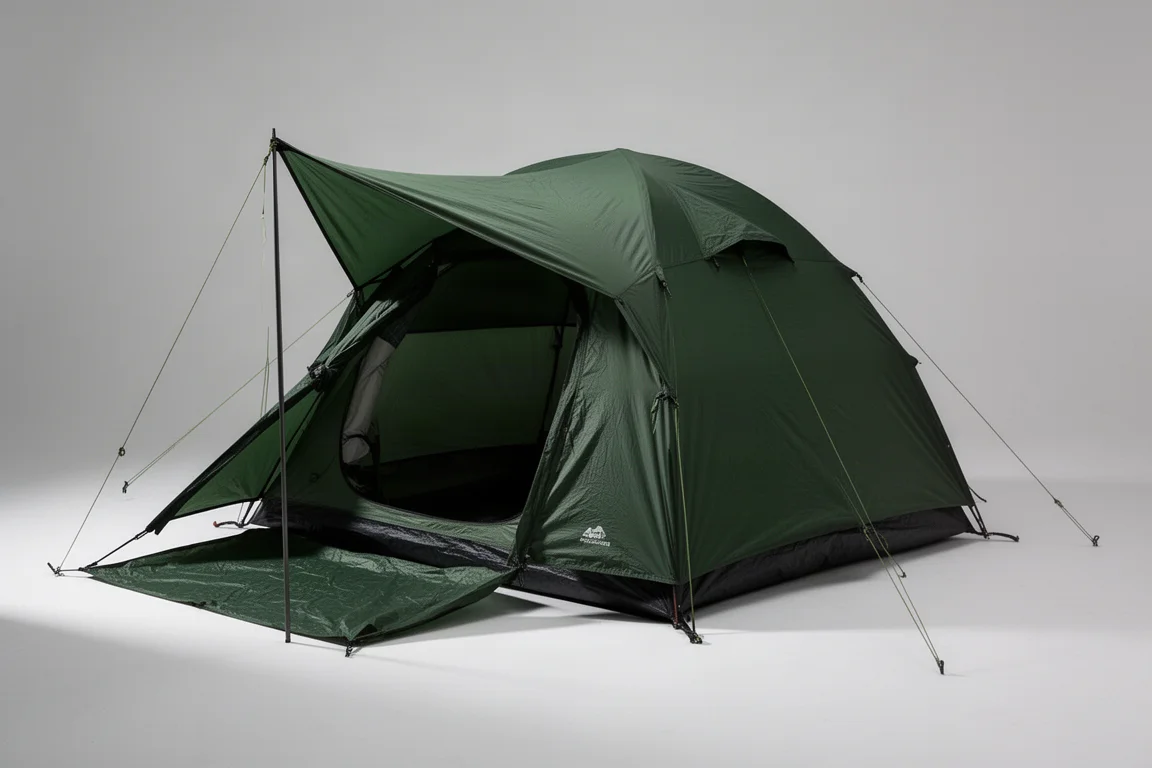
The Hornet 3-Person Tent arrived earlier this year and takes the Hornet formula up a size. The name oversells the capacity: it is realistically a two-person shelter, and a generous one at that. What makes it interesting is that it still weighs less than plenty of two-person tents, so you get the extra room without carrying a typical three-person load.
Nemo Hornet Elite
The Hornet Elite remains one of the most appealing light two-person tents around, and it stays on this list because the fundamentals have not changed. Its one persistent limitation is the narrow floor, which will not take two wide sleeping pads. If you sleep on wide pads, size up or look at the Hornet 3-Person instead.
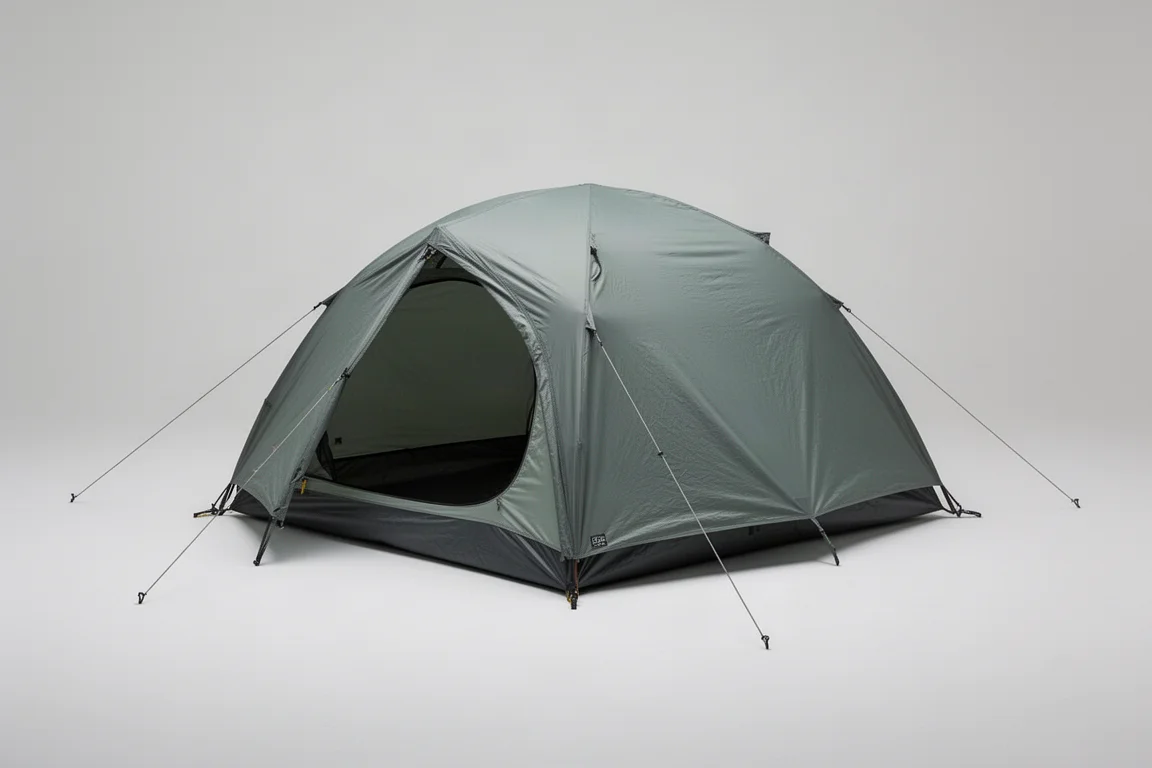
Osprey Exos Pro 58
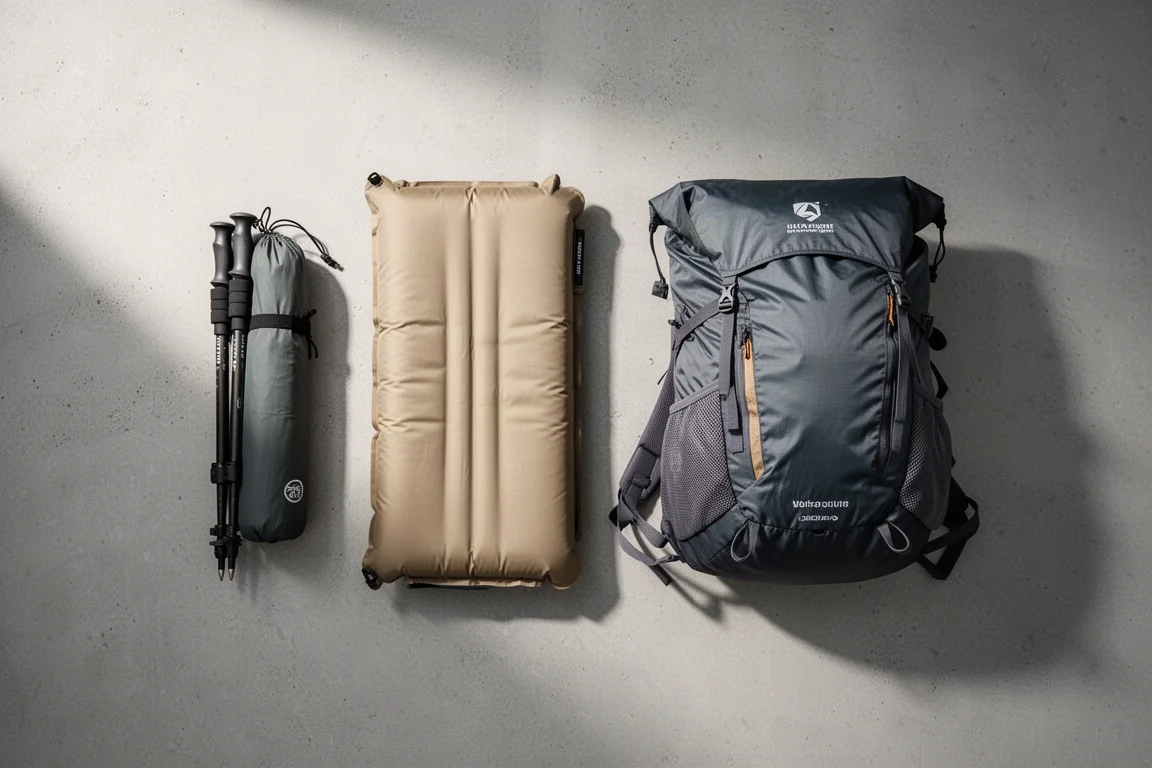
The Exos Pro 58 is a lightweight pack that keeps the features people miss when they move to frameless or minimalist designs. It costs roughly $100 less than the Outdoor Vitals CS40 and weighs only a little more, and comfort is the reason it keeps coming up: it is hard to find a lighter pack that carries this well.

If you want to move toward ultralight without giving up the structure, pockets, and padding of a traditional pack, this is the one to try first.
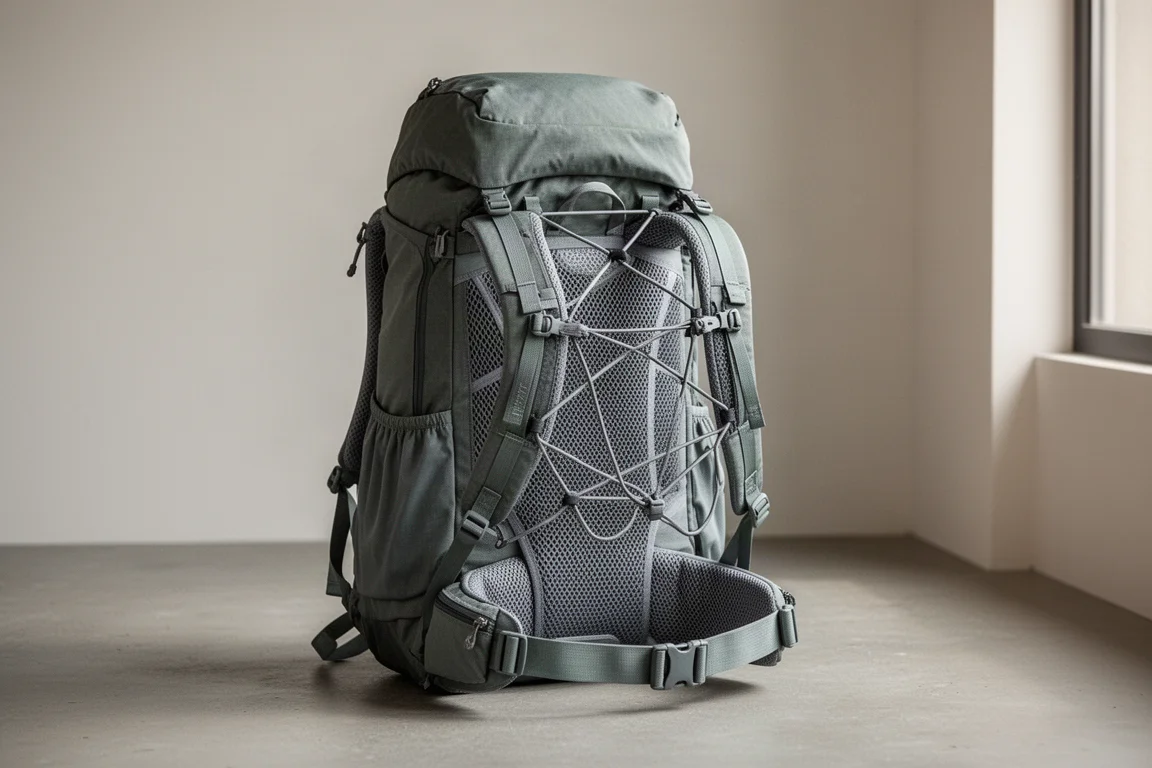
Zpacks Offset Solo
The Offset Solo is a two-pole trekking-pole tent with a small carbon fiber pole that lifts the foot end, and the result is a lot of head room in a shelter that weighed 19 ounces on a home scale. It also uses dual magnetic tiebacks, a detail only a couple of tents have adopted, and the door sits clear of the pole instead of dropping to the ground when you open it. Those two fixes address the most common complaints about the brand’s earlier tents.
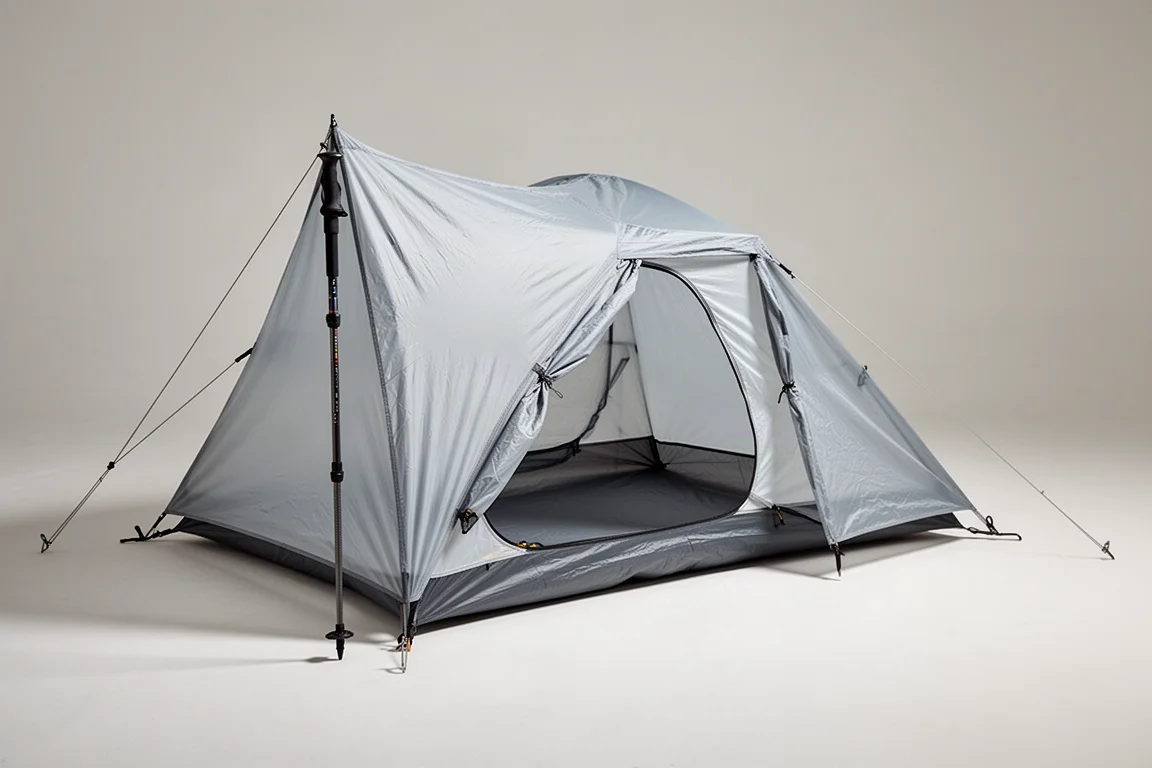
Durston X-Mid Pro 2 Plus
The X-Mid Pro 2 Plus is the most convincing update in this group. It adds an updated Dyneema floor and dual magnetic tiebacks, but the headline change is size: it now fits two wide sleeping pads, and the extra volume appears to have resolved the head room complaints that dogged earlier versions. Two-person comfort has not been confirmed yet, but the interior feels notably roomy.
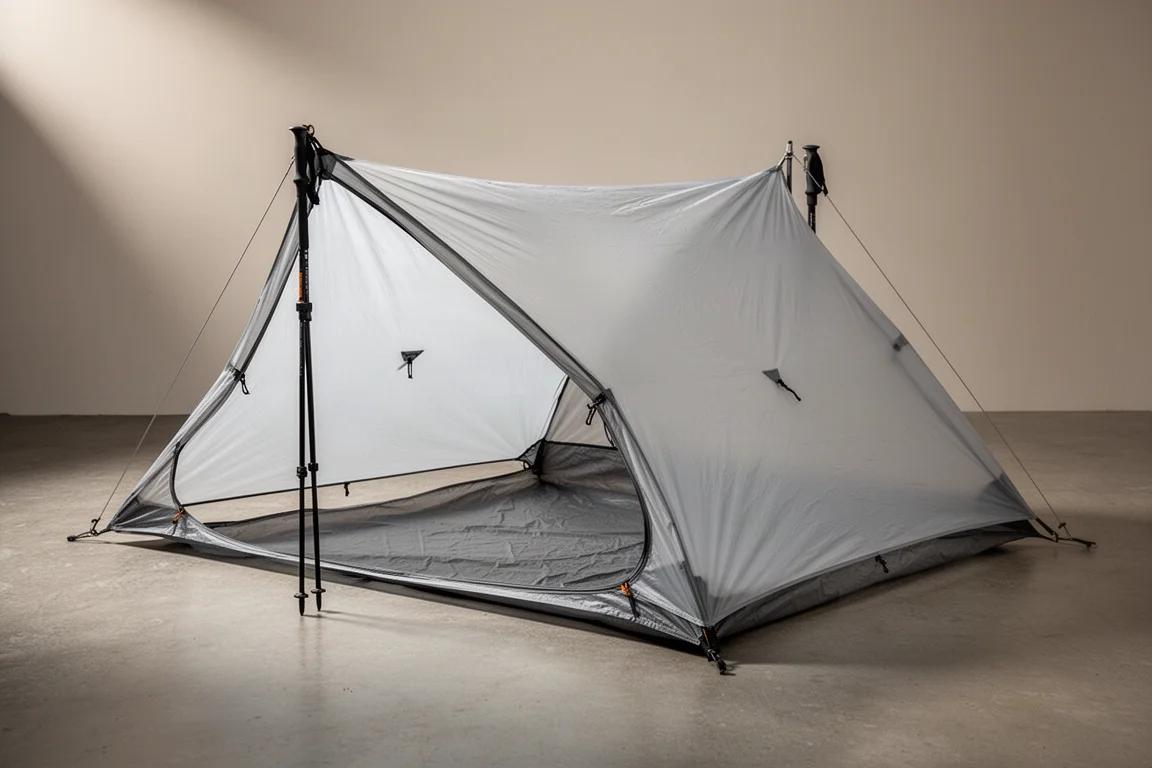
Gear That Is Hard to Justify This Year
None of the items below are bad products. The problem is that the updates do not change enough of the experience to justify a purchase.
Zpacks Duplex Zip
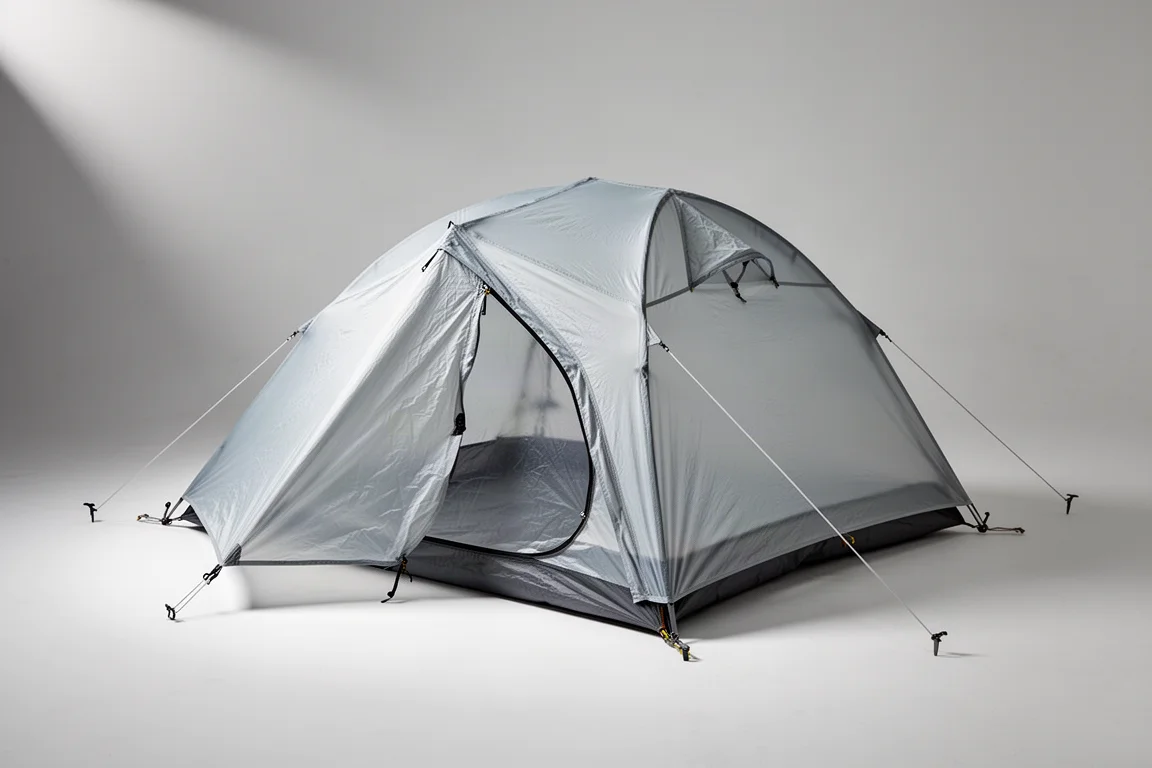
The Duplex Zip adds a zippered fly door and a magnetic tieback to a long-running ultralight design, features that bring it closer to what trekking-pole tents from other brands have offered for a while. The features themselves are welcome; the timing is the issue. The tent also struggled in cold-weather use, and a zipper pulled free on one unit where seam tape was missing, which raises questions about how carefully this release was finished.
Outdoor Vitals CS40
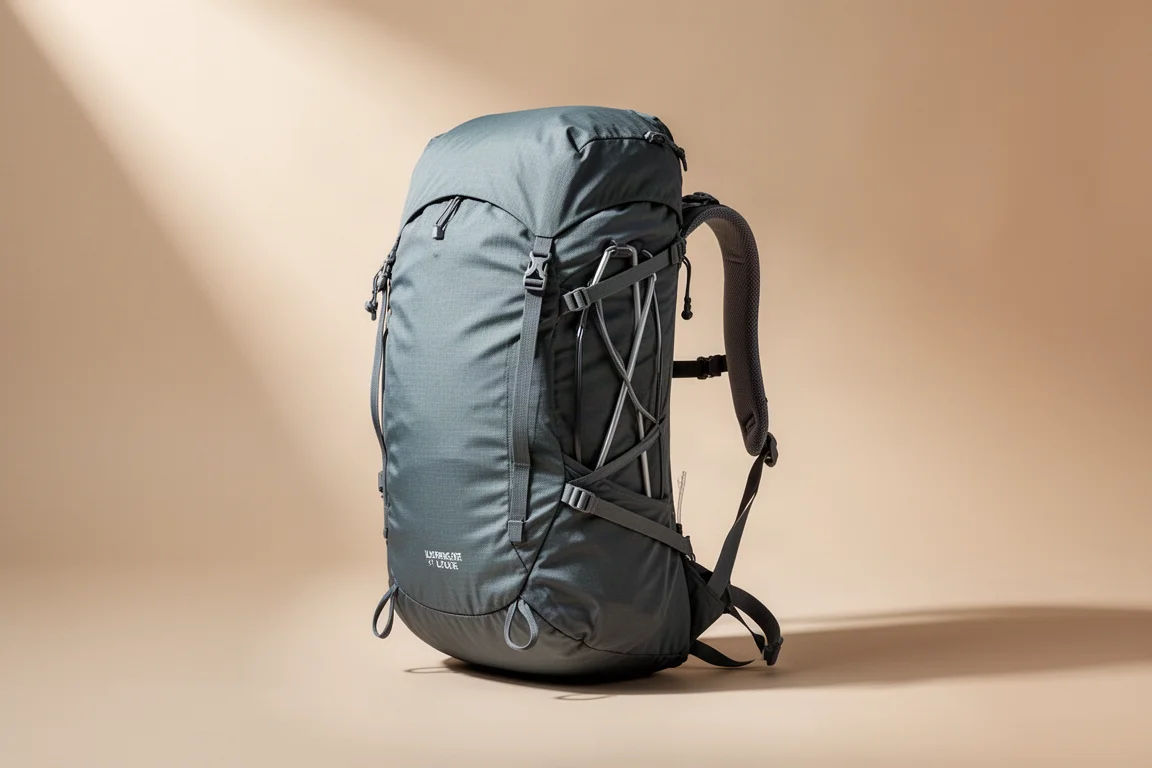
The CS40 is a lightweight roll-top pack with two side pockets, a rear mesh pocket, padded back and shoulder panels, and carbon fiber stays. There is nothing wrong with any of that. There is also nothing that sets it apart from the many packs built the same way, which makes the almost $400 price hard to defend.
Big Agnes Zoom Ultralight
The Zoom Ultralight was the highest-scoring pad in a nine-pad comparison earlier this year, and it is still light and extremely comfortable. The problem is warmth. It claims a 4.3 R-value, which should carry you to freezing, but it does not feel that warm in practice, which rules it out as the single pad for three-season use.
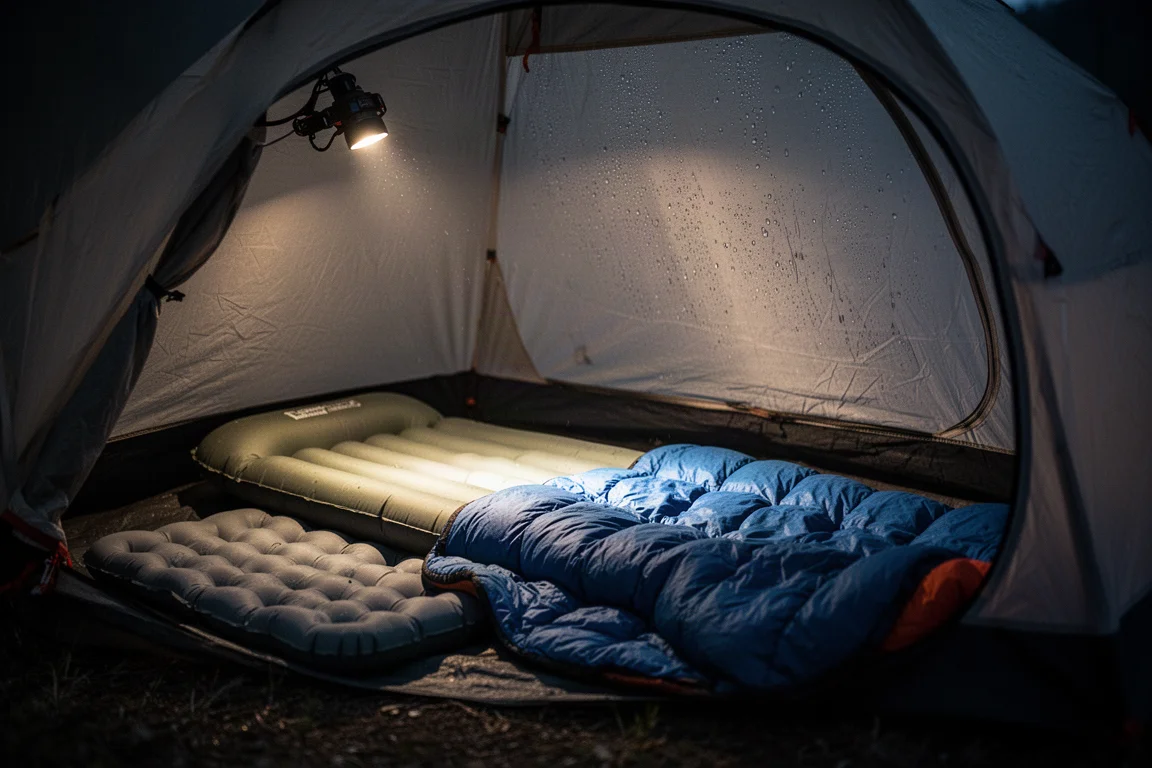
If you want one pad that handles colder nights, the Rapide is the better answer, even with the extra weight.
Therm-a-Rest X-Lite
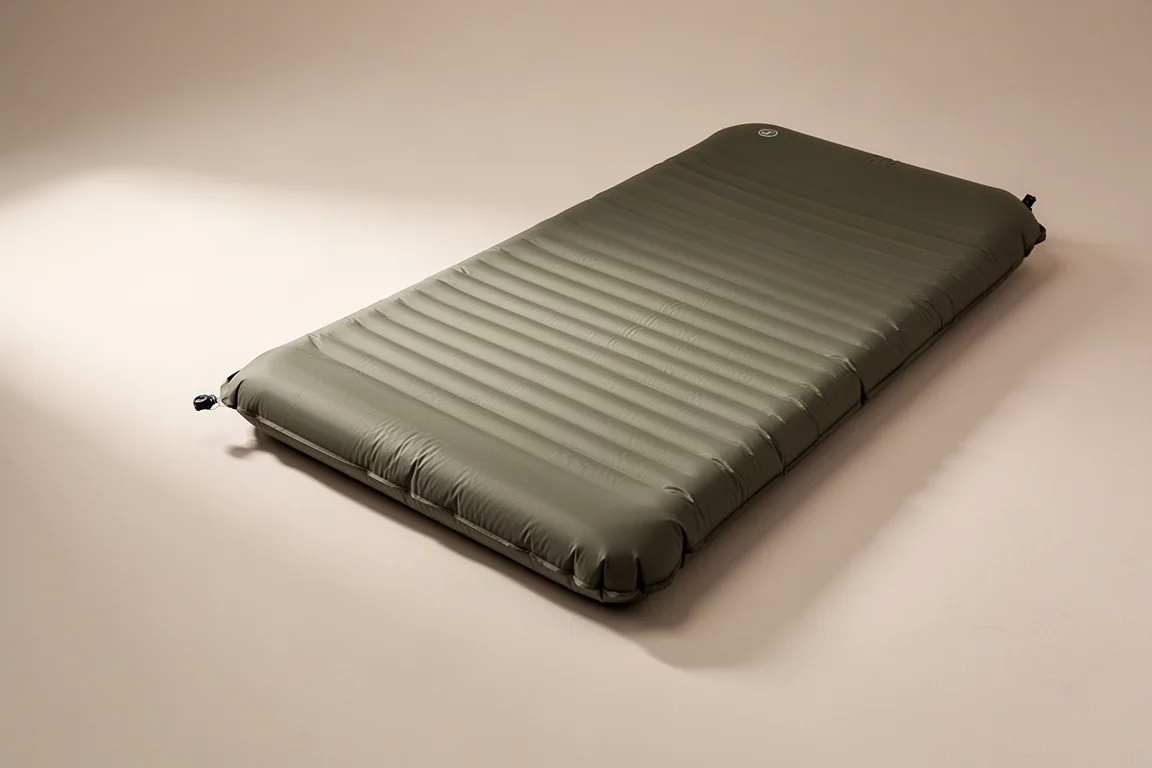
The X-Lite is warm and light, and it is the pad you will find in a lot of backpackers’ packs. It is also one of the least comfortable pads out there. This year’s version is warmer and quieter, but the noise reduction measures only 3 to 4 decibels, enough to notice and not enough to change the decision. Comfort is untouched, so the recommendation stays the same.
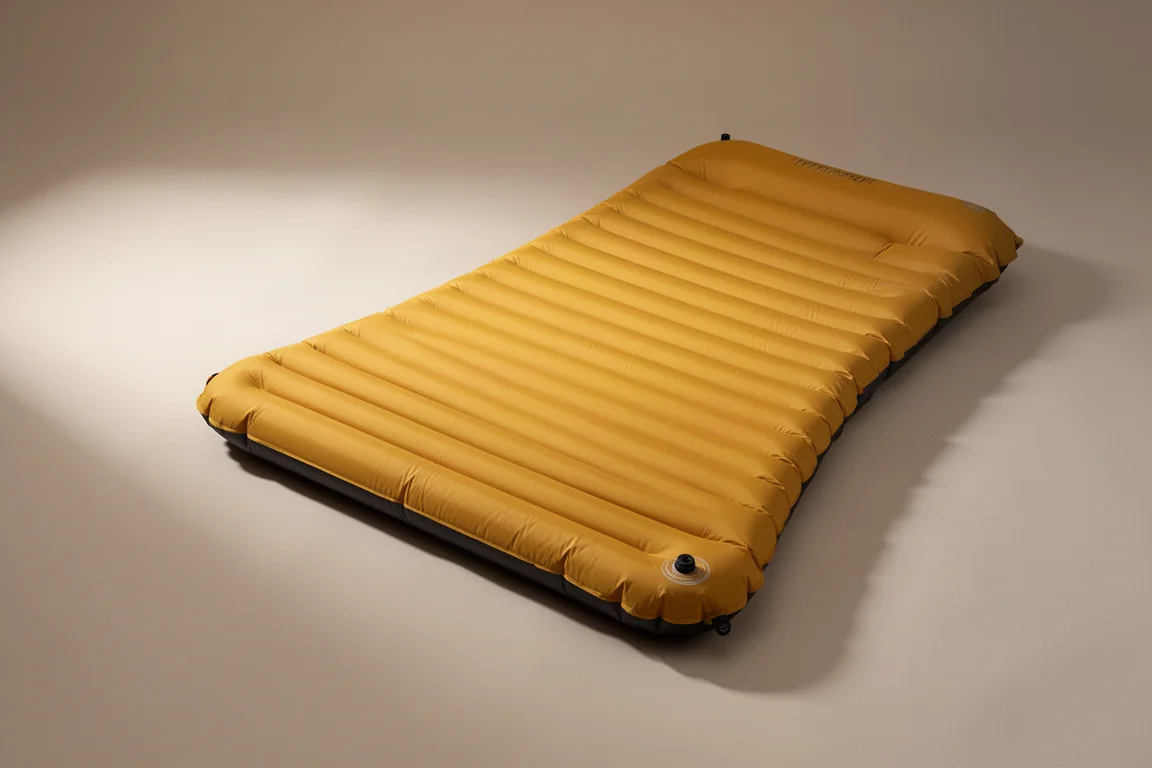
Therm-a-Rest X-Therm
The X-Therm received the same treatment as the X-Lite: more warmth and less crinkle, with no change to comfort. That leaves the same trade-off in place. It is a warm, light pad that many people will not sleep well on, and this year’s update does not move that needle.
Buying Advice: Matching the Upgrade to Your Trip
Start with the problem you actually have. If your nights are cold, warmth beats weight every time, which is why the Rapide makes more sense than the lighter Zoom Ultralight for three-season use. If your shelter is cramped, floor width and head room matter more than a few ounces, which is where the X-Mid Pro 2 Plus, the Hornet 3-Person Tent, and the Offset Solo all make their case.
If your pack is the weak point, comfort is the specification that matters most, and the Exos Pro 58 delivers it at a lower price than the CS40 while staying close on weight. And if you already own a recent version of any of the pads or tents in the second group, there is little reason to replace it this year.
Conclusion
The best upgrades this year are the ones that fix something you feel on every trip: warmth on cold nights, floor space for two wide pads, head room, and a comfortable carry. The Duplex Zip, the CS40, the Zoom Ultralight, and the updated Therm-a-Rest pads all have merits, but none of them changes the experience enough to justify the spend. Buy the fix, not the version number.
Further reading
Related Reviews

Backpacking Gear
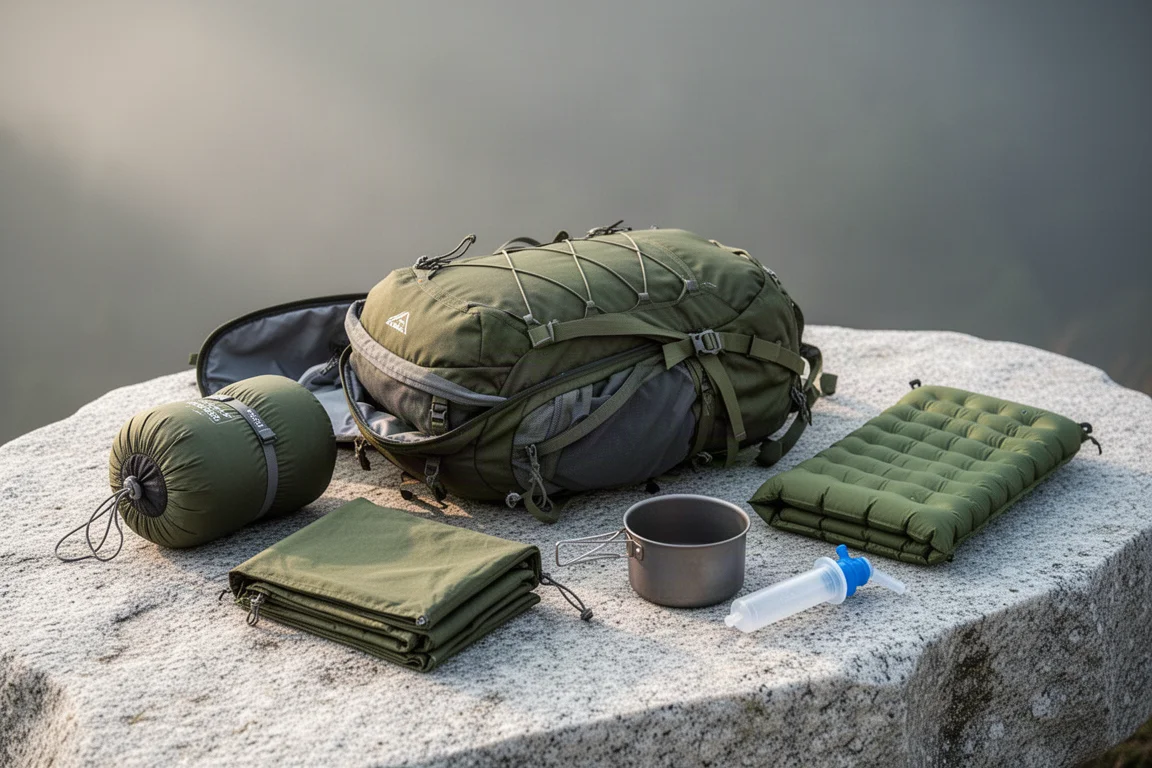
Building a 10 lb Base Weight: An Ultralight Backpacking Gear List
A practical walkthrough of the ultralight pieces behind a 10 lb base weight, from a 765 g pack and a roomy one-person tent to a full camp chair and a dependable water filter.
Backpacking Gear
A 15-Pound Lightweight Backpacking Gear List for Solo Trips
A beginner-friendly 15-pound backpacking setup built from easy-to-find gear, with notes on what each piece does, how it packs, and where to spend your attention.
Backpacking Gear
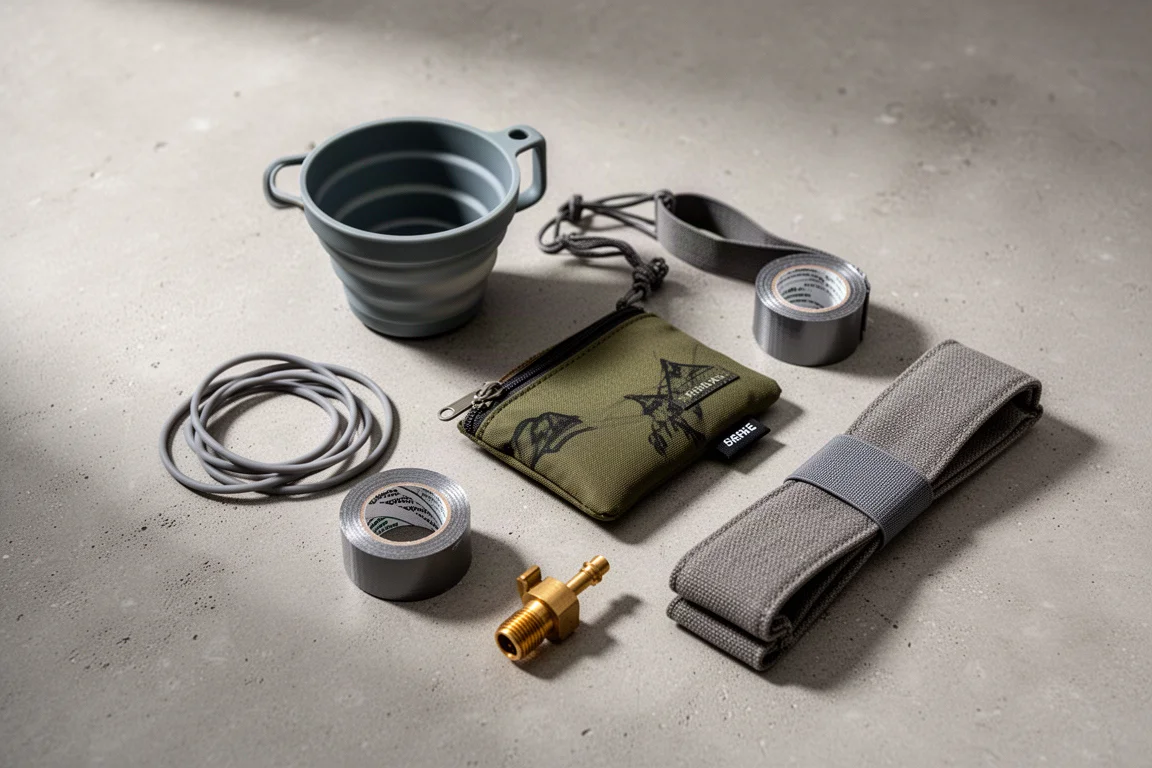
8 Ultralight Backpacking Gear Upgrades Worth Carrying
Eight small, affordable backpacking upgrades that solve real trail annoyances, from a pillow that stays put to a fuel valve that rescues leftover canister gas.