Backpacking Gear
Ultralight Backpacking Gear: 5 Pieces Worth Knowing Before Your Next Trip
A practical look at five ultralight backpacking items, the heavier gear each one replaces, and how to decide what genuinely earns a place in your pack.
Introduction
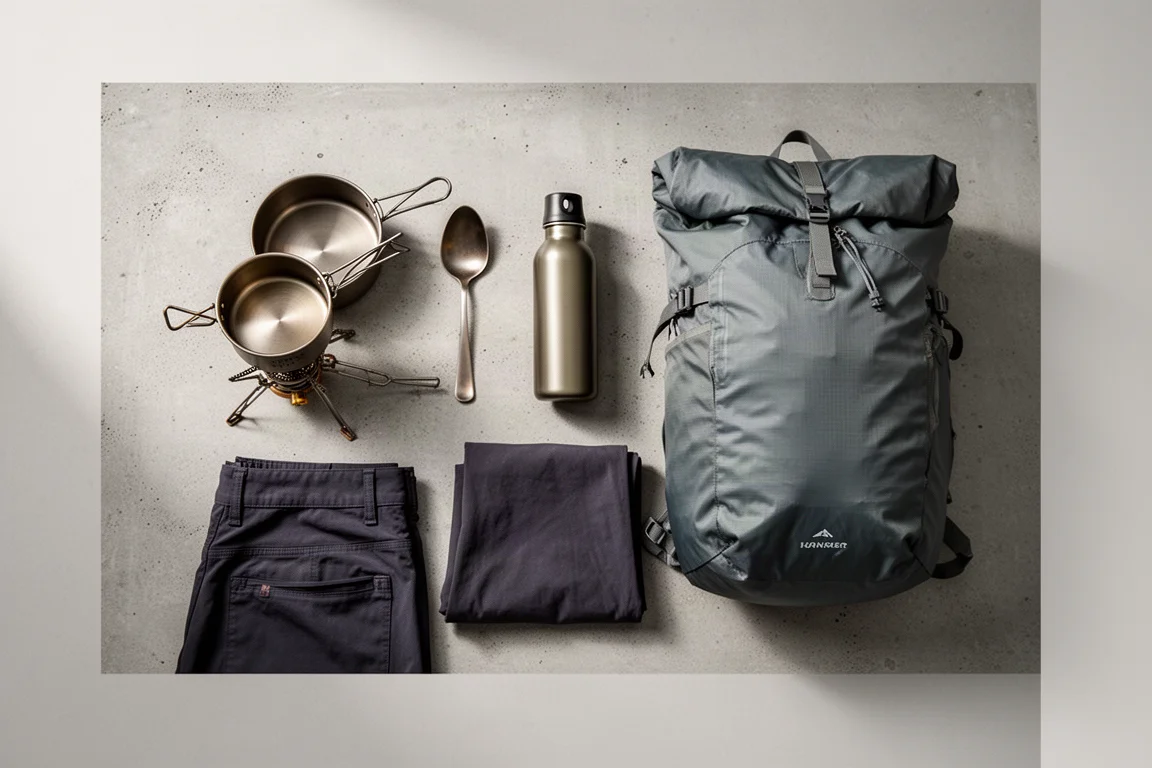
Most backpacking weight comes from items that seemed reasonable at home. A solar panel, a second flashlight, a full roll of toilet paper, a heavy insulated bottle, a spare set of pants, a bulky stove and mess kit: each one looks harmless on its own, and together they turn a light pack into a heavy one. The five items below are the ones that keep earning their place instead. They cover water, the pack itself, spare clothing, and cooking, and each one replaces something heavier or bulkier that tends to get left behind after the first trip.
How This Ultralight Kit Fits Together
Four questions decide whether an item belongs in a pack: how much it weighs, how much space it takes up, whether it can be stripped down or replaced easily, and how often you will actually use it. Gear that only works in conditions you rarely meet, or that duplicates something already in your pack, fails that test no matter how clever the idea sounds.
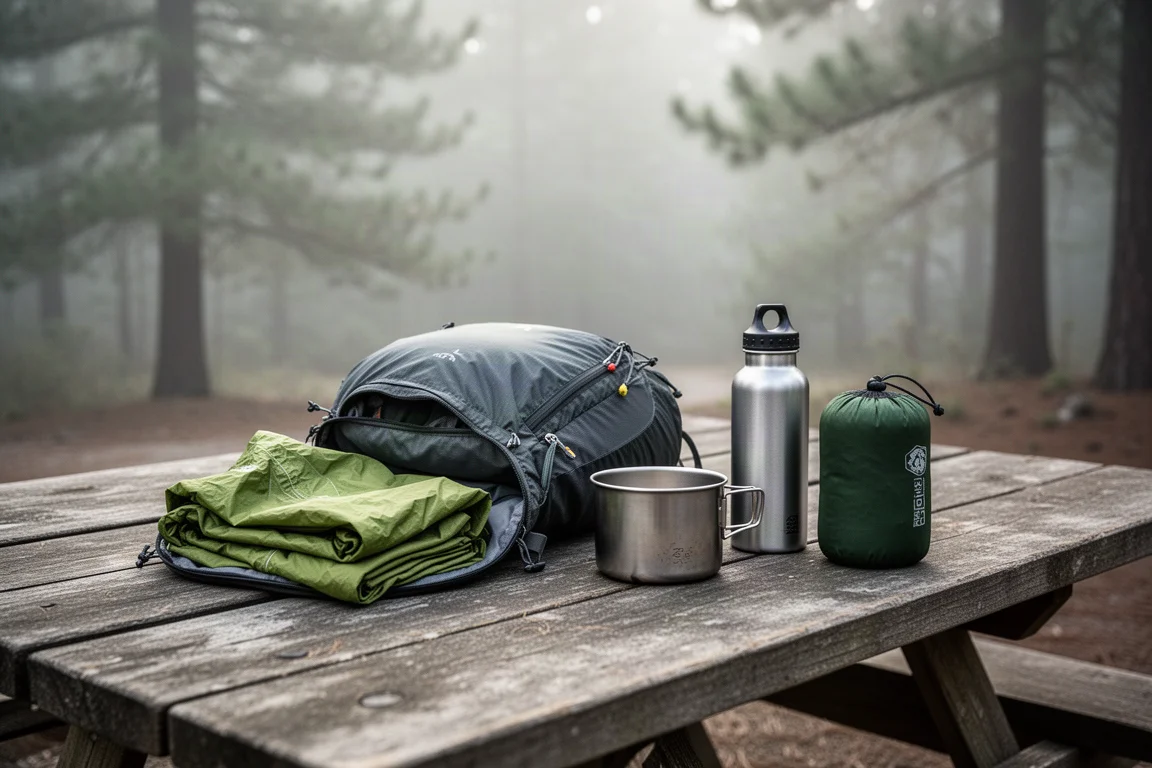
The items in this guide pass the test in different ways. A simple water bottle is light and replaceable. A pack that can shed its hip belt and frame adapts to different loads. A compact titanium cook system replaces a pile of separate pieces with one small bundle. None of them are exotic, and that is exactly the point.
Lightweight Water Carry: The Smartwater Bottle
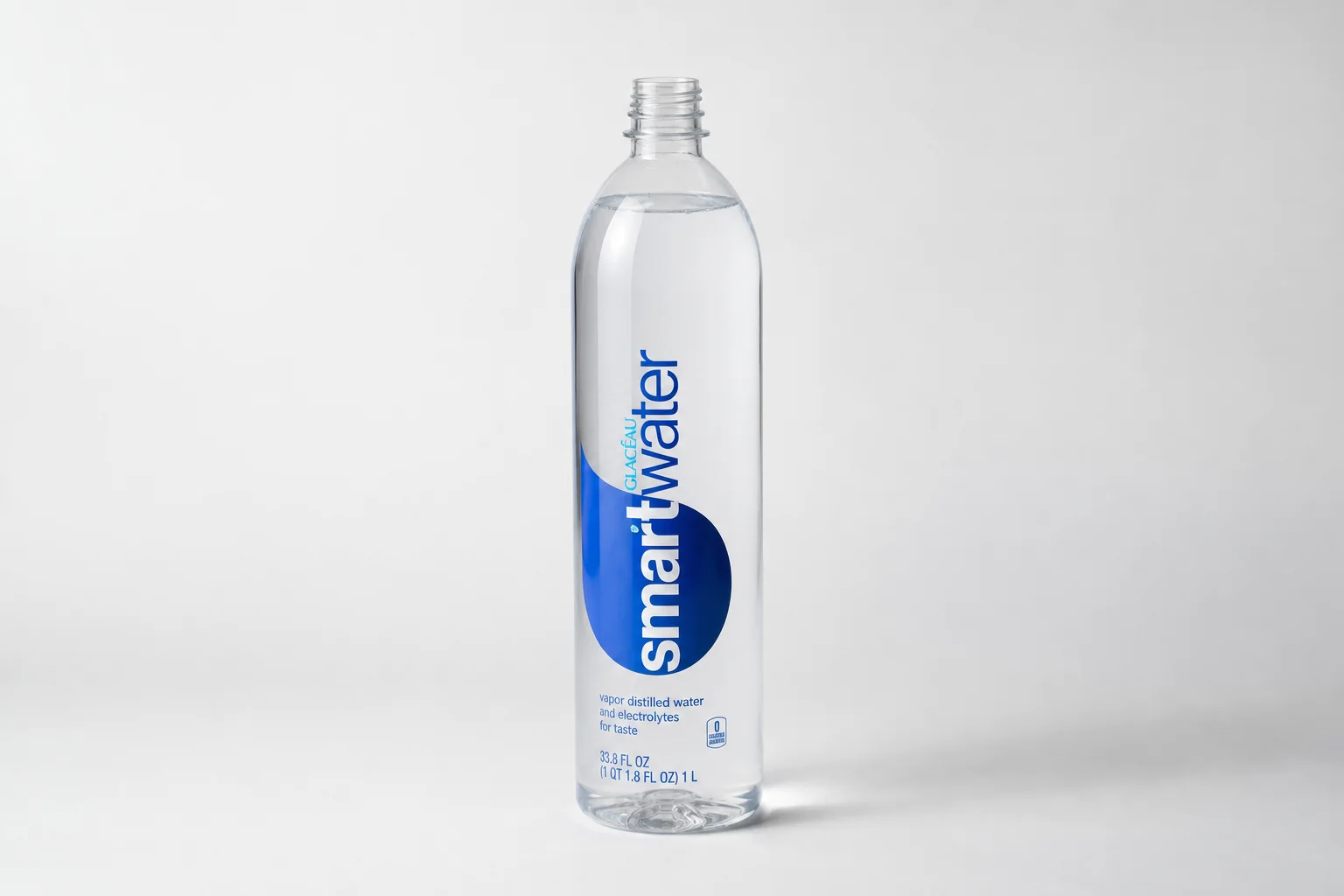
Water is the one thing you cannot trim below what you actually drink, so the container matters. A slim refillable bottle is the simplest answer: it holds water, it is easy to top up at a stream or a tap, and it can be replaced almost anywhere once it finally wears out. It also sidesteps two common choices that add weight or upkeep, the hydration bladder with its hose, and the heavy insulated flask that keeps water cold but costs far more in pack weight.
The trade-off is that a bottle like this keeps its shape when empty, so it does not compress down the way a soft reservoir can. In practice that is a small price to pay for a water carry that is light, straightforward, and inexpensive to replace.
The Core Pack: Outdoor Vitals Shadowlight
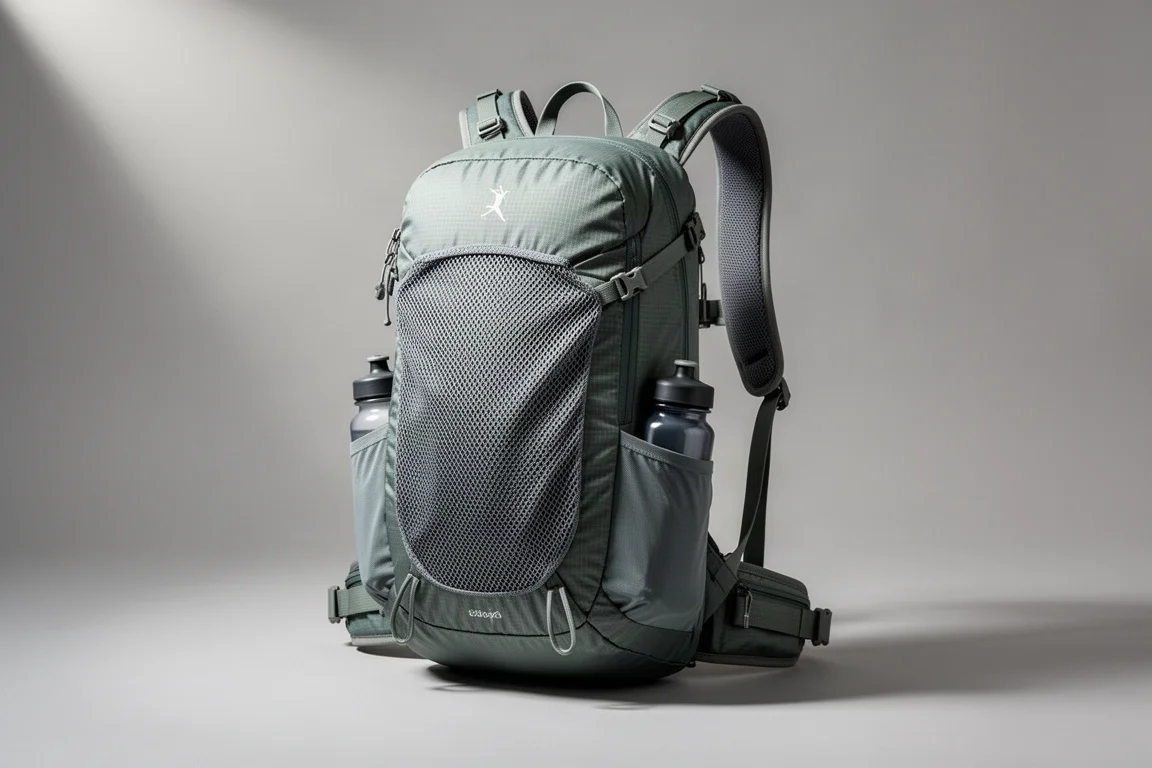
The pack is the one piece of gear that has to work for both the walk in and the camp itself. The Shadowlight is an ultralight backpacking pack that weighs under two pounds when empty, and it is built to be adjusted rather than carried as it comes. The hip belt can be pulled out and the frame removed, which can drop more than half a pound from the total and makes the pack more usable for day hikes and lighter loads.
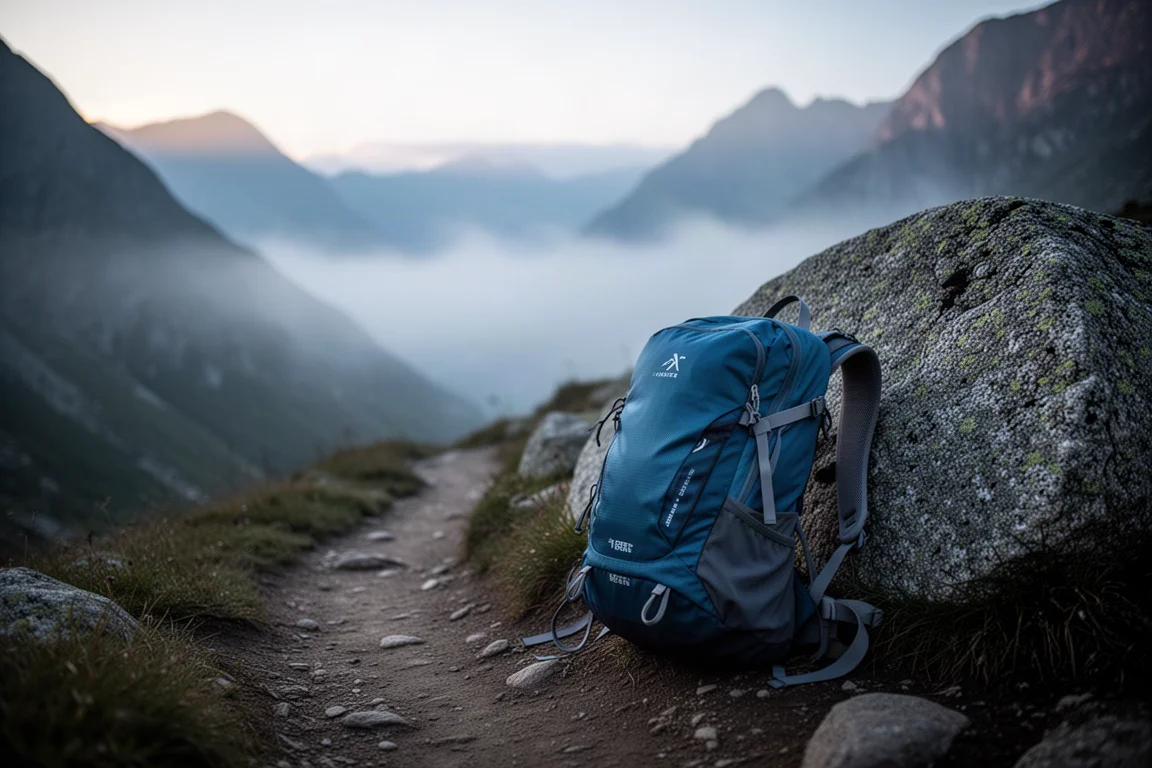
That flexibility is the real argument for it. Keep the frame and hip belt for a heavier overnight load, or strip both for a fast day trip and carry something much closer to a large daypack. For backpackers who want one pack to cover both situations, this is the piece that makes a second bag unnecessary on most trips.
When a Second Pack Makes Sense: Outdoor Vitals Drifter
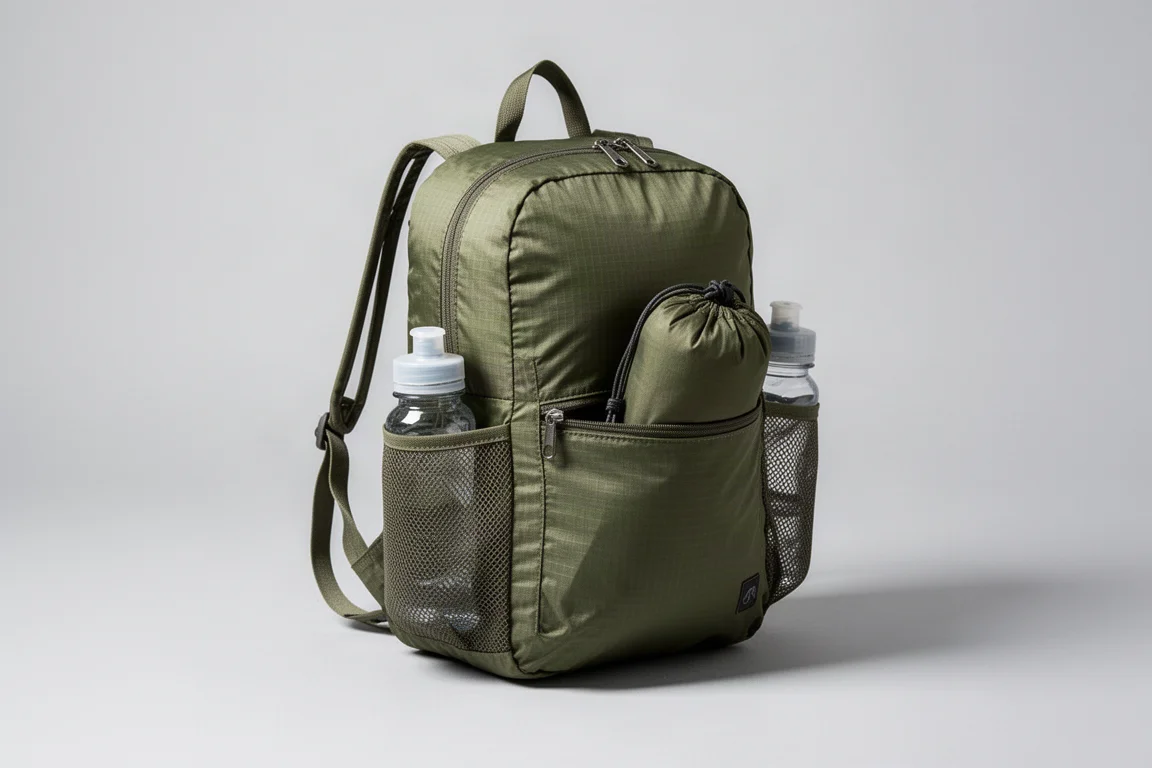
A dedicated daypack sounds useful until you are already carrying a backpacking pack. On a trip with a base camp, the simplest solution is to empty the main pack and use it for the day’s walking, which costs nothing in extra weight. A compact daypack like the Drifter makes sense for hikers who want a small pack for short hikes, travel, or side trips where the main pack stays behind at camp.
If you are deciding between the two, the question is whether you will genuinely carry two packs on the same trip. Most backpackers will not, and that is the honest case for leaving the daypack at home.
Spare Clothing: Outdoor Vitals Satu Pants
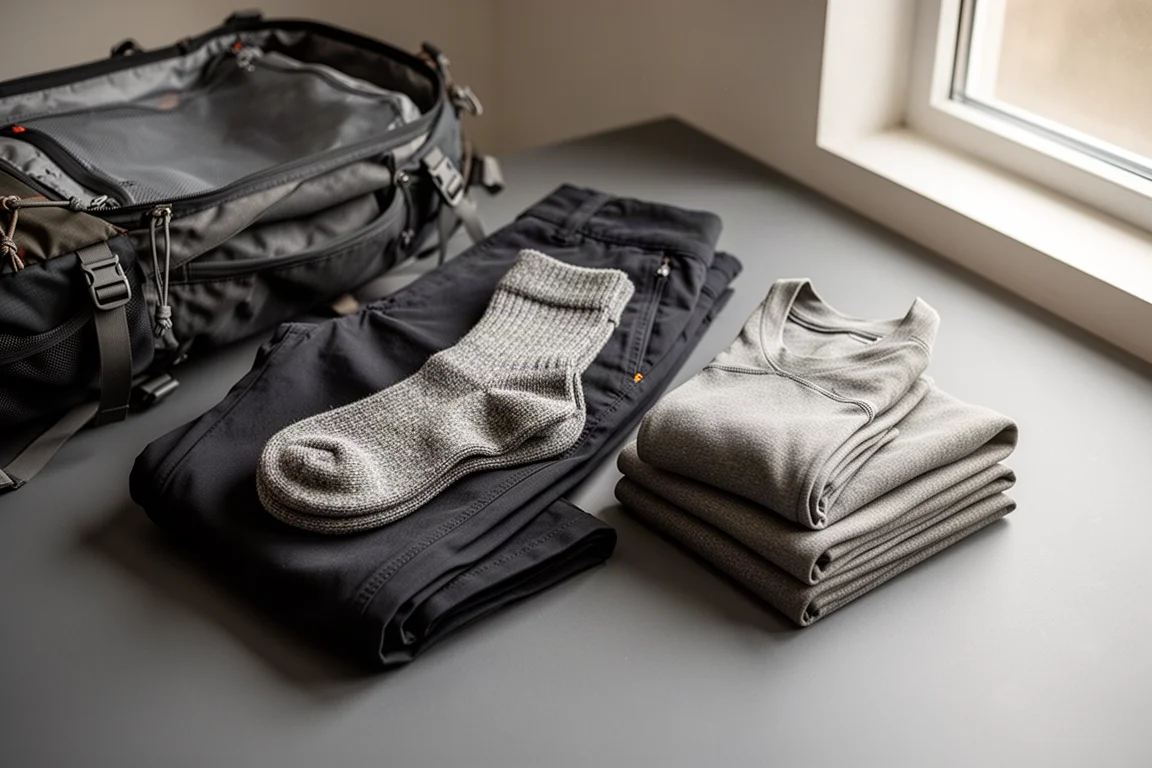
Extra clothing is the most common place where pack weight creeps in, and a second pair of pants is the classic example. You will get dirty and you will get smelly on a long hike, and a spare pair of pants changes neither of those facts. What does change the experience is rotating the small items that matter, a fresh pair of socks and a fresh pair of underwear each day, and packing layers for cold or wet conditions rather than duplicates of what you are already wearing.
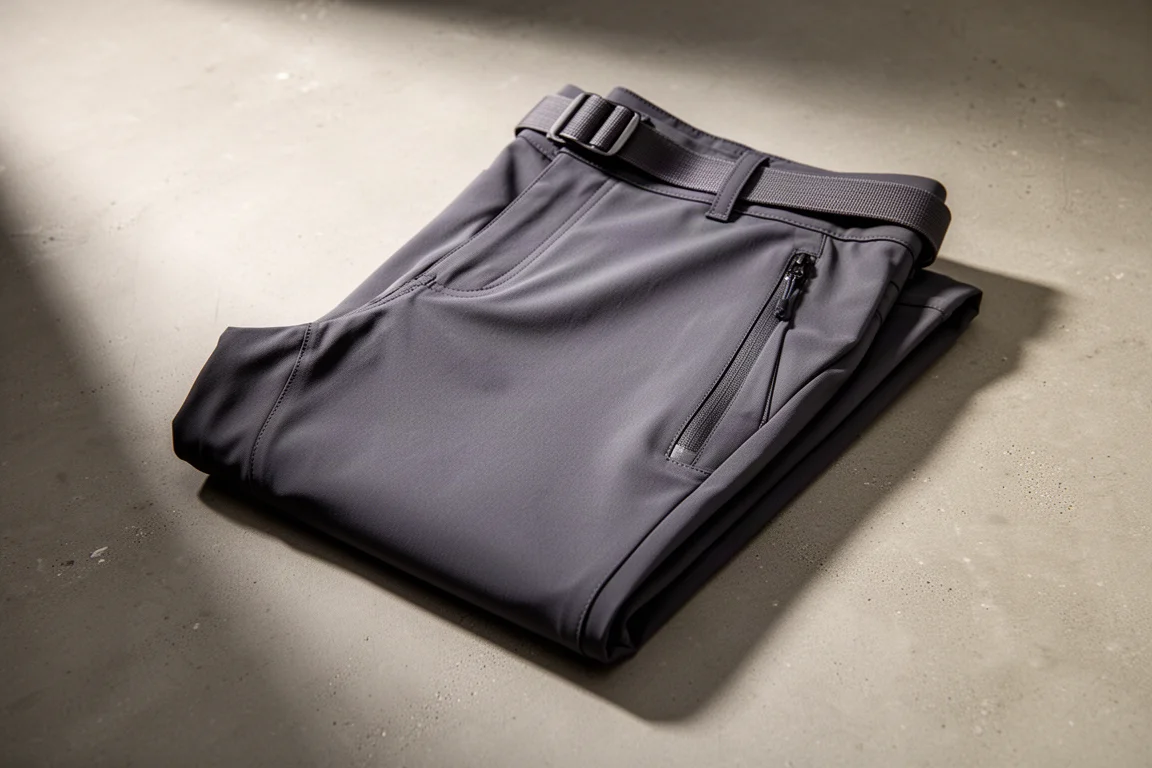
The Satu pants are Outdoor Vitals’ option in this category, a dedicated pair of trail pants rather than a spare set. That distinction is worth keeping in mind: one reliable pair of pants plus weather-appropriate layers covers almost every trip, while a second pair mostly adds bulk.
Cook System: Toaks Titanium Cookware
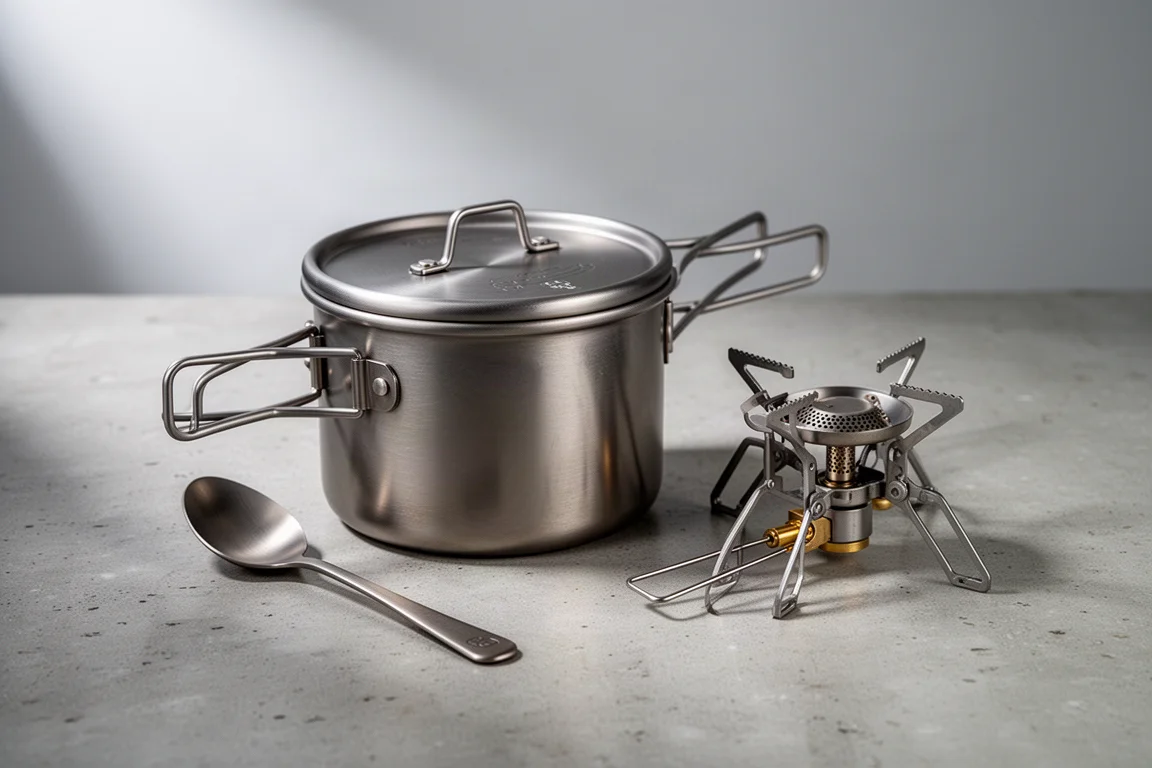
Cooking gear is where a small bundle can replace a large one. A compact titanium pot, a small stove, and a titanium spoon cover the same job as a bulky screw-on burner and a full mess kit, at a fraction of the packed size. Titanium is a practical material here because it is light and durable, and Toaks is an accessible way to move into titanium cookware without a large outlay.
Fuel is the other half of the decision. Oversized canisters are heavy and awkward to pack, so the smallest size covers most short trips, and an alcohol stove is an even lighter option for solo hikers. What you are avoiding is the impulse to bring a large, elaborate stove system for meals that are mostly boiling water.
Buying Advice: Building a Lighter Pack
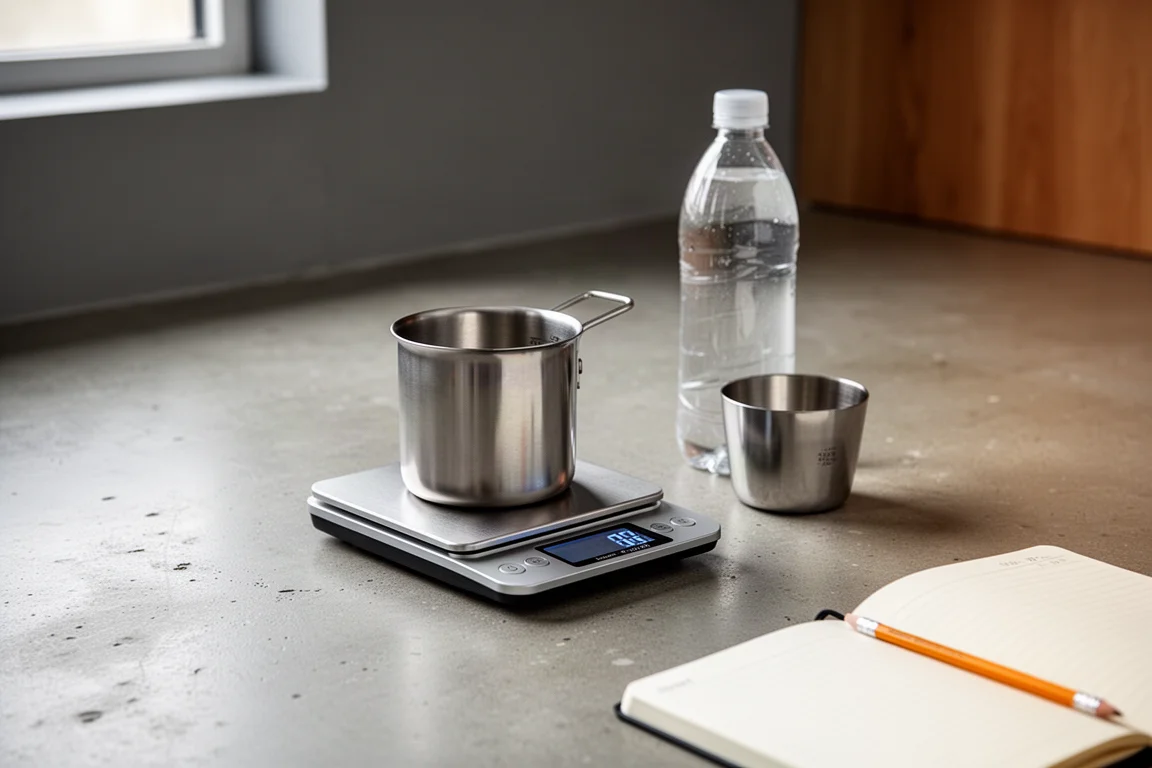
Start with what you already own and weigh it. Most people are surprised by how quickly the small items add up, and the fastest savings usually come from the water carry, the pack, and the cook system rather than from shaving a few grams off a shelter. Replace the heaviest and least-used items first, and treat every addition as a trade against something else.
A few habits make the biggest difference. A solar panel is bulky and rarely does much while you are walking, so a small battery bank, around 5,000 mAh for a single phone charge, is the more practical choice. A quality headlamp with spare batteries removes the need for a handheld flashlight. A section of toilet paper in a small bag replaces a full roll. A one to two ounce knife replaces a half-pound fixed blade. Deodorant, extra pants, and oversized fuel canisters are the same story: each one is easy to justify at home and easy to leave behind once you have carried it for a day.
Conclusion
Ultralight backpacking is less about buying the lightest version of everything and more about removing what you will not use. A simple refillable water bottle, a pack that can shed weight when the trip allows, one pair of trail pants, and a small titanium cook system cover the essentials without the bulk. Get those categories right, and the rest of the pack becomes far easier to manage.
Further reading
Related Reviews

Backpacking Gear
Building a 10 lb Base Weight: An Ultralight Backpacking Gear List
A practical walkthrough of the ultralight pieces behind a 10 lb base weight, from a 765 g pack and a roomy one-person tent to a full camp chair and a dependable water filter.
Backpacking Gear
A 15-Pound Lightweight Backpacking Gear List for Solo Trips
A beginner-friendly 15-pound backpacking setup built from easy-to-find gear, with notes on what each piece does, how it packs, and where to spend your attention.
Backpacking Gear
8 Ultralight Backpacking Gear Upgrades Worth Carrying
Eight small, affordable backpacking upgrades that solve real trail annoyances, from a pillow that stays put to a fuel valve that rescues leftover canister gas.