Backpacking Gear
Ultralight Backpacking Gear: What Is Worth Buying and What Is Not
A practical look at recently updated ultralight tents, sleeping pads, and backpacks, with clear verdicts on which releases are worth your money and which are easy to skip.
Introduction
Every season brings a fresh wave of backpacking gear, and not all of it deserves a place in your pack. Some releases refine a proven design in ways you genuinely feel on every trip. Others add features that look tidy on a spec sheet but do not change the experience enough to justify the spend.
This guide sorts the two apart. It covers ultralight tents, sleeping pads, and backpacks that were updated recently, with a plain verdict on each one: worth buying, worth waiting on, or worth skipping entirely.
If you are building a lighter setup, the more useful question is not whether a product is new, but whether it solves a problem you actually run into on trail. A zipper that behaves, a floor wide enough for two wide pads, or a pad that stays warm below freezing will matter far more than a revised colourway or a slightly trimmed gram count.
How to Judge New Gear
Three things separate a meaningful update from a marketing refresh.
First, does it fix a known complaint? A door that swings out of the way, a floor that fits real sleeping pads, or a valve that is easier to use are the kinds of changes that show up in daily use. Second, does it improve comfort or warmth in a way you notice after a long day on your feet? Third, does the price make sense relative to what you already own?
Gear that fails all three tests is not necessarily bad. It is simply not worth replacing something that already works. The sections below follow that logic, starting with the releases that are easiest to pass on and finishing with the ones that genuinely move the category forward.
Skip or Wait: Zpacks Duplex Zip
The Duplex Zip takes the well-known Duplex platform and adds a zippered fly door with a magnetic tieback. Those are welcome additions, and they finally bring the design closer to what competing trekking-pole shelters have offered for a while. The issue is timing and execution rather than concept.
There are quality control concerns as well. The zipper can come undone where seam tape is missing, which points to a shelter that was pushed to market quickly. The updates are needed, but they arrive late and do not feel fully settled.
Verdict: a fine shelter if you are loyal to the brand and want the lightest option, but not an update worth rushing out to buy.
Skip or Wait: Outdoor Vitals CS40
The CS40 is a lightweight roll-top pack with two side pockets and a rear mesh pocket. It adds comfortable padding on the back panel and shoulder straps, and it uses carbon fiber stays to carry weight. None of that is a criticism.
The problem is differentiation. There is very little here that sets the pack apart from a crowded field of similar ultralight roll-tops, and at a price near $400 that is a hard gap to close. It is a nice pack without a clear reason to choose it over the alternatives.
Verdict: skip unless you find it discounted, and look at the lighter, cheaper options below first.
Reconsidering the Big Agnes Zoom Ultralight
The Zoom Ultralight previously stood out as the strongest performer in a nine-pad comparison, and after more use that recommendation deserves to be walked back.
It remains lightweight and extremely comfortable, which is exactly what you want on a long day. It simply is not warm enough to be the single pad you buy for three-season use. It claims a 4.3 R-value, which on paper should carry you all the way down to freezing, but in practice it does not feel that warm. If your trips stay in mild conditions, it is still a pleasure to sleep on. If you camp in the shoulder seasons, it will leave you cold.
Verdict: a comfortable fair-weather pad, not a do-everything one.
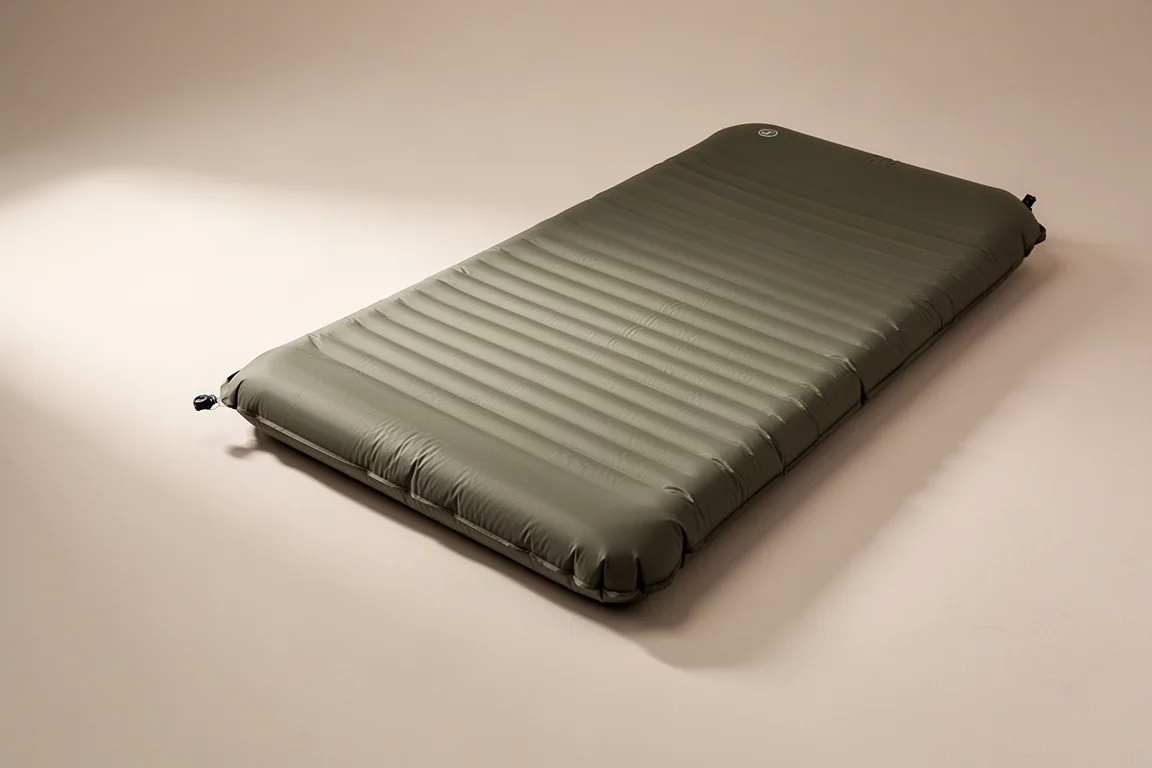
A Warmer Alternative: Big Agnes Rapide
If warmth is the priority, the Rapide is the better answer. You take a weight penalty compared with the Zoom Ultralight, and that is the honest trade you are making: a little more packed weight in exchange for a pad that keeps you comfortable when temperatures drop.
For anyone who camps above the treeline or stretches a three-season setup into early winter, that exchange is usually the right one. Warmth is difficult to fix in the field, while an extra few grams rarely ruin a trip. The Rapide is the pad to look at first if you have been cold on a pad that promised more insulation than it delivered.
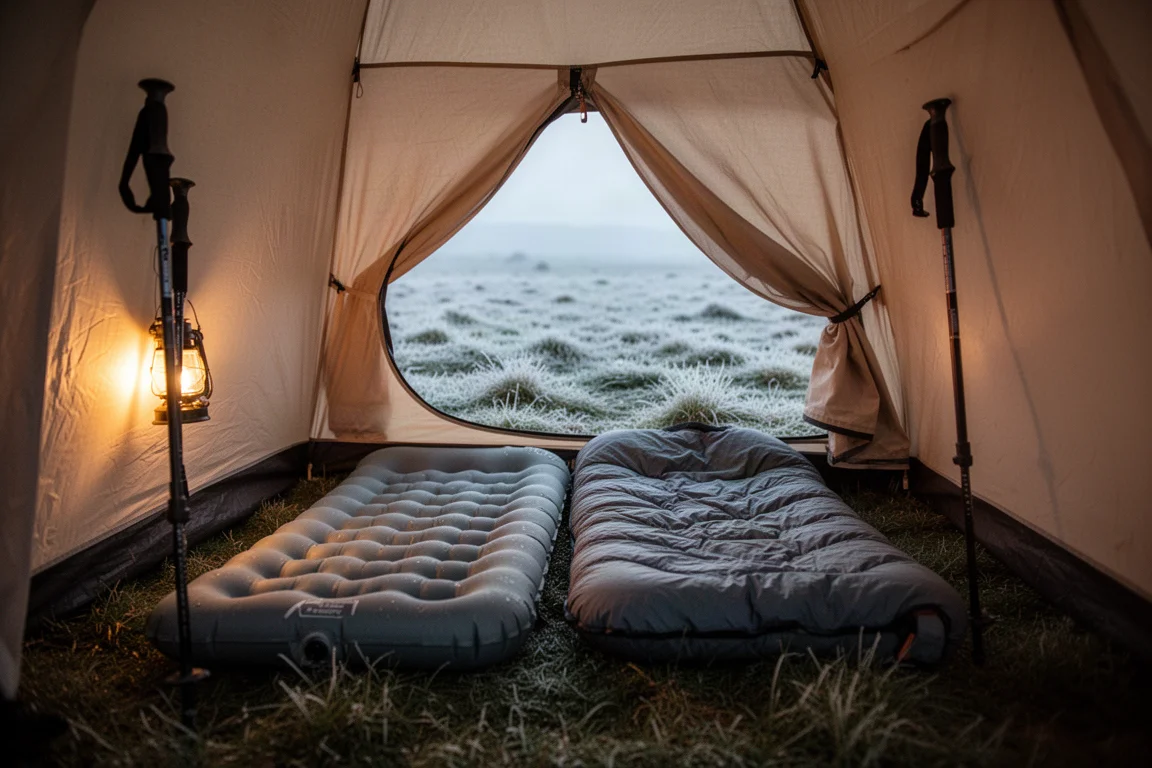
It also makes more sense as a single purchase for someone who wants one pad for the whole season rather than a warm-weather pad plus a second, warmer pad for colder trips.
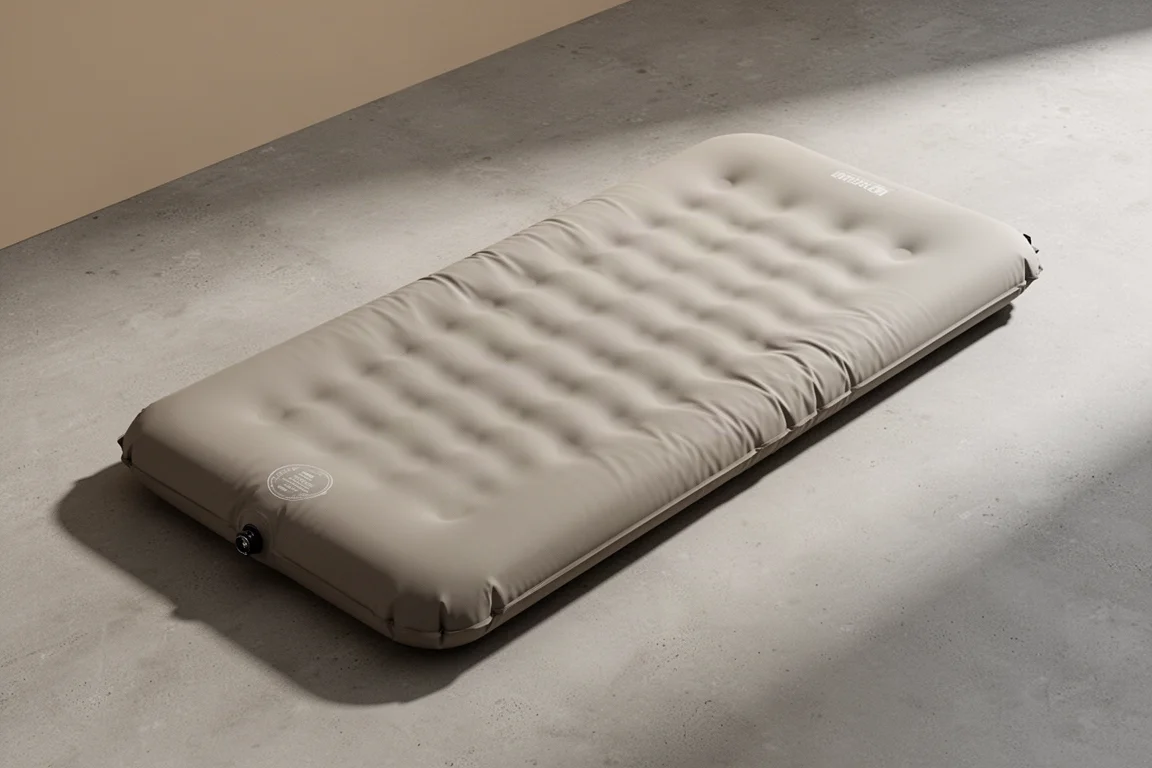
Therm-a-Rest X-Lite and X-Therm: Warmer and Quieter, Not More Comfortable
The X-Lite has long been a fixture in backpackers’ packs, and for good reason. It is warm and light. It is also one of the least comfortable sleeping pads on the market, and this year’s update did not change that.
Both the X-Lite and the X-Therm were revised to be warmer and quieter. Measured side by side, the difference in noise comes out at roughly three to four decibels. That is enough for the human ear to notice, but not enough to change how the pad feels under you at two in the morning. Until comfort improves, the case for upgrading is thin.
Verdict: warmer and quieter on paper, still the same firm, restless night.
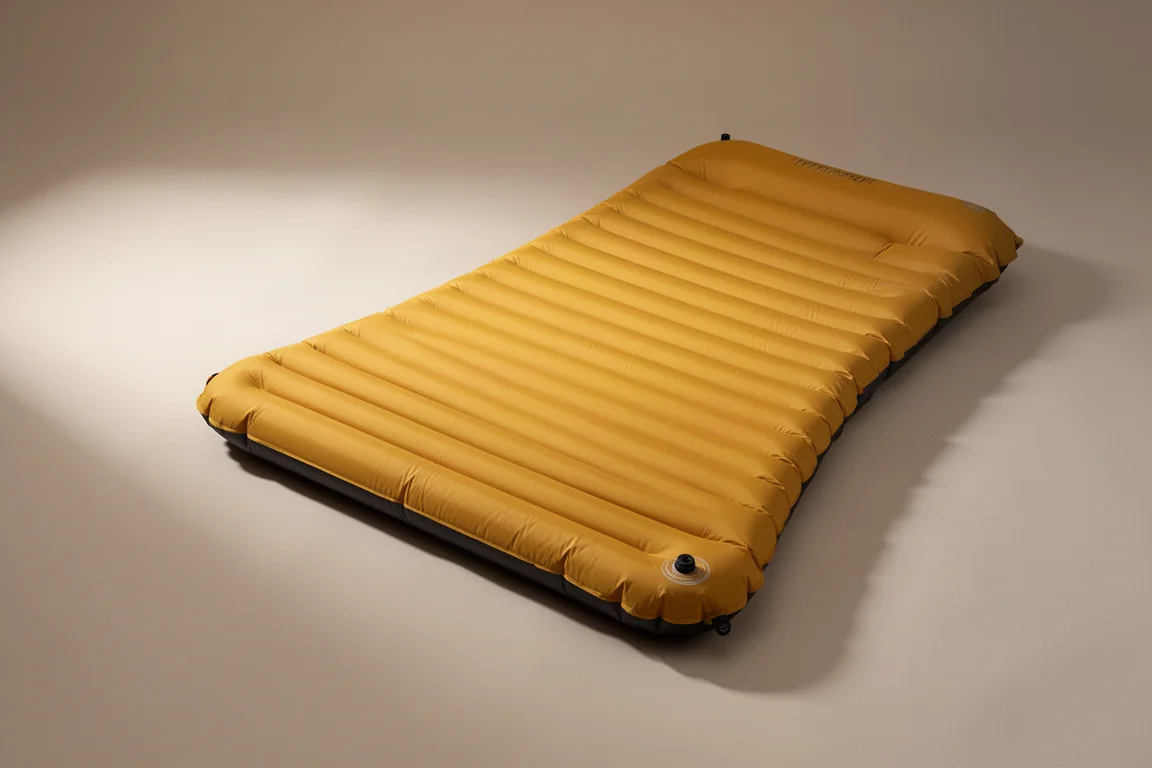
The X-Therm follows the same pattern. It is the warmer of the two and remains a serious option for cold conditions, and the noise reduction is real. But the comfort question is untouched, so the update alone is not a reason to replace an older pad that still holds air.
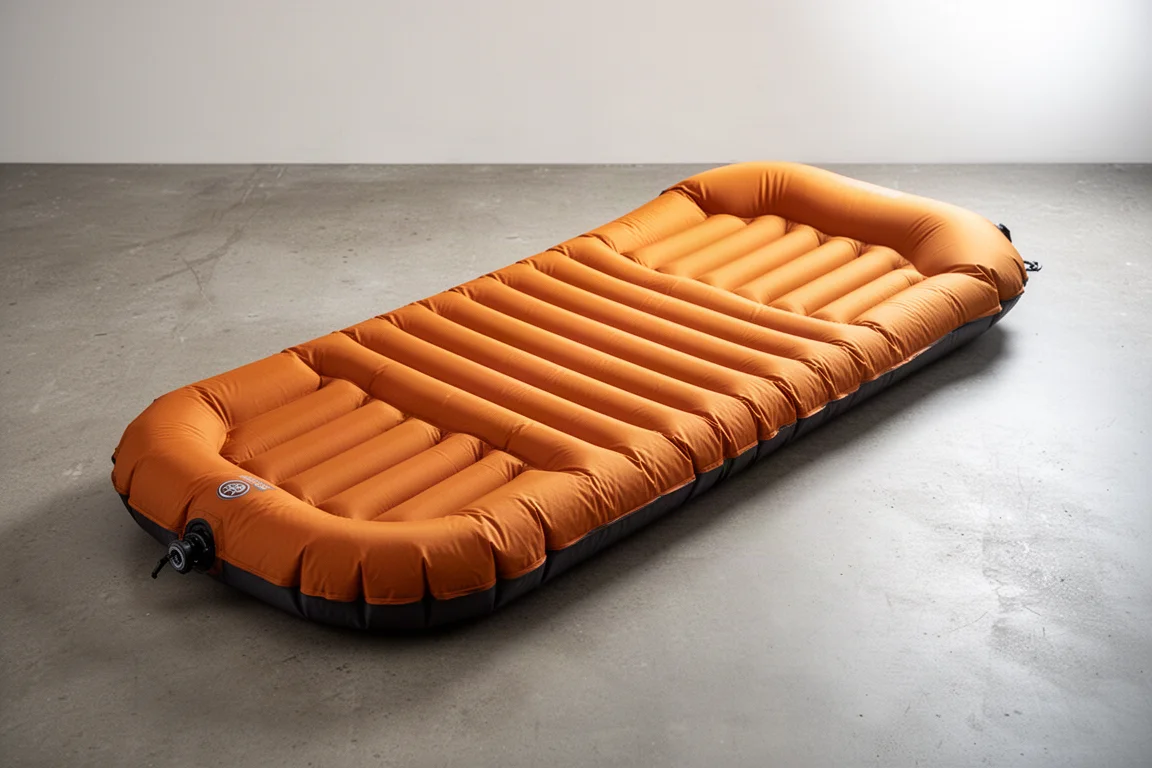
A Sock Worth Buying: Bombas
Bombas takes a different approach: every pair of socks purchased results in a pair being given to someone in need. That model has produced a steady stream of feedback from people who have either received a pair or helped hand one out.
The socks themselves hold up as hiking socks, with a seamless toe and honeycomb arch support. They are comfortable enough to reach for trip after trip, which is the real test for a piece of kit this simple. For a low-cost upgrade that makes a difference both on trail and off it, this is an easy recommendation.
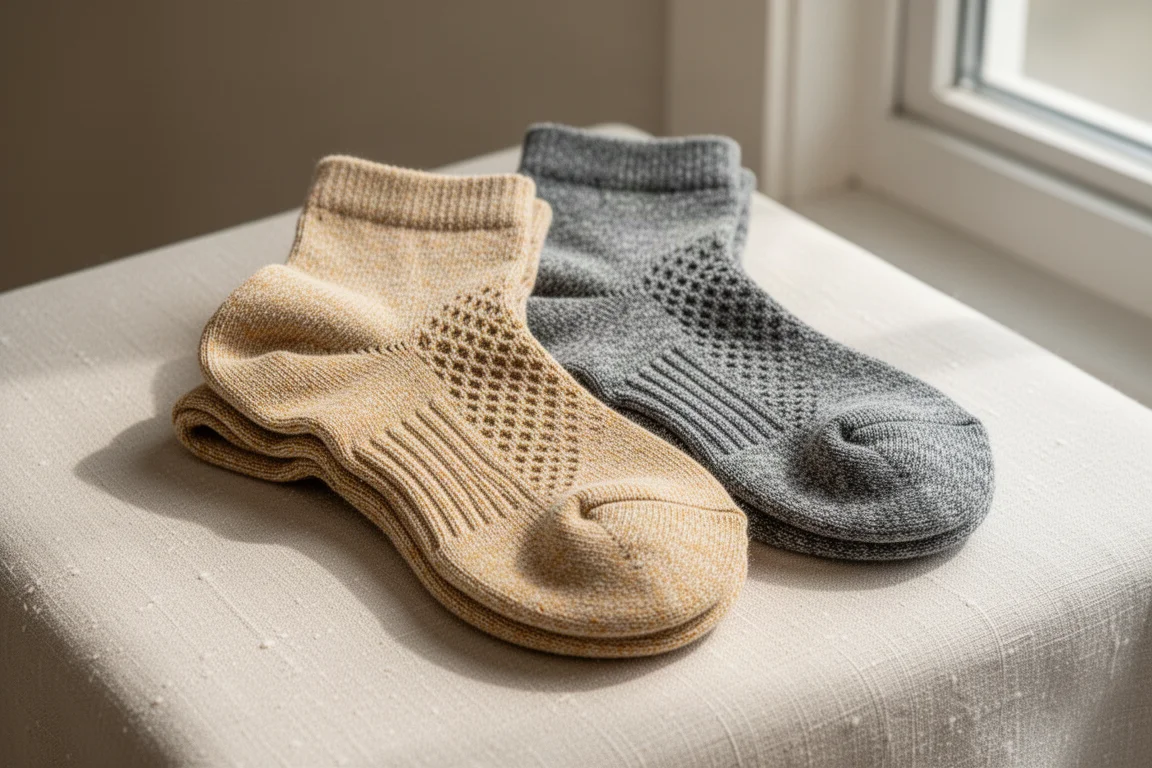
More Space Without More Weight: Nemo Hornet 3P
The Hornet Elite has a well-earned following, and its main weakness has always been a narrow floor that cannot fit two wide pads. The three-person Hornet addresses that directly.
Be realistic about the naming. A three-person backpacking tent is really a comfortable two-person tent, and a two-person tent is often best for one. That convention is unhelpful, but it does not change what this shelter is: a palace for two people that still weighs less than plenty of two-person tents. If you want extra interior space without paying for it in grams, this is the one to look at.
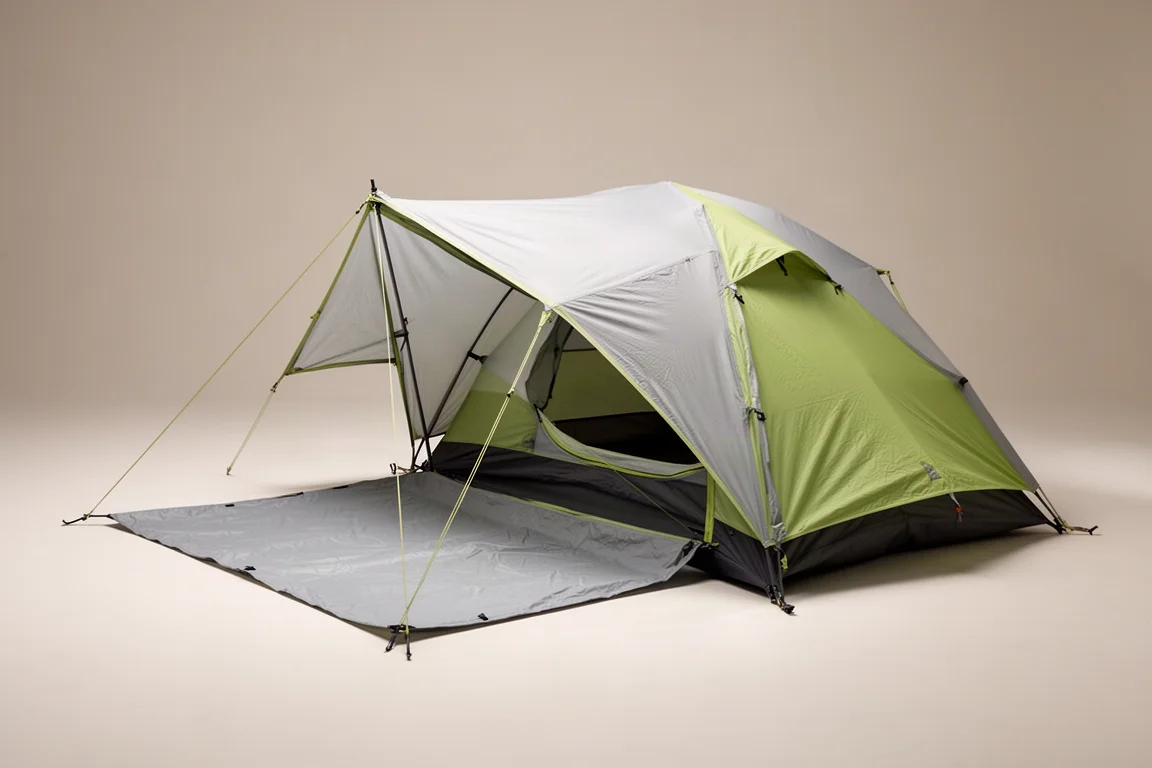
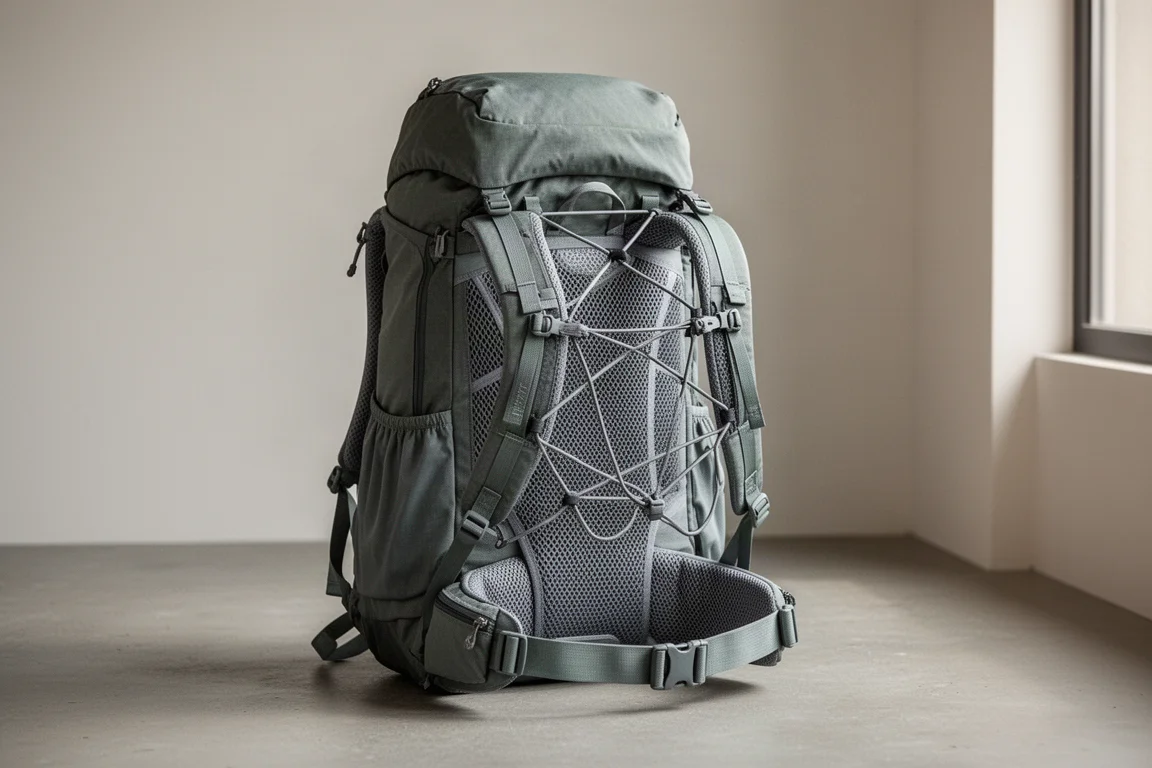
Best All-Round Comfort: Osprey Exos Pro 58
The Exos Pro 58 keeps coming up because it keeps earning its place. It is lightweight, it is reasonably priced at almost $100 less than the Outdoor Vitals CS40, and it is only a little heavier.
The reason it stands out is comfort. It is hard to find a lighter pack that carries this well, and that matters more than a spec-sheet weight once you are a few hours into a climb. If you want to move toward an ultralight setup without giving up the features you rely on from a more traditional pack, this is the strongest all-round option here.
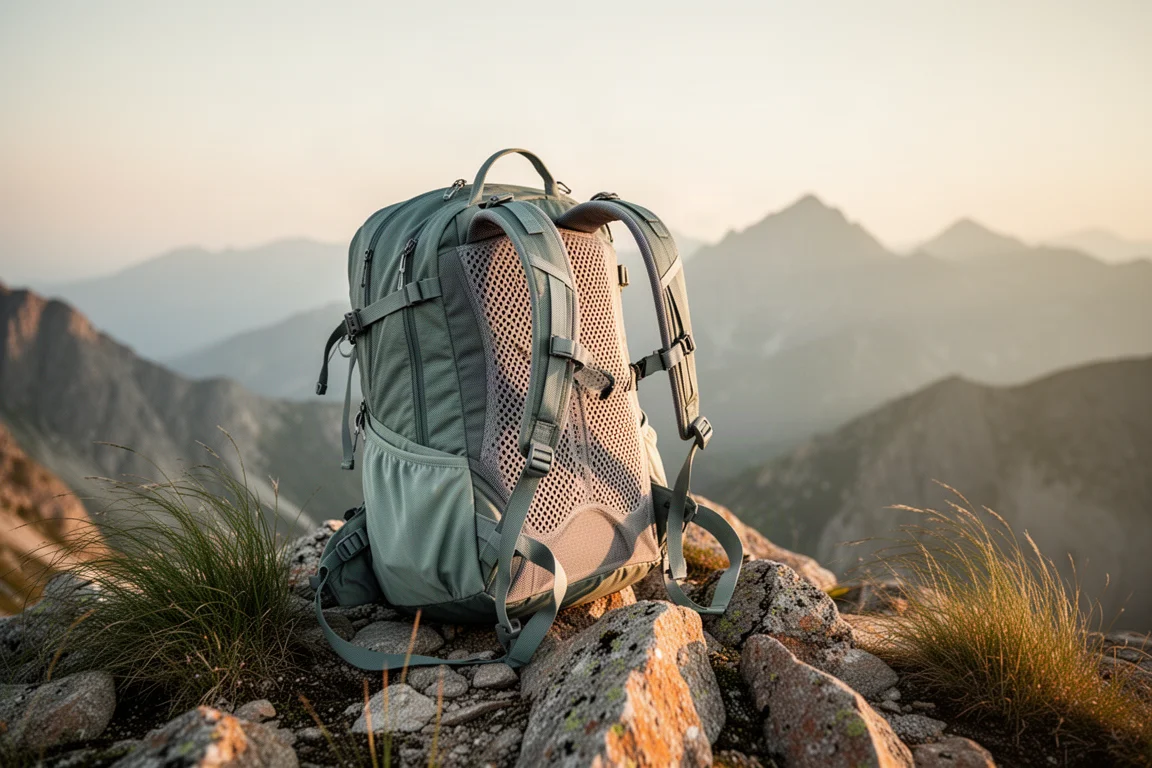
It is also the safest recommendation for anyone who is not sure how light they want to go. The transition is forgiving, and the pack does not punish you for carrying a little more than you planned.
A Different Approach: Zpacks Offset Solo
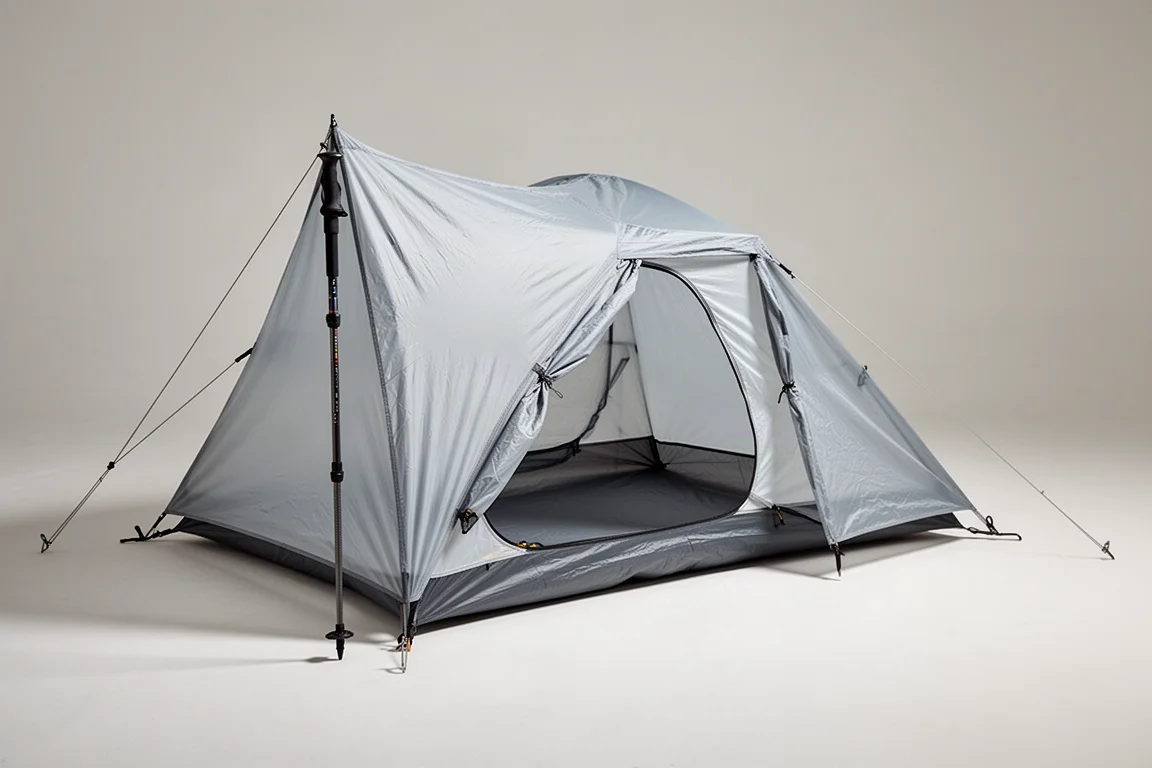
The Offset Solo is the newest shelter on this list, and it is the clearest sign that the brand is thinking beyond weight alone.
It is a two-pole trekking-pole tent with a small carbon fiber pole that pops out the foot end, which produces a surprising amount of head room in a shelter that came in at just 19 oz on a home scale. It also uses dual magnetic tiebacks, a feature only a couple of tents offer, and the door stays clear of the pole instead of dropping to the ground when you open it. Two long-standing complaints, addressed properly.
Verdict: early days, but genuinely impressive so far, and worth watching closely.
Durston X-Mid Pro 2 Plus: The Most Impressive Update
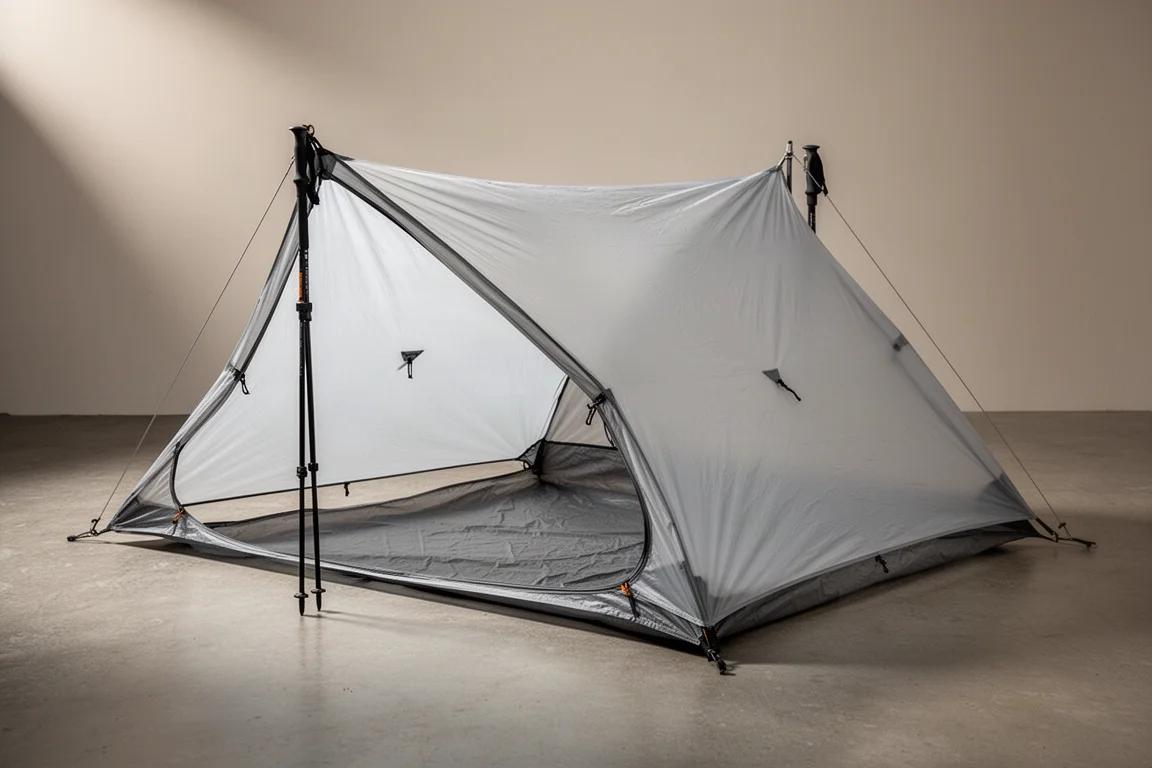
The X-Mid line has always been a good tent without quite living up to its reputation. The Pro 2 Plus may change that.
It brings an updated Dyneema floor, adds the dual magnetic tiebacks, and, most importantly, fits two wide pads. The increased size also appears to resolve the headroom complaints that dogged earlier versions. It feels remarkably roomy inside, and while it has not been tested with two people sleeping in it yet, the interior volume is immediately obvious the moment you climb in. This is the release that most clearly reflects a designer chasing a better tent rather than a lighter one.
Buying Advice
The pattern across all of these releases is consistent. Updates that fix a real complaint are worth paying for. Updates that only adjust weight, noise, or fabric without touching comfort are much easier to skip.
If you already own a Duplex, an X-Lite, or a comparable ultralight pack, the new versions are unlikely to change your trips enough to justify the cost. Put the money toward the shelter or pad that solves the problem you actually have. If you are starting fresh, the X-Mid Pro 2 Plus, the Offset Solo, and the Exos Pro 58 are the three that most clearly earn their place, with the Nemo Hornet 3P as the pick when interior space matters most.
Two smaller notes are worth carrying into any purchase decision. If you sleep cold, prioritise warmth over weight and look at the Rapide instead of the Zoom Ultralight. And if you are replacing worn-out socks anyway, Bombas is an inexpensive way to improve your day on trail while supporting a donation model at the same time.
Conclusion
New gear is only worth buying when it changes something you will notice: a warmer night, a roomier shelter, a more comfortable carry, or a door that finally behaves. By that standard, the X-Mid Pro 2 Plus, the Zpacks Offset Solo, the Osprey Exos Pro 58, and the Nemo Hornet 3P are the releases that stand out this year.
The rest are not bad products. The Duplex Zip, the CS40, the Zoom Ultralight, and the updated Therm-a-Rest pads each have something to offer, but none of them gives you a strong enough reason to replace gear that already works. Buy for the problem you have, not for the release date.
Further reading
Related Reviews

Backpacking Gear
Building a 10 lb Base Weight: An Ultralight Backpacking Gear List
A practical walkthrough of the ultralight pieces behind a 10 lb base weight, from a 765 g pack and a roomy one-person tent to a full camp chair and a dependable water filter.

Backpacking Gear
A 15-Pound Lightweight Backpacking Gear List for Solo Trips
A beginner-friendly 15-pound backpacking setup built from easy-to-find gear, with notes on what each piece does, how it packs, and where to spend your attention.

Backpacking Gear
8 Ultralight Backpacking Gear Upgrades Worth Carrying
Eight small, affordable backpacking upgrades that solve real trail annoyances, from a pillow that stays put to a fuel valve that rescues leftover canister gas.