Backpacking Gear
Ultralight Backpacking Gear Worth Buying Sooner: Six Essentials That Earn Their Place
Six lightweight backpacking items that started as doubts and became staples, including a pack liner that replaces dry bags, a titanium pot, a tiny canister stove, a budget down jacket, and toe socks.
Introduction
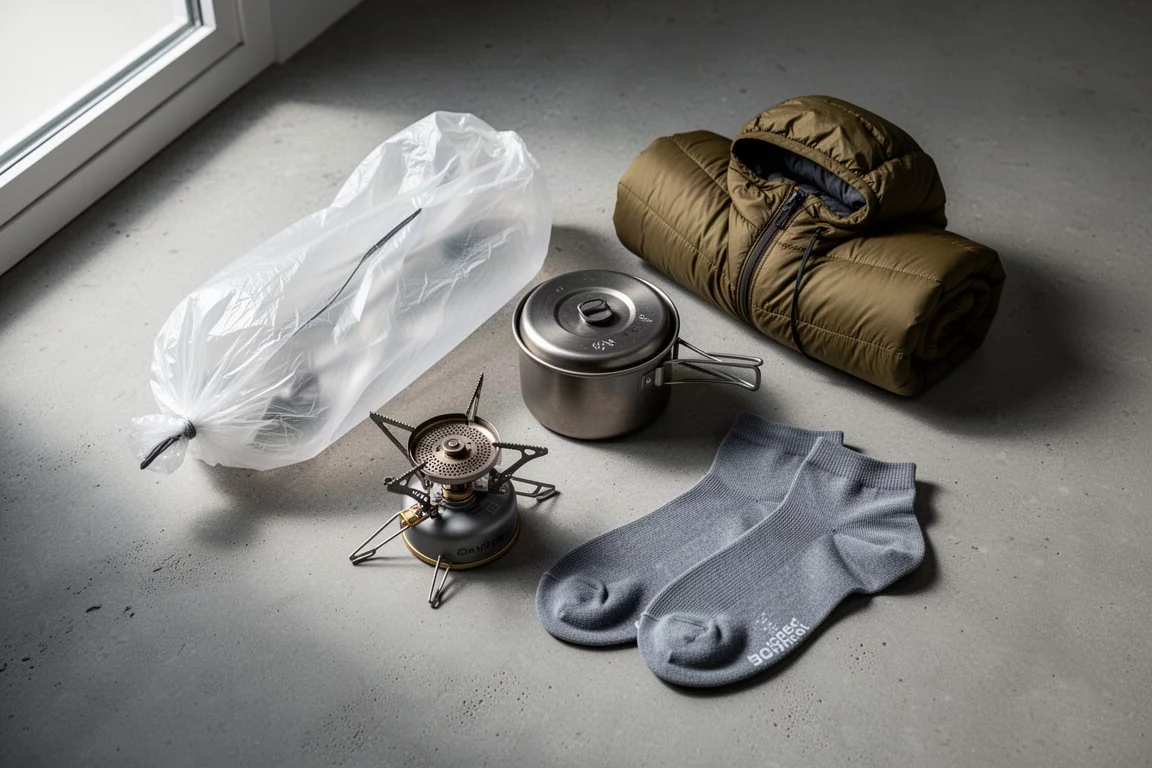
Ultralight gear has a reputation problem. The lighter something gets, the more it looks like it might fail at the worst possible moment, and that hesitation is exactly what keeps good equipment out of a lot of packs for years. The six items below all started as doubts and ended as staples. Each one is light, each one has been used repeatedly rather than once or twice, and each one solves a specific problem well enough that the heavier alternative stops making sense.
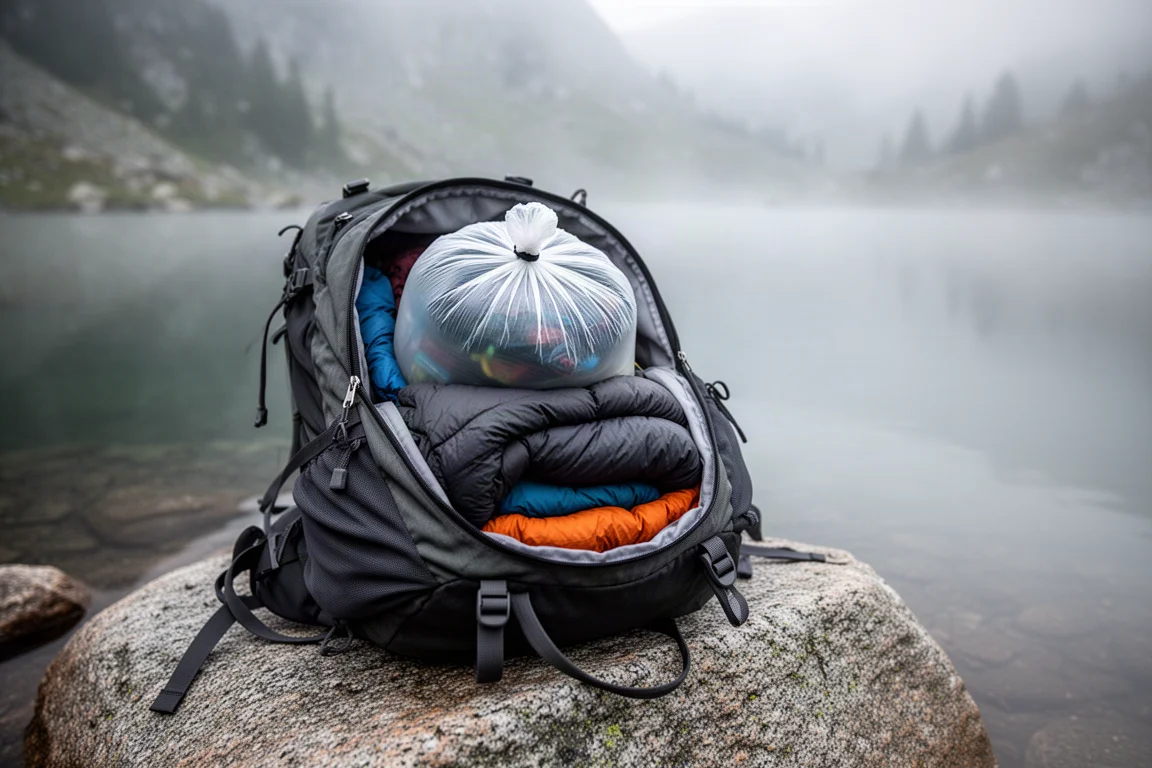
What follows is a practical look at what each piece does, where it fits in a pack, and what is worth knowing before you buy it.
What Makes This Gear Worth Trusting
Three things separate gear that is merely light from gear that is genuinely worth carrying. First, a clear role: an item that does one job well is easier to trust than one that claims to do several. Second, durability proven over repeated trips, including wet ones, rather than a single outing in good weather. Third, weight savings that come from replacing several heavier items instead of shaving a few grams off one.
Every product here meets at least two of those tests, and none of them require a specialist setup to use. The theme across the list is simplicity: fewer things carried, each doing its job without fuss.
Best Pack Liner: Nylofume Pack Liner
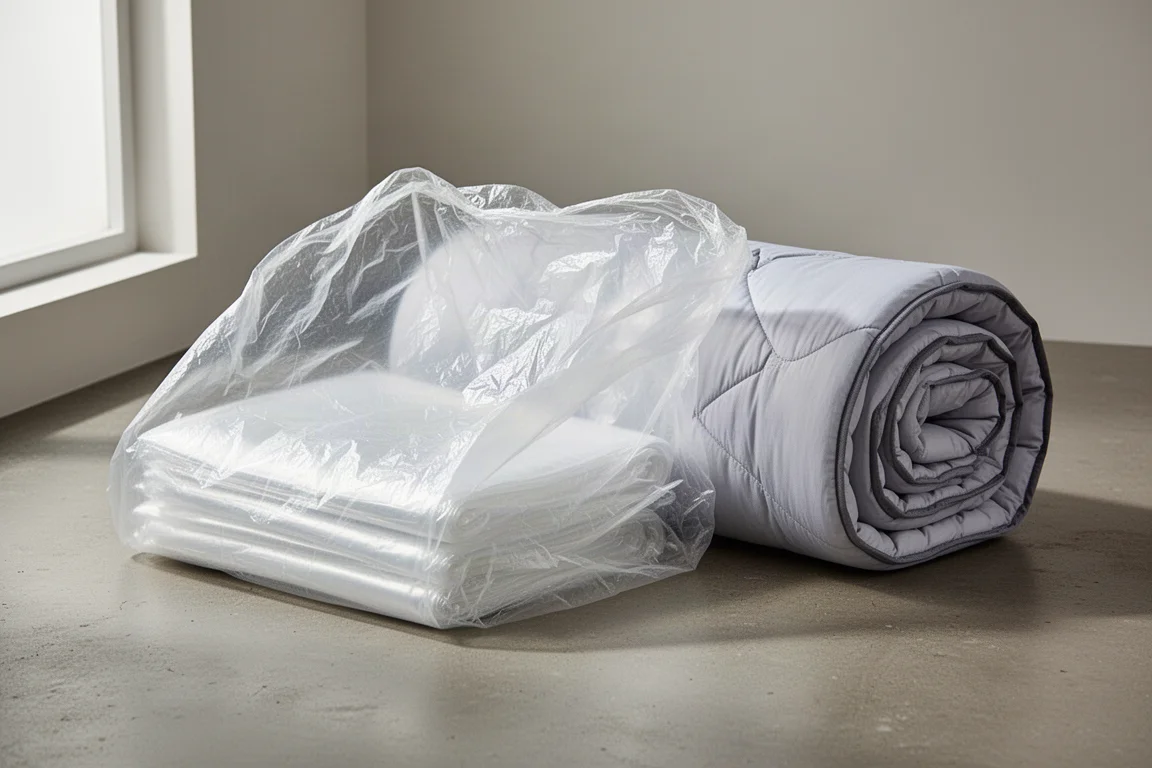
A pack liner looks like nothing more than a plastic bag, and in practical terms that is exactly what it is. The difference is that this one is very light and genuinely durable, and it can replace an entire collection of dry bags and stuff sacks. Pack the liner into the main compartment, then load a sleeping bag, spare clothes, a sleeping pad, and anything else that needs to stay dry directly into it. Twist the top closed, tuck it down into the pack, and the contents stay dry through sustained rain. After repeated wet trips, nothing packed inside has gotten wet.
For many loads the liner alone is enough and no individual stuff sacks are needed at all, which is where the real weight saving comes from. It is stocked by a niche online backpacking retailer that also offers affordable international shipping rates.
Best Cook Pot: TOAKS Titanium Pot
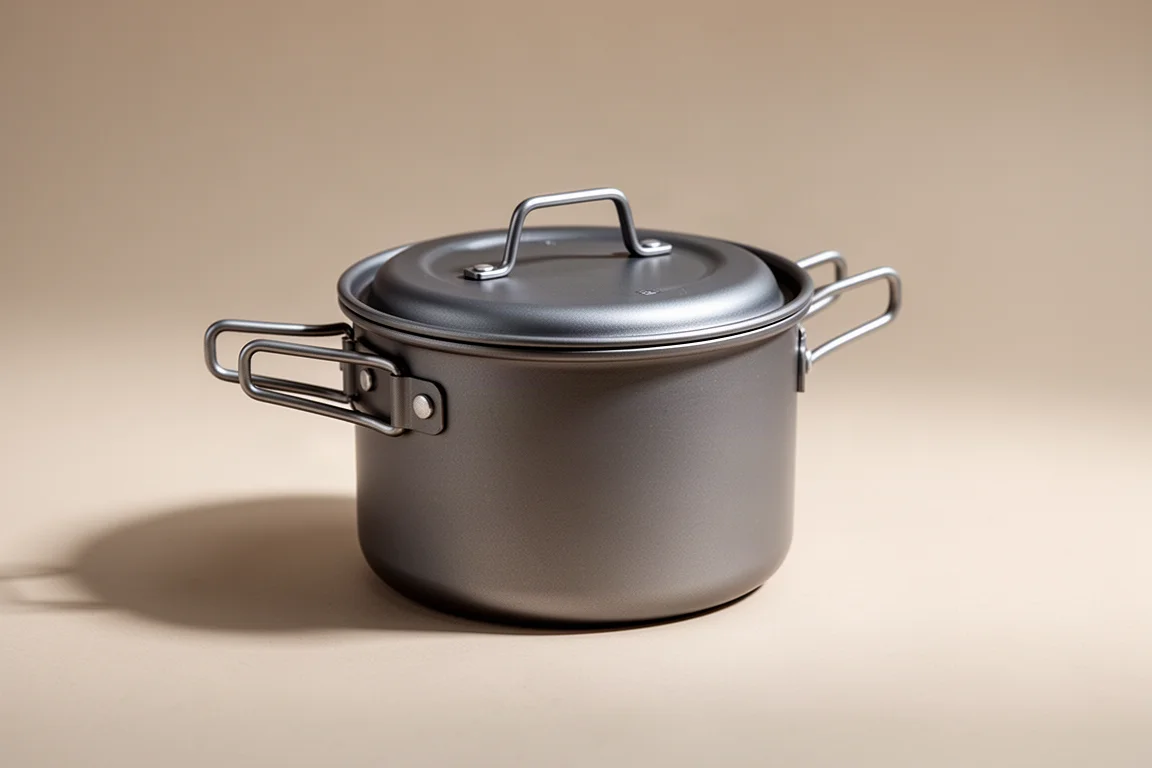
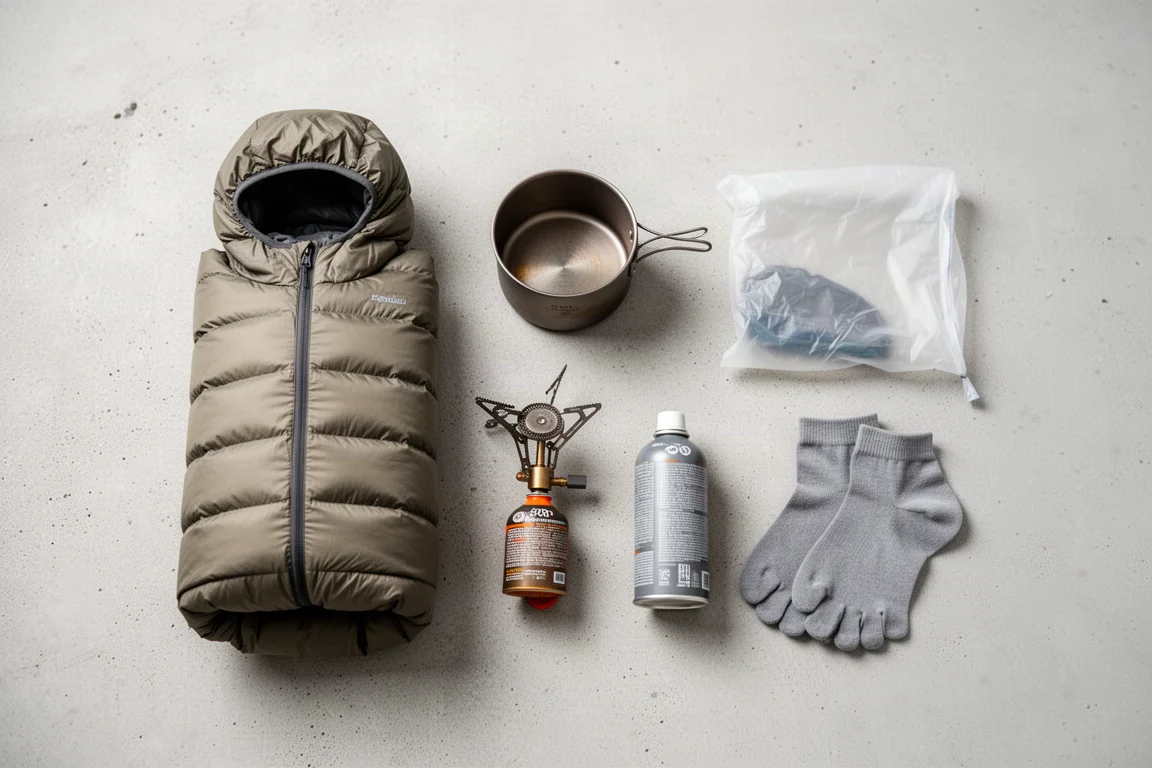
Large aluminium pots are a common default, and for boiling water for a dehydrated meal or a hot drink they offer far more capacity than the job requires. A small titanium pot covers the same ground with much less bulk and weight. It holds enough water for a freeze-dried meal or a hot drink, and it nests a fuel canister, a stove, and a lighter inside without any of them rattling loose.
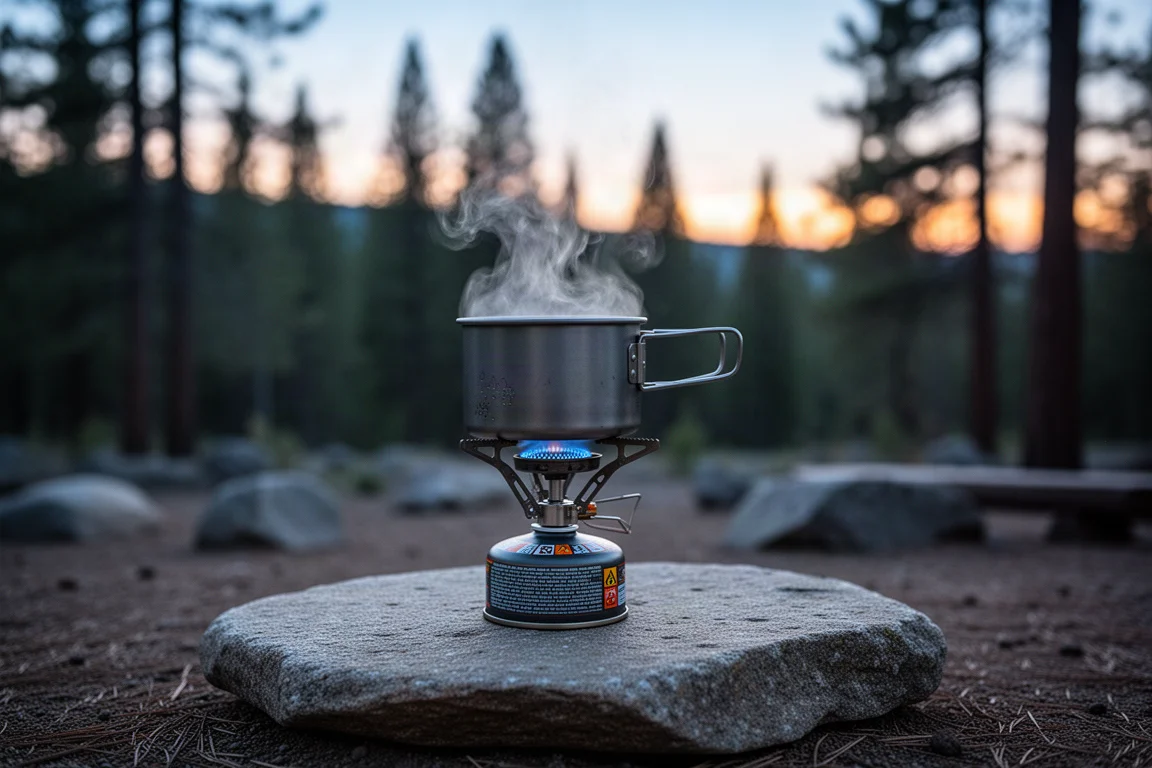
The trade-off is scope rather than quality. This pot is built for boiling rather than for simmering a multi-stage dinner, and it arrives with a small orange stuff sack that is fiddlier to use than a simple elastic band. For backpackers whose cooking is mostly rehydration, that is a small price to pay for a noticeably lighter cook kit.
Best Ultralight Stove: BRS 3000 Stove
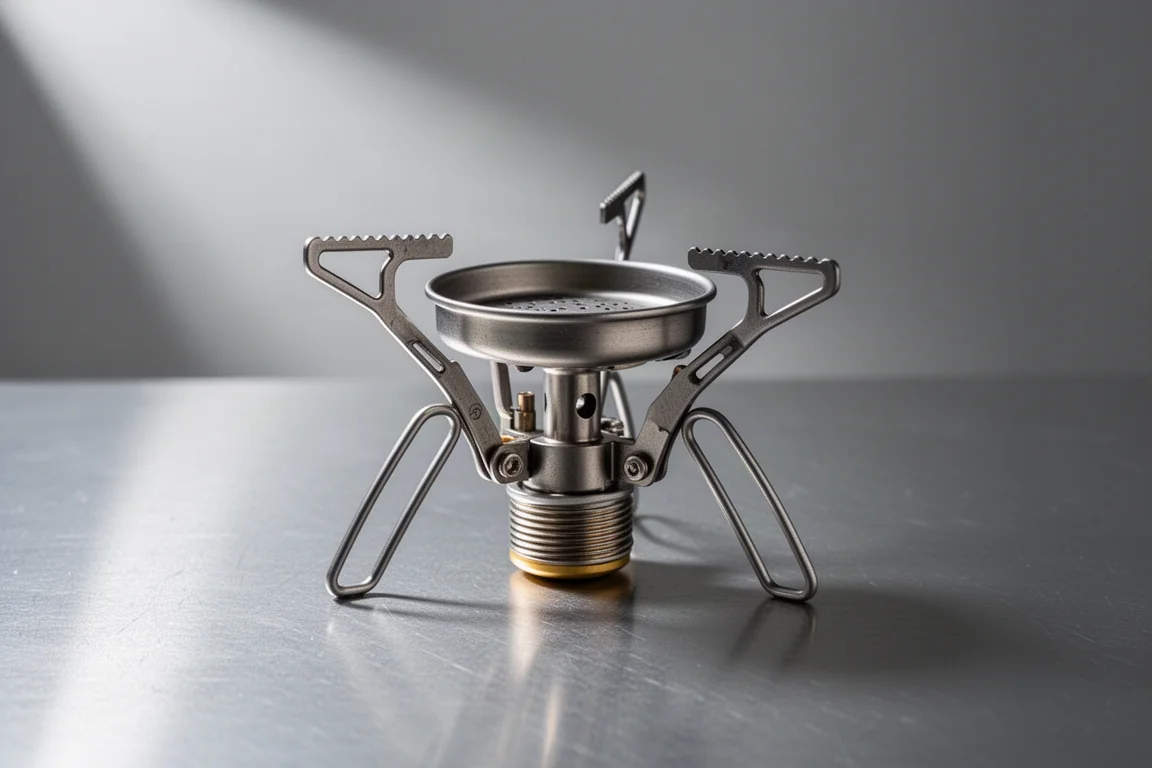
Small folding canister stoves often look unconvincing next to the burlier models on outdoor retail shelves, and the BRS 3000 is a good example. It is tiny, and it does not inspire much confidence the first time you handle it. In practice it has worked reliably across several years of trips, and it is a common choice among backpackers who keep their cooking simple.
It boils water for freeze-dried meals and hot drinks, which is the whole job. It is light, it packs down small enough to disappear inside a titanium pot, and it costs and weighs roughly a third of what many mainstream backpacking stoves do. If you need something bomb-proof with a broad flame and extra features, this is not that stove. If you need to boil water, it gets you there.
Best Budget Down Jacket: Decathlon Trek 100 Down Jacket
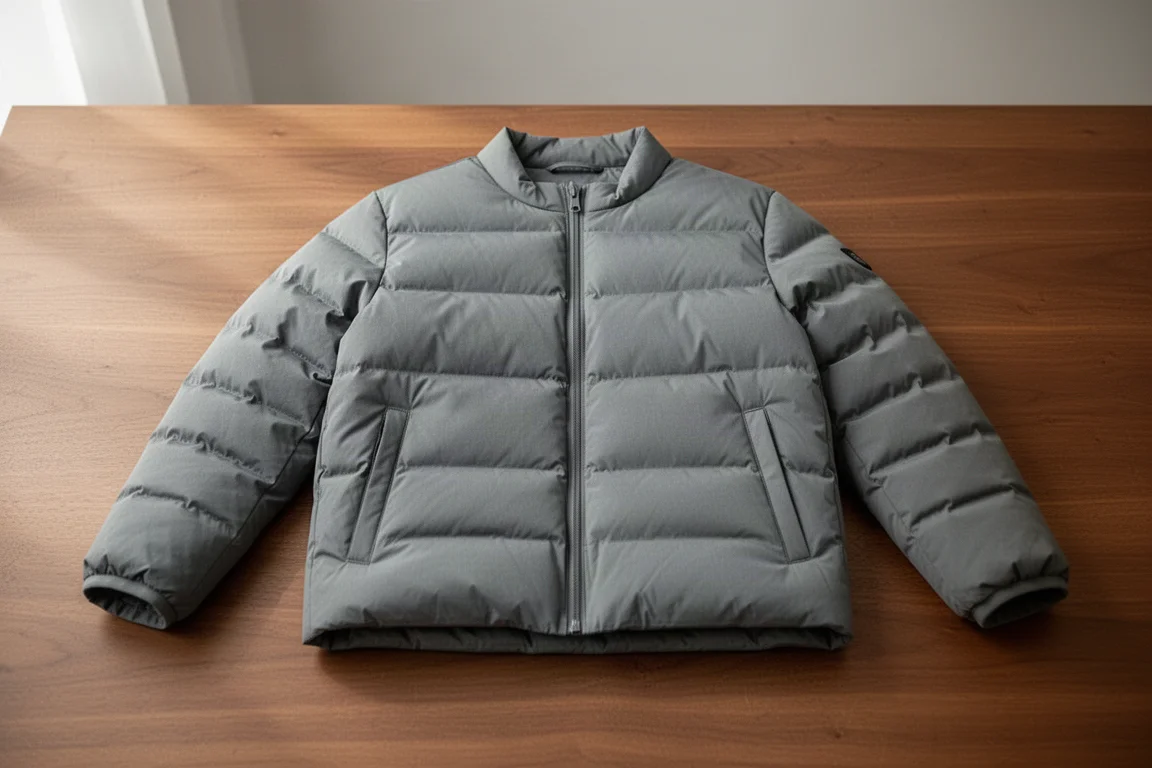
A hooded, full-zip down jacket that is very warm for its weight and costs around $80 is the kind of specification that usually comes with a catch. Here the catch is mostly that it does not carry the same recognition as the premium jackets it competes with. It replaced a Mountain Hardwear Ghost Whisperer in real use and became one of the most valued pieces in the kit, which is a strong signal for a jacket at this price.
For backpacking insulation, the combination of warmth, weight, and price is hard to argue with. It is the kind of purchase that makes a noticeable difference to the overall weight of a pack without making a noticeable difference to a budget.
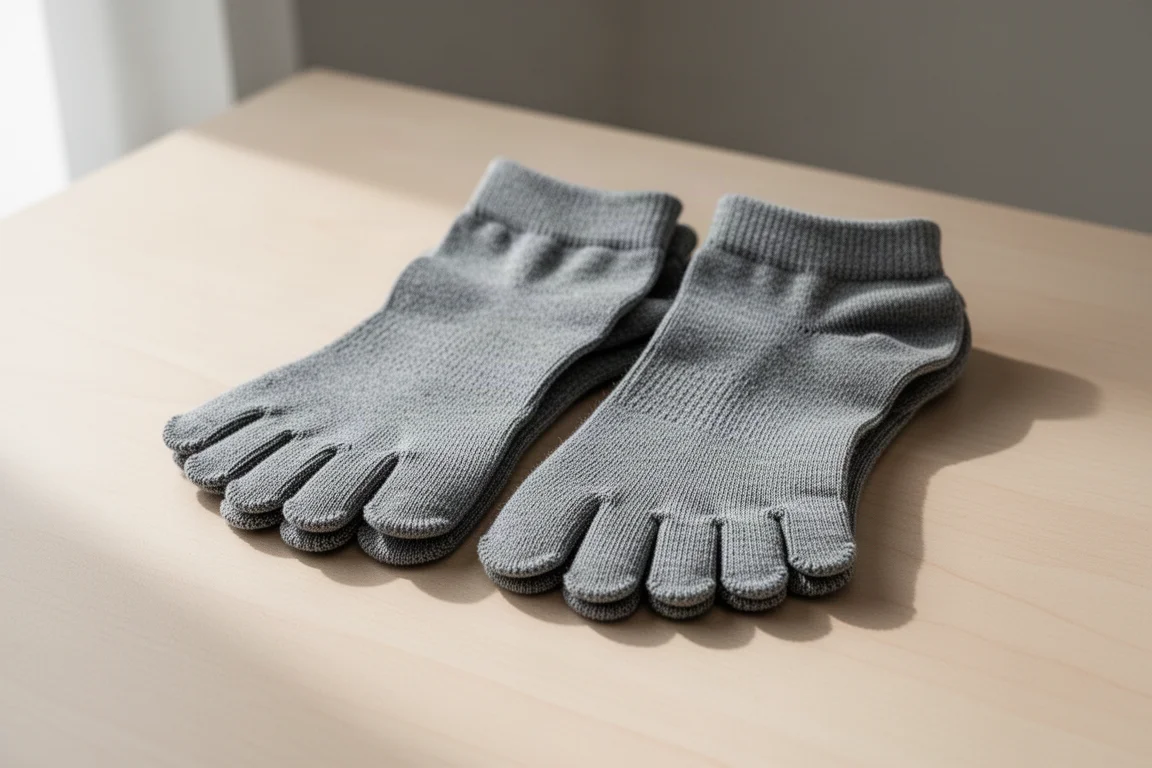
Best Budget Toe Socks: Decathlon Toe Socks
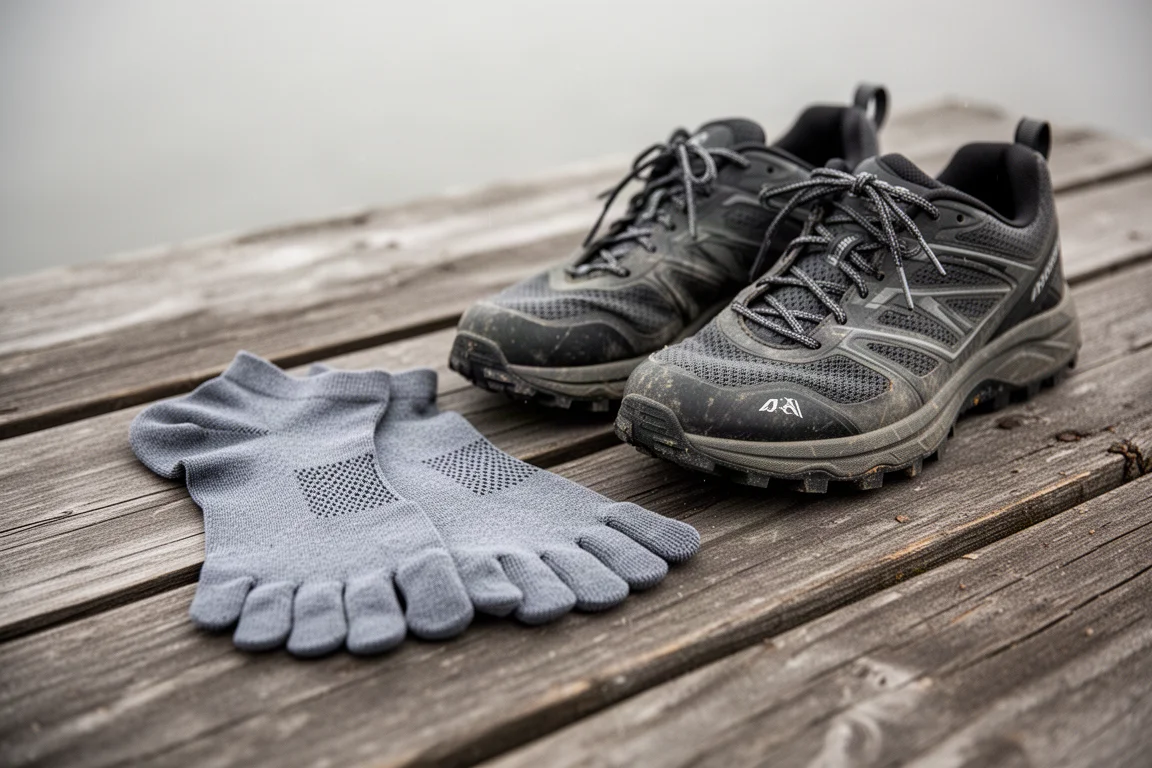
Toe socks are one of those ideas that sound unnecessary until you try them. Separating the toes keeps them from rubbing against each other, which helps reduce blistering, and it lets the toes splay and function more naturally under load. These are the budget-friendly entry point into that world, and they have been used across hiking, backpacking, running, and cross-country skiing with consistently comfortable results.
Best Toe Sock Range: Injinji Toe Socks
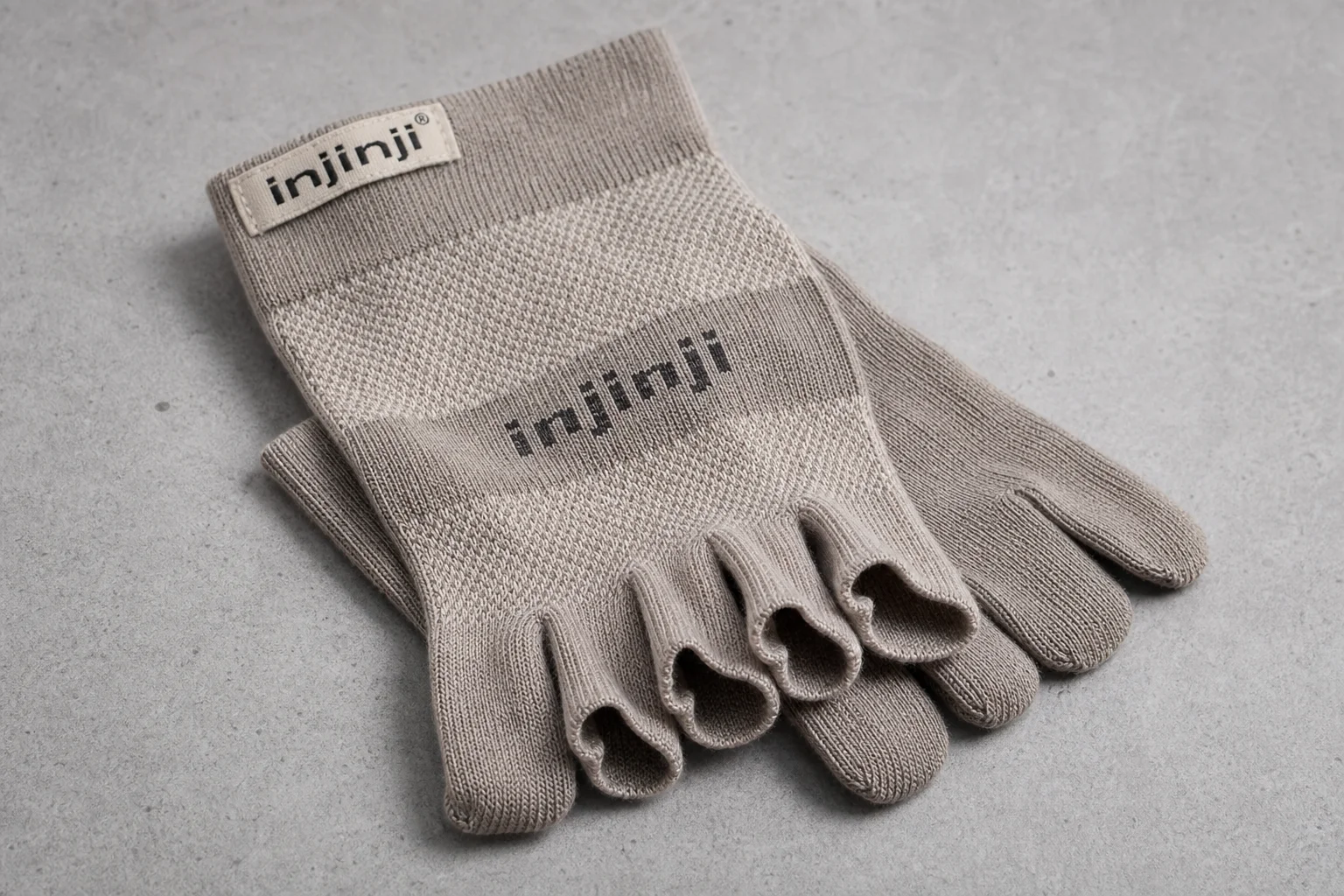
Once toe socks become a habit, the next step is usually a wider selection. Injinji offers a broader range of types and weights than the budget option, which makes it easier to match a pair to a specific activity or season while keeping the same comfort and blister-reduction benefits.
Field Notes: Getting More From a Titanium Pot
Two small adjustments make a titanium pot easier to live with. The first concerns the supplied orange stuff sack. It is fiddly to open and close and it weighs more than it needs to, so an elastic band does the same job of holding the lid and the contents together with less fuss.
The second concerns the handles. Titanium sheds heat quickly, but the handles can still get warm when the pot comes off a hot stove or a fire, and a wrap of electrical tape around them adds a layer of insulation that keeps fingers comfortable. Both changes cost almost nothing and take a minute to apply.
Buying Advice
Each of these items is worth buying for a specific reason rather than as a general upgrade. A pack liner makes the most sense for anyone who hikes in wet conditions and wants to retire a set of dry bags. A small titanium pot paired with a minimal canister stove suits backpackers who mostly boil water. A budget down jacket is the right call when warmth-to-weight matters and the price tag does too. Toe socks are worth trying for anyone who spends long days on their feet, starting with the affordable pair and expanding later if the fit works for you.
Conclusion
The pattern across all six items is the same: they look less capable than they are, they do one job well, and they are light enough that the heavier alternative stops making sense. None of them require a leap of faith beyond a single trip. Start with the item that solves your most persistent annoyance, and the rest of the list tends to follow.
Further reading
Related Reviews

Backpacking Gear
Building a 10 lb Base Weight: An Ultralight Backpacking Gear List
A practical walkthrough of the ultralight pieces behind a 10 lb base weight, from a 765 g pack and a roomy one-person tent to a full camp chair and a dependable water filter.
Backpacking Gear
A 15-Pound Lightweight Backpacking Gear List for Solo Trips
A beginner-friendly 15-pound backpacking setup built from easy-to-find gear, with notes on what each piece does, how it packs, and where to spend your attention.
Backpacking Gear
8 Ultralight Backpacking Gear Upgrades Worth Carrying
Eight small, affordable backpacking upgrades that solve real trail annoyances, from a pillow that stays put to a fuel valve that rescues leftover canister gas.