Ultralight Backpacking Gear
Ultralight Backpacking Gear Worth a Second Look: Five Items That Reward a Closer Read
Five ultralight backpacking items that make more sense in the field than on paper, from Therm-a-Rest sleeping pads to the Zpacks Plex Solo, with the trade-offs explained.
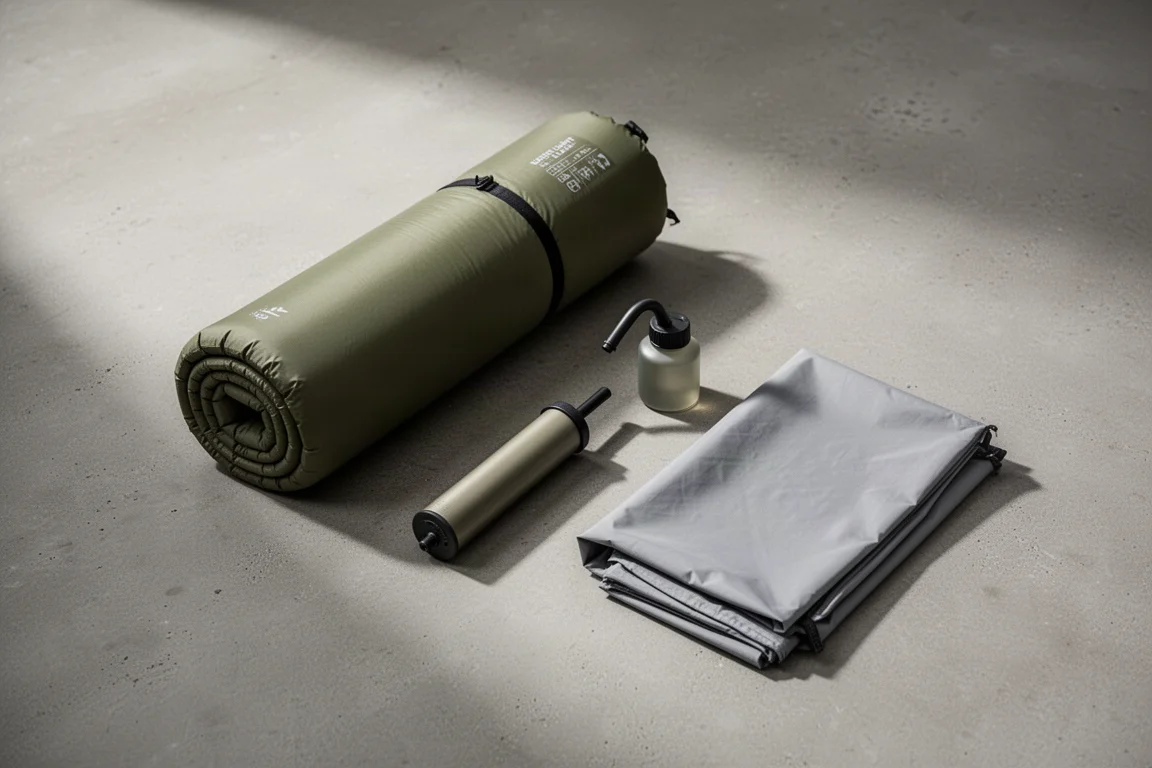
Introduction
Some gear choices get written off on first contact and never get a fair second look. That is especially true of details that are easy to judge in a shop and much harder to judge over a long trail: a valve, a door panel, a cord placement, a small hygiene tool.
This roundup covers five items that reward a closer read. Two are sleeping pads built around the same inflation valve and the same internal insulation structure. One is a small pump that solves the most common complaint about that valve. One is a backcountry bidet that changes how hygiene works on a long-distance walk. One is an ultralight solo shelter whose doors behave differently than most people expect.
None of them are perfect. Each carries a trade-off worth understanding before you buy, and that is exactly what the sections below cover.
Why These Gear Opinions Changed
Gear opinions harden quickly in online discussion, where a single annoying detail can become a reputation. A valve that pops off inside a small tent, a door that touches the ground, or a cord that sits at the top of a quilt can all read as design failures long before anyone has spent fifty nights with them.
Long-term use tends to soften those verdicts. Quilt cinch cords are a good example: a top-centre cord is often described as something that will flop across your face or tangle in your arms, but in practice, when you cinch it with your hands already inside the quilt, it tucks away and stays out of the way.
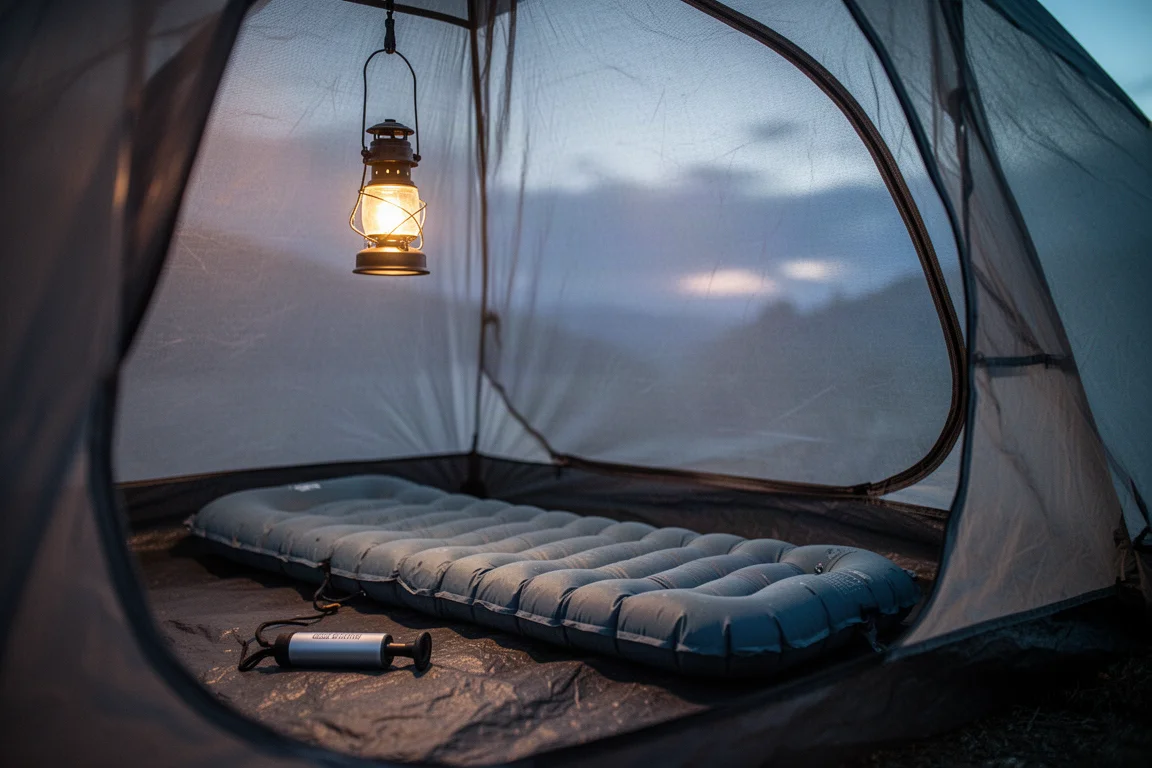
The pattern repeats across the items below. What looks like a flaw in a product photo is often a deliberate trade-off that only makes sense once you understand what it buys you in the field. That is the lens this guide uses: what the feature actually does, what it costs you, and whether the trade is worth making.
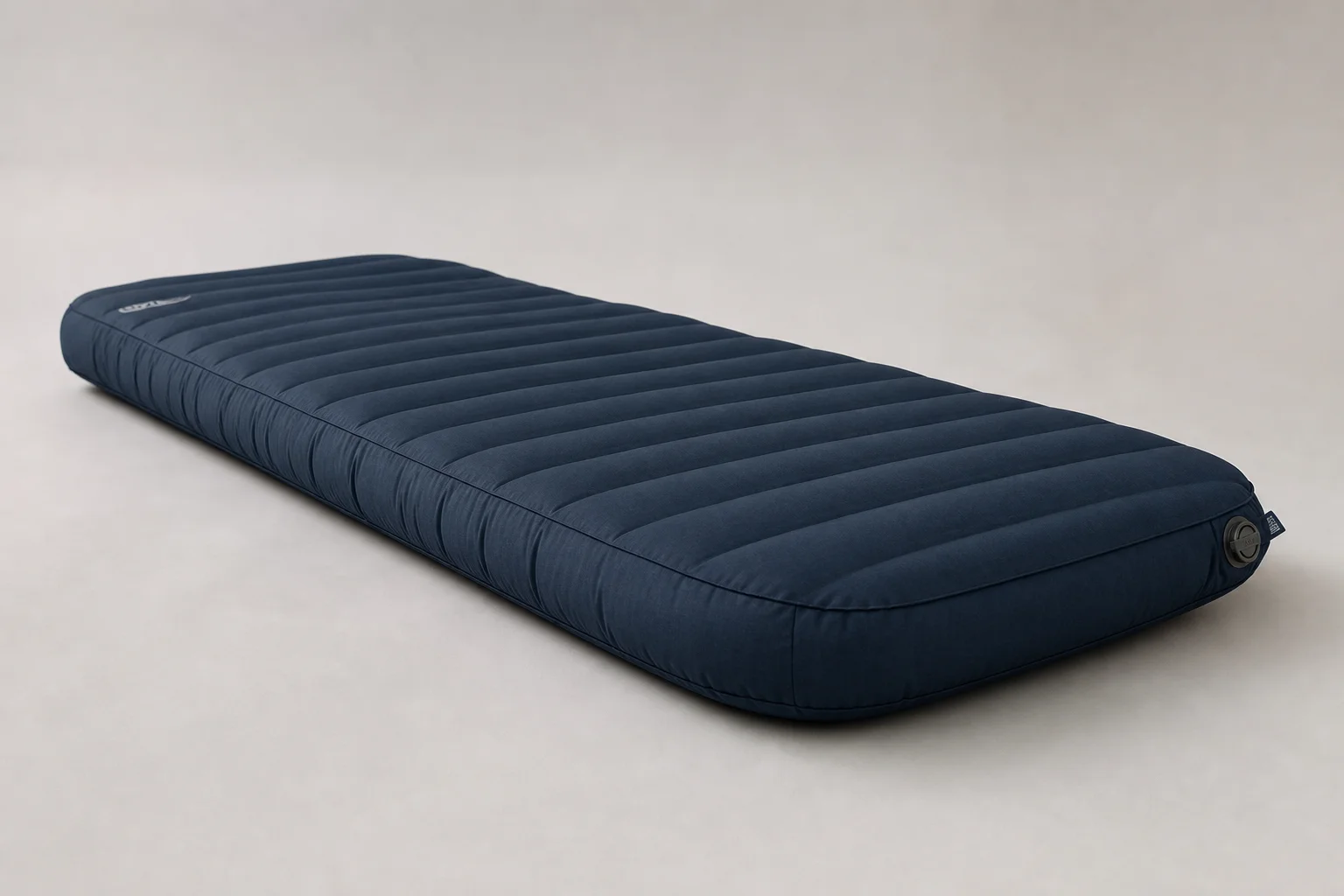
Therm-a-Rest NeoAir XLite: Best Warmth-to-Weight Sleeping Pad
The WingLock valve on Therm-a-Rest pads has a mixed reputation, and two of the criticisms are fair. The inflation bag that ships with the pads does not attach to the valve securely, so it tends to pop off, which is genuinely awkward in a confined space like a small tent. The claim that the valve deflates a pad twice as fast also does not hold up in practice, where deflation speed feels much the same as it always did.
What the valve does well is less obvious. It is durable, and it is easy to repair if something does go wrong, which matters because a failed valve usually means the pad is finished. It is also straightforward to operate with gloves on, unlike pads with small tabs that are difficult to work in cold weather.
Inside the XLite, the Triangular Core Matrix structure limits convective heat loss by stopping cold air from moving around inside the pad. That is a very effective form of insulation, and it is also why the pad deflates a little more slowly than some alternatives. For a pad this light, that is a trade worth making, because the XLite sits among the best options available for warmth relative to weight.
Therm-a-Rest NeoAir XTherm: Best Cold-Weather Sleeping Pad
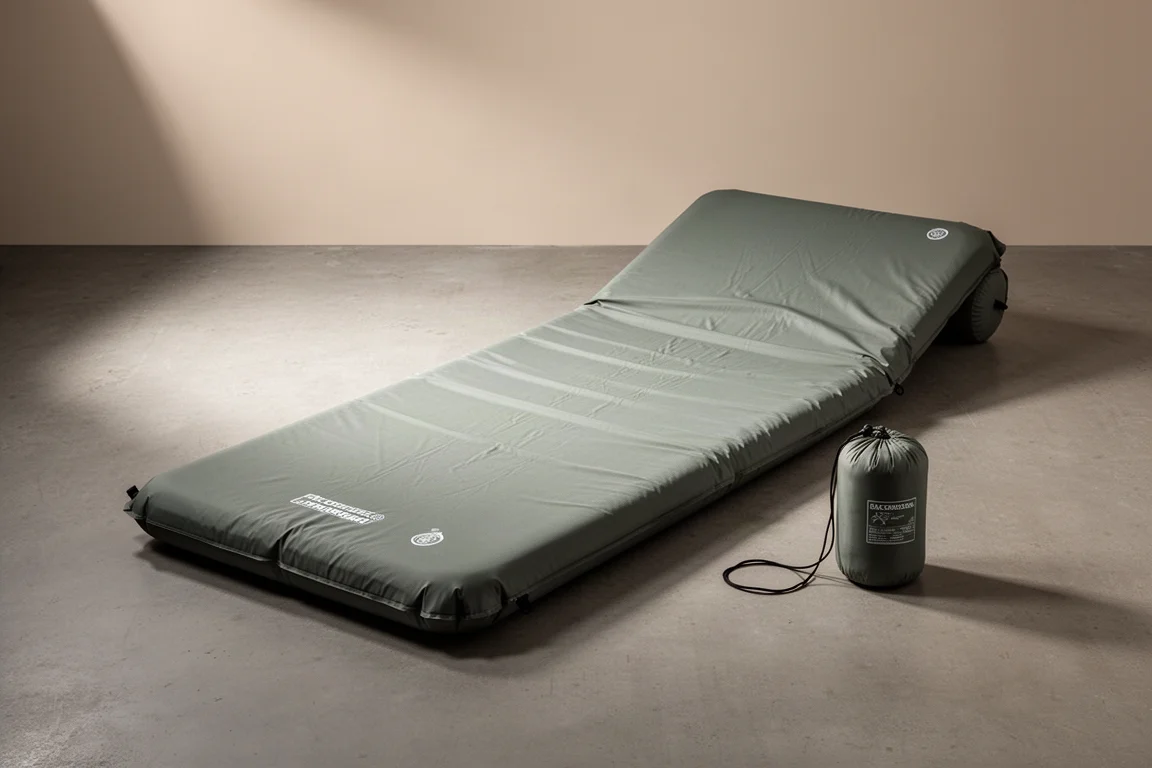
The XTherm shares the same WingLock valve and the same Triangular Core Matrix construction as the XLite, and it is the version to look at when temperatures drop. Both pads use the internal matrix to reduce convective heat loss, so both give up a small amount of deflation speed in exchange for insulation that works well relative to weight.
That is where the glove-friendly valve stops being a small detail. Working a valve with gloves on in genuinely cold conditions is far easier than fiddling with the small tabs found on many other pads, and the durability and repairability of the WingLock design matter even more when you are relying on a single pad for a cold trip.

The slower deflation is the price of the internal structure, and it is the kind of trade that makes sense every time. A pad that packs small, sleeps warm, and can be repaired rather than replaced is the more useful object over a season of use.
Tiny Pump X: Best Inflation Pump for WingLock Valves
If the inflation bag is the weak point of the WingLock system, the Tiny Pump X is the practical fix. It seats onto the WingLock valve with a tight seal and inflates a pad quickly, which removes the fiddly, popping-off bag from the routine entirely. For anyone who has wrestled with an inflation bag inside a small tent, that alone justifies the space it takes up.
The pump also doubles as a lantern. You can hang it inside a tent or set it on a picnic table at night, which turns a single-purpose accessory into two pieces of kit in one.
It does not change how the pad deflates, so the WingLock valve still does that job when it is time to pack up. The pump simply makes the way in faster and less frustrating, which is where most of the annoyance with the valve actually comes from.
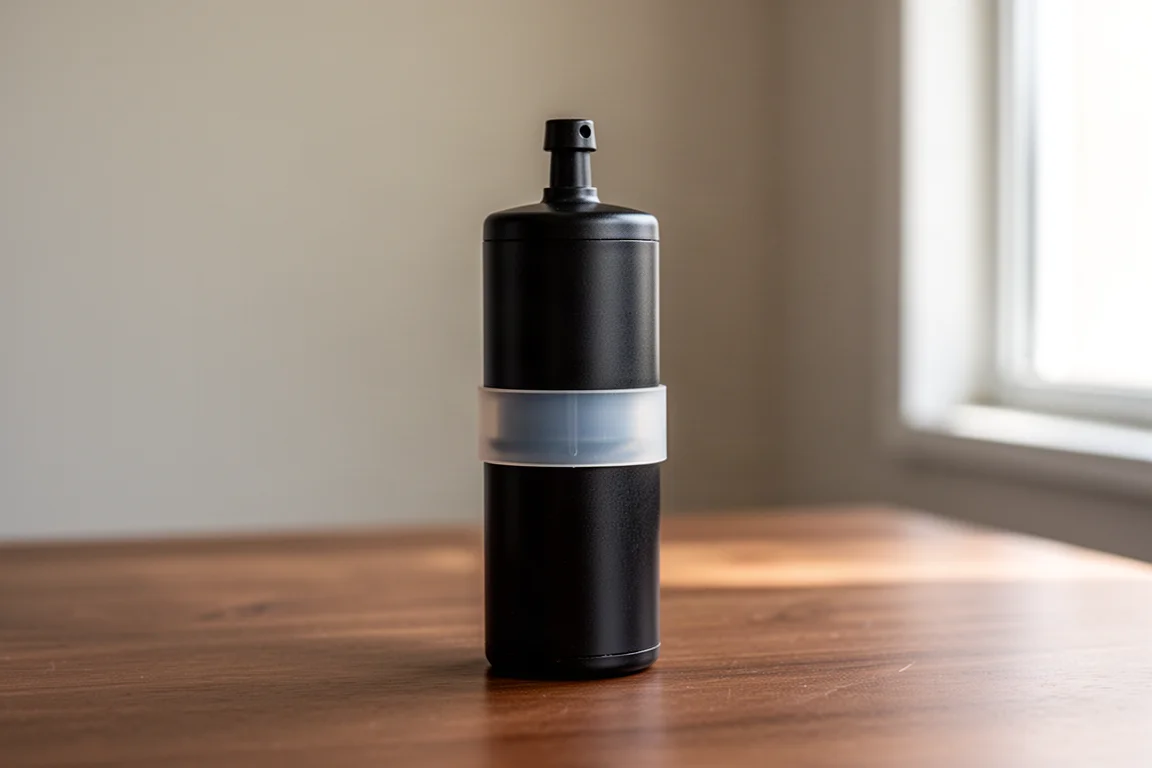
CuloClean: Best Backcountry Hygiene Tool
Backcountry bidets have a reputation as tools for people who never face a difficult cleanup, which is why they get dismissed so often. On a long trail, though, staying clean matters more than most people expect, because it is the difference between comfort and chafing over weeks of walking.
A workable routine with the CuloClean looks like this. Introduce water to the top of the crack, either by pouring from a water bottle or by using the CuloClean to direct it to the right spot; when things are messier, the CuloClean helps clear more of it. Then lather a hand with soap, reach under, and scrub. Finish by drying off with a cloth.
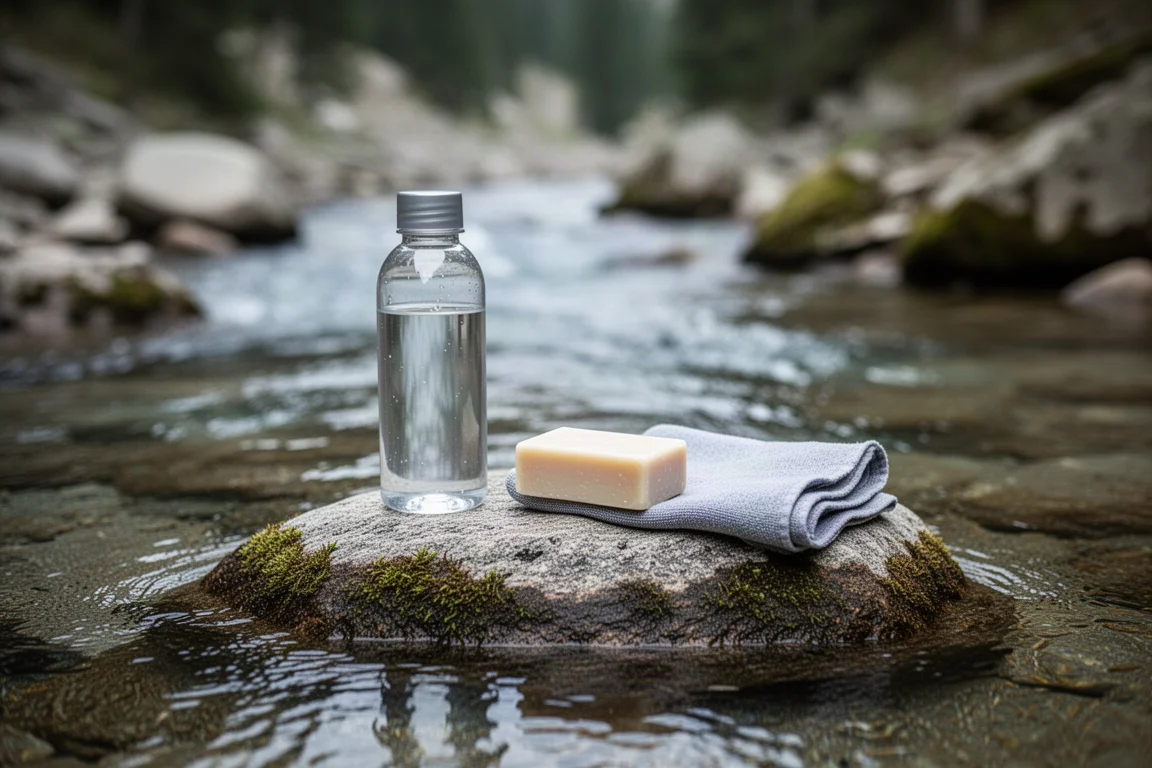
The usual objection is that the method uses your hand, but soap is part of the routine, so it is not meaningfully different from showering and then drying off with a towel. Done consistently, it uses no toilet paper and leaves you genuinely clean, which is a real comfort on a long-distance route.
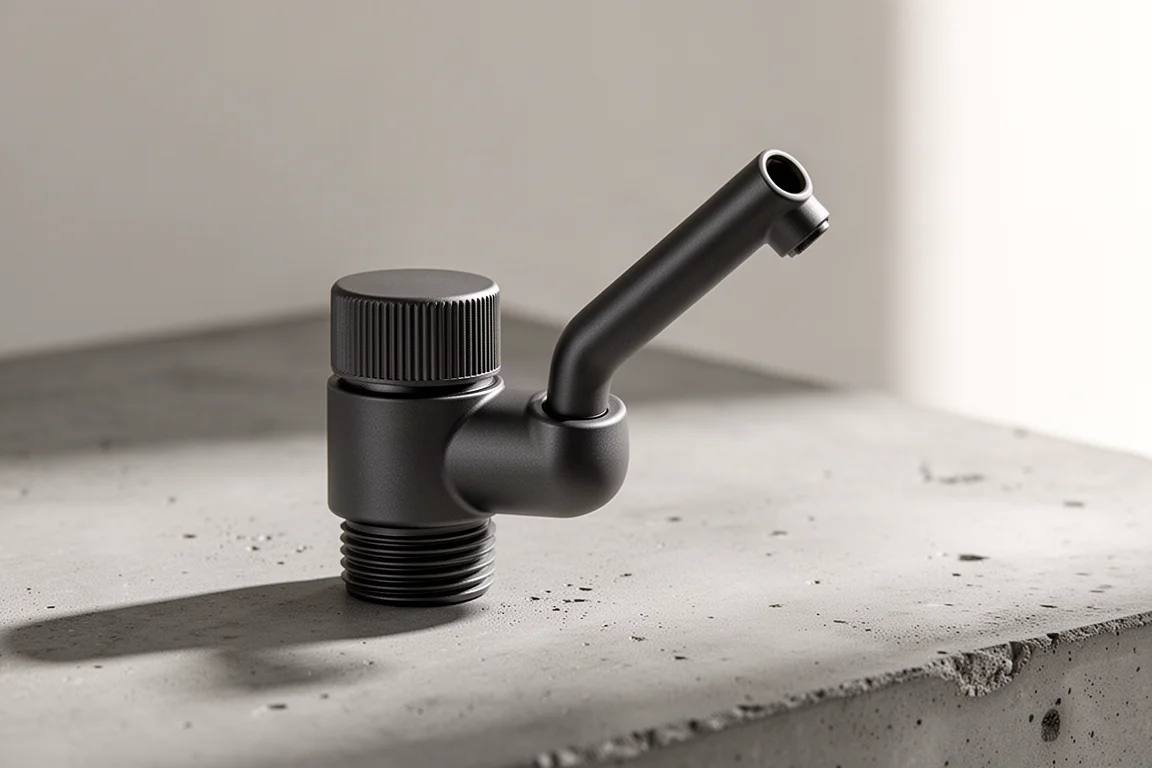
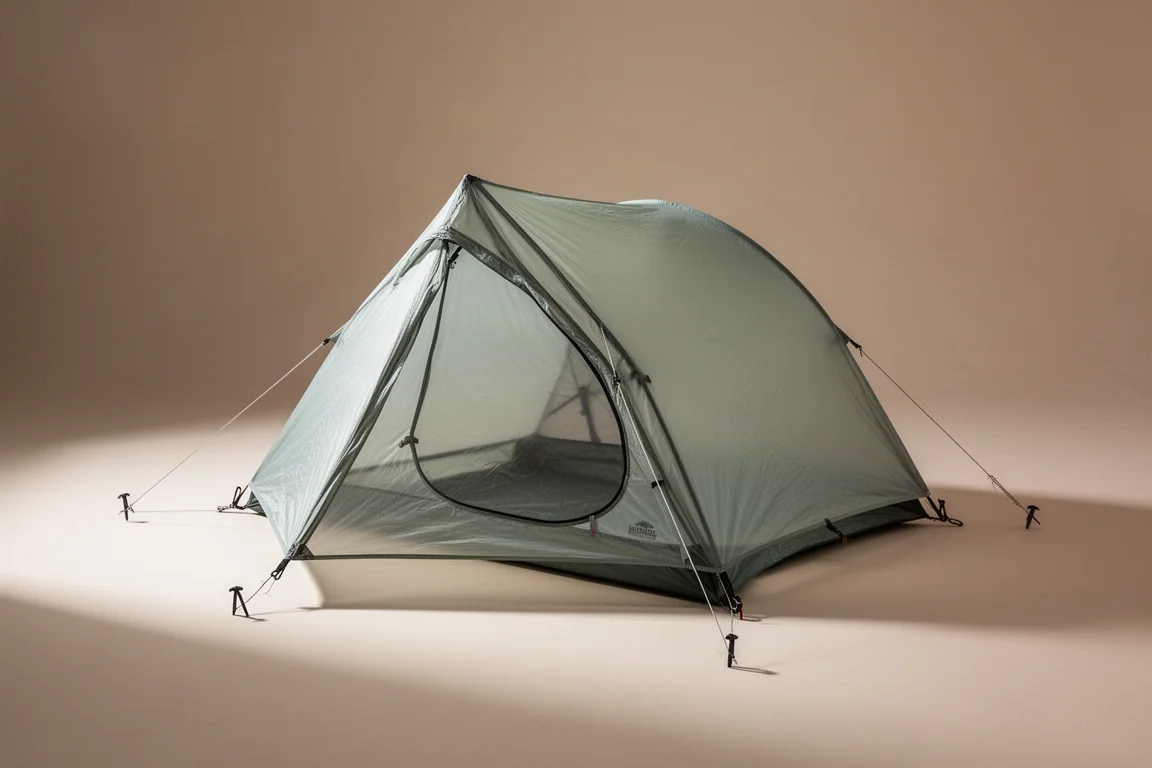
Zpacks Plex Solo: Best Ultralight Solo Shelter
Zpacks tents draw a lot of complaints about their doors dropping to the ground when they are fully unzipped, and on paper it sounds like a design oversight. In practice it creates a very large opening and lets you get in and out from either side of the trekking pole, which is genuinely useful in a small solo shelter.
The concern is that the door will pick up dirt or get damaged on the ground. Across close to a hundred nights of use in Zpacks shelters, that has not turned out to be a real problem, as long as you make sure the door lands inside the tent rather than outside it. That becomes habit quickly.
Seen that way, the door behaviour is closer to neutral than negative, and for some hikers it is an outright benefit. It is not the detail worth worrying about when you are deciding on a shelter.
Buying Advice
The right way to read this list is by trip type rather than by feature count. If you hike three seasons and count every gram, the XLite is the pad to start with, and its warmth-to-weight performance is the reason. If you camp in genuinely cold conditions, the XTherm is the version that earns its place, and the glove-friendly valve becomes a meaningful advantage rather than a footnote.
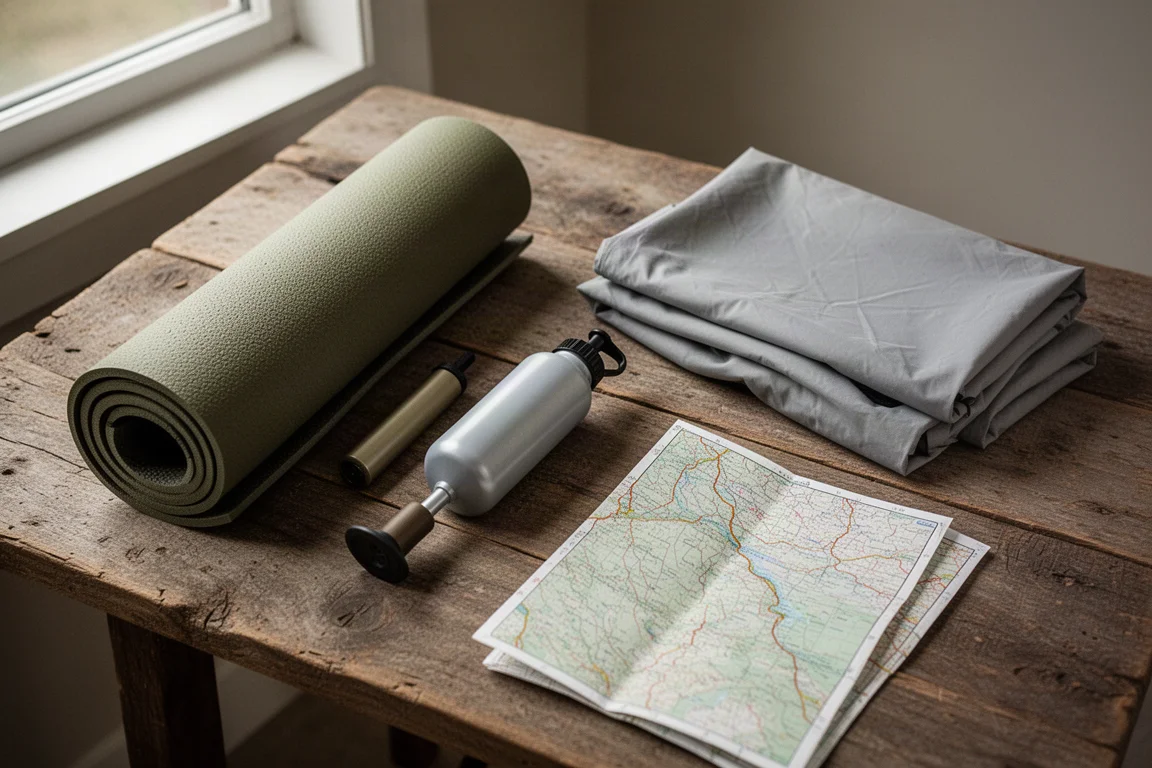
For the valve itself, the honest summary is that the deflation claim is not the reason to buy, and the included inflation bag is the part worth replacing. A small pump that seals properly onto the valve turns the weakest part of the system into a non-issue, and the lantern function makes it easier to justify carrying.
The other two items are about habits as much as hardware. A backcountry bidet only works if you commit to the routine, and it pays off in cleanliness over a long route. The door behaviour on an ultralight solo shelter is worth understanding before you buy, but it is not a reason to rule the shelter out.
Conclusion
Each of these five items has a detail that reads badly in isolation and works well in context: a valve that is durable, repairable, and easy to use with gloves; an insulation structure that slows deflation slightly in exchange for real warmth; a pump that fixes the one genuinely annoying part of the system; a hygiene tool that rewards a consistent routine; and a shelter door that opens wider than most people expect.
Buy for the conditions you actually camp in, understand the trade-off you are accepting, and these are the kinds of items that keep performing long after the first impression has worn off.
Further reading
Related Reviews
Ultralight Backpacking Gear
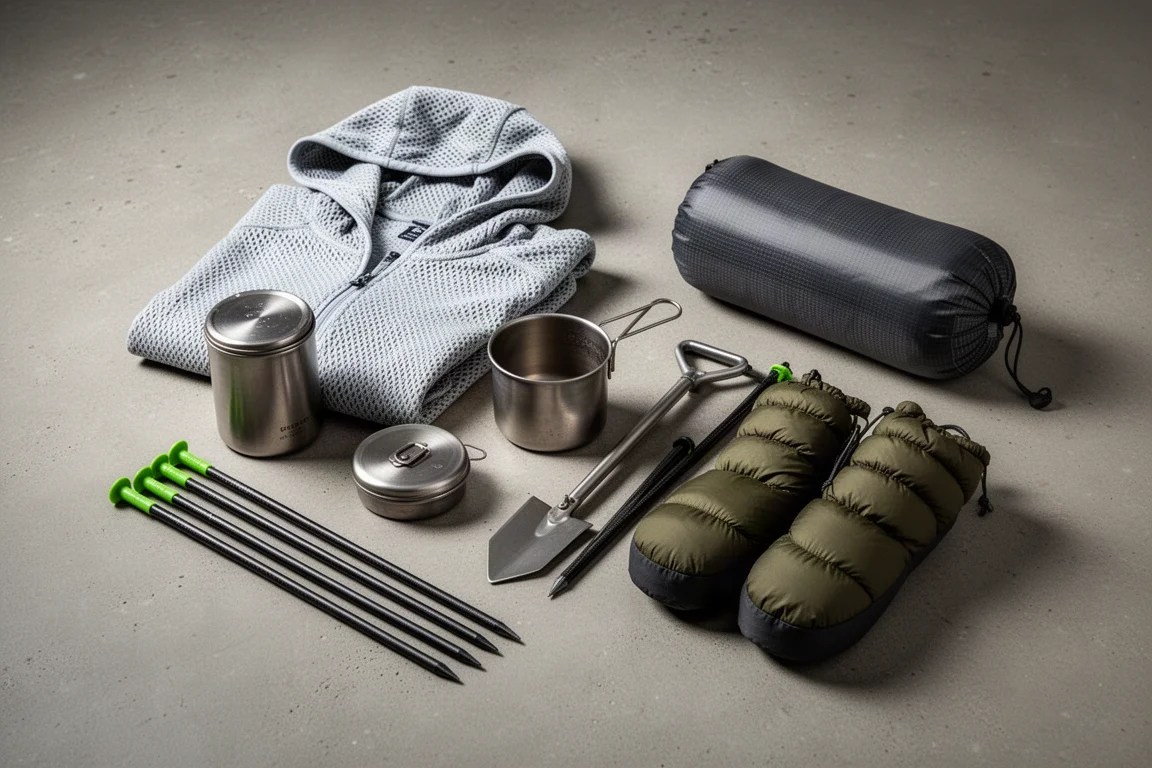
Seven Small Ultralight Brands Making Gear Worth Packing
Seven cottage-made ultralight pieces, from a 4 oz fleece hoodie to carbon fiber stakes and Dyneema storage, and what each one is genuinely good for.
Ultralight Backpacking Gear
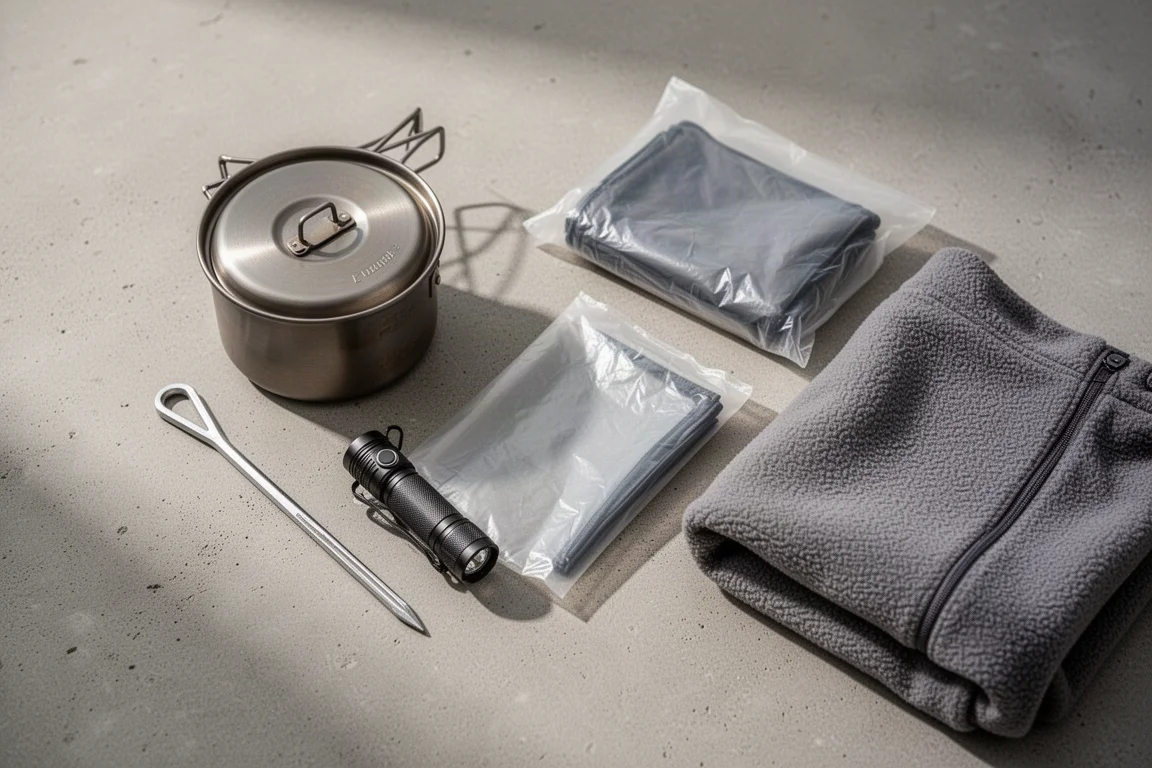
Ultralight Backpacking Gear: 12 Small Upgrades That Save Real Grams
A practical look at twelve tiny ultralight backpacking items, what each one replaces, and the trade-offs worth knowing before you buy.
Ultralight Backpacking Gear
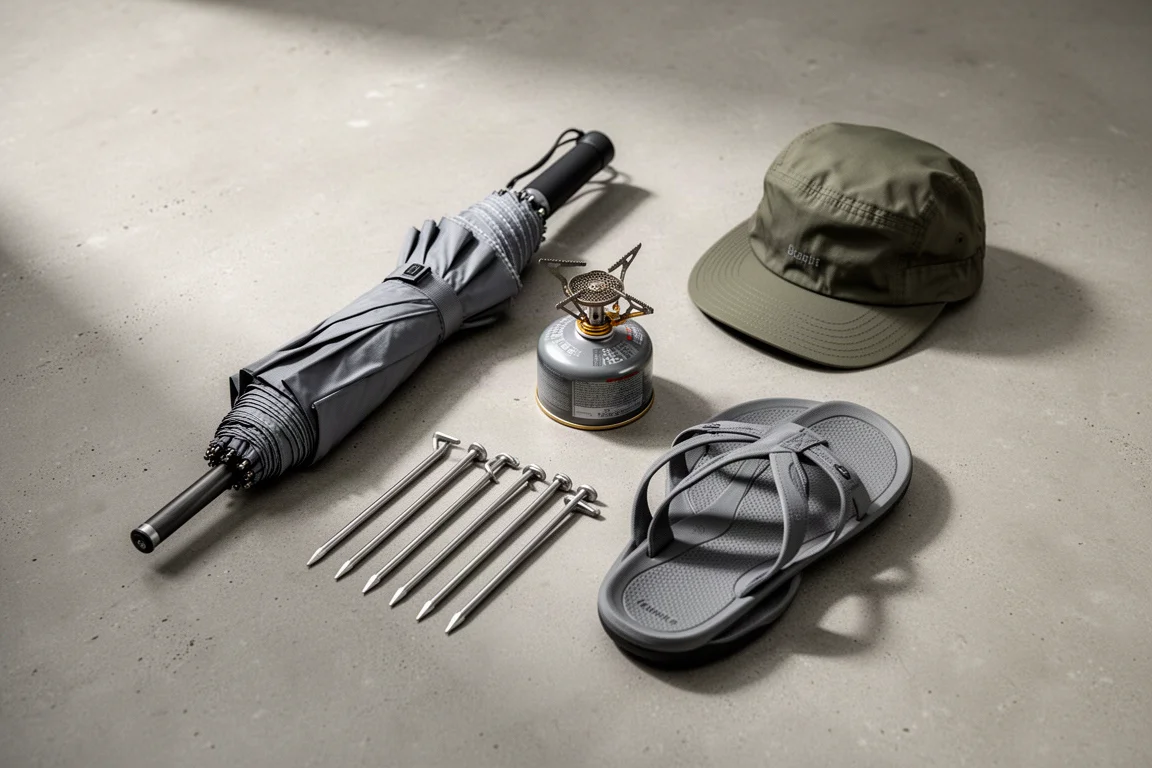
Camp Worthy or Crap: Nine Ultralight Backpacking Gear Picks Worth a Look
Nine ultralight backpacking products, from a carbon fiber umbrella to 5 gram titanium stakes, with the real trade-offs behind each one.