Backpacking Gear
Ultralight Backpacking Gear Without Trekking Poles: A Freestanding Tent Loadout Under 10 lb
A complete ultralight backpacking kit built around a freestanding two-person tent, with a base weight right under 10 lb and no trekking poles required.
Introduction
Most ultralight gear lists begin with the same assumption: you carry trekking poles, so your shelter can be a pole-supported tent. That single decision unlocks a lot of weight savings, and it also locks out anyone who prefers to keep their hands free. This loadout takes the other route. Every item here is chosen so a freestanding shelter fits into the plan, and the total base weight lands right under 10 lb.
The goal is not to win a spreadsheet contest. It is to show that a comfortable, easy-to-pitch kit can still be light, and that a few categories most ultralight lists skip entirely deserve a place in the pack.
Why a Freestanding Tent Changes the Ultralight Equation
Pole-supported shelters are popular because the poles you already carry double as the tent structure. If you do not carry poles, that saving disappears, and you are left choosing between a heavier freestanding tent and a shelter you cannot pitch properly.
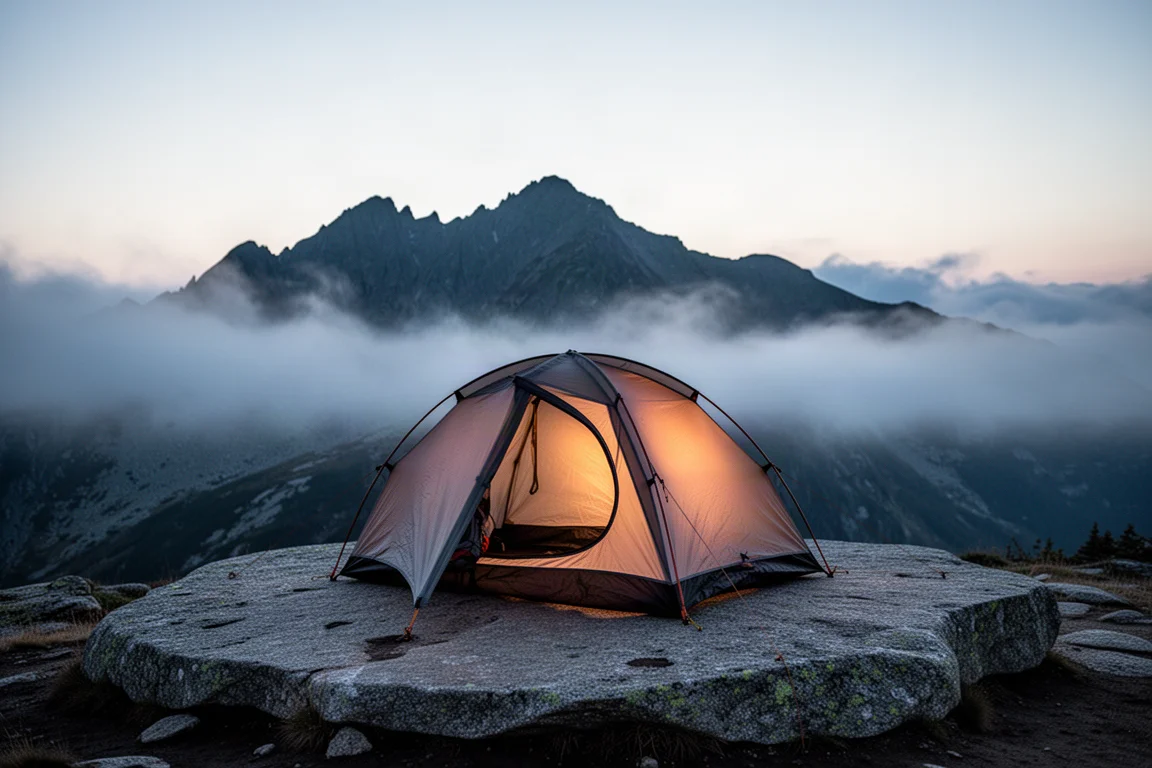
A freestanding tent solves the second problem and mostly solves the first. It pitches on rock, on hard-packed ground, and on platforms where stakes are awkward, and it does not depend on any other item in your pack to stand up. The trade-off is usually weight, so the shelter is the one place in this loadout where paying for a light design makes the biggest difference.
That is the logic behind the rest of the list. Once the shelter is settled at a reasonable weight, the remaining categories can be tuned one at a time without compromising how the kit behaves on trail.
Shelter: The Nemo Hornet Elite 2P
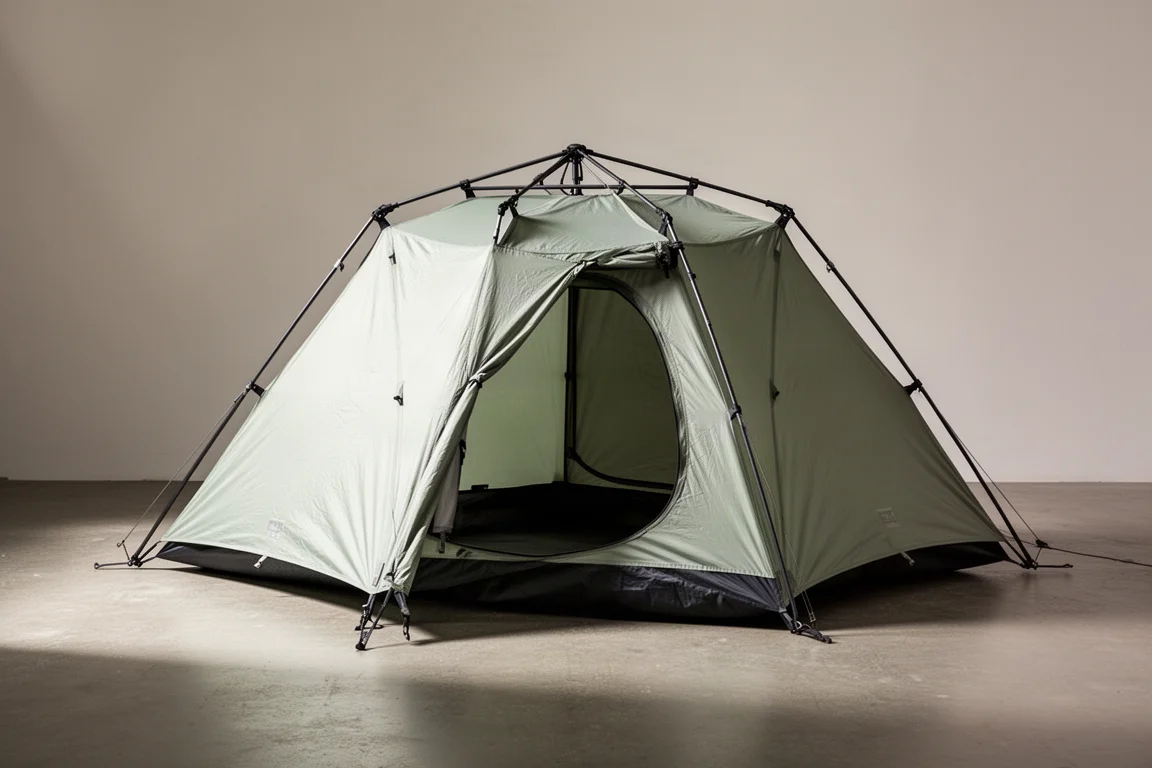
The Nemo Hornet Elite 2P weighs right at 2 lb with the poles, stakes, and guy lines included. For a freestanding two-person tent, that is about as light as it currently gets.
Used solo, there is plenty of room for a pack and a sleeping setup, and the tent stays quick to pitch after a long day. Used with two people it is tight, but it works, and the shelter weight splits to roughly 1 lb per person. That split is what makes a freestanding design competitive with the pole-supported alternatives.
Pack: The Gossamer Gear Mariposa 60
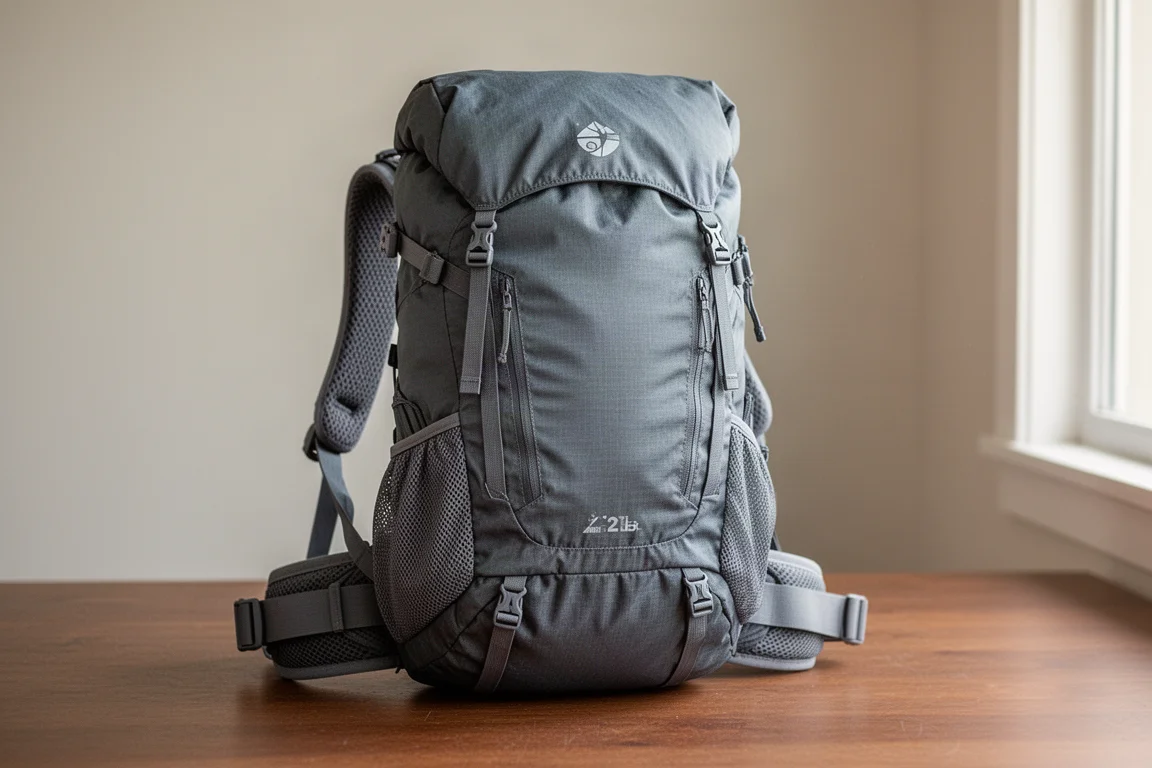
The Gossamer Gear Mariposa 60 weighs right at 2 lb and is the piece that lets the rest of the kit travel comfortably. Two details stand out. The back pad doubles as a seat once camp is set, which removes the need to sit on the ground or carry a separate pad. A long external pocket is sized to take tent poles, so the shelter poles stay accessible and out of the main compartment.
Ultralight packs are not for everyone, and they reward deliberate packing. What this one offers is a full-size 60-litre carry at a weight that belongs in an ultralight conversation.
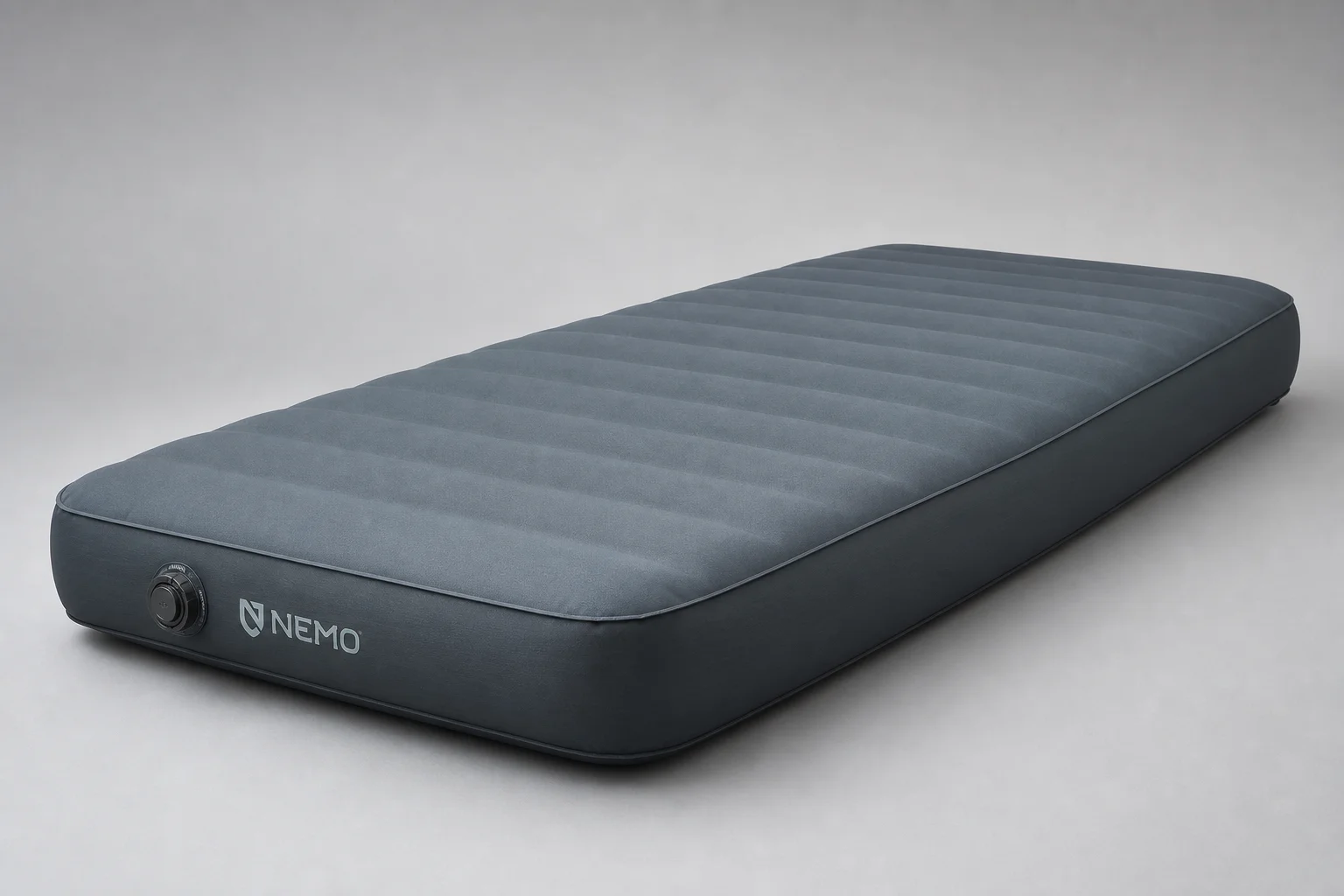
Sleeping Pad: Therm-a-Rest NeoAir
An older Therm-a-Rest NeoAir, built before the XLite and UberLite names arrived, weighs right at 12 oz and performs much like the later XLite. That is light enough that upgrading is hard to justify.
The UberLite would save about 4 oz. It also costs roughly $150 more. Four ounces is real, but it is a small share of a base weight that already sits under 10 lb, so the money is usually better spent elsewhere in the kit.
Quilt: The Featherstone Moondance 25
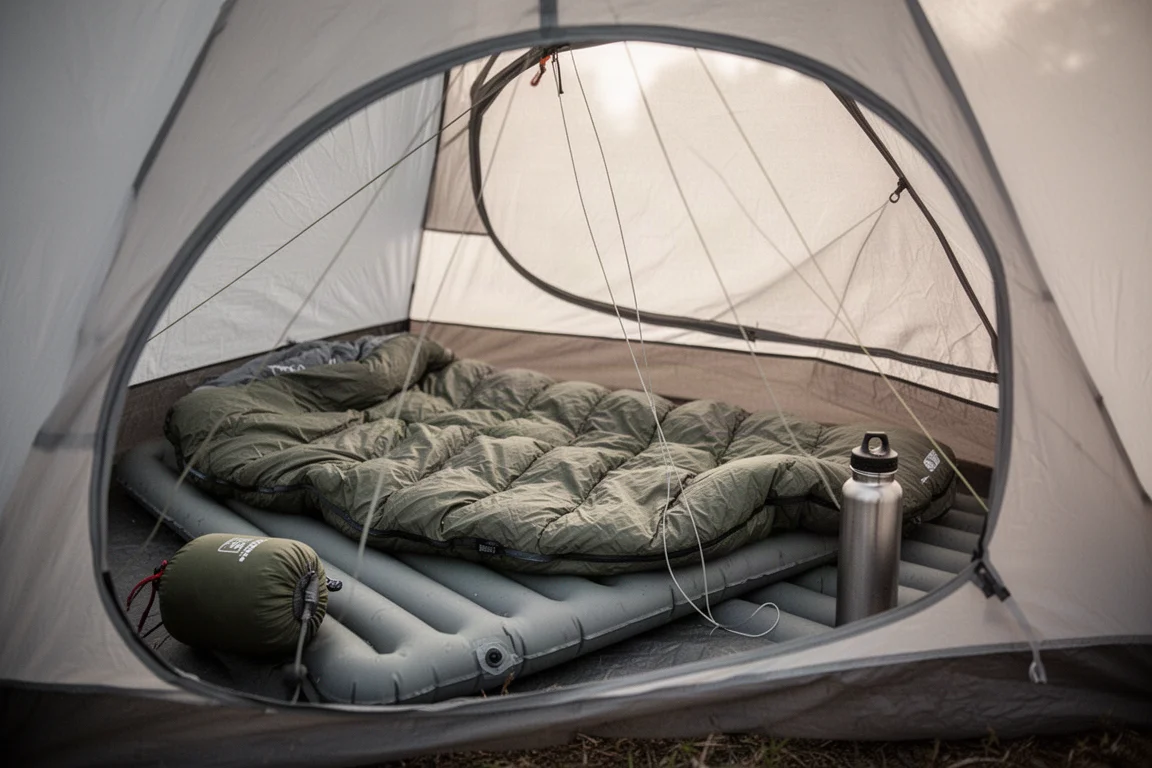
The Featherstone Moondance 25 is a backpacking quilt that weighs 23 oz and is very affordable. For high-altitude summer hiking, that combination is difficult to argue with: warm enough for the conditions most three-season trips actually deliver, and light enough to disappear into the pack.
A quilt also pairs naturally with a pad and a light shelter, because there is no hood or back panel to compress underneath you.
If your trips run colder or later in the season, this is the category where you would look at a warmer-rated option rather than trying to stretch a summer quilt beyond what it was built for.
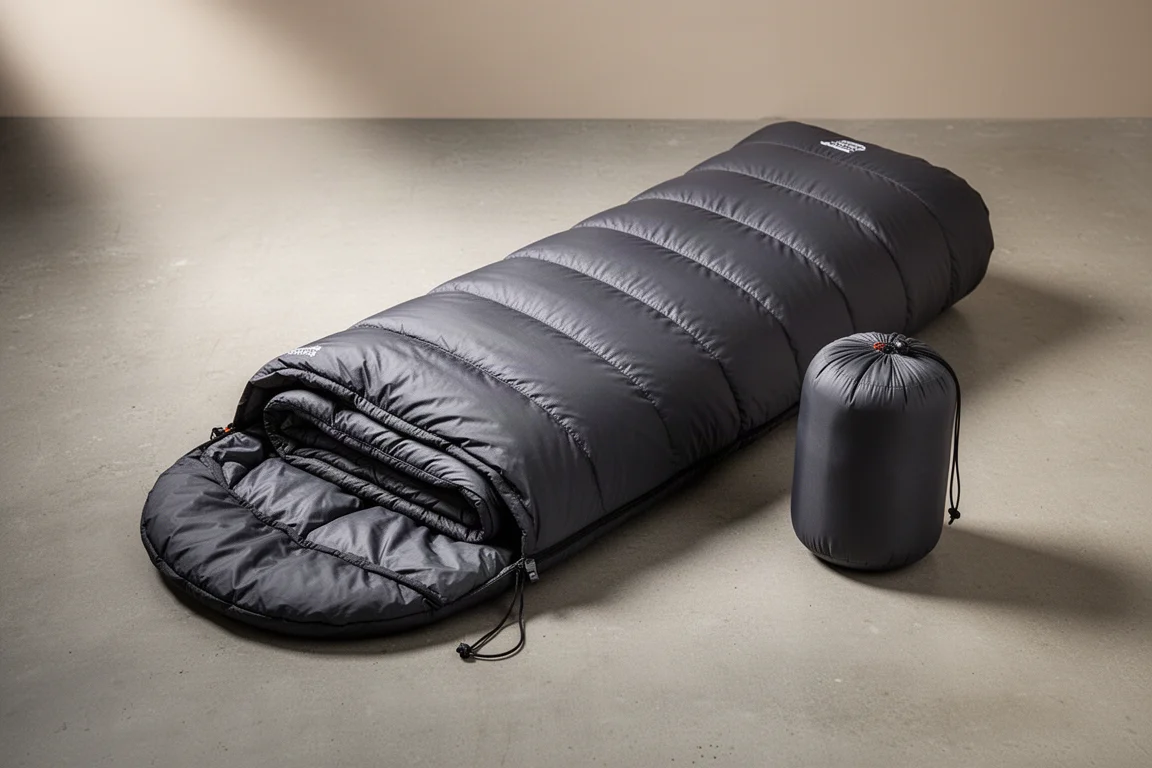
Cook Kit: Toaks 550 ml Titanium Pot
The Toaks 550 ml titanium pot is the anchor of the cook kit. At 550 ml it is still adequate for most boil-in-the-bag meals, and it is small enough to double as a mug for whoever wants coffee at camp.
Combined with the stove, the utensil, and a mini lighter, the whole kit comes in under 5 oz.
Stove: BRS 3000T Titanium Stove
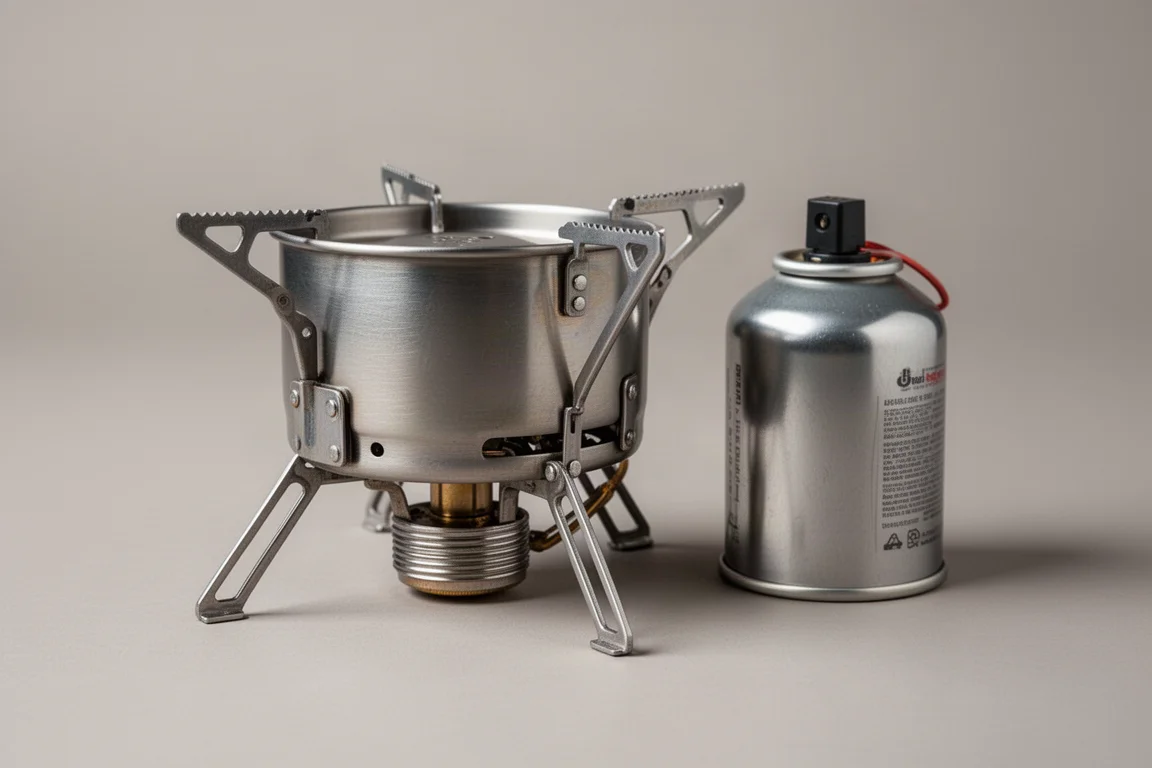
The BRS 3000T titanium stove weighs less than 1 oz. Paired with the 550 ml pot, it handles the boiling that rehydrated meals require, and it adds almost nothing to the base weight. The minimalist design suits a small pot and simple boiling tasks rather than elaborate camp cooking.
Utensil: GoBites Duo
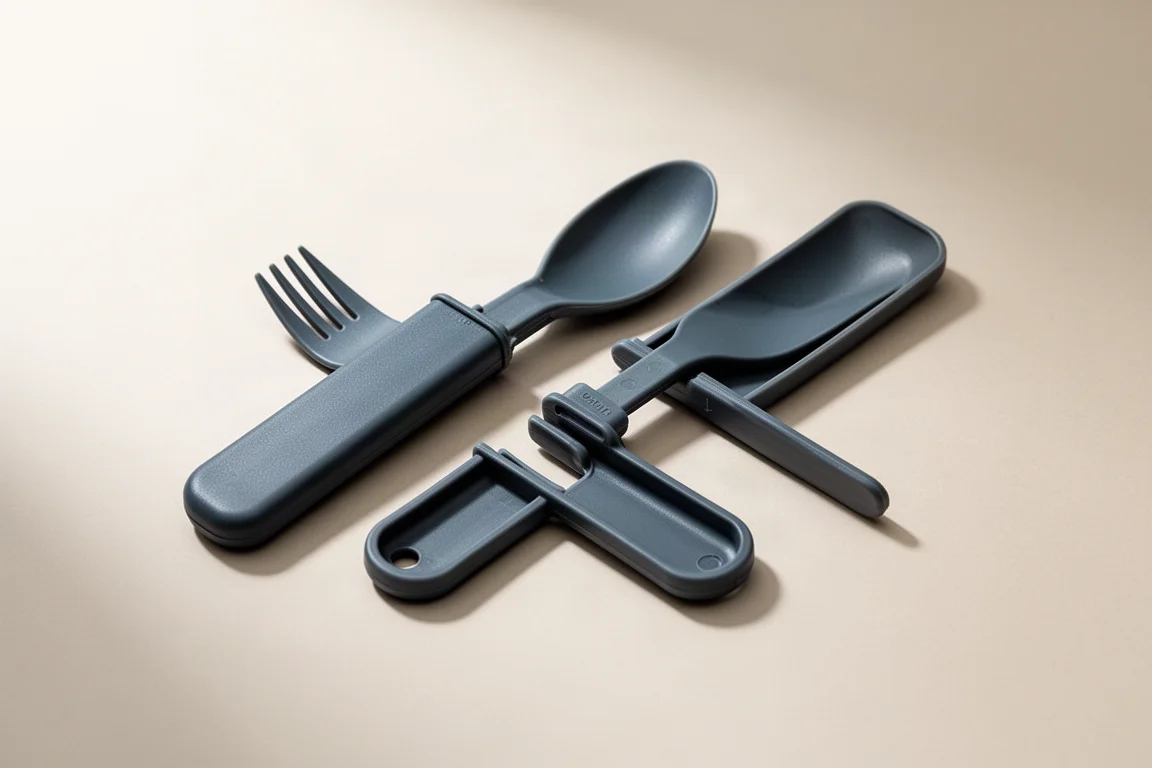
The GoBites Duo is a long-handled spoon and fork combination. The long handle is the whole point: it reaches the bottom of a rehydration bag without turning dinner into a mess on your hands. It costs little, weighs little, and lives inside the pot between trips.
Water Treatment: Platypus QuickDraw
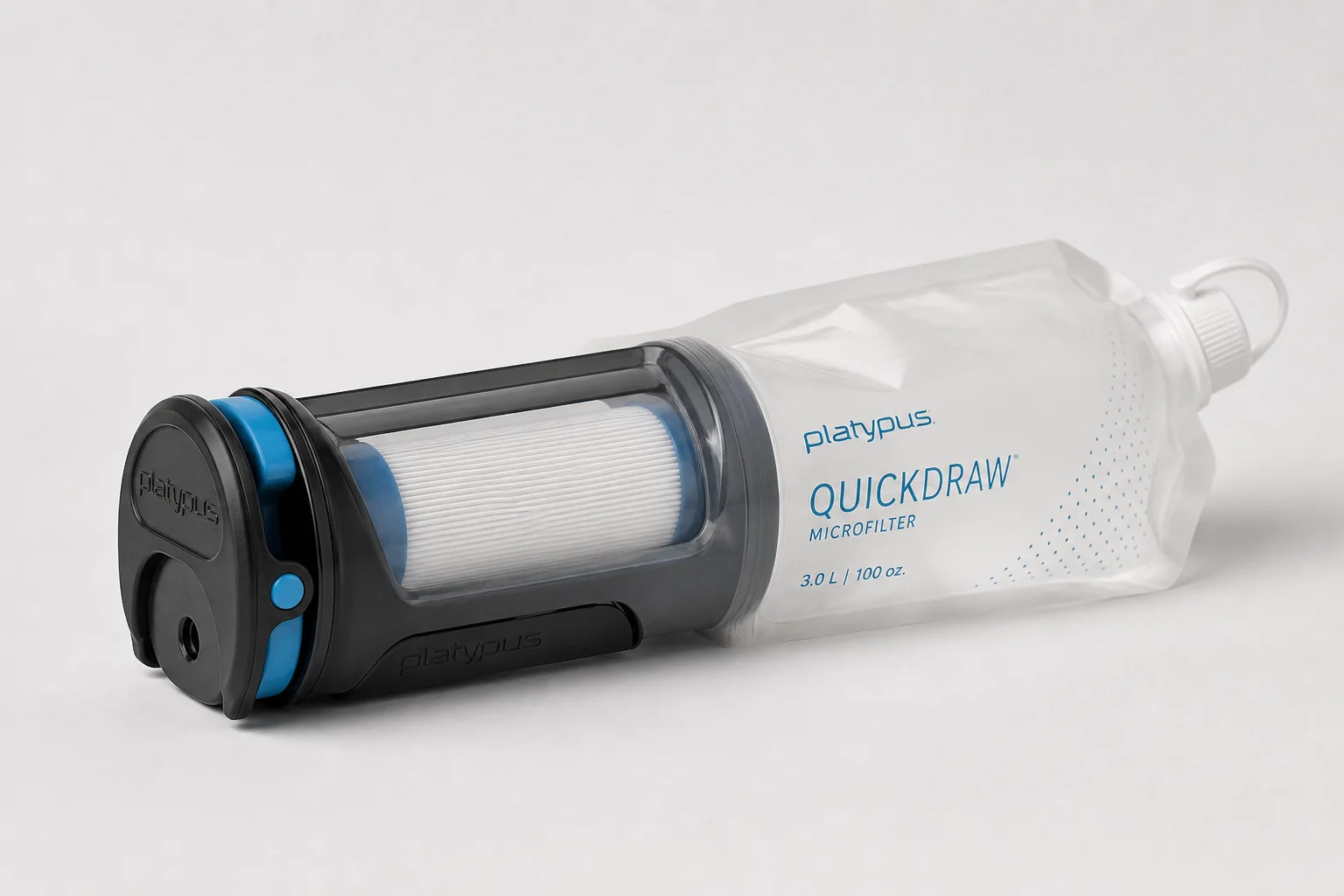
The Platypus QuickDraw weighs just 3.4 oz, and that figure includes the 1 L squeeze bottle. The design is simple and well thought out, and it slots into a bottle-based system rather than a pump or gravity setup.
The rest of the water kit is just as straightforward: a 1 L Smartwater bottle and a smaller 23 oz Smartwater bottle with a sports cap, both of which thread onto the filter.
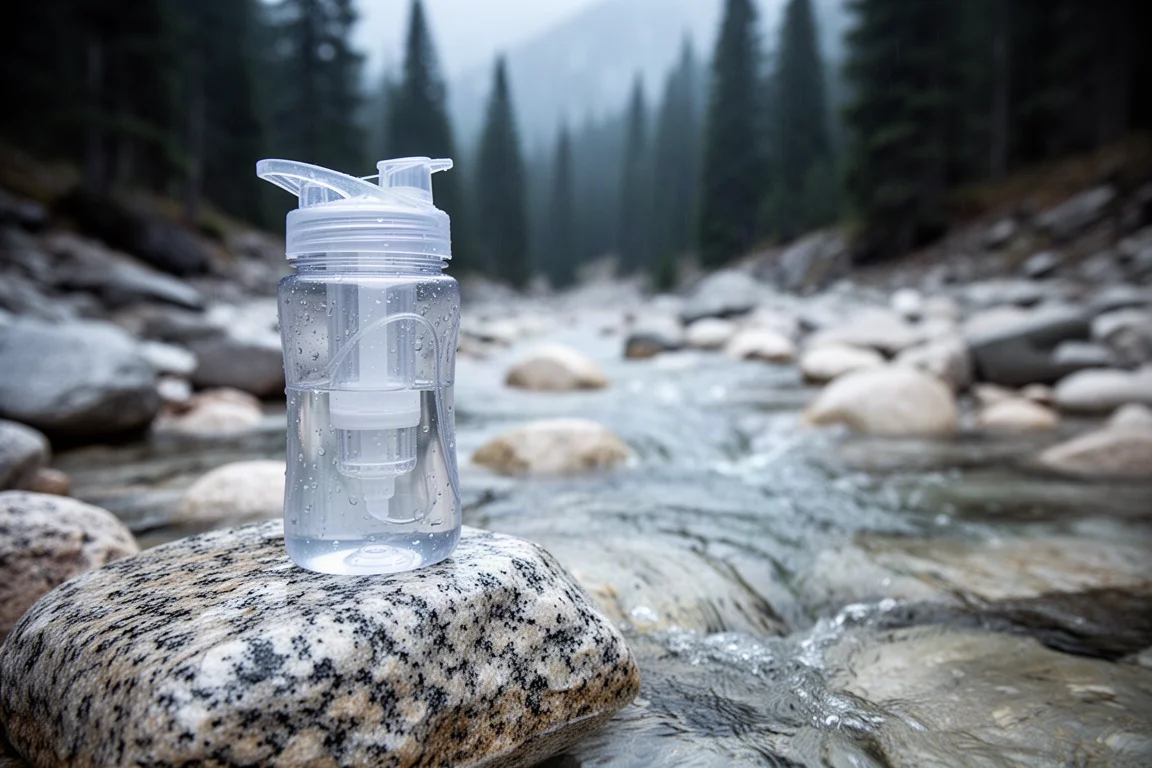
Carrying a clean bottle and a dirty bottle separately keeps the routine quick at a stream, and it means the filter is the only piece of the system that needs any real care.
Knife: The Back Knife
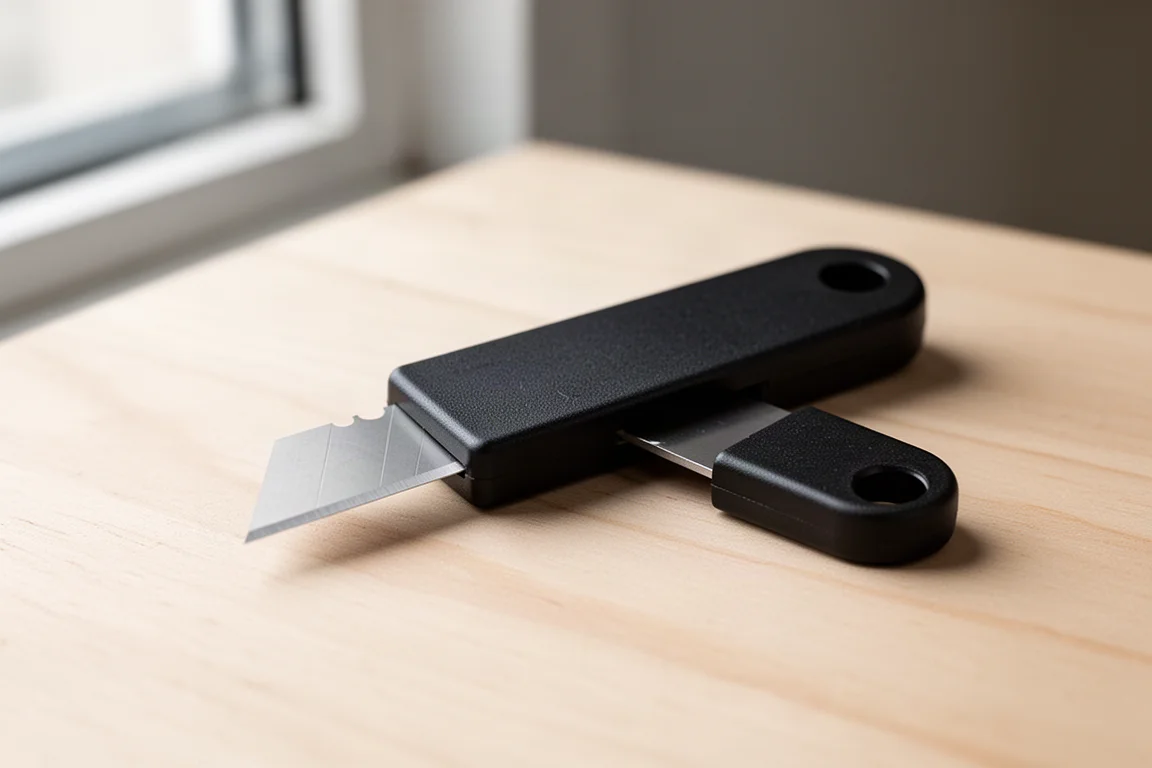
The Back Knife is a small plastic body that holds a standard razor blade, and it weighs 6.3 g. It is not the best knife you will ever use, and it asks for care when opening and closing, but it handles the job it was bought for: slicing summer sausage and cheese at lunch.
At 6.3 g, it is hard to find a lighter cutting tool that still gets the job done.
Satellite Communication: Spot Gen 3
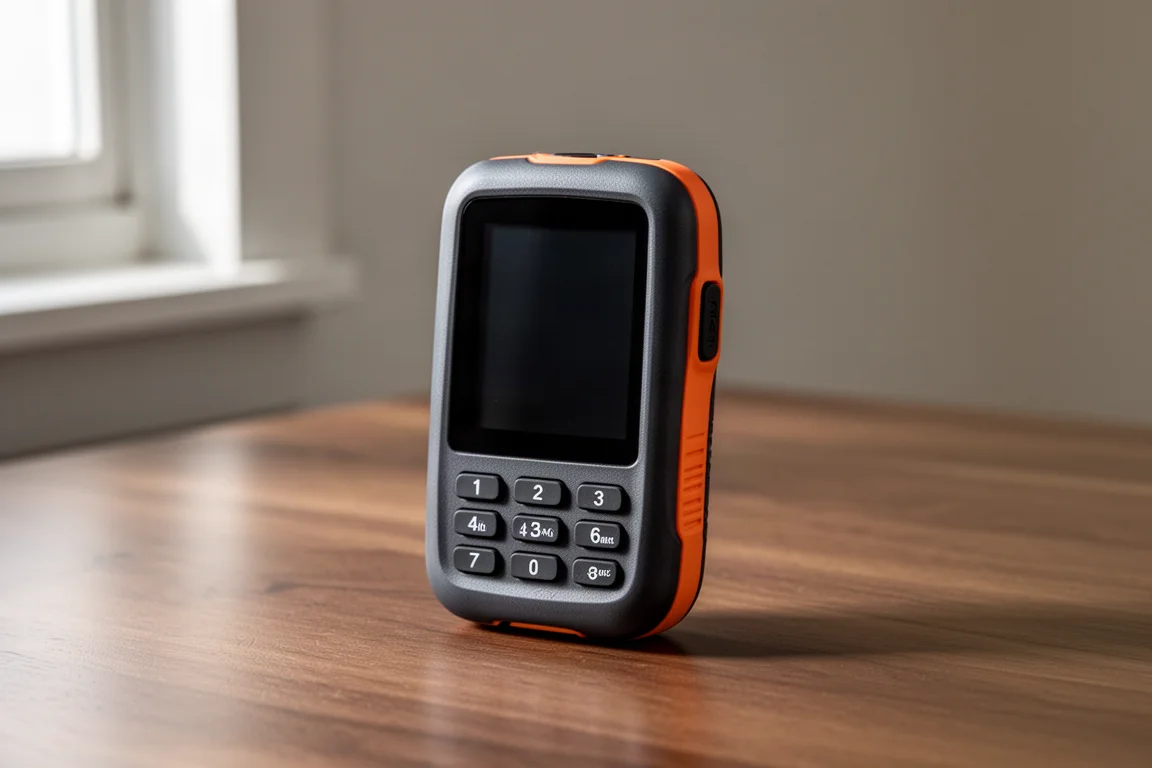
The Spot Generation 3 weighs 115 g, making it the lightest satellite communicator option considered for this loadout. In areas without reliable phone coverage, that weight buys a way to call for help and a way to let people at home know the plan is still on track.
Trail Safety and Miscellaneous Essentials
A few categories deserve more attention than ultralight lists usually give them. Bear spray is the clearest example: it rarely appears on published gear lists, even though bear country covers far more ground than most hikers assume, including parts of western Arkansas, eastern Oklahoma, and east Texas. If you are hiking where bears live, bear spray belongs in the pack.
Food storage goes with it. A dry sack holds the quilt during the day and doubles as a hang bag at night, with paracord for the line, so food stays out of reach. The rest of the miscellaneous pile is short: a compact ultralight .5 medical kit, a headlamp, toilet paper, and a trash bag to keep whatever does not fit in the dry sack from getting soaked. A trowel is optional in soft ground, where a stick, a rock, or a tent stake can dig a cathole.
Extra clothing rounds out the loadout: a hoodie, a beanie, and a lightweight rain jacket, chosen because the weight and the price are hard to beat.
Overall Buying Advice
Build this kit in order of impact. The shelter is where the money matters most, because a light freestanding tent is what makes the rest of the list possible. After that, spend on the pack and the quilt only when the weight savings are meaningful for the trips you actually take.
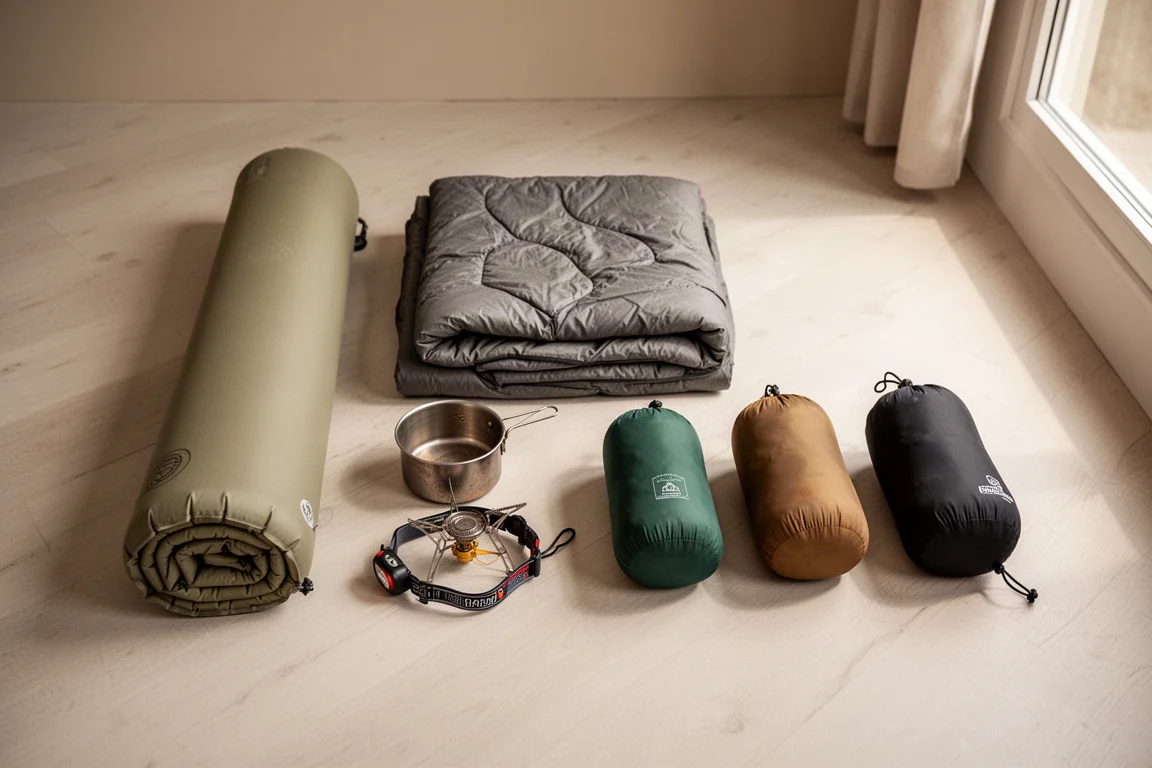
Sleep insulation and the sleeping pad are the categories where it is easiest to overspend for very little gain. Saving 4 oz on a pad for an extra $150 rarely changes how a trip feels. Buying the quilt that matches the conditions you hike in changes a great deal.
Then do not skip the unglamorous items. Bear spray, a way to hang food, a medical kit, and a communicator add weight that no spreadsheet rewards, and they are the difference between a light pack and a responsible one.
Conclusion
Ultralight backpacking does not require trekking poles. With a freestanding two-person tent at 2 lb as the starting point, this loadout comes in right under 10 lb of base weight and still covers shelter, sleep, cooking, water, and safety.
Start with the shelter, keep the sleep system honest about the conditions you hike in, and treat the small safety items as non-negotiable rather than optional. That is how a genuinely light pack stays a pack you are happy to carry.
Further reading
Related Reviews

Backpacking Gear
Building a 10 lb Base Weight: An Ultralight Backpacking Gear List
A practical walkthrough of the ultralight pieces behind a 10 lb base weight, from a 765 g pack and a roomy one-person tent to a full camp chair and a dependable water filter.
Backpacking Gear
A 15-Pound Lightweight Backpacking Gear List for Solo Trips
A beginner-friendly 15-pound backpacking setup built from easy-to-find gear, with notes on what each piece does, how it packs, and where to spend your attention.
Backpacking Gear
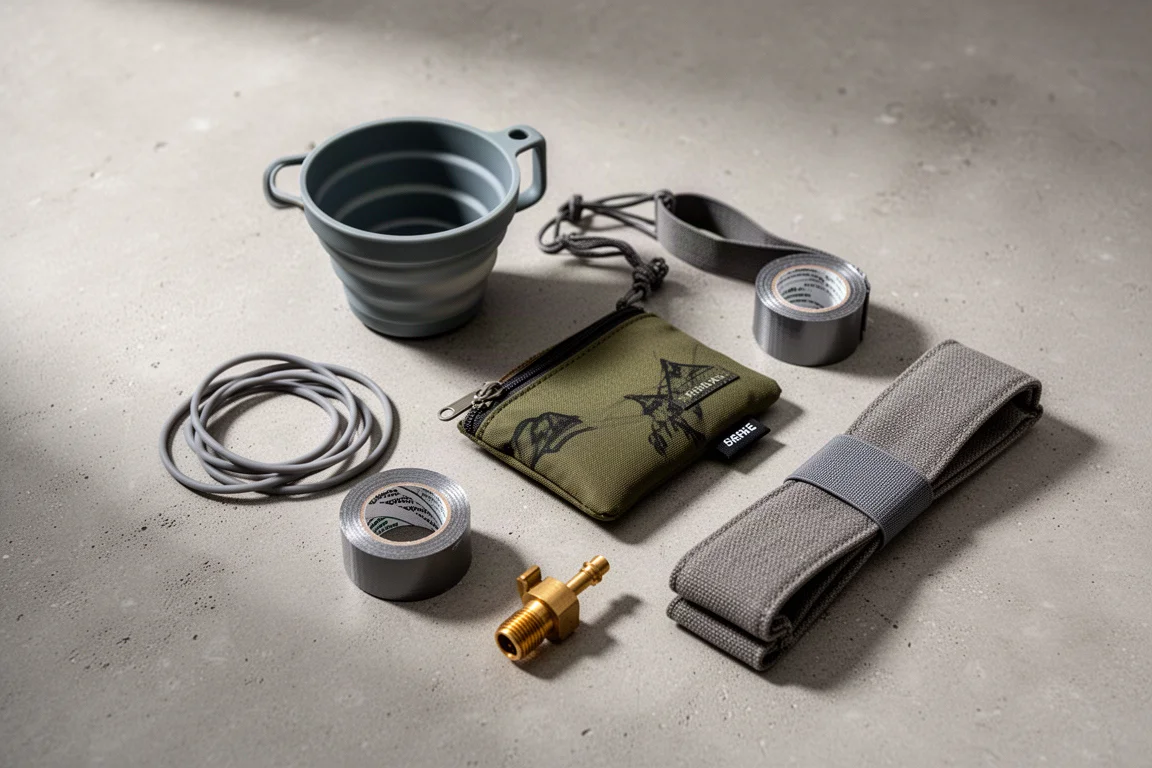
8 Ultralight Backpacking Gear Upgrades Worth Carrying
Eight small, affordable backpacking upgrades that solve real trail annoyances, from a pillow that stays put to a fuel valve that rescues leftover canister gas.