Backpacking Gear
Ultralight Backpacking Gear Worth Trying: Packs, Shelters, Quilts, Layers, and a Camera
A practical look at ultralight backpacking upgrades, from waterproof Ultra fabric packs to zippered shelters, synthetic quilts, Alpha Direct layers, rain mitts, and a compact field camera.
Introduction
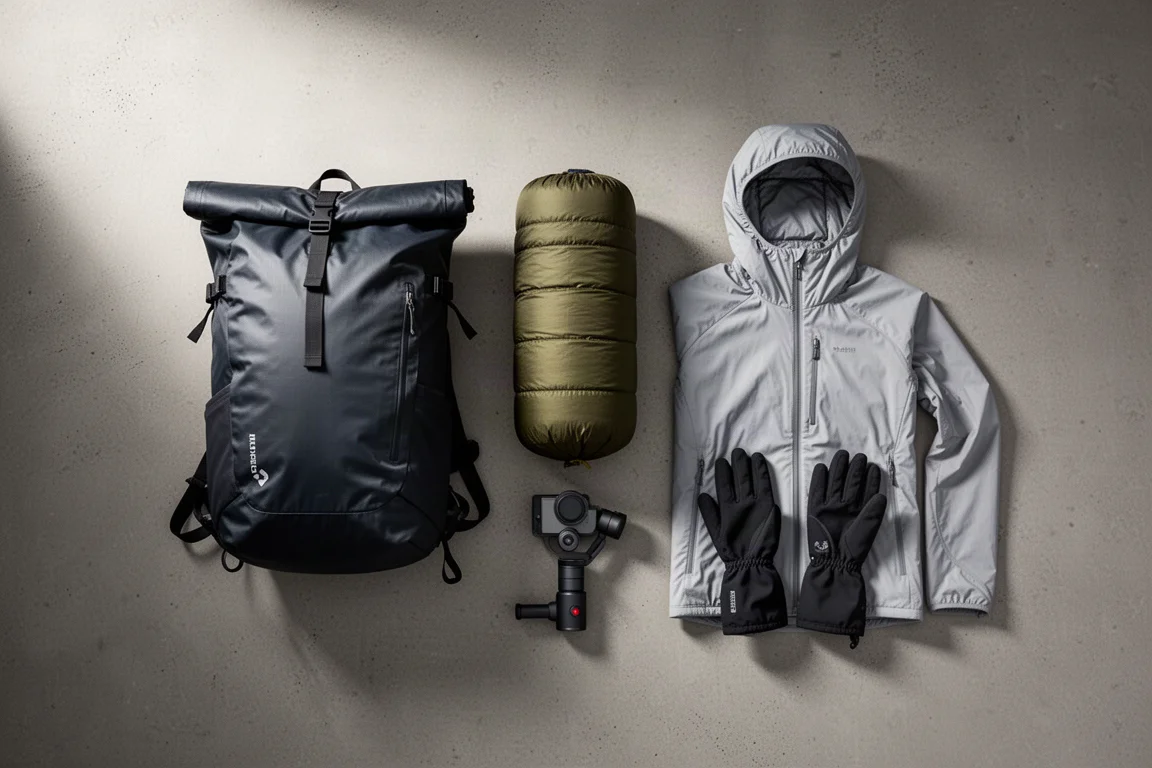
A good ultralight kit rarely changes all at once. Most backpackers replace one or two items a season, then retire the older gear once the replacement has proven itself on a few trips. The upgrades below are the ones worth a closer look right now: a waterproof pack fabric, a shelter with a real door closure, a synthetic quilt, a breathable midlayer, rain protection for hands, and a compact camera for trail footage.
How These Picks Were Chosen
Weight only counts when it comes with durability, so every item here is judged on the same four things: honest carry weight, how small it packs, how well it handles weather, and whether the closures and details actually hold up after a long day in bad conditions.
Load ratings matter as much as grams. A pack rated to 30 lb is a 30 lb pack, and adding comfort items over several seasons is one of the most common reasons a kit stops working. The same logic applies to insulation comfort ratings, which describe the temperature a sleeper can expect to stay warm at rather than the limit a manufacturer can survive.
A Lighter, More Waterproof Pack: ULA Ultra Catalyst
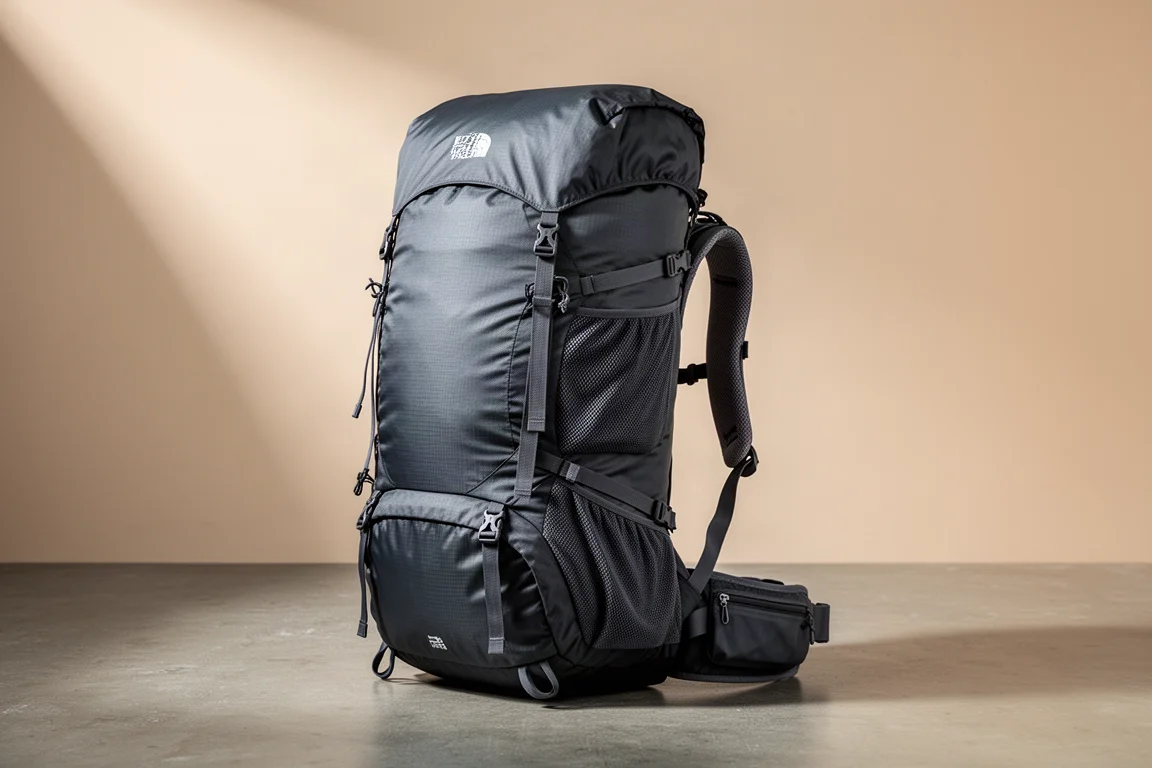
ULA now offers Ultra versions of its pack designs, built from Ultra fabric. That material is lighter, more durable, and waterproof rather than merely water resistant like Robic nylon. If you have been carrying the same load for years and the pack is starting to feel like the weak point of the kit, that combination is the reason to look at it.
One change is worth knowing before you buy. The Ultra versions remove the hydration port. Backpackers who run a bladder and hose will find that a dealbreaker, while anyone carrying bottles will not miss it at all. Even with a waterproof fabric, a pack liner is still worth the few extra grams, because a sharp rock, a stick, or a brier can puncture the material and end the waterproofing.
The Catalyst is rated to carry up to 40 lb, which makes it a sensible step up for anyone who has outgrown a 30 lb rated pack. It also keeps the strap that runs from the hip belt to the pack body, the detail that produces the most secure fit on the hips.
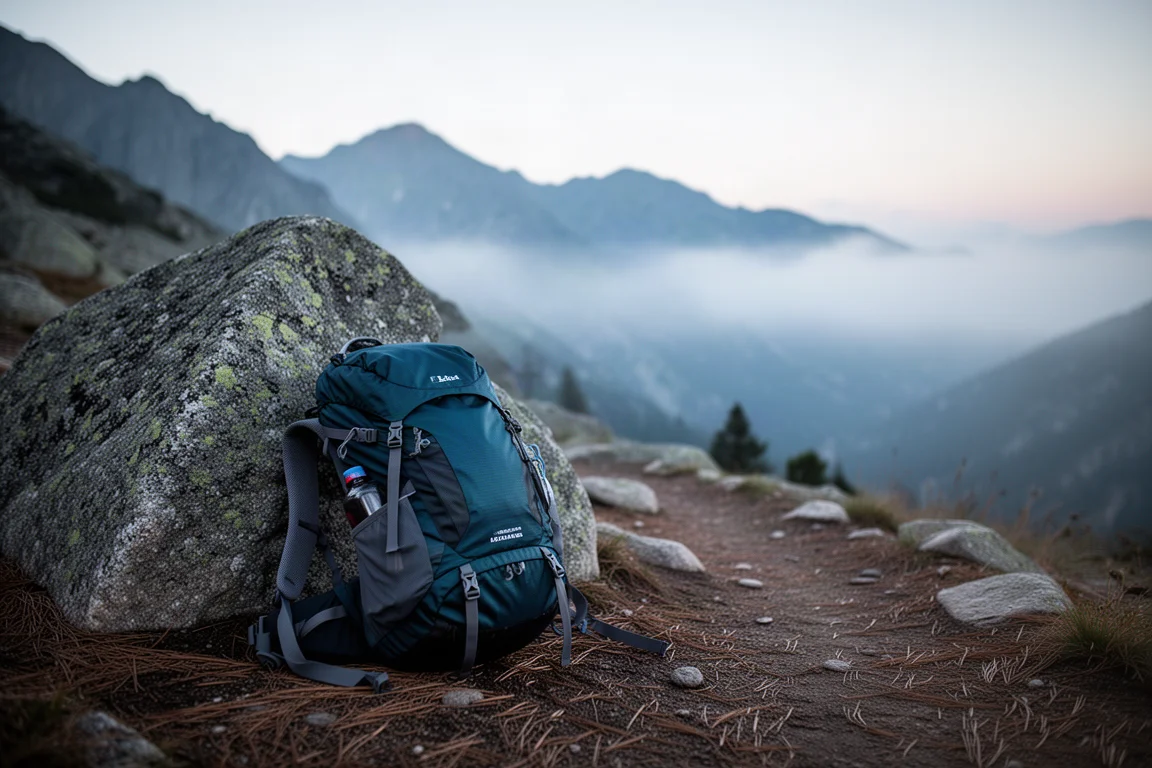
For backpackers whose base weight has crept upward over the years, the extra capacity is the real benefit. The waterproof fabric is a bonus rather than a substitute for good habits.
A Zippered Shelter: Zpacks Duplex
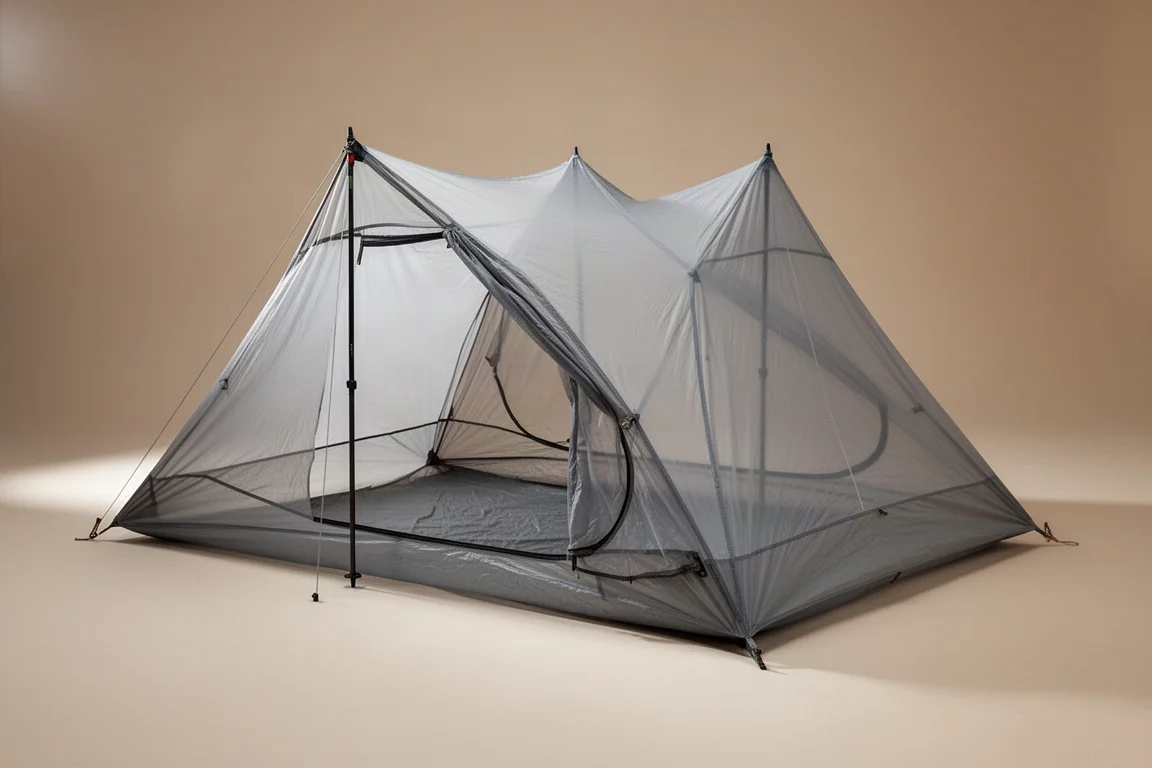
The Duplex is now offered with a zipper closure, and for cold sleepers that change matters more than it first appears. A more enclosed space means less ventilation, and less ventilation means a warmer night. On a wet, windy trip, a door that seals properly is the difference between a dry shelter and an evening spent managing drafts.
Magnetic closures deserve a note of caution. They look elegant on paper, but if the magnets are not strong enough, a small bump is all it takes to loosen them, and you spend the night readjusting the door. A simple bungee or a peg holding the door open is often the more reliable answer. The zippered version sidesteps the problem entirely.
Refined Details: Durston X-Mid Pro 2
The latest version of the X-Mid Pro 2 addresses two of the most common complaints about the earlier model. It adds pockets on the inside of the tent and uses stronger magnets for the door closures, since the original magnets were a genuine annoyance in the field. That makes the update a practical one rather than a cosmetic refresh.
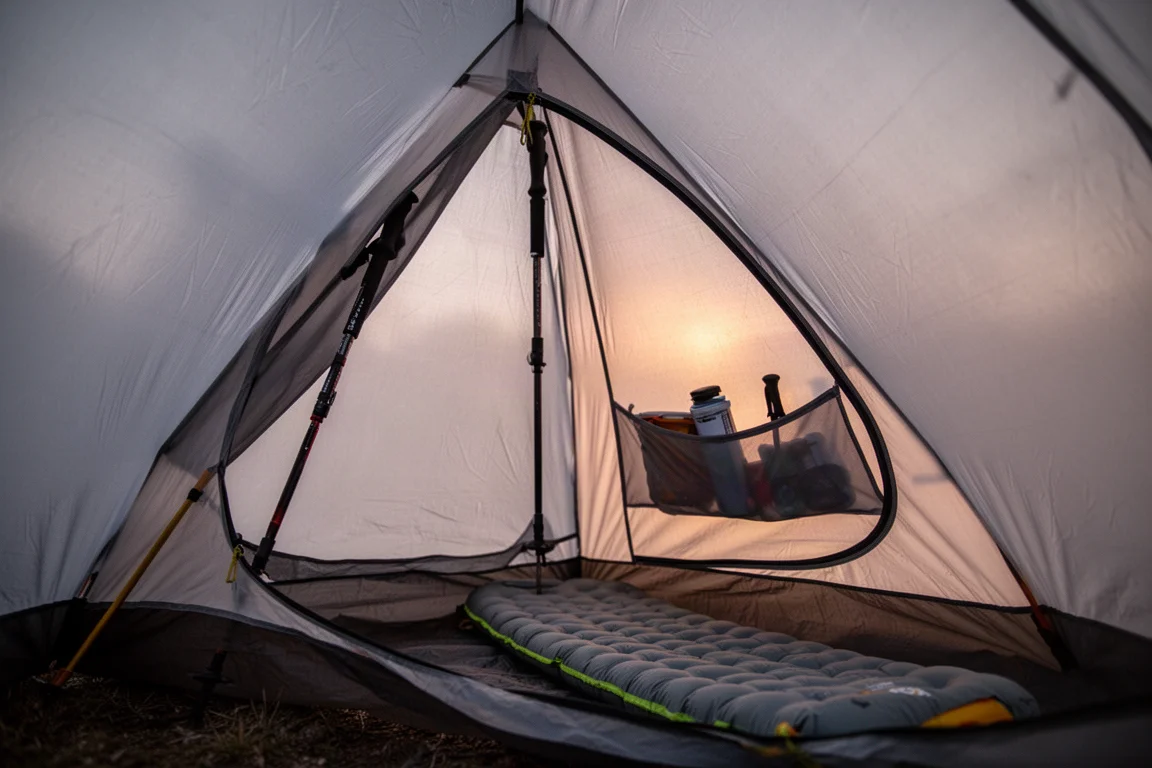
Interior pockets sound minor until you have spent a night digging for a headlamp in the dark. Combined with stronger closures, the newer version is simply easier to live with on longer trips, and it makes a fair comparison against the zippered Duplex for anyone choosing between the two.
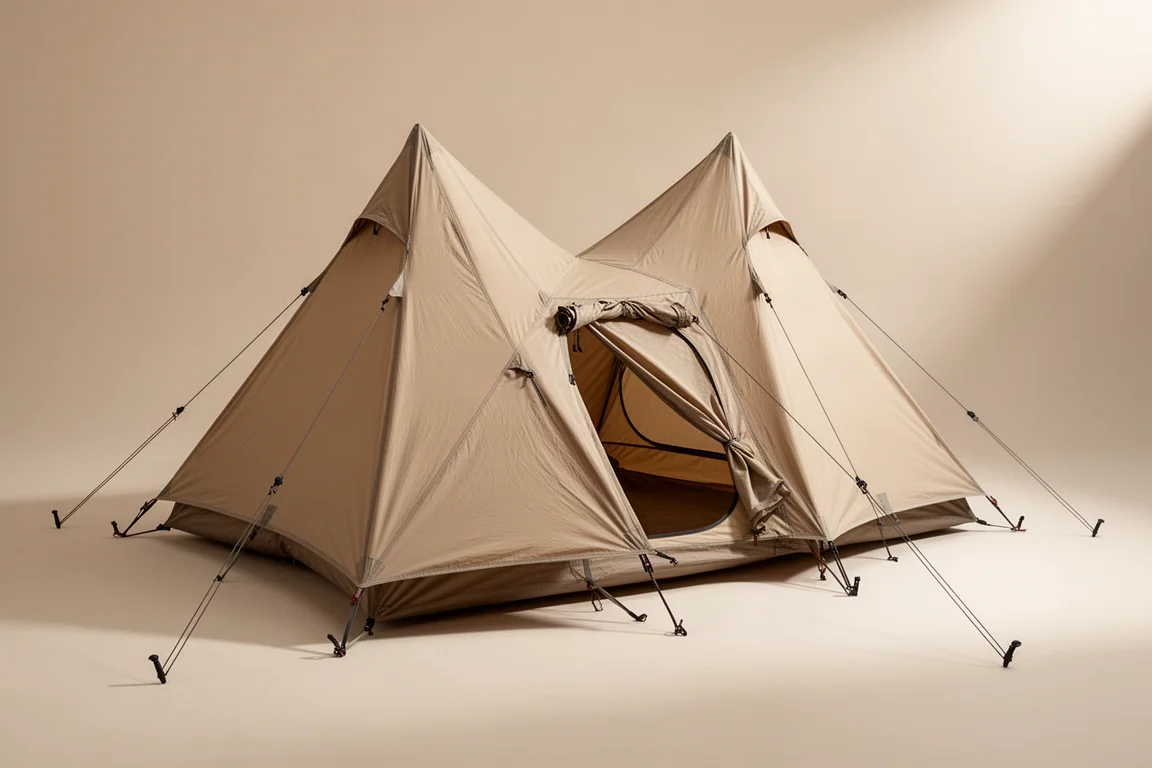
Synthetic Warmth: Enlightened Equipment Enigma Apex
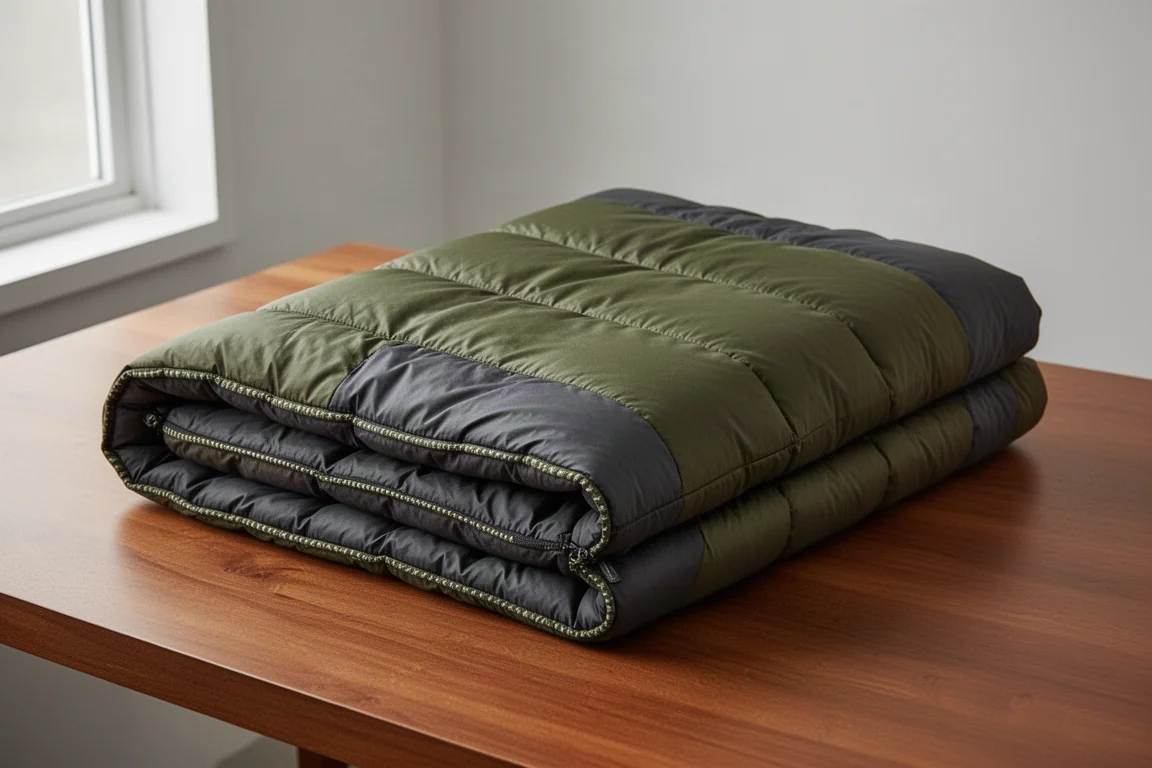
For sleepers who avoid down, Apex insulation remains one of the most straightforward synthetic options. The Enigma Apex in a custom build carries a 20 degree comfort rating and weighs 26.7 oz, which places it in a useful range for three-season trips.
The catch is choice. Comparable lightweight synthetic quilts are hard to find, and at least one maker that used to offer them has stopped producing quilts altogether. Some suppliers sell the loose insulation itself for anyone willing to build their own. If you are shopping, it is reasonable to accept a few extra ounces in exchange for better packability.
Alpha Direct Insulation: CI Merlin Alpha Direct Hoodie
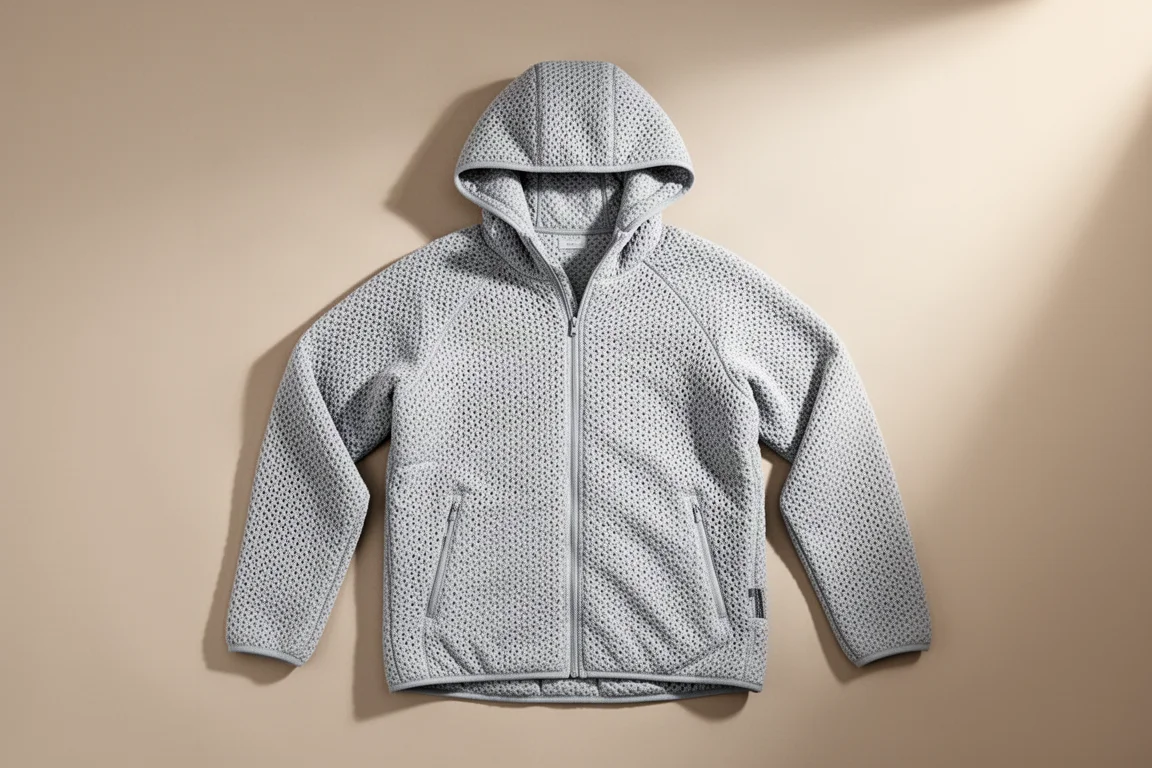
Alpha Direct hoodies look strange up close. The fabric is visibly porous, full of small holes, and it is easy to wonder how it could keep anyone warm. The trick is that it works as a midlayer rather than an outer layer: worn under a rain shell or a puffy, it traps warmth while the open structure lets moisture and excess heat escape.
Weights vary. Alpha Direct is available in different insulation weights, including 60, 90, and 120, and the 120 version here weighs 7.2 oz and cost $115 plus shipping. Compared with a traditional fleece, it packs smaller, dries faster, and is several ounces lighter. It also dumps heat quickly when you open your outer layer, which is far more comfortable than flapping a fleece to cool down.
Hand Protection for Cold Rain: Showa Temres Gloves
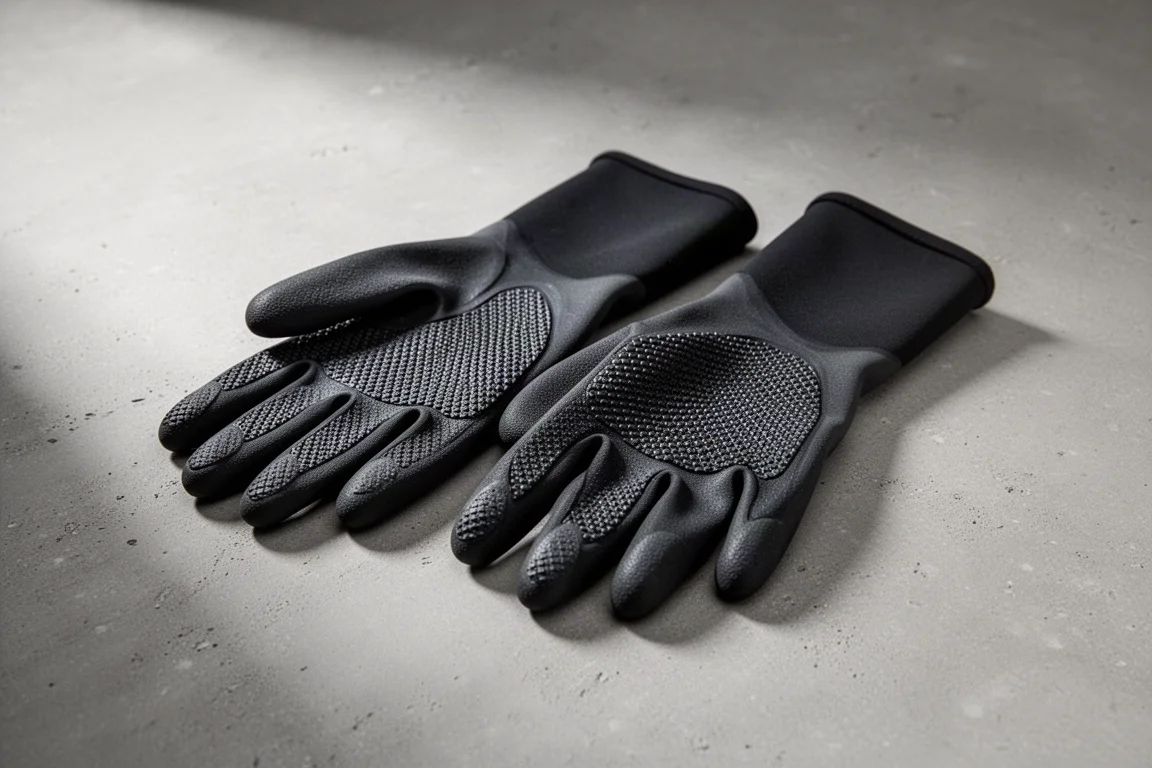
Waterproof gloves with real dexterity are rare, and the Temres gloves have earned a following for exactly that reason. Paired with an insulated liner glove, they handle most wet, cold days well and keep enough feel in the fingers for zippers, buckles, and camera controls.
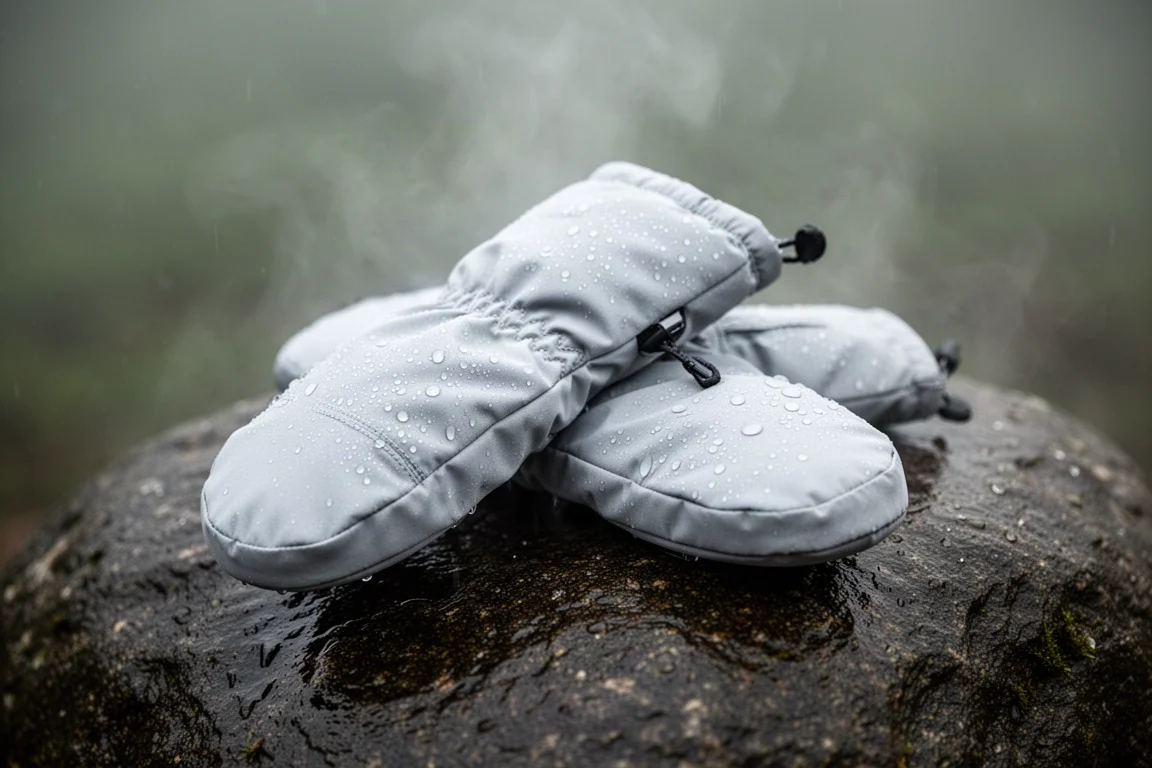
The limit shows up in genuinely cold rain. Once temperatures drop, fingers sitting in separate glove compartments lose warmth quickly, which is why a mitt designed to sit over an insulated glove is worth adding to the kit.
Waterproof Backup: Zpacks Vertice Rain Mitts
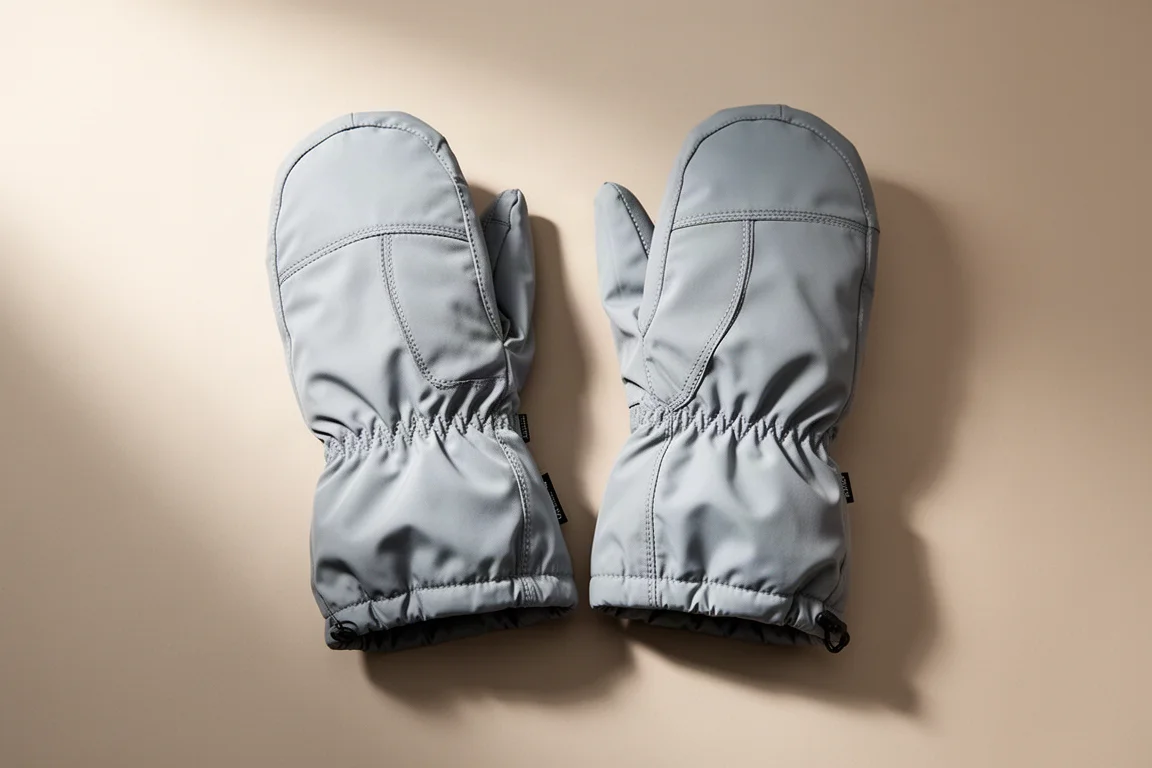
The Vertice rain mitts are a lightweight waterproof shell for your hands. Worn over down or synthetic gloves, they keep every finger in one shared pocket of warmth instead of five separate ones, which makes a noticeable difference once the rain turns cold and the wind picks up. They are light enough to carry as insurance on any shoulder-season trip.
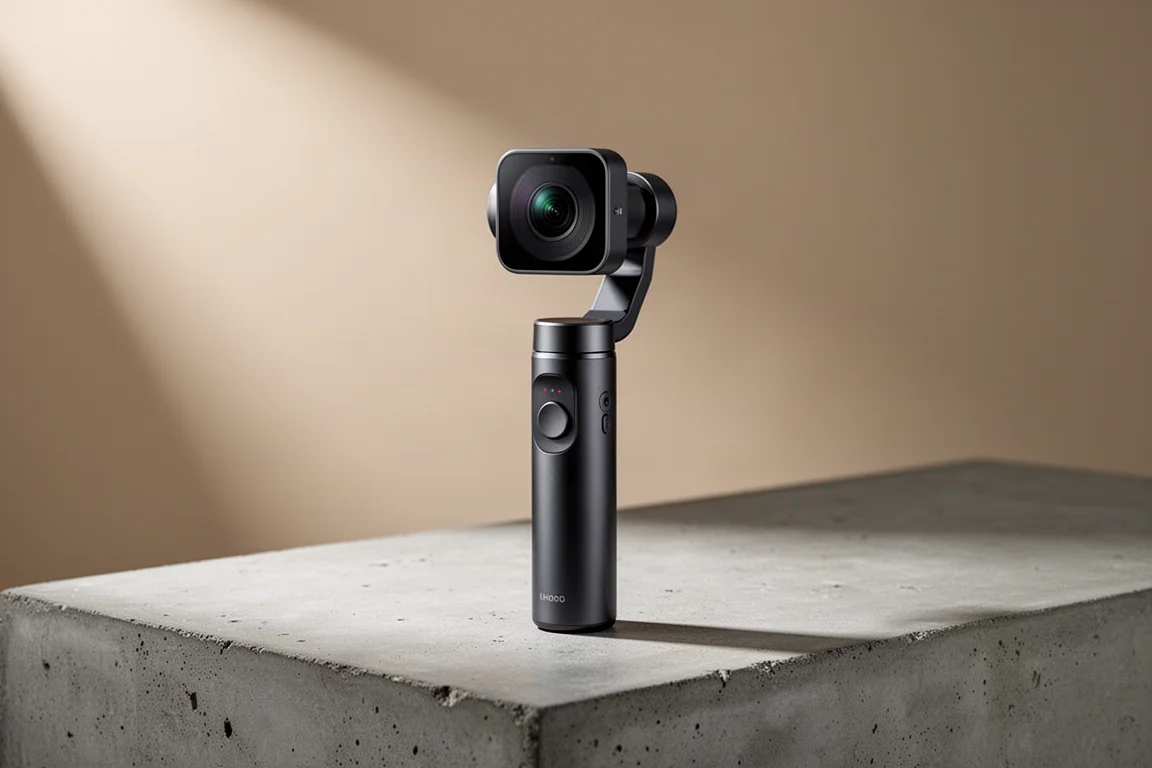
A Field Camera Upgrade: DJI Pocket 3
The Pocket 3 improves on the Pocket 2 in several ways that matter on the trail. Image quality is better, subject tracking is noticeably improved after the earlier model fell short, and the camera shoots slower slow motion. A low light setting helps after sunset, and preset modes handle time lapses of clouds and sunsets without much fiddling. The screen is also slightly larger, which is welcome when you are checking a shot outdoors.
The trade-offs are straightforward: it is about 2 oz heavier than the Pocket 2 and it costs more.
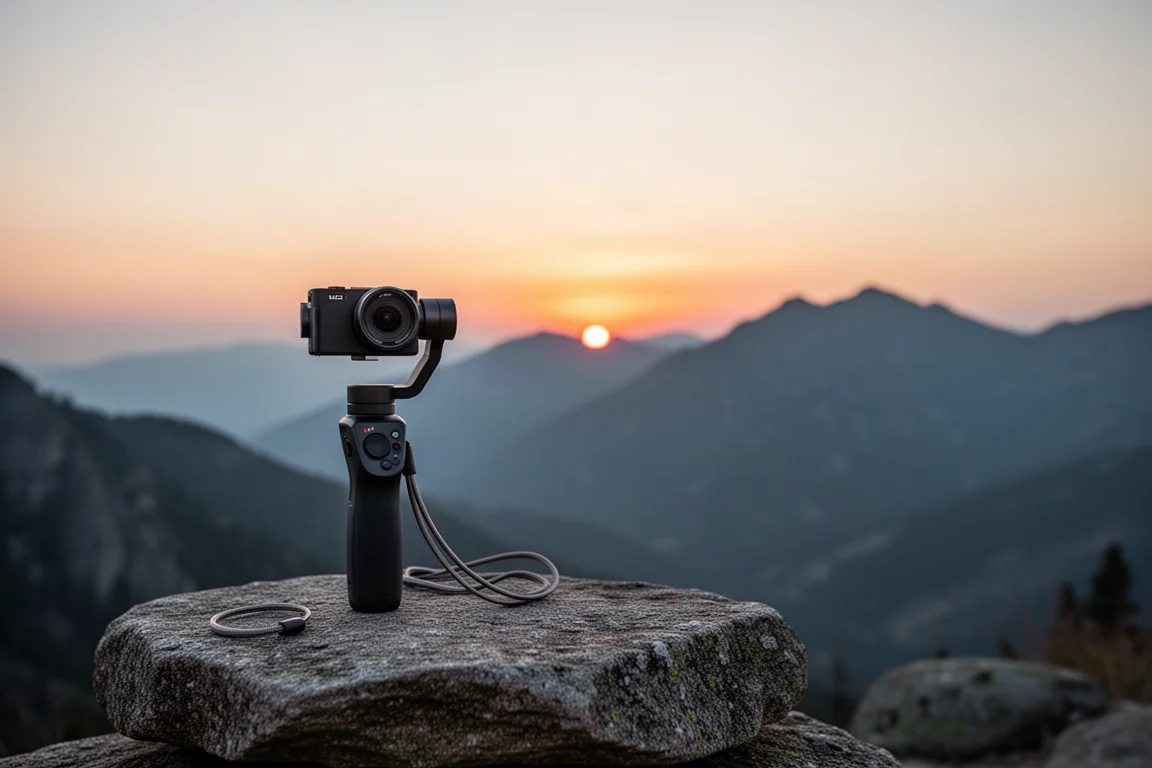
For anyone filming trail footage, the tracking improvement alone justifies the upgrade, and selling the older unit helps offset the difference.
Buying Advice: Match Gear to Conditions
Capacity ratings are ceilings, not targets. If your load sits close to a pack’s maximum, the carry will feel worse than the numbers suggest, so step up a size class rather than forcing a lighter pack to do the work.
Shelter choice comes down to how you sleep. Cold sleepers gain more from a fully enclosed, zippered shelter than from generous ventilation, while warm sleepers may prefer the airflow. Insulation choice is usually decided by allergies and packability priorities, and it is fine to accept a few extra ounces for a synthetic quilt that packs down well. Hand protection is the cheapest comfort upgrade on this list: a waterproof shell over an insulated glove costs little and changes how a wet, cold day feels.
Conclusion
None of these items is essential on its own, and none of them needs to be bought at once. Start with the piece that causes the most friction on your trips, whether that is a pack that no longer carries your load comfortably, a shelter door that will not stay sealed, or hands that go cold in the rain. Once that item proves itself, the gear it replaces can move on, and the kit gets lighter and more predictable in the process.
Further reading
Related Reviews

Backpacking Gear
Building a 10 lb Base Weight: An Ultralight Backpacking Gear List
A practical walkthrough of the ultralight pieces behind a 10 lb base weight, from a 765 g pack and a roomy one-person tent to a full camp chair and a dependable water filter.

Backpacking Gear
A 15-Pound Lightweight Backpacking Gear List for Solo Trips
A beginner-friendly 15-pound backpacking setup built from easy-to-find gear, with notes on what each piece does, how it packs, and where to spend your attention.

Backpacking Gear
8 Ultralight Backpacking Gear Upgrades Worth Carrying
Eight small, affordable backpacking upgrades that solve real trail annoyances, from a pillow that stays put to a fuel valve that rescues leftover canister gas.