Backpacking Gear
Ultralight Backpacking Gear Under $10: 8 Small Swaps Worth Packing
Eight inexpensive ultralight swaps for backpackers, from toothpaste tabs to pack liners, with what each one does well and where it falls short.
Introduction
Ultralight backpacking has a reputation for being expensive. Replacing a tent, a sleeping bag, or a pack can cost hundreds, and that is where most of the weight sits. The cheaper wins are smaller: the toiletry kit, the odds and ends in a stuff sack, the little things that quietly add grams without anyone noticing.
This roundup covers eight inexpensive items that target exactly those small, heavy habits. None of them is a miracle. Each one solves a narrow problem well, and a couple come with trade-offs worth knowing before you order.
How These Picks Were Chosen
Four things matter here: how much weight each item actually removes, what it costs, how well it survives repeated use, and whether it solves a problem hikers actually have. Cheap gear is only a good deal if it stays in your pack trip after trip. Everything here is a substitute for something heavier, not an addition to your kit.
A few of these have real drawbacks, and those are called out plainly. A blade without a lock, a bidet that shares a bottle with your drinking water, and a soap that only makes sense on longer trips are all worth thinking about before you buy. The rest are straightforward swaps that cost less than a fast-food lunch.
Unpaste Toothpaste Tabs
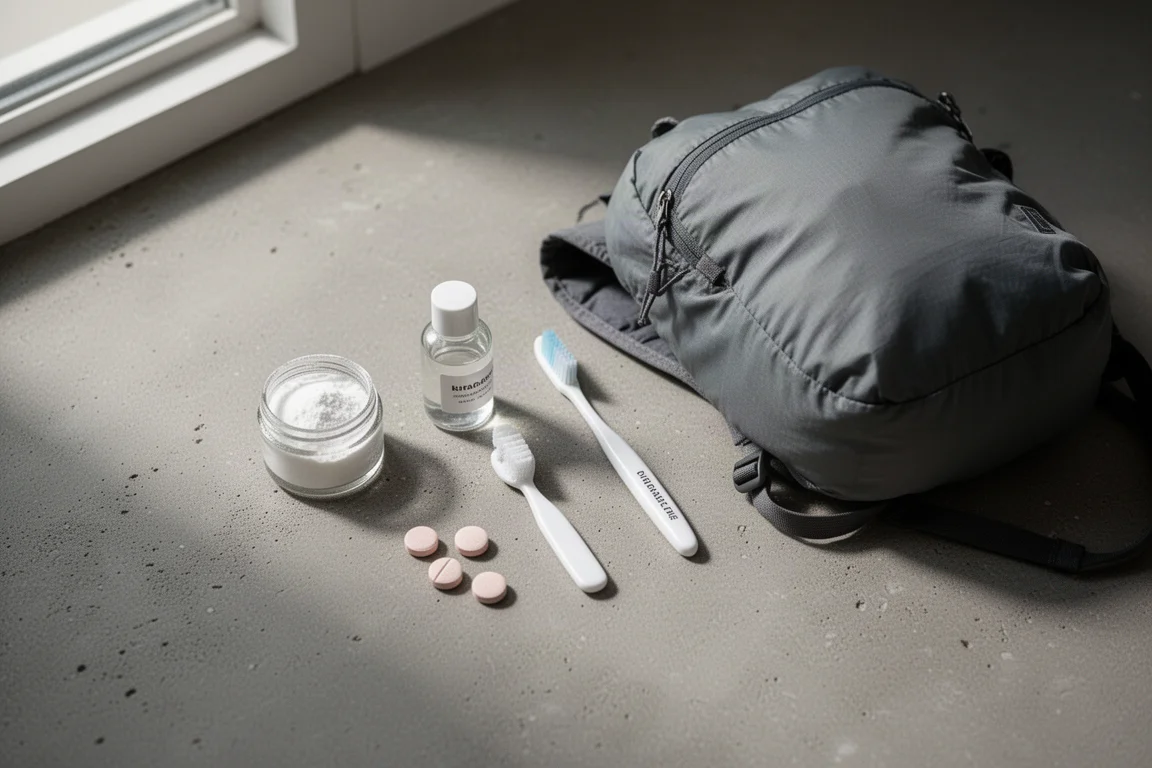
A tube of toothpaste is mostly water, packaging, and air, and it is one of the least efficient things in a toiletry kit. Toothpaste tabs replace it with small solid nuggets that you chew and brush with a wet brush. Because they are individual, you can count out exactly what you need: six tabs for three days of twice-daily brushing, or three if you brush once. They also cannot leak into your pack if a cap comes loose, which is a problem a tube will eventually have.
Unpaste is one of the drier formulas available. A 125-tab pack lasts a long time, and small travel-size packs make it easy to try before committing. Containers are sold separately, so plan on a tiny jar or a snap-cap bottle to hold them.
Huppy Toothpaste Tabs
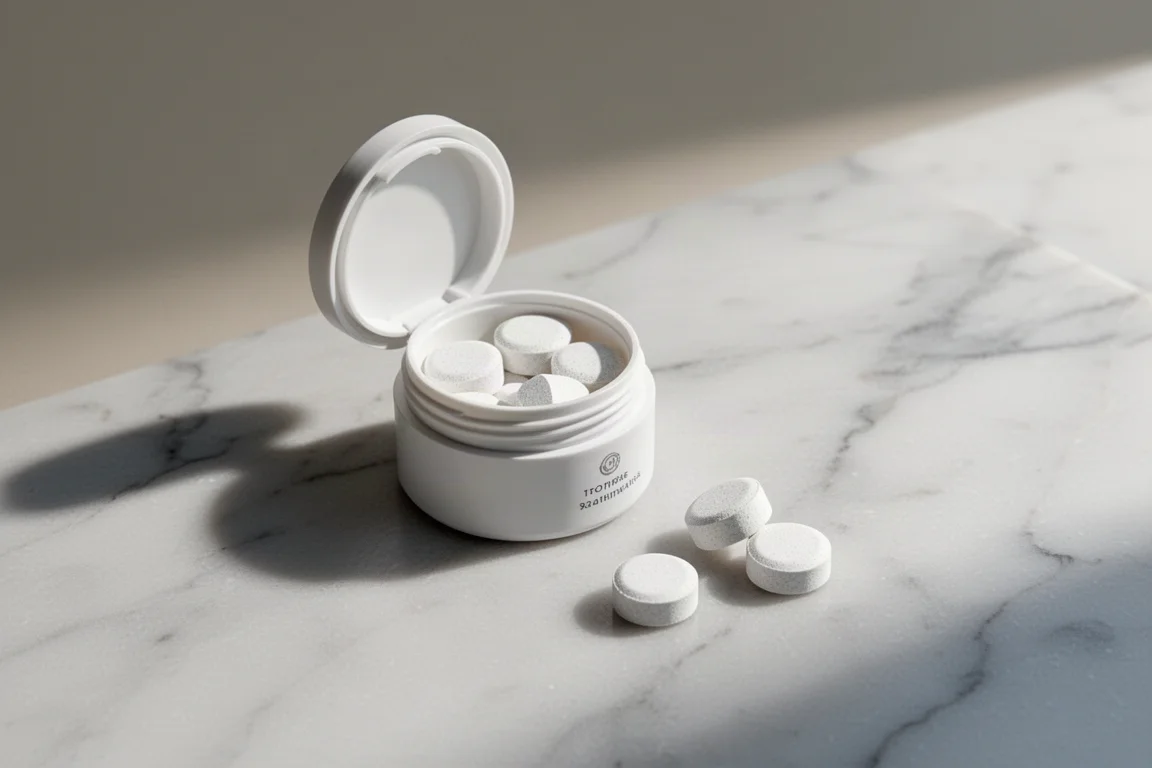
Huppy is the other well-known name in this category, and the main difference is texture. These tabs are a little frothier than the drier options, which some people prefer because it feels closer to brushing with paste. Tabs in general come in fluoride and non-fluoride versions and in flavors including mint, cinnamon, watermelon, and charcoal, so there is a version for most preferences.
The practical case is the same as any tab: no tube, no leaks, and only as many brushings as your trip requires. If you have tried a drier tab and found it unpleasant, a frothier one is worth a second look.
Common Gear Bidet
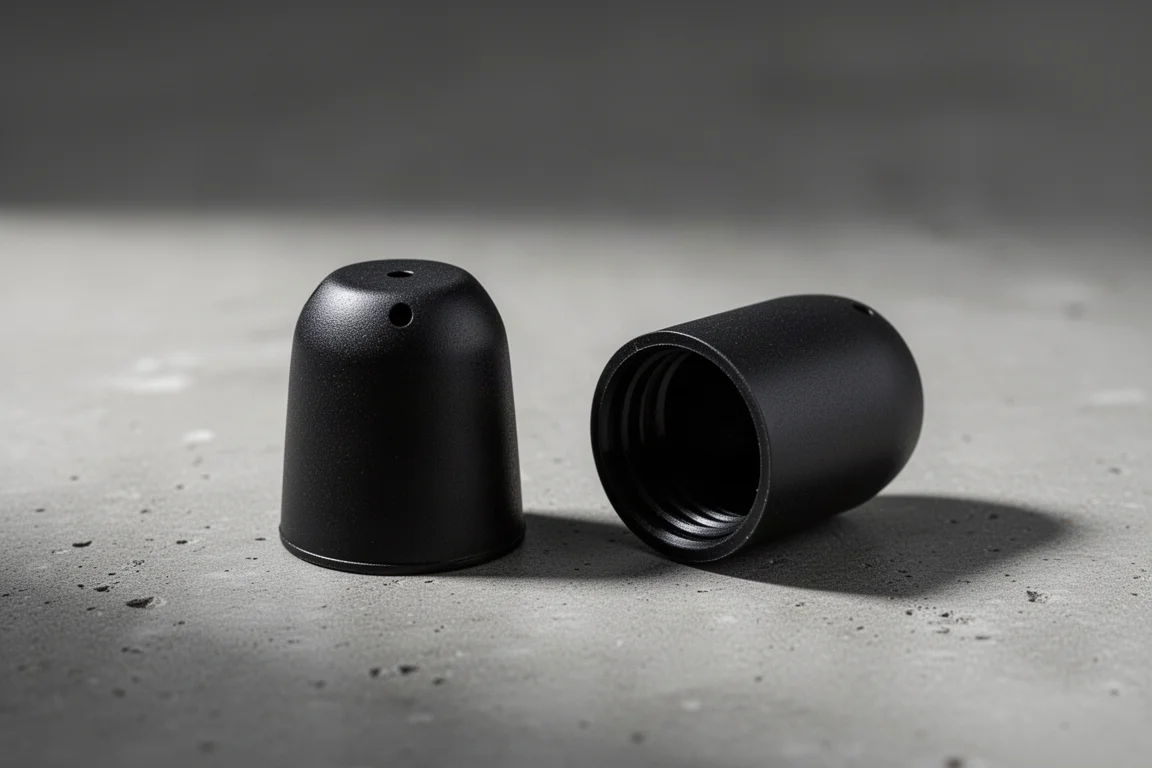
Toilet paper is heavier than it looks, and it is one of the easier things to cut down on. A trail bidet is a small cap with a single hole that fits a standard water bottle. This one weighs about 3 grams, which is about as light as the category gets, and it produces a small, steady, surprisingly precise stream.
It comes from Common Gear in a two-pack for about $10. Two things to consider: the cap goes on a bottle you may also drink from, so many hikers pair it with a dedicated soft flask as part of a bathroom kit, and a two-pack is a lot of money for a cap. Even so, a bidet can reduce how much paper you carry, which is the actual weight saving.
P Outdoors Summit Suds
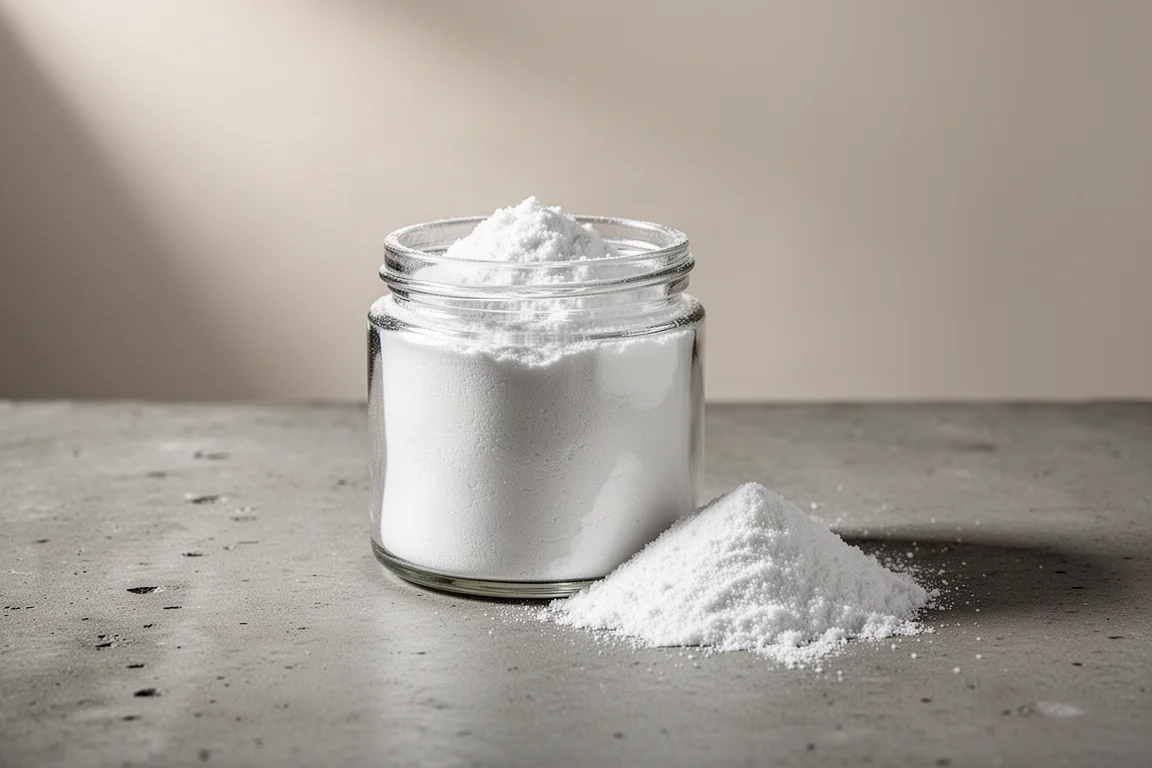
Liquid soap and soap bars are heavy for what they do. Summit Suds is powdered soap, sold in 1 oz and 3 oz sizes, that you pour out and activate with a little water. You carry only what the trip needs, and there is nothing to leak. A small amount goes a long way, and it cleans hands, dishes, and surfaces.
Whether you need soap at all is a fair question. On short trips many hikers skip it entirely, and on longer trips it earns its place for hand washing and dishes. If you are in the second group, powder is a smarter format than a bottle.
The trade-off is simple: powder requires water and a moment of effort, while a bar or bottle is ready instantly. On a trip of a week or more, the weight difference is usually worth that extra step.
Derma-Safe Razor Knife
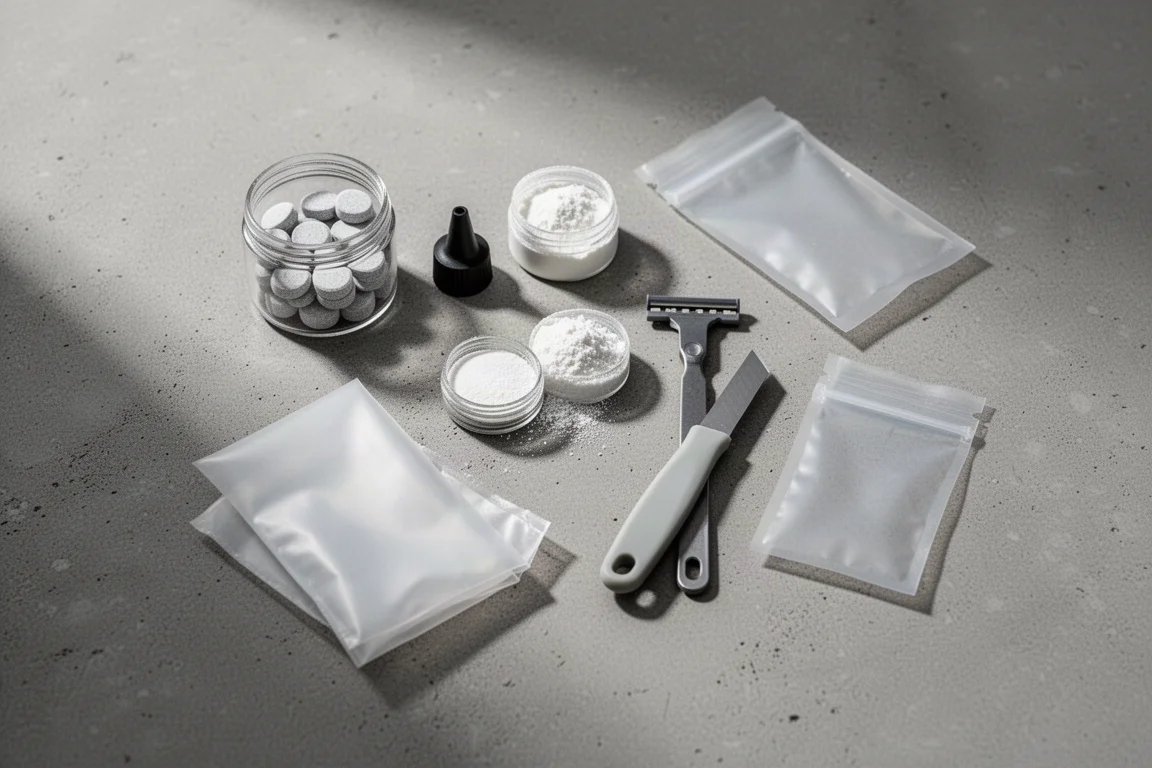
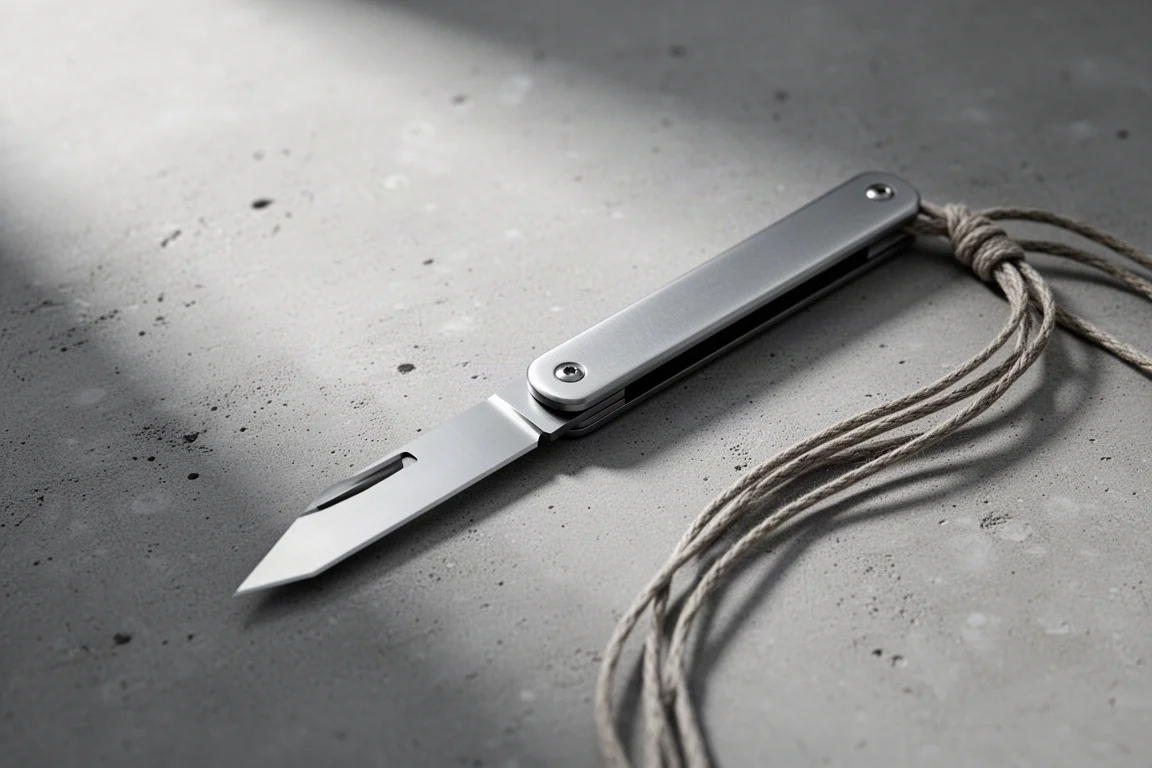
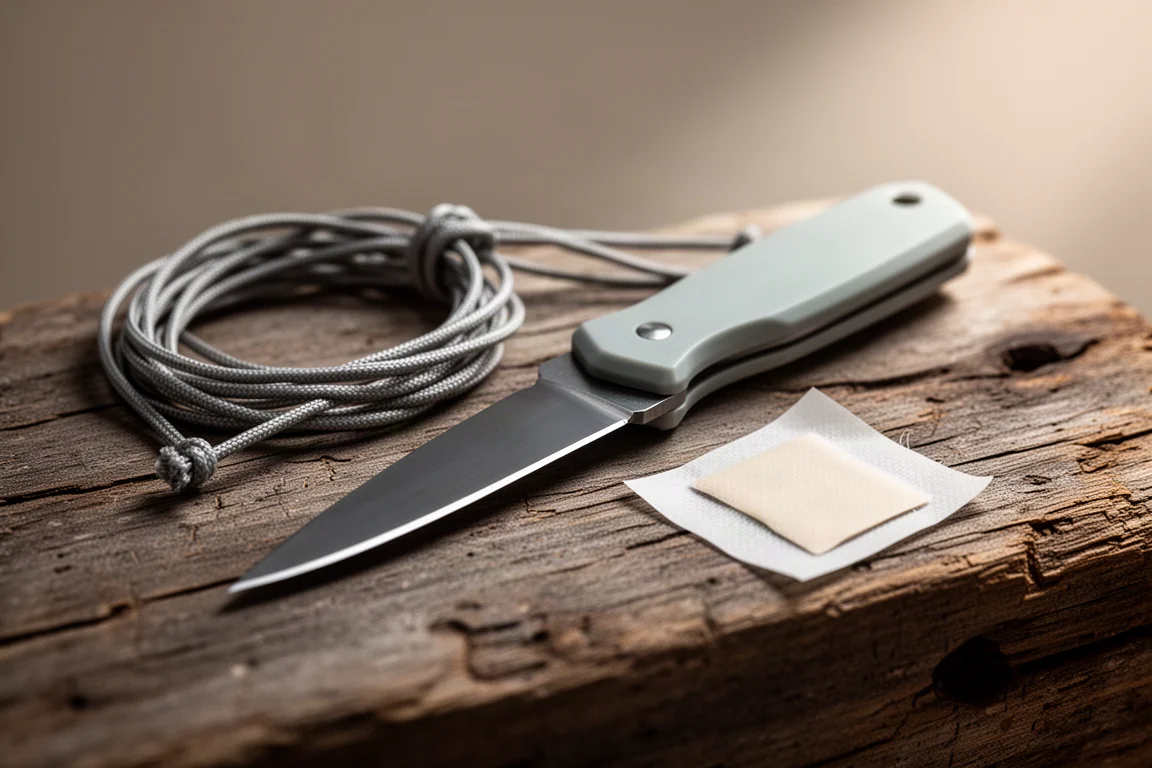
Most multi-tools carry far more features than a hiker uses. If all you need is to cut a length of cord, open a food package, or slice a piece of summer sausage, a razor blade knife does the job at a fraction of the weight. This one is remarkably light, costs very little, and handles small tasks like trimming moleskin without complaint.
There is a real caveat. It has no locking mechanism at all, so the blade can fold while you are using it. In a workshop that is manageable. Miles from a trailhead it is a genuine risk, and a cut hand on day two is a trip-ending problem. If a lock matters to you, this is not the tool.
Nylofume Bag
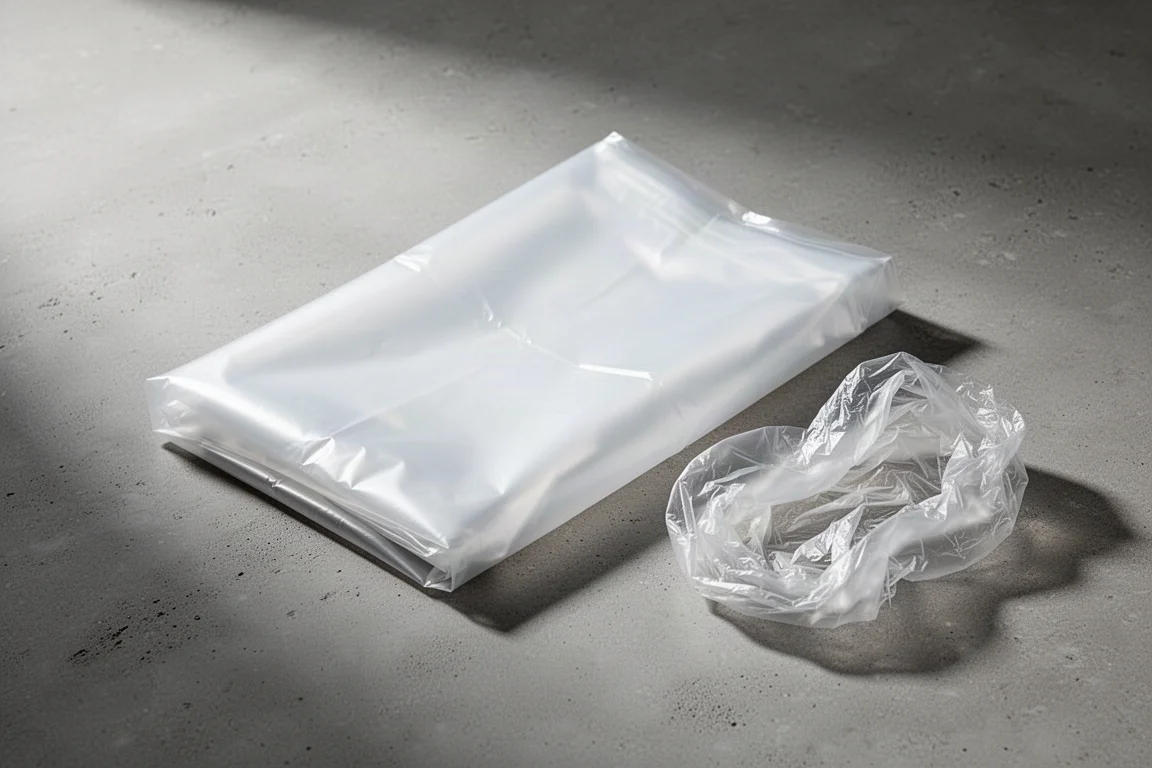
A pack liner keeps your sleeping bag and spare clothes dry, and it does not need to be fancy. Nylofume bags were originally made for fumigation, so they are designed to hold contents safely and keep odors contained. In practice, that makes them a tougher alternative to a standard trash bag, and much harder to puncture.
They cost around $2.50, which makes them one of the cheapest genuine weight-and-worry savings on this list. Treat the film with some care, since thin plastic does not last forever, but as a liner it does the job for very little money.
Smelly Proof Bags
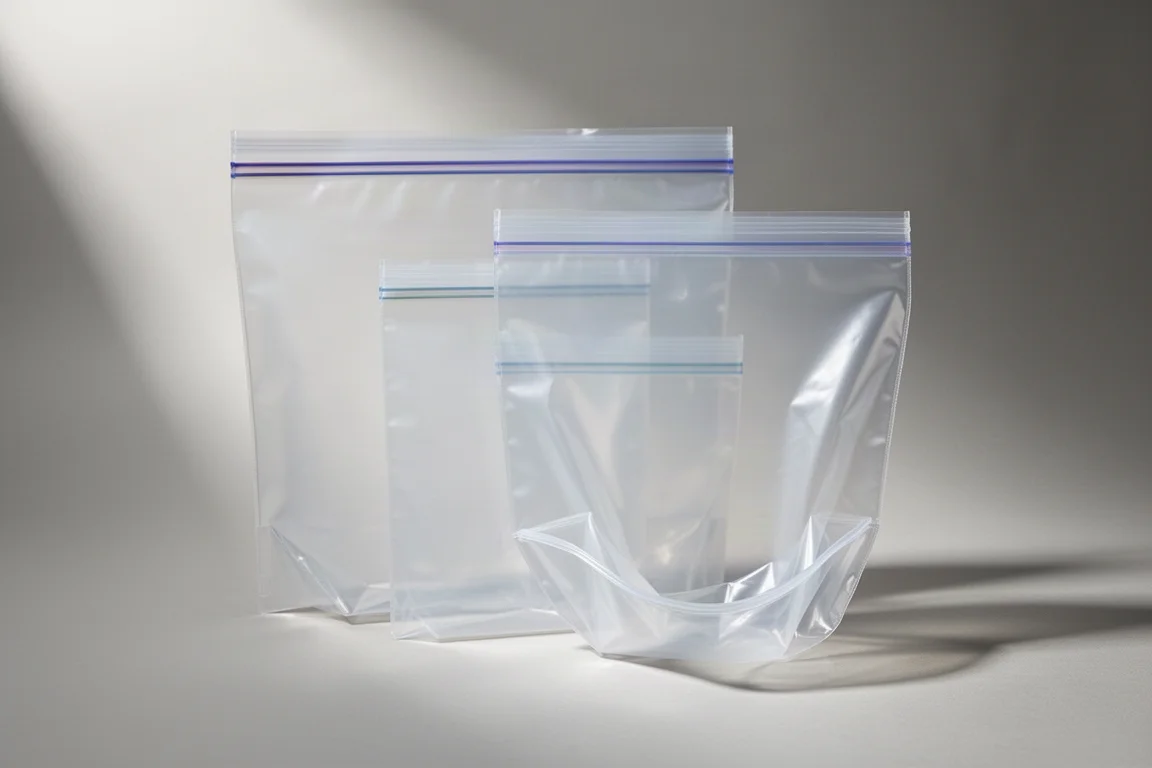
Odor control matters in bear country and in any campsite where rodents are bold. Smelly Proof bags are small resealable bags with a film that traps smells and resists punctures better than a standard zip bag. They are reusable many times, which offsets the cost quickly.
They work well for food and for toiletries, and they can double as lightweight stuff sacks for small items. Sizes are small, so they suit repackaging rather than bulk storage. If you plan to reuse them, keep garbage out of them.
Their main advantage over ordinary zip bags is durability and smell containment. For a few dollars, that is a reasonable upgrade for anyone who has watched a rodent take an interest in a food bag.
Security Toothbrush
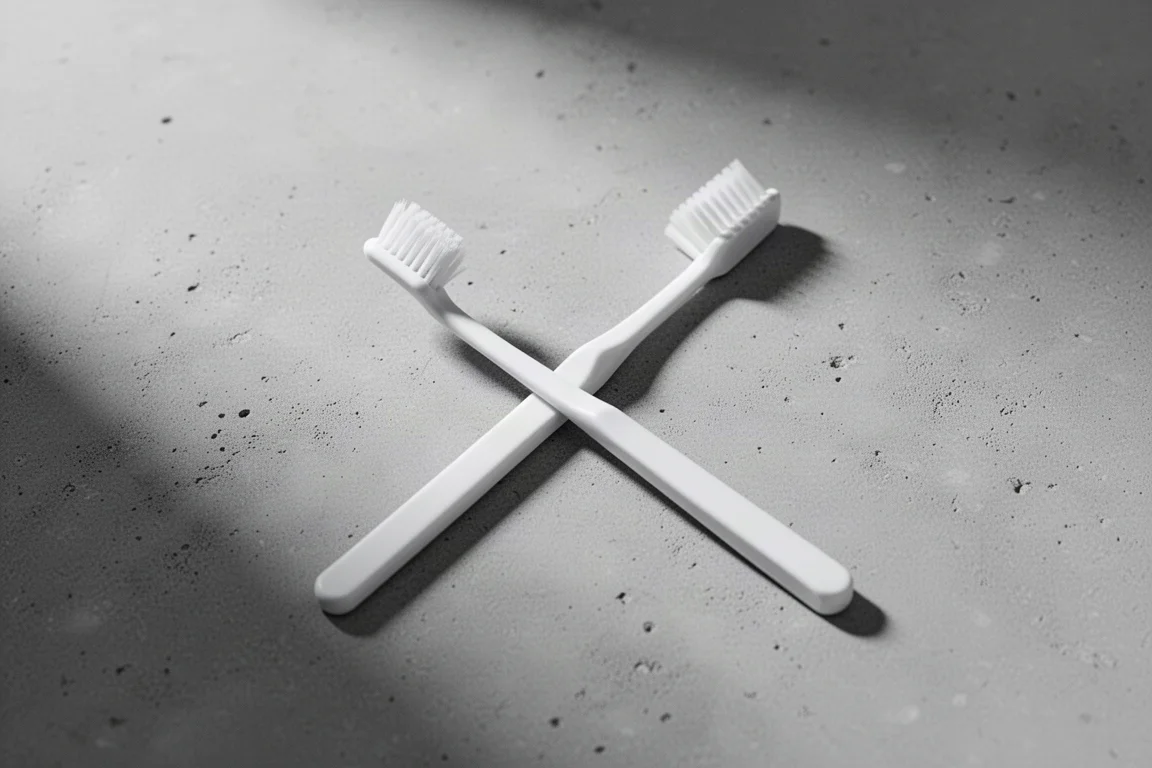
A full-length toothbrush is awkward in a pack. It pokes holes in stuff sacks, and it takes up more room than it deserves. This brush was originally designed for secure settings, where the design cannot be adapted into anything else, and it is about as light and compact as a toothbrush gets. It has a small thumb grip on the handle for control.
It will not last as long as a standard brush, and reaching the back teeth takes a little more care, so clean hands help. As a cheap, small, and light replacement for a full-size brush in a toiletry kit, it makes sense.
Other Small Items Worth a Look
A few other low-cost swaps belong in the same conversation. A closed-cell foam sit pad, around $9.99, replaces a chair or stool for short breaks, and it doubles as a foot mat under a shorter sleeping pad or as a clean spot to stand while getting in and out of a tent. It has no moving parts to fail, which is more than can be said for a camp chair. A lightweight inflatable pillow is the lightest option for anyone who insists on something under their head, and it can also serve as a knee pillow for side sleepers, though it is not especially comfortable and can be fiddly to deflate. Finally, tiny snap-cap bottles and small dropper jars cost well under a dollar each and make it easy to repackage sunscreen, painkillers, soap, and eye drops into exactly the amount a trip needs. Buying them in bulk brings the price down further.
Overall Buying Advice
If you are starting from scratch, pick the swaps that match a habit you already have. Someone who carries a toothpaste tube should try tabs first, because the change is immediate and the saving is real. Someone who carries a chair will get more out of a sit pad. Someone who fights food odors will notice a liner or an odor-proof pouch more than anything else on this list.
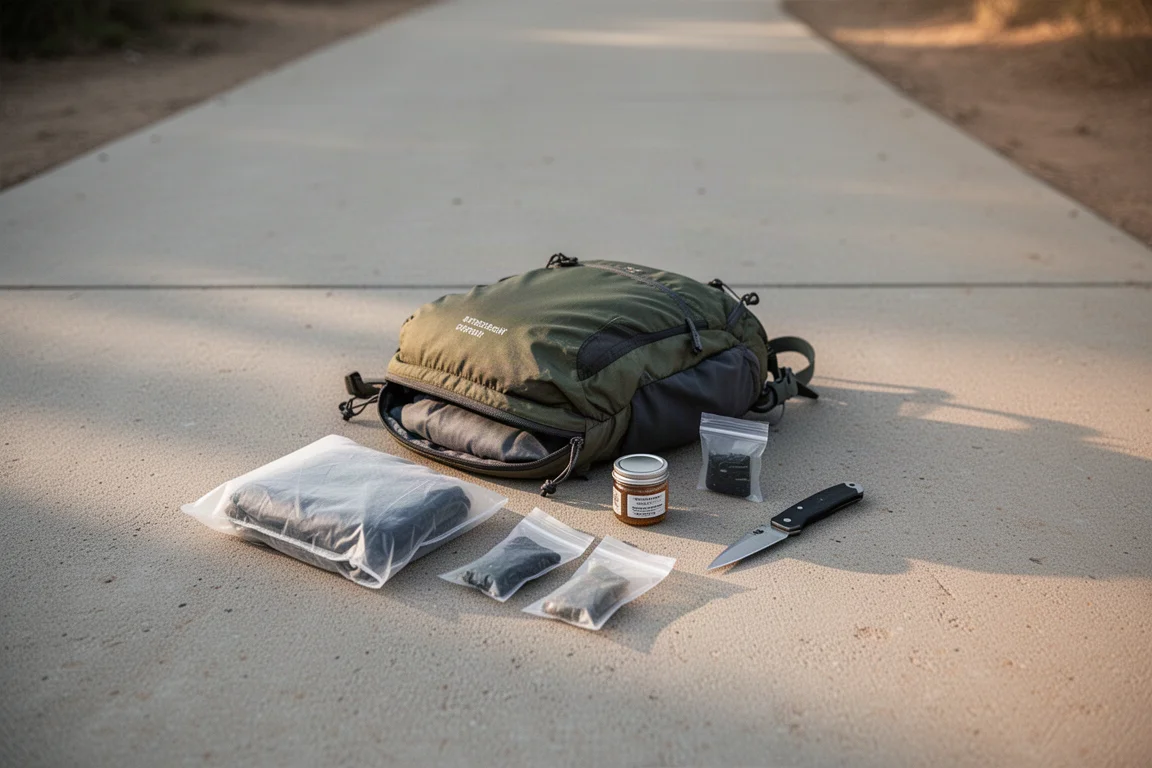
Two items deserve extra caution. The razor knife has no lock, so it is best for people who accept that risk or who rarely need a blade. The bidet is a personal preference, and a two-pack makes it easy to try with a friend. Everything else here is inexpensive enough to test without much regret, and cheap enough that a bad fit is not a disaster.
Conclusion
None of these items will transform a heavy pack on its own. Together, though, they trim the small stuff that quietly adds up: the toothpaste tube, the soap bottle, the toilet paper, the full-size brush, the trash bag liner. Each replaces something heavier you are already carrying. Start with the one habit that annoys you most, and build from there.
Further reading
Related Reviews

Backpacking Gear
Building a 10 lb Base Weight: An Ultralight Backpacking Gear List
A practical walkthrough of the ultralight pieces behind a 10 lb base weight, from a 765 g pack and a roomy one-person tent to a full camp chair and a dependable water filter.

Backpacking Gear
A 15-Pound Lightweight Backpacking Gear List for Solo Trips
A beginner-friendly 15-pound backpacking setup built from easy-to-find gear, with notes on what each piece does, how it packs, and where to spend your attention.
Backpacking Gear
8 Ultralight Backpacking Gear Upgrades Worth Carrying
Eight small, affordable backpacking upgrades that solve real trail annoyances, from a pillow that stays put to a fuel valve that rescues leftover canister gas.