Backpacking Gear
Ultralight Backpacking Gear for a Thru-Hike: 11 Items Worth Considering
A practical guide to ultralight sleeping pads, pillows, trekking poles, down jackets, and trail shoes, with weights, prices, and the trade-offs to weigh before buying.
Introduction
Long-distance hiking turns a pack into an audit. Every item either earns its place or gets left behind at the next resupply, and the categories where small decisions add up fastest are sleep, warmth, and what you carry in your hands.
This guide covers eleven pieces of ultralight gear across five categories: sleeping pads, pillows, trekking poles, down jackets, and trail shoes. The focus is on what each item actually weighs, the conditions it is built for, and where the price sits today, so you can judge whether it fits the kit you are already carrying.
How to Evaluate Ultralight Gear
Start with weight, but do not stop there. A pad that saves two ounces and leaves your legs hanging off the end is a poor trade, and a jacket that is light but useless once it gets damp is worse than one that weighs a little more. Weight is the entry ticket, not the whole decision.
Temperature guidance and construction matter just as much. Sleeping pads are rated by R-value and often carry a suggested temperature range on the packaging, while down jackets are described by fill power and the way they handle moisture. The Big Agnes AXL Air, for example, carries an R-value of 3 and is labelled for use above 35 degrees Fahrenheit, which tells you more about where it belongs than its weight alone.
Packability deserves its own line in the comparison. Poles that fold small are far easier to travel with, and a pillow that packs to nothing costs you almost no space. Price is the last filter, and it is worth checking current listings, because several items in this group have moved down from their original pricing or are discounted in specific colorways.
Sleeping Pads
Sleeping pads are one of the few places where a small weight increase buys a disproportionate gain in comfort. The two options here sit in the same general weight class but solve coverage differently.
Big Agnes AXL Air Sleeping Pad
The AXL Air is 72 inches long, 20 inches wide, and 3.25 inches thick, so it runs the full length of the body rather than stopping partway down. It carries an R-value of 3, and the packaging states it is intended for temperatures above 35 degrees Fahrenheit. The interior is treated to limit antimicrobial growth, which matters for any pad inflated by mouth.
The weight story is the interesting part: it comes in at roughly 1.6 ounces more than an 8-ounce short pad, which is a small penalty for full-length coverage. Pricing has also come down. It was previously listed well over $100, and it now sits anywhere from just under $100 to about $105.
Therm-a-Rest NeoAir X-Lite Sleeping Pad
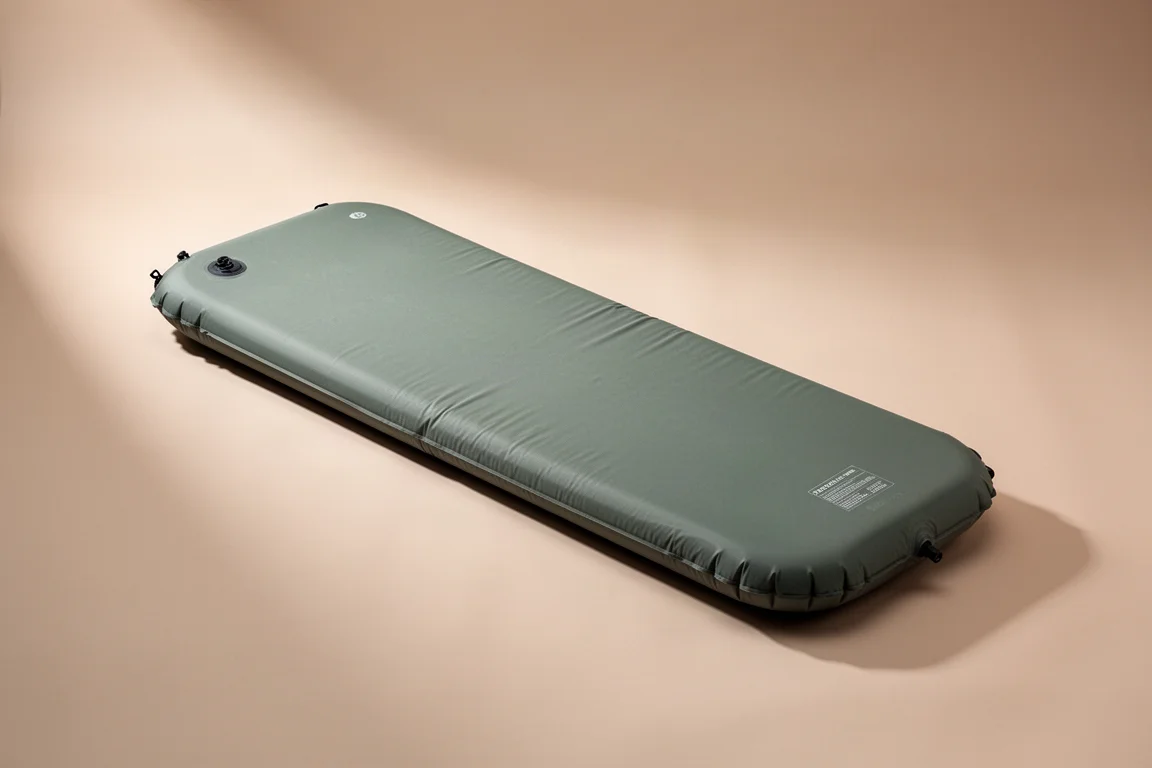
The NeoAir X-Lite is a long-standing reference point for ultralight sleeping, and the short version weighs 8 ounces. The trade-off is coverage rather than weight: the short version runs from the head down to roughly the knees, so the lower legs rest off the pad.
Pillows
A pillow is one of the easiest places to add comfort for very little weight, and the two options here sit at opposite ends of the price scale.
Sea to Summit Aeros Ultralight Regular Pillow
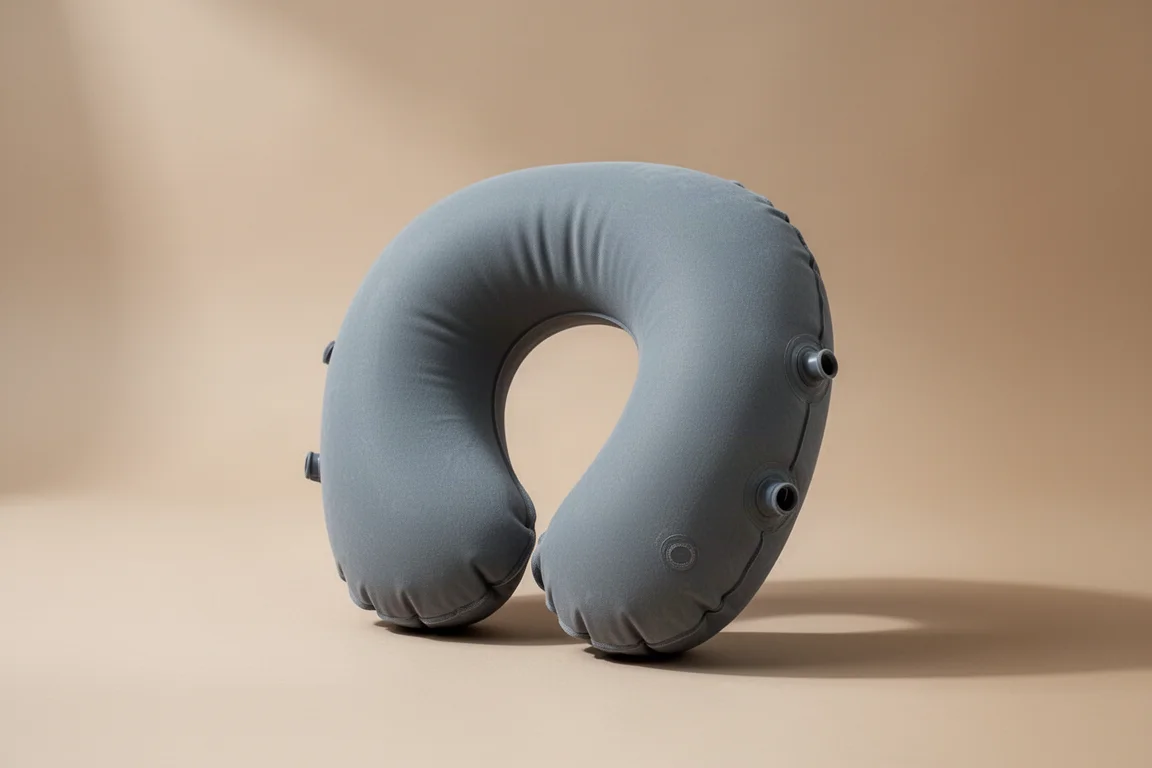
The Aeros Ultralight Regular weighs 2.1 ounces and costs about $40. It uses separate inflation and deflation valves, which makes filling and emptying straightforward instead of a race to seal the plug before the air escapes. The exterior fabric has a soft, slightly fuzzy feel rather than a crunchy or sticky one.
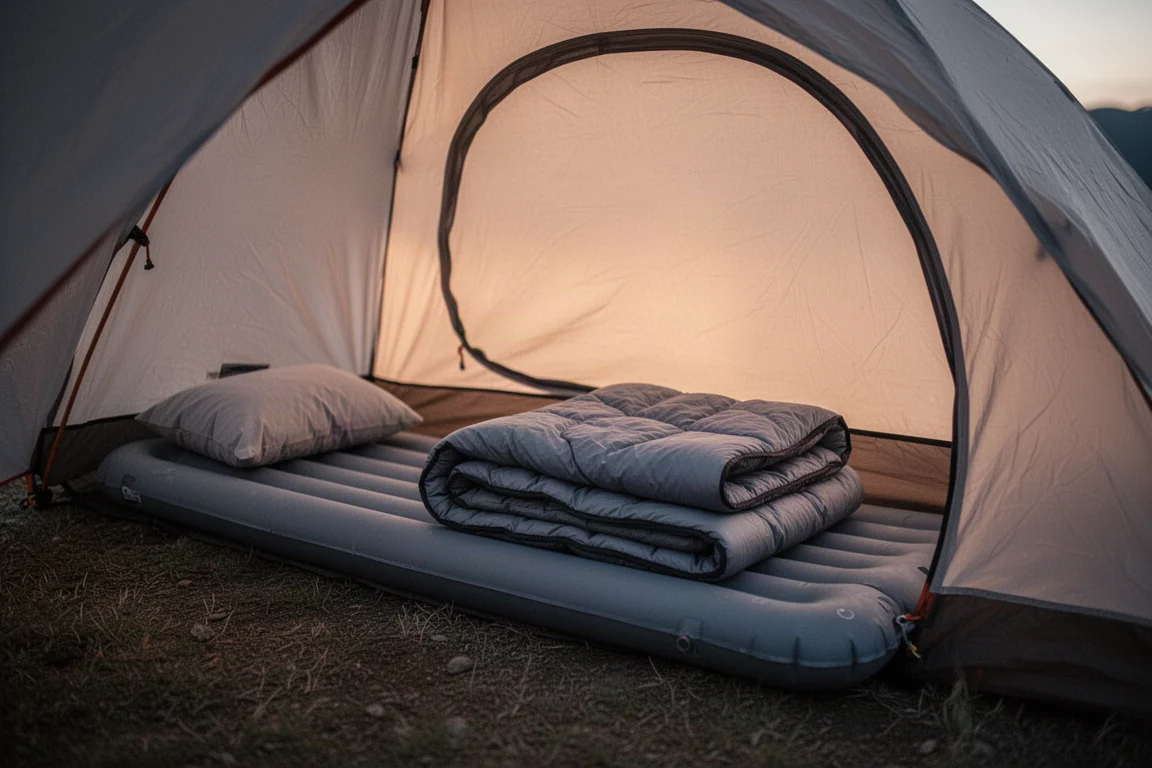
That fabric detail matters more than it sounds. An inflatable pillow that clings to your face is hard to sleep on, and a soft surface means you do not need to drape a jacket over it to make it usable.
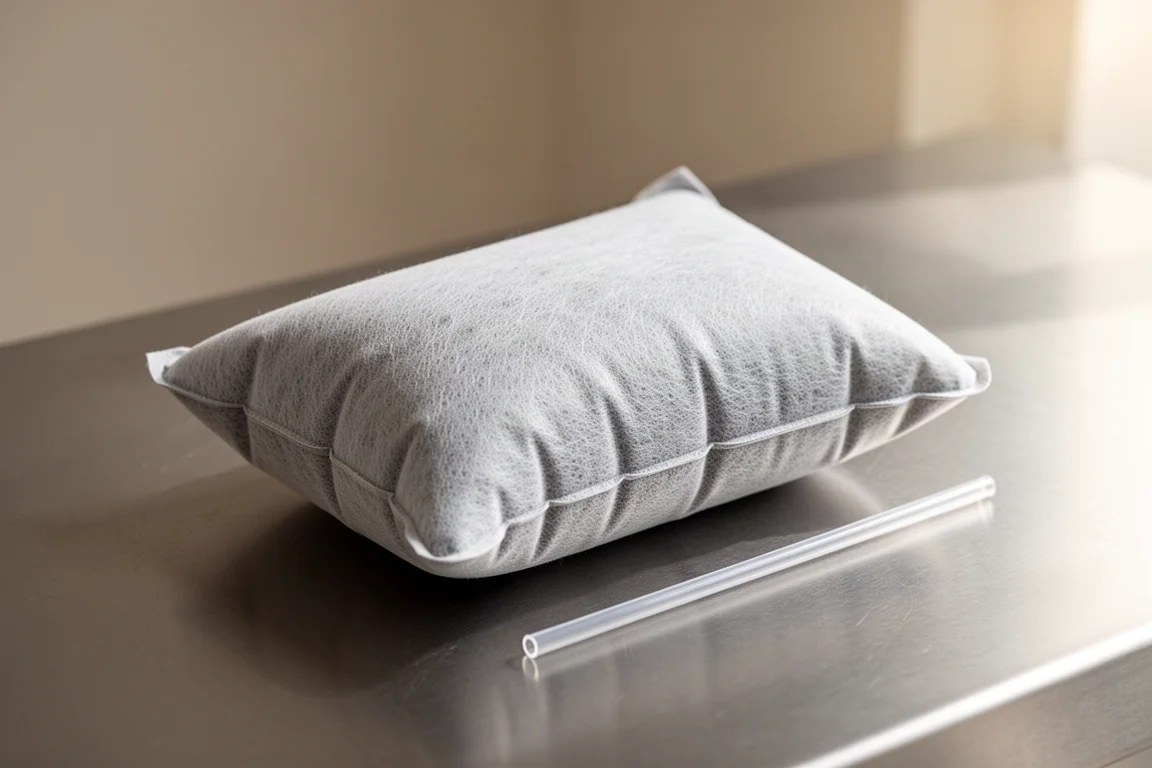
Litesmith Flex Air Inflatable Pillow
The Flex Air is the budget route to a pillow. It inflates with a straw, and it comes in small and large: the small weighs 0.5 ounces and the large weighs 0.9 ounces, just under an ounce. A bundle of three large pillows is $6.95, and a single large pillow is $2.60. The fabric is a non-woven material that does not feel slimy or sticky against the face. At this price, long-term durability is the open question.
Trekking Poles
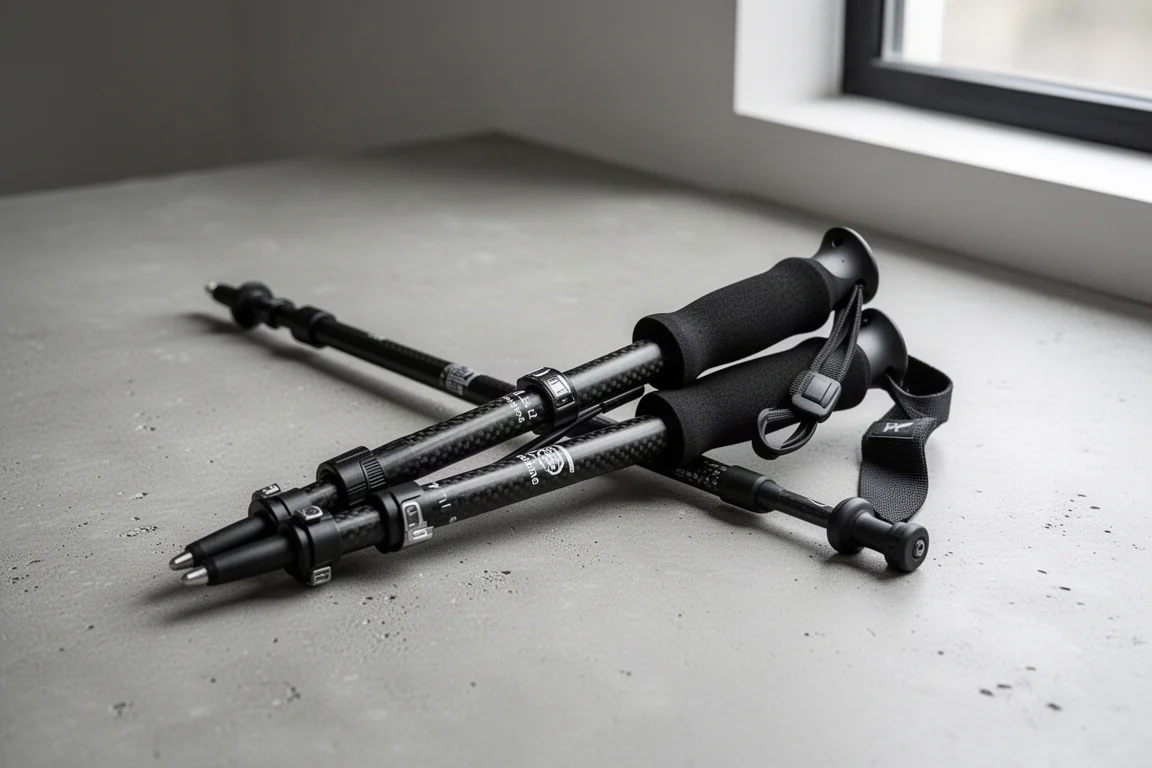
Poles are a personal choice, and the two sets here differ most in how they pack down, what grip material they use, and how much height range they offer.
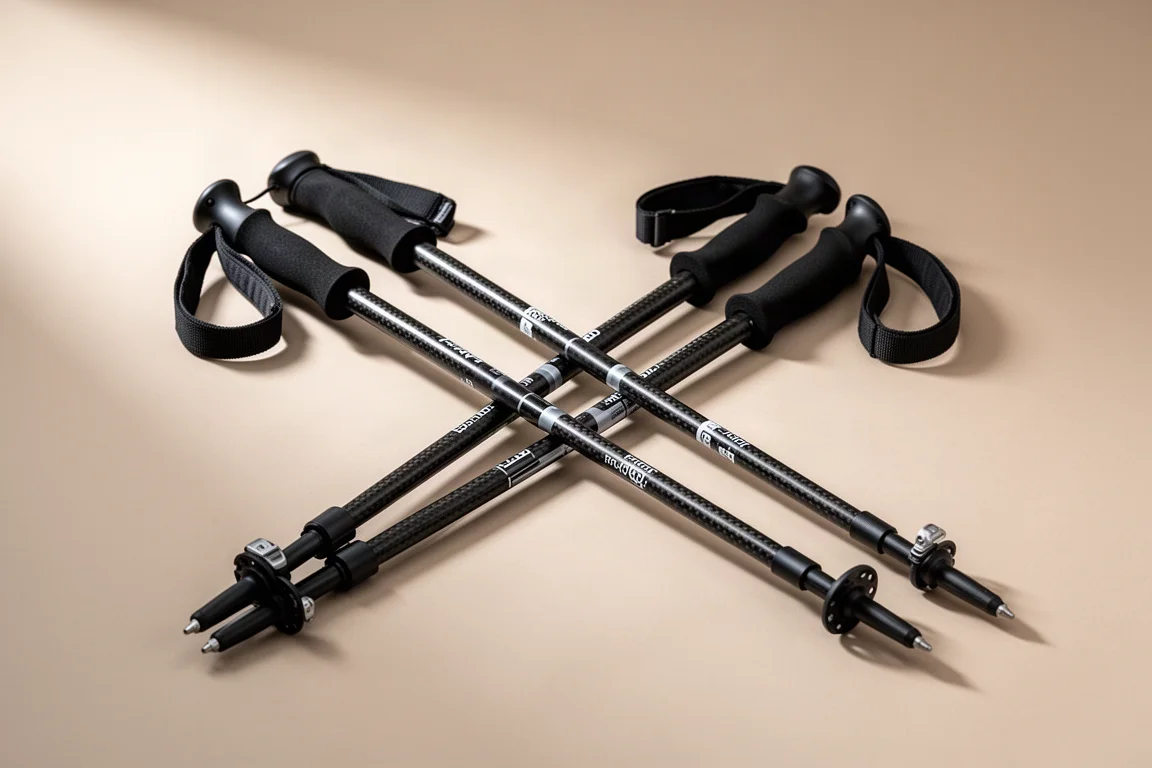
Zpacks Carbon Fiber Trekking Poles
Zpacks sells these poles individually or as a pair, which is useful if you prefer to walk with a single stick. A single pole is $59 and a pair is $99. Together, a pair weighs 14.5 ounces. They come with sturdy clasp blocks and padded wrist straps, and Zpacks covers defects and breakages with a one-year warranty.
They are offered with cork or foam grips. The cork grip version has been on back order, with shipping pushed to the end of the month, so foam is currently the quicker route to a pair.
Leki Micro Vario Carbon Women’s Trekking Poles
The Micro Vario Carbon is a folding carbon pole, which makes it noticeably easier to stow when you are travelling. It uses lever locks, and the women’s version adjusts from 100 to 120 centimeters, a shorter range than the men’s version offers. It is also available only with foam grips.
That 120-centimeter maximum is worth checking against your shelter, since some trekking-pole shelters recommend setting a pole to around 122 centimeters. Two centimeters short of the recommendation is not necessarily a dealbreaker, but it is the kind of detail worth confirming before you commit.
Down Jackets
Down is the warm layer where fill power, wet-weather behaviour, and packability all compete. The three jackets here show how differently brands approach that balance.
Feathered Friends Eos Down Jacket
The Eos uses 900 fill power goose down that is ethically sourced, and it weighs 9 ounces. It typically sits in the upper $300s. Availability is the catch: medium sizes in preferred colors have been out of stock, with a waiting list in place, so this is a jacket to plan around rather than order on impulse.
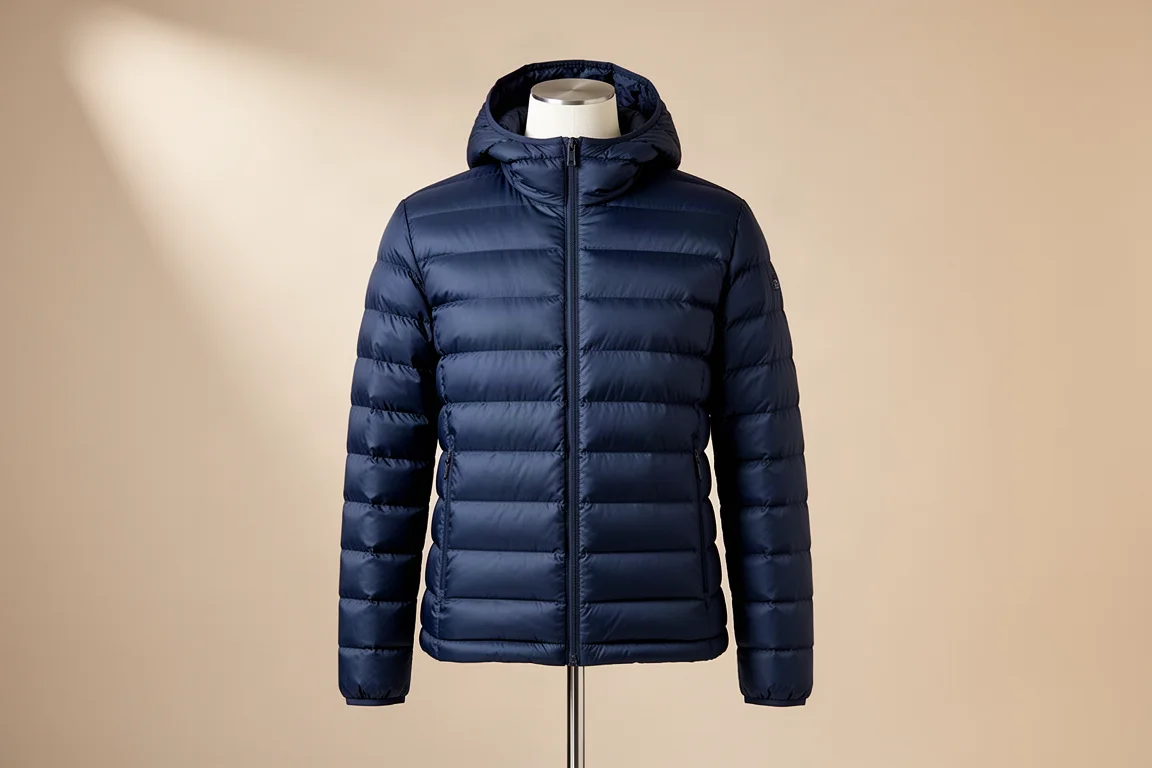
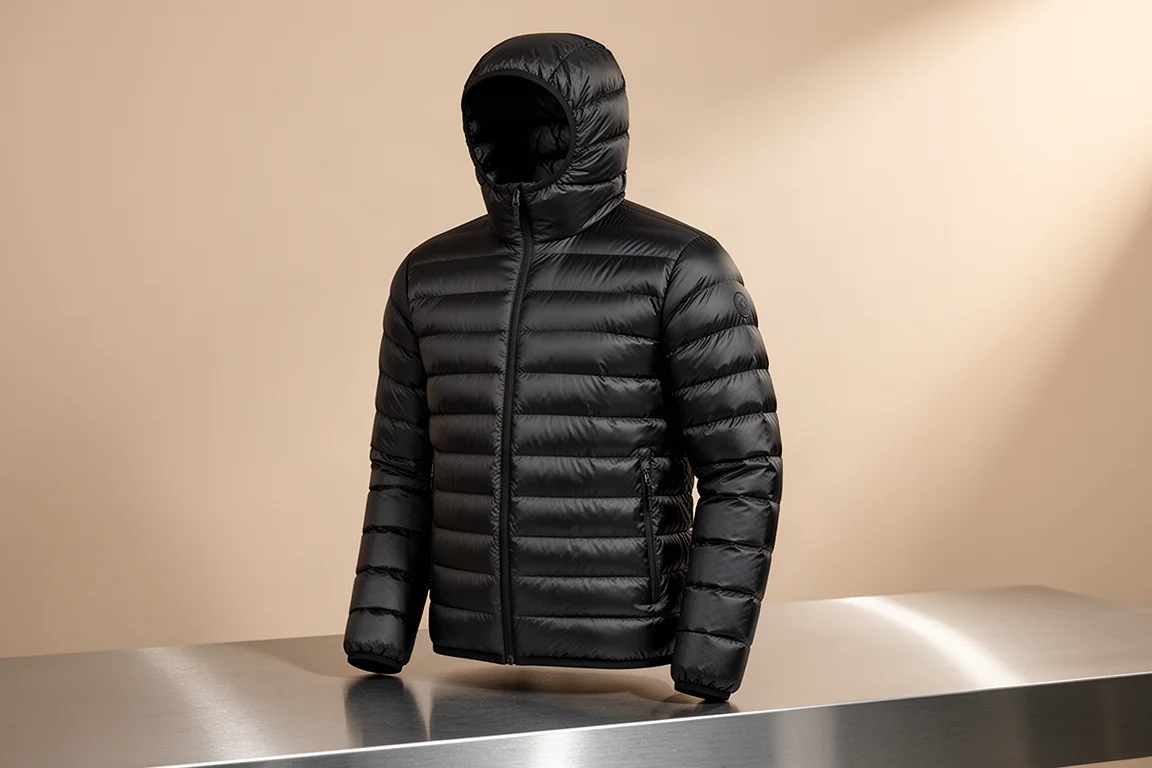
Arc’teryx Cerium LT Hooded Down Jacket
The Cerium LT pairs 850 fill power goose down with synthetic insulation in the areas most exposed to damp. That combination makes sense, because down loses most of its insulating value when wet while synthetic insulation keeps some of it. The claimed weight is 9.3 ounces, and the jacket generally runs in the upper $300s, around $380, with roughly $100 off in select colorways at the moment.
Compared with the Ghost Whisperer, it is described as more wind resistant, more water repellent, and a little warmer overall.
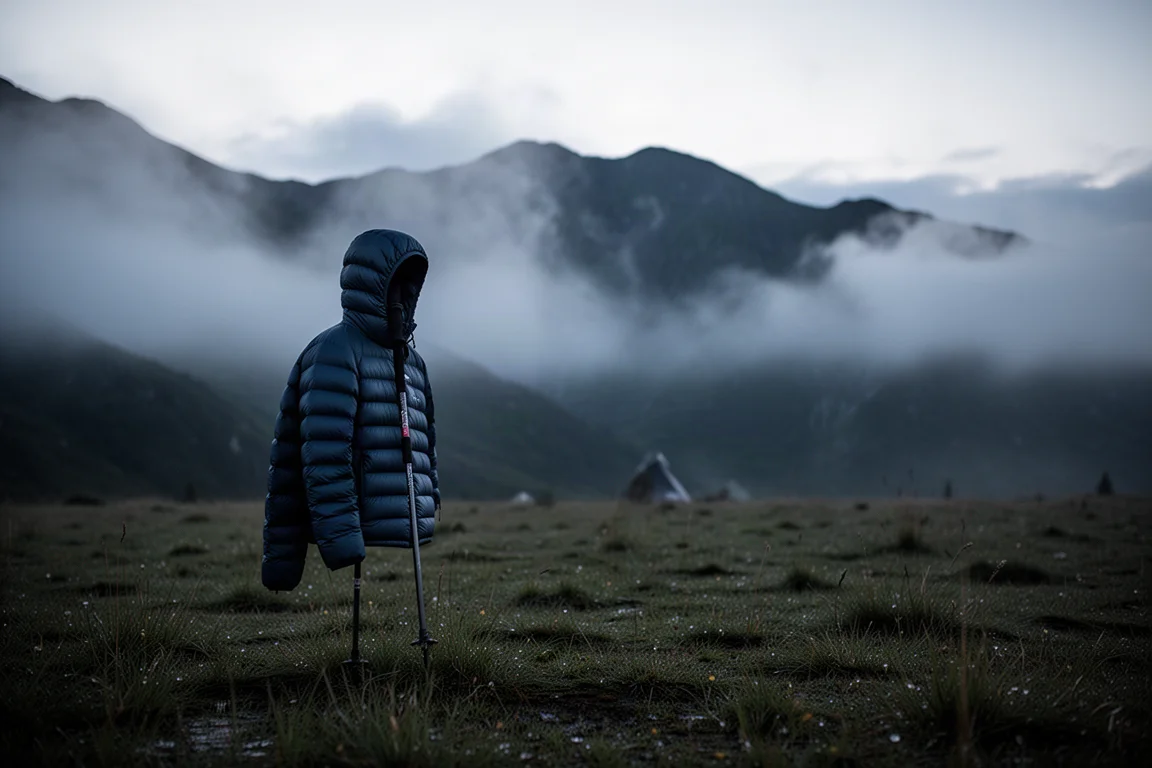
A hood is a meaningful part of that warmth. It keeps the neck and ears covered, and it still leaves room for a beanie underneath, which is why hooded versions tend to be the more versatile choice for cold camps.
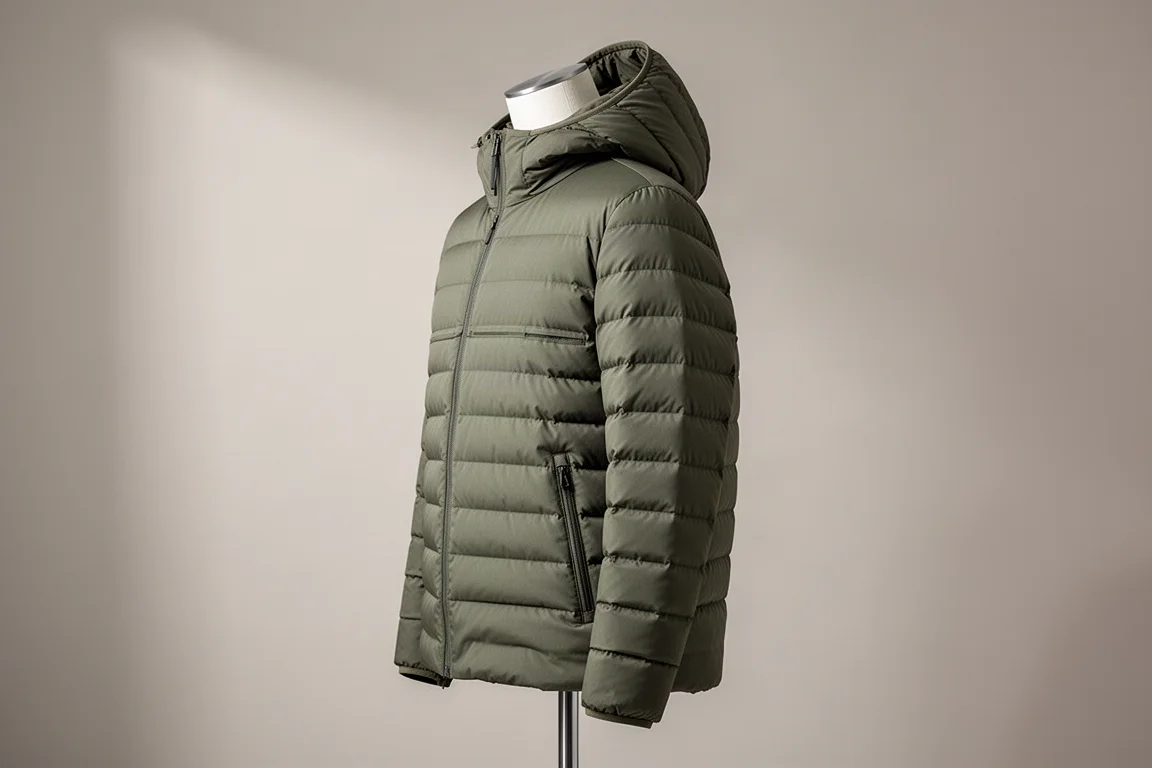
Mountain Hardwear Ghost Whisperer Down Jacket
The Ghost Whisperer has been a long-standing go-to warm layer. Measured against the Cerium LT, it is the less wind resistant and less water repellent option, and it is slightly less warm overall. For hikers who already trust it, the case for switching comes down to whether the extra weather resistance is worth the change.
Trail Running Shoes
Shoe updates matter most when the changes come directly from feedback on the previous version, and that is exactly the situation with this pair.
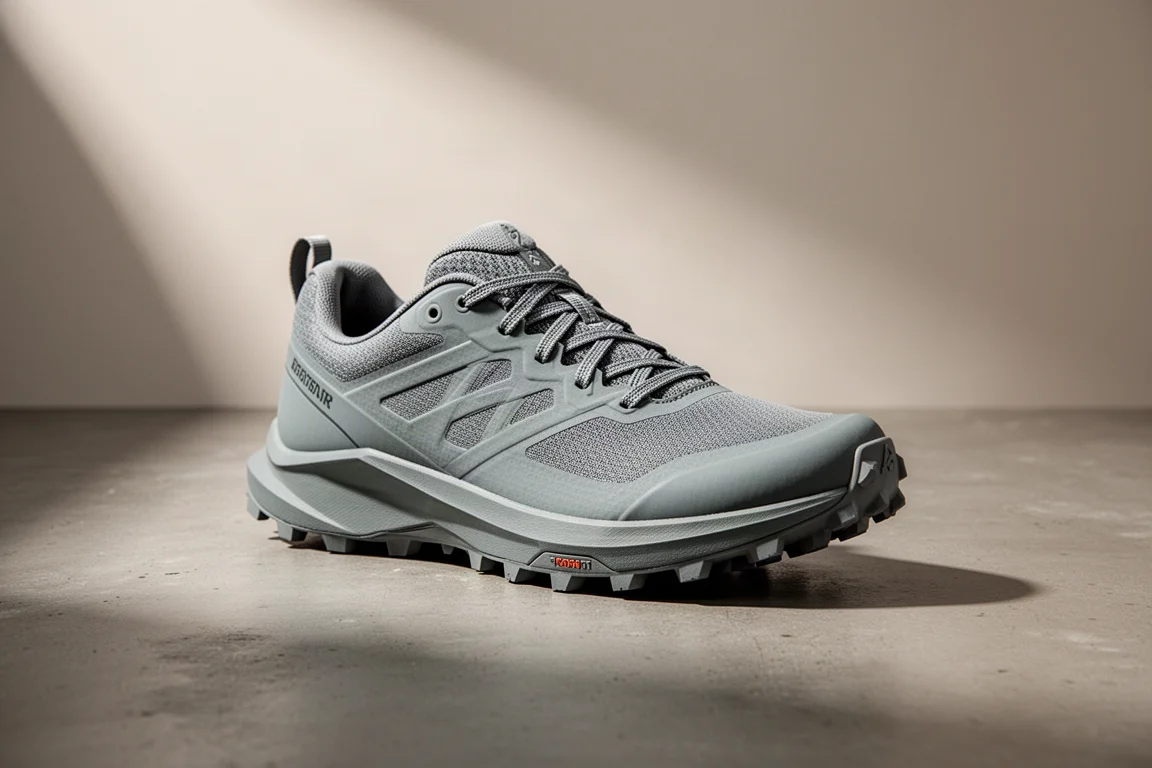
Inov-8 Terraultra G 260
The Terraultra G 260 is the earlier model in this line. It remains the reference point that the newer shoe was built from, and anyone comparing the two should look at stack height and fit rather than assuming the newer version is a straight upgrade.
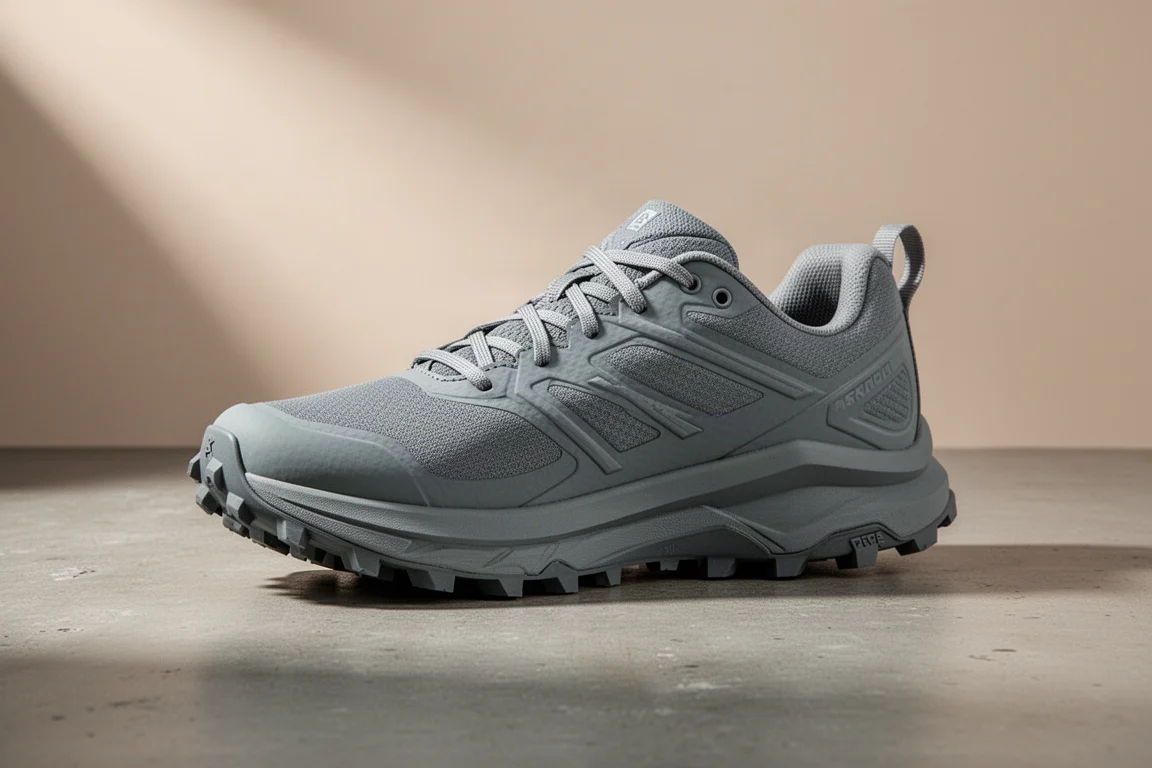
Inov-8 Terraultra G 270
The Terraultra G 270 arrives with a slightly thicker stack height and a set of changes informed by feedback gathered from the G 260. If you liked the earlier shoe but wanted more material underfoot, this is the version aimed at you.
Overall Buying Advice
Match each item to the conditions you actually hike in rather than to the lightest number on a spec sheet. For pads, check R-value, length, and thickness together: an R-value of 3 with a temperature note of above 35 degrees Fahrenheit points to three-season use, and full-length coverage is worth the extra ounce and a half for many sleepers.
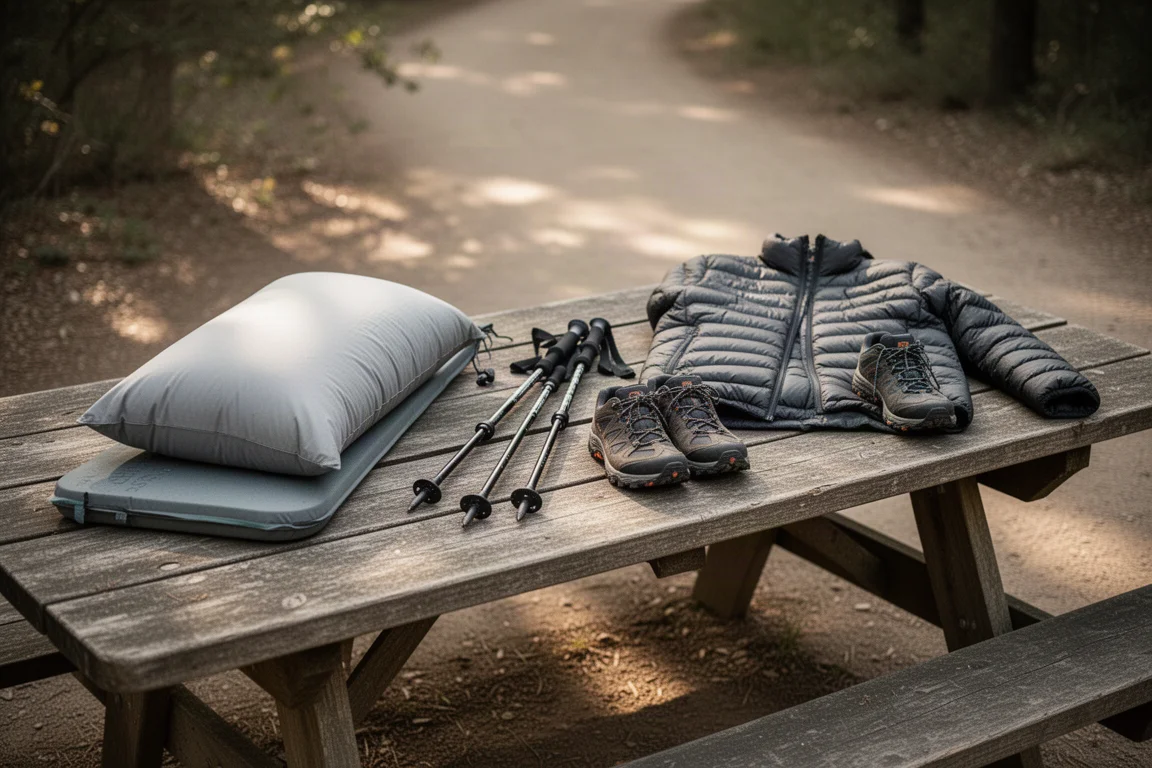
For poles, decide on one or two, then check folded length, grip material, and maximum height against your shelter setup. For down jackets, weigh fill power against how the jacket handles moisture, and factor in whether a hood matters to you. For shoes, compare stack height between generations instead of assuming the newer model suits your stride.
Prices move, so verify current listings before buying. Several items in this group have dropped from earlier pricing, and some down jacket colorways carry deeper discounts than others.
Conclusion
None of these eleven items is a compromise on weight alone. The AXL Air trades a fraction of an ounce for full-length coverage, the Litesmith pillow trades durability for a very low price, the Cerium LT trades synthetic panels for better wet-weather behaviour, and the G 270 trades a little stack height for updated feedback. Decide which trade-off matches your hike, and the pack list gets easier from there.
Further reading
Related Reviews

Backpacking Gear
Building a 10 lb Base Weight: An Ultralight Backpacking Gear List
A practical walkthrough of the ultralight pieces behind a 10 lb base weight, from a 765 g pack and a roomy one-person tent to a full camp chair and a dependable water filter.
Backpacking Gear
A 15-Pound Lightweight Backpacking Gear List for Solo Trips
A beginner-friendly 15-pound backpacking setup built from easy-to-find gear, with notes on what each piece does, how it packs, and where to spend your attention.
Backpacking Gear
8 Ultralight Backpacking Gear Upgrades Worth Carrying
Eight small, affordable backpacking upgrades that solve real trail annoyances, from a pillow that stays put to a fuel valve that rescues leftover canister gas.