Backpacking Gear
Ultralight Backpacking Gear Tested: Three Lightweight Pieces Worth Considering
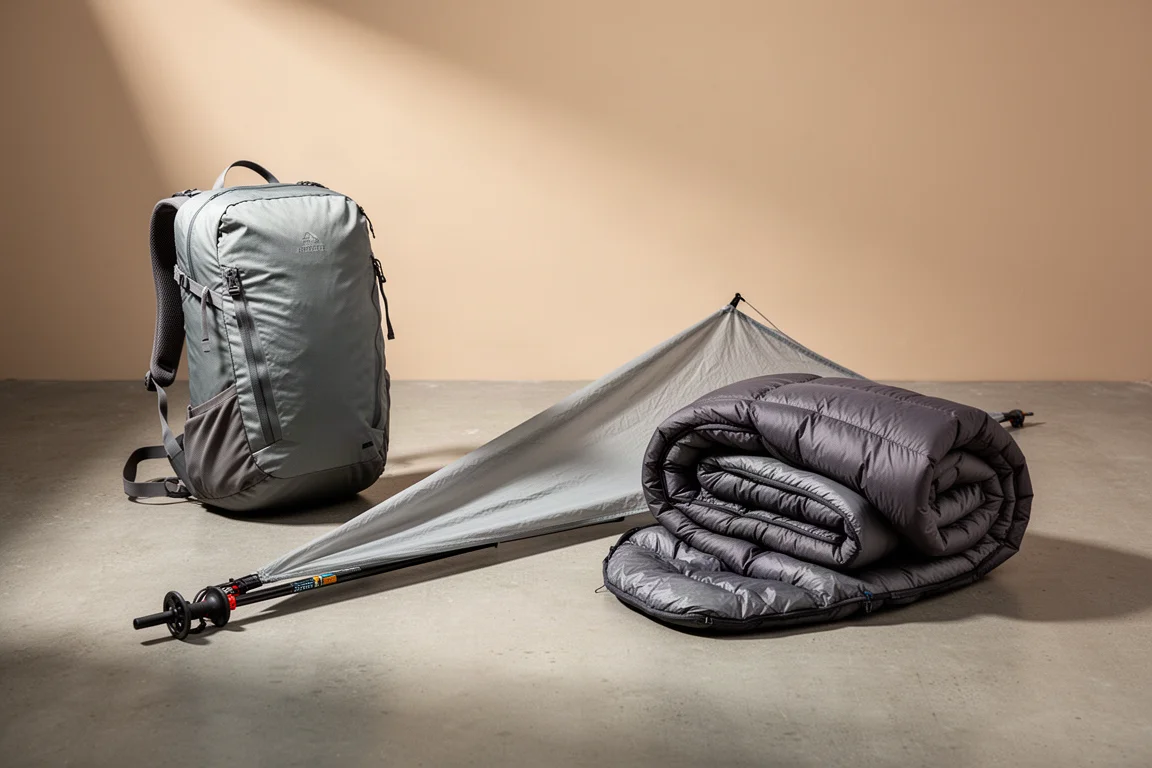
A sub-400-gram frameless pack, a convertible single-wall shelter, and a 377-gram down quilt, tested on a cold, windy overnight trip.
Introduction
Ultralight backpacking gear always asks the same question: what did you give up to save the weight? A frameless pack that costs $125, a single-wall shelter that converts to freestanding, and a quilt that weighs less than a full water bottle each promise something unusual, and each one makes its case differently.
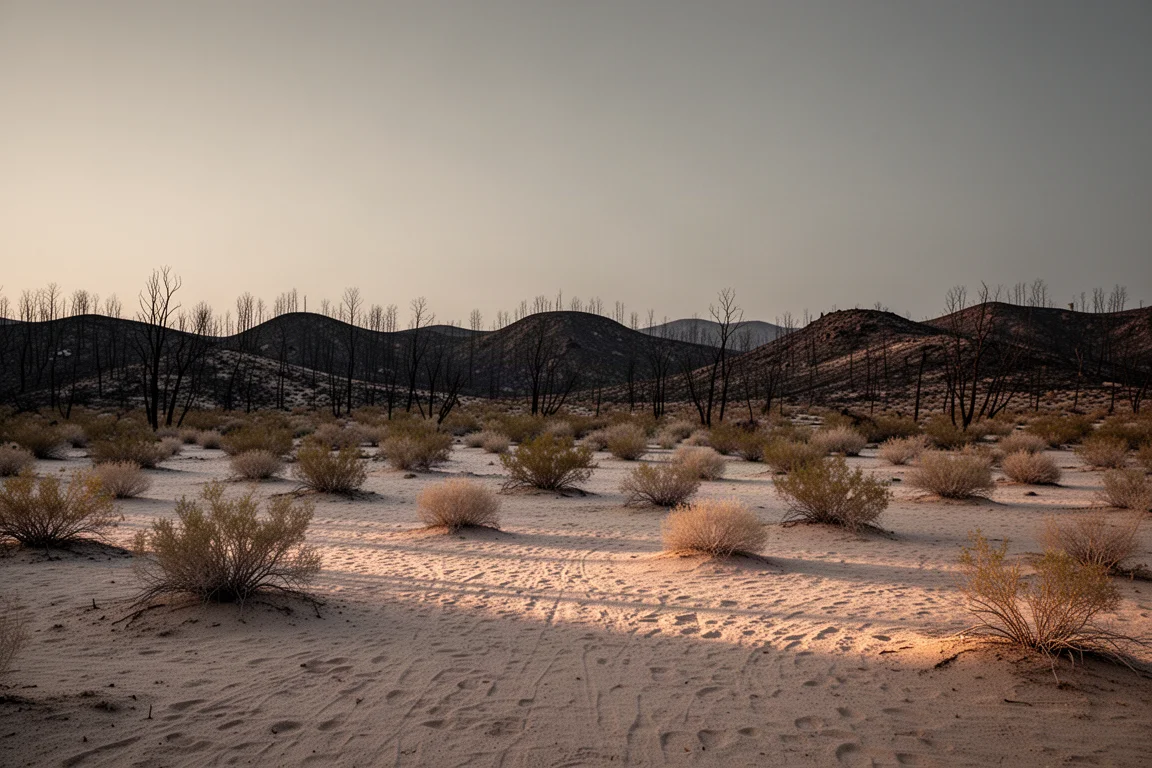
These three pieces were taken into high desert terrain with overnight lows approaching freezing and forecasts calling for wind gusts up to 70 km/h. Water sources were scarce, the route crossed an area that had recently burned, and camp was pitched on sand. Conditions like that tend to expose weak points quickly.
This guide covers what each product does well, where it compromises, and who should consider it. The short version: all three are worth a look, but none of them is a universal recommendation, and each one rewards a specific kind of buyer.
How These Products Were Evaluated
Three questions guided the assessment. First, does the gear still do its core job at that weight? Can a sub-400-gram pack carry a load effectively and still give access to water and layers during the day? Second, how many compromises come with the weight savings, and are any of them dealbreakers? Third, is the gear safe to use in the conditions it is likely to meet, because pushing the limits of weight and price can create real risk rather than simple inconvenience.
The trip was deliberately demanding. Nighttime temperatures sat around 5°C and dropped to 1°C for roughly 90 minutes. Wind arrived overnight and shook the shelter hard enough to require reinforcement. The route also included a first attempt with an alcohol stove, which ran out of fuel twice before reaching a boil and is set aside for a future test. Each product below was judged against the same three questions.
Do Solo Tallic 35: A Frameless Pack Under 400 Grams
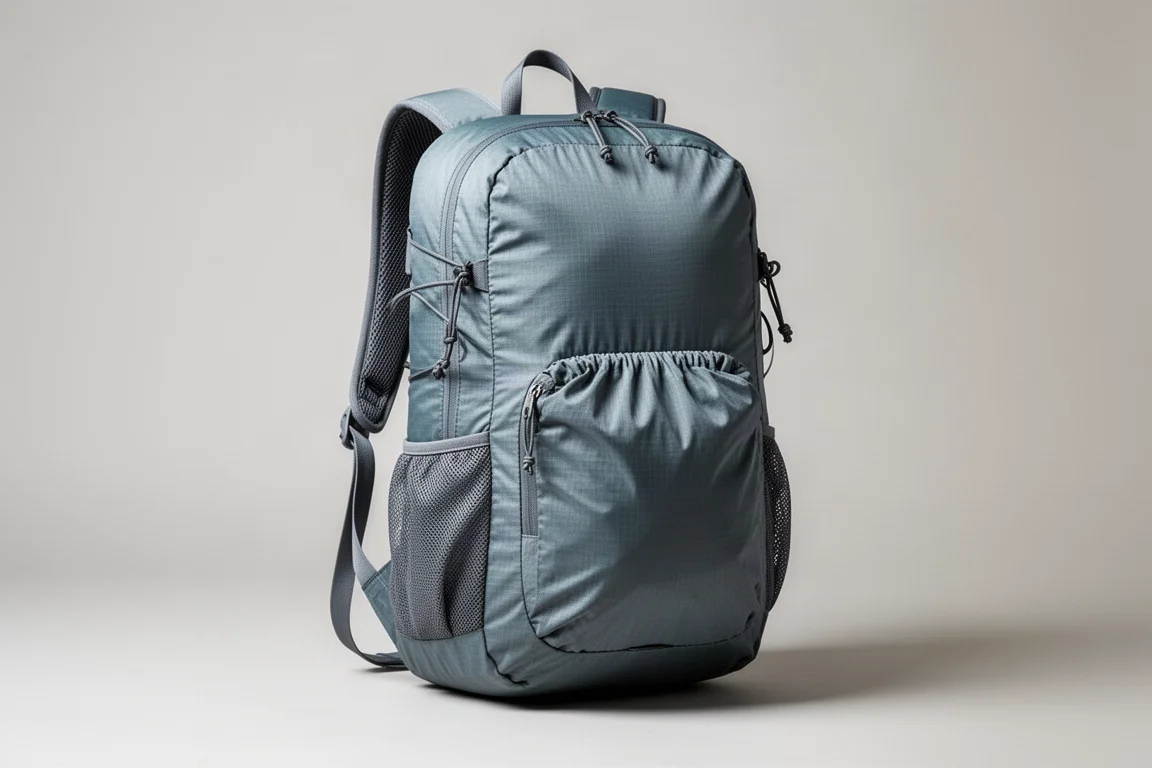
Do Solo claims the Tallic 35 is both lightweight and affordable, with a comfortable carry limit of 20 lb and side pockets that can be reached while the pack is worn. The claimed weight lands under 400 grams and the price sits at $125, which makes it one of the least expensive ultralight packs available.
The reachable side pockets hold up. Water bottles came out and went back in without stopping, even with limited shoulder flexibility. The feature set is deliberately minimal: a frameless body, a removable hip belt, a removable foam back sheet that adds a little structure, two side bottle pockets, and one large stretchy front pocket. There is no bottom pocket, and the shoulder straps finish slightly high, close to the armpit. A top strap system is included, tucked inside the pack with toggles that attach to loops, so a bear canister or a camp chair can be strapped on when needed.
Carrying performance is where the trade-offs show. Loaded to 23 lb, above the stated 20 lb limit, the pack carried the weight less comfortably than some other frameless designs, and the shoulders felt it after roughly 20 km of hiking. With a gradual build-up, it appears to handle up to about 25 lb. Volume is generous relative to the carry limit, so most users will hit the weight ceiling before the space runs out. That makes it a solid one or two night pack, and possibly up to a week for hikers with genuinely minimal kits.
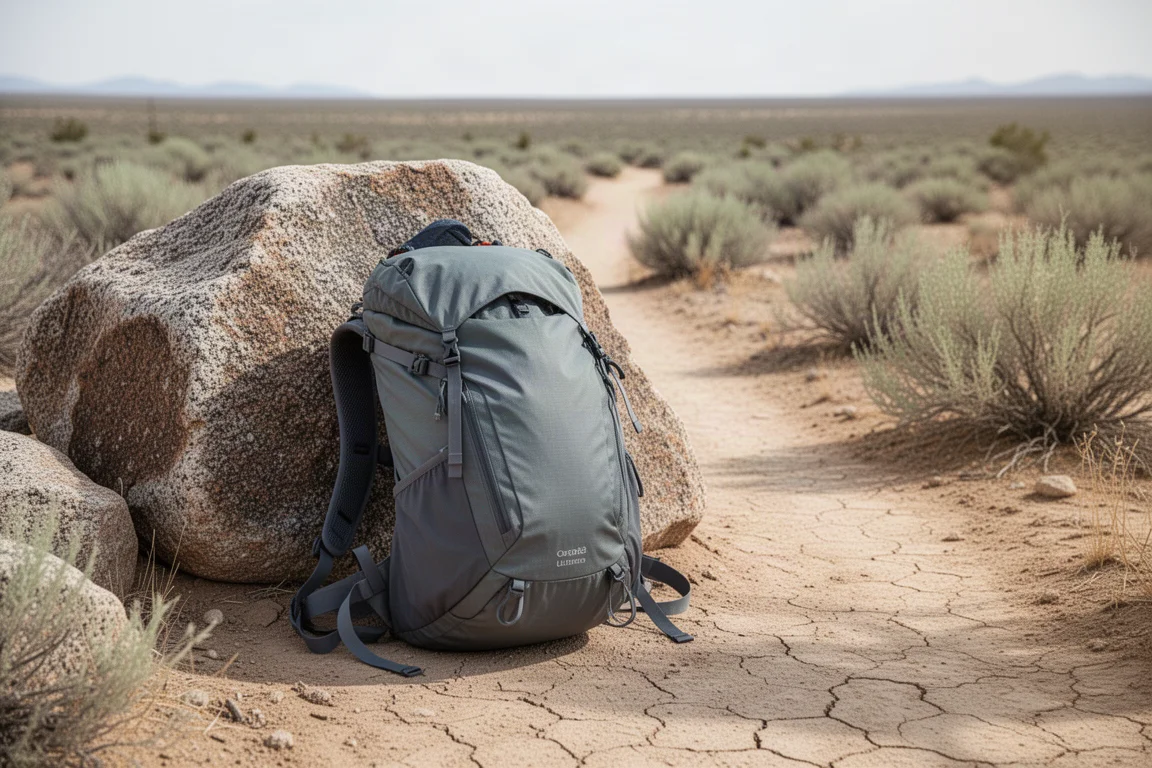
Durability is the open question, and it will only be answered over a longer period of use than a single overnight. For someone who is not already an ultralight backpacker but is curious about a frameless pack, this is a low-cost way to try the format without giving up an arm and a leg.
TarpTent Double Rainbow Silpoly: Room to Stretch Out
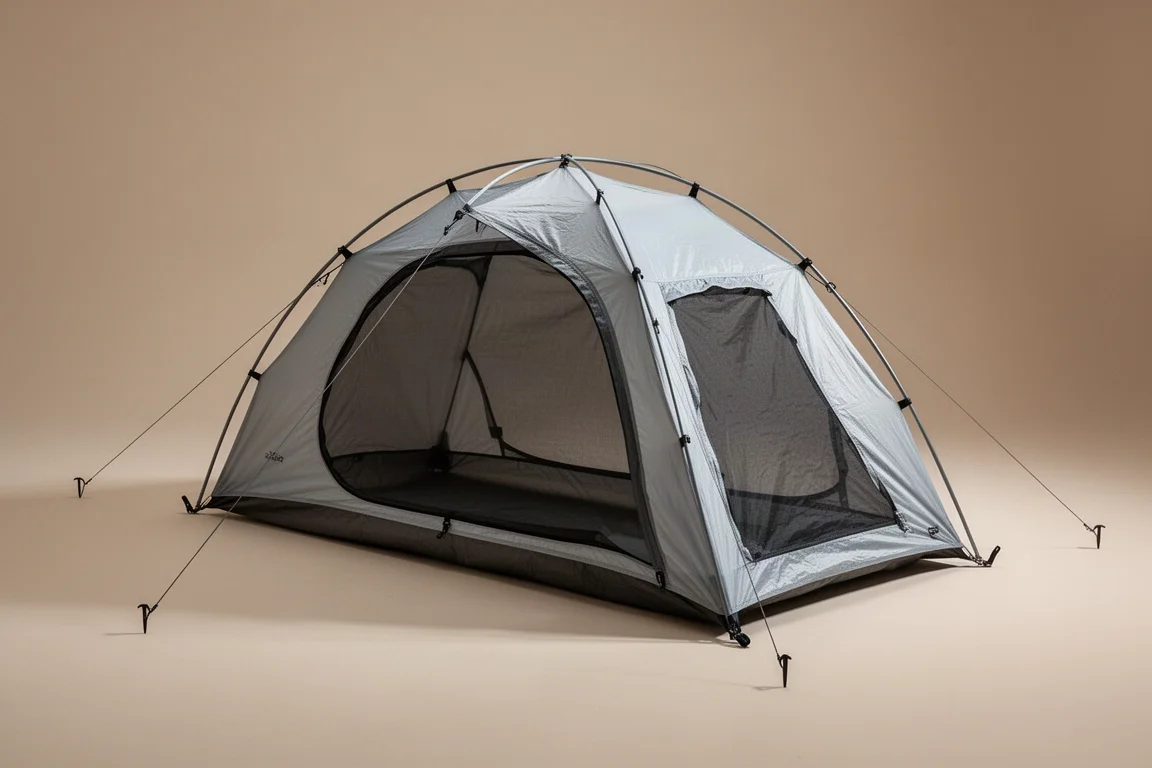
The Double Rainbow Silpoly is a single-wall shelter that normally pitches semi-freestanding with an arch pole over the center. Adding two trekking poles at either end is claimed to make it fully freestanding, and the tent does pass the practical test of being picked up and moved while assembled.
The freestanding conversion comes with caveats. The vestibules still need to be staked, and in use the trekking poles seemed to interfere with the pitch, so the shelter was pitched without them for the night. The bigger draw is interior volume. The tent is long and exceptionally roomy at both the head and foot ends, which matters a great deal in a single-wall design: there is enough clearance that a sleeping bag or a head is unlikely to brush the fly. The single-wall version is also lighter than the double-wall version, and the interior space makes the extra wall less necessary.
Wind is where the shelter needed help. Overnight gusts blew it around and it collapsed in spots, so the stakes were reinforced with rocks and the guy lines were deployed. The decisive fix was already built in: grommets at the peaks accept trekking poles, and once poles were inserted at both ends the tent locked down and stayed stable in gusts estimated around 40 km/h.
Size remains the standout feature, and taller hikers who want generous space from an ultralight shelter should keep it on their list. The freestanding mode and a few pitching nuances still need more time on trail before it becomes a top recommendation.
Zpacks Solo Quilt 30: Warmth at 377 Grams
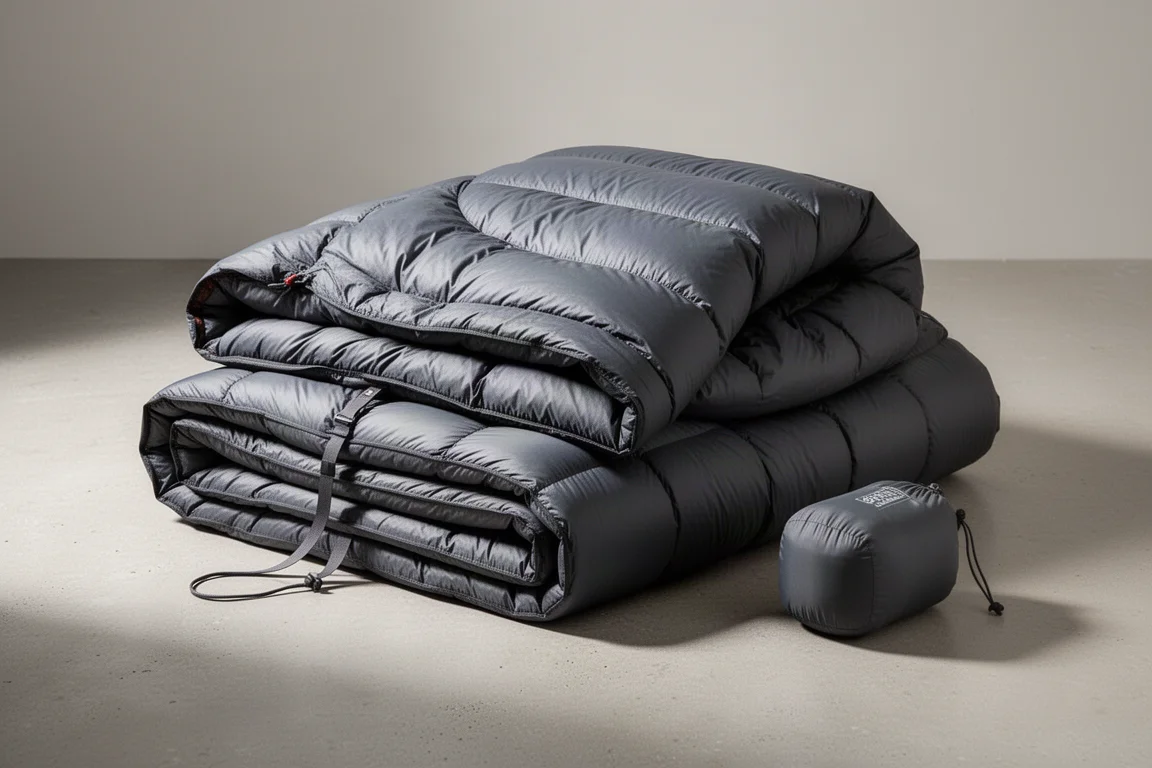
The Solo Quilt 30 is a premium proposition: 377 grams, over $400, high fill power down, and a very light shell fabric. The construction is stripped back further than most quilts. Where a typical quilt uses two pad straps to seal out drafts, this one uses a single strap plus a neck cinch.
On a night that hovered near 5°C and dipped to 1°C for about 90 minutes, the quilt kept a sleeper warm with only a light active insulation layer, socks, a wool hat, and a neck buff. A small amount of heat loss was noticeable at the coldest point, which suggests the practical limit sits close to freezing. Loft increased noticeably over the course of the night, and the single pad strap combined with the neck cinch kept drafts out even with wind moving through the tent mesh. It was paired with an inexpensive pad rated at R-value 5.8, and no heat loss was felt through the bottom of the sleep system.
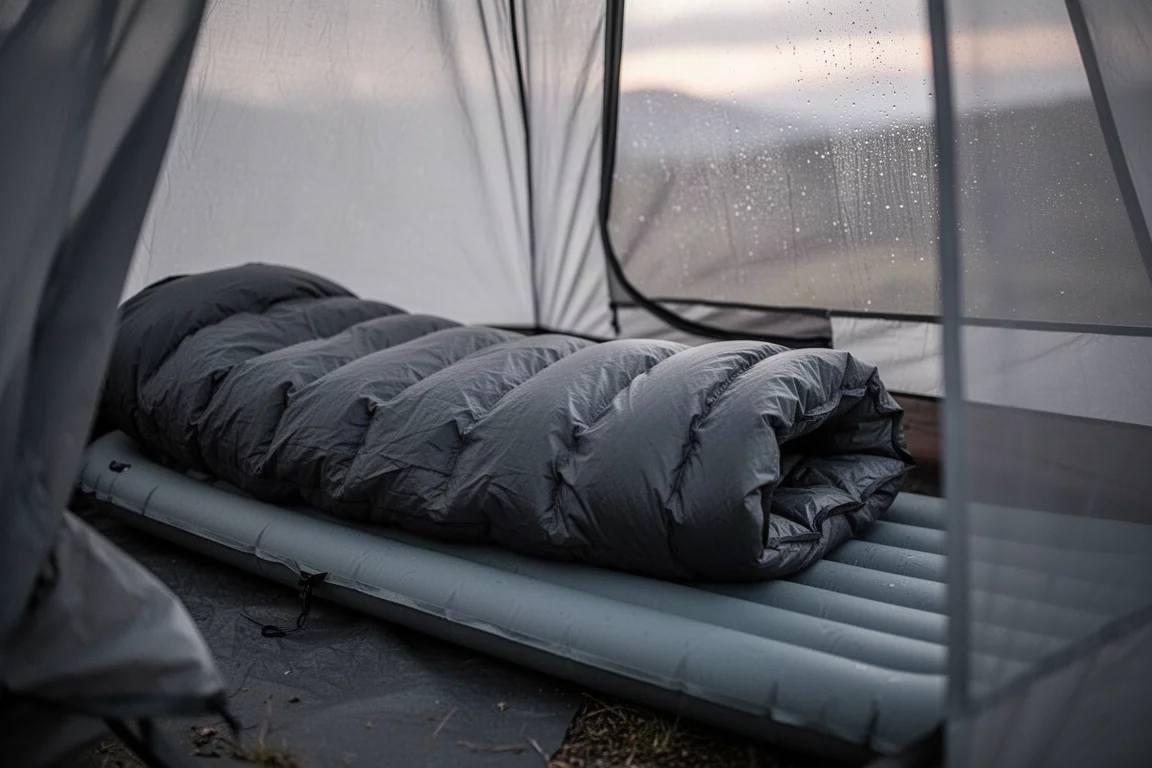
The trade-off is care. Premium lightweight materials are more susceptible to humidity, dirt, and grime, so this is a quilt for hikers who are already dialed in and want maximum compressibility rather than a general-purpose option. For above-freezing trips it is a compelling piece of insulation.
Weighing the Compromises
Every product here gives something up. The pack trades premium materials, strap comfort, and a bottom pocket for an extremely low weight and price. The shelter trades pitching simplicity in freestanding mode for interior volume and a light single-wall build. The quilt trades tolerance for moisture and dirt for compressibility and very low weight. None of these are defects so much as the cost of admission in this category.
That framing matters when deciding what to buy. Weight and price are the easiest numbers to compare, but they are not the whole picture. Carry comfort, how a shelter behaves in wind, and how much care a fabric demands will shape how often a piece of gear actually gets used.
Buying Advice
Match the gear to the trip rather than to the spec sheet. The Do Solo Tallic 35 suits backpackers who want to try a frameless pack at a low cost and who keep loads at or under roughly 20 lb, with the understanding that durability is still unproven. The TarpTent Double Rainbow Silpoly is most appealing to taller hikers and anyone who wants generous interior space from a single-wall shelter, provided they are comfortable staking out vestibules and reinforcing in strong wind. The Zpacks Solo Quilt 30 is for committed ultralight hikers and fast packers who want the lightest possible sleep insulation for above-freezing conditions and who will look after delicate materials.
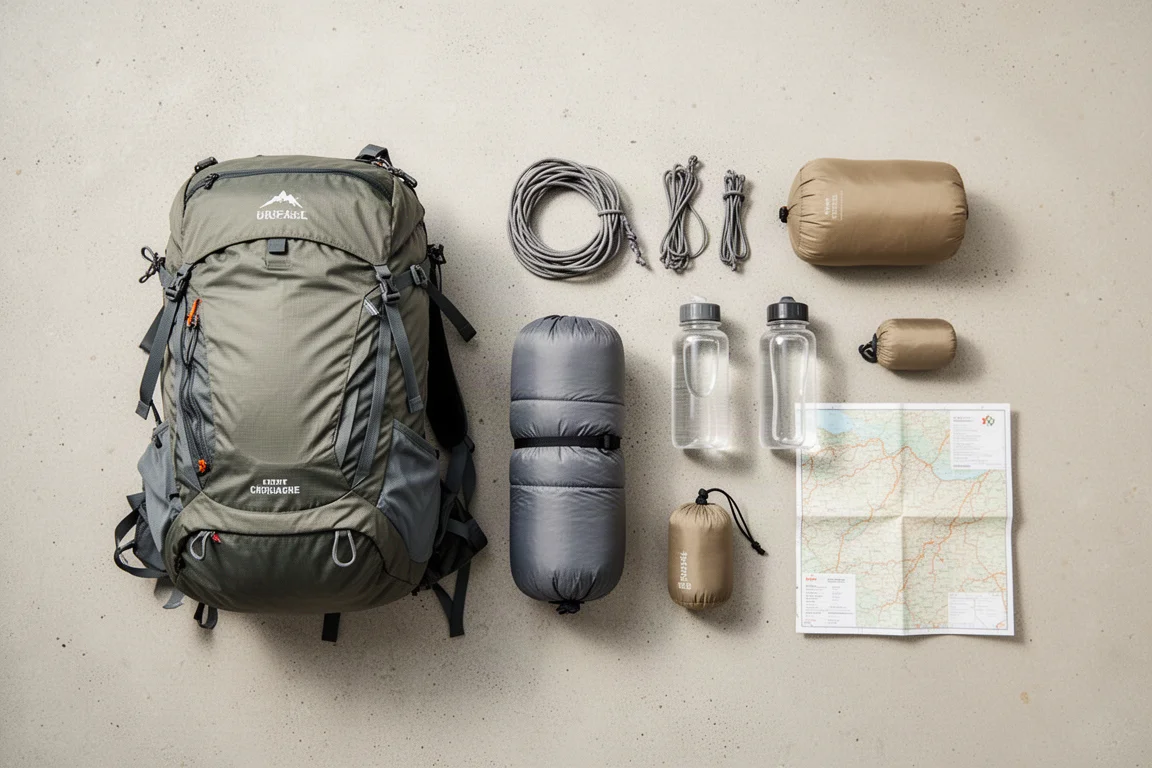
If you are building a kit from scratch, a sensible order is shelter first, then sleep system, then pack, because the shelter and quilt set the conditions the pack has to carry. Buyers who want only one upgrade should start with whichever item currently costs them the most comfort.
Conclusion
All three products show how far ultralight design has come, and all three come with compromises worth understanding before purchase. The pack delivers an unusual combination of low weight and low price for anyone curious about frameless carrying. The shelter offers standout interior space and a wind-ready design once trekking poles are added at the peaks. The quilt delivers serious warmth at 377 grams for hikers who will treat premium materials with care. Choose based on the trips you actually take, and these are reasonable places to spend.
Further reading
Related Reviews

Backpacking Gear
Building a 10 lb Base Weight: An Ultralight Backpacking Gear List
A practical walkthrough of the ultralight pieces behind a 10 lb base weight, from a 765 g pack and a roomy one-person tent to a full camp chair and a dependable water filter.

Backpacking Gear
A 15-Pound Lightweight Backpacking Gear List for Solo Trips
A beginner-friendly 15-pound backpacking setup built from easy-to-find gear, with notes on what each piece does, how it packs, and where to spend your attention.

Backpacking Gear
8 Ultralight Backpacking Gear Upgrades Worth Carrying
Eight small, affordable backpacking upgrades that solve real trail annoyances, from a pillow that stays put to a fuel valve that rescues leftover canister gas.