Backpacking Gear
Ultralight Backpacking Gear Swaps: 3 Upgrades Worth Considering
Three practical backpacking gear swaps for long-distance hiking: lighter trekking poles, a sub-18-ounce trekking pole shelter, and a two-liter water bladder, with the trade-offs spelled out.
Introduction
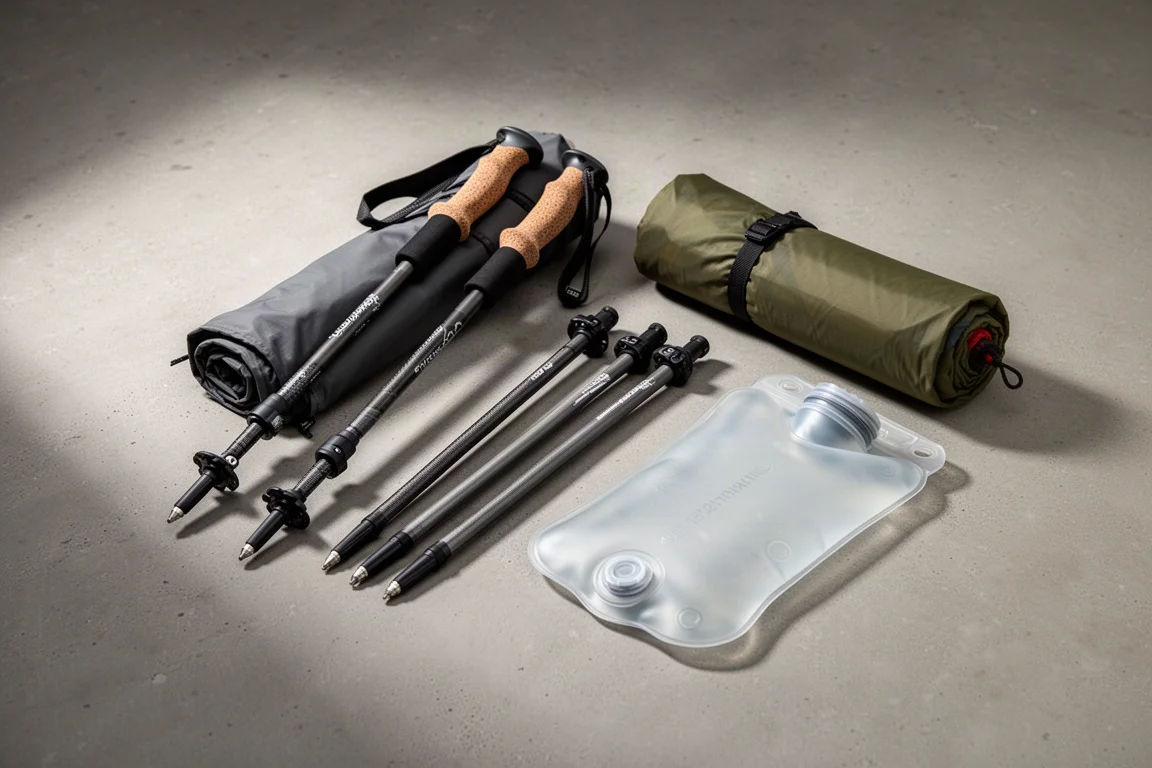
Long-distance backpacking is a game of small margins. A shelter that saves half a pound, a water setup that frees up room in a pack, or a pair of trekking poles that costs a fraction of a premium set can change how a multi-week hike feels by the end of the first week.
The three swaps below follow the same pattern. Each one moves away from a familiar, well-used item toward something lighter, smaller or less expensive, and each comes with a genuine trade-off worth understanding before any money changes hands.
What Makes a Worthwhile Ultralight Gear Swap
Not every lighter item is a better item, and the differences that matter most on a long trail are usually the least glamorous ones.
Weight and packed volume come first, because both compound over hundreds of miles. Cost matters just as much: a shelter or a water container that can be replaced cheaply in a trail town is a different proposition from one that represents a serious investment.
Durability and repairability round out the list. Trekking pole locking mechanisms, tent seams and thin water containers are the parts most likely to fail, so it helps to know how each one behaves under repeated use and how easily it can be fixed or replaced.
Conditions matter as much as numbers. Humid, rainy regions put condensation and waterproofing at the top of the list, while dry stretches put water capacity there instead. A swap that looks obvious on a spreadsheet may look less obvious on the trail.
Trekking Poles: Out With the Leki Corklite
Cork grips, a comfortable knob-style adjustment and a track record of surviving a full thru-hike and then some: the Leki Corklite earned its place in a lot of packs, and older pairs are still remembered fondly for exactly that reason.
The newer version has been harder to recommend for long-distance use. The pole feels less sturdy than the earlier model, and the small locking clip has snapped more than once, with a wrist strap failure adding to the frustration. That version is also difficult to find now, which makes spare parts less straightforward than they should be.
For day hikes and shorter trips, the cork grip and the adjustment knob remain genuinely pleasant to use. For a multi-month hike, the durability questions are difficult to ignore.
Trekking Poles: In With the Cascade Mountain Tech Carbon
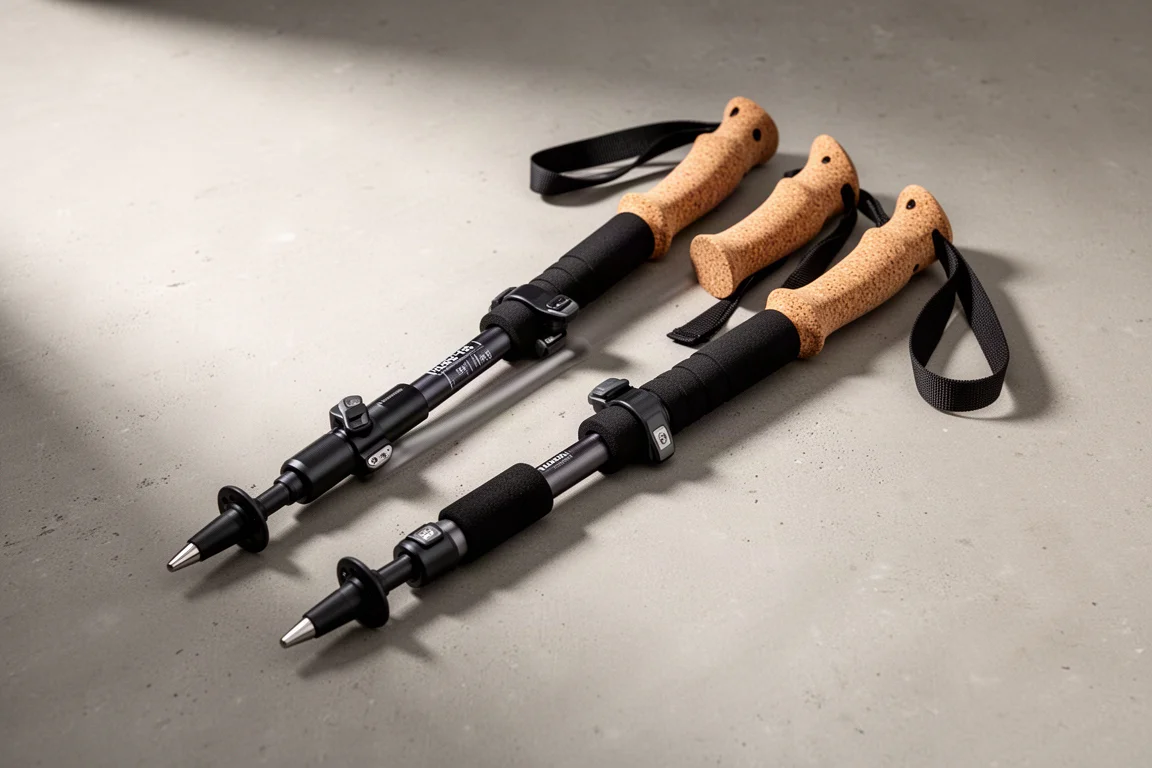
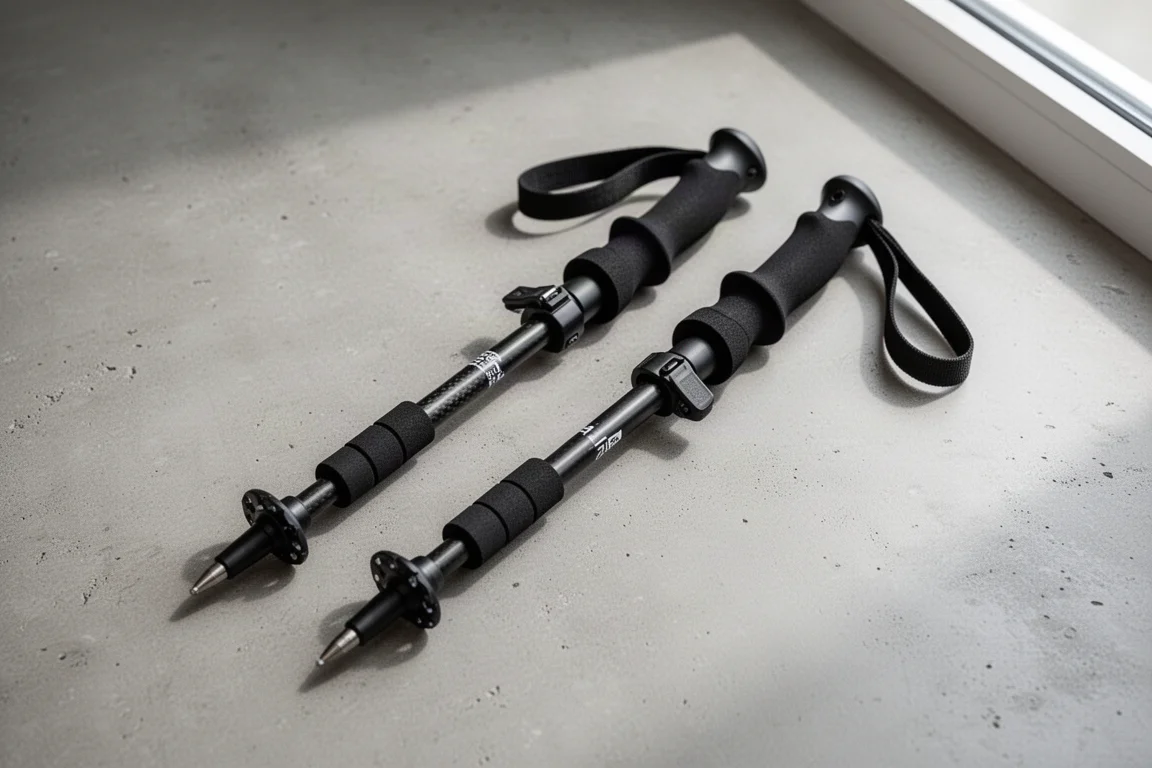
The replacement comes from a different end of the market. The Cascade Mountain Tech Carbon poles were chosen largely on price, and that is exactly where they make their case: carbon shafts and a comfortable grip at a cost that leaves room in the budget for other gear.
The adjustment knob is not quite as refined as the one on the Leki poles, and the locking system is broadly similar to the design that caused trouble before, so the same care is warranted. The extended foam section below the handle also divides opinion. It offers extra grip options on steep terrain, but it adds bulk that many hikers never use, and trimming it off is a common experiment.
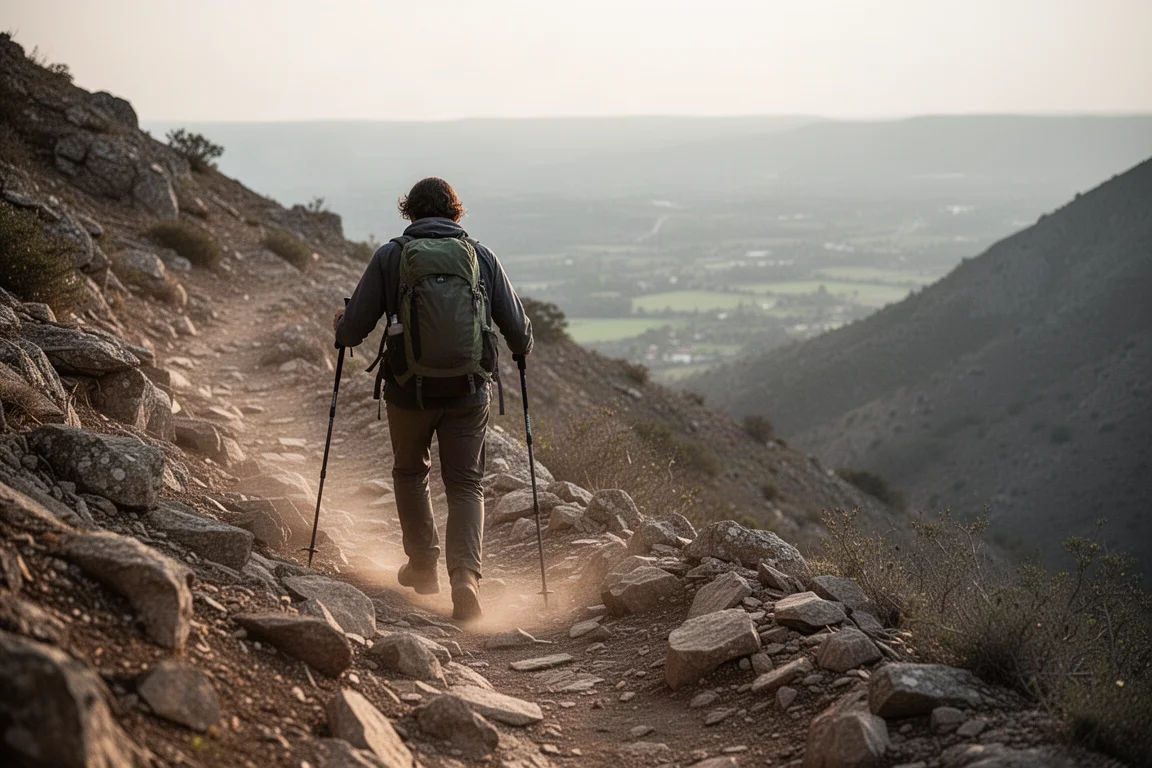
Durability over a full thru-hike is the open question. These are not built to the same standard as premium poles, and the reasonable expectation is that they may need replacing at some point along the way. At this price, that reads as a calculated risk rather than a deal-breaker.
Tent: Out With the Big Agnes Fly Creek
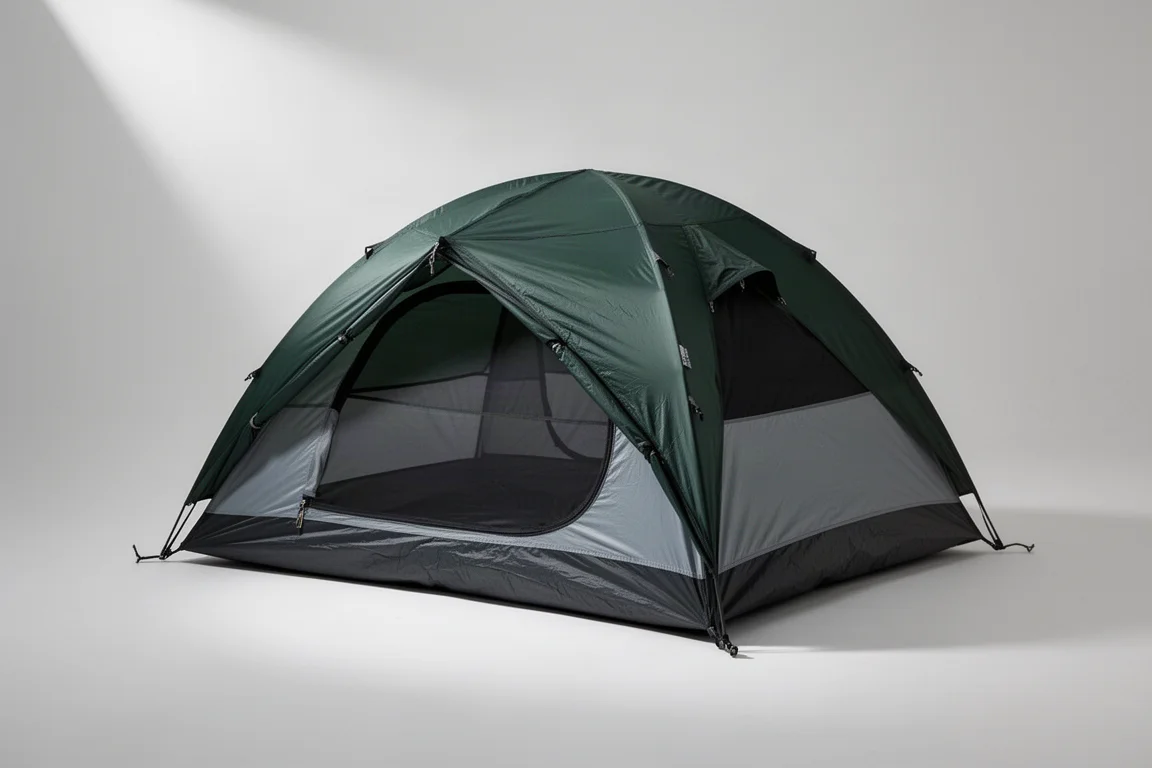
The Big Agnes Fly Creek is a nearly freestanding, double-wall tent, which means an inner mesh body, a dedicated pole structure and an outer rain fly. That combination has real advantages: it pitches without trekking poles, it handles wind well, and it has come through serious rain without letting water in.
Weight is where the design now shows its age. At over two pounds it is heavy by current ultralight standards, even though it was among the lightest tents on the market when it launched. The rain fly has also started to drip, which points to seams that need sealing again rather than a fundamental flaw.
For hikers who value a freestanding pitch and a separate fly, it remains a capable shelter. For anyone counting ounces on a long trail, the numbers are hard to justify.
Tent: In With the Gossamer Gear The One
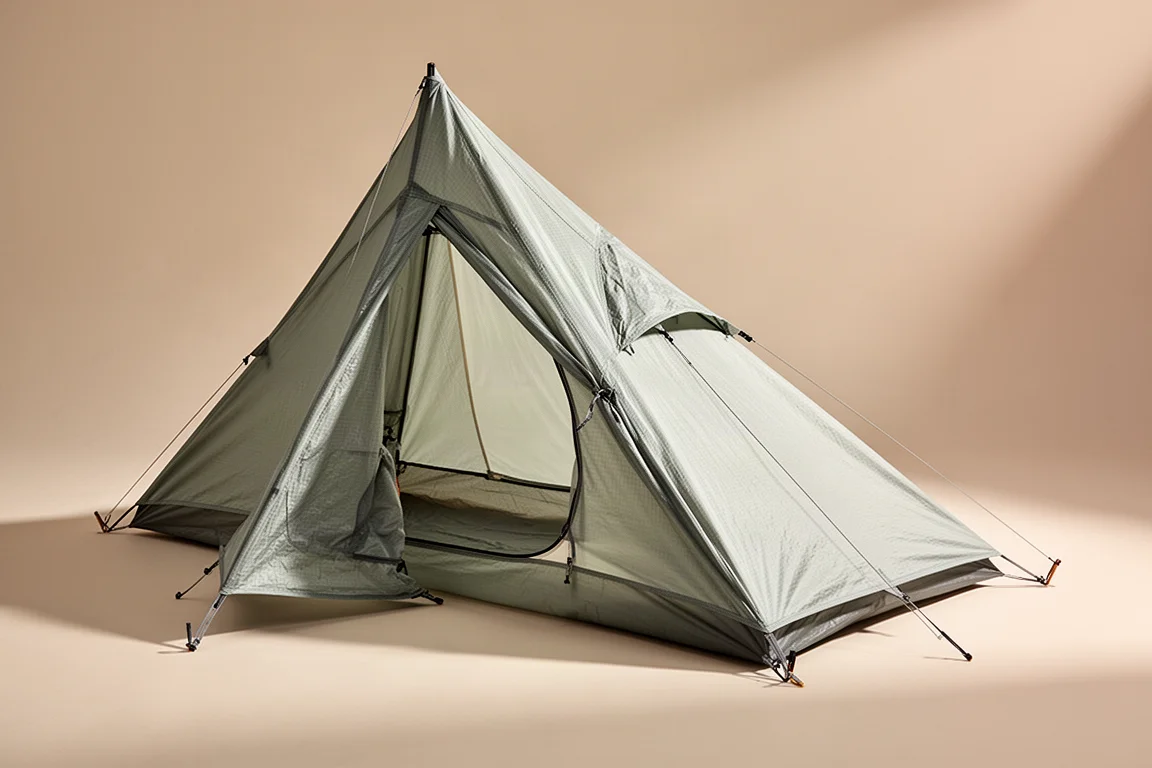
The Gossamer Gear The One takes the opposite approach. It is a single-wall shelter supported by trekking poles instead of dedicated tent poles, which removes the weight and packed volume of a pole set that would otherwise have to be carried. The result is a shelter weighing just under 18 ounces before stakes, and packing down remarkably small.
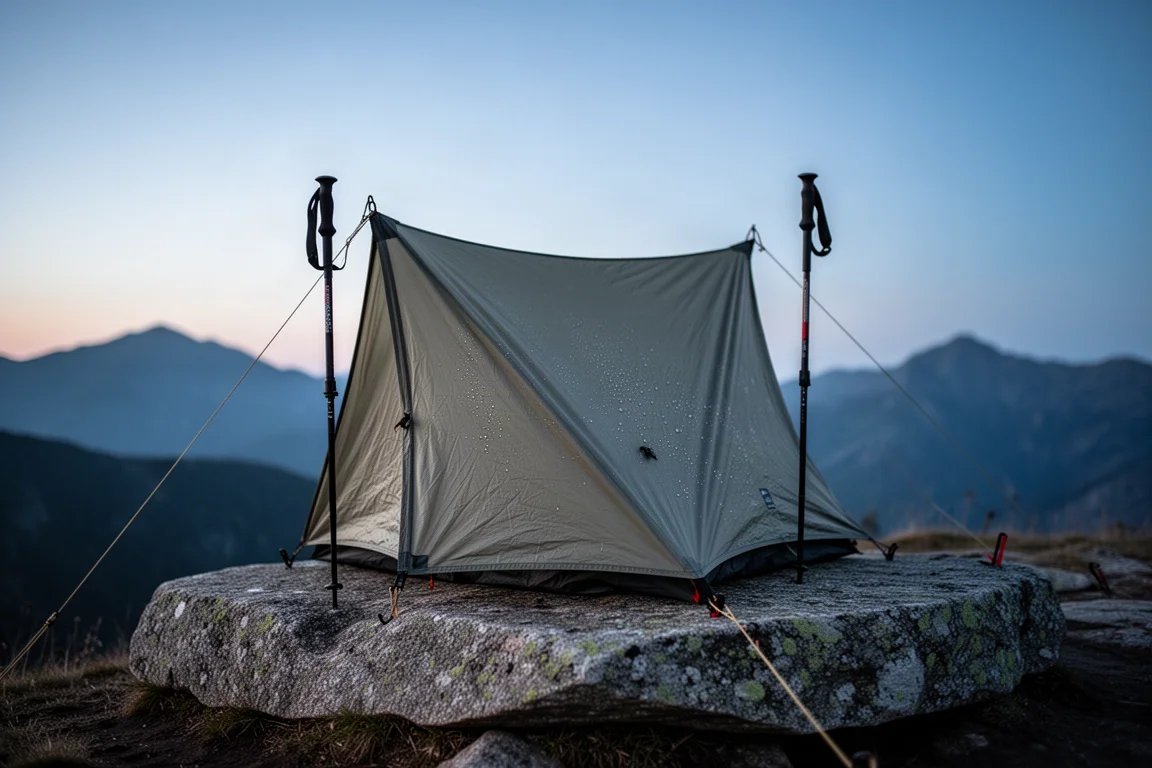
The trade-offs are built into the design. Because it is not freestanding, it depends on ground where stakes will hold, and single-wall shelters are known for condensation in humid conditions. Value is the other strong argument: it is one of the more affordable ultralight shelters available, and significantly cheaper than the lighter alternative it was compared against.
Water Storage: Out With the Sawyer Bags
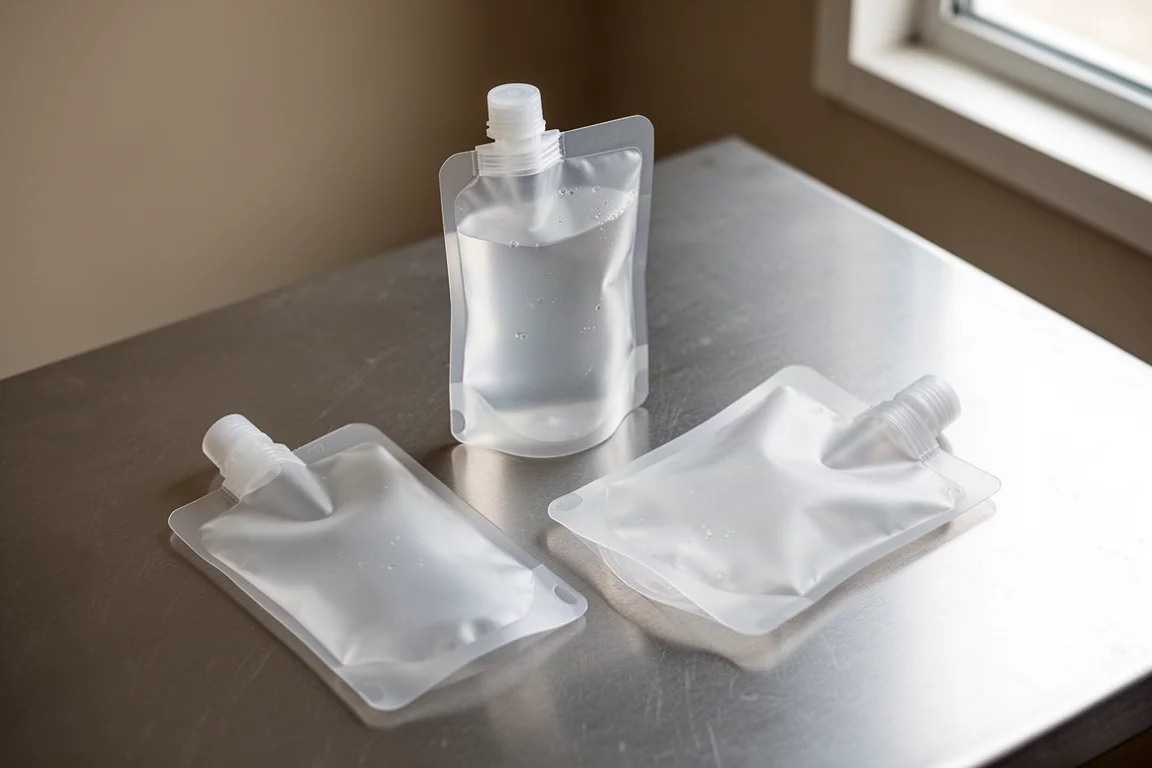
The Sawyer Squeeze remains a dependable filter, and the Sawyer water bags that pair with it are light, compact and easy to carry as backup capacity. The one-liter bag rolls down to almost nothing, which is why it has long been a just-in-case item for camps far from water.
The limitation is capacity and convenience. A liter of spare water is modest for genuinely dry stretches, and carrying several bags to reach a useful total means more separate containers to fill, pack and keep track of.
Water Storage: In With the Platypus 2L Bladder
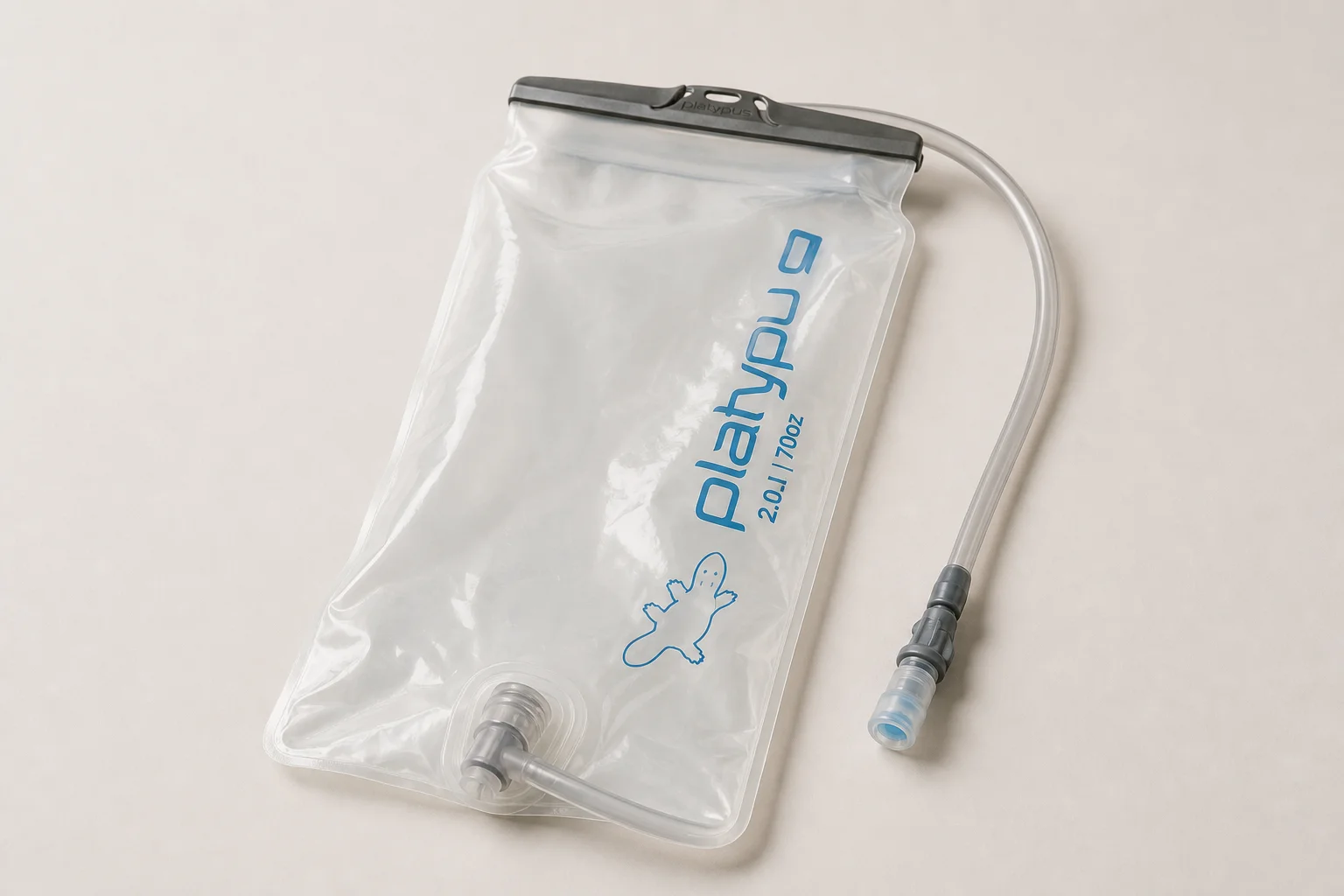
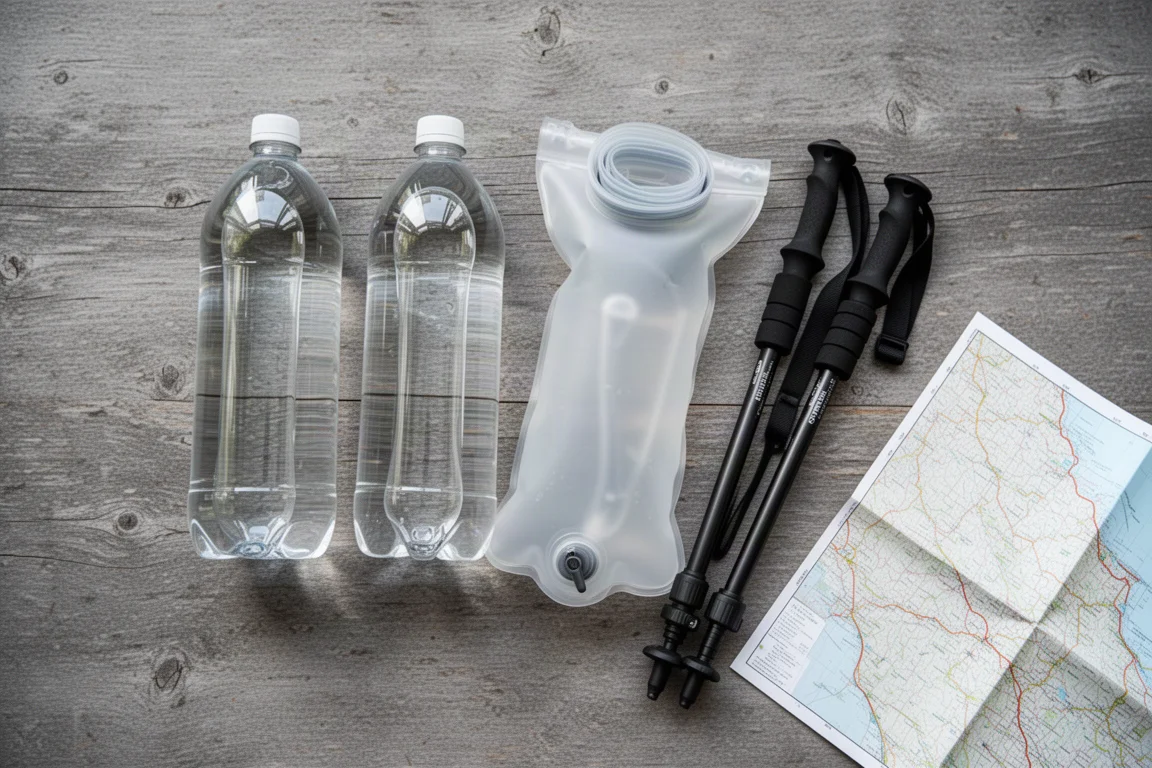
The alternative is a single two-liter Platypus bladder used for storage only. Paired with two 1.5-liter bottles, that brings total capacity to roughly five liters, a common target for long dry sections.
One container is easier to strap to a pack than two, and the bladder feels lighter in the hand than the one-liter bag it replaces while holding twice as much. It is also inexpensive enough to replace without much thought if it fails.
The concern is durability. The material is thin and punctures are a realistic possibility, though a cheap bladder that can be swapped in the next town is a manageable problem rather than a trip-ending one. Using it purely for storage, rather than filtering through it under pressure, should also reduce the strain on its seams.
How to Decide Which Swaps Are Worth It
Match the swap to the terrain and climate you actually expect. A trekking pole shelter saves meaningful weight and volume, but it depends on staking and pitches best with poles you already carry. A freestanding double-wall tent gives back convenience and condensation control in exchange for extra weight.
Water capacity is best planned around the longest dry stretch on your route rather than an average day. Five liters is a reasonable starting point for many long trails, and it can be adjusted once real conditions are known.
On poles, the honest calculation is cost against expected lifespan. Budget carbon poles can be excellent value but may not survive a full thru-hike, while premium poles cost more and are not immune to clip and strap failures either. Either way, confirm that a cheap spare or replacement part is realistic before committing.
It also helps to spread spending across categories rather than maximizing one item. A shelter, a water setup and a pole set each have a low-cost and a high-cost path, and the cheapest sensible option in each category often leaves room to upgrade the one that matters most to you.
Conclusion
These three swaps point in the same direction: less weight, less volume and less money spent, with trade-offs that are specific and predictable. The Cascade Mountain Tech Carbon poles trade long-term durability for a low price. The Gossamer Gear The One trades freestanding convenience and condensation resistance for a sub-18-ounce shelter that packs small. The Platypus bladder trades some material toughness for two liters in a single, inexpensive container.
Read the trade-offs honestly, match them to the trail you are actually hiking, and each of these changes becomes easier to feel confident about.
Further reading
Related Reviews

Backpacking Gear
Building a 10 lb Base Weight: An Ultralight Backpacking Gear List
A practical walkthrough of the ultralight pieces behind a 10 lb base weight, from a 765 g pack and a roomy one-person tent to a full camp chair and a dependable water filter.

Backpacking Gear
A 15-Pound Lightweight Backpacking Gear List for Solo Trips
A beginner-friendly 15-pound backpacking setup built from easy-to-find gear, with notes on what each piece does, how it packs, and where to spend your attention.

Backpacking Gear
8 Ultralight Backpacking Gear Upgrades Worth Carrying
Eight small, affordable backpacking upgrades that solve real trail annoyances, from a pillow that stays put to a fuel valve that rescues leftover canister gas.